
Picture this: a bird that blends seamlessly into snow one moment, then bursts into mottled browns the next, all while thriving in America’s wildest corners. State birds aren’t just symbols; they’re living masterpieces shaped by rugged landscapes from tundra to desert. These 15 picks stand out for their jaw-dropping looks and quirky habits that make spotting them a thrill worth chasing.[1][2]
Honestly, I’ve always been drawn to how these feathered icons mirror their homes’ raw beauty. Ready to plan your next birding adventure? Let’s dive in and uncover where these stunners hide in the wild.
Willow Ptarmigan: Alaska’s Camouflage Master
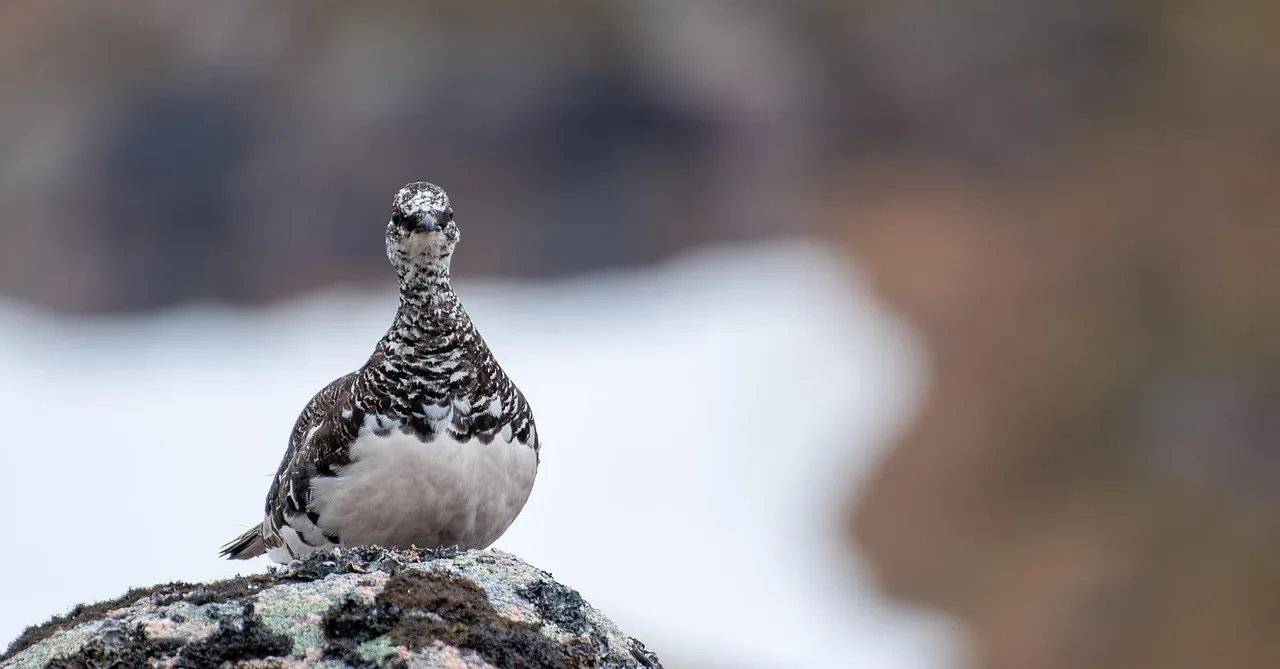
Did you know Alaska’s state bird turns white in winter to vanish against the snow? The Willow Ptarmigan haunts alpine tundra, feasting on willow buds and berries amid endless icy vistas. Spot them strutting in small flocks during summer melts.[1]
Head to Denali National Park for prime viewing along taiga edges. Their explosive flushes from cover still give me chills, like nature’s own magic trick. Patience pays off here, especially at dawn.
Cactus Wren: Arizona’s Desert Scratcher
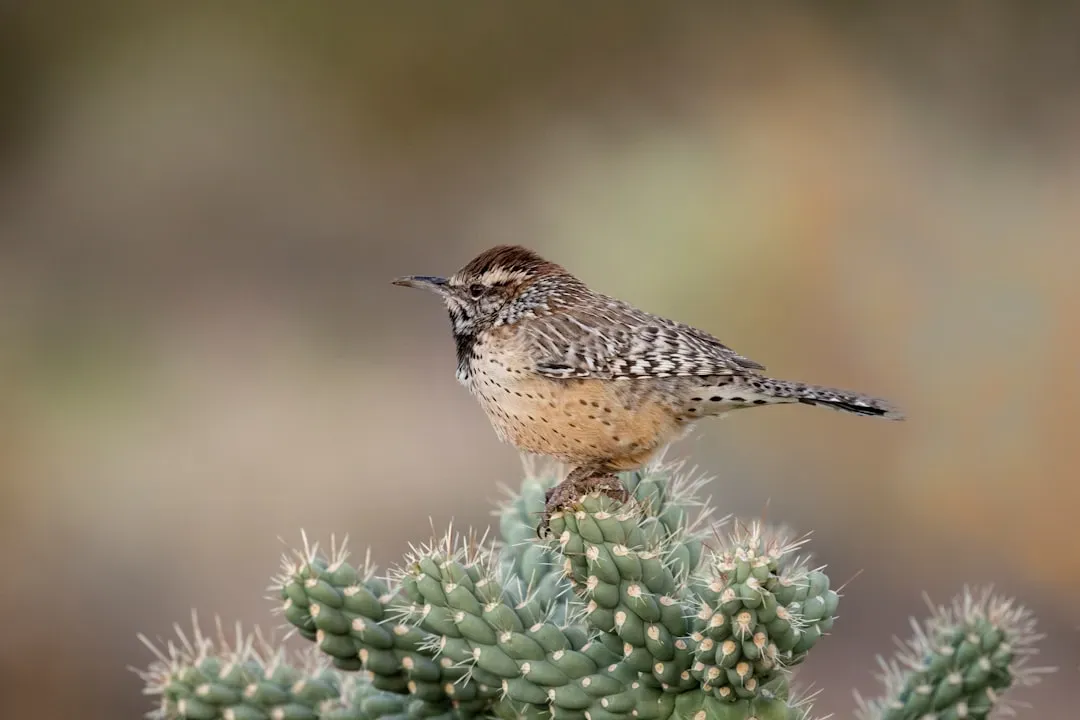
Arizona’s Cactus Wren rules the Sonoran Desert with its chunky build and spotted tail, belting out harsh chatter from thorny perches. These tough birds nest in saguaro arms, dodging heat like pros. Their bold patterns pop against rusty sands.[3]
Saguaro National Park delivers the best sightings amid giant cacti groves. I think their no-nonsense vibe captures the desert’s grit perfectly. Wander trails at dusk for active families.
California Quail: The Golden State’s Crested Charmer
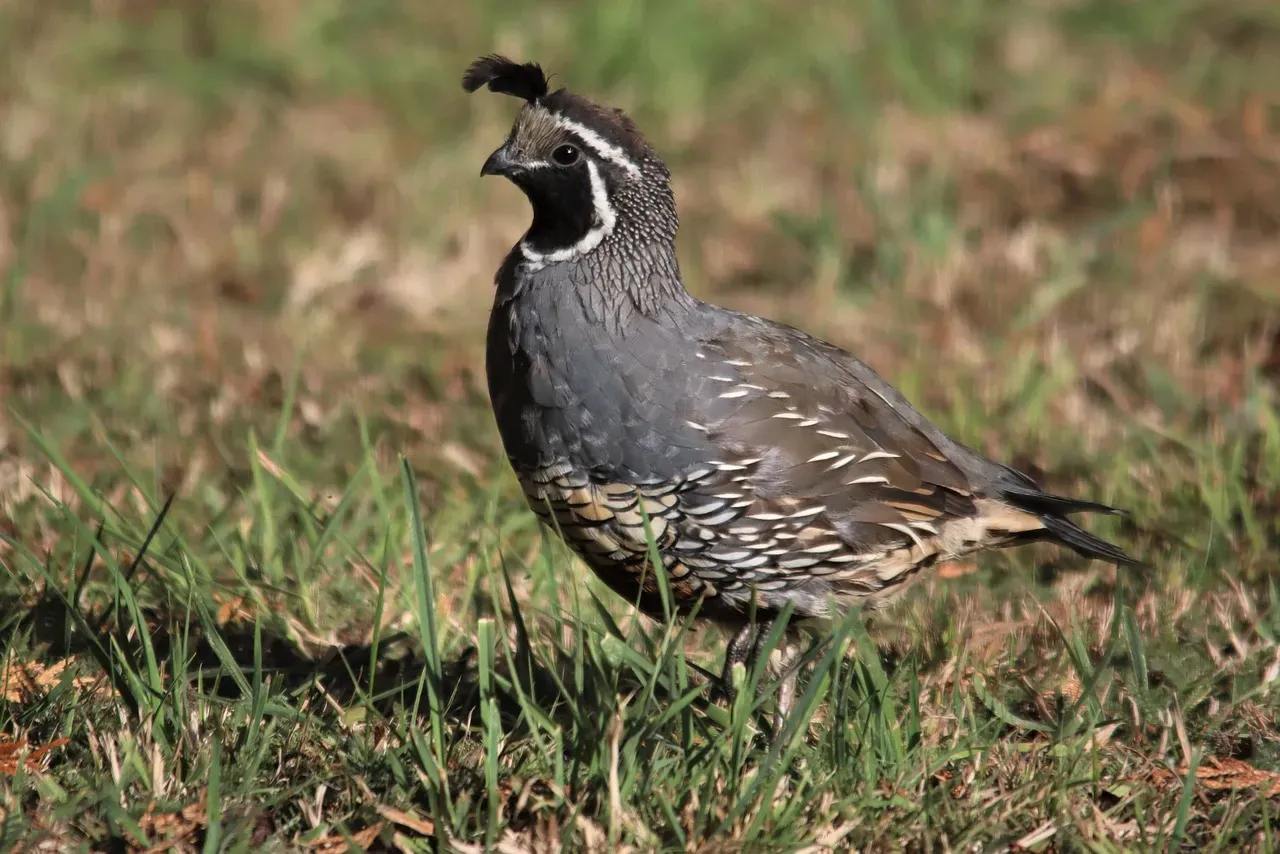
Forget flashy colors; California’s state bird wins with that teardrop plume and plump swagger through chaparral hills. They dart in coveys through oak woodlands, calling “chi-ca-go” like a feathered alarm clock. Their subtle blues and rusts shine up close.[1]
Point Reyes National Seashore offers coastal scrub heaven for them. Here’s the thing: watching a family explode from brush feels like stumbling on a secret party. Early mornings yield the best shows.
Lark Bunting: Colorado’s Black-and-White Showman
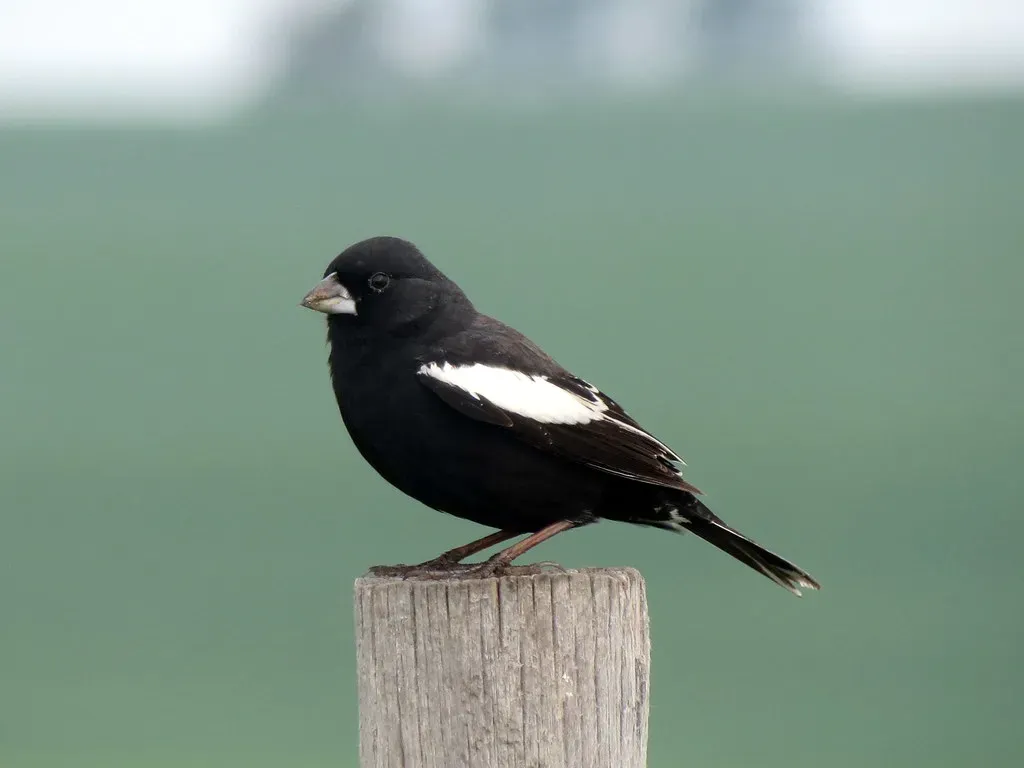
Colorado’s Lark Bunting males transform into tuxedoed sky-dancers in breeding season, jet black with crisp white wing flashes. They thrive in shortgrass prairies, belting songs from fence posts. Females stay drab, but males? Pure drama.[1]
Pawnee National Grassland buzzes with their flights come spring. It’s hard to say for sure, but their aerial displays rival any fireworks. Stake out open fields at sunrise.
Nēnē: Hawaii’s Feathered Survivor
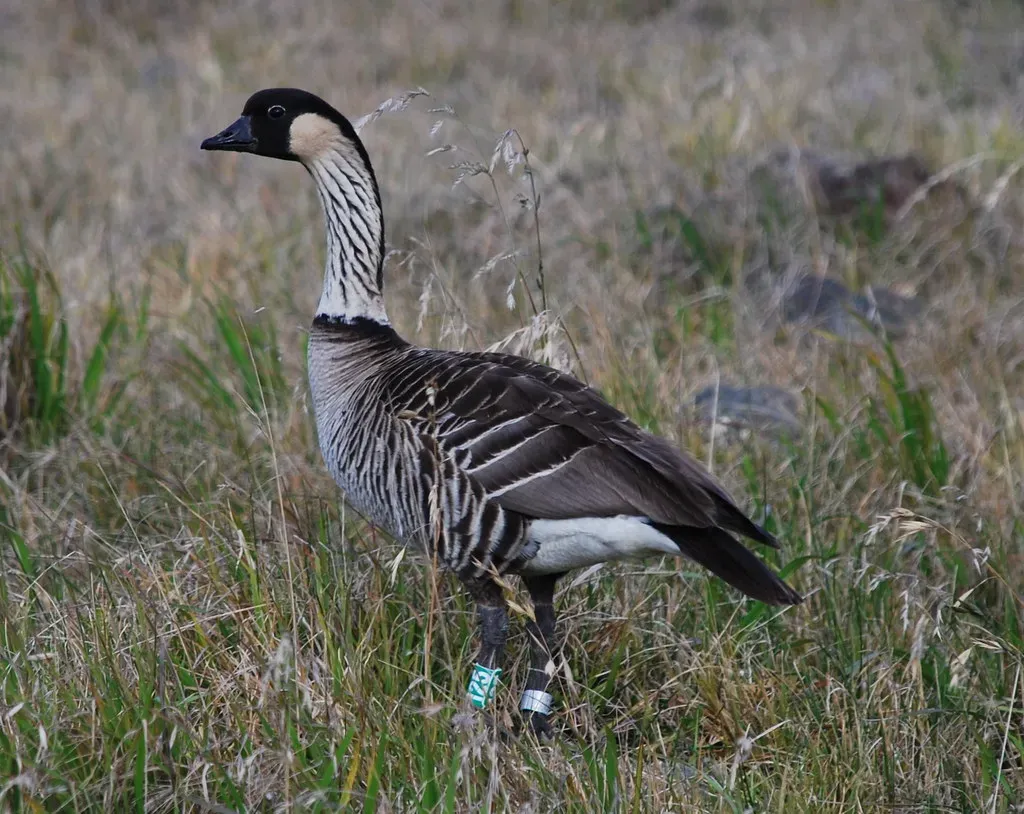
Hawaii’s Nēnē, or Hawaiian Goose, sports a sleek gray body with black cheek stripes and an orange fluff around its neck. Once nearly extinct, they now honk across volcanic slopes and native grasslands. Their call echoes like a wild trumpet.[4]
Hawaiʻi Volcanoes National Park hosts thriving flocks on lava fields. Let’s be real, their comeback story inspires awe every time. Listen for them near ʻōhiʻa trees at dusk.
Mountain Bluebird: Idaho’s Sky-Blue Nomad
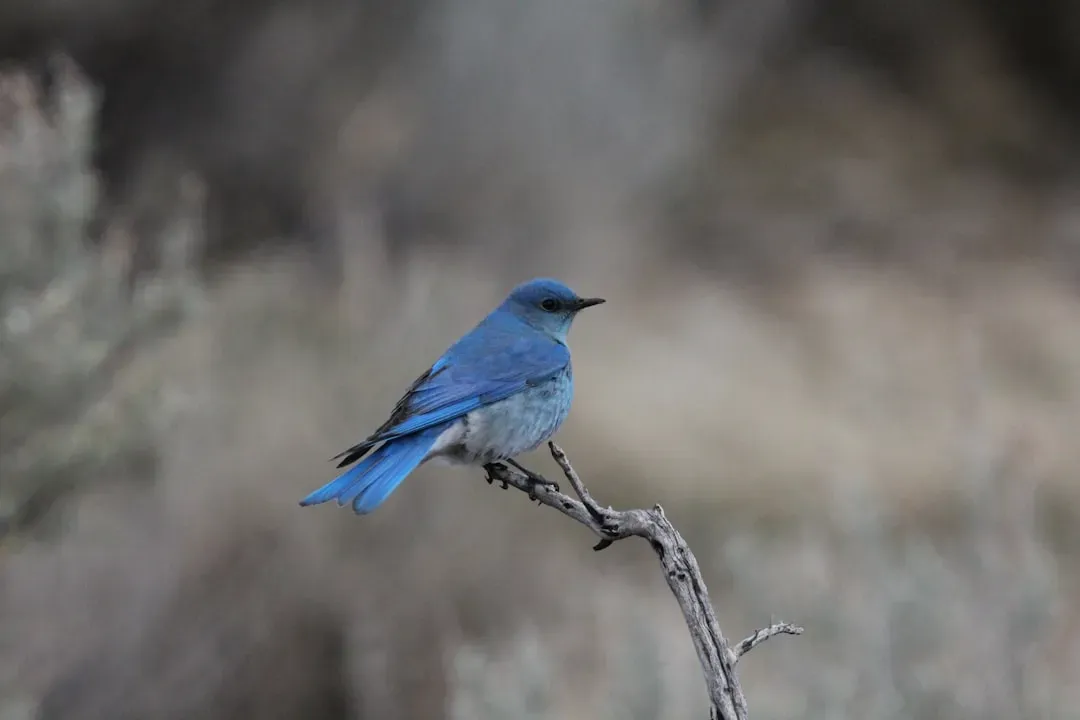
Idaho’s Mountain Bluebird glows electric blue in flight over mountain meadows, a sky scrap come alive. They nest in cavities amid sagebrush and pine edges, hunting insects on the wing. Males flash that hue to woo mates.[1]
Sawtooth National Recreation Area teems with them in summer. Their cheerful trill lifts spirits on crisp high-country hikes. Scan snags along trails for nests.
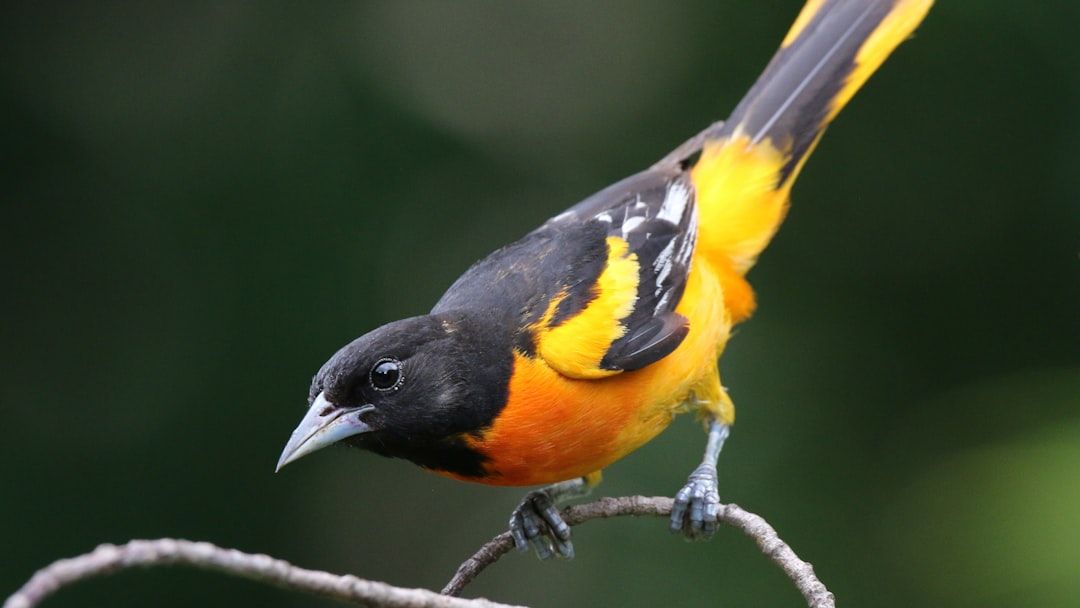
Baltimore Oriole: Maryland’s Fiery Weaver
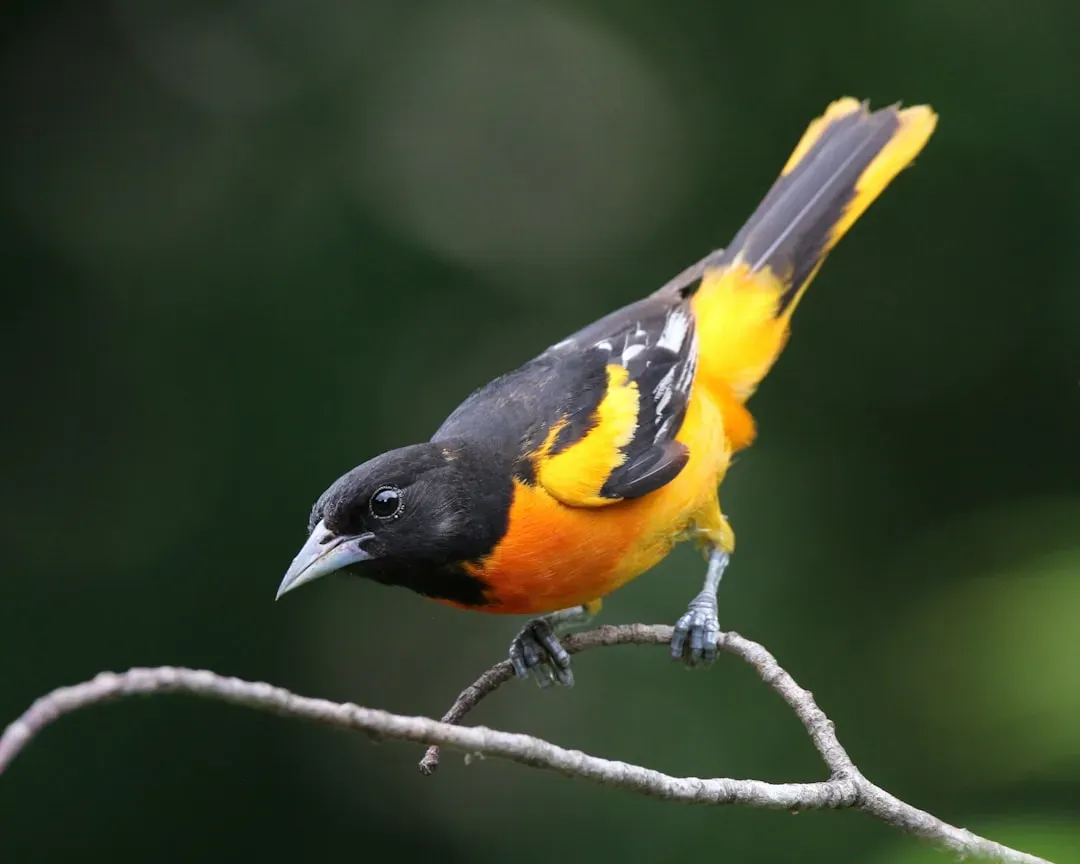
Maryland’s Baltimore Oriole dazzles with flame-orange feathers and black hood, weaving hanging nests like silk pouches. They favor riverine woods and orchards, slurping nectar and berries. That bold palette screams summer.[1]
Blackwater National Wildlife Refuge hums with their whistles. I know it sounds crazy, but their nests sway like ornaments in the breeze. June visits peak the action.
Purple Finch: New Hampshire’s Raspberry Glow
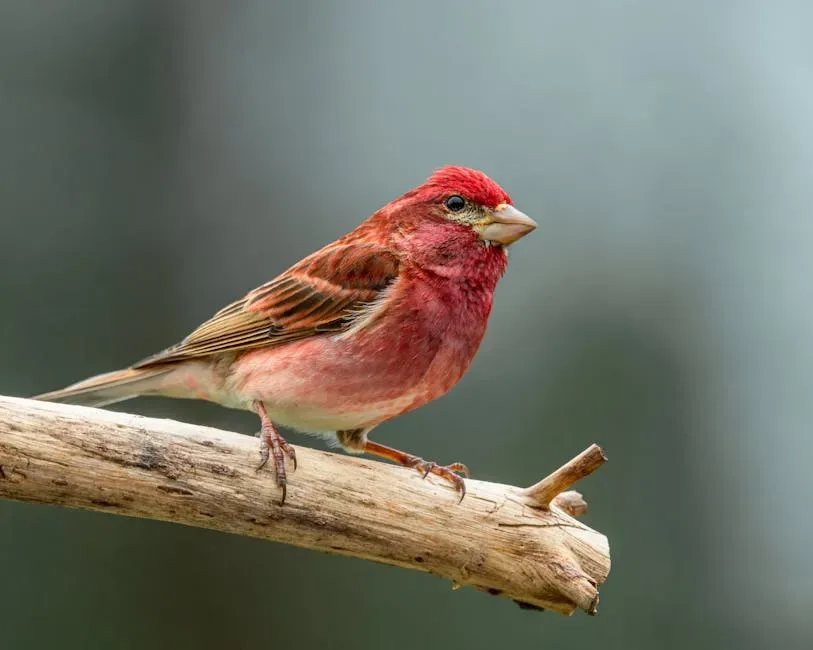
New Hampshire’s Purple Finch bathes in rosy-crimson plumage, not true purple but close enough to mesmerize. Coniferous forests host their warbles, seeds fueling those vibrant vibes. Females blend in, males steal the show.[1]
White Mountain National Forest overflows with them in hemlocks. Their sweet song feels like mountain air bottled. Feeders help, but wild woods deliver authenticity.
Greater Roadrunner: New Mexico’s Speedy Predator
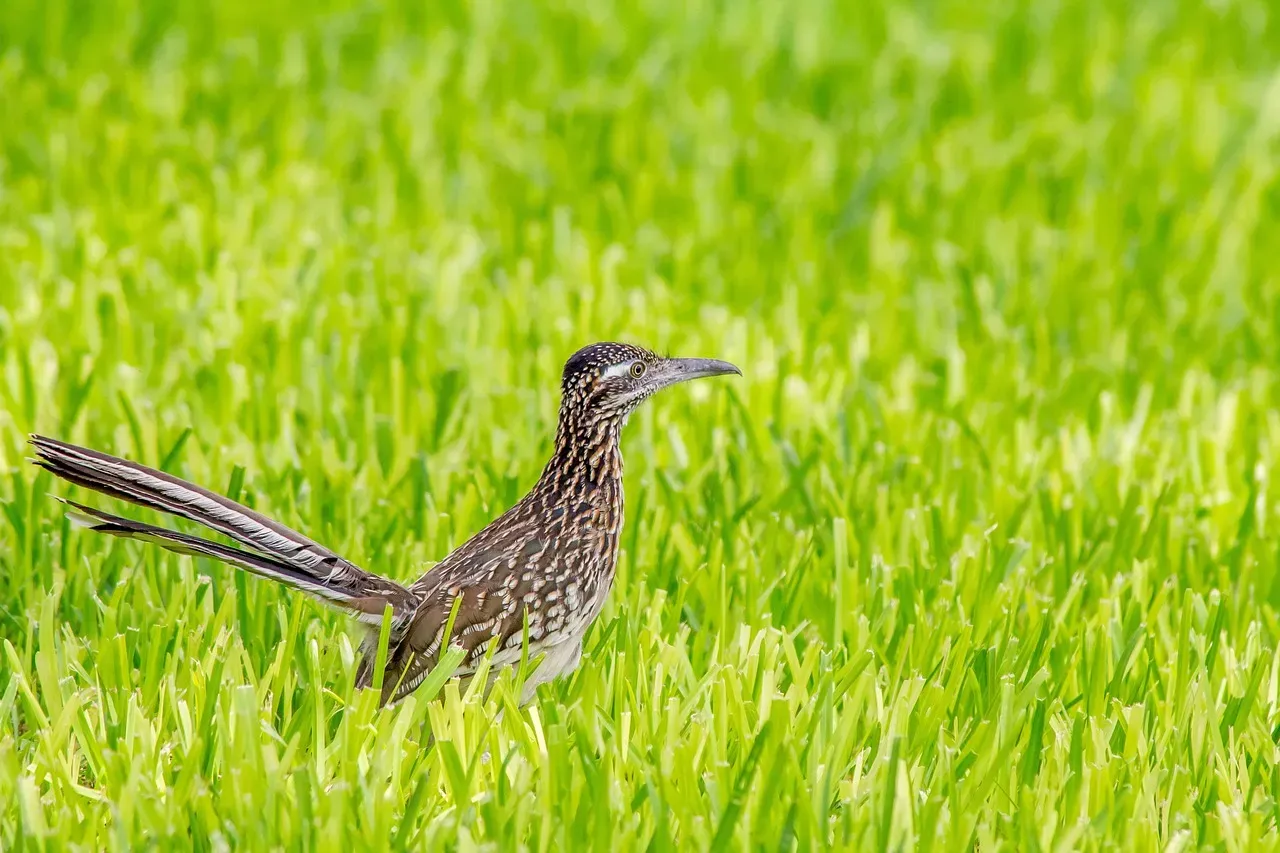
New Mexico’s Greater Roadrunner dashes deserts at 20 mph, blue orbital rings framing its sly gaze. Brushy arroyos suit this lizard-snapping icon, tail cocked high. Feathers shimmer bronze in sun.[3]
Carlsbad Caverns National Park reveals them on yucca flats. Watching one sprint still floors me, like a cartoon in real life. Dawn patrols yield chases.
Eastern Bluebird: New York’s Open-Country Jewel
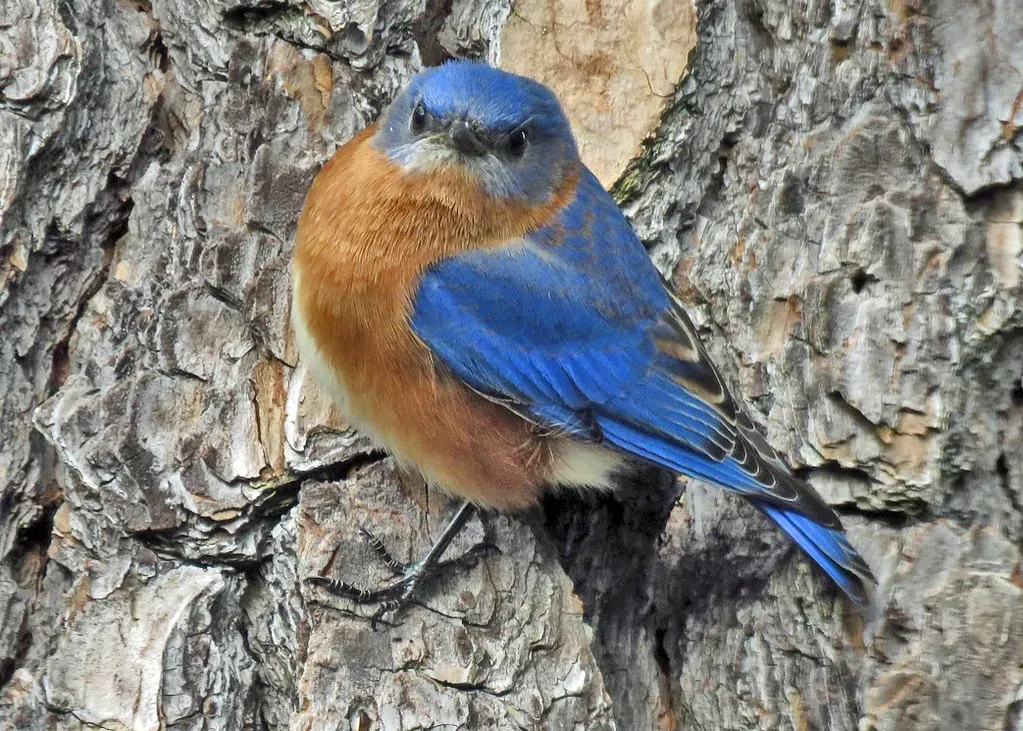
New York’s Eastern Bluebird sports a cinnamon chest and sapphire back, perching on fences over fields. They claim nest boxes in meadows, devouring beetles. That glow against green? Unbeatable.[1]
Montezuma National Wildlife Refuge draws flocks to marshes. Their soft coo invites closer looks. Spring migration amps the numbers.
Scissor-tailed Flycatcher: Oklahoma’s Tail Acrobat
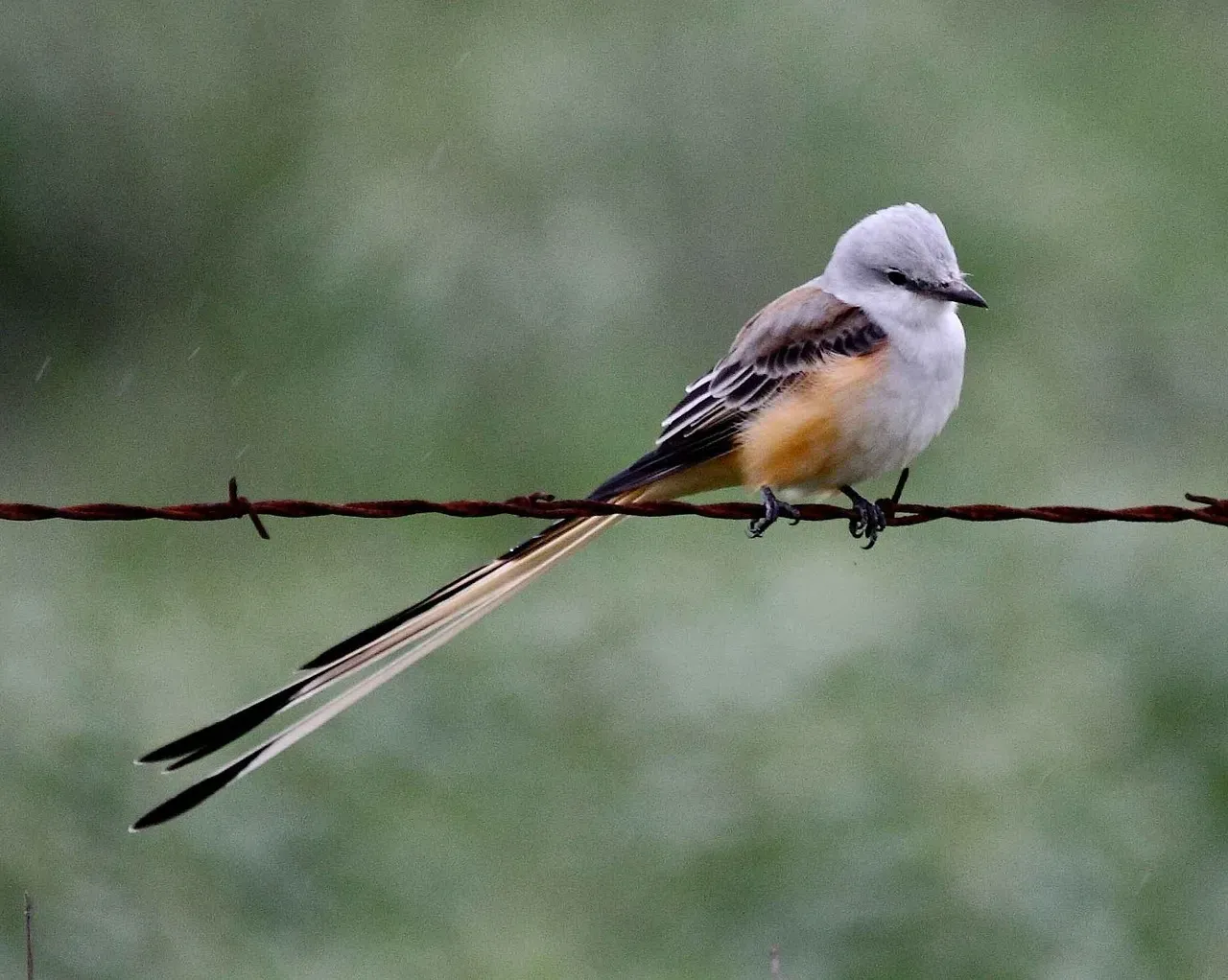
Oklahoma’s Scissor-tailed Flycatcher flaunts salmon-pink flanks and elongated black tail feathers that slice the sky. Savannas and ranchlands host their aerial insect hunts. Breeding males fan those tails dramatically.[1]
Wichita Mountains Wildlife Refuge showcases their perches. Here’s the thing: those tails twitch like living lassos. Roadside wires offer easy views.
Western Meadowlark: Oregon’s Flute-Voiced Beauty
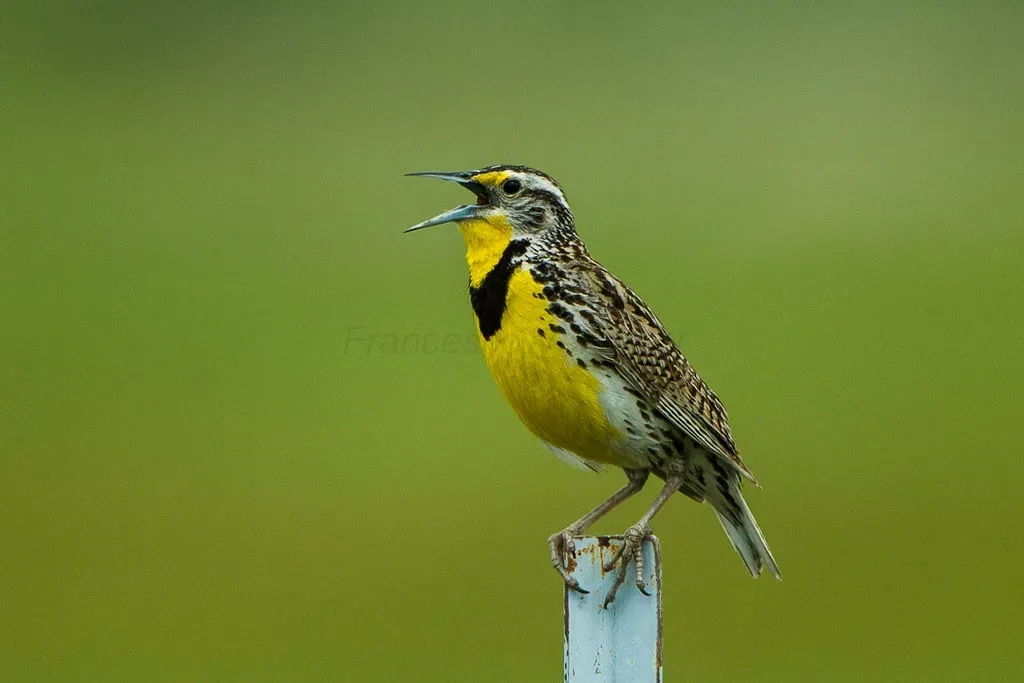
Oregon’s Western Meadowlark belts bubbly songs from grassy perches, yellow throat blazing under black V. Prairies and pastures feed their ground-foraging ways. Flight reveals white outer tails.[1]
Malheur National Wildlife Refuge echoes their melodies. I think their voice outshines the looks sometimes. Listen at twilight in wet meadows.
Brown Pelican: Louisiana’s Coastal Glider
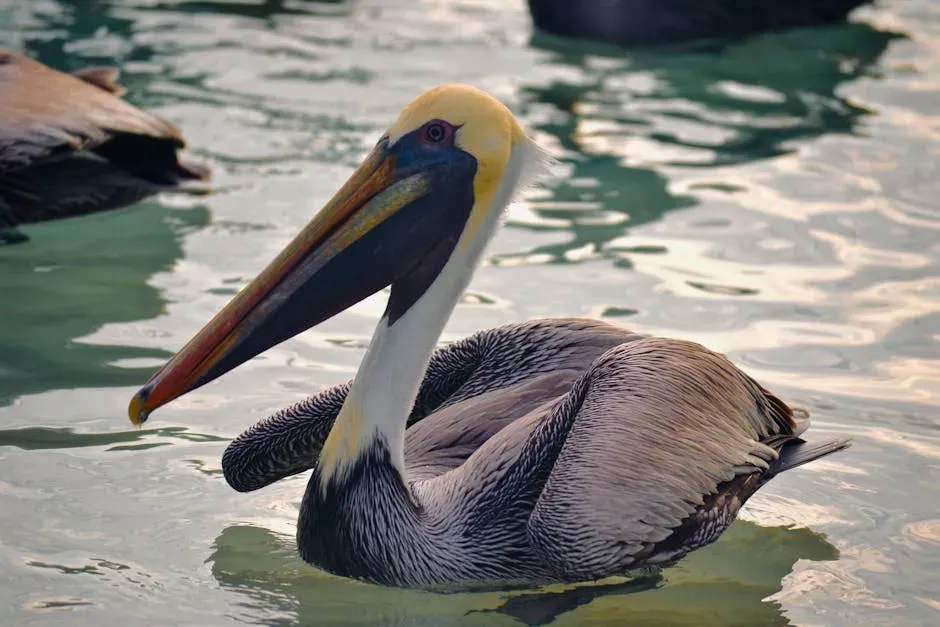
Louisiana’s Brown Pelican plunges beak-first into bays, shaggy brown plumage hiding massive wingspans. Mangrove coasts and estuaries suit their fish scoops. Breeding birds sport wild yellow pouches.[1]
Delta National Wildlife Refuge lines up dives offshore. Their synchronized flights mesmerize like old-school aviation. Boat trips reveal colonies.
Common Loon: Minnesota’s Lake Phantom
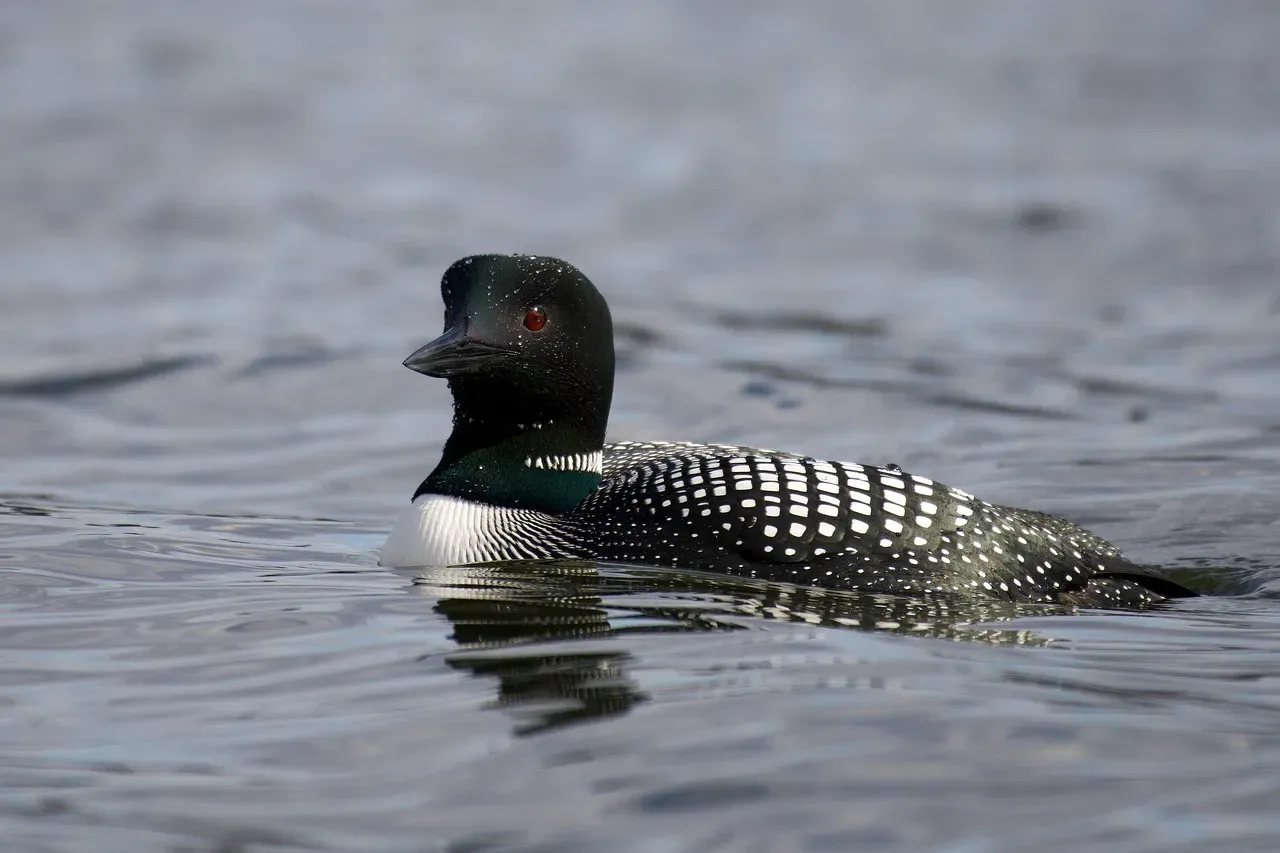
Minnesota’s Common Loon haunts deep lakes with ebony back checkered white and blood-red eyes. Remote waters host their haunting yodels during breeding. They dive like submarines for fish.[1]
Boundary Waters Canoe Area Wilderness delivers eerie calls at night. That laugh-like wail lingers in dreams. Paddle quietly for family sightings.
Ring-necked Pheasant: South Dakota’s Exotic Strut
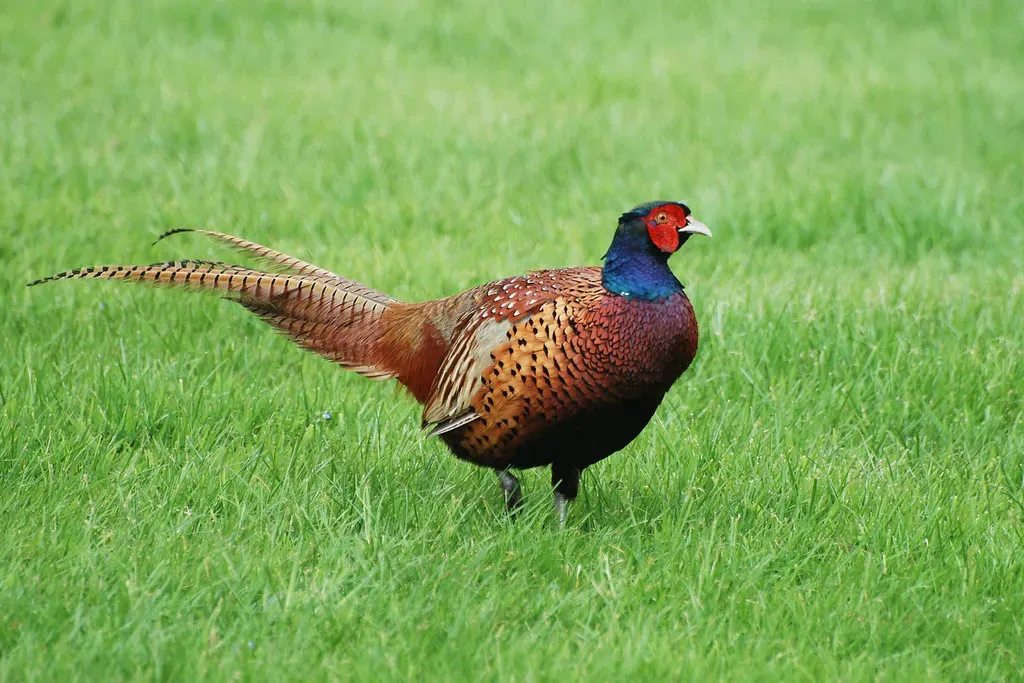
South Dakota’s Ring-necked Pheasant parades iridescent neck rings and long barred tails through grasslands. Introduced but thriving, they flush explosively from cover. Males crow and dance for hens.[1]
Sand Lake National Wildlife Refuge flushes coveys daily. Their racket startles like thunderclaps. Fall hunts aside, binoculars work wonders.
Chasing Feathers Across America
These 15 state birds prove nature packs more punch than any postcard. From Alaska’s ghosts to Louisiana’s plungers, each ties a state to its wild soul. Grab binoculars; the road calls.
What hidden gem would you add to this list? Share your sightings below and keep the adventure alive.
