
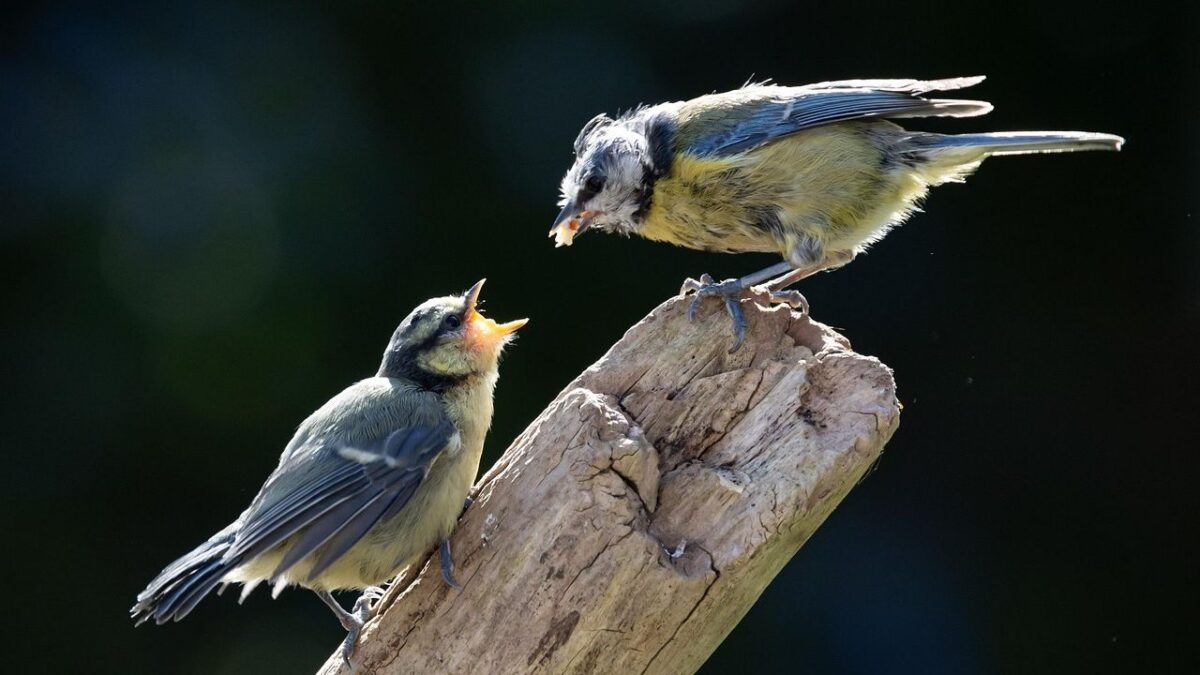
You don’t need to travel to a nature reserve or trek through a forest to witness some of the most astonishing wildlife behavior on the planet. Honestly, sometimes all it takes is a cup of coffee and a quiet moment by the window. Birds are doing extraordinary things out there – things most people walk right past without a second glance.
From secret food caches to aerial gang warfare, from tender love rituals to what can only be described as an ant bath, your backyard is far more dramatic than you might think. Let’s dive in.
1. Food Caching: Birds Are Out Here Running Tiny Pantries
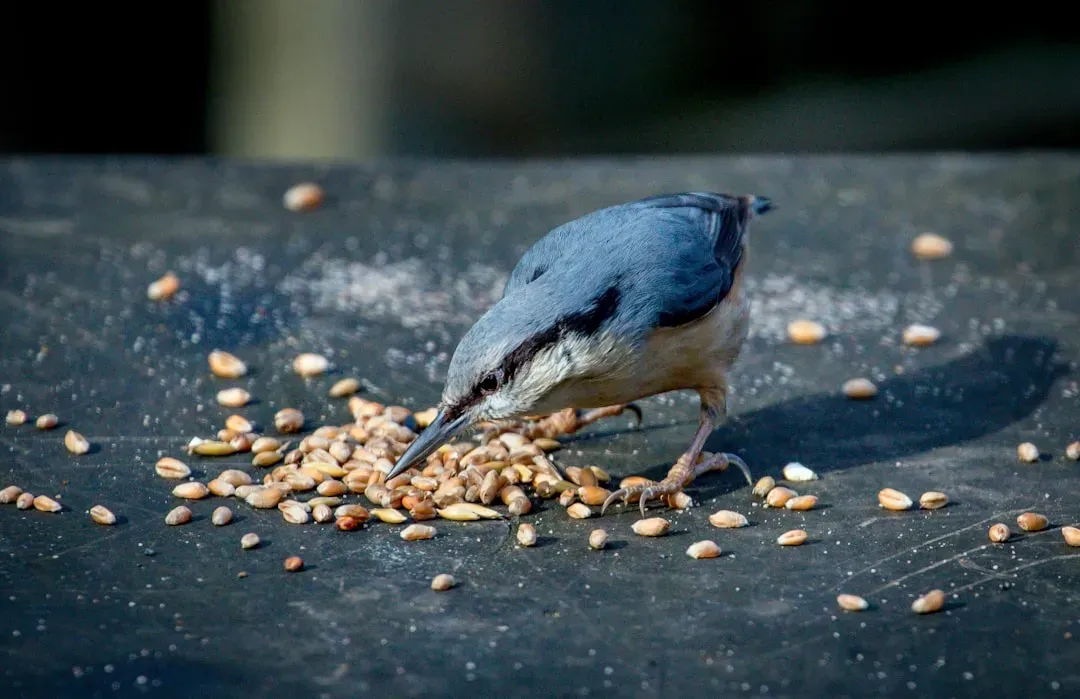
Here’s something that genuinely blew my mind when I first learned about it. Everyone knows that squirrels “squirrel away” nuts and acorns for winter, but birds do this too – and it’s fascinating to watch them cache extra food items around the yard. It looks like they’re just poking around randomly, but there’s method to the madness.
Research has found that northern chickadees may cache perhaps 10,000 food items to get through the winter – and their hippocampus, where memories are stored, actually grows in winter to help them remember where everything is. That’s right. Their brains physically expand to become better at remembering.
Especially interesting is that the hippocampus of northern chickadees grows larger than that of southern chickadees, since southern chickadees have fewer days without food available. Think of it like a muscle. The harder the challenge, the bigger the adaptation.
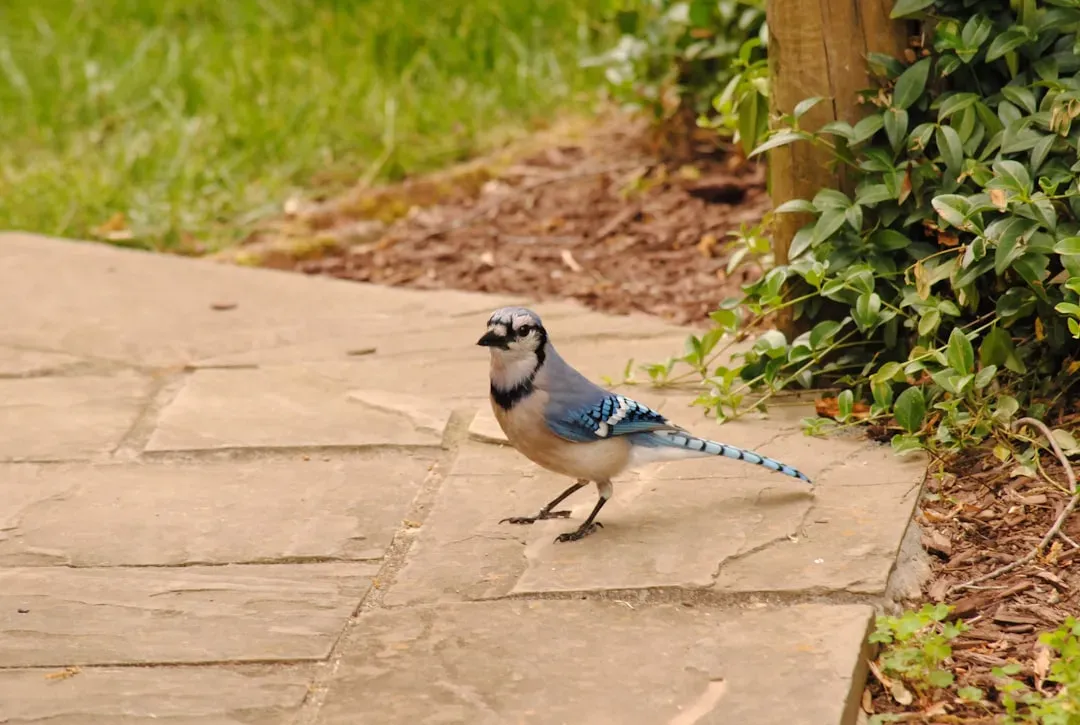
Blue jays also cache items away, taking extra peanuts to store. Sometimes they stick them into the top of an arborvitae, but more typically they bury them in the soil and carefully hide them by covering them with soil and leaves. If you’ve ever seen a jay acting strangely furtive near a flower bed, now you know why.
2. Mobbing: When Small Birds Gang Up on a Predator
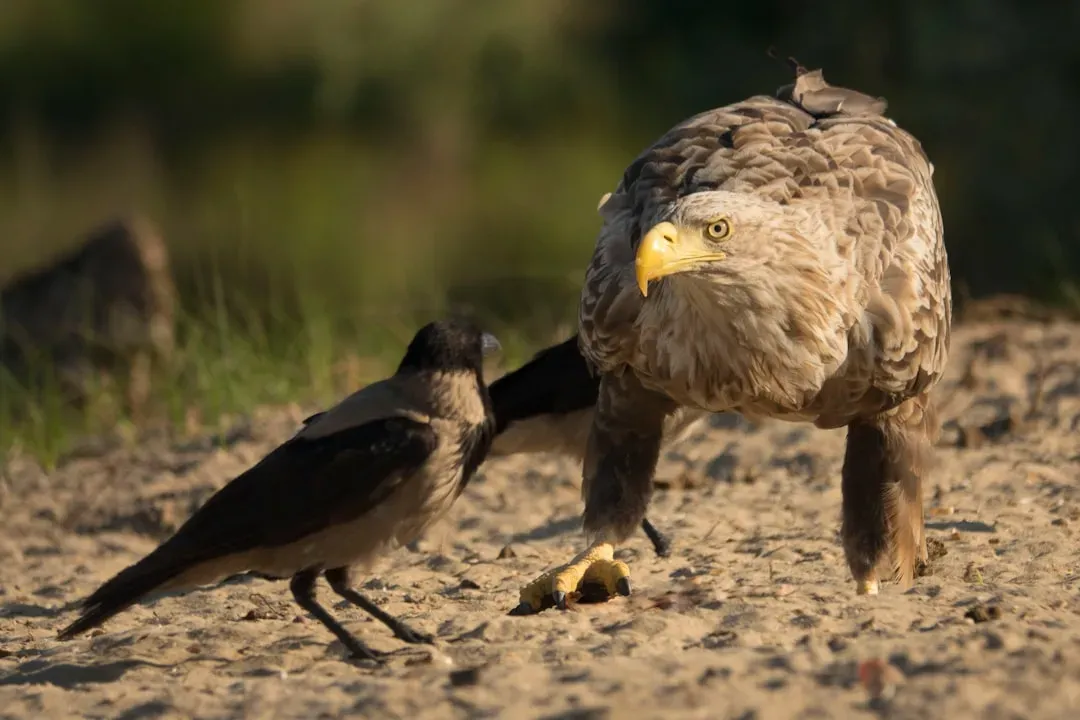
Few backyard scenes are more dramatic than a hawk perched quietly in a tree – and then suddenly getting absolutely swarmed. When smaller birds join forces to ward off larger birds, it’s called “mobbing,” a behavior used by many bird species. It looks chaotic, but it’s actually a highly coordinated defensive strategy.
It’s smaller birds swooping and calling aggressively at larger birds, and sometimes even mammals. Small birds typically do this to drive away potential predators from breeding territories, a nest or young, or a nonbreeding home range. The noise alone is often enough to make a predator uncomfortable.
When a predator such as a hawk, owl, or crow perches in a habitat, multiple species may actually join forces to mob this common threat. The mobbing birds tend to use similar-sounding call notes regardless of their species, and this recruits other individuals to form a mobbing flock. It’s essentially interspecies teamwork, which is wild to think about.
Owls in particular trigger intense mobbing behavior, as they often prey on sleeping birds. Smaller birds chase these predators out of their territories so they’ll be safer at night. Owls are such frequent targets of mobbing that listening for mobbing calls is actually a good way to find owls during the day. Nature is truly a spectacle hiding in plain sight.
3. The Mourning Dove’s Surprisingly Tender Nest-Building Ritual
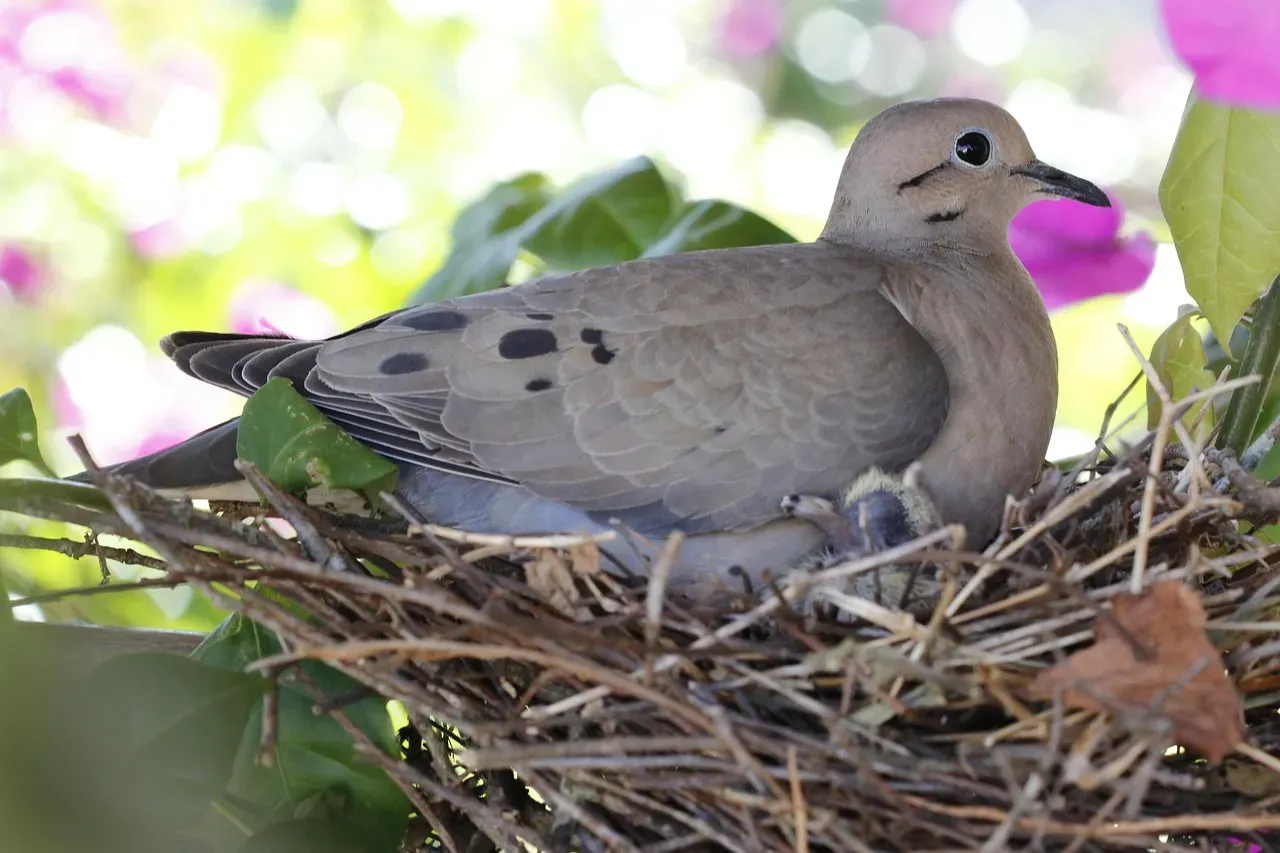
Most mourning dove nests look woefully flimsy, as if they were casual affairs carelessly thrown together. In fact, a mated pair works together to build this humble structure using an efficient system. There’s genuine partnership here, and watching it play out is unexpectedly moving.
The female dove builds the nest while the male flies about gathering material and bringing it to her. He will stand on the female’s back and give the material to the female, who then builds it into the nest. Honestly, there’s something almost adorable about watching a male dove carefully stand on his partner’s back to hand-deliver a twig.
The defining characteristic of dove relationships is the equal and relentless commitment of both parents to raising their young. Unlike many bird species where the male’s role is largely limited to courtship and territorial defense, male and female doves work as a true team from start to finish.
Incubation is shared by both parents – about 14 days. Both parents also feed the young with “pigeon milk.” This crop milk is an antioxidant-rich liquid secreted in their throats, and it is also high in fat and protein. Few bird behaviors in the average backyard tell such a complete love story from start to finish.
4. Anting: The Strangest Spa Treatment in the Animal Kingdom
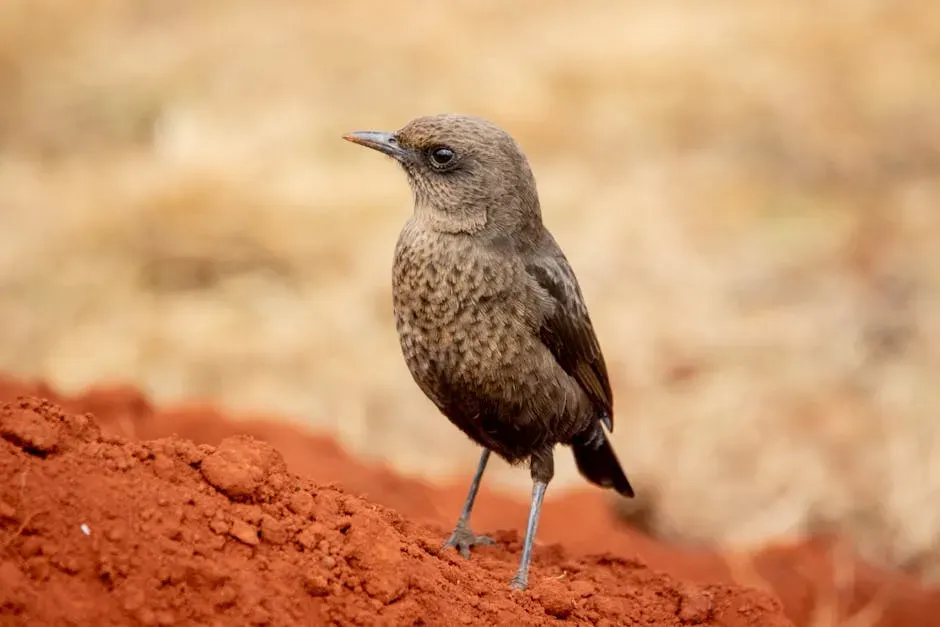
If you’ve ever spotted a bird lying flat on the lawn in summer, wings spread out, seemingly writhing in the grass – don’t panic. Among the many charming bird behaviors you’ll witness when birds flock to your garden, you might see them wriggling on the lawn during the height of summer and into fall. What you are seeing is the phenomenon known as anting. If you don’t know what this behavior is, it can seem alarming. Rest assured, it is natural.
Anting in birds is a process where they actively or passively allow ants to move over their feathers. A bird that is actively anting picks up an ant with its beak and rubs it over its feathers. Think of it like rubbing a lemon over a cutting board – there’s a purpose to it that isn’t immediately obvious.
Experts believe that squishing the insects into their feathers releases natural chemical defenses inside the bugs, such as fungicides, which helps keep the bird clean. So basically, birds are using ants as a natural hygiene product. More than 200 species seem to do this. It’s called anting, and it’s not always with ants – some birds prefer millipedes.
5. Feeder Dominance: The Invisible Pecking Order You Never Noticed
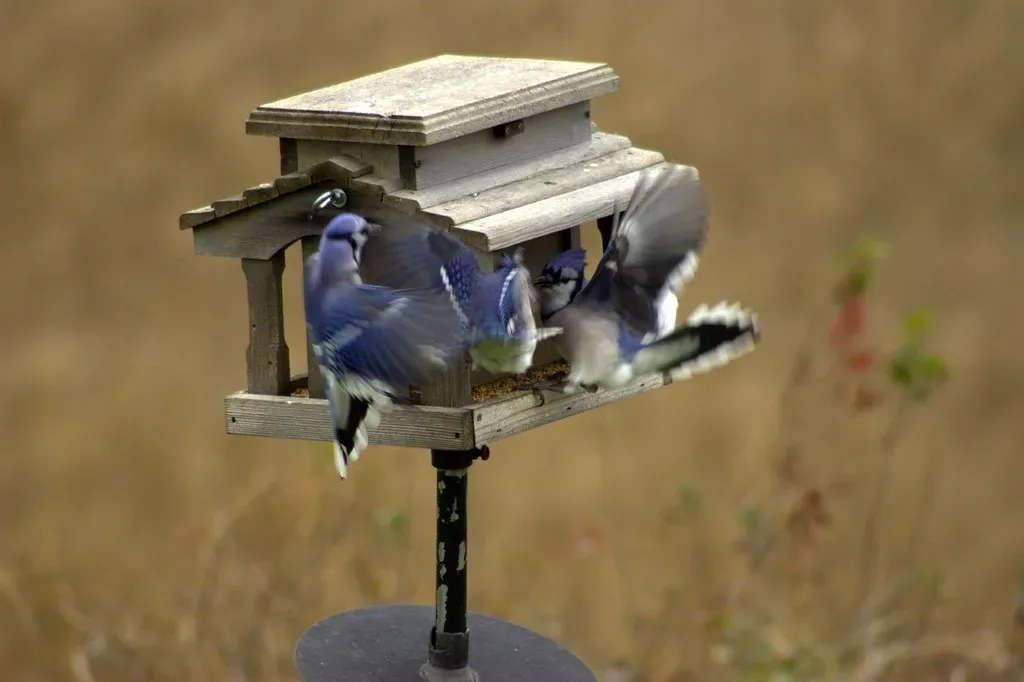
Your bird feeder might look like a peaceful communal breakfast spot. Let’s be real – it’s anything but. When the temperature drops and hungry birds flock to the feeder, there’s always drama. Birds lunge, feint, squabble, and stand their ground. There’s a clear hierarchy at the feeder, and birds communicate it with a series of split-second postures and poses.
Tufted Titmice are some of the most exciting performers – their crests clearly signaling whether they intend to stand their ground or are just bluffing. It’s basically a poker game played with feathers. And once you start watching for it, you can’t stop noticing the little signals.
Finches have heavier bills and can chomp open a seed without having to look at it – they’ll sit on a feeder and eat multiple seeds while staying watchful for danger. Meanwhile, it’s rare for a chickadee to spend 10 seconds on a feeder, while goldfinches can spend 10 minutes. The contrast is remarkable, and it all comes down to their place in the social structure.
Black-capped chickadees are often the first birds to return when backyard feeder flocks circle through a neighborhood. They’re like scouts – bold, quick, and oddly brave given their tiny size.
6. Mockingbirds and Their Uncanny Vocal Performance
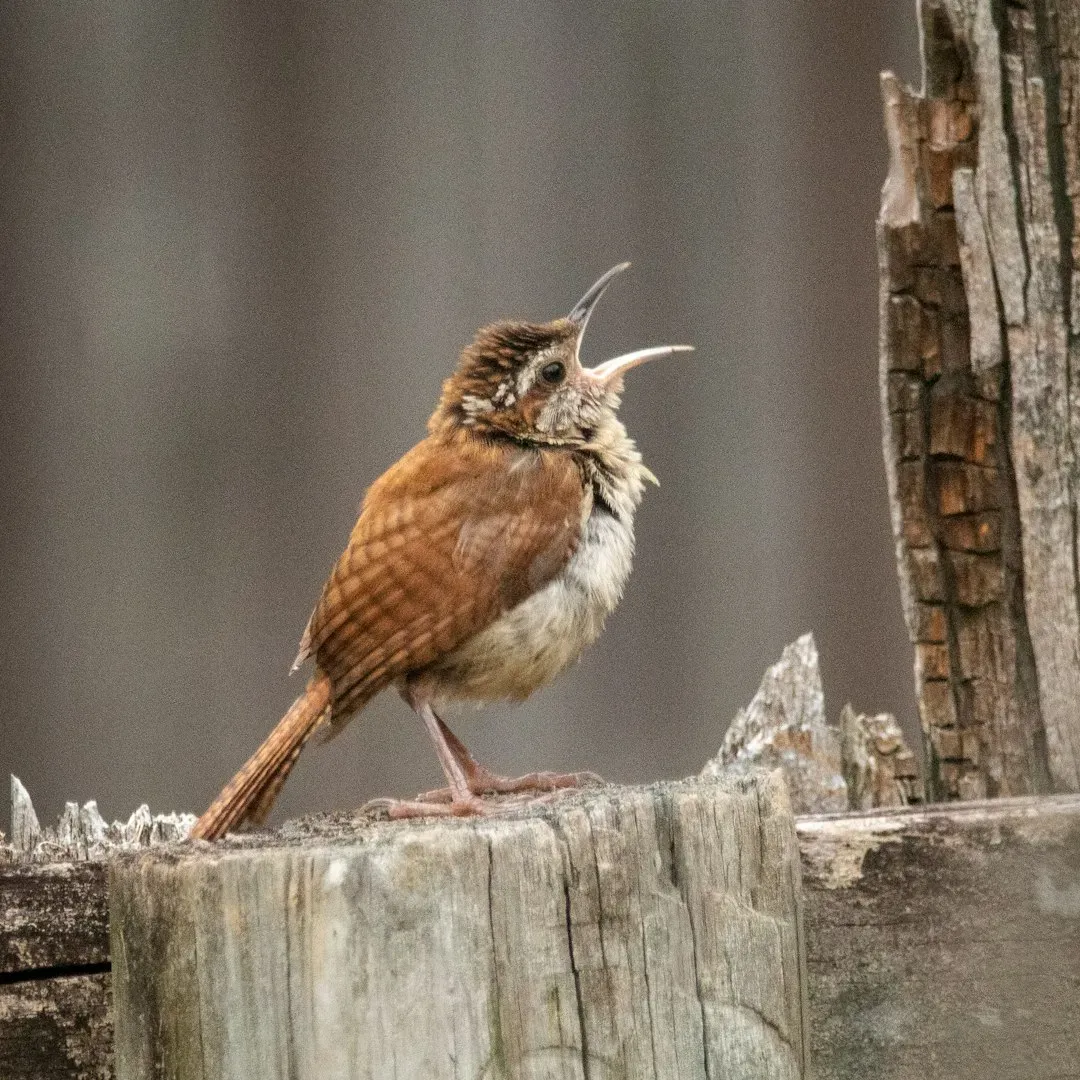
I think the Northern Mockingbird might be the most underappreciated bird in North America. Most people hear it and assume it’s just, well, a bird singing. But what’s actually happening is far more impressive. The name is no joke – Northern Mockingbirds can have a repertoire of more than 100 songs and calls. They mimic other birds, but they also copy car horns and alarms, squeaky doors, and more.
It’s hard to say for sure why they evolved this ability, but one leading theory is that a wider vocal repertoire makes a male more attractive to females. The more songs you know, the more impressive you sound. Kind of like a musician with an enormous setlist.
Cardinals – both males and females – are also incredibly territorial. They’re smart enough to recognize that they’re seeing a bird in the reflection of a car window, a mirror, or any other shiny surface. However, they’re not smart enough to understand that they’re looking at themselves. As a result, cardinals will spend hours fighting their own image, especially in spring.
So if you see a cardinal angrily attacking your car mirror, now you know exactly what’s going on – and yes, it’s as entertaining as it sounds.
7. Site Fidelity: When the Same Bird Comes Back Year After Year
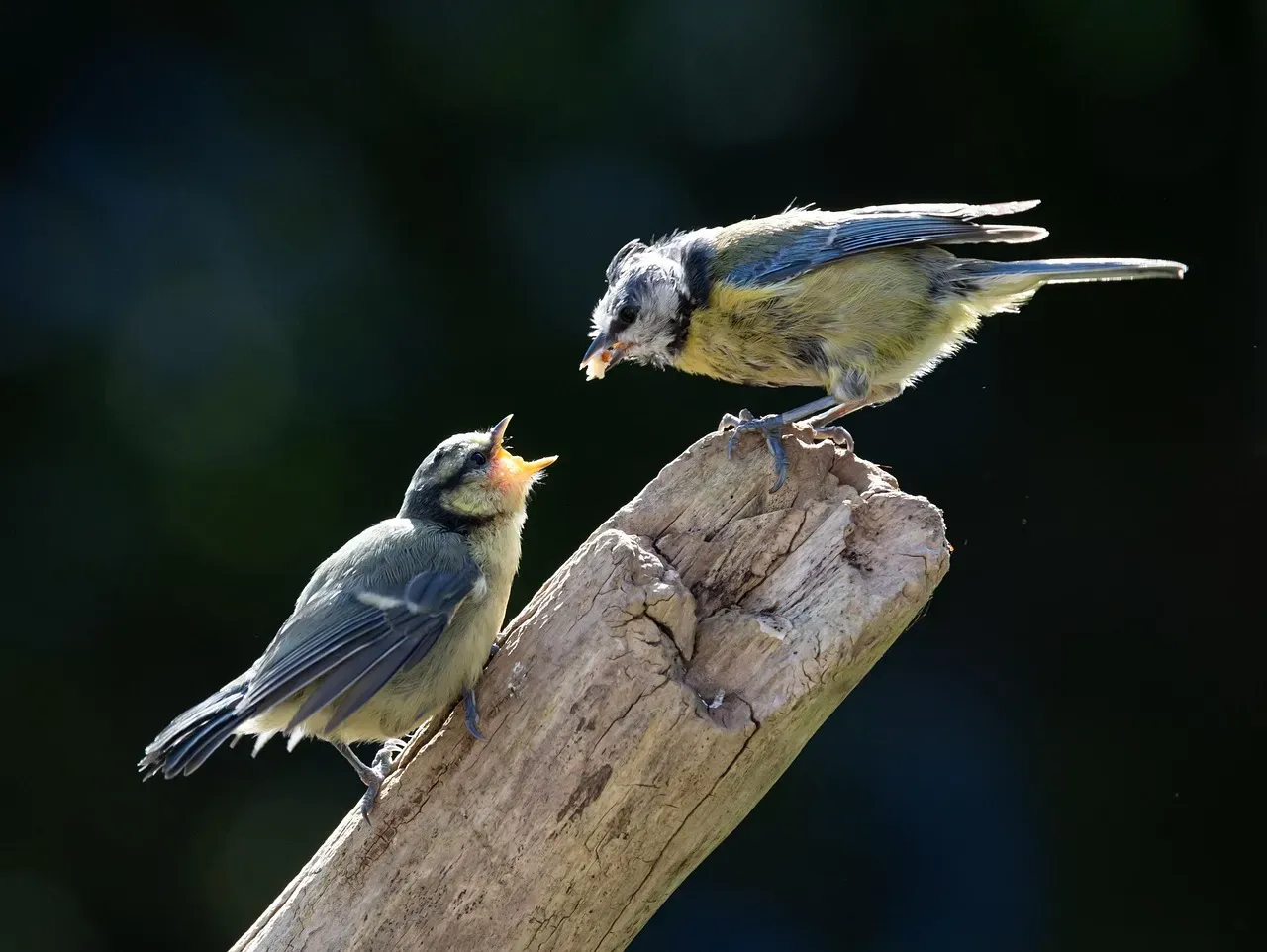
Here’s something that touches on something almost emotional. Returning to a specific site is not an uncommon behavior in birds, and it has been documented by bird banding records. But experiencing it in your own yard is a different thing entirely. It feels personal, even if the bird has no idea who you are.
Birds are creatures of habit. Once they identify a reliable perch, they will return to it again and again. These perches often serve as observation points where birds pause before feeding or moving deeper into the garden. Over time, your yard essentially becomes part of their mental map of the world.
Birds operate on rhythms shaped by light, temperature, and food availability. When your backyard becomes part of that rhythm, visits start to follow a pattern. You might notice certain species arriving at similar times each morning or returning consistently in the late afternoon. This regularity means your backyard has been integrated into their daily route, not just encountered by chance.
At this stage, birds are no longer reacting to what they find – they are expecting it. There’s something quietly profound about that. Your yard has become a landmark in a tiny creature’s life. That, honestly, is one of the most rewarding things backyard birding can offer.
Conclusion: Your Yard Is a Stage – You Just Need to Look
The lives of wild birds are remarkably complex and intriguing. As they go about finding food, attracting mates, raising young, evading predators, and sometimes migrating across continents, each kind shows off its own unique galaxy of behaviors. Most of it happens quietly, right outside our windows.
You don’t need expensive gear or exotic destinations. A feeder, a birdbath, and a few native plants can transform your yard into one of the most fascinating ecosystems you’ll ever observe. The behaviors described here – caching, mobbing, anting, site fidelity – are not rare events. They happen regularly, in ordinary suburban gardens, all year long.
The real trick is simply slowing down enough to notice. Once you start watching birds with genuine curiosity, you’ll quickly realize they’re not background decoration. They’re living out entire dramas, right in front of you. So next time you look out the window – really look. What surprising behavior have you spotted in your yard lately? Tell us in the comments.

- Why Mangroves Are Vital to Florida’s Coast - July 19, 2026
- How Did Reindeer Become a Symbol of Christmas? - July 19, 2026
- 10 Facts About The Endangered Jaguarundi - July 19, 2026