


The African savannah, with its sprawling grasslands and iconic acacia trees, faces unprecedented ecological challenges. Climate change, human encroachment, and the cascading effects of predator loss threaten this magnificent ecosystem. Yet, an emerging conservation approach offers hope: the strategic reintroduction of lions to areas where they once thrived. More than just a symbolic return of the “king of beasts,” lion reintroduction represents a scientifically-backed strategy to restore ecological balance and preserve one of Earth’s most treasured landscapes. This comprehensive examination explores how these apex predators might become the unexpected saviors of an ecosystem in peril.
The Ecological Role of Lions in Savannah Ecosystems

Lions function as keystone species within savannah ecosystems, exerting influence disproportionate to their numbers. As apex predators, they regulate herbivore populations through predation, preventing overgrazing and maintaining vegetation structure. Research from Serengeti National Park demonstrates that lion presence significantly affects herbivore behavior, creating what ecologists call a “landscape of fear” where grazers avoid certain areas, allowing vegetation recovery.
This pattern-shifting behavior drives what scientists term “trophic cascades” – ecological chain reactions that flow from predators down to plants. The African savannah evolved alongside lions for millions of years, developing complex interdependencies that unravel when these predators disappear, making their presence essential for ecosystem functionality and resilience.
The Alarming Decline of Lion Populations

Lion populations have experienced catastrophic decline over the past century, with numbers plummeting from an estimated 200,000 wild lions in the early 1900s to approximately 20,000 today – a 90% reduction. According to the International Union for Conservation of Nature (IUCN), lions have disappeared from over 80% of their historical range.
This decline stems from multiple factors: habitat fragmentation, poaching, human-wildlife conflict, and prey base depletion. West African lions have been particularly hard hit, with fewer than 250 individuals remaining, while East African populations have decreased by approximately 59% since 1993. These statistics represent not just a biodiversity crisis but an ecological emergency with far-reaching consequences for savannah health and function.
Trophic Cascades: How Predators Shape Landscapes
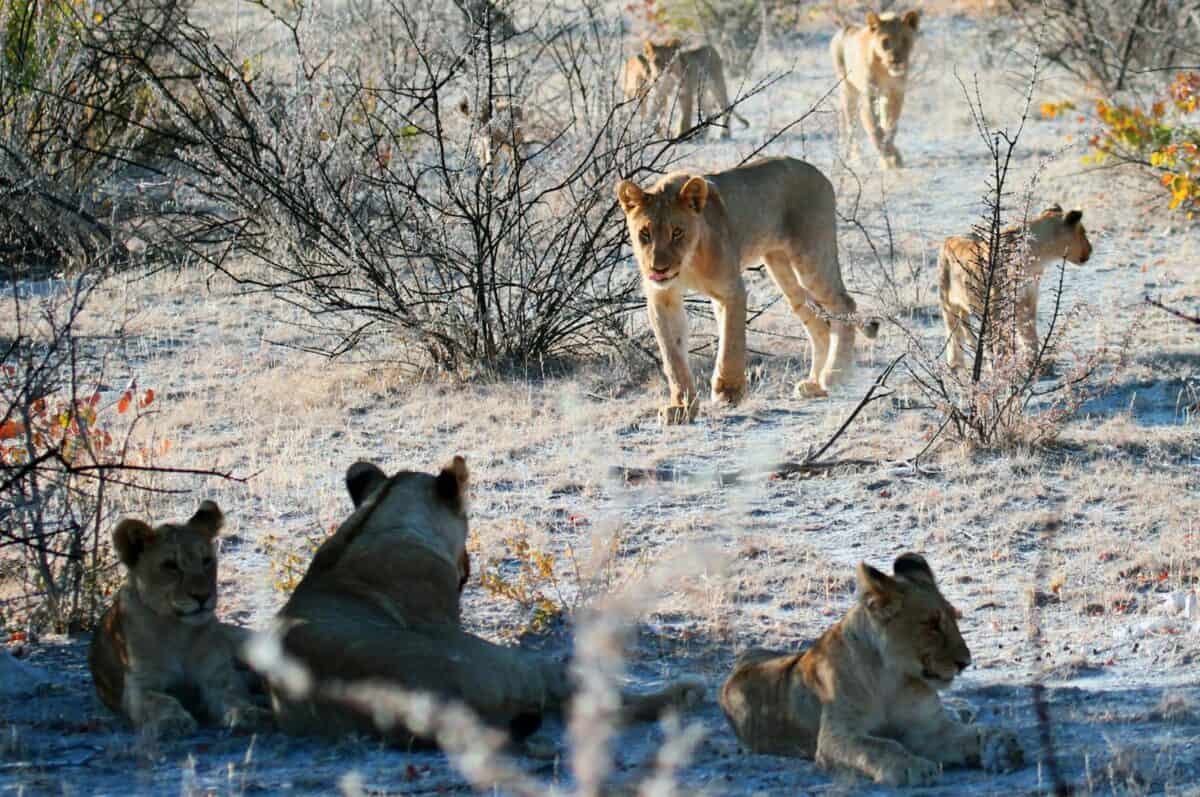
Trophic cascades represent one of ecology’s most fascinating phenomena – the ripple effects that occur when predators influence not just their prey but entire ecosystems. When lions disappear from savannahs, herbivore populations often explode unchecked, leading to overgrazing that degrades vegetation and soil health. Studies in Mozambique’s Gorongosa National Park demonstrated that following lion extirpation during civil war, herbivore numbers skyrocketed, dramatically altering vegetation patterns.
The reintroduction of predators can reverse these effects, as famously documented in Yellowstone National Park with wolves. Similarly, areas with healthy lion populations typically maintain greater plant diversity, healthier soil systems, and more stable herbivore populations. These cascades extend to other species too – scavengers like vultures and jackals depend on lion kills, while certain bird species benefit from the vegetation mosaic maintained by predator-influenced grazing patterns.
The Bush Encroachment Problem
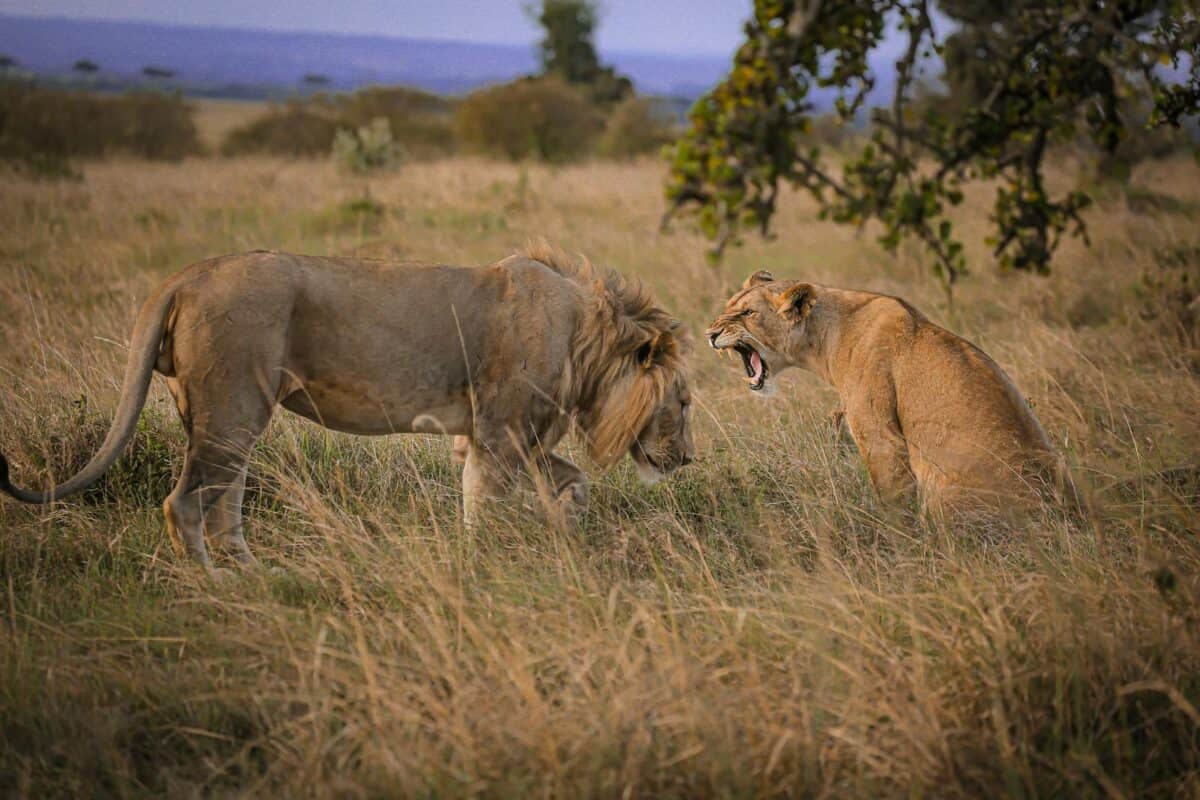
Bush encroachment represents one of the most visible symptoms of savannah ecosystem degradation, occurring when woody plants proliferate at the expense of grasslands. This phenomenon threatens approximately 70% of African savannahs according to recent estimates. When lions disappear, herbivore behavior changes dramatically – instead of moving frequently to avoid predation, they concentrate in safe areas, resulting in patchy overgrazing that weakens grass competition against woody species.
Additionally, certain browser species naturally controlling young trees decrease without predation pressure. In Kruger National Park, researchers documented significant bush encroachment in areas with reduced lion density. This vegetation shift has profound consequences: decreased grazing capacity for wildlife and livestock, reduced groundwater recharge, altered fire regimes, and diminished biodiversity. Lion reintroduction helps restore the natural dynamics that maintain the grassland-woodland balance characteristic of healthy savannahs.
Successful Lion Reintroduction Case Studies

Several conservation success stories demonstrate the feasibility and benefits of lion reintroduction. South Africa’s Phinda Private Game Reserve reintroduced lions in 1992 after local extinction, establishing a population that now helps maintain ecological balance across the reserve. Monitoring shows improved vegetation structure and stabilized herbivore populations. Similarly, Zambia’s Liuwa Plain National Park saw successful lion reintroduction beginning in 2008, with the population growing steadily and ecological improvements including reduced bush encroachment.
Rwanda’s Akagera National Park reintroduced seven lions in 2015 after a 15-year absence, with the population now exceeding 40 individuals and tourism revenue increasing by 23%. These examples share critical success factors: adequate protected space, sufficient prey base, community engagement, and ongoing monitoring. While challenges exist, these cases provide valuable templates for future reintroduction efforts, demonstrating both ecological benefits and potential economic advantages through ecotourism.
Economic Benefits of Lion Conservation

Lion conservation delivers substantial economic benefits beyond ecological restoration. Wildlife tourism centered around lions generates significant revenue across Africa, with a single male lion estimated to generate up to $500,000 annually in tourist dollars according to research from Panthera, the global wild cat conservation organization. In countries like Kenya, Tanzania, and South Africa, lion-centric safaris support thousands of jobs and contribute millions to local economies.
The World Travel & Tourism Council estimates that wildlife tourism employs 3.6 million people across Sub-Saharan Africa, with predator viewing opportunities serving as major attractions. Additionally, healthy savannah ecosystems maintained through predator-prey balance provide essential ecosystem services: carbon sequestration, water filtration, and sustainable grazing opportunities. These economic incentives can transform lions from perceived liabilities to valuable assets for local communities, creating financial motivation for conservation efforts.
Climate Resilience Through Predator Restoration
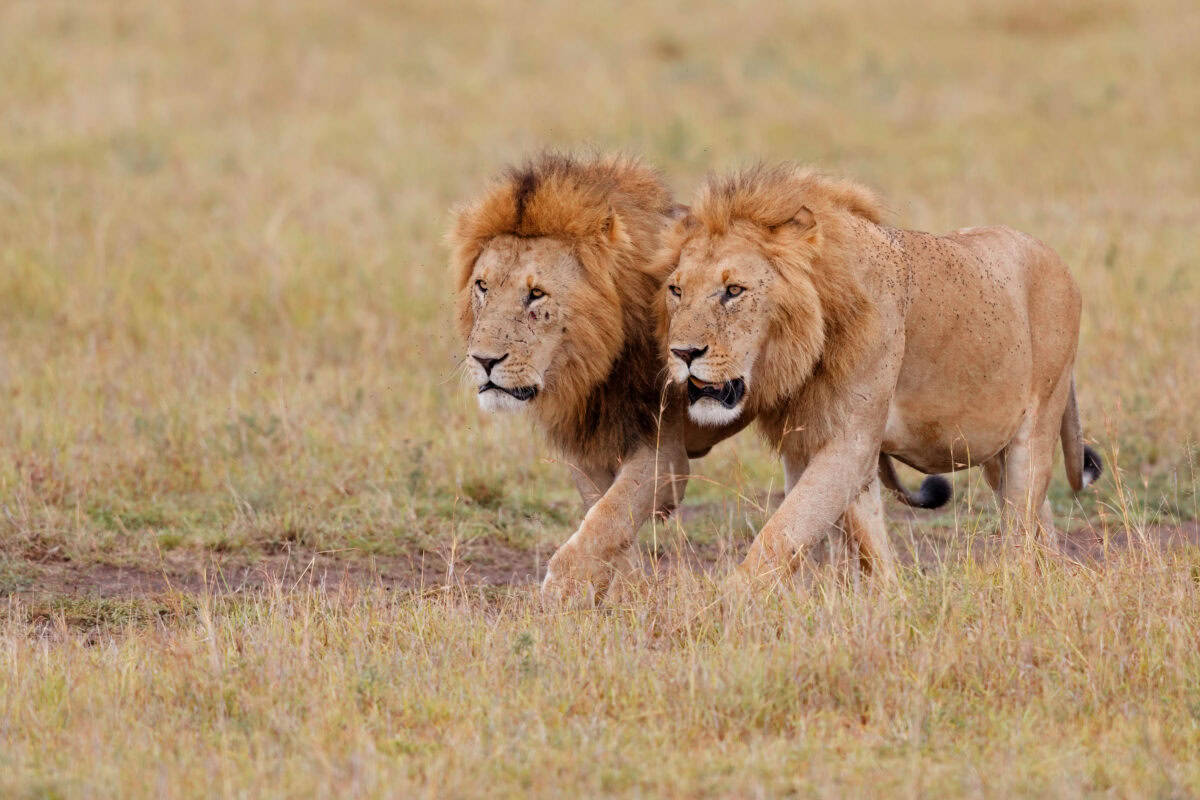
Climate change poses an existential threat to savannah ecosystems, but lion reintroduction may enhance climate resilience. Healthy predator-prey dynamics maintain vegetation structure that maximizes carbon sequestration – grasslands with appropriate grazing pressure store substantial carbon in extensive root systems. Research from the University of Oxford suggests that predator-mediated grazing patterns can increase soil carbon storage by up to 36% compared to degraded grasslands.
Additionally, the mosaic landscape maintained by predator influence improves water retention and reduces erosion during increasingly common extreme weather events. Diverse vegetation structures also create microhabitats that buffer temperature extremes and maintain biodiversity through climate shifts. As global temperatures rise, restoring natural ecological processes through predator reintroduction represents a nature-based solution for climate adaptation, potentially helping savannahs persist through challenging climatic transitions.
Human-Wildlife Conflict: The Greatest Challenge

Human-wildlife conflict represents the most significant obstacle to lion reintroduction and conservation. Lions occasionally prey on livestock, creating economic hardship for communities and retaliatory killings that account for approximately 50% of lion mortality outside protected areas. Addressing this challenge requires multifaceted approaches. Successful programs include compensation schemes that reimburse farmers for verified predator losses, like Kenya’s Lion Guardians program which reduced lion killings by 99% in participating communities.
Physical prevention measures also prove effective – predator-proof bomas (livestock enclosures) with chain-link fencing and motion-activated lights have reduced nighttime predation by over 95% in tested locations. Community engagement remains essential – conservation initiatives that provide economic benefits through tourism revenue sharing, employment opportunities, and infrastructure development generate crucial local support. Long-term success depends on transforming lions from economic liabilities into community assets through participatory conservation approaches.
The Science of Reintroduction: Best Practices
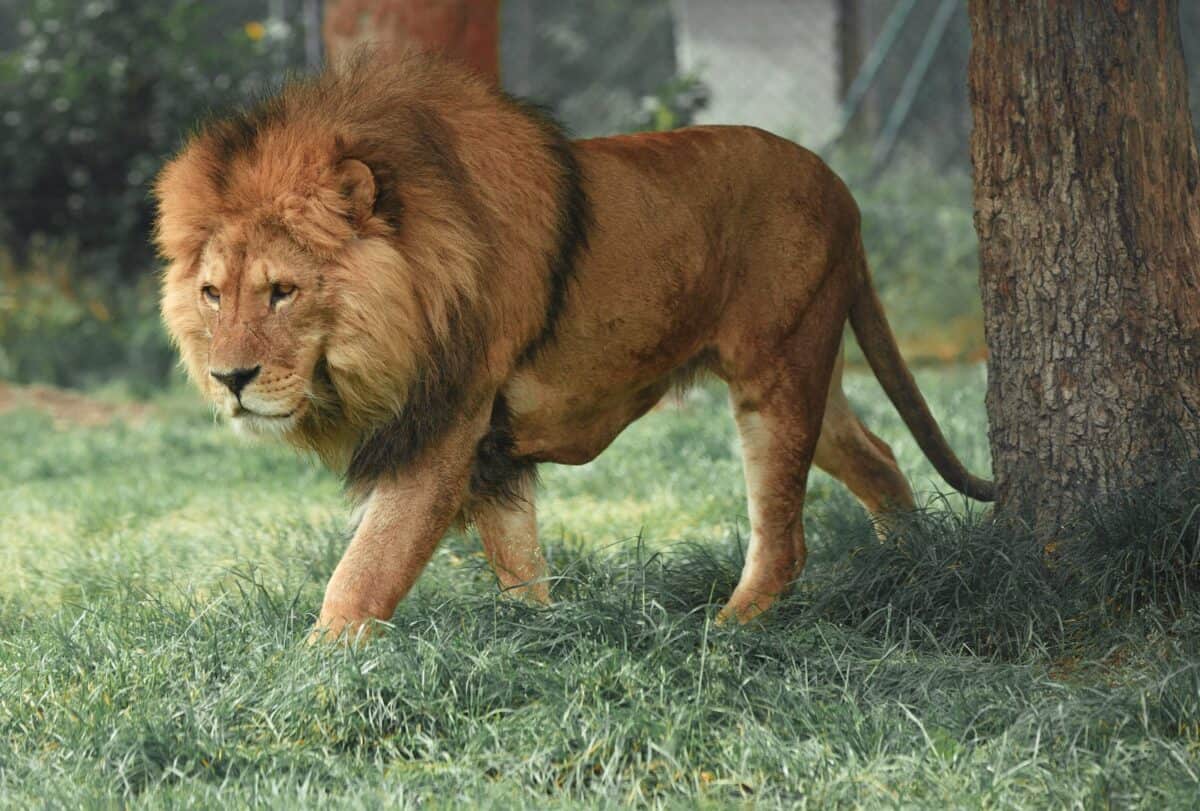
Lion reintroduction follows evidence-based protocols developed through decades of conservation experience. The IUCN Reintroduction Specialist Group provides comprehensive guidelines emphasizing thorough habitat assessment, genetic considerations, and post-release monitoring. Successful programs typically begin with soft releases – placing lions in temporary enclosures within reintroduction sites before full release, allowing acclimation to new surroundings. Family groups or artificially created prides often adapt better than individual lions.
Genetic diversity requires careful consideration; ideally, founder populations include unrelated individuals from similar ecological contexts. Ongoing monitoring through GPS collars and camera traps enables adaptive management as reintroduced populations establish. Prey availability assessment is critical – studies indicate approximately 10-15 large ungulates per lion supports sustainable populations. Veterinary preparation includes disease screening to prevent pathogen introduction. These scientific approaches maximize success probability while minimizing risks to both lions and recipient ecosystems.
Balancing Conservation with Local Livelihoods

Successful lion reintroduction requires balancing conservation goals with local livelihood needs – an ethical and practical necessity. Conservation approaches have evolved from exclusionary “fortress conservation” toward community-based natural resource management that recognizes local stakeholders as essential partners. Promising models include conservancies where landowners receive direct payments for wildlife protection, like Namibia’s communal conservancy program which generated $10 million in benefits to rural communities in 2019 while supporting lion recovery.
Educational initiatives that improve livestock management while providing conservation education reduce conflict while building capacity. The development of wildlife-compatible livelihoods through ecotourism employment, handicraft production, and sustainable harvesting creates economic incentives for conservation. Tanzania’s Ruaha Carnivore Project exemplifies this approach – providing educational scholarships, healthcare support, and veterinary assistance in exchange for lion protection, resulting in significant conflict reduction. These models demonstrate that human prosperity and lion conservation can be complementary rather than competing goals.
Technological Innovations in Lion Conservation

Modern technology provides unprecedented tools for effective lion reintroduction and management. GPS collars with satellite connectivity allow real-time lion tracking, enabling rapid response to potential conflict situations when predators approach communities. Early warning systems using these data can text alert farmers when collared lions approach livestock areas. Camera trap networks with artificial intelligence image processing automatically identify individual lions and monitor population health without invasive methods.
Drone surveillance helps monitor both lions and prey species across vast areas efficiently. Genetic analysis guides breeding decisions to maximize population viability through adequate genetic diversity. Mobile applications allow community members to report sightings and conflicts, improving data collection while engaging local stakeholders. Virtual fencing using sound and light deterrents activated by collar proximity shows promise for non-physical boundaries. These technological innovations increase success probability while reducing costs, representing a new era in conservation capability that makes lion reintroduction increasingly feasible even in complex landscapes.
The Future of Lion Reintroduction Programs

The future of lion reintroduction appears promising but requires strategic expansion and adaptation. Conservation biologists have identified approximately 60 potential reintroduction sites across Africa where sufficient habitat remains but lions have been extirpated. Transfrontier conservation areas that span national boundaries offer particularly promising opportunities, allowing gene flow across larger landscapes. Emerging models will likely emphasize habitat corridors connecting lion populations, preventing genetic isolation that threatens small reintroduced groups. Climate change considerations will increasingly influence site selection, prioritizing areas with projected climate stability.
Innovative funding mechanisms including carbon credits for predator-maintained grasslands, biodiversity offsets, and conservation impact investments will supplement traditional philanthropy and tourism revenue. Technological advances in reproductive science, including assisted breeding and gamete preservation, may help maintain genetic diversity. Public-private partnerships between governments, NGOs, and communities will likely dominate successful approaches. While challenges remain substantial, integrated conservation development projects that benefit both people and predators offer a sustainable path forward for lion restoration and savannah conservation.
Conclusion: Lions as Savannah Saviors

The reintroduction of lions to the African savannah represents far more than the return of a charismatic species – it offers a powerful mechanism for ecosystem restoration with cascading benefits for biodiversity, climate resilience, and human communities. Scientific evidence increasingly supports the keystone role these apex predators play in maintaining grassland health through complex ecological interactions.
While significant challenges remain, particularly regarding human-wildlife conflict, innovative approaches combining technology, community engagement, and economic incentives demonstrate feasible paths forward. As climate change threatens savannah ecosystems worldwide, restoring natural ecological processes through predator reintroduction provides a nature-based solution with substantial promise. By recognizing lions not just as conservation icons but as essential ecological engineers, we gain powerful allies in the struggle to preserve one of Earth’s most magnificent landscapes for generations to come.

From exploring the marine wonders in the Azores and witnessing the vast savannas of Kenya, to delving deep into the rich biodiversity of South Africa and traversing iconic landscapes in Australia and the US like Yellowstone, Chris's experiences are vast.
With a penchant for diving alongside sharks, the ocean holds a special place in his heart.
Through his academic insights, he champions wildlife conservation, striving with 'Animals Around The Globe' to cultivate a profound connection between humans and animals, enhancing our mutual appreciation.
Connect with him at Feedback@animalsaroundtheglobe.com.
- Elephant Matriarchs Know Every Waterhole for Miles - July 19, 2026
- Top 10 Dinosaur Relatives Still Roaming Earth Today - July 19, 2026
- Why Reintroducing Lions Might Save the Savannah - July 19, 2026
Leave a comment
You must be logged in to post a comment.