
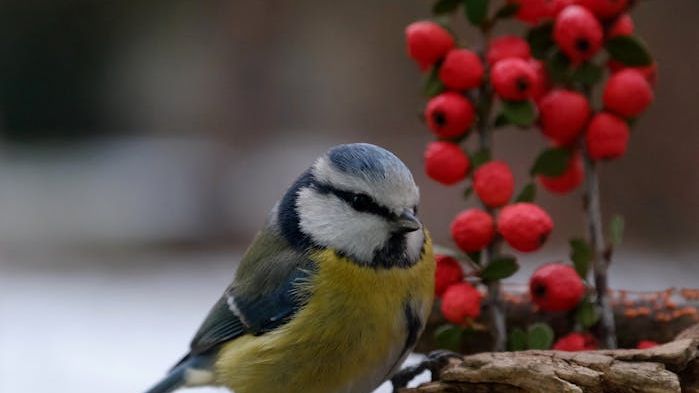
Picture your backyard alive with the chatter of robins, the flash of cardinals, and the flutter of waxwings. It’s not just a dream. Planting the right trees and shrubs turns any garden into a bustling bird haven, offering food, shelter, and nesting spots year-round. These picks stand out for their reliability and appeal to feathered friends.
Here’s the thing. Native or well-adapted plants do the heavy lifting without much fuss from you. Let’s dive into eight top choices that will have birds flocking to your yard in no time.[1][2]
Serviceberry: Early Summer Berry Feast
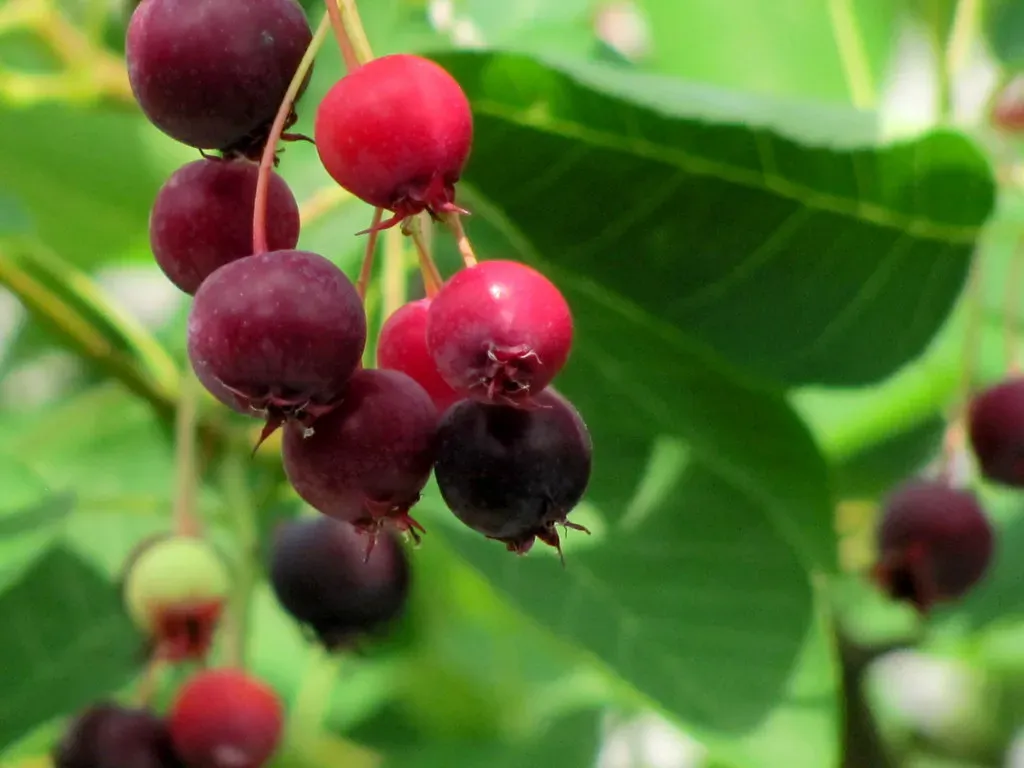
Serviceberry trees burst into white flowers come spring, drawing pollinators first. Then their juicy purple berries ripen just as migrating birds arrive, a perfect timing treat. Robins, waxwings, and bluebirds gobble them up, often leaving little for us humans. These multi-stemmed shrubs or small trees grow to about 15-25 feet, fitting nicely in most gardens.[1]
They thrive in full sun to partial shade with moist, well-drained soil. Fall foliage turns fiery red, adding beauty beyond bird appeal. Honestly, planting one feels like inviting old friends over for dinner every season.[3]
Flowering Dogwood: Berries and Blossoms Galore
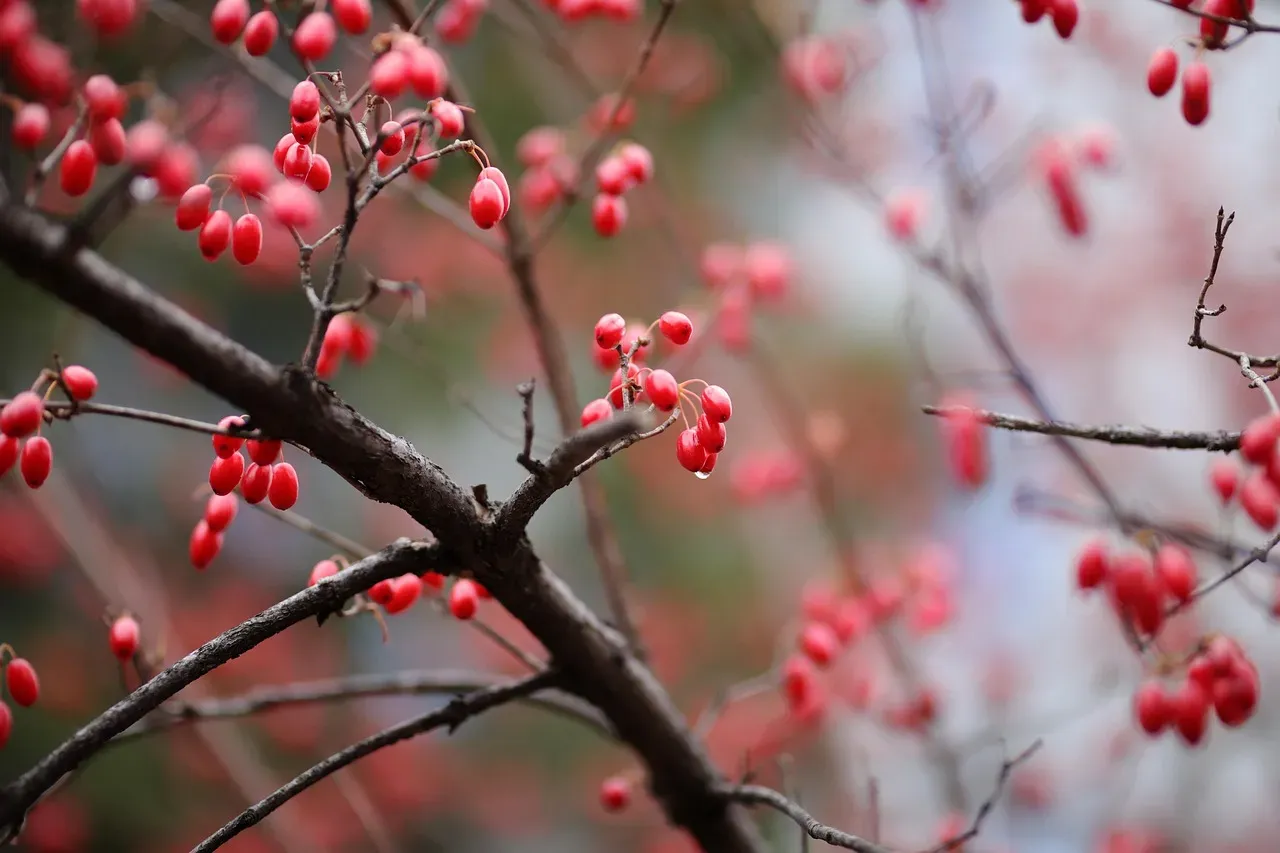
Nothing beats the showy bracts of flowering dogwood in spring, mimicking petals that dazzle the eye. Come late summer, scarlet berries cluster on the branches, luring thrushes, cardinals, and tanagers. This understory tree offers dense branching for nesting too. It tops out around 20-30 feet, ideal for woodland edges.[1]
Partial shade suits it best, mimicking its forest home. The leaves turn crimson in autumn, a bonus spectacle. I think it’s one of those plants that gives back more than it takes, supporting caterpillars for baby birds as well.[4]
Crabapple: Persistent Fruits for Winter Birds
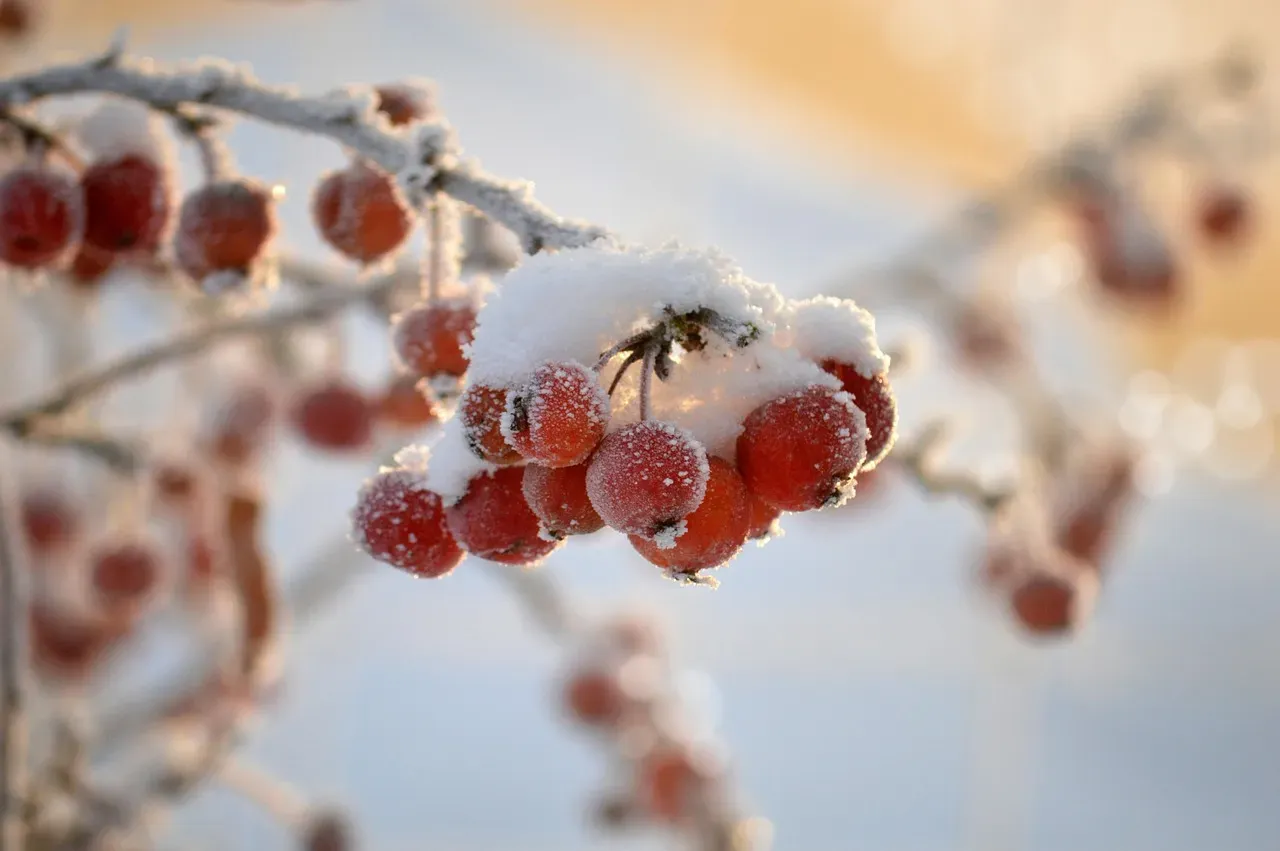
Crabapples explode with tiny apples that hang on through frost, a lifeline when other food vanishes. Cedar waxwings and finches flock to them, picking at the fruits into deep winter. Spring brings pink or white blooms for early insects. These small trees reach 15-20 feet, perfect for yards without much space.[1]
Choose disease-resistant varieties for low maintenance. They handle full sun and various soils well. It’s like having a natural bird feeder that never needs refilling.[5]
Mulberry: Abundant Fruit for Songbirds
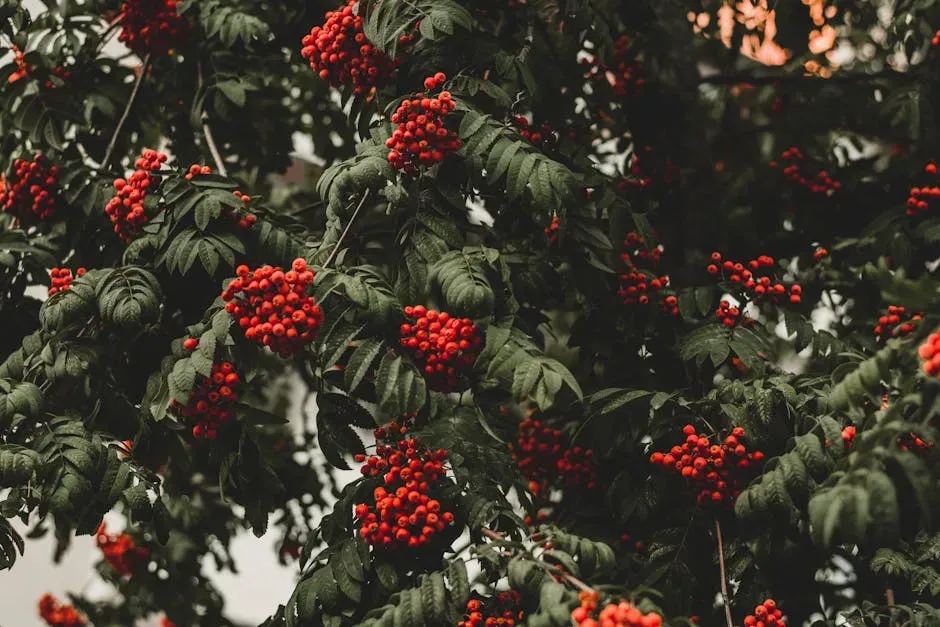
Mulberries drop masses of dark berries from early summer, staining everything below but delighting birds. Robins, cardinals, and orioles descend in droves, devouring the harvest. The trees grow fast to 30-50 feet, providing shade and nesting cover. Their leaves host silkworms, prime bird chow.[1]
Full sun and deep soil keep them happy. Though messy, the payoff in bird activity is huge. Let’s be real, who wouldn’t trade a few purple spots for a symphony of chirps?[2]
White Oak: Caterpillar Powerhouse
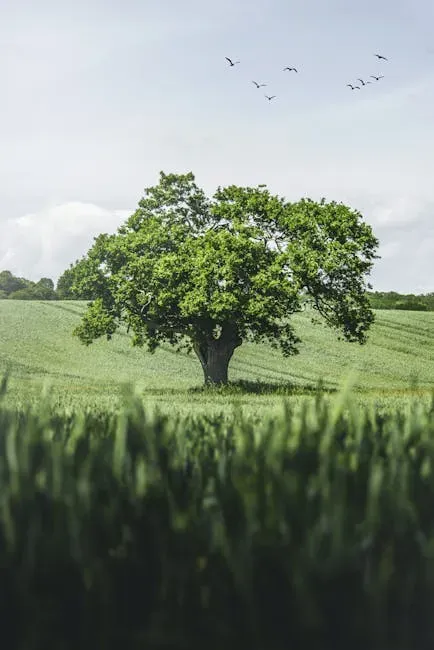
Oaks reign supreme for bird support, with white oak leading the pack. It hosts over 500 caterpillar species, the top baby bird food. Acorns feed adults in fall, drawing turkeys and jays. This majestic tree soars to 50-80 feet, anchoring any landscape.[6]
Plant in full sun with room to spread. Its longevity means generations of birds will thank you. If space allows, this one’s a no-brainer investment.[7]
Winterberry Holly: Red Berries That Last
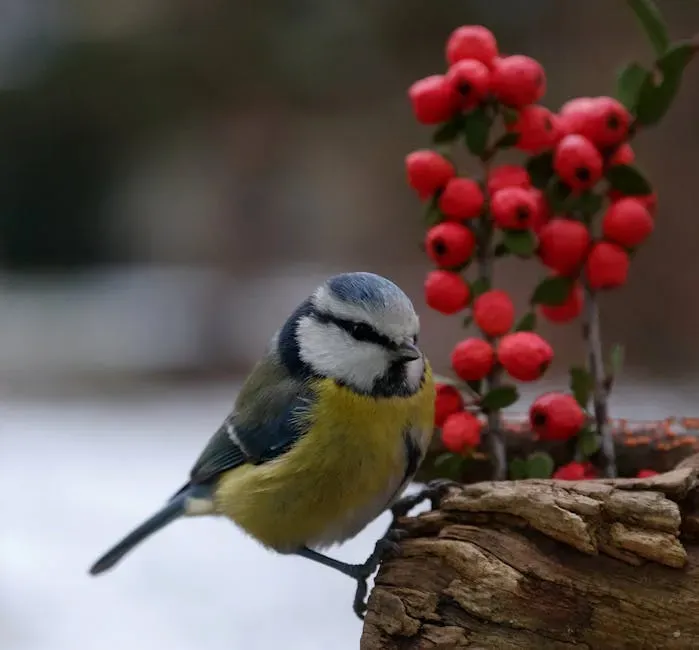
Winterberry holly sheds its leaves but clings to brilliant red berries through winter. Robins, bluebirds, and mockingbirds relish them when snow covers the ground. As a shrub, it grows 6-10 feet, offering thick cover for shelter. Both male and female plants ensure fruit production.[8]
Wet soils and full sun to part shade suit it fine. The stark winter display stuns. It feels like a holiday gift that keeps giving to wildlife.[9]
Elderberry: Insect Flowers and Juicy Berries
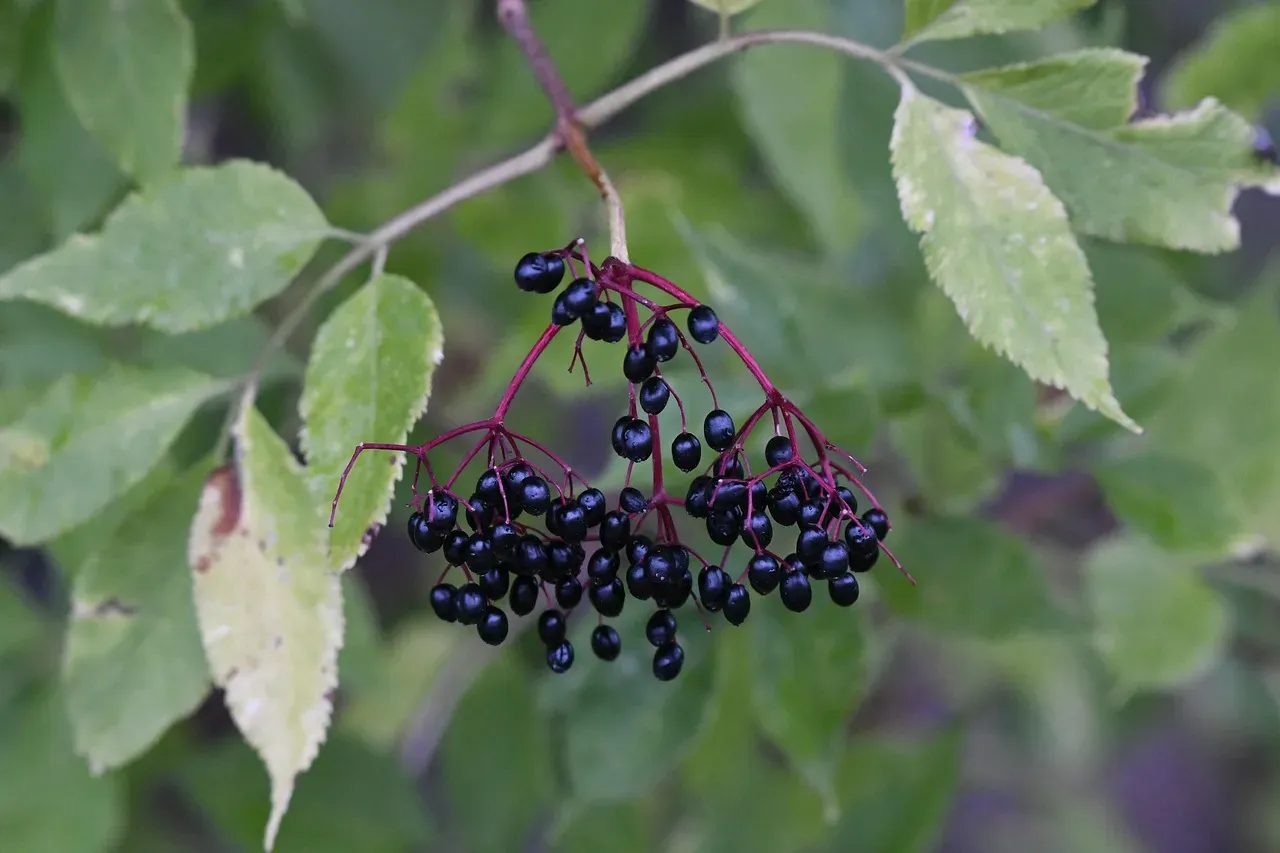
Elderberry bushes flower profusely, feeding bees and then birds with dark clusters of berries. Over 40 bird species snack on them, from warblers to woodpeckers. Reaching 5-12 feet, they form natural screens. The pithy stems provide nesting material too.[4]
Moist spots in sun or light shade work best. Prune for vigor. I know it sounds basic, but its dual role in food and habitat packs a punch.[4]
Eastern Red Cedar: Evergreen Shelter and Seeds
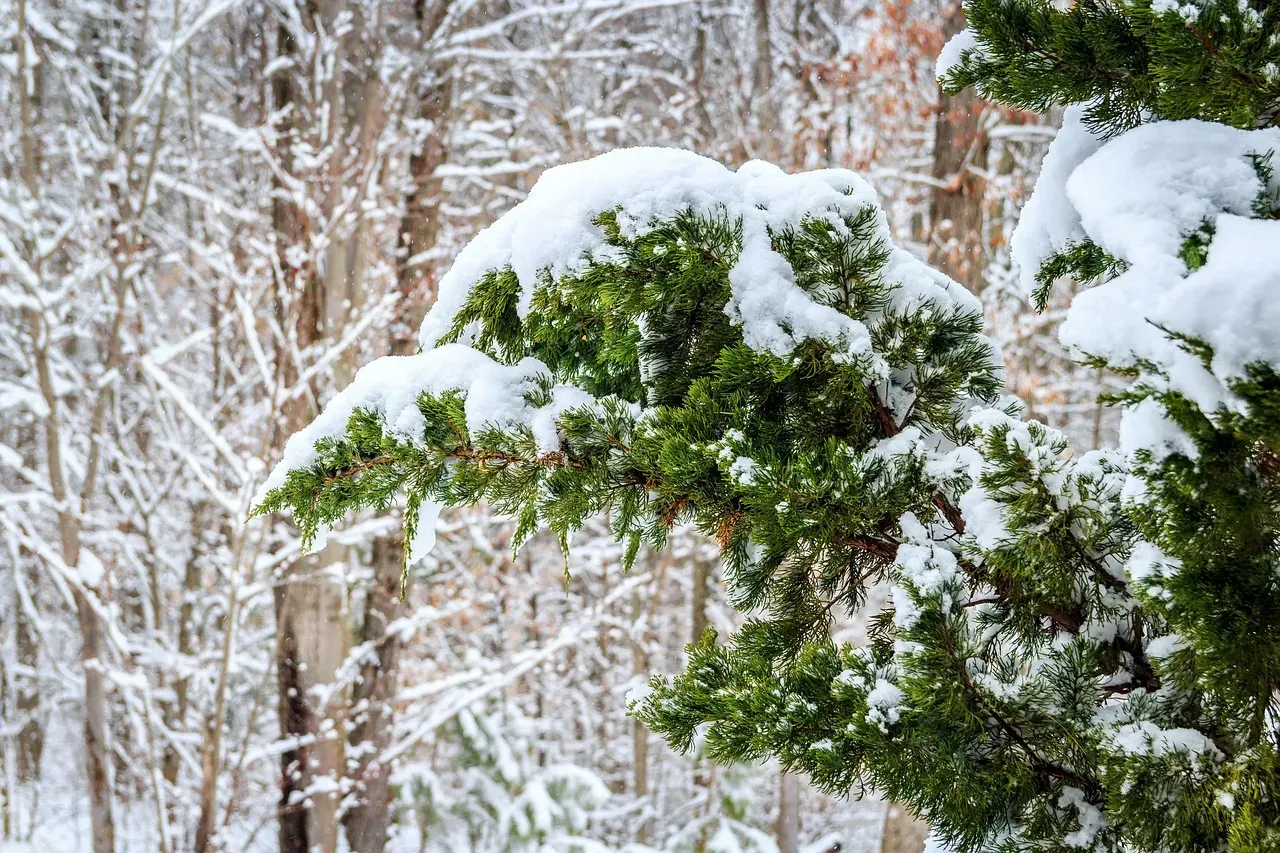
Eastern red cedar stands evergreen, breaking winds and hiding birds from predators. Bluish “berries” ripen for waxwings and sparrows in fall. It grows 30-40 feet, with dense foliage for nests. Avoid near apples to dodge rust disease.[8]
Full sun and poor soils don’t faze it. Rustic blue-green needles add year-round texture. This tough customer proves reliability wins in bird gardens.[10]
Bringing It All Together: Your Bird Paradise Awaits
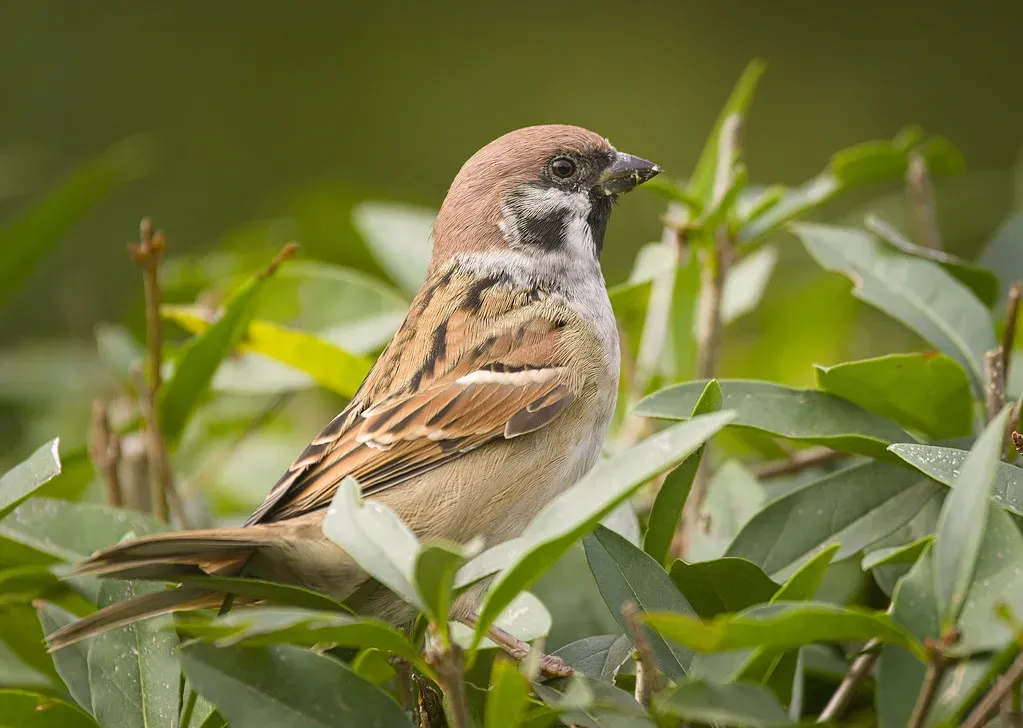
Mix these eight into layers, from canopy oaks to understory shrubs, for maximum impact. Watch diversity soar as birds move in, turning quiet corners lively. Patience pays off, with benefits compounding over years.
Your garden could host a flock tomorrow. Which of these will you add first? Share your plans in the comments below.
