

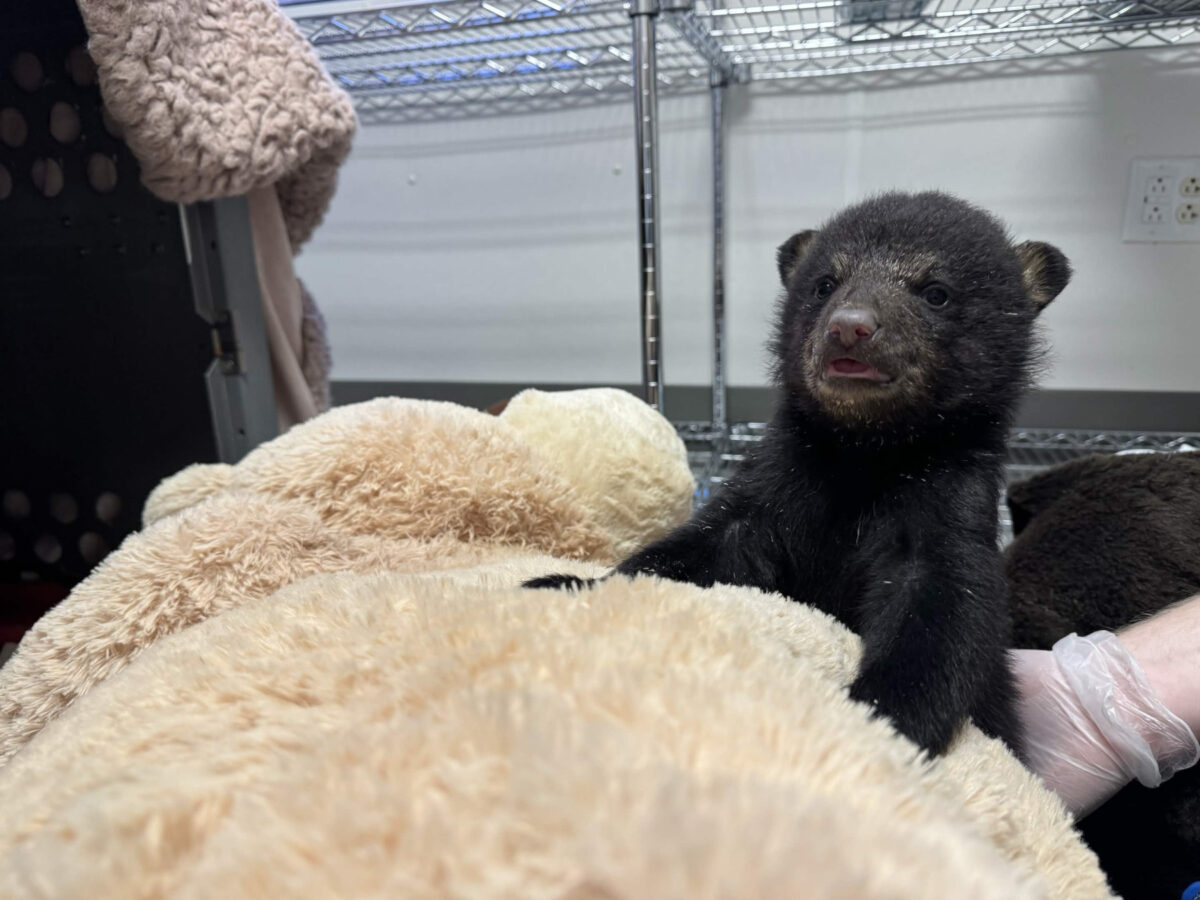
A Desperate Finder’s Call Leads to Action (Image Credits: Facebook)
Bedford County residents discovered a tiny black bear cub alone and shivering on their property, sparking a swift rescue effort by state wildlife officials. The six-week-old female, now under the care of the Wildlife Center of Virginia in Waynesboro, arrived dehydrated but alert after her mother failed to return.[1][2] Staff members quickly assessed her condition and began a regimen of fluids, feedings, and gentle socialization to help her regain strength. This marks the center’s first black bear admission of 2026, highlighting the ongoing challenges faced by young wildlife in the region.[1]
A Desperate Finder’s Call Leads to Action
The cub’s ordeal began when a homeowner spotted her muddy and trembling form at a residence in Bedford County. Concerned, the finder monitored the area for six hours but saw no sign of the mother bear. Department of Wildlife Resources personnel arrived, confirmed the cub was likely orphaned, and transported her to the Wildlife Center of Virginia on March 9.[1]
Upon arrival, veterinarians noted the young female was quiet yet responsive. A full examination under anesthesia revealed mild dehydration, low blood glucose from lack of recent meals, and otherwise good body condition with no injuries. The team administered fluids immediately and placed her in an ICU incubator for recovery.[1]
Initial Treatments Spark Rapid Improvement
That first evening, rehabilitation staff syringe-fed the cub electrolytes, which she accepted eagerly, consuming about 75 percent of the offering. They also provided a mush bowl of soft food overnight. By morning, rehabilitation supervisor Alex Olvera reported the bowl had been licked clean, with the cub’s face covered in remnants that staff gently cleaned off.[1]
Daily care soon settled into a routine of three formula bottle feedings and two mush bowls. Radiographs and bloodwork came back largely normal, setting a positive tone for her progress. The center, a teaching hospital that has treated over 100,000 wild animals since 1982, equipped her enclosure with a thick blanket to mimic a mother’s fur.[3]
Gaining Weight and New Companions
By March 17, the cub had gained 0.3 kilograms, reaching 1.8 kilograms overall. She now takes formula readily from the bottle and eats portions of her mush independently. A routine check revealed hookworms, promptly treated with antiparasitic medication, followed by a recheck.[1]
Supporters donated two large stuffed animals – a bear and a duck – to aid her socialization. Rehabilitation Team Lead Mac observed that she loves both and often curls in a ball between them. After feedings, she plays actively, wrestling the toys briefly before tiring and resting.[4]
Daily Care Routine Supports Long-Term Rehab
The center’s protocol emphasizes comprehensive support for orphaned black bears. Staff provide daily socialization sessions alongside medical monitoring to prepare cubs for eventual wild release.
- Three daily formula feedings via bottle.
- Two mush bowl offerings for self-feeding practice.
- Enrichment through play objects and human interaction at safe distances.
- Regular veterinary checks, including parasite treatments and weight tracking.
- Comfort items like blankets and donated stuffies to reduce stress.
Such measures help mimic natural development, ensuring the cub grows strong enough for independence. A minor cough appeared briefly but resolved without issue.[1]
Key Takeaways
- The cub entered care mildly dehydrated but in good condition, showing quick response to fluids and nutrition.
- Weight gain and independent eating signal strong recovery trajectory.
- Donated stuffed animals boost socialization, vital for a solo orphan.
This young bear’s story underscores the critical role of facilities like the Wildlife Center of Virginia in safeguarding vulnerable wildlife. With continued care, she stands a solid chance of returning to her natural habitat stronger than before. What do you think about these rescue efforts? Tell us in the comments.

- Urban Coyotes Show Remarkable Adaptability, Learning to Thrive in City Environments - July 22, 2026
- Beavers Are Nature’s Engineers, Creating Vital Habitats for Other Wildlife Species - July 21, 2026
- The Recovery of the California Condor Offers Hope for Other Critically Endangered Birds - July 21, 2026