

Laughter. We think of it as our thing. Something uniquely, unmistakably human. But what if science has been quietly dismantling that idea for decades, one chirp, chuckle, and warble at a time? Laughter is often thought of as a human behavior, but a range of animals also engage in “play vocalization” that functions in much the same way. The more researchers look, the more they find. And honestly, some of these findings are nothing short of astonishing.
Think about the last time you laughed so hard it was uncontrollable. Now imagine a rat doing the same thing right next to you at frequencies so high you simply can’t hear it. Or a parrot setting off a chain reaction of giggles across an entire flock. Researchers sifted through studies on various species’ play behavior and tracked vocalization patterns that show a strong similarity to human laughter. What they found rewrites everything we thought we knew about joy, emotion, and what it means to find something funny. Let’s dive in.
Chimpanzees: Our Laughing Cousins
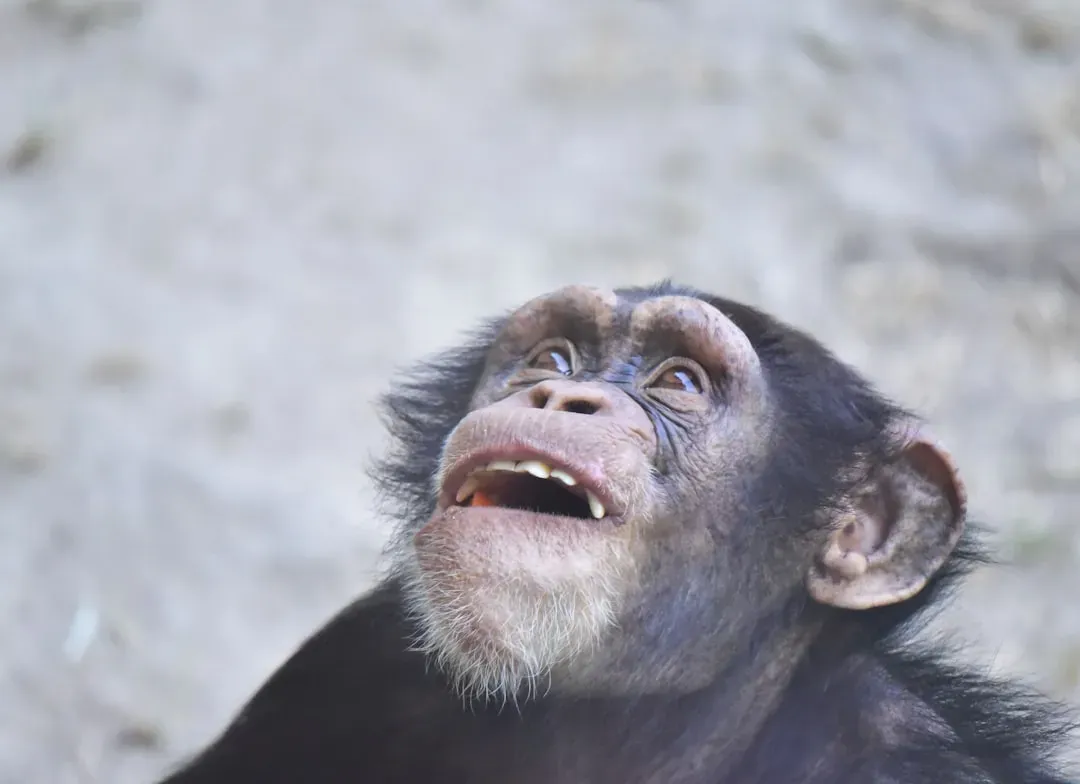
Here’s the thing – if any animal was going to laugh like us, the chimpanzee was always the obvious candidate. Chimpanzees, bonobos, gorillas, and orangutans show laughter-like vocalizations in response to physical contact such as wrestling, play chasing, or tickling. The behavior is well-documented and not just anecdotal.
The differences between chimpanzee and human laughter may be the result of adaptations that have evolved to enable human speech. So when a chimp “laughs,” it isn’t quite the same as our “ha ha ha” – but it comes from the exact same evolutionary root.
Interestingly, chimp chuckles happen during both inhaling and exhaling, unlike our human version. It’s a subtle difference, but a telling one. Think of it like two dialects of the same emotional language. Research has noted the similarity in forms of laughter among humans and other apes when tickled, suggesting that laughter derived from a common origin among primate species, and therefore evolved prior to the origin of humans.
Rats: Tiny Giggle Machines You Can’t Hear
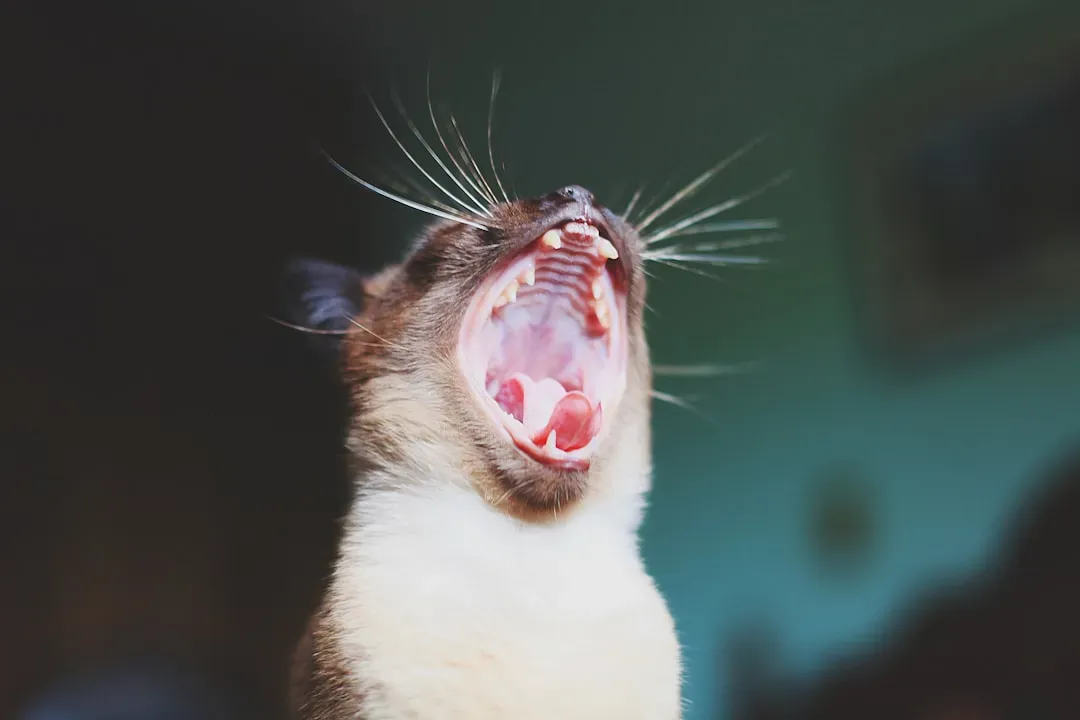
I know it sounds crazy, but rats genuinely laugh. Rats emit long, 50-kHz ultrasonic calls that are induced during rough and tumble play and when tickled by humans – a vocalization described as distinct “chirping.” The catch? You need special equipment to actually hear any of it.
Neuroscientist Jaak Panksepp and colleagues found that rats emit a unique ultrasonic vocalization while playing or anticipating playtime. The 50 kHz chirp seemed to point to a positive emotional state, and rats also emitted this chirp when scientists tickled them, more than during any other activity.
Like humans, rats have “tickle skin” – areas of the body that generate greater laughter responses than others. Rats that laugh the most also play the most and prefer to spend more time with other laughing rats. In other words, the social dynamic mirrors ours almost perfectly. Laughing rats hang out together. Sound familiar?
Bonobos: The Comedy Geniuses of the Ape World
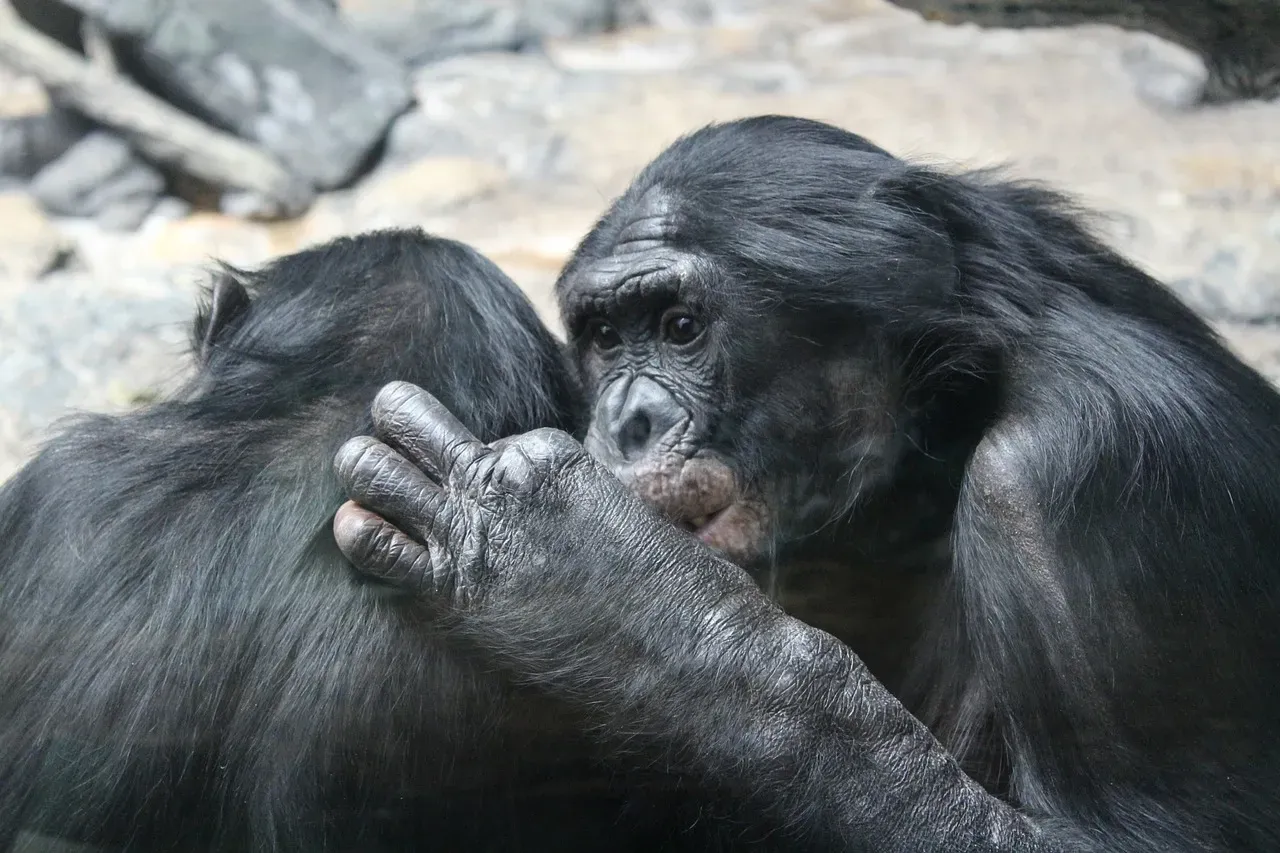
A group of researchers recently discovered that great apes, including bonobos, use humor just like humans do. These remarkable primates are arguably the most socially sophisticated of all non-human apes, and their sense of play – and laughter – reflects that.
One study analyzed sounds made by human babies and bonobos when tickled. It found that although the bonobo’s laugh was a higher frequency, the laugh followed the same sonographic pattern as human babies and included similar facial expressions. That’s striking. The architecture of the laugh itself is nearly identical.
Bonobos have a distinctive hoarse chuckle that accompanies their play sessions. They tickle each other, wrestle gently, and engage in games that reduce tension within their groups. Unlike some other primates, bonobos use humor and play to resolve conflicts rather than fighting. Honestly, a lot of humans could learn something from that approach.
Dolphins: The Ocean’s Most Playful Comedians
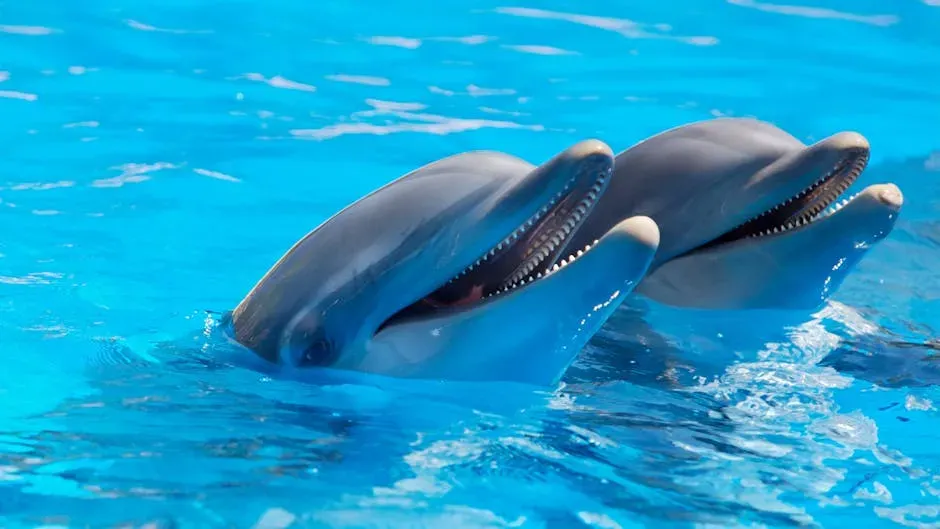
In 2004, researchers studying dolphins in Sweden noticed a particular set of sounds they had not heard before. These sounds consisted of a short burst of pulses, followed by a whistle – signals being made by dolphins only during play-fighting, and never during aggressive confrontations.
Their conclusion was that these sounds were being made by the dolphins to indicate that the situation was pleasant and non-threatening, to help prevent it from escalating into a real fight. According to psychologists, this is the reason laughter exists in the first place, suggesting these noises were the dolphin equivalent of a human laugh.
Beneath the waves, dolphins communicate happiness through rapid bursts of clicks and whistles during playful interactions. Researchers believe these vocalizations function similarly to human laughter. Marine biologists have observed these sounds increase during social play and decrease during solitary activities. It’s essentially a joy signal shared across a pod. Contagious, communal, and deeply social.
Gorillas: Big Bodies, Surprisingly Delightful Giggles
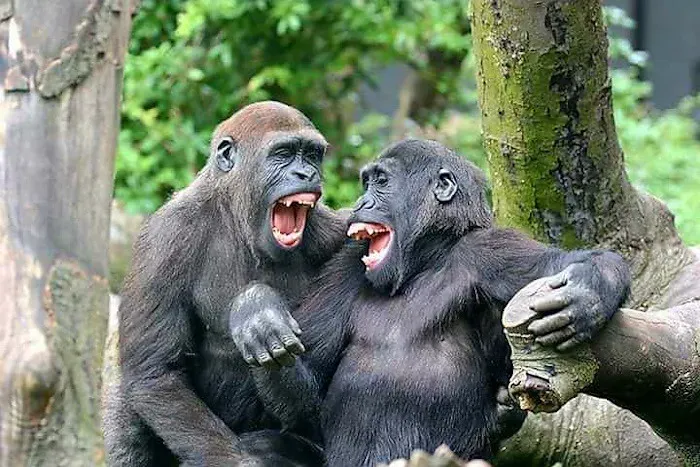
There’s something genuinely surprising about watching a silverback gorilla giggle. Western lowland gorillas produce a quiet, panting chuckle during play. It doesn’t roar or bellow – it’s subtle, soft, and unmistakably joyful.
Gorillas laugh during tickling sessions, chase games, and wrestling matches with their family members. Some gorillas trained in sign language have been observed making jokes by deliberately signing the wrong word for objects. Whether or not that counts as a punchline is up for debate, but the intent seems clear enough.
Gorillas express their joy through a rhythmic panting sound. It’s low, breathy, and rhythmic – nothing like what we might expect from such a powerful creature. Yet when you see it in the wild, or even in a sanctuary setting, it’s one of the most emotionally moving things you’ll ever witness. Something about it makes you feel less alone in the universe.
Kea Parrots: The Bird That Makes Laughter Contagious
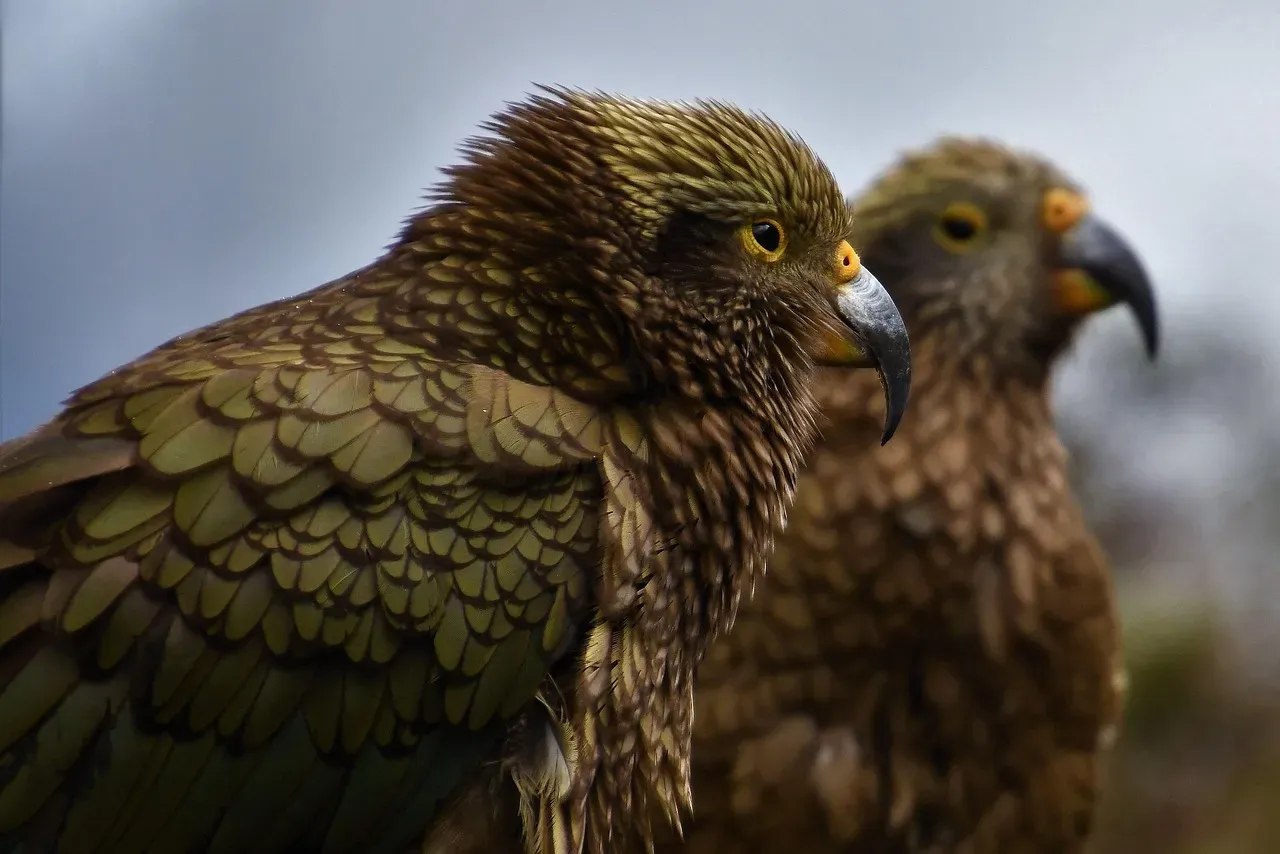
Research shows not only that most mammals laugh but also some birds, such as New Zealand’s playful parrot, the kea. This olive-green mountain bird from the South Island of New Zealand is arguably the most behaviorally complex bird when it comes to play and social joy.
Keas emit a warbling sound when happy, particularly while playing with other members of their species. That said, kea sometimes makes this sound alone, indicating it could be a sound of pure pleasure. When a kea hears the sound of another kea playing, it will spontaneously begin to engage in play behavior.
Research demonstrated that kea laughter acts as an invitation to other keas, specifically to facilitate and to initiate play. Think of it like a group laugh at a party that pulls everyone in. Kea parrots toss objects to each other mid-flight, perform aerial stunts, and make warbling sounds that spread through their flock like contagious giggles. These birds don’t just laugh – they spread it.
Orangutans: The Solitary Laughers
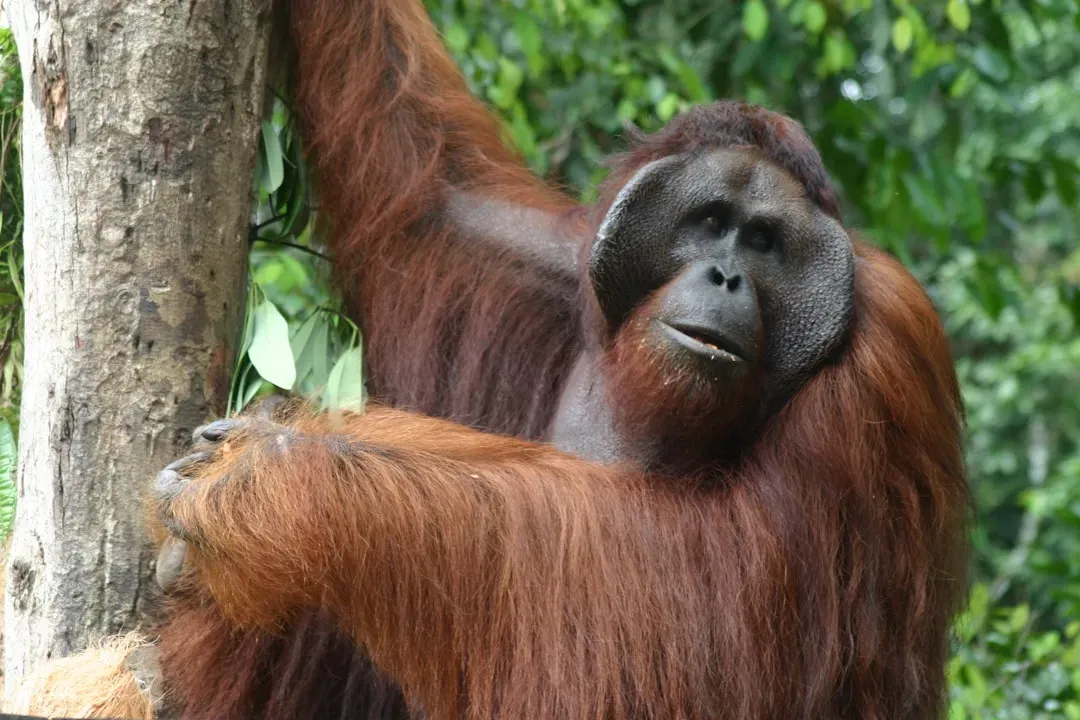
Orangutans are largely solitary compared to their great ape cousins, which makes their laughter all the more surprising and touching when it appears. These red-haired great apes produce breathy sounds during tickling and play that closely resemble laughter. Young orangutans giggle constantly while swinging through trees with siblings. Their vocalizations include both inhale and exhale components, creating a rhythmic chuckling pattern.
Some orangutans also react with laughter at magic tricks performed by humans. That one stopped me in my tracks the first time I read it. Not just play, not just tickling – but apparently a sense of surprise and delight at something unexpected. That’s remarkably close to how human humor works.
While not as common as in other primates, these laughter-like vocalizations are observed in playful interactions and social bonding among orangutans. Orangutans exhibit complex social behaviors during interactions, including vocalizations that convey emotional states and intentions. For a creature so often alone, joy finds a way.
Dogs: Your Best Friend Really Is Laughing With You

Most dog owners have a gut feeling their dog is happy when it makes that breathy, panting sound during play. Turns out, that gut feeling is scientifically correct. Dogs sometimes pant in a manner that sounds like a human laugh. Analysis using a sonograph reveals that this pant varies with bursts of frequencies.
When this vocalization is played to dogs in a shelter setting, it can initiate play, promote pro-social behavior, and decrease stress levels. That is genuinely remarkable. The sound of a dog laughing can calm down other dogs. It’s a social tool, just like human laughter is.
One study compared the behavior of 120 dogs with and without exposure to a recorded “dog-laugh.” Playback reduced stress-related behaviors, increased tail wagging, the display of a “play-face” when playing was initiated, and pro-social behavior such as approaching and lip licking. In other words, dog laughter doesn’t just express joy – it creates it in others. If that isn’t the point of laughter, I don’t know what is.
Elephants: Gentle Giants With a Sense of Joy
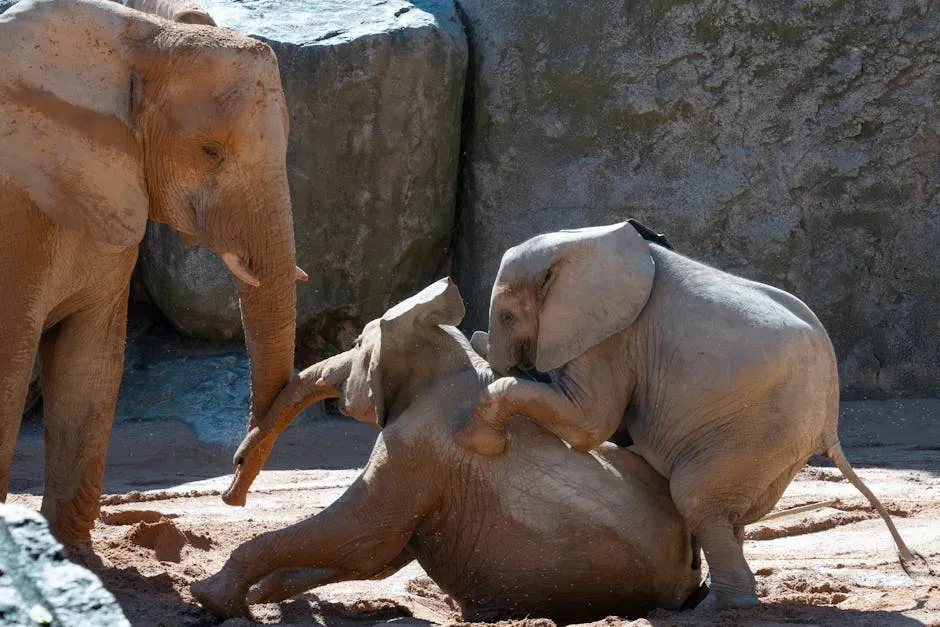
Elephants are famous for their emotional depth – grief, loyalty, memory. But the joy side of their emotional spectrum deserves far more attention. Elephants frequently engage in playful behavior and may jostle or play tricks on one another. Baby elephants may make a sound that sounds similar to a human giggle.
These vocalizations serve as a means of communication within elephant herds, signaling everything from distress and aggression to happiness and playfulness. Elephants are highly social animals with complex social structures, where laughter-like vocalizations contribute to bonding between individuals and maintaining group cohesion.
There’s something almost magical about the idea of a four-ton animal letting out a joyful rumble during a game of chase with its calf. Elephants form tight-knit herds of related family members and possess a keen level of intelligence. They can complete complex tasks, manipulate tools, and recognize themselves, people, and other elephants. Their capacity for play and laughter fits seamlessly into that bigger picture of emotional richness.
Australian Magpies: The Songbirds Who Laugh Together
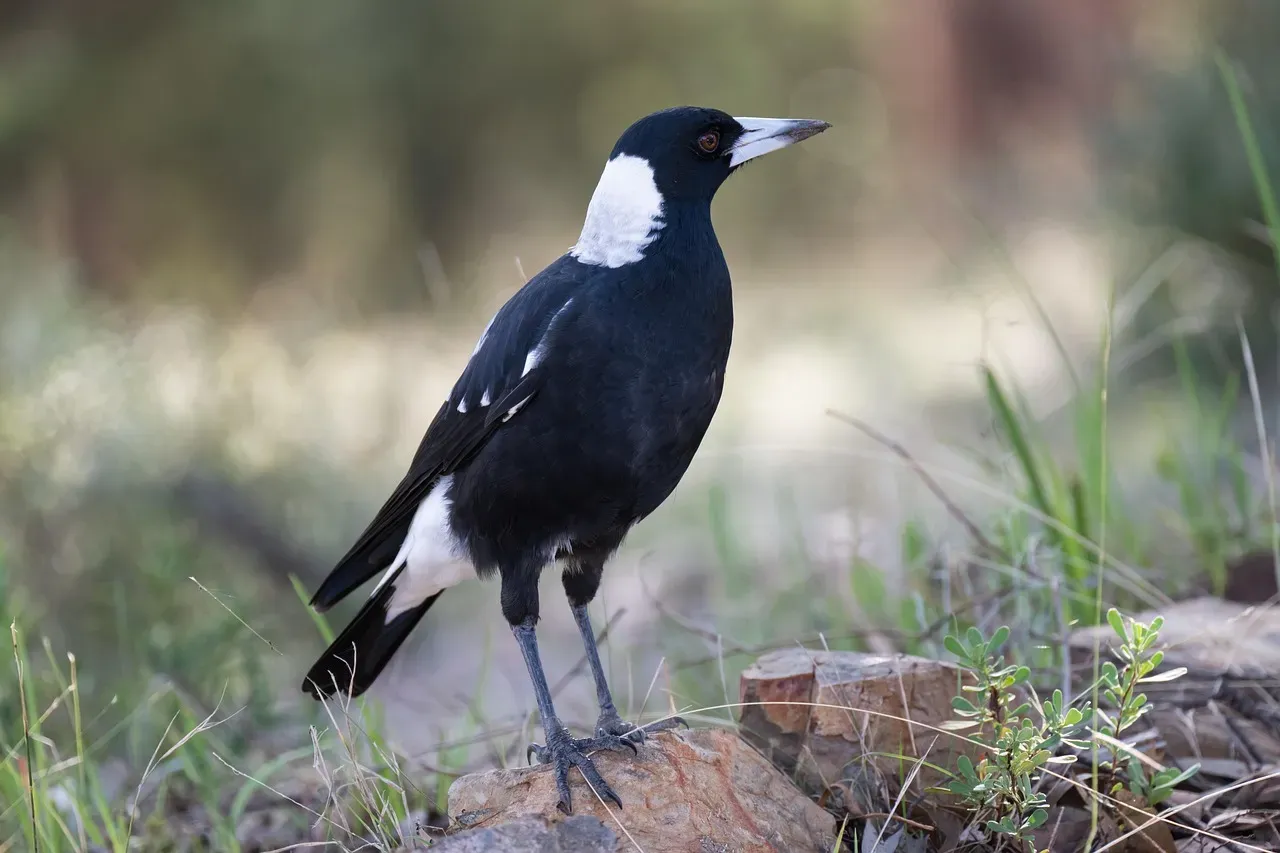
Of all the animals on this list, the Australian magpie is perhaps the least expected. Australian magpies talk to each other when playing. The Australian magpie is a medium-sized black and white songbird from Australia and New Guinea. Their vocal complexity is stunning for a bird of their size.
Though most of the laughing animals identified by researchers were mammals, two bird species – the Australian magpie and the kea parrot – also vocalized during play in ways consistent with laughter. Being one of only two non-mammal species on that list is a serious claim to fame.
Laughter in humans is thought to have originated during play, a hypothesis supported by the play-related panting laughter of many primate species. Human laughter may have evolved from a similar panting sound that “over evolutionary time became ritualized” into the vocalized laughter we use today. The magpie’s vocal play fits beautifully into that larger evolutionary story, suggesting that the roots of laughter run far deeper and wider than anyone expected.
Conclusion: Laughter Is Older Than Humanity Itself
What all of these animals have in common is remarkable. They laugh during play. They use laughter to signal safety and joy. They share it with others, spreading it socially, almost like an emotional contagion. Sound familiar? Laughter is not uniquely human in its roots – multiple species produce laughter-like vocalizations and facial signals during play and positive social interactions.
The capacity for positive emotion may be more widespread in the animal kingdom than once thought. That’s not just a scientific footnote. It’s a profound shift in how we understand consciousness, emotion, and what connects living things to one another.
I think the real lesson here is one of humility. We’ve spent centuries drawing hard lines between “human” and “animal” emotions, and science keeps quietly erasing them. Laughter, it turns out, is ancient. It predates language, predates civilization, and predates us. The next time your dog makes that breathy panting sound during a game of fetch, or you watch a rat seek out the hand of its researcher for another round of tickles – know that you’re witnessing something millions of years in the making. What animal on this list surprised you the most? Drop a thought in the comments – I’d genuinely love to know.
