
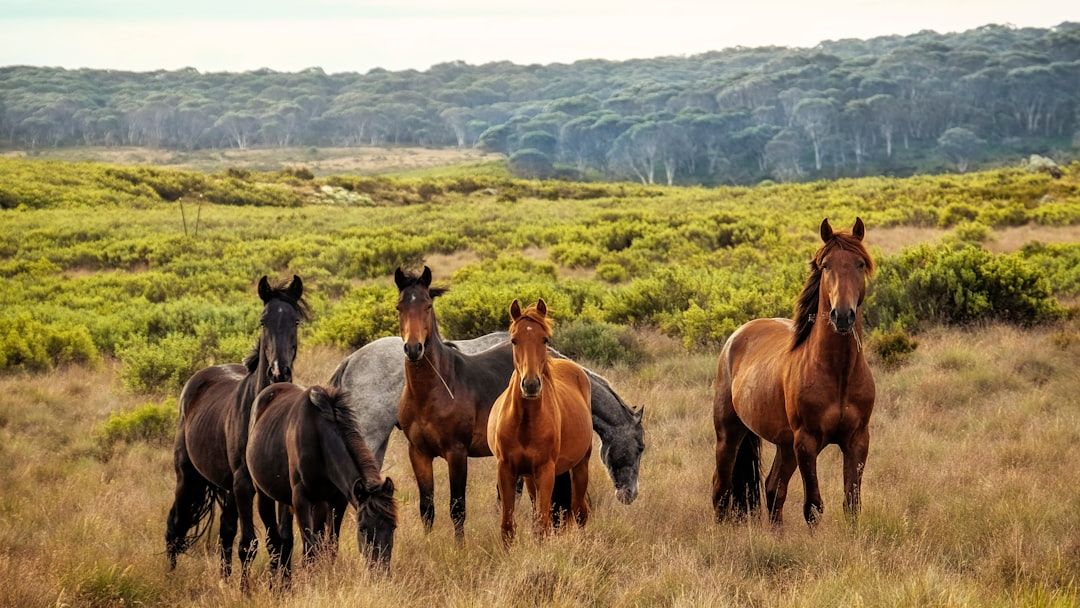
There is something almost indescribably powerful about watching a wild mustang move across open land. No saddle. No fence line. No schedule. Just raw, unapologetic freedom in motion. It’s the kind of sight that stops you cold, makes you forget whatever you were worrying about, and connects you to something ancient and real.
While native horses once lived in North America and died out over ten thousand years ago, the horses seen today are descendants of the domesticated animals reintroduced to the continent by Spanish explorers in the sixteenth and seventeenth centuries. Over centuries of trade, war, and wandering, many of those horses broke free and formed wild herds across the West. Today, their descendants still thunder across public land – but the window to witness them is narrowing.
As of March 1, 2026, the nationwide population estimate sits at 85,466 wild horses and burros – a number that sounds large until you consider the scale of the American landscape. Not every state still hosts them. Here are the eight . Let’s dive in.
Nevada: The Undisputed Kingdom of the Mustang
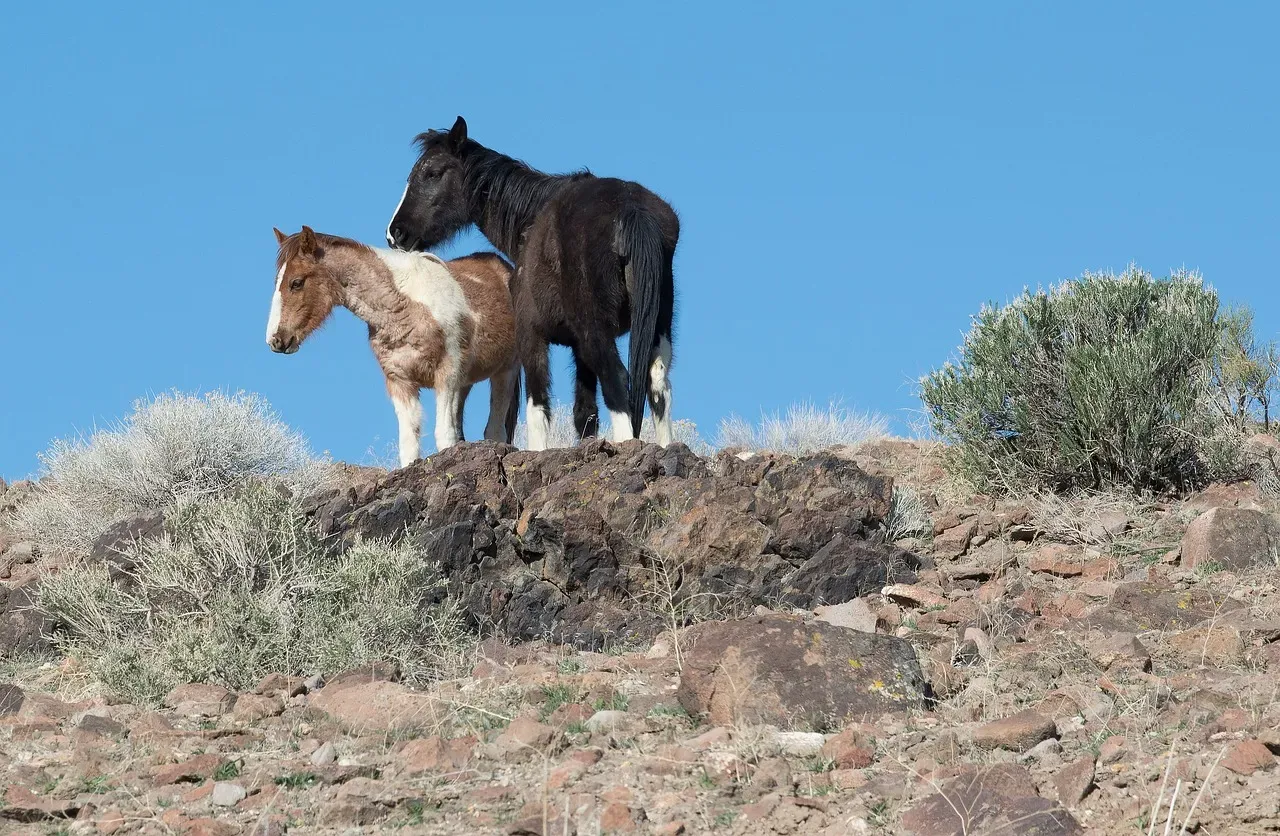
Nevada is the undisputed leader when it comes to wild mustang populations, with over 40,000 roaming its vast landscapes. The state’s wide-open deserts, mountain ranges, and arid plains provide an ideal habitat for these resilient horses.
More than half of all free-roaming mustangs in North America are found in Nevada – and honestly, once you spend time here, it makes total sense. The sheer scale of this state’s open land is hard to wrap your head around. Think of it like an ocean with no water, just dust, sage, and sky.
Protected under the Wild Free-Roaming Horses and Burros Act of 1971, Nevada’s mustangs are managed by the Bureau of Land Management. Areas like the Pine Nut Mountains, Fish Springs, and the famed Virginia Range are well-known mustang hotspots.
The most reliable place to view wild horses is in the Virginia Range, located between Reno and Virginia City. I think Nevada earns its title every single day – this is mustang country in its purest form.
Wyoming: Where the Wild West Is Still Alive
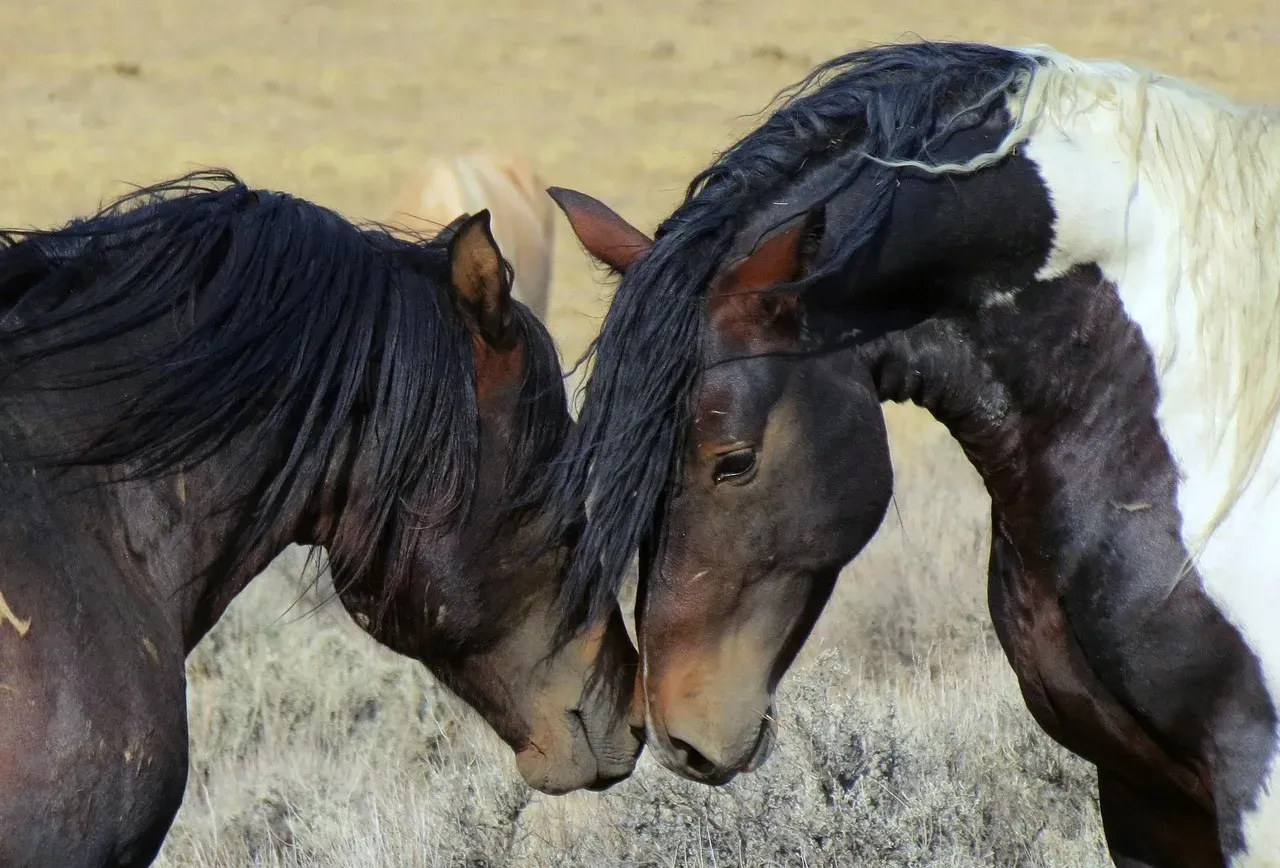
In Wyoming, mustang horses represent fierce independence, since they were left to roam free and run wild in the region hundreds of years ago. Today, drought and modernization threaten their ability to thrive, but an estimated 6,000 wild horses still roam free in Wyoming.
Wyoming’s rugged terrain and sweeping plains make it another haven for wild mustangs. The state is home to several herds, with notable populations in areas like the Pryor Mountain Wild Horse Range and the Adobe Town Herd Management Area.
In Wyoming, the mustangs are part of a delicate ecosystem, coexisting with other wildlife like pronghorn antelope and coyotes. Picture rolling grasslands that stretch toward snow-capped peaks, looking ripped straight out of an old western film. That’s not a cliché here – that’s just Tuesday.
BLM Wyoming manages 14 wild horse herd management areas on nearly 5 million acres, with the combined appropriate management level for all HMAs in the state at 2,566 animals. For visitors looking for a truly unforgettable up-close experience, the Deerwood Ranch Wild Horse EcoSanctuary offers a chance to stay overnight and observe these magnificent animals on their terms.
Montana: Ancient Bloodlines and Big Sky Views
Montana is home to the Pryor Mountain Wild Horse Range, one of the most famous mustang habitats in the United States. Located along the Montana-Wyoming border, this range covers rugged terrain, including cliffs, forests, and grasslands.
Here’s the thing about Montana’s mustangs – they are not just beautiful. They are historically extraordinary. The Pryor Mountain mustangs are particularly unique, as they are believed to be descendants of Spanish colonial horses brought to the Americas centuries ago. These horses are known for their distinctive features, including strong, compact builds and striking colors.
The Pryor Mountains are home to about 160 free-roaming horses, who mostly live in the northeast region of the mountain region near Bighorn Canyon. Many of the horses display distinctive markings – a long dorsal stripe along the back and zebra-like coloration on their legs – and are smaller than the average wild horse.
The Pryor Mountain Wild Mustang Center believes that the animals are descendants of colonial Spanish horses brought to the area by Native American tribes in the seventeenth and eighteenth centuries. Over the years, genetic studies have been done on the horses, and results have shown consistency with Spanish genetic traits. It’s living, breathing history, right there in the canyon.
Oregon: Home of the Legendary Kiger Mustang
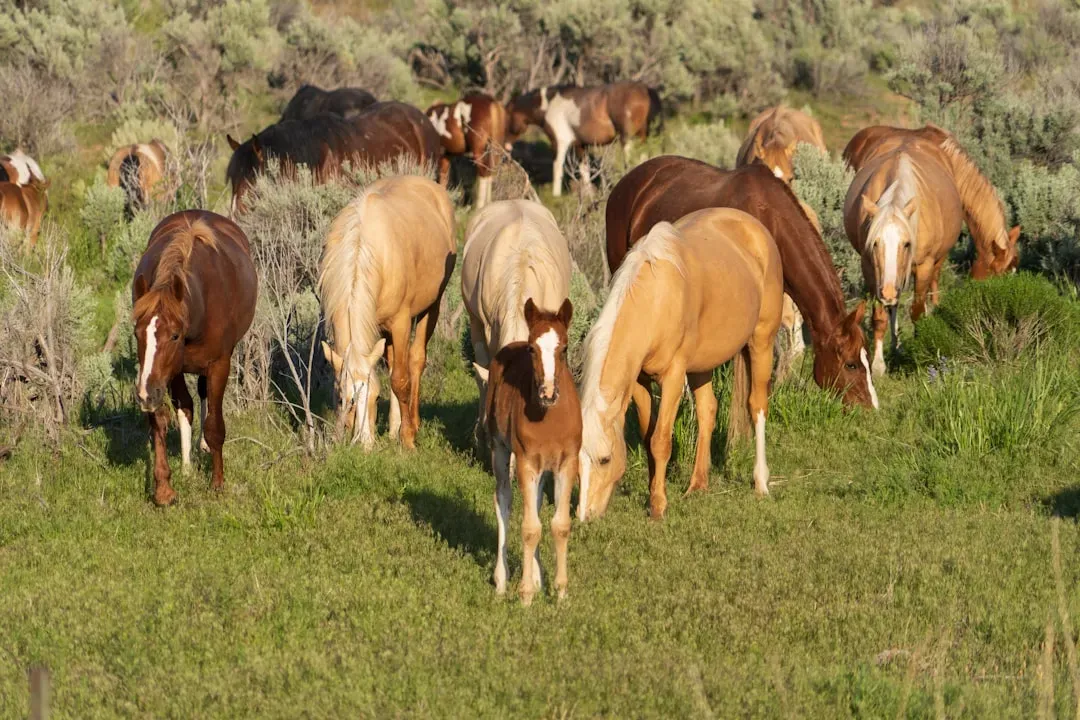
Oregon’s high desert plateaus are home to vibrant herds of wild mustangs, a sight that captivates the heart and mind. These horses navigate the challenging terrain with grace and resilience. The BLM’s Kiger Mustang Herd Management Area is a notable spot, known for its distinctively Spanish-looking horses.
Some of the most admired horses are the Kiger Mustangs on Steens Mountain, with DNA testing demonstrating that Kiger mustangs are largely descended from the Spanish horses brought to North America. Their distinctive dun coloring and compact, athletic builds make them highly sought after in adoption programs.
Oregon is home to around 4,485 wild mustangs. While many mustangs roam freely across the state, Eastern Oregon is also home to the unique Kiger Mustang, an endemic horse breed.
In southeastern Oregon, the BLM now manages 18 Herd Management Areas and co-manages one Wild Horse Territory – a testament to how seriously Oregon takes its wild horse heritage. If you ever get a chance to see a Kiger up close, it honestly feels like looking back five hundred years in time.
Arizona: Desert Fire and the Salt River Horses
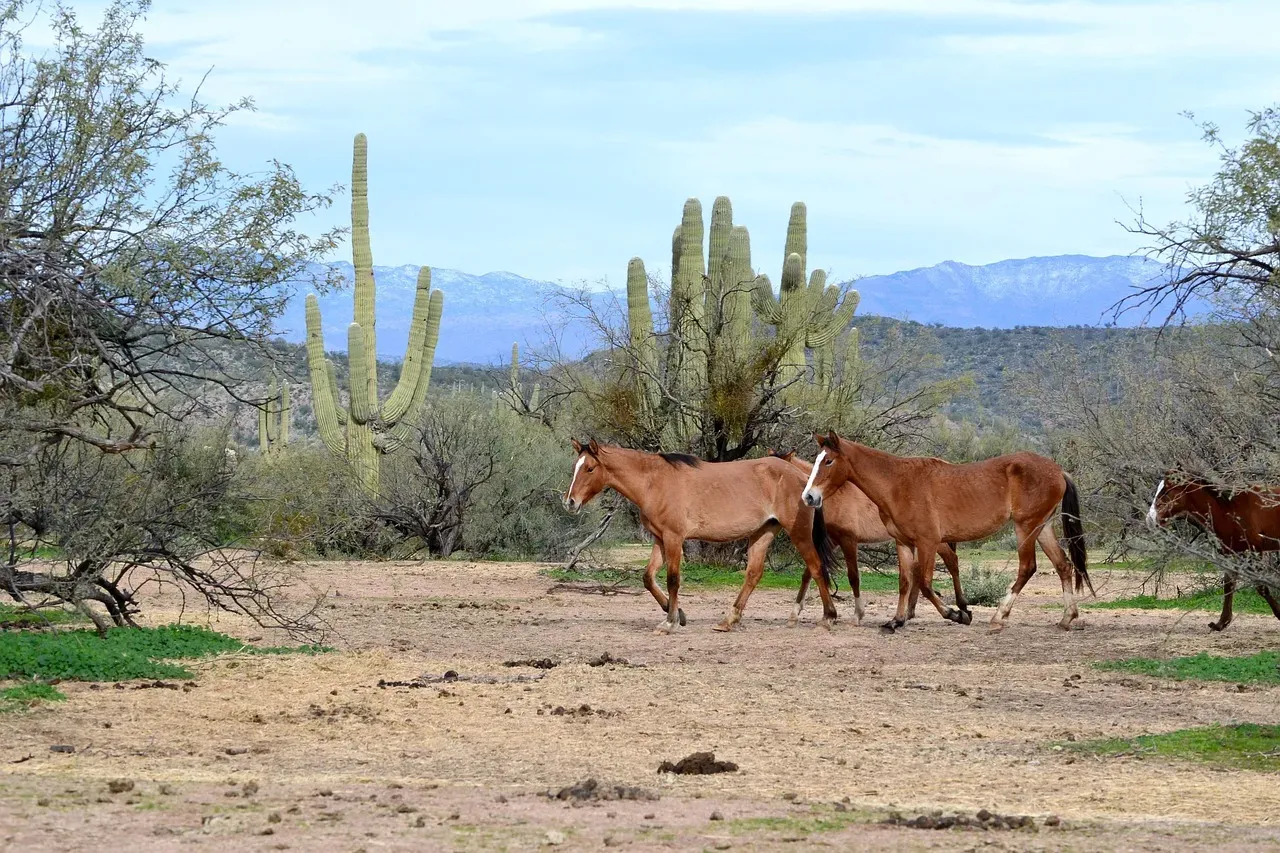
In Arizona, wild mustangs navigate the harsh desert landscapes with grace and tenacity. These horses have adapted to the arid environment, showcasing nature’s incredible resilience. Often seen near red rock formations, they are a living connection to the untamed Wild West.
Arizona was home to the famous Salt River horses, which were almost hunted, captured, or chased away to extinction. Advocates banded together in an outcry to protect and preserve the wild horses, and they have been preserved in Tonto National Forest. It’s a story that should have ended badly – and didn’t, thanks to people who refused to let it.
Arizona’s wild mustangs are as diverse as the state’s dramatic landscapes. From sun-drenched deserts to forested highlands, these horses are a testament to adaptability and resilience. The Salt River area is famous for its photogenic herds, often seen against stunning southwestern vistas.
Watching a herd of mustangs wade through the Salt River at dusk, silhouetted against fading desert light, is the kind of image you carry with you for the rest of your life. It’s hard to say for sure how many people have had that moment change them, but I’d bet it’s more than anyone counts.
Colorado: Rocky Mountains and Free-Roaming Spirits
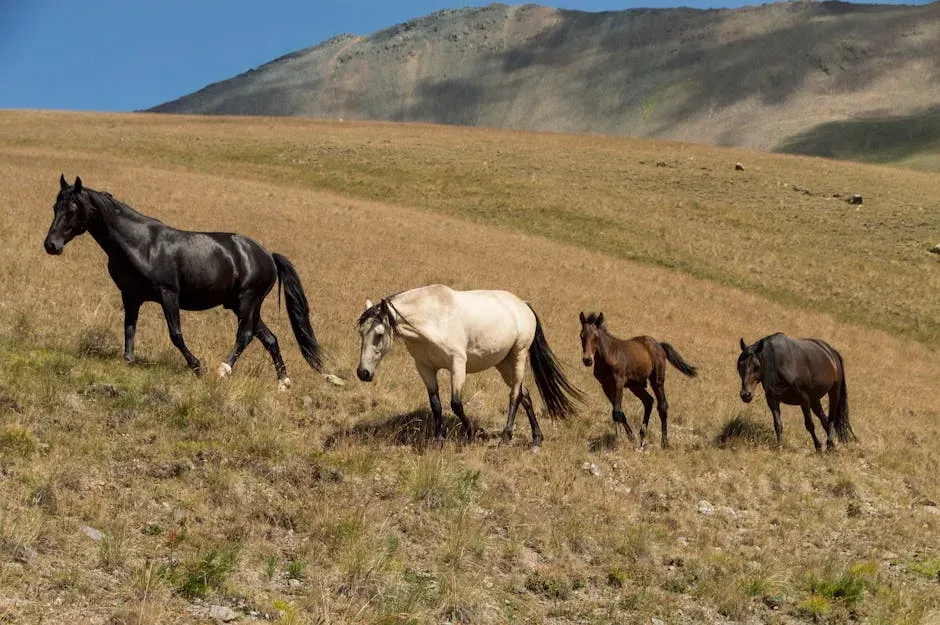
Nestled within the striking geological formations of the Little Book Cliffs in Colorado, this population of wild mustangs showcases the remarkable endurance and adaptability of these animals. Spanning over 30,000 acres of canyons and plateaus, the area provides a natural paradise where the mustangs graze, socialize, and roam without restraint.
The Sand Wash Basin is a prime location to observe these majestic creatures, where they roam free and wild. Watching them interact is a testament to their intelligence and social bonds, a scene both touching and awe-inspiring.
BLM Colorado manages four wild horse herd management areas on approximately 400 thousand acres. The combined appropriate management level for all HMAs in the state is 812 animals.
Colorado may have a smaller mustang population compared to Nevada or Wyoming, but don’t let that fool you. The drama of watching horses thunder across a canyon backdrop with the Rockies looming behind them is something no wildlife documentary can fully capture. Some experiences simply require your own two eyes.
Utah: America’s Most Photographed Wild Herd
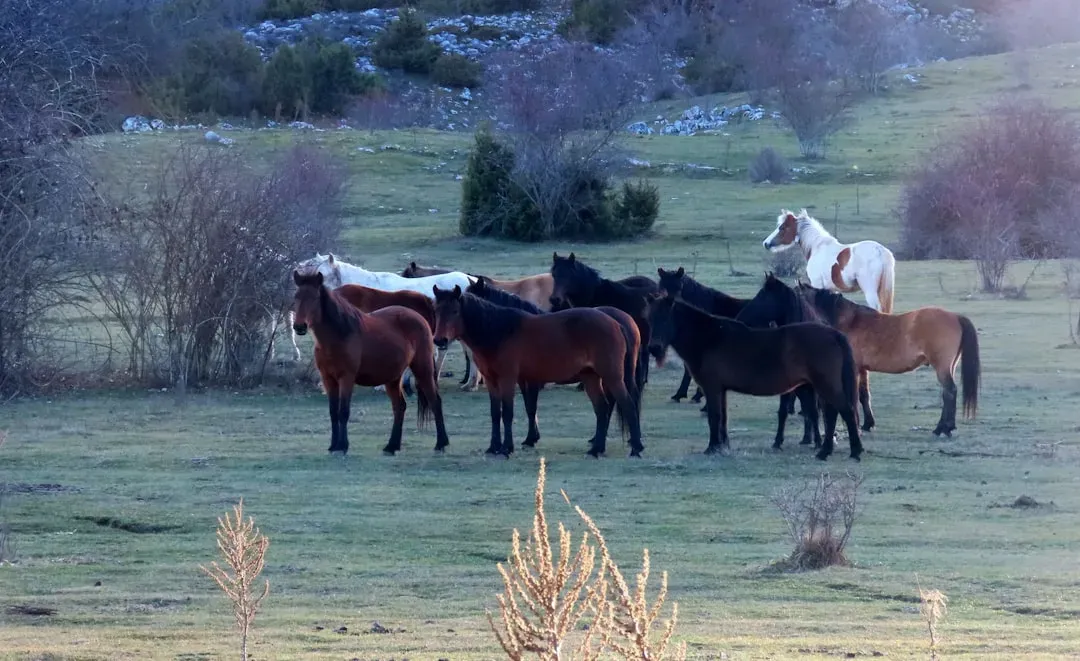
Utah is home to many wild mustangs. Several herds roam the state, with the most popular ones found around Onaqui Mountain. The total number of mustangs in Utah is approximately 3,509.
The Onaqui Herd in Tooele County, one hour west of Salt Lake City, is an excellent starting point. The Onaqui Herd consists of almost 450 horses: two large packs made up of smaller families. Often, this group lives and grazes within sight of dirt roads along the old Pony Express Trail. Their roadside accessibility makes them renowned as one of the most photographed herds in the United States.
The Onaqui Mountain Herd Management Area is located 60 miles southwest of Salt Lake City and extends from Johnsons Pass south to Look Out Pass. The HMA contains over 200,000 acres of BLM lands and additional federal, state, and privately owned land for a total of roughly 240,000 acres.
Natural selection kept the sturdiest and now, generations later, the mustangs may be healthier than their pampered, still domesticated cousins. A study from the University of Kentucky determined that wild horse populations have tougher hooves and are less affected by bone disease. Let’s be real – these horses have been stress-testing themselves against the desert for generations, and it shows.
North Dakota: The Badlands’ Beloved and Embattled Herd
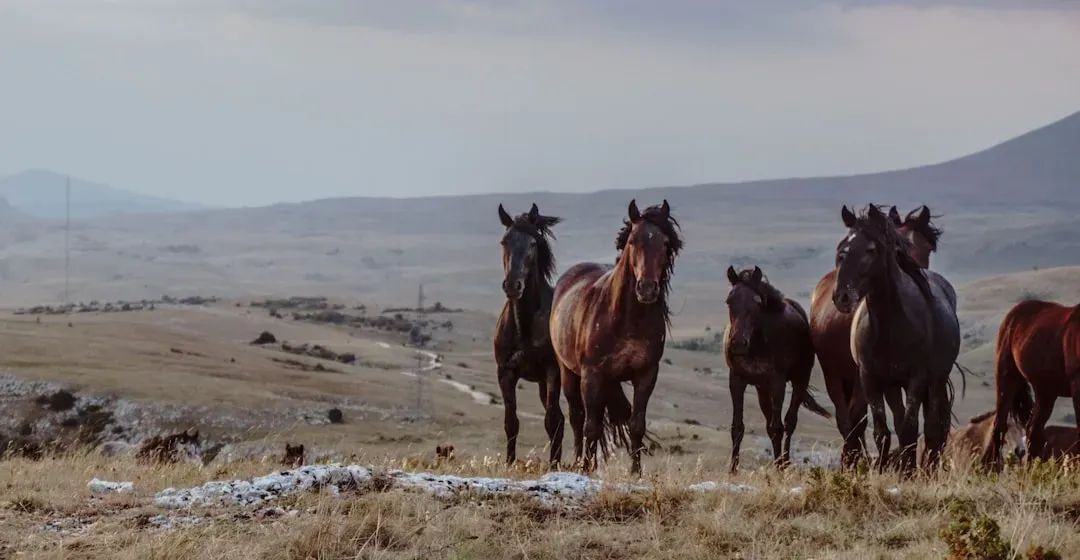
That symbolism of the wild mustang is on full display at the 70,467-acre Theodore Roosevelt National Park, home to 100-200 free-roaming horses, which can be seen grazing and galloping across the Dakota badlands. The best time to see the horses is during the summer, when the young are still part of their familial herds.
The Theodore Roosevelt horses have roamed the badlands for centuries, and many believe they are descendants of Sitting Bull’s horses and related to the rare Nokota breed. That lineage alone makes them worth protecting with everything we’ve got.
The Theodore Roosevelt National Park horses are strikingly beautiful and come in many colors and patterns – roans, pintos, bays and grays. North Dakota’s herd is actually among the most contested in the country right now. A bill in the 119th Congress directs the Department of the Interior to maintain a genetically diverse herd of horses, with a population of no fewer than 150 horses, in the South Unit of Theodore Roosevelt National Park.
Horses will continue to run wild in Theodore Roosevelt National Park, the National Park Service announced – for now. The fight to keep them there is ongoing, which makes every visit feel all the more precious. Although the Theodore Roosevelt wild horses are not protected under the 1971 Wild Horses and Burros Act, they’re a significant part of the historical and natural heritage of the park and the state. Equally important, they’re a huge tourism draw for North Dakota.
Conclusion: A Freedom Worth Protecting
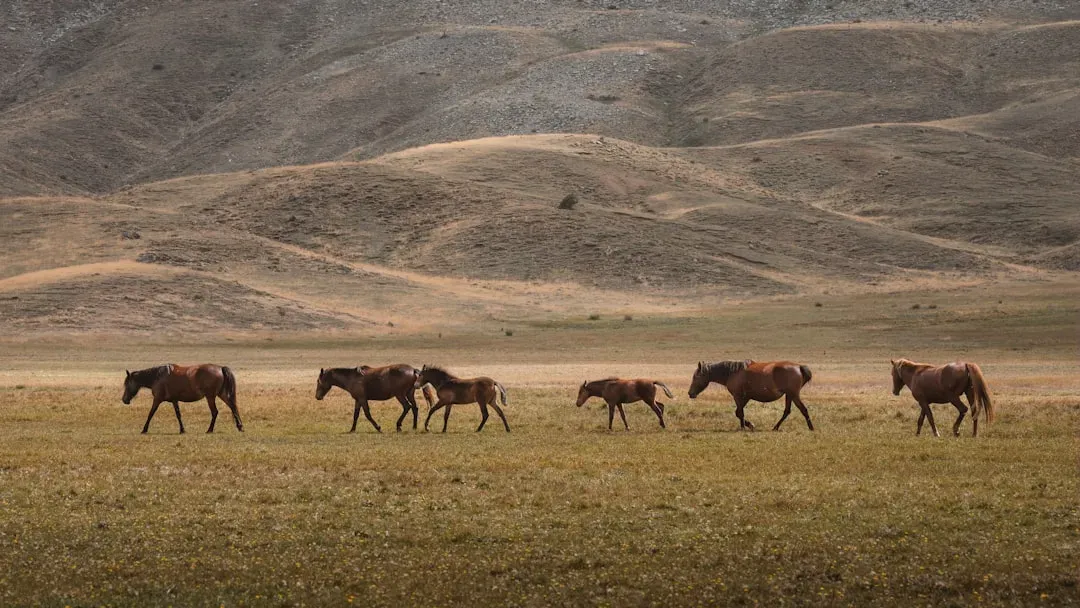
The law declares wild horses and burros to be “living symbols of the historic and pioneer spirit of the West” and stipulates that the BLM and the U.S. Forest Service have the responsibility to manage and protect herds in their respective jurisdictions. That’s not just legal language – it’s a recognition that something irreplaceable lives out there on the open range.
If public land continues to shrink, then wild horses will not have as many resources to work with, which means that there might not be as many of them moving forward. That’s not doom and gloom. That’s just the math of wild spaces and modern pressure.
These eight states hold something most of the world has already lost – genuine, unscripted wildness. A mustang running free across open land isn’t a relic or a tourist attraction. It’s a reminder that not everything needs to be tamed, managed, or made convenient. Some things are exactly right as they are.
If you’ve never stood at the edge of a canyon or a desert plain and watched a herd of wild horses disappear over the horizon, put it on your list now. What would it mean to you to witness that kind of freedom for yourself?

- 14 Ways an Old Dog Holds On a Little Longer for the Person It Loves - July 21, 2026
- 15 Tender Things Old Dogs Do the Closer the End Quietly Comes - July 21, 2026
- 14 Ways a Rescue Cat Shows It Has Given You Its Fragile Heart - July 21, 2026