
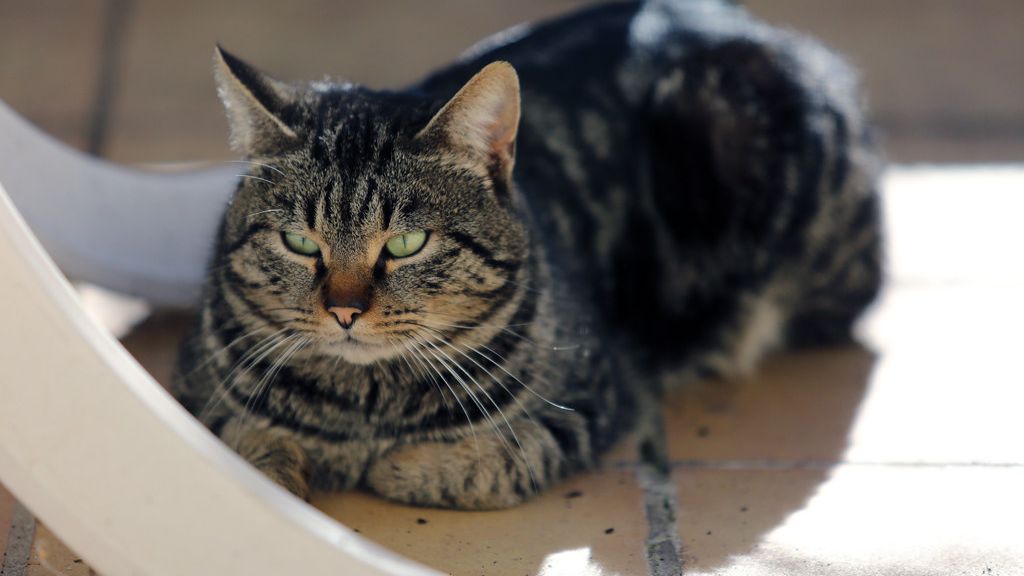
Cats are magical creatures. They can be warm, soothing, and endlessly entertaining companions. Most families dream of the perfect feline addition to the household – a purring ball of fluff that naps beside the baby and tolerates being dressed up in doll clothes. Honestly, that’s a lovely image. The reality, though, can be surprisingly different depending on the breed you choose.
Choosing the perfect feline companion for your family requires careful consideration, especially when young children are involved. While cats make wonderful pets, certain breeds possess traits that could pose challenges in households with kids. Their natural instincts, energy levels, and temperamental tendencies might not always mesh well with the unpredictable nature of children. Think of it like pairing a toddler with a live wire – sparks are almost inevitable. Let’s dive into the eight cat breeds that might just belong in a calmer, child-free home.
1. Siamese: The Fussy, Fiercely Territorial Drama Queen
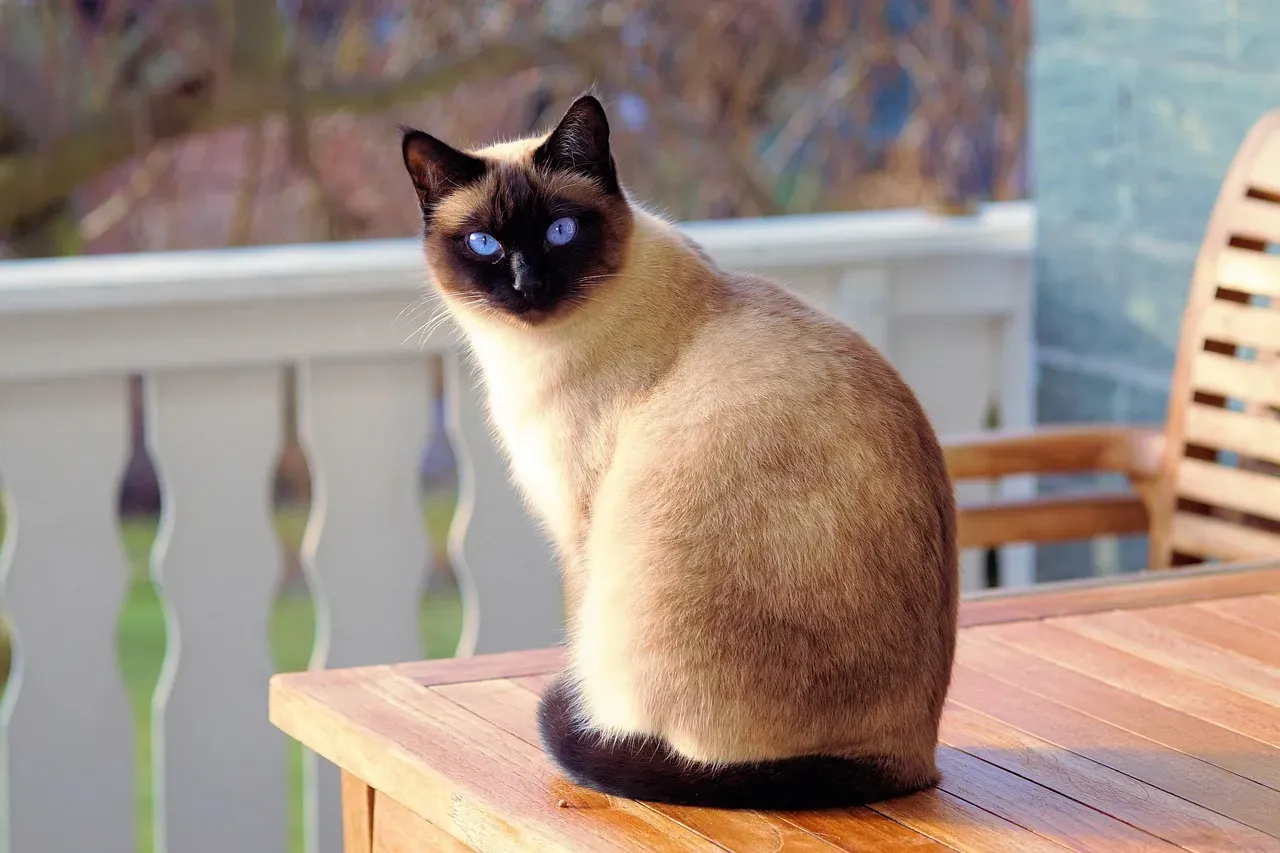
Here’s the thing – Siamese cats are stunning, intelligent, and deeply loyal. They’re also one of the most temperamental breeds you’ll ever encounter. Siamese cats are known for their intense personalities. They’re highly vocal, territorial, and sometimes possessive of their favorite humans. While they’re affectionate, they can also become jealous or demanding, which can turn into aggressive behavior, especially if they feel ignored or displaced by other pets.
Unlike some other breeds, Siamese cats don’t enjoy being left alone for long periods. If ignored, they may act out by swatting, biting, or howling incessantly. Young children – with their unpredictable squealing and sudden movements – are essentially the perfect storm for triggering all of that pent-up Siamese frustration. This is one cat that demands respect on its own terms.
2. Bengal: Wild Ancestry, Wilder Temper
This photograph was taken by Medium69 (William Crochot) and released under the license stated below. You are free to use it for any purpose as long as you credit the author (William Crochot), the Source (Wikimedia Commons) and the license (CC-BY-SA 4.0) in close relation to the image.
Please do not upload an updated image here without consultation with the Author. The author would like to make corrections only at his own source RAW. This ensures that the changes are preserved.Please if you think that any changes should be required, please inform the author.Otherwise you can upload a new image with a new name. Please use one of the templates derivative or extract., CC BY-SA 4.0)
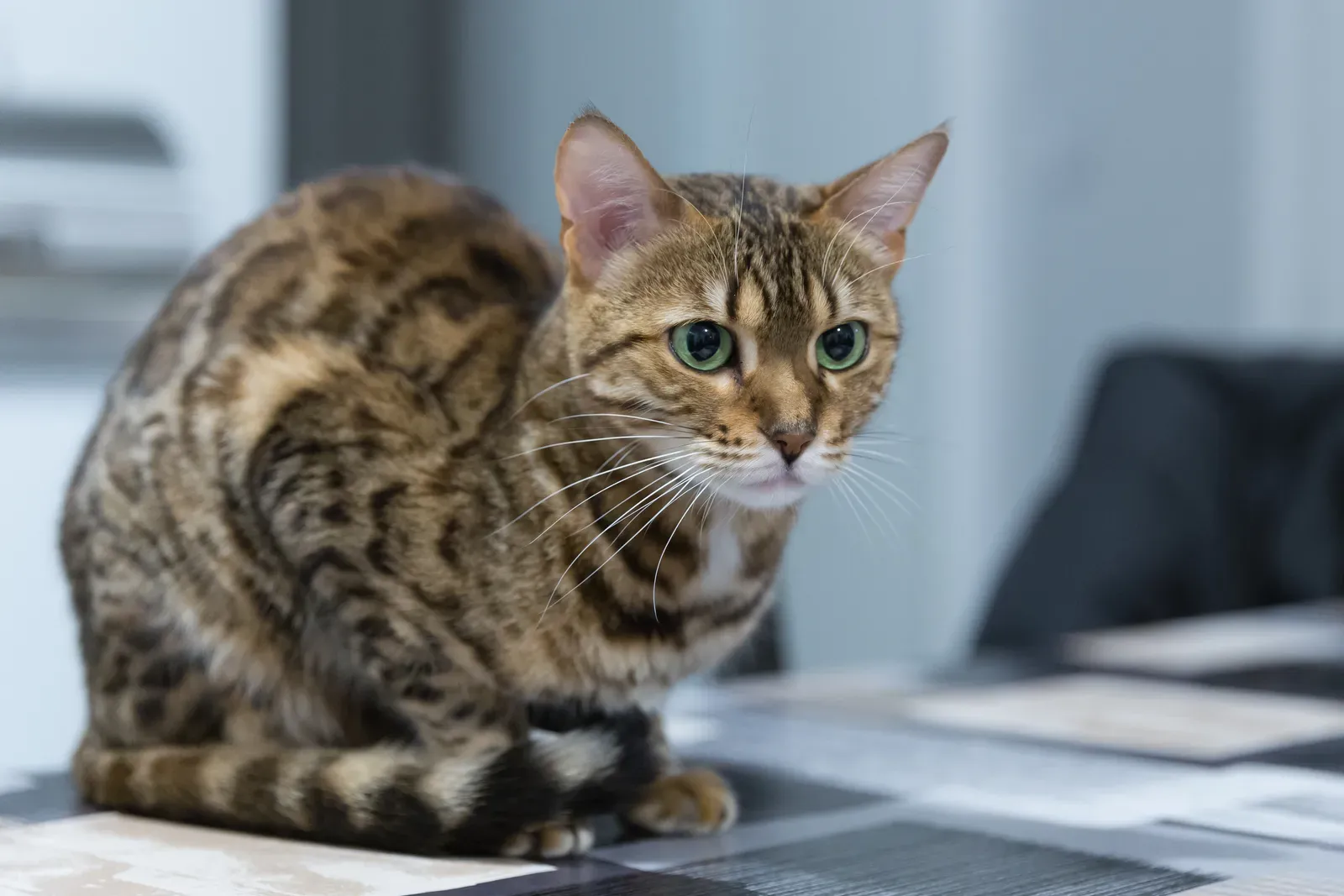
Bred from domestic cats and wild Asian leopard cats, Bengals are energetic, athletic, and highly intelligent. Their aggressive behaviors often come from a lack of exercise or inadequate stimulation. These cats crave excitement and will become destructive or reactive if confined to a boring environment. Territorial in nature, they may lash out at other pets or strangers who enter their space.
Bengals carry strong hunting instincts from their Asian leopard cat ancestry. They display high energy, dominance, and territorial behavior. Without daily stimulation and structured play, they may act out through biting, scratching, or chasing. Picture a toddler running across the living room – to a Bengal, that little sprinting human might just look like the most exciting prey it has ever seen. That’s not a risk most parents want to take.
3. Savannah: Half Wild Cat, All Attitude
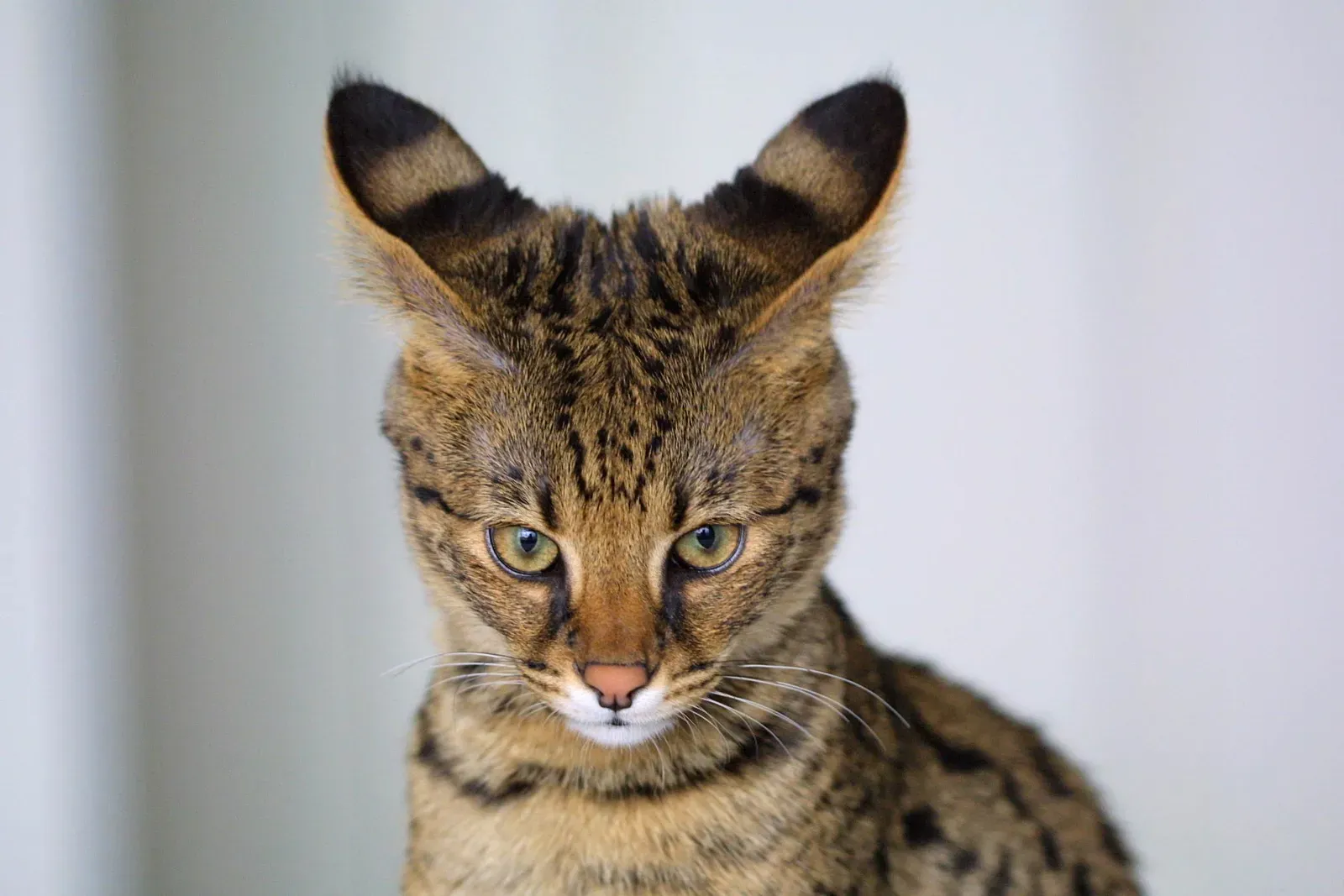
Crossbred with African servals, Savannah cats carry a bit of the wild in their genes. Their unpredictable behavior is rooted in their hybrid instincts, making them prone to sudden mood swings or territorial aggression. Socialization at a young age is critical, or they may become wary or even hostile toward unfamiliar people. Because of their size and strength, their playful swats or nips can be more dangerous than those of a typical house cat.
They’re not ideal for households with small children or timid pets. However, with proper boundaries, training, and enrichment, a Savannah can be an engaging and loyal companion. This breed is best suited for experienced cat owners who understand feline behavior on a deeper level. I think that last point says it all – this isn’t a beginner’s cat, and it certainly isn’t a child’s cat.
4. Scottish Fold: Adorable Looks, Painful Secret
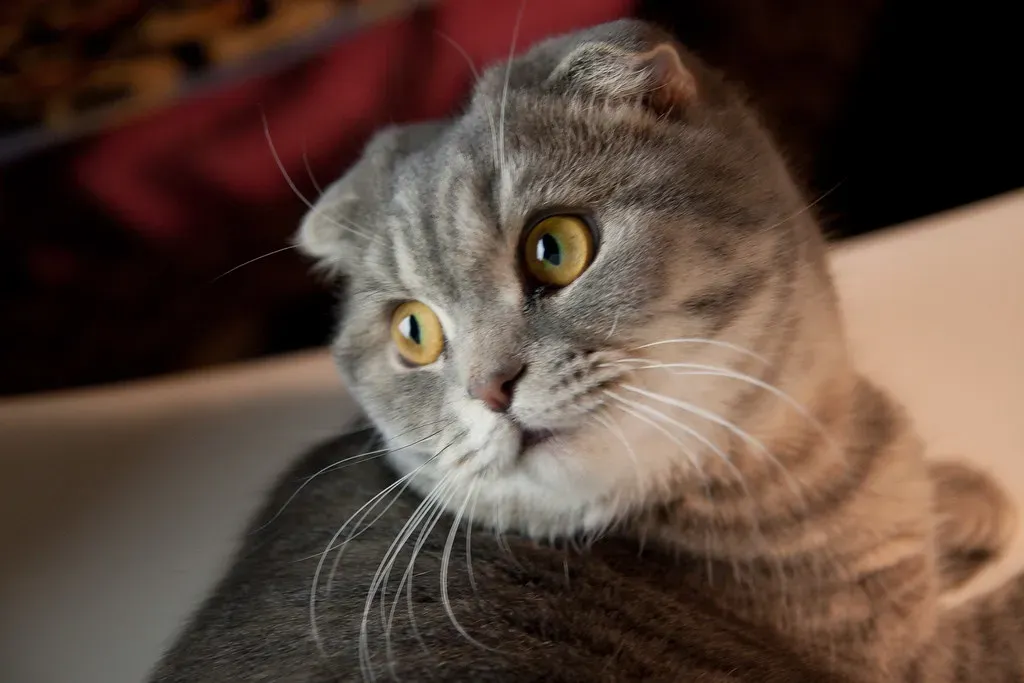
Although known for their cute, folded ears and reserved nature, Scottish Folds can become aggressive when overwhelmed or in pain, especially given their genetic predisposition to joint issues. They might lash out when touched in sensitive areas or resist handling from unfamiliar people. Their calm appearance can be misleading if they feel their boundaries are crossed. The unpredictable nature of children combined with potential pain from genetic conditions creates a recipe for defensive reactions.
Additionally, they are not the friendliest toward babies and young children. Scottish Folds are prone to a serious genetic condition called osteochondrodysplasia, commonly known as “Scottish Fold disease,” which affects cartilage and bone development, leading to joint abnormalities that can cause significant pain. So when a toddler eagerly scoops up this cat for a cuddle, they may unknowingly be touching exactly where it hurts. The result? Claws out, tears flowing.
5. Sphynx: Needy, High-Strung, and Quick to Snap
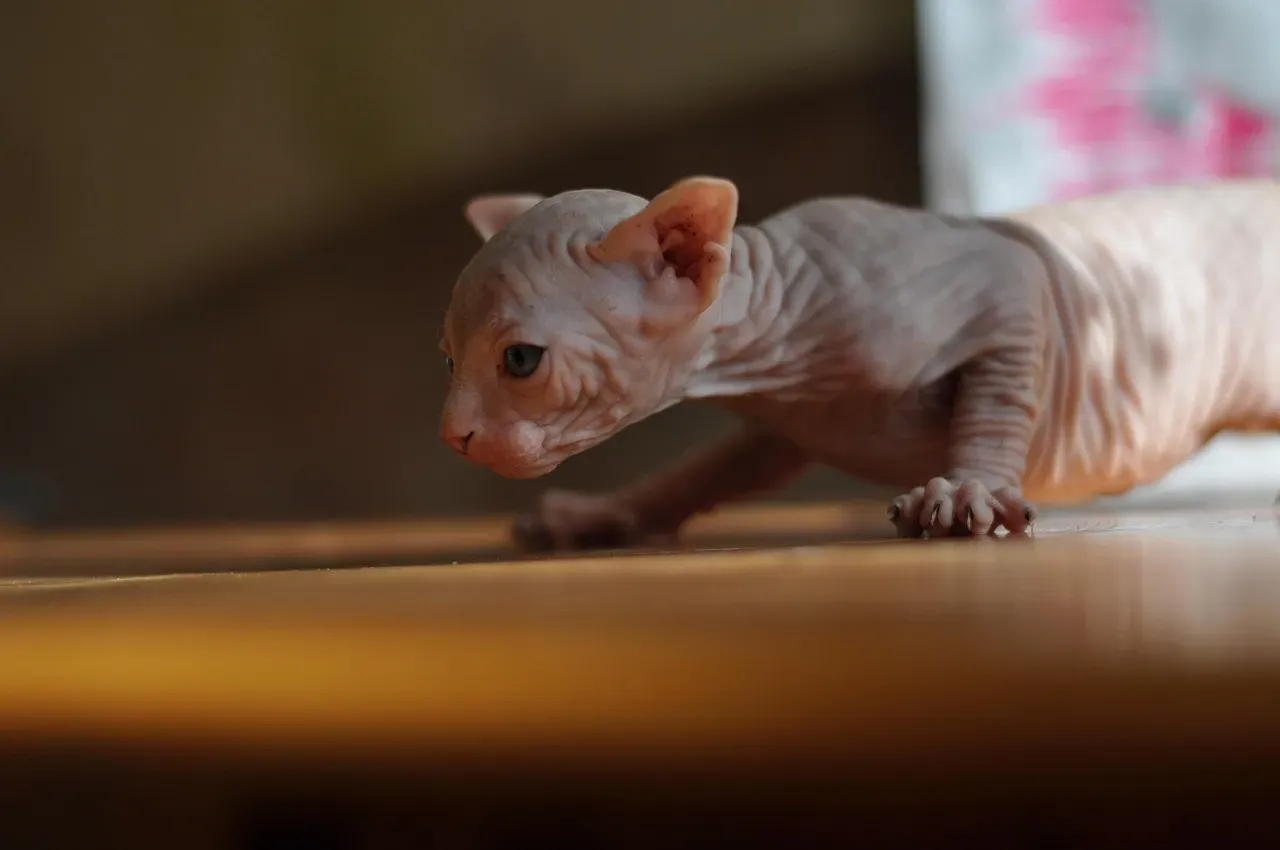
The Sphynx might look like a delicate lap cat, but they’re demanding and often high-strung. They have bonds with humans and can become territorial or reactive when they feel threatened or excluded. However, their lack of fur doesn’t mean a soft personality. They need structure, attention, and mental stimulation to stay balanced. They can show aggression through nipping or excessive vocalizations when stressed.
Sphynx cats crave attention and physical contact. They can become demanding and reactive if owners leave them alone for long periods. Their high energy and sensitivity may trigger nipping or swatting when overstimulated. Kids love petting animals – a lot. Often too much. With a Sphynx, crossing that invisible overstimulation threshold doesn’t just mean a grumpy look. It means teeth and claws, fast.
6. Egyptian Mau: Fast, Fearful, and Fiercely Territorial
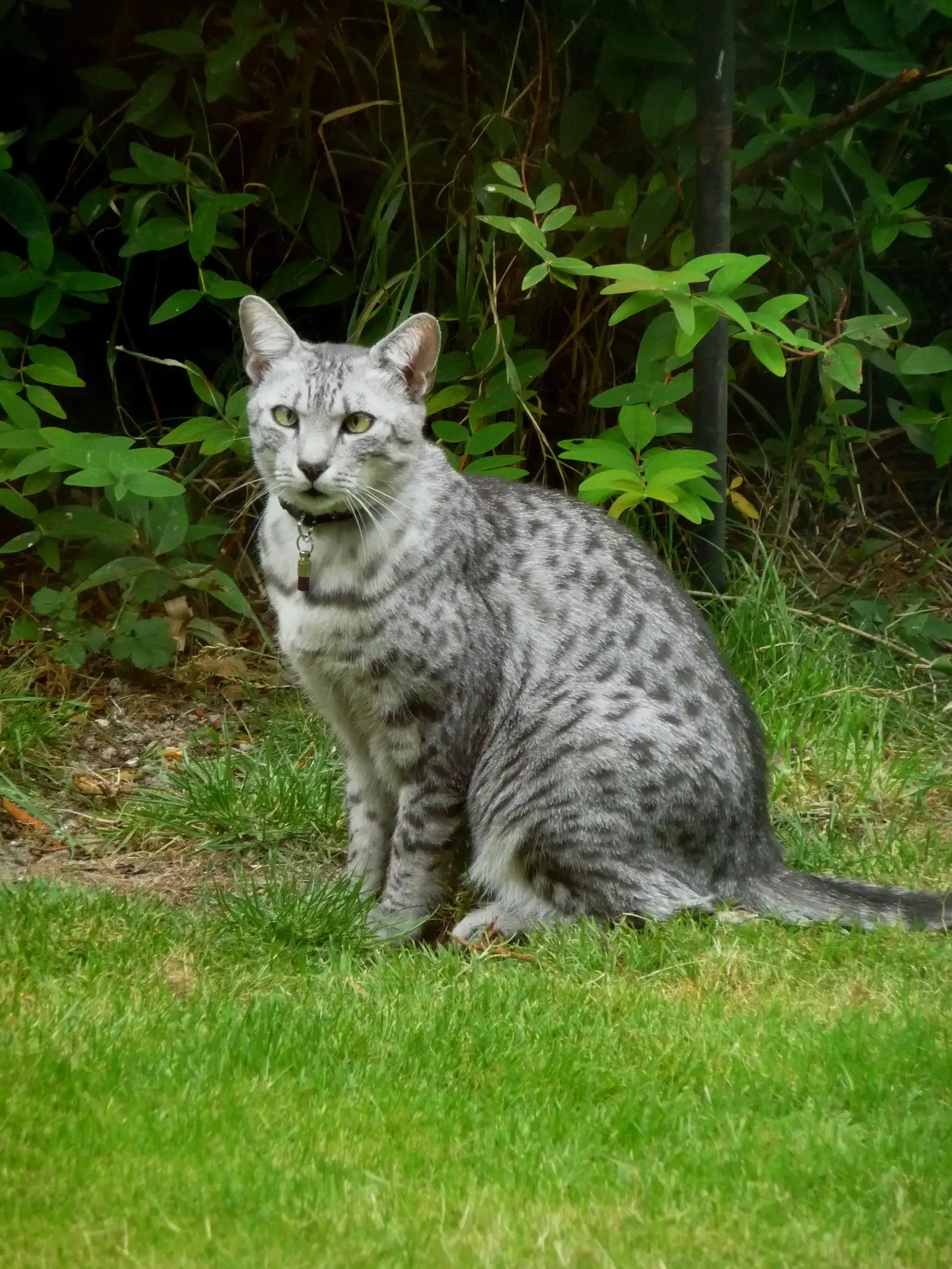
The Egyptian Mau may be too skittish and sensitive for a bustling household with very young children. It’s better suited to an older family where someone is home most of the time, especially with sensible older children. These ancient spotted cats are incredibly fast and athletic, but their sensitivity to chaos makes them poor matches for active households with young kids.
Highly intelligent and fast-moving, Egyptian Maus don’t like to be restrained or treated like lap cats. They bond strongly with one or two people and may be skittish or aggressive around others. Their territorial instincts run deep, and they can be reactive if another pet or person enters their space. Socialization from a young age is important to manage their assertiveness. A shrieking two-year-old chasing this cat around the kitchen? That’s the kind of chaos that sends an Egyptian Mau into full defense mode.
7. Turkish Van: The Territorial Window-Watcher
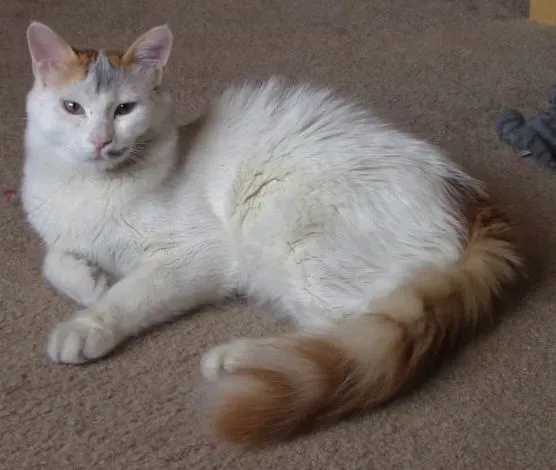
Due to the Turkish Van’s activity level and territoriality, they are not recommended for homes with small children. Vans truly like to be up in high places and enjoy looking upon their environment from atop shelves and refrigerators. They often stand up on their hind legs while playing and can play rather aggressively, which might be too much for smaller kids.
Turkish Vans were the most likely to display aggression towards people, according to a study examining behavioral differences across nearly 40 cat breeds in over 5,700 cats. Turkish Vans are very territorial and people typically find them staring out windows for long periods. This breed requires plenty of attention from their owners because they like being pampered, but if neglected, might become aggressive towards other pets or even humans in the home. The combination of size, territorial pride, and rough play style makes this breed a genuinely risky fit for a home with toddlers.
8. Chausie: The Hybrid Hunter That Eyes Small Things as Prey
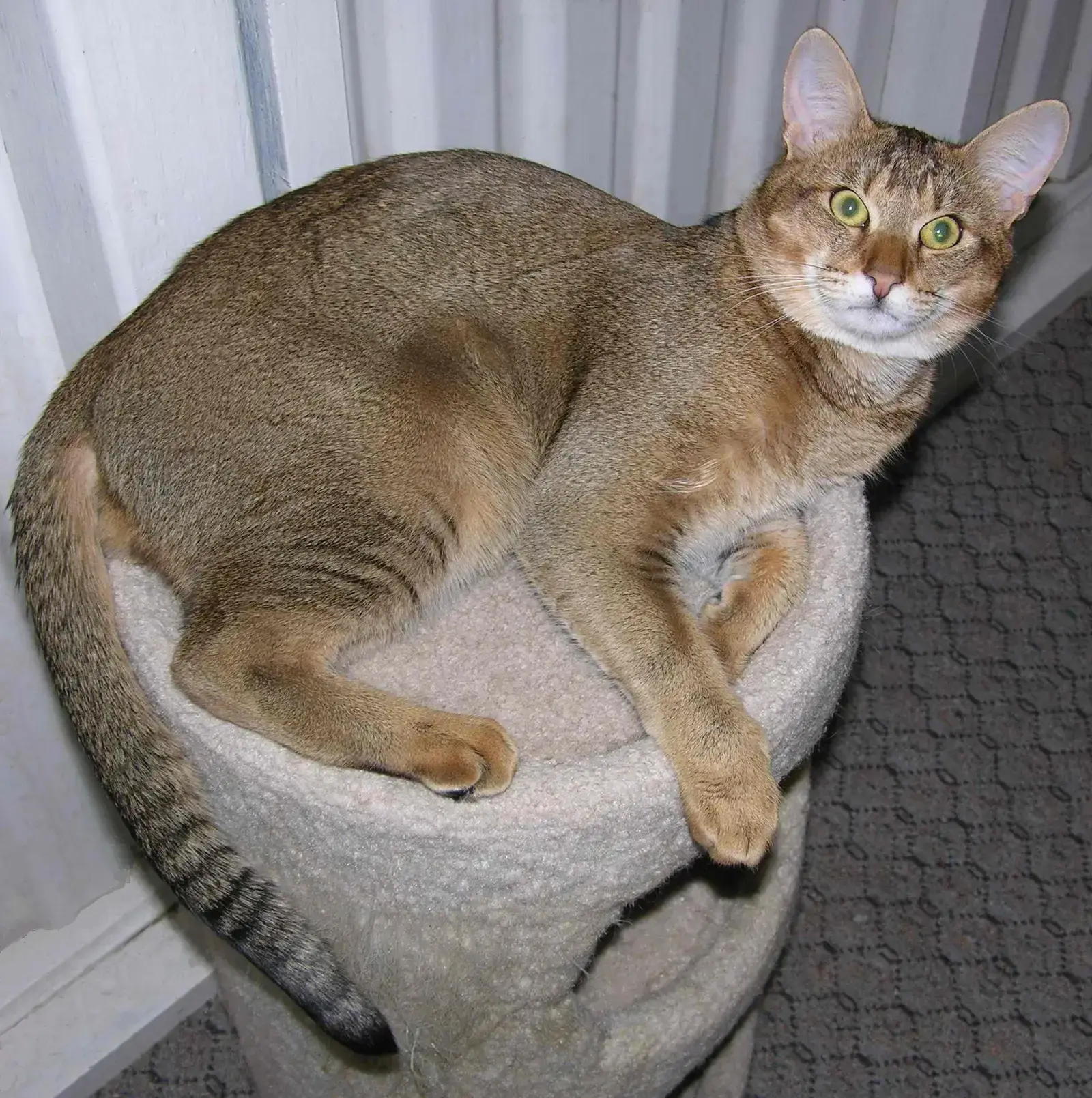
This rare breed is a hybrid of domestic cats and jungle cats, and it shows. Chausies are athletic, intense, and extremely territorial. They don’t adapt easily to new people or pets and require experienced owners who understand feline body language. Their aggression often comes from stress, overstimulation, or a lack of a clear social hierarchy in the household.
The Chausie is a crossbreed of a domestic cat and the jungle cat – incredibly large and energetic. Without proper socialization, these cats may view small pets and even children as prey. Families with small children should be wary of leaving this cat breed alone with their kids if they have not been taught how to handle cats. It’s hard to say for sure just how common incidents are, but the key word here is “prey.” No parent wants to hear that sentence applied to their child.
Final Thoughts: It’s Not About Bad Cats
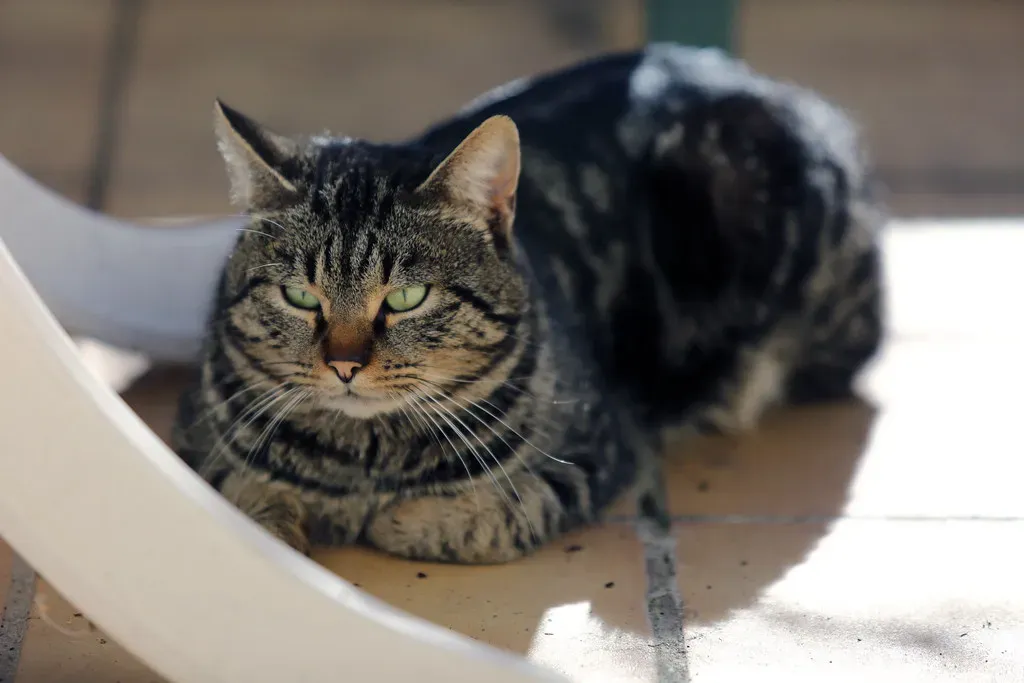
Let’s be real – none of these breeds are villains. While many cats are laid-back and affectionate, others can display behaviors that come across as aggressive, especially if their needs aren’t being met or if they feel threatened. It’s important to remember that aggression in cats doesn’t always come from a “mean” personality; it can stem from overstimulation, fear, poor socialization, or even underlying health issues. Certain cat breeds are more prone to reactive or assertive behaviors due to their genetics, energy levels, or emotional sensitivity.
Environment shapes behavior just as powerfully as genetics. Proper socialization, enrichment, training, and medical care shape behavior more than breed alone. Owners who manage strong instincts properly raise stable, affectionate cats. The real takeaway here is about fit. A cat that thrives with an experienced adult owner in a quiet home may truly struggle surrounded by the joyful chaos of young children. Choosing the right breed isn’t just good for your family – it’s genuinely kind to the cat, too.
Before bringing any cat home, spend time researching its temperament, energy level, and known triggers. Your kids deserve a companion they can safely love, and every cat deserves an environment where it can feel genuinely at peace. So, which of these breeds surprised you the most? Tell us in the comments!
