
Picture your dog curled up on the sofa. Its legs start paddling, a soft whimper escapes, and its nose twitches like it’s hot on the trail of something delicious. You smile and think: is it dreaming? Honestly, most pet owners already feel they know the answer. Scientists, however, have spent decades trying to prove it – and what they’ve found goes far deeper than a dog chasing a squirrel.
The question of animal dreams sits right at the crossroads of neuroscience, philosophy, and animal consciousness. It forces us to confront something profound: if animals dream, what does that tell us about the inner lives they actually possess? The answers are surprising, a little humbling, and absolutely worth exploring. Let’s dive in.
The Science Behind the Sleeping Brain: What Is REM Sleep and Why Does It Matter?
To understand whether animals dream, you first have to understand what dreaming physically looks like inside a brain. In humans, the most vivid dreams occur during a stage of sleep called REM, which stands for Rapid Eye Movement. Sleep is divided into two main stages: rapid-eye-movement, or REM, sleep and non-REM sleep. Each one does something distinctly different for the brain and body.
The presence of REM sleep in animals indicates that they likely experience dreams. During REM sleep, animals exhibit brain wave patterns similar to those of awake individuals, suggesting that their brains are active and possibly processing experiences or memories. Think of it like a film projector running in a darkened room while the audience sits completely still – the show is happening, even if the body isn’t moving.
Sleep affects the connections between neurons, which are specialized nerve cells in the brain. During sleep, the brain processes experiences from the day and prepares for the day to come. As this happens, connections between neurons, called synapses, form, break, and rearrange. This helps to store memories and create new associations. According to researcher Philippe Mourrain, this reshuffling of synapses may produce images and sensations – what we know as dreams.
Animals, including mammals, birds, and reptiles, have demonstrated REM sleep, which is closely associated with dreaming. That’s not a small list of animals. That’s a huge portion of the animal kingdom. The deeper you dig into this, the harder it becomes to believe that dreaming is uniquely human.
Cats, Rats, and Radical Experiments: The Research That Changed Everything
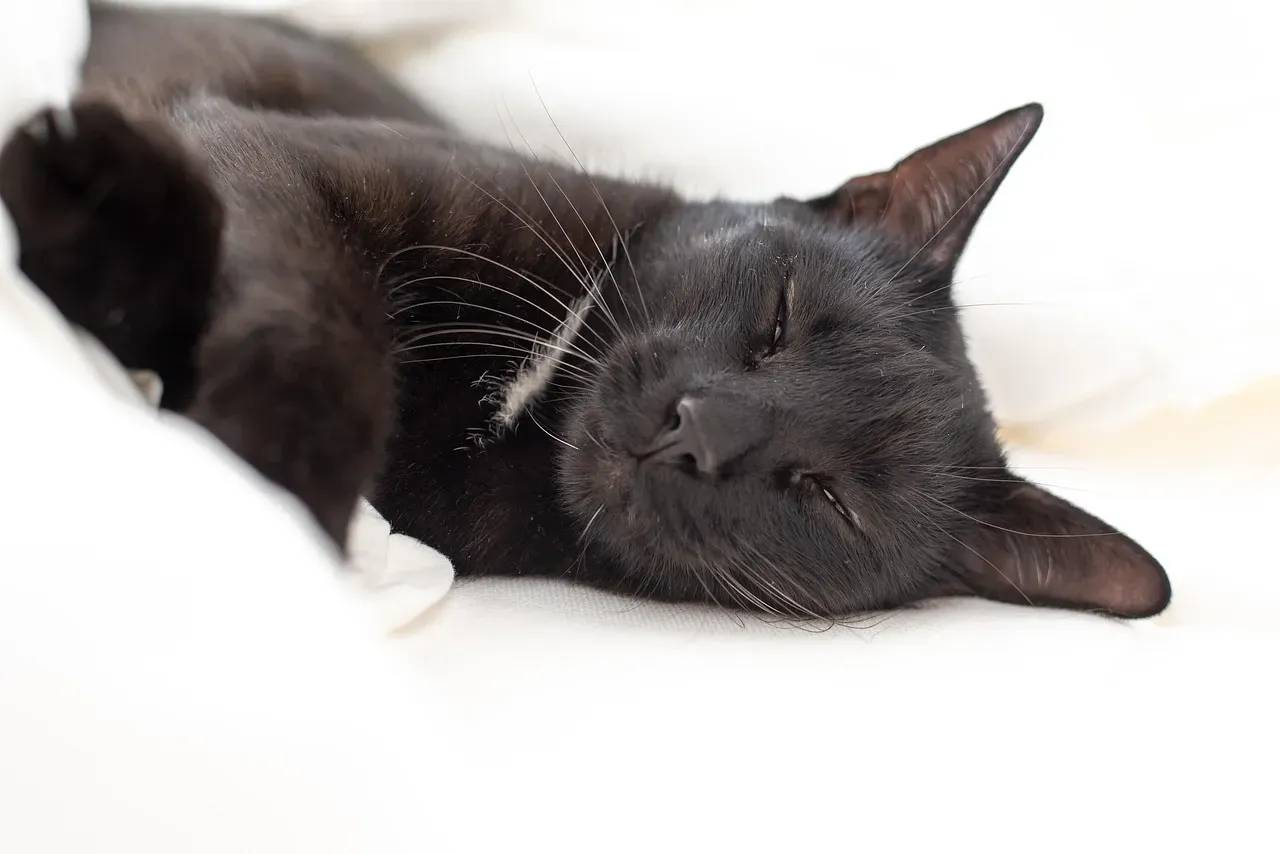
Here’s where things get truly fascinating – and a little eerie. Some of the most influential early research on animal dreaming came from a French neuroscientist named Michel Jouvet back in the 1960s. Jouvet learned that in cats, a brainstem structure called the pons seemed to regulate REM sleep and produce partial paralysis. By removing parts of the pons, Jouvet caused a dramatic change in behavior. With their brains deep in REM sleep, the cats began to move as if awake, hunting, jumping, grooming, and aggressively defending themselves against invisible threats.
Let that sink in. Cats physically acted out what appeared to be dreams – chasing prey that wasn’t there, defending against enemies that didn’t exist. Jouvet called this period paradoxical sleep, when the body is still but the mind remains fully active. It’s an almost poetic description, isn’t it?
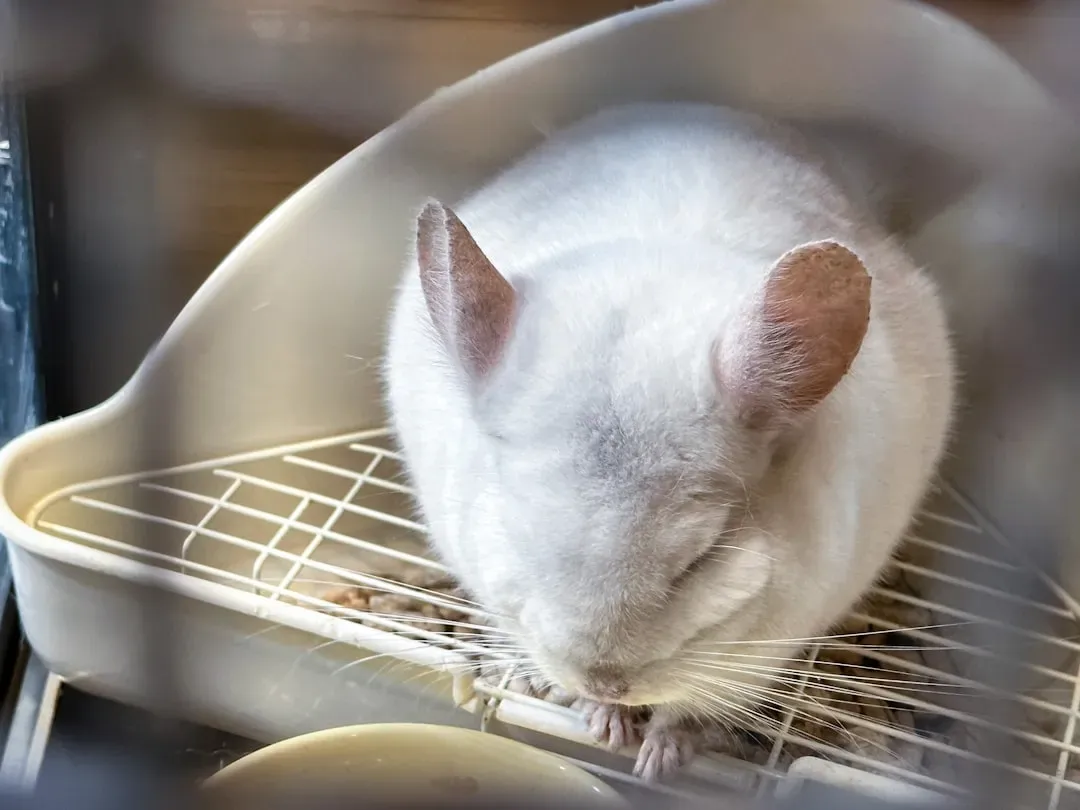
Then came the rats. In 2001, researchers in Matthew Wilson’s lab at MIT trained rats to run along a circular track, rewarding them with food when they completed the task. They recorded the rats’ brain activity during these runs, then did the same while the rats were asleep. The researchers compared the data and discovered something groundbreaking: the rats were rerunning the course in their dreams.
The correlation was so close that the researchers found that as the animal dreamed, they could reconstruct where it would be in the maze if it were awake and whether the animal was dreaming of running or standing still. These memories were replayed at about the same speed that the animal had experienced them while awake. That is, I think, one of the most jaw-dropping findings in modern sleep science. We weren’t just guessing that rats dream – we were watching their memories unfold in real time.
Birds, Fish, and Spiders: Dreaming Beyond the Mammals
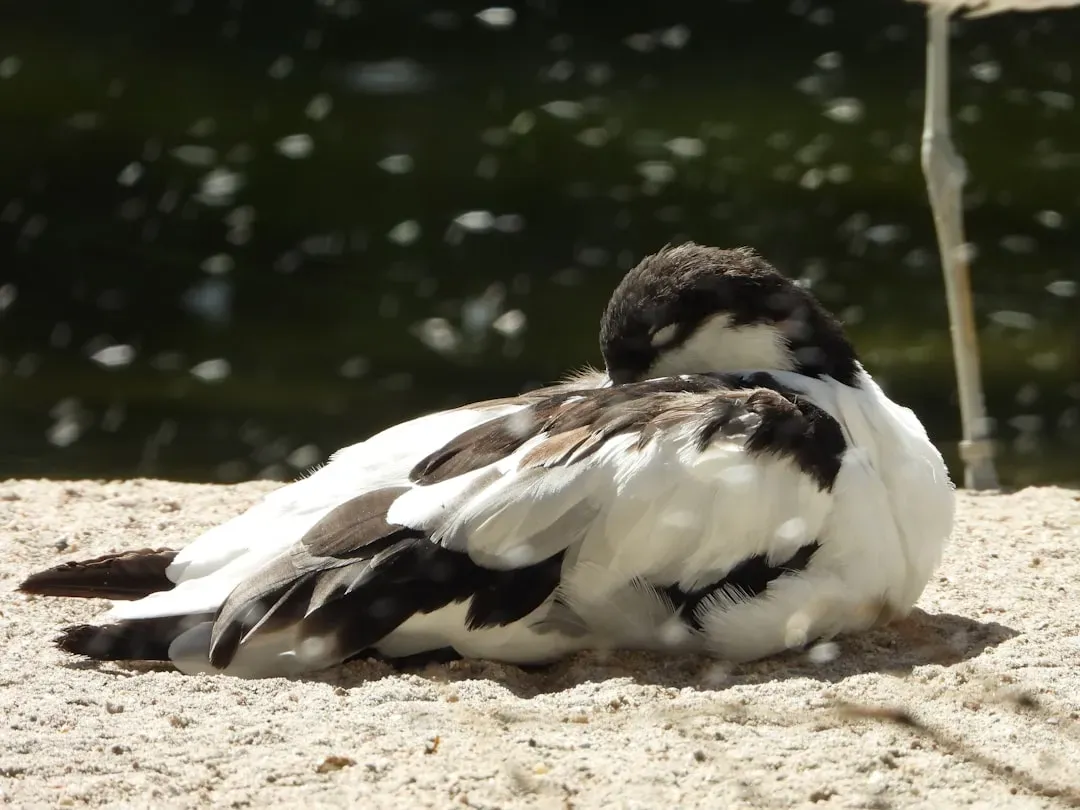
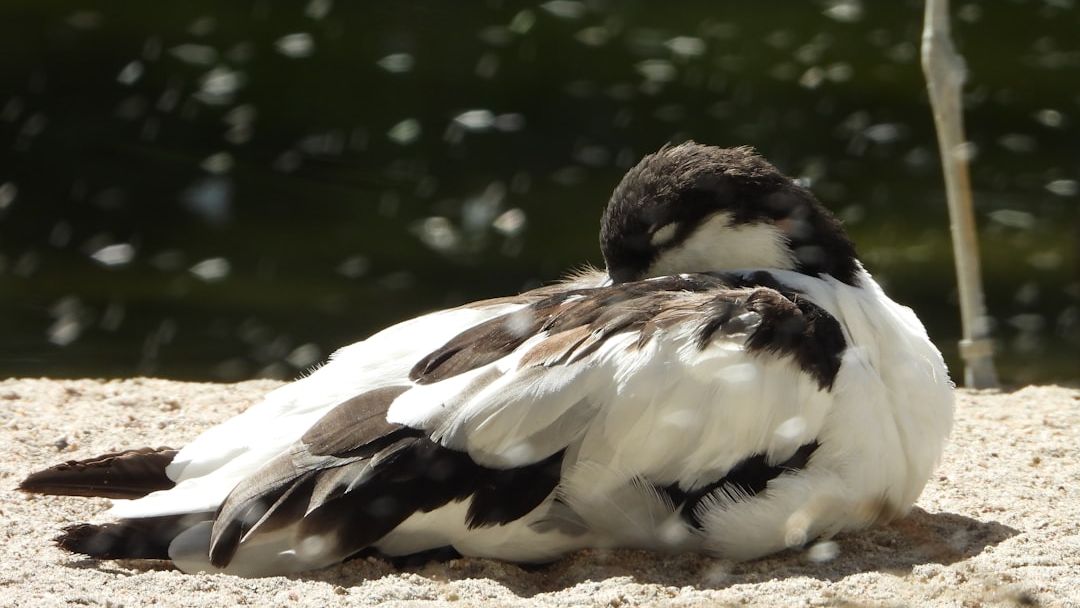
If you thought dreaming was exclusive to furry, warm-blooded creatures, prepare to have your mind expanded. Scientists have found evidence of dream-like sleep states in animals that seem, on the surface, wildly different from us. Researchers have been finding signs of REM sleep in a broader array of animals than ever before: in spiders, lizards, cuttlefish, and zebrafish. The growing tally has some researchers wondering whether dreaming, a state once thought to be limited to human beings, is far more widespread than once thought.
Take birds. In 2000, researchers learned that neurons in birds’ forebrains fire with a distinct pattern while they sing a song – one that scientists can recreate note by note. While the birds sleep, their brain reproduces this same pattern, replicating the song they heard and sang that day, suggesting the birds remember and practice songs in their sleep. The study authors suspect the songbirds dream of singing.
Sleeping finches also produce variations on their songs, suggesting that they gather sensory information while awake and create adaptive changes by improvising new versions to promote learning in a dreamlike state. It’s almost like a musician noodling on a melody in their sleep, refining it by morning.
Then there are zebrafish. Zebrafish also experience REM-like sleep, according to Stanford neurobiologist Philippe Mourrain. While sleeping, these fish lose muscle tone, develop arrhythmic heartbeats, and show brain activity that looks like that of an awake fish. The finding suggests that REM sleep, the state when most dreams occur, may have evolved at least 450 million years ago – before land and aquatic animals diverged in their evolution. That is almost incomprehensibly ancient. Dreams, it seems, are not a luxury evolution developed recently. They may be one of its oldest tools.
The Strange Case of Octopuses and What It Means for Consciousness
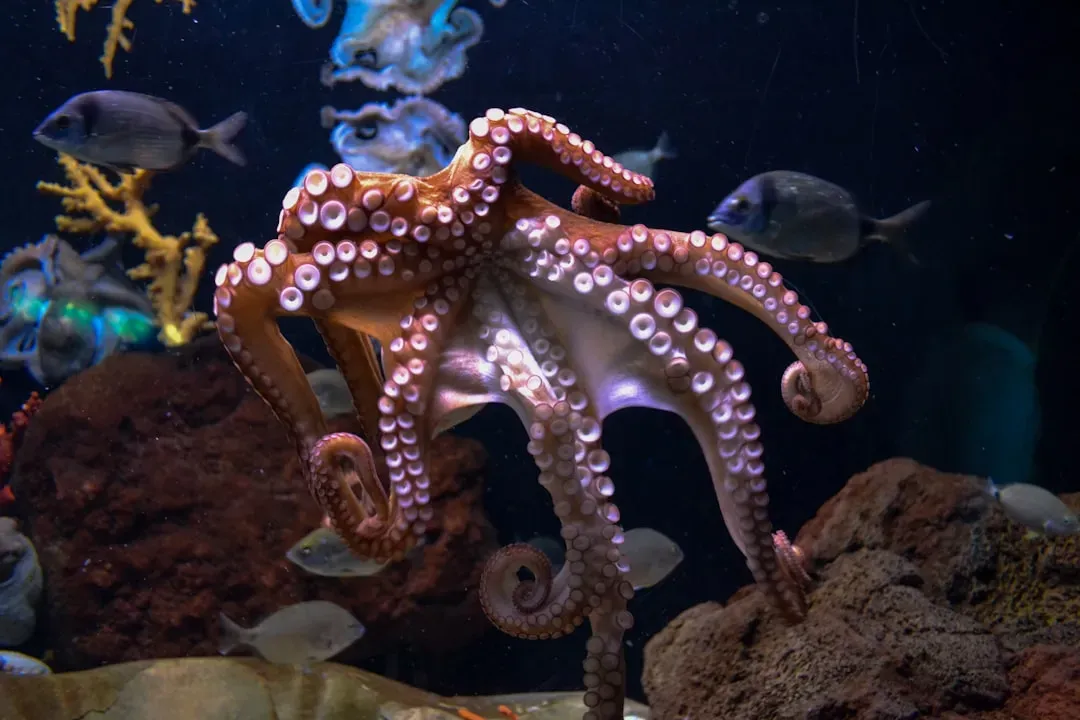
No creature makes the case for widespread animal dreaming more dramatically – or more weirdly – than the octopus. Researchers observed octopus relatives called cuttlefish showing bouts of REM-like activity that repeated roughly every 30 minutes: bursts of arm motions and eye movements during which their skin put on a show, jumping through a variety of colors and patterns. The creatures flashed camouflage signals and attention-grabbing ones, both of which are displayed during waking behaviors. Since the cephalopod’s brain directly controls this skin patterning, that “kind of suggests that the brain activity is going a bit wild.”
I know it sounds crazy, but watching an octopus shift colors and patterns in its sleep genuinely looks like it’s reliving a hunt or replaying a camouflage encounter. Researchers have since observed a similar state in octopuses. If octopuses and cuttlefish dream, “it just kind of blows down the walls of what we think about humanity being so special.”
Research has proposed a novel approach for deciphering animal dream content, specifically by investigating dreaming in octopuses. The octopus brain is extraordinarily different from a mammal’s. It evolved independently. The fact that sleep states resembling REM appear there too suggests that the brain, in almost any sufficiently complex form, may find its way to something like dreaming. That’s a staggering thought.
Mammals and birds may be optimal models for studying neural correlates of dreaming, but cephalopods, especially octopuses, may be particularly good candidates for studying dream-enacting behaviors. Science is slowly building a case that consciousness, memory replay, and dream-like experience are not uniquely human gifts – they may be ancient biological features woven into the fabric of animal life itself.
Do Animals Have Nightmares? The Emotional Depth of Animal Sleep
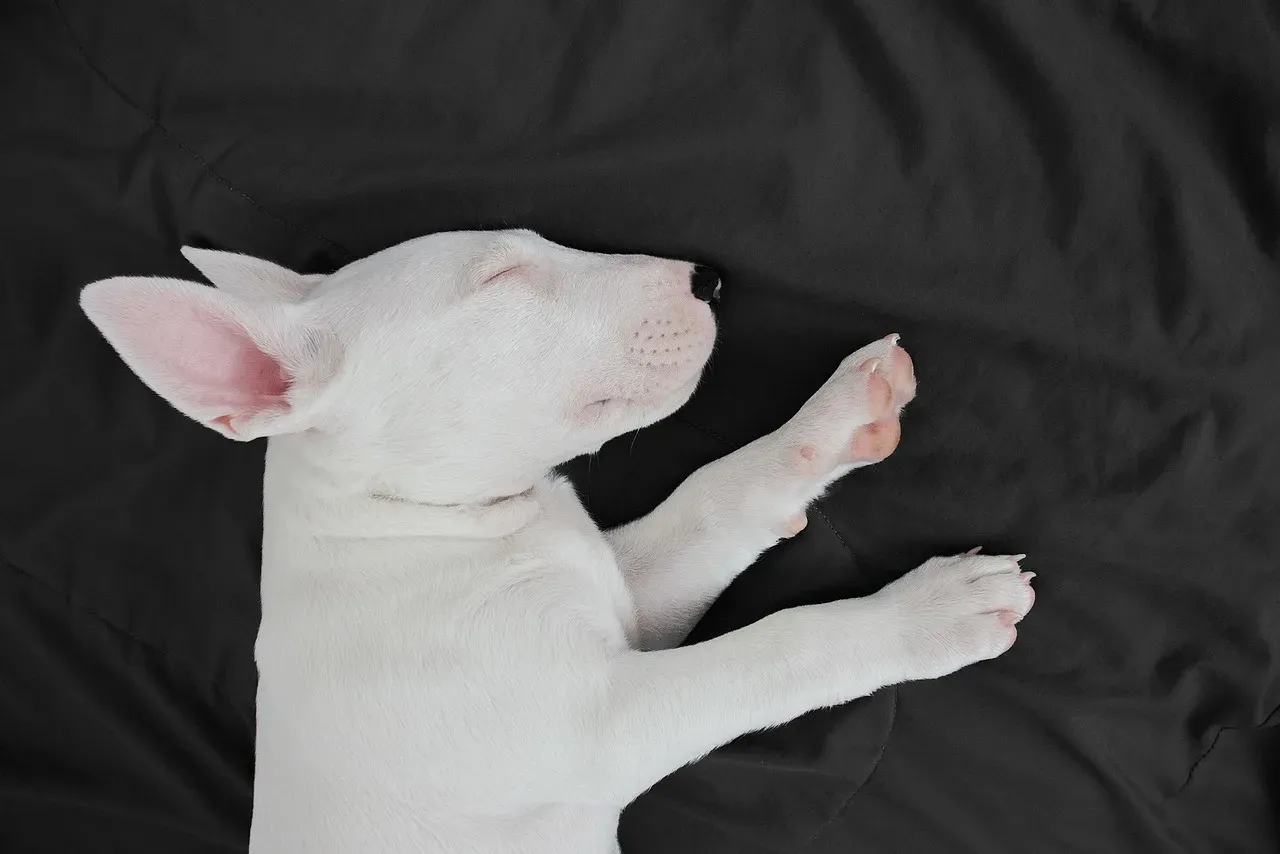
Here’s where the science takes an emotional turn. It’s one thing to imagine a dog happily dreaming of fetch. It’s another to consider that animals may also experience the darker side of sleep. Not all animal dreams appear to be good. There is just as much evidence of animal nightmares as animal dreams.
Research from field studies on elephant communities suggests that many elephants experience terrific nightmares, especially in the wake of trauma. Young elephants that have witnessed violence, particularly the devastating effects of poaching, appear to carry those experiences into their sleep. That is not just biology. That is grief.
Tests have shown that both rats and humans are better at a recently learned task after a period of sleep. Dreams may represent an opportunity to continue to work on a problem while asleep. So dreaming, whether pleasant or disturbing, seems to serve a deep functional purpose across many species – processing, learning, consolidating. It’s the brain doing its quiet, invisible maintenance work.
Philosopher David M. Peña-Guzmán of San Francisco State University argues the science shows that animals really do dream, and that those dreams are evidence of consciousness. If that’s true – and the evidence increasingly suggests it is – then animal dreams are not just a quirky scientific curiosity. They are a window into the minds of creatures we share this planet with, minds that may be far richer and more emotionally complex than we have long been willing to admit.
Conclusion: Sleep, Dreams, and the Inner Lives We Never Expected
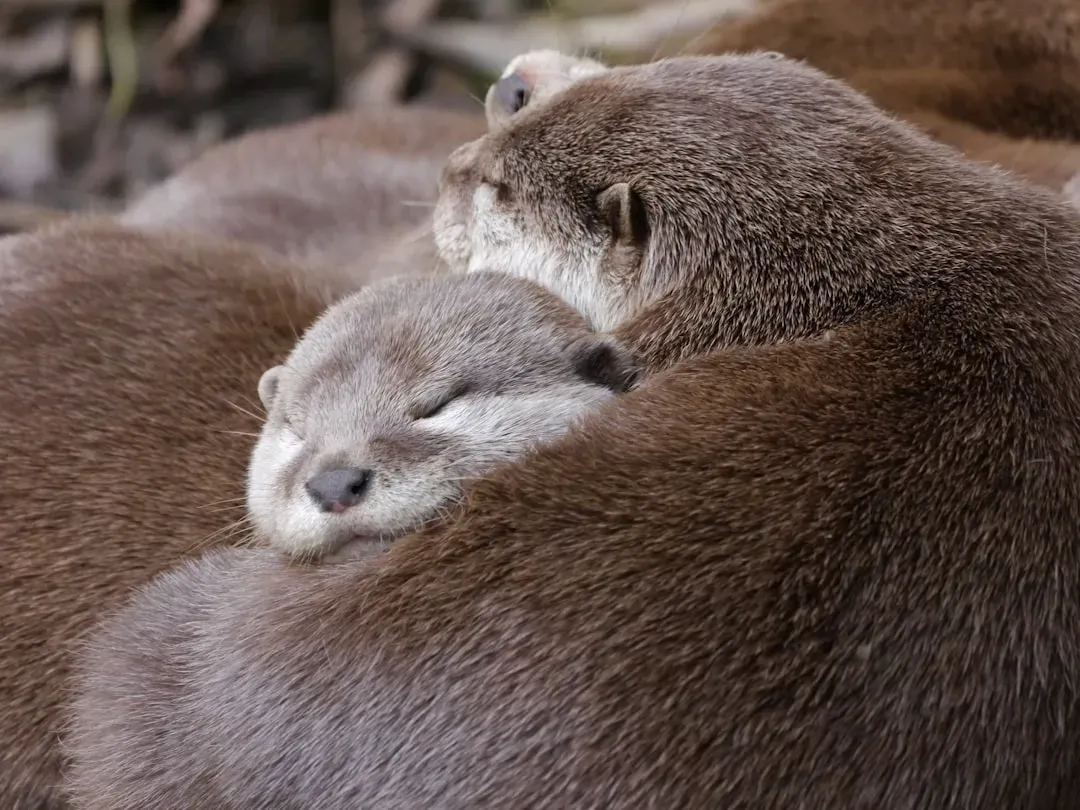
What started as a seemingly simple question – do animals dream? – turns out to be one of the most philosophically loaded questions in all of science. The evidence gathered over decades points to a remarkable conclusion: dreaming is not a uniquely human phenomenon. It appears to be a deeply ancient, widely shared feature of life on Earth.
From rats replaying their maze runs to songbirds rehearsing melodies in their sleep, from color-shifting cuttlefish to trauma-haunted elephants, animals carry their waking worlds into the night in ways that are unmistakably meaningful. Today, researchers are finding signs of REM sleep in a broader array of animals than ever before – in spiders, lizards, cuttlefish, and zebrafish. The growing tally has some researchers wondering whether dreaming, a state once thought to be limited to human beings, is far more widespread than once thought.
The next time your pet twitches in its sleep, consider this: it may be running through a memory, processing an emotion, or practicing a skill. Their slumbering minds may be every bit as active as ours. That thought is worth sitting with for a while.
What do you think – does knowing that animals likely dream change the way you see them? Tell us in the comments.
