
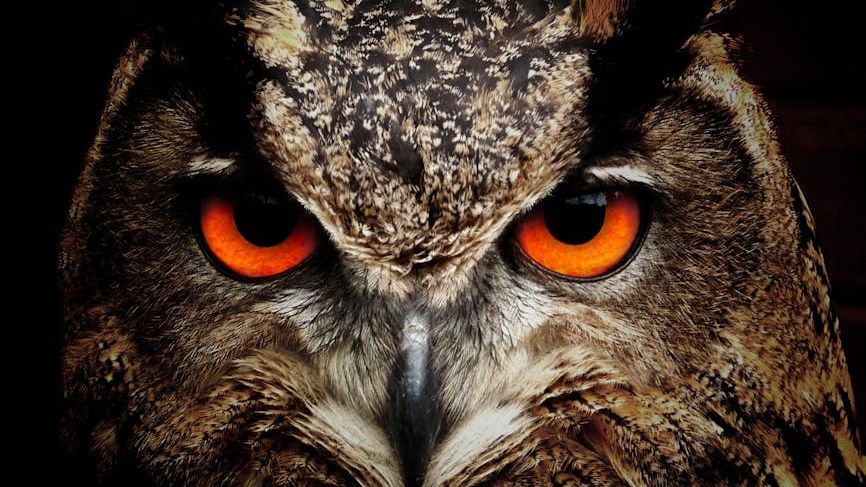
Right now, somewhere in a forest not far from a sleeping city, a fox is prowling. An owl is banking silently through the trees. A bat is threading the darkness with sound, not sight. The world doesn’t shut down at sunset. For a staggering number of creatures on this planet, that’s precisely when life gets started.
Most of us are so tuned to daylight that the idea of thriving in near-total darkness seems almost alien. Yet plenty of animals are nocturnal, awake and active at night and sleeping the day away. It’s not some weird biological accident. It’s strategic, ancient, and honestly, pretty brilliant. The deeper you dig into why so many species chose the night shift, the more fascinating the story gets. Let’s dive in.
The Ancient Reason: A Legacy Written in Fear
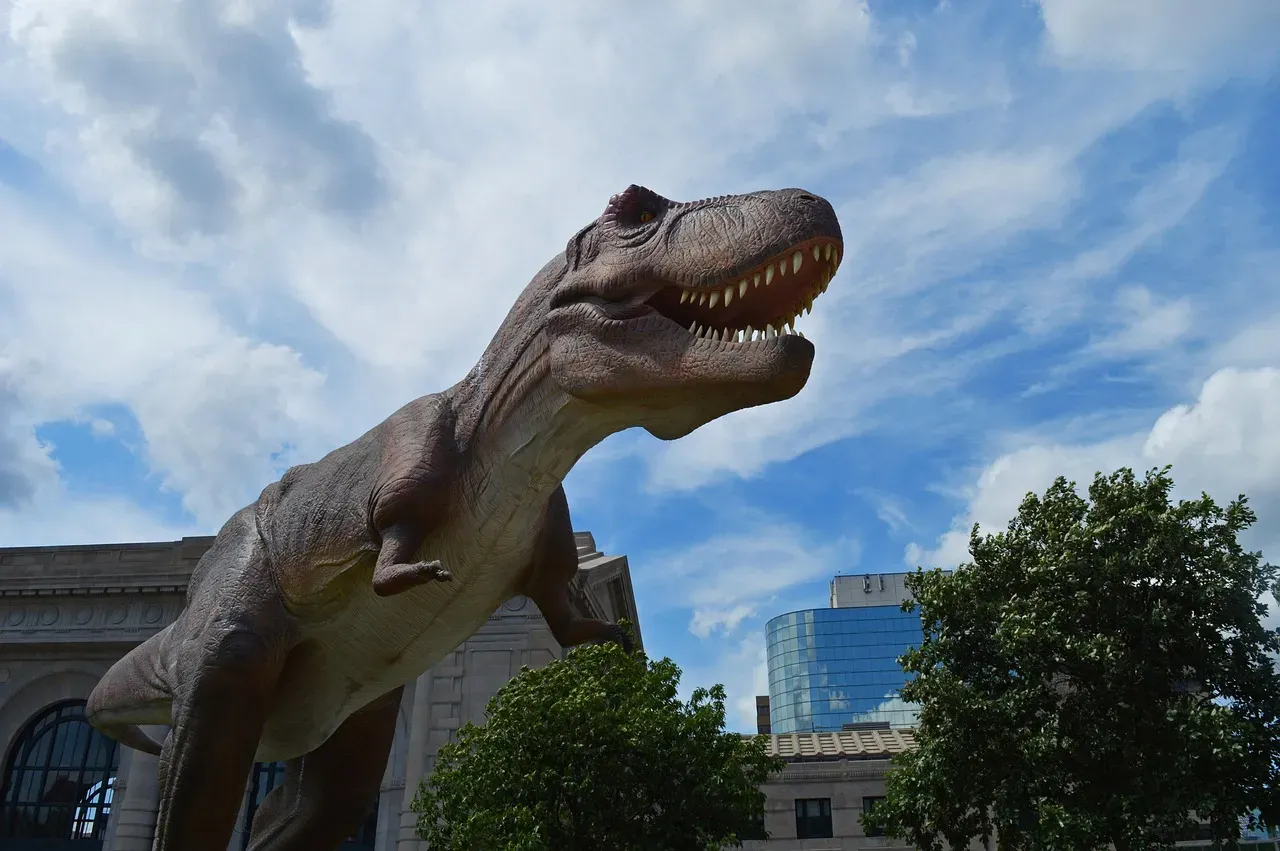
Here’s a mind-bending place to start. The reason your cat prowls at 2 a.m. might be rooted in a world ruled by dinosaurs. I know that sounds crazy, but the science actually supports it.
A hypothesis in evolutionary biology, the nocturnal bottleneck theory, postulates that in the Mesozoic, many ancestors of modern-day mammals evolved nocturnal characteristics in order to avoid contact with the numerous diurnal predators. In other words, when giant reptiles were stomping around in broad daylight, the smartest survival move was to simply not be out there.
Another theory is that nocturnality evolved as a defense mechanism against ancient reptilian predators, such as dinosaurs. Early mammals likely adopted nocturnal habits to survive in a world dominated by cold-blooded, day-active dinosaurs. Think about that for a moment. The very sleeping habits of modern animals were essentially shaped hundreds of millions of years ago, forged out of pure terror.
The vast majority of nocturnal animals are birds, insects, and mammals, not reptiles. A leading theory for why animals are nocturnal is that this trait evolved as a way to avoid being eaten by dinosaurs and other top predators back when mammals and birds started to expand as groups. The night was their refuge. Over millions of years, it became their home.
The Smart Strategy: Predator Avoidance and Hunting Advantages
Let’s be real, survival is basically a full-time job in the wild. So it makes total sense that the rhythm of activity revolves around one central question: who’s trying to eat you right now?
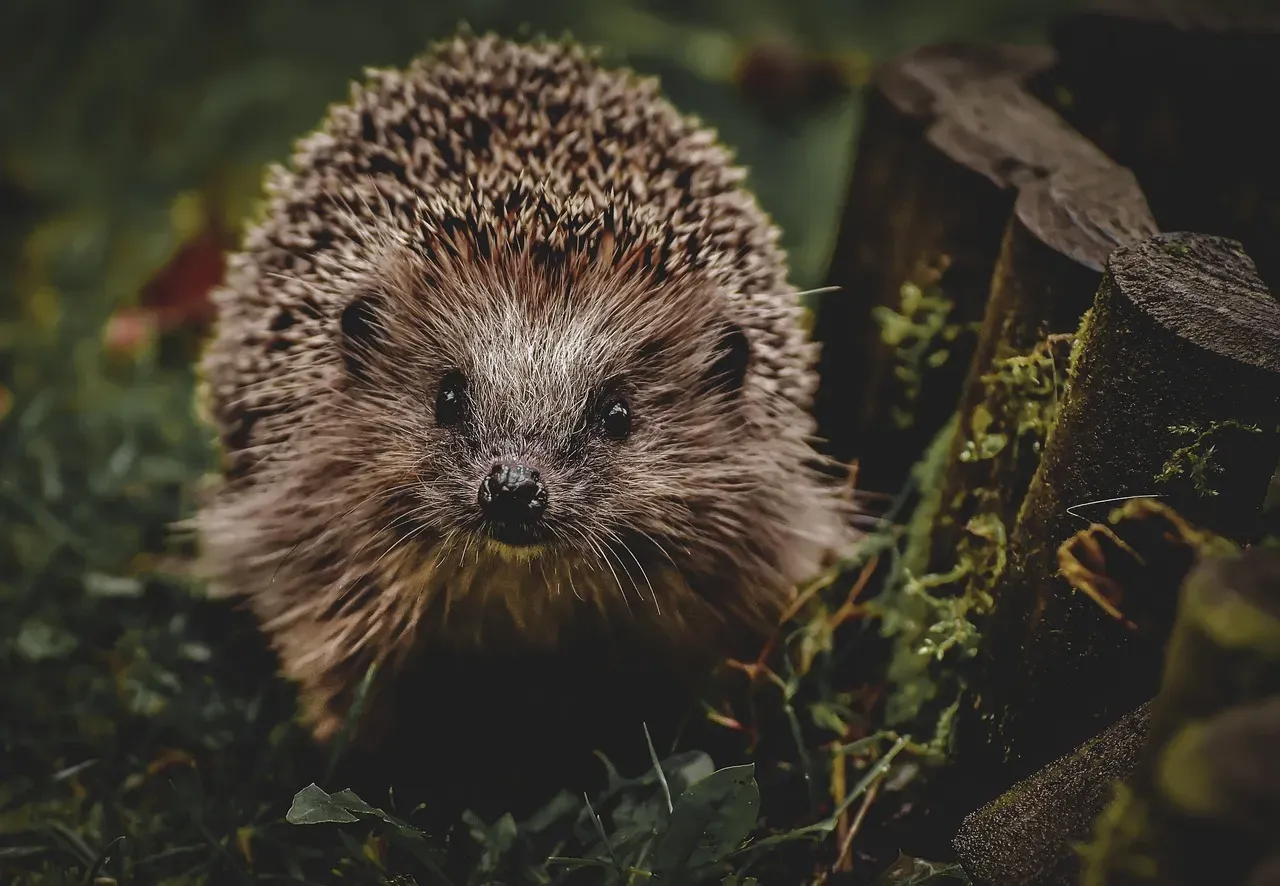
For some, being active at night does indeed help them avoid detection by potential predators and allows them to better camouflage themselves. Darkness is the ultimate disguise. A mouse slipping through the grass at midnight is a much harder target than one wandering around at noon.
Many species of small rodents are active at night because most of the dozen or so birds of prey that hunt them are diurnal. It’s almost elegant in its logic. If your most dangerous enemy operates by day, you simply become a creature of the night.
On the flip side of that, nighttime is a good time for hunting for some animals that specialize in eating certain types of animals, particularly small mammals. Tigers prefer nighttime hunting because many of their prey, like deer and wild boars, are also nocturnal. Some prey, such as the Sambhar Deer, have poor night vision, making them easier targets. So the darkness becomes both shield and weapon, depending on which side of the food chain you’re on.
The Genius Toolkit: How Nocturnal Animals Actually See and Sense the Dark
Here’s where things get genuinely astonishing. It’s one thing to decide you’re going to be active at night. It’s another thing entirely to evolve the biological hardware to actually pull it off.
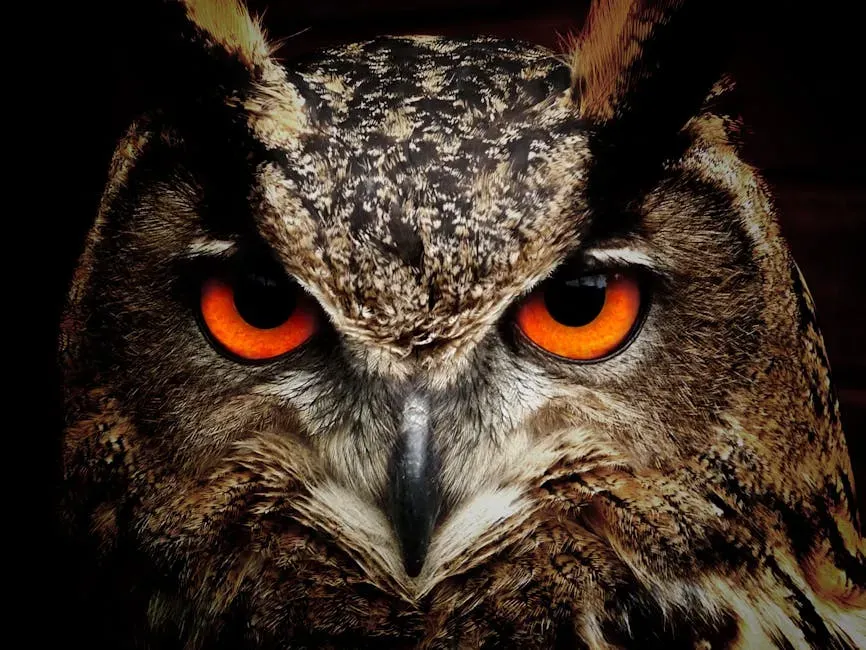
Nocturnal creatures generally have highly developed senses of hearing, smell, and specially adapted eyesight. Think of it like nature’s own night-vision goggles, sonar systems, and infrared detectors, all packed into one animal.
Many nocturnal animals have a mirror-like layer, called the tapetum, behind the retina, which helps them make the most of small amounts of light. Light that passes through the retina is reflected off the tapetum, giving the retinal cells a second chance to sense it. This makes some animals’ eyes shine in the glare of car headlights. That eerie glow you see when car headlights catch a cat’s eyes? That’s this exact mechanism at work.
Bats use echolocation to navigate and hunt. By emitting high-frequency sounds and listening for the echoes that bounce back from objects, bats can determine the size, shape, and distance of obstacles and prey in complete darkness. Meanwhile, certain snakes take a completely different approach. Rattlesnakes and various other snakes have specialized organs that give them an exceptional advantage: heat vision. The glands, or “pits,” on either side of their heads are powerful infrared sensors that allow snakes to detect the slightest temperature changes and help them “see” without their eyes.
A new wave of research is overturning old assumptions. “We always thought we knew how well animals saw in the dark, but very few people had actually looked,” one researcher explains. Once researchers started peering into this dark world, they discovered that a wide variety of species see a startlingly clear nightscape. The night, it turns out, is far less blind than we ever imagined.
Beating the Heat: The Desert Logic of Nocturnality
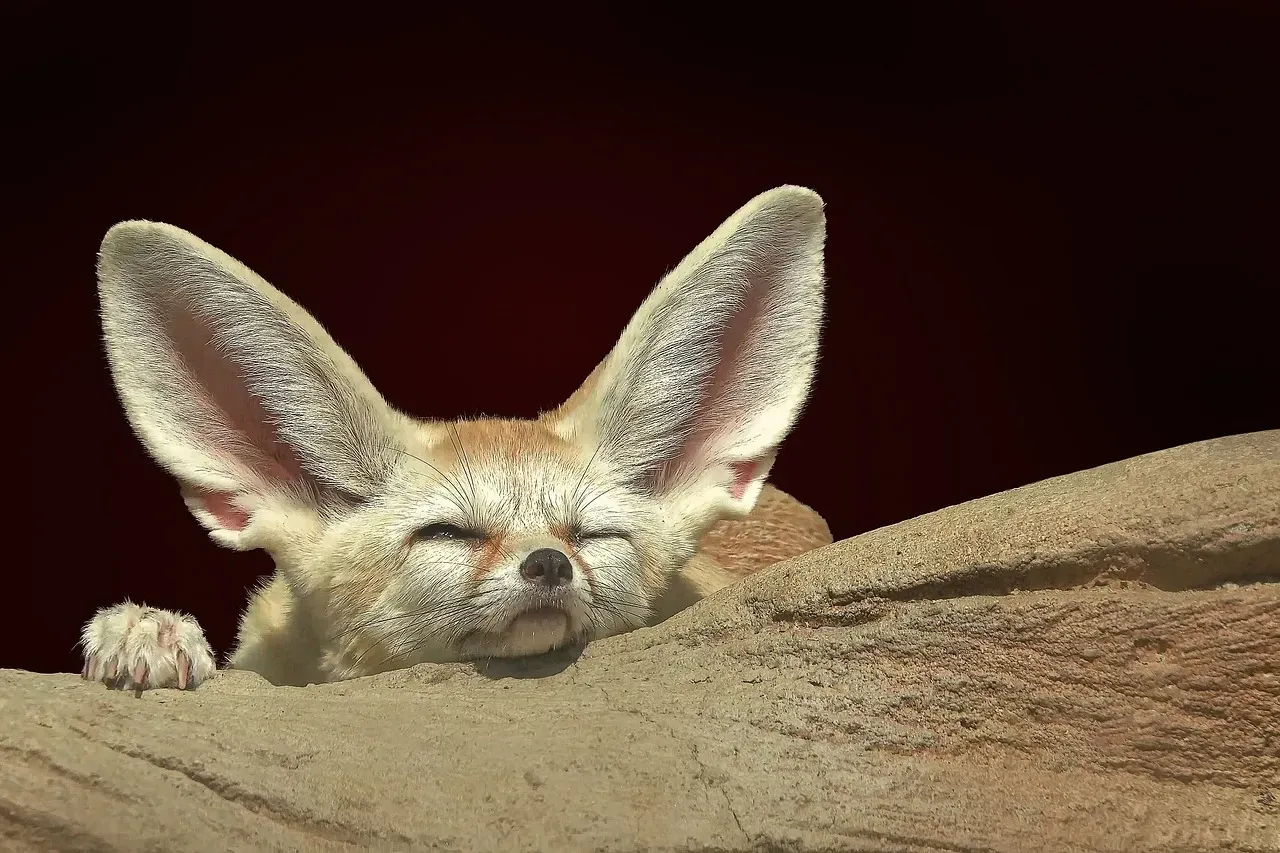
Not every nocturnal animal is hiding from a predator or chasing prey. Sometimes, the night shift is simply about not cooking alive.
Many desert animals are nocturnal for the evident reason that this helps them avoid the heat of midday. In scorching-hot parts of the world, being nocturnal is simply a good move. Imagine spending an entire day underground, waiting for the temperature to drop before you dare venture out. That’s daily life for countless desert species.
The fennec fox is adapted to hunt at night. During the day, they burrow underground to keep out of the scorching heat of their North African desert habitats. Those comically oversized ears aren’t just for show either. A fennec fox’s large ears are the perfect tool for tracking down their next meal, and considering their ears can grow half as long as their bodies, they use their impeccable hearing to track down insects, rodents, lizards, and other prey.
Water conservation is also an important aspect of avoiding the heat of the day. Moving around when it’s cool and dark avoids overheating and wasting precious water. In a desert environment, every drop of moisture matters. The night isn’t just cooler, it’s the difference between life and death.
The Human Problem: How We Are Pushing Animals Deeper Into the Dark
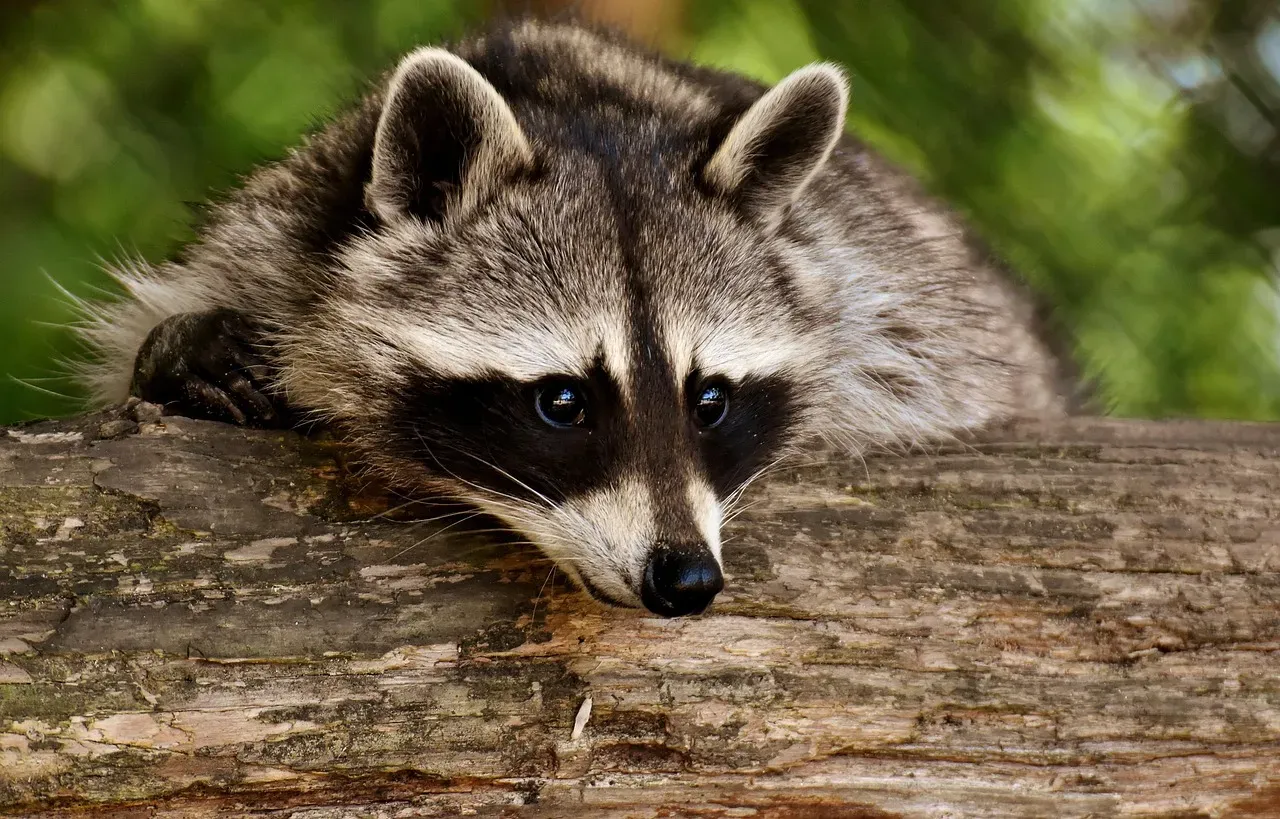
Here’s where the story takes a turn that should genuinely concern us. Because nocturnality isn’t just an ancient evolutionary quirk anymore. It’s happening in real time, driven largely by one species: us.
Research out of UC Berkeley shows that animals around the world are becoming more nocturnal in response to human populations. The study, published in the journal Science, found that mammals have, on average, become 1.36 times more active at night. That’s not a trivial shift. That represents a profound rewiring of wildlife behavior across entire continents.
Mammals have become significantly more active at night. In other words, a creature that normally would have split its activities equally between day and night, now carries out the majority of its activities at night, presumably in avoidance of humans. It’s as if the entire animal kingdom looked at us and collectively decided to start avoiding us by going nocturnal.
Light pollution is a major issue for nocturnal species, and the impact continues to increase as electricity reaches parts of the world that previously had no access. Light pollution, in particular, disrupts the natural behaviors of nocturnal animals. It can interfere with their navigation, reproduction, and feeding patterns. For example, artificial lights can disorient migratory birds and lead them off course, sometimes with fatal consequences.
If animals are being forced to use a different time of the day, they’re no longer going to get as many benefits from those foods or find those foods or even find mates. This would then impact not only individual animals, but also the populations and communities of wildlife with all sorts of attendant consequences on ecosystems and our environment. The stakes, in other words, are much higher than they might first appear.
Conclusion: The Night Has Always Had Its Own Rules
The nocturnal world is not a lesser version of the daytime world. It’s a parallel one, equally complex, equally vibrant, and built on millions of years of extraordinary evolutionary pressure. Whether it’s avoiding predators, conserving energy, reducing competition, or adapting to human pressures, animals have evolved remarkable strategies to survive in the dark. Their enhanced senses, specialized behaviors, and physical adaptations are not just fascinating – they’re vital for maintaining ecological balance.
What this tells us, honestly, is that the natural world is far more ingenious than we give it credit for. Nocturnal wildlife are often misunderstood because of the unique skills that allow them to thrive after dusk. Their adaptations show us that wildlife is constantly evolving, but the world is changing faster and faster, making it harder for them to catch up.
Every time you switch on an outdoor floodlight and leave it blazing through the night, there’s a cost being paid by something living nearby. The next time you find yourself awake at 3 a.m., maybe take a moment to consider the extraordinary, silent, and surprisingly busy world that operates just beyond your window. What do you think about it? Share your thoughts in the comments below.
