
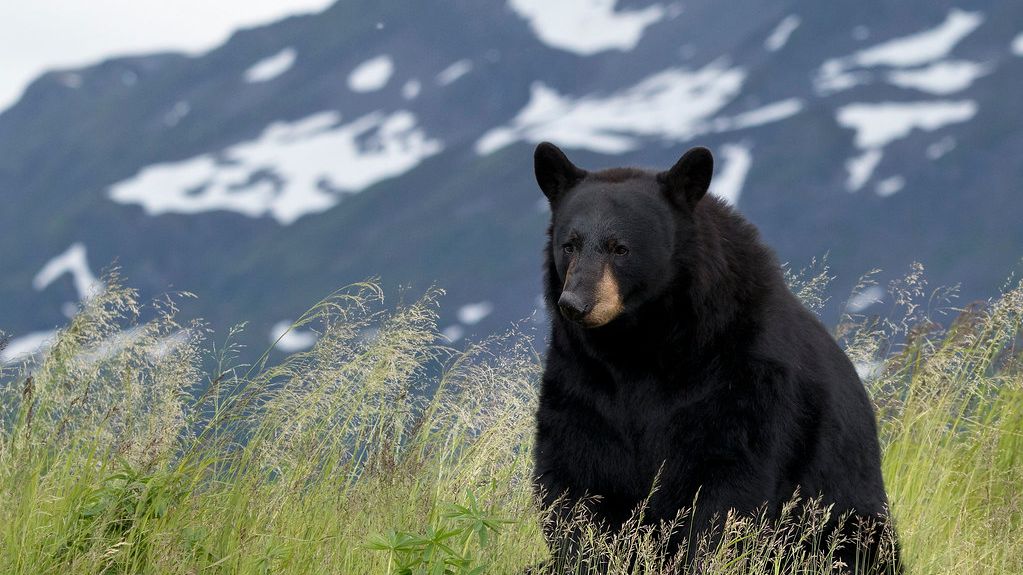
There’s something deeply primal about knowing a black bear could be roaming just beyond the tree line. These powerful, intelligent animals are far more widespread across America than most people realize. In fact, the sheer scale of their presence might genuinely surprise you.
There are 16 subspecies of the American black bear, and the total population in North America is thought to be somewhere between 600,000 and 900,000 bears. That’s not a small number. Yet these animals stay remarkably hidden, largely because black bears are notoriously shy, often disappearing the moment they catch a whiff of you, thanks to a sense of smell roughly seven times stronger than a bloodhound’s. Some states are home to tens of thousands of these animals. Others barely register a handful. So, which states truly reign as the black bear capitals of America? Let’s dive in.
Alaska: The Undisputed Black Bear Capital
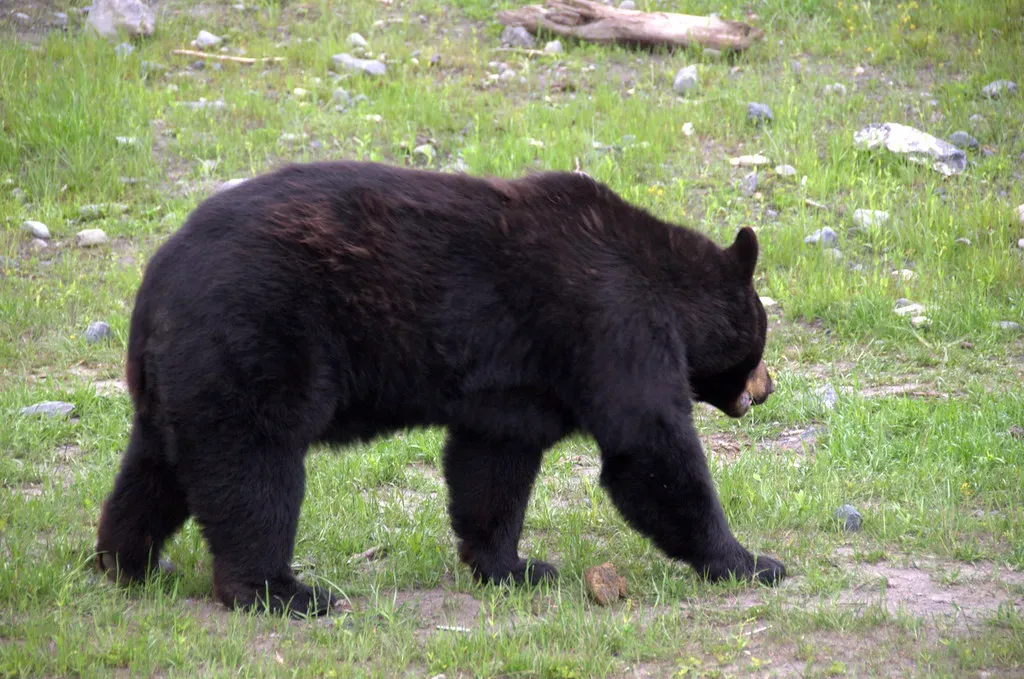
Honestly, there’s no real competition here. Alaska is home to the largest population of black bears in the United States, with an estimated 100,000 individuals found throughout the state, from coastal rainforests to interior wilderness areas. That figure dwarfs every other state by a wide margin, almost like comparing a backyard pond to the Pacific Ocean.
According to the Alaska Department of Fish and Wildlife, black bears are the most abundant and widely distributed of the three North American bear species living in the state. They live in most of Alaska’s forested areas and most of the state’s islands, and in the summer, they fish for spawning salmon in Alaska’s rivers. It’s the kind of habitat that reads like a black bear’s dream come true.
California: The Lower 48’s Bear Powerhouse
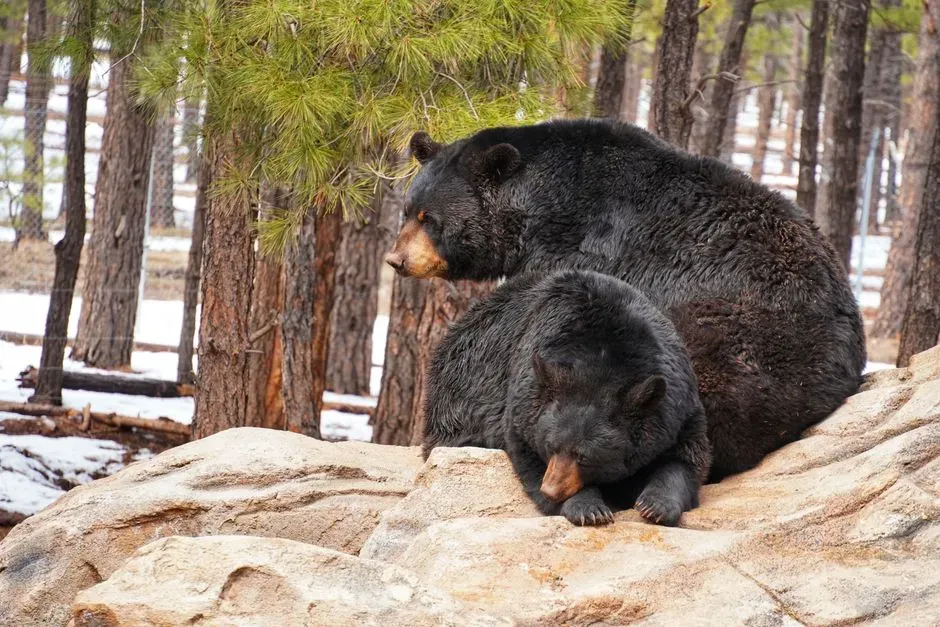
When people think of California wildlife, they often picture ocean seals or condors. Black bears? Not so much. Yet California holds a remarkable secret. California is thought to have the largest black bear population in the lower 48 states, with an estimated 30,000 to 40,000 bears, a significant jump from their population numbers in 1982 when the population was between 10,000 and 15,000 bears. That’s a stunning recovery story that rarely gets enough credit.
From the Sierra Nevada mountains to the coastal forests, California’s black bears have adapted to various environments. These bears are an iconic part of California’s wildlife, often seen in national parks like Yosemite. Think about that next time you’re packing a bear canister in the backcountry. It’s not just a formality.
Maine: The Northeast’s Wild Bear Haven
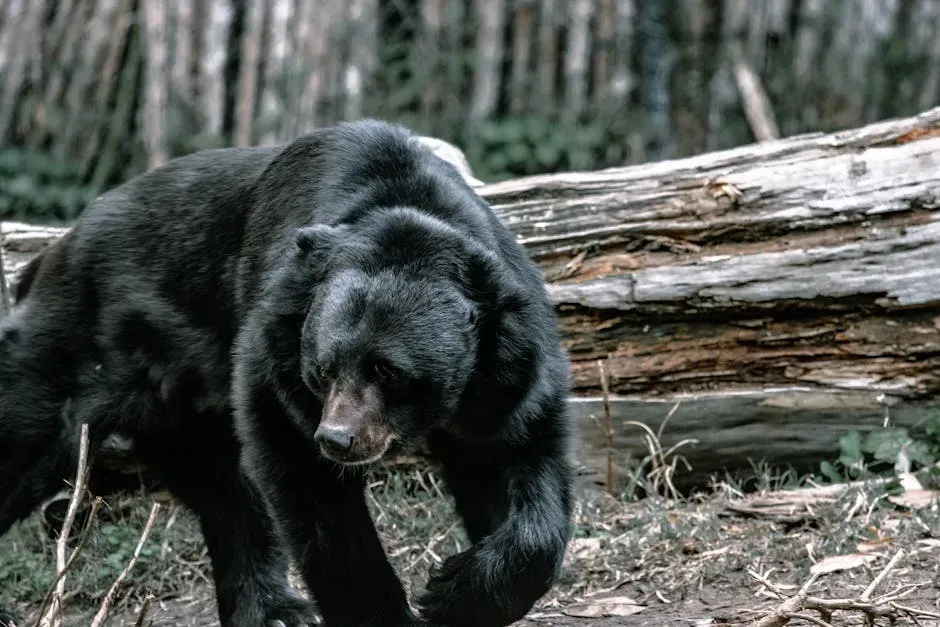
Maine doesn’t get quite enough recognition as a wildlife powerhouse. It should. Maine’s black bear population is estimated between 24,000 and 36,000 animals thriving in extensive forest and wetland areas across most of the state, with the northern, northwestern, and eastern parts of Maine providing especially ideal habitats. For a northeastern state, those numbers are truly staggering.
Maine’s black bears are particularly active in late summer and fall, preparing for hibernation by consuming large quantities of food. These bears are often spotted in the northern and western parts of the state, where wilderness dominates. It’s a place where the forest feels genuinely wild, and honestly, that’s a rare thing in the eastern United States.
Idaho: Mountains, Rivers, and Tens of Thousands of Bears
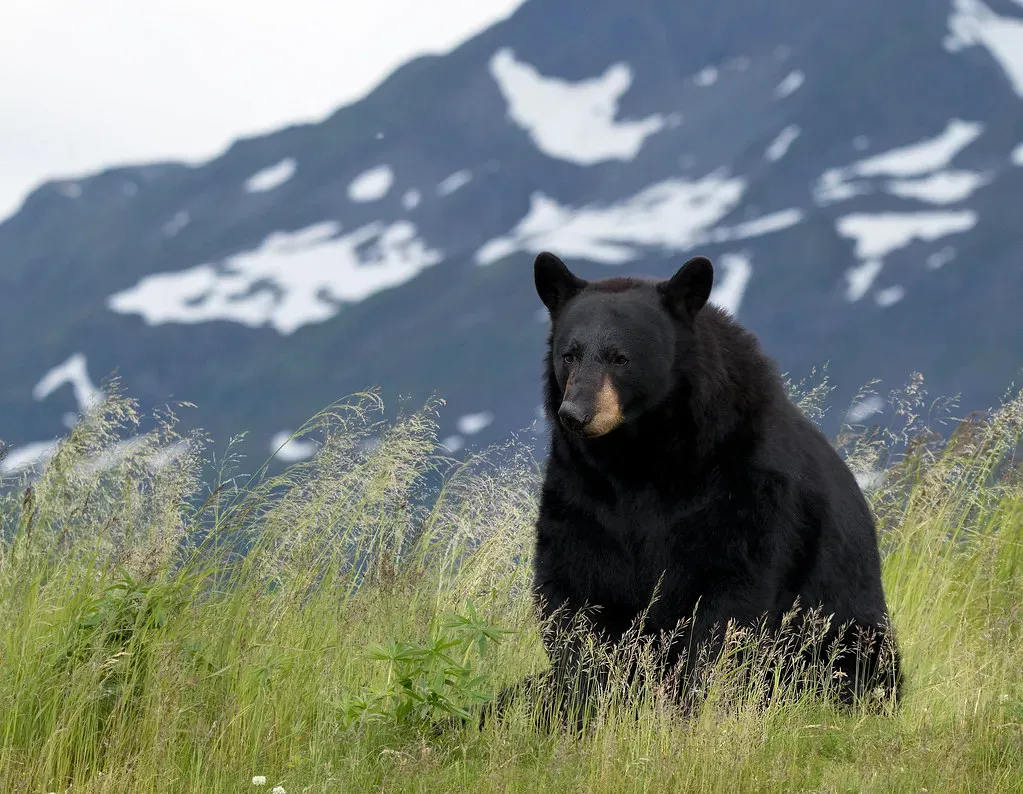
Idaho is one of those states that wildlife enthusiasts know well but the general public often overlooks. Here’s the thing: it’s one of the most bear-rich places on the continent. Idaho’s black bear population is estimated to be around 20,000 to 30,000 bears, living primarily in forested mountains and river valleys, where rugged wildlands offer abundant food, water, and cover that bears need to survive and reproduce.
The state’s wilderness areas, including the Sawtooth and Bitterroot ranges, provide excellent habitats. Idaho’s black bears are known for their varied diets, ranging from berries and nuts to small mammals, and they are crucial to the ecosystem, playing a role in maintaining the balance between prey and predator species. Few places in America offer a more complete picture of wild, functioning ecosystems.
Oregon and Washington: The Pacific Northwest Twin Giants
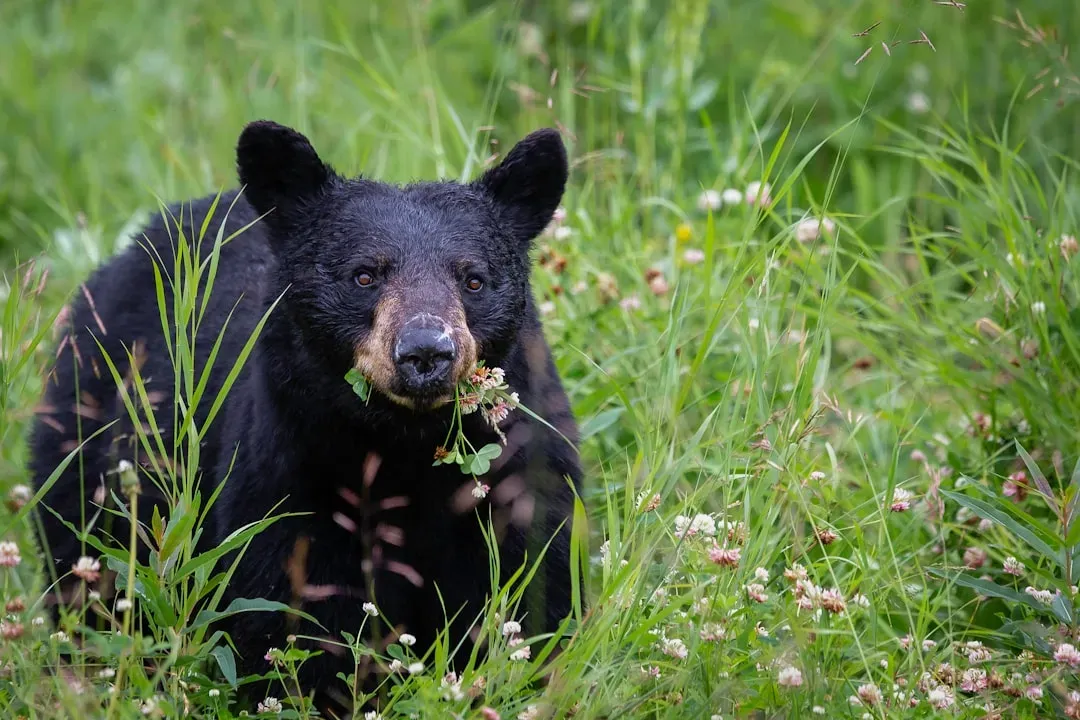
These two states are almost always mentioned in the same breath when it comes to black bears, and for good reason. The Oregon Department of Fish and Wildlife reports between 25,000 and 30,000 black bears living in Oregon today. Black bears in Oregon are found in the Cascade Range and west to the Pacific Ocean, and in the Blue and Wallowa mountains of Northeast Oregon.
Washington matches its neighbor step for step. Washington State, with its dense forests and rugged mountains, provides a rich habitat for about 27,500 black bears. These bears are known for their remarkable adaptability, living in both coastal and inland regions, with the state’s varied climate supporting a wide range of food sources. I think there’s something poetic about these two neighboring states sharing virtually identical bear populations, as if nature drew its own border right down the middle.
North Carolina and Wisconsin: The Surprising Southeastern and Midwestern Contenders
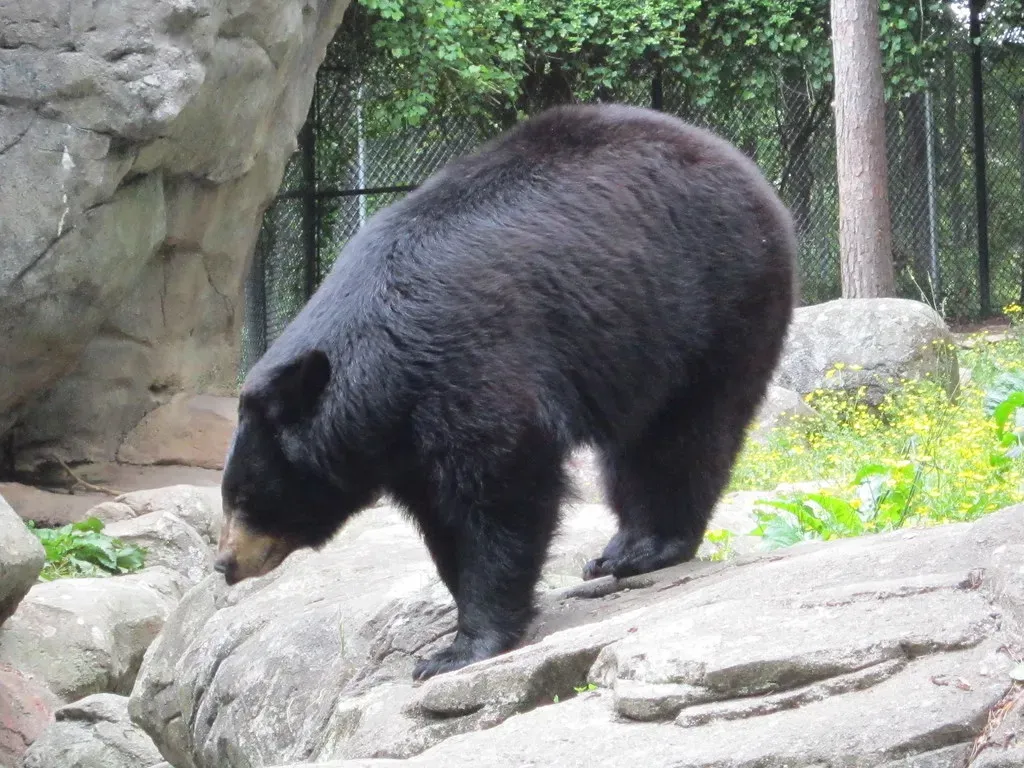
Most people wouldn’t instinctively list North Carolina or Wisconsin as black bear hotspots. That assumption would be very wrong. Black bear sightings have now been reported in all 100 counties of North Carolina, and the largest concentration of black bears in the world is found on the Albemarle Peninsula of North Carolina. In the world. Let that sink in for a moment.
Wisconsin’s black bear population is estimated at 24,000, with most living in the northern regions of the state. The mix of forests, wetlands, and agricultural areas creates a balanced environment for these bears to thrive. Meanwhile, North Carolina is home to around 20,000 black bears, primarily found in the Appalachian Mountains and coastal plain regions, with a mild climate and diverse ecosystems that make it a haven for these animals. Thanks to successful conservation efforts, North Carolina’s black bear population has rebounded significantly in recent decades.
The Bigger Picture: A Nation of Bears in Recovery
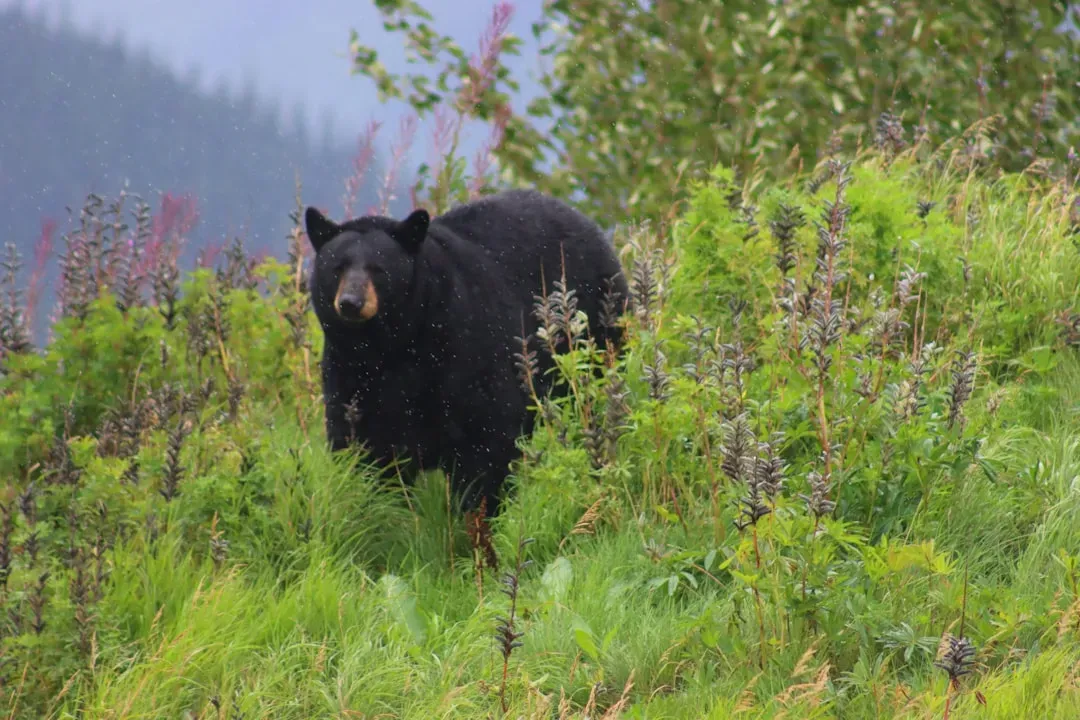
Zoom out from individual states, and the national story becomes genuinely inspiring. At one point, the black bear population was on a steep decline in many areas due to hunting and loss of habitat, but now bears are making a comeback, with populations increasing thanks to new laws, efforts to restore and reconnect habitat, and stricter regulations. Conservation works. It’s that simple, and that important.
Black bears are more than just a symbol of wilderness. They’re crucial for maintaining healthy ecosystems, from dispersing seeds to controlling insect populations, playing a vital role in their habitats. Black bear populations have been steady in many locations, and bears are even venturing beyond their traditional ranges, occasionally popping up in states where locals haven’t seen them in generations. That is, in the best possible way, a sign that something is going right.
Conclusion
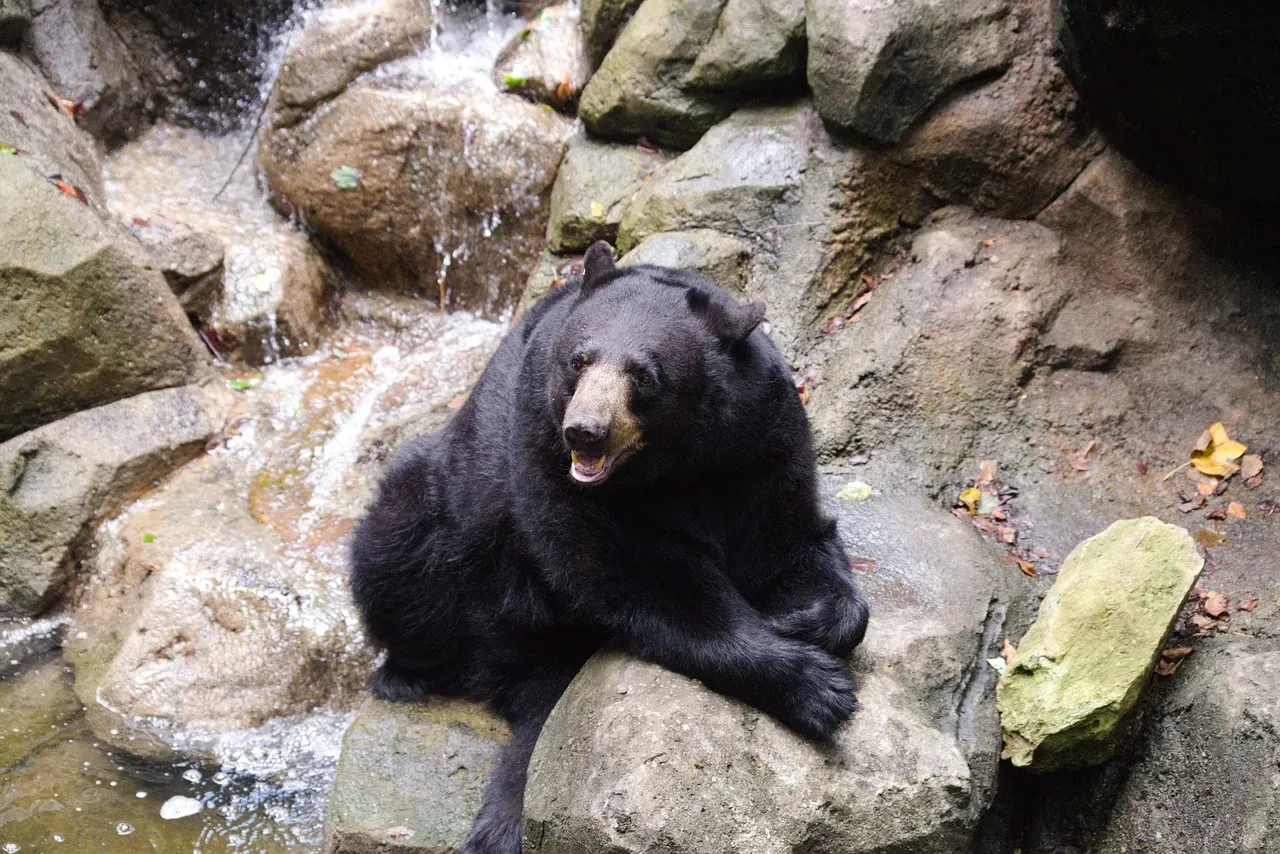
The story of America’s black bears is ultimately a story about coexistence, resilience, and the surprising wildness that still exists just outside our front doors. From Alaska’s jaw-dropping 100,000 bears to the record-breaking bear densities of North Carolina’s Albemarle Peninsula, these animals are thriving in ways that would have been hard to imagine a century ago.
Conservation efforts and the bears’ own remarkable ability to adapt have played central roles in shaping the current distribution of the black bear population across America’s diverse landscapes. What’s most remarkable is how quietly it has all happened, out in the forests, far from headlines.
Next time you lace up your hiking boots and head into bear country, remember: you’re probably closer to one of these extraordinary animals than you’ll ever know. Would you have guessed just how many states they truly call home?
