
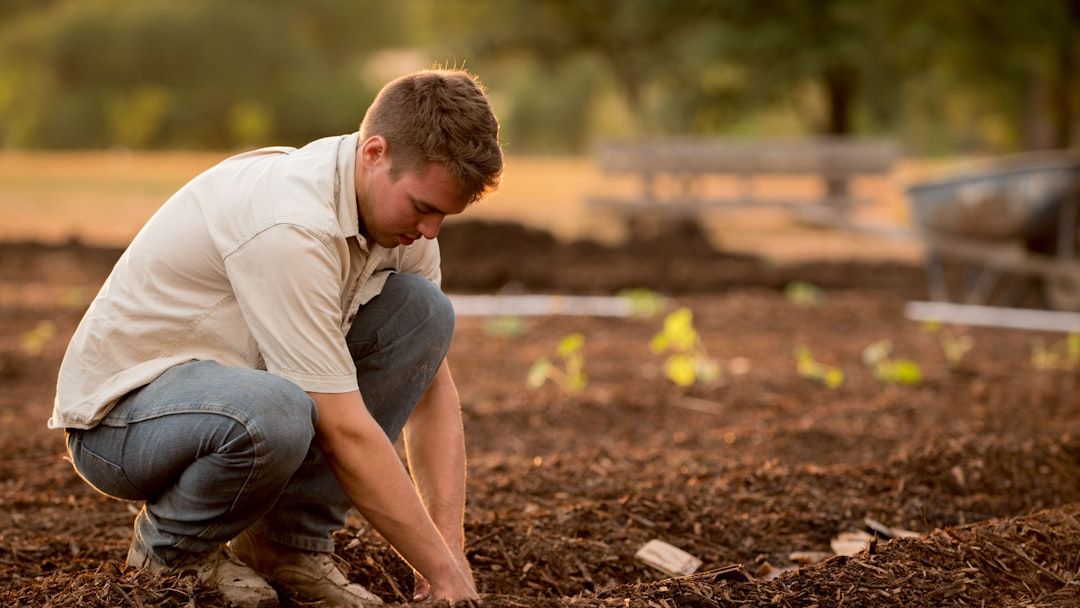
So you’ve decided to start a garden. Maybe it hit you while you were paying too much for a handful of herbs at the grocery store. Maybe you just want something green and alive near your home. Whatever the reason, that spark of inspiration is real – and it deserves more than just a packet of seeds tossed into the ground on a hopeful Sunday afternoon.
The truth is, gardening looks simple from the outside. It’s not. There are sun angles, soil types, frost dates, watering rhythms, pests, spacing rules, and about a dozen other things nobody tells you until your first batch of plants dies. Honestly, most beginners don’t fail because they lack passion. They fail because they lack information. Let’s fix that right now. Here’s everything you need to know before you dig that first hole.
1. Pick the Right Location – It’s More Important Than You Think

Here’s the thing – location isn’t just about convenience. It’s the single most powerful factor in whether your garden thrives or quietly gives up on you. Choosing the right spot is one of the most important decisions you’ll make, because a poor location leads to weak plants and disappointing harvests.
Most vegetables need 6 to 8 hours of direct sunlight daily, while leafy greens can tolerate partial shade. You also need to avoid areas where water pools after rain, because wet soil can cause root rot.
Strong winds can damage young plants and reduce pollination, so look for a sheltered area. And keep it accessible – you’ll be watering, weeding, and harvesting often. Think of it like choosing a good apartment: location, light, and drainage matter more than almost anything else.
2. Understand Your Soil Before You Plant Anything
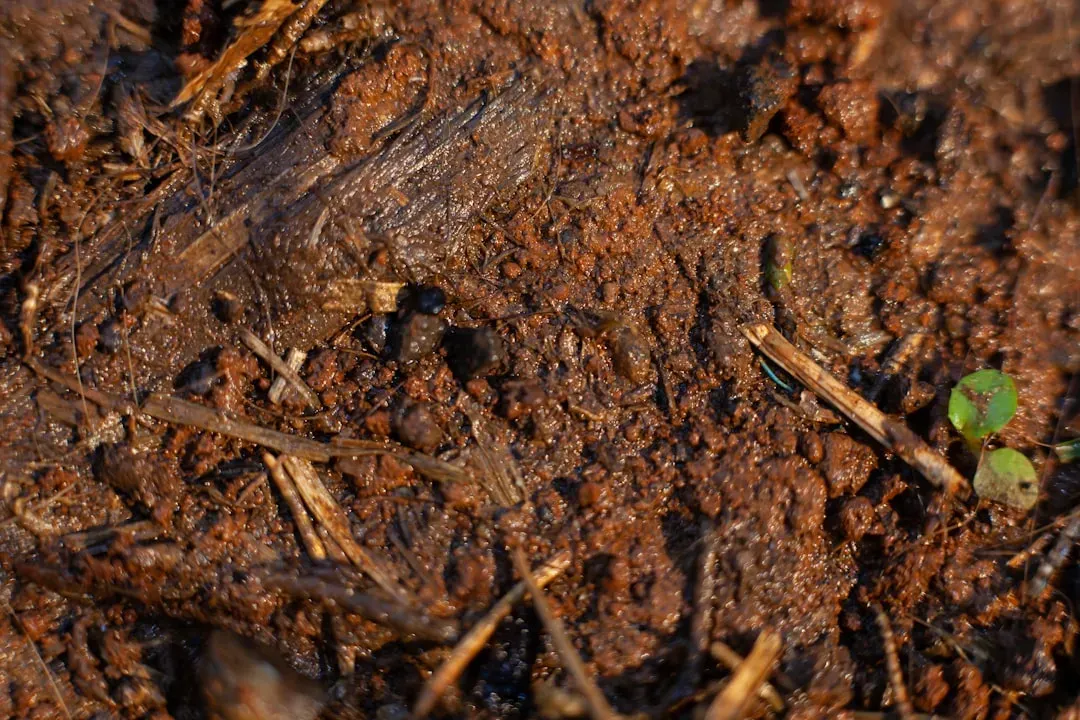
Soil is not just dirt. I cannot stress this enough. Often, when plants struggle, it’s because the soil underneath isn’t up to the job. Soil is the heart of your garden – healthy soil grows healthy plants, and healthy plants stand a better chance against pests and the weather.
Understanding your soil’s texture, fertility, and pH will guide how and what you plant, and how you amend the soil. Soil comes in three basic textures – clay, sand, and silt – but the gold standard is loam, a balanced mix of all three.
Consider having the soil in your garden nutrient tested through a certified lab before planting. A soil test will provide information on the type of soil, the soil pH, the amount of organic matter, and the levels of phosphorous and potassium. The optimal pH for a vegetable garden is around 6.5, although most vegetables will grow very well with a pH anywhere between 6.0 and 7.2. That range makes the difference between struggling plants and ones that basically take care of themselves.
3. Start Smaller Than You Think You Should
Every first-time gardener makes the same mistake. They get excited, they draw out grand plans, they order every seed catalog they can find – and then reality hits around week three when the weeds are winning and the enthusiasm has worn off. It’s better to be proud of a small garden than be frustrated by a big one. One of the most common beginner mistakes is planting too much too soon – start small, and you can always expand next year.
A simple 4×8 raised bed is enough space to grow several vegetables your first year. That’s roughly the size of a large dining table. Manageable, realistic, and actually kind of fun to work in.
Think of your first garden the same way you’d think of learning to cook. You don’t start with a five-course French dinner. You master a few dishes first. Build confidence, build skills, then scale up.
4. Know Your Frost Dates and Growing Zones
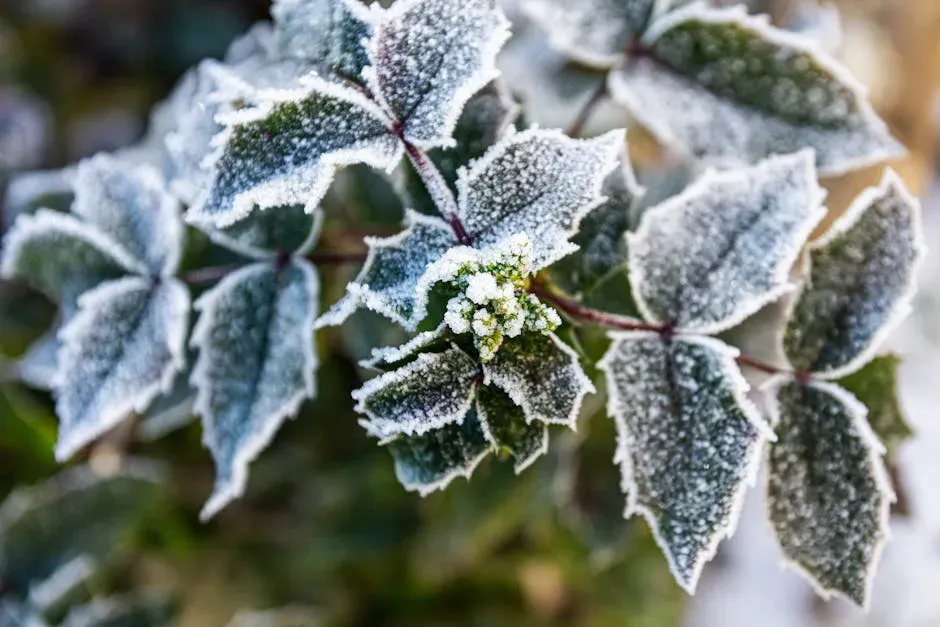
This is the tip that separates the gardeners who wonder “what went wrong?” from those who actually harvest things. Timing in gardening is everything. Planting too early or too late in the season can spell disaster for your garden. You need to know the last average spring frost date for your area so you don’t accidentally kill plants by putting them out prematurely, and it’s also good to know your first average fall frost date so that you get your plants harvested or moved indoors before late-season cold damages them.
Before planting, find your average last spring frost date – this determines when warm-season crops like tomatoes and peppers can safely go outdoors. Miss that window and you’re basically gambling with your plants’ lives.
Everyone always mentions USDA zones, which are great for knowing when your frost dates are. However, heat zones will have the biggest impact on how successful your garden is. It’s hard to say for sure which zone system matters more, but honestly, knowing both puts you miles ahead of most beginners.
5. Fix Your Soil With Compost Before Anything Else
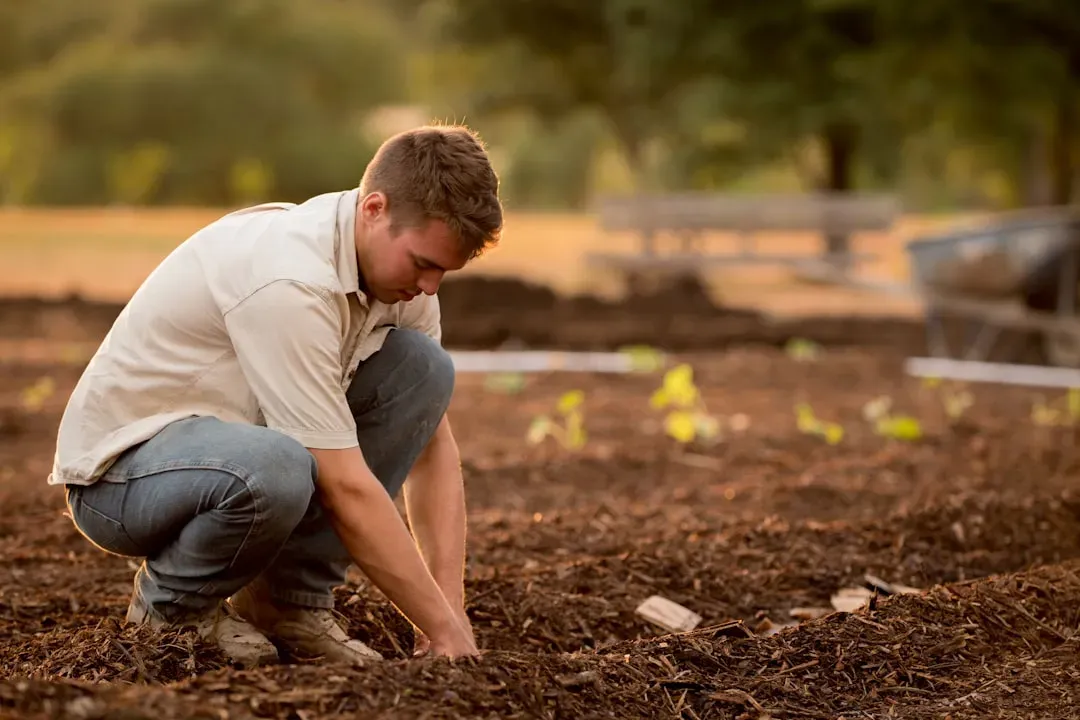
If there’s one thing you invest in before your first planting season, make it compost. Not fancy fertilizers, not expensive gadgets. Compost. Organic matter is essential for preparing soil for summer gardening, and adding compost, aged manure, or leaf mold will help improve soil structure, retain moisture, and increase microbial activity.
Once your garden area has been cleared of vegetation, add compost to improve the overall soil structure. Compost helps sandy soils hold more moisture and nutrients, and it makes clay soils lighter and better drained. It’s like a reset button for whatever ground you’re working with.
Spread 2 to 3 inches of compost and mix it into the top 6 to 8 inches of soil. Avoid adding more than 4 inches at once – aim for organic matter to make up about 25% of the soil blend. After that, let it rest for a week or two before you plant. Patience here genuinely pays off.
6. Choose Beginner-Friendly Plants First
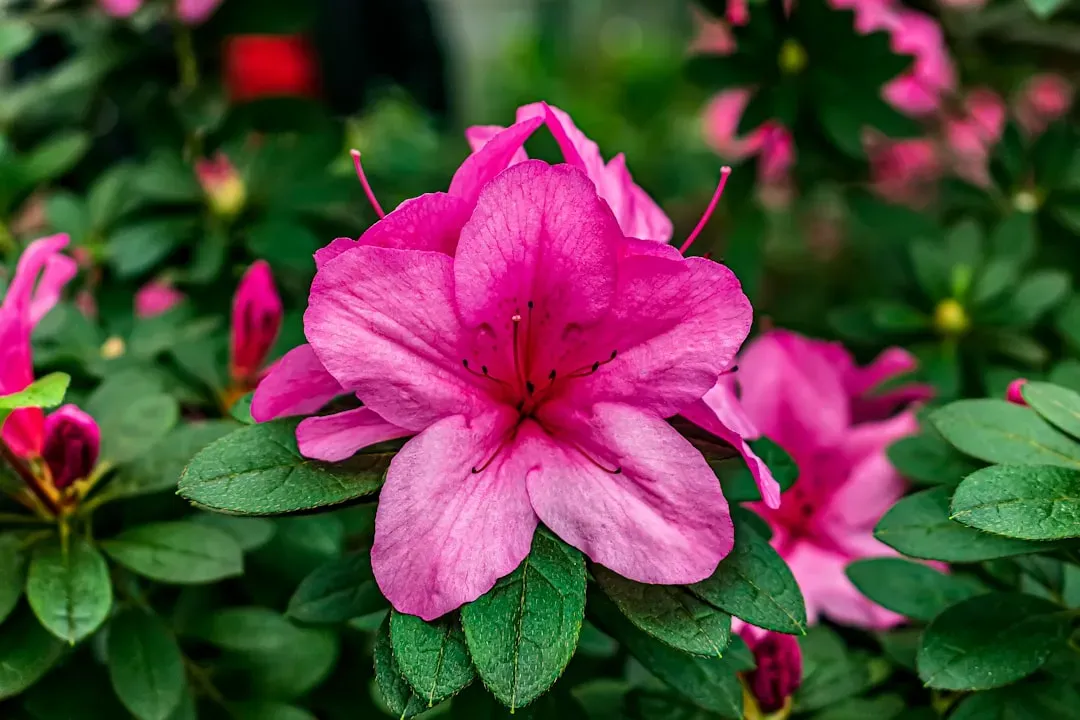
Let’s be real – your first season is not the time to attempt growing artichokes from seed or trying to coax a finicky orchid back to life. Start with plants that practically want to grow. Starting with easy-to-grow plants will build your confidence, and you definitely don’t want to get discouraged on your first try.
Herbs like mint, basil, and parsley are very forgiving and grow quickly. Salad greens like lettuce and spinach are perfect for containers and can be harvested multiple times. Cherry tomatoes are a fun and rewarding choice for a sunny spot.
Some vegetables tolerate cooler temperatures and may mature quicker, so they can be planted earlier and sometimes more than once in the same growing season. These vegetables are relatively easy to grow from seed and can be harvested quickly. Nothing builds a gardener’s confidence like actually eating something they grew themselves. That first tomato is genuinely unforgettable.
7. Water Wisely – More Is Not Always Better
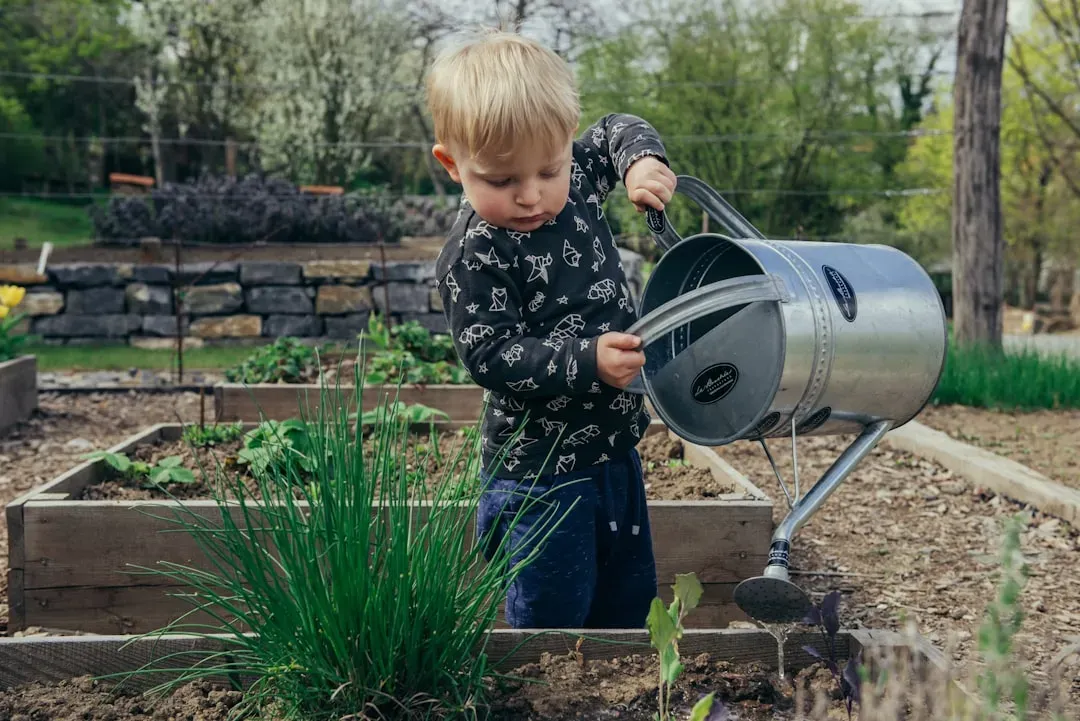
Overwatering is probably the number one way beginners accidentally kill their plants. It sounds counterintuitive, but drowning a plant is actually easier than drying one out. Watering mistakes are extremely common, and some beginners think plants need constant watering, which leads to soggy soil and root rot.
Check soil moisture before watering by sticking your finger into the soil – if it’s dry an inch down, it’s time to water. Water deeply and less frequently to encourage strong root growth, rather than shallow watering, which promotes weak roots.
Think of watering like strength training. Deep, infrequent watering forces roots to reach further down into the soil for moisture, making the plant stronger and more resilient. Constant shallow watering creates needy, surface-level roots that can’t handle a hot, dry week. Use mulch around plants to retain moisture and reduce the frequency of watering. That single habit saves enormous amounts of water and effort.
8. Give Your Plants Enough Space to Breathe
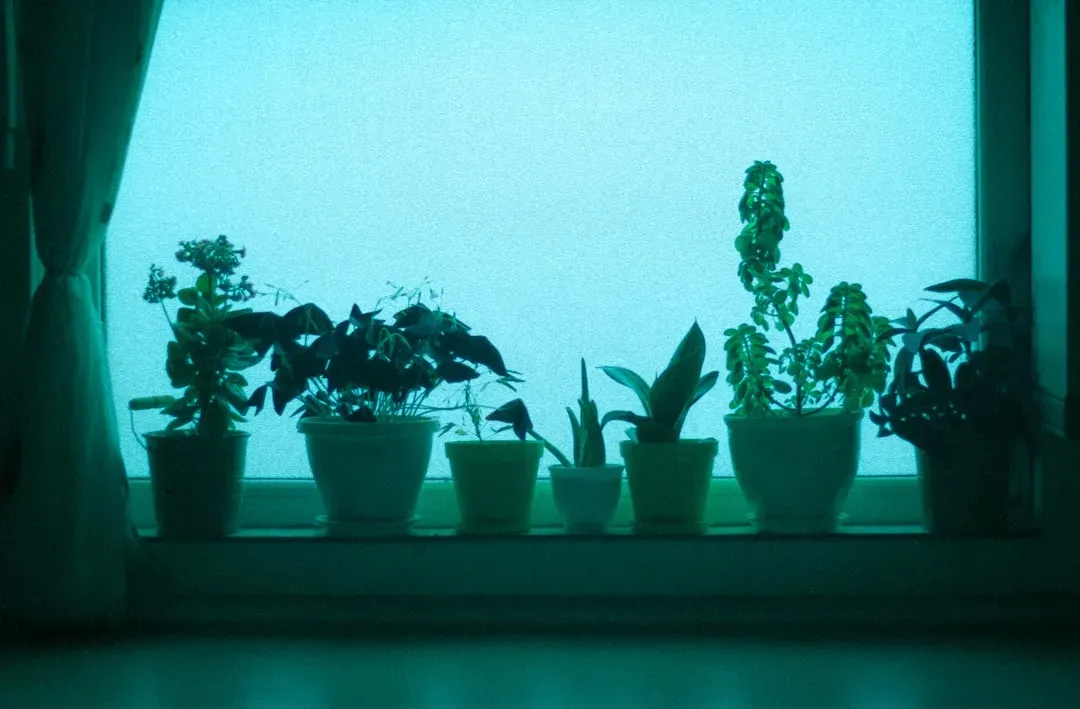
Crowding your plants together might feel satisfying at first – it looks lush, full, and productive. But give it a few weeks, and you’ll understand the problem. It’s tempting to plant densely for a lush, full look, but overcrowding can lead to poor air circulation, which encourages fungal diseases. Plants will also compete for sunlight, water, and nutrients, leading to weaker growth.
Proper spacing promotes good air circulation and sunlight exposure, while crowded plants will be less productive, difficult to maintain, and more susceptible to diseases. It’s a trade-off that consistently catches beginners off guard.
Once you know what you want to grow, sketch out your space and figure out where everything will go. Keep taller plants to the north so they don’t shade shorter ones, and group plants with similar water and sunlight needs together. A little sketch on paper before you plant can save weeks of headaches later.
9. Use Mulch – It Does More Than You Realize
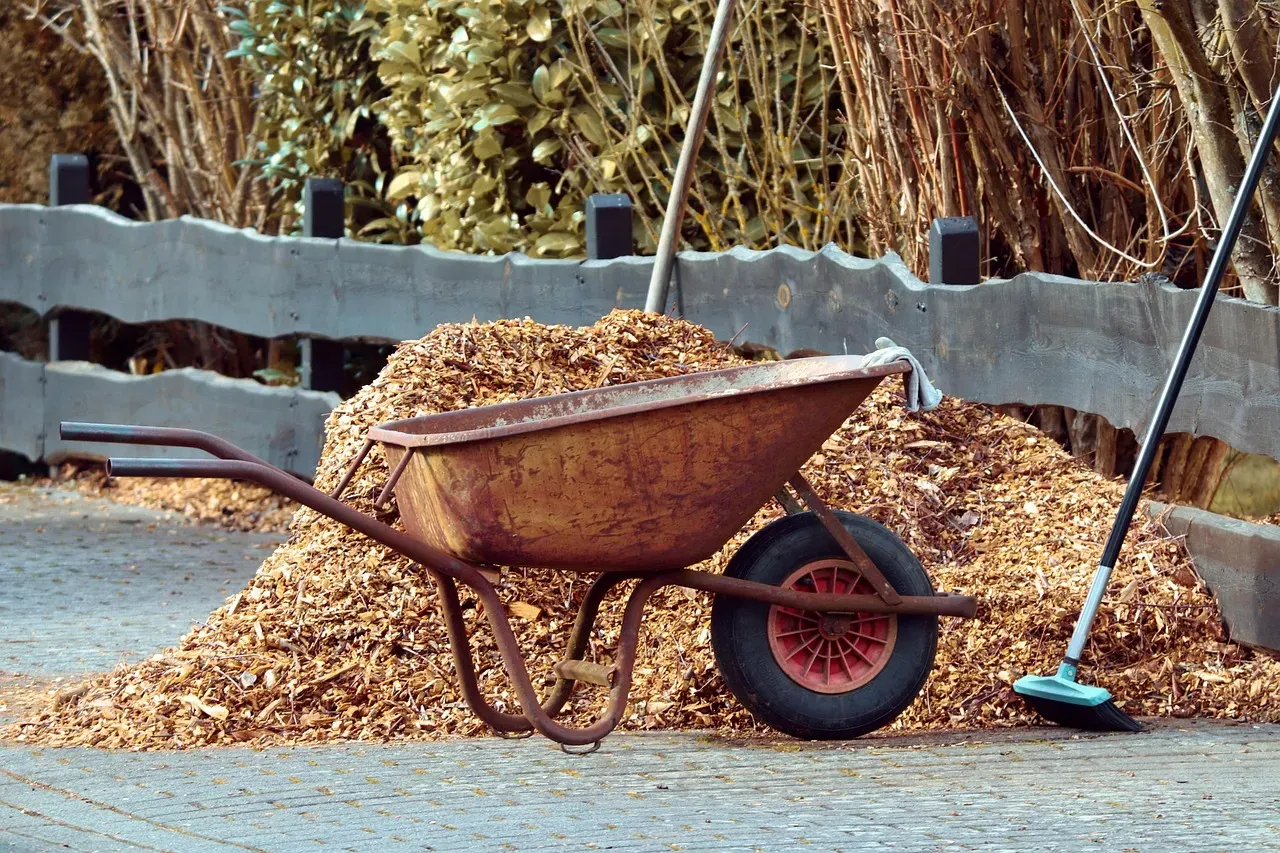
Mulch is one of those underrated gardening tools that experienced gardeners swear by but beginners often overlook. It’s not glamorous. It’s not exciting. Yet it quietly does about five different jobs at once. Apply a layer of mulch that’s 2 to 3 inches deep around each plant – this will help reduce weeds by blocking out the sun, and reduce moisture loss through evaporation, so you have to water less.
Mulching over the top of the soil is a great way to hold in moisture, protect the microorganisms from the sun, feed the soil with nutrients, and save you time weeding. Vegetables prefer a leafy mulch such as grass clippings, straw, or leaves.
I think of mulch as a blanket for your garden bed. It keeps temperatures stable, locks in moisture, and suffocates most weeds before they even get started. For something that costs almost nothing – and sometimes nothing at all if you use garden clippings – the return is remarkable.
10. Be Patient and Expect Imperfection in Year One

Here’s an honest truth most gardening guides skip over: your first garden will probably not be perfect. Something will fail. A pest will find your lettuce. A plant won’t survive the transplant shock. A heat wave will hit at exactly the wrong moment. This is completely normal. Thankfully, most plants are very forgiving, and every gardener has made mistakes – these mistakes make us better growers, as long as we learn from them.
You may feel impatient to skip past all the setup and get to the plants already, but a garden that’s beautiful and productive happens when you follow the right steps first. Your setup and timing really matter when it comes to your success – if you get them right, the plants mostly take care of themselves.
Gardening is one of those rare activities where slowing down actually speeds things up. A little extra planning upfront, a little extra patience week to week, and once you build a rich, dark, fertile soil foundation, gardening gets easier with each passing season. That’s the real promise of gardening. Not a perfect first season – but a foundation for something lasting.
Conclusion: Your Garden Starts With What You Know
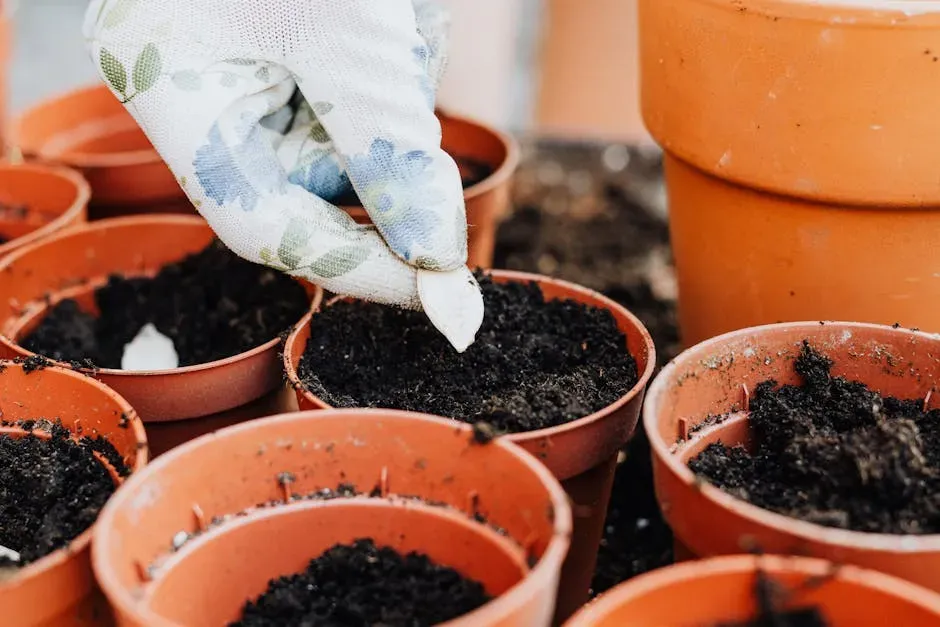
Starting a first garden is one of the most rewarding things a person can do – but walking in blind is a recipe for frustration. The ten tips above aren’t complicated. They don’t require expensive equipment or years of experience. They just require a little forethought and the willingness to respect what plants actually need, rather than what we assume they need.
Pick the right spot. Feed your soil. Start small. Time your planting correctly. Water wisely. Space generously. Mulch consistently. These aren’t secrets – they’re fundamentals that too many beginners skip in their excitement to get growing.
The most experienced gardeners in the world still follow these same principles. They’ve just stopped thinking about them consciously. Your job in year one is to make them habits. Once you do, the garden stops feeling like a project and starts feeling like a relationship – one that grows deeper, and more rewarding, every single season. So, which of these tips surprised you most? Drop it in the comments – we’d love to hear.

- 10 Remarkable Facts About the African Cheetah: The Lightning of the Grasslands - July 29, 2026
- 10 Most Heroic Horses in History - July 29, 2026
- Why You Should Never Play Dead When Attacked by a Black Bear - July 29, 2026