
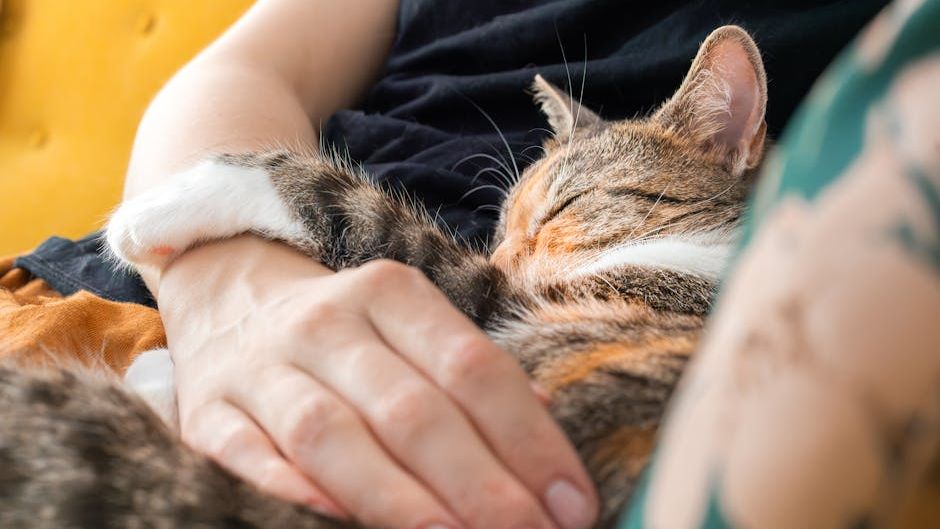
Cats have a reputation. Cold. Aloof. Indifferent. The kind of creature that looks at you like you’re mildly inconvenient and then walks away to sit on your laptop. If you’ve ever sat with a cat and thought, “does this animal even like me?”, you’re in very good company. Honestly, most cat owners have had that exact crisis at least once.
Here’s the thing though: cats do love. Deeply, actually. They just speak a completely different emotional language than dogs, or even humans. Their affection isn’t loud. It isn’t obvious. It’s subtle, layered, and honestly, once you learn to read it, it’s kind of beautiful.
Let’s dive in.
The Slow Blink That Says Everything
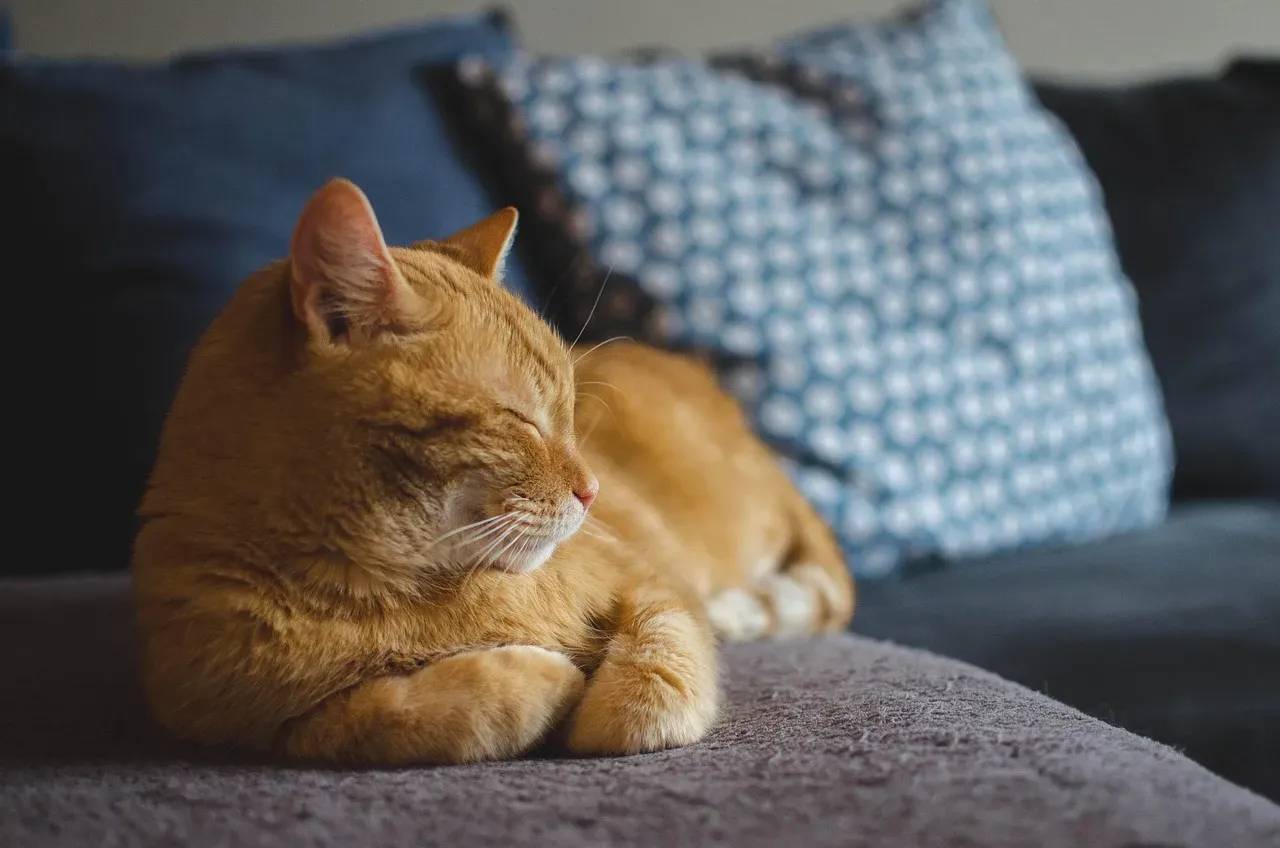
Think about how unsettling it feels to have someone stare at you without blinking. In the animal kingdom, an unblinking stare is often a sign of dominance or aggression. So when your cat does the opposite, it means something significant.
Slow blinking is one of the ultimate signs of trust that your cat can give you. When your cat looks at you and slow blinks, they are relaxing their guard – after all, a cat in the middle of a slow blink is vulnerable at that moment.
A 2020 study published in Scientific Reports found that cats respond positively to slow-blinking from humans. This non-verbal cue signals trust and affection. It’s essentially a feline kiss delivered without any physical contact whatsoever. Try slow-blinking back next time. You might be surprised what happens.
Kneading You Like You’re Bread Dough
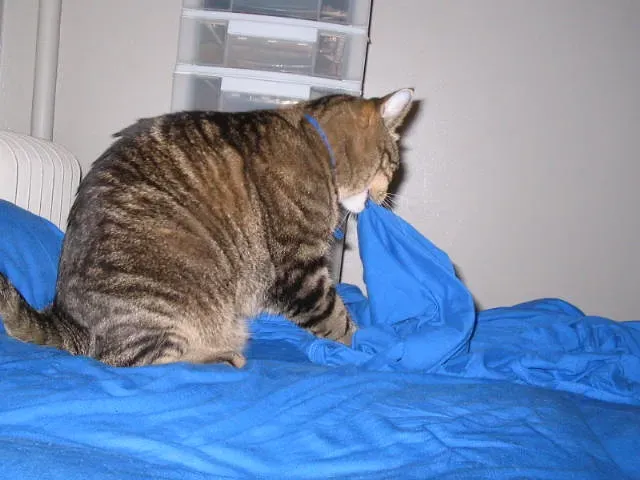
If your cat rhythmically presses their paws into your lap, your stomach, or occasionally your face at 3am, this is not random weirdness. It has a name, a history, and a meaning that’s genuinely sweet.
Kneading, also called “making biscuits,” happens when a cat presses their front paws up and down on a surface. It’s an instinctive behavior left over from their kittenhood. Kittens knead their mother to help stimulate milk production while nursing, and so it’s an act associated with comfort.
This regression to kittenhood behavior suggests your cat views you as a parental figure and source of safety. Feline behaviorists note that the more vigorous and frequent the kneading, the stronger the emotional bond your cat likely feels toward you. So yes, those tiny claw jabs are basically love letters. Painful, puncture-y love letters.
Head Bunting – When They Butt You With Their Face
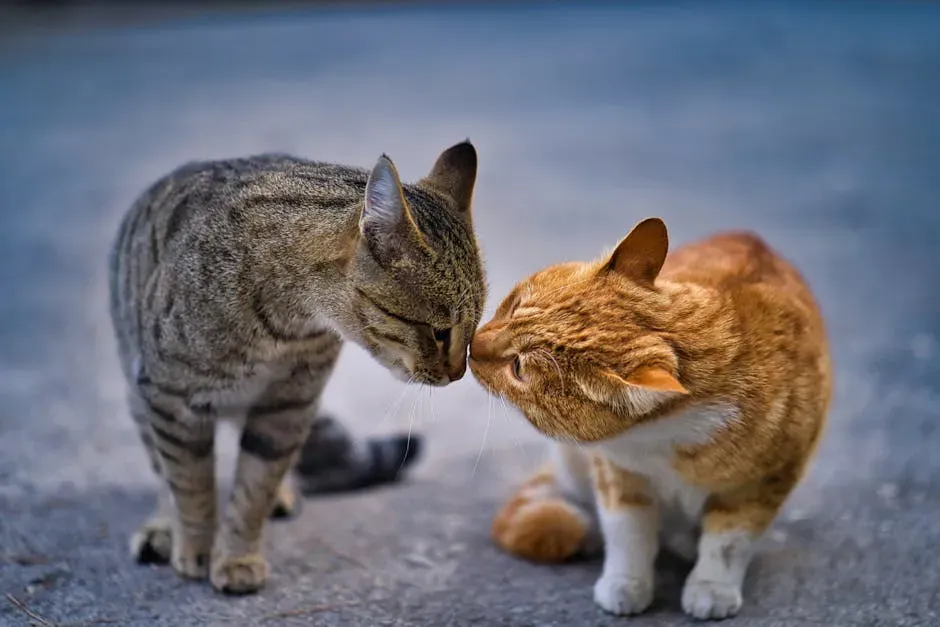
Your cat walks up and presses their forehead into your chin, your knee, your hand. It’s oddly endearing. It also has a very specific purpose rooted in how cats define family.
When your cat bumps their head against you, a behavior known as “bunting,” they’re engaging in an intimate greeting ritual. Through this action, cats deposit facial pheromones from scent glands located around their cheeks, chin, and forehead. These pheromones serve as a form of olfactory marking, essentially labeling you as their territory. Far from being possessive in a negative sense, this marking is your cat’s way of creating a unified group scent that signals to other animals that you belong together.
When they headbutt you, they are essentially seeing you as one of their family. They are trying to combine their smell with yours. In cat language, that’s love. It doesn’t get much more straightforward than that, honestly.
The Gift of a Dead Mouse (or a Sock)
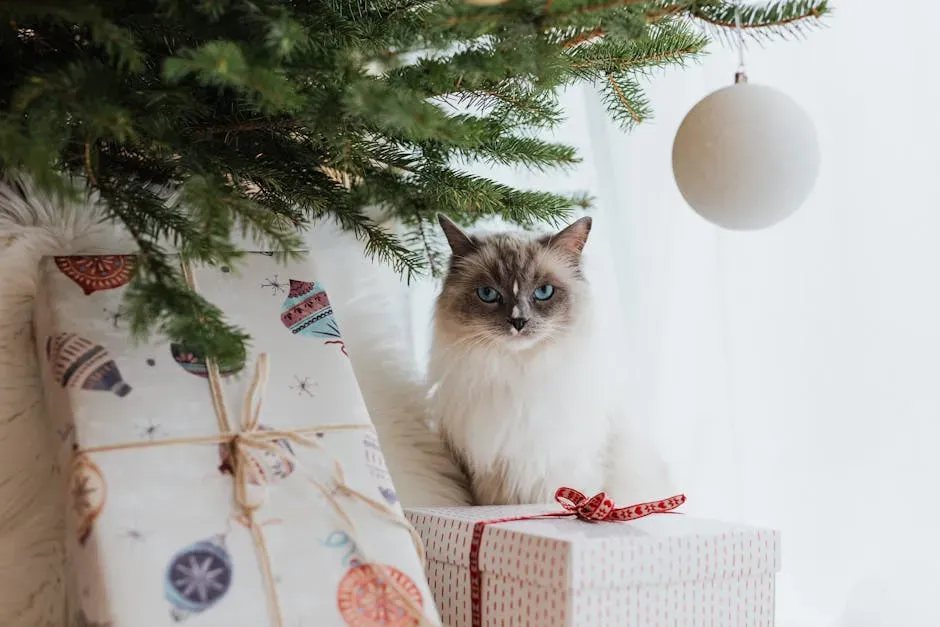
Okay, I won’t pretend this one is easy to appreciate. You wake up, pad to the kitchen, and there’s a half-eaten bird on the floor. Your first instinct is probably not gratitude. But stay with me here.
If your cat brings you toys or even a dead mouse, they’re sharing love by giving you a gift. In the wild, cats bring prey to their family – this is your cat’s way of doing the same.
Food is a “precious commodity” for cats, and most of a cat’s time is spent hunting. When it comes to sharing their bounty, they do so only with those closest to them. It’s a sign of them caring for you. Think of it like your cat handing you a bouquet. A horrifying, feathered bouquet. The intention is love, even if the execution is deeply questionable.
Following You Absolutely Everywhere
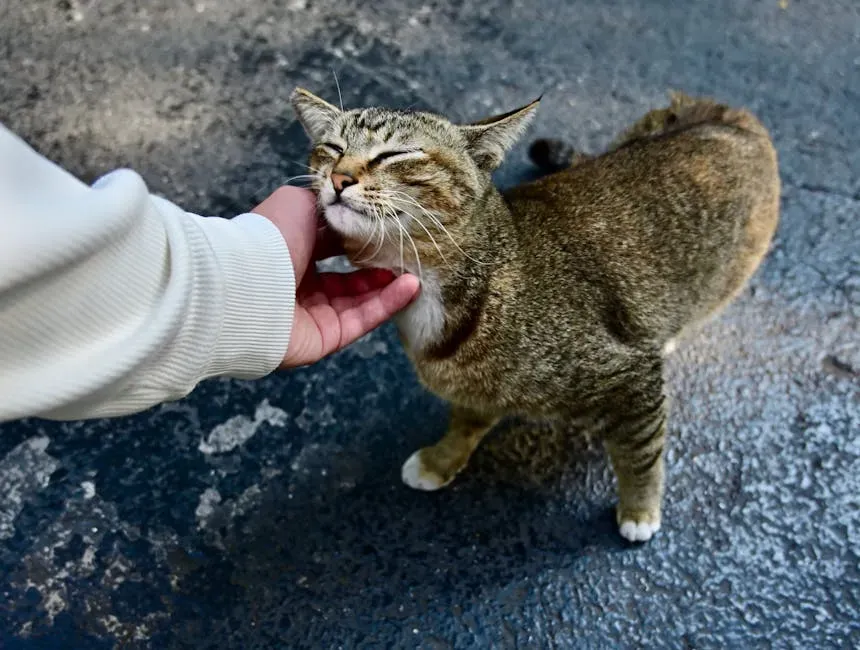
The bathroom. The kitchen. Down the hall. Into the hallway again. If your cat shadows your every move like a tiny, furry detective, you might wonder if it’s obsessive. It’s not. It’s affection.
Many pet parents might find it odd that their cats follow them everywhere, even right into the bathroom. This just means that your cat wants to spend more time with you. A cat that enjoys your company and feels comfortable around you is going to follow you around the house.
One of the most obvious signs of a cat’s strong attachment is their tendency to follow you from room to room like a furry shadow. This behavior, often called “velcro cat syndrome” by veterinarians, indicates strong attachment. You are their favourite place to be. That’s worth something.
Sleeping On You or Pressed Right Against You
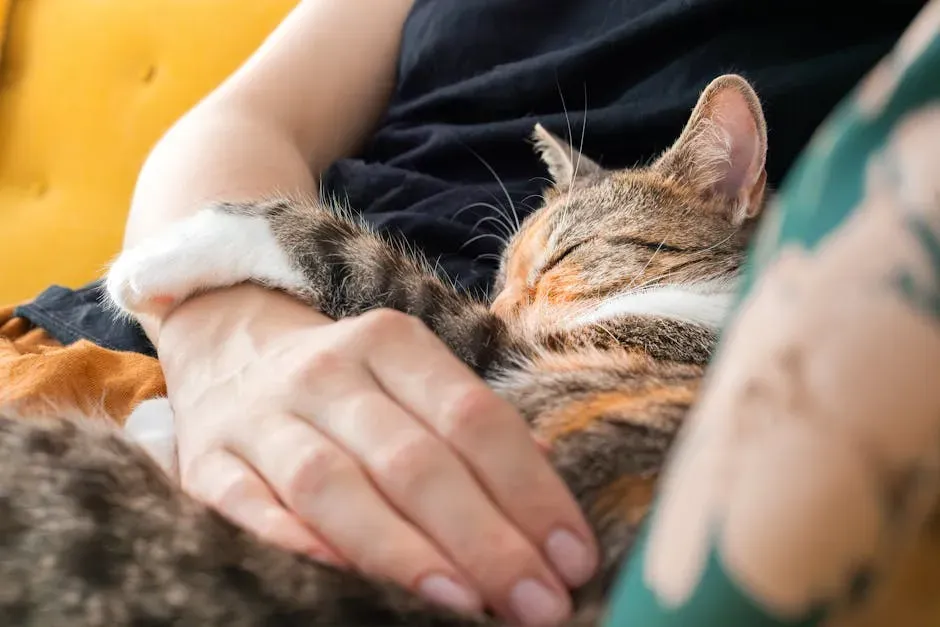
Cats sleep a lot. We’re talking somewhere between ten and fifteen hours a day, on average. And they are incredibly particular about where they do it. Safe, warm, protected. That’s what they look for.
Cats feel most vulnerable when they sleep. If your cat curls up on you or next to you, it means they trust you and enjoy being with you.
Cats are most vulnerable while sleeping and choose places that are safe and secure. There is no better compliment than a cat who chooses to fall asleep on you. This means they are completely comfortable with you and trust they are in safe and loving hands. So the next time your cat turns you into a human mattress, take it as an extreme compliment.
Grooming You With That Sandpaper Tongue
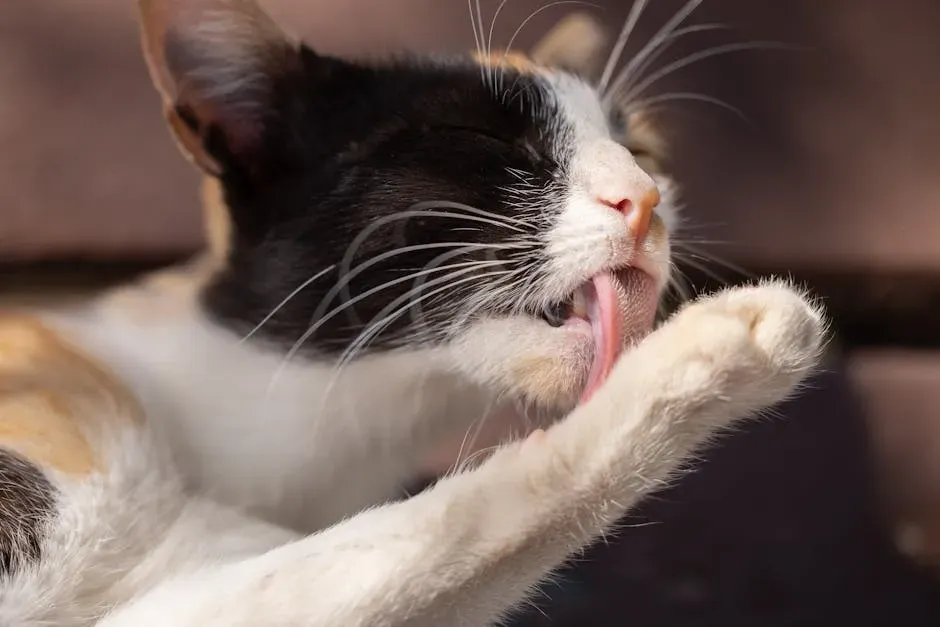
If your cat has ever licked your arm, your hand, or your hair, you know that their tongue feels exactly like rough velcro dragged across your skin. Not exactly relaxing. Yet the meaning behind it is genuinely touching.
While the sandpapery lick of your cat’s tongue on your skin is not the best spa experience, it’s actually a sign of affection. Cats groom each other socially, a practice known as allogrooming, to express love and friendship. It’s also a way to mark their territory. Cats have scent glands around their mouth that produce pheromones. When they groom you, they’re marking you as their own.
Grooming acts such as licking a human’s hair or ears shows a cat trusts that person and considers them a close companion. As a sign of friendship, it’s an honour if your cat licks you – you’re considered part of their family. Think of it as a membership card. A scratchy, slightly damp membership card to your cat’s inner circle.
Meowing Just for You
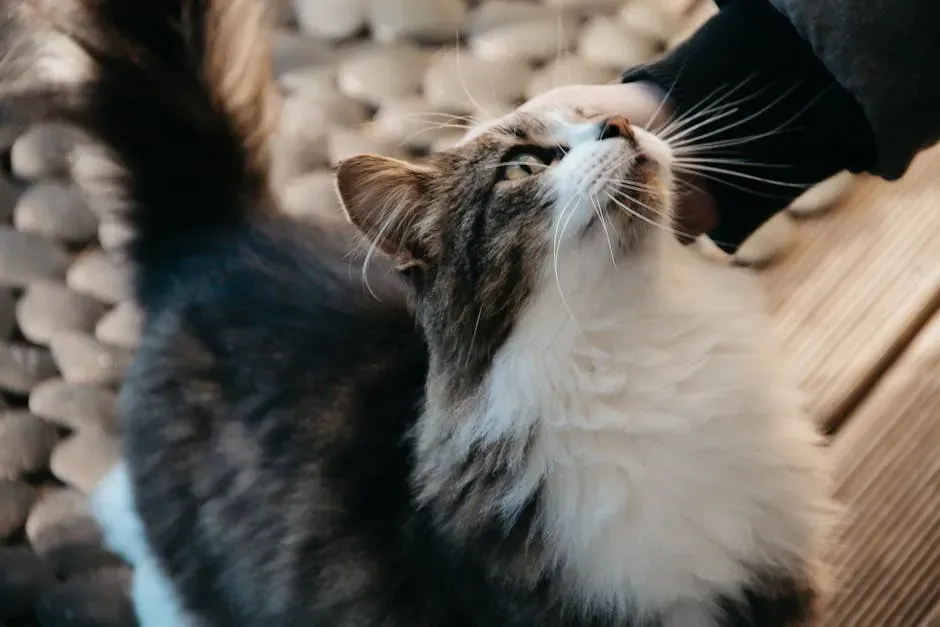
Here’s something most people don’t know: cats don’t actually meow at each other. They basically invented it for us. That little vocal habit your cat has of chatting you up when you come home or demanding breakfast at an unreasonable hour? That’s a tailored communication designed specifically for human interaction.
Adult cats rarely meow at other cats – they primarily use meows to communicate with humans. Meowing is a behavior typically reserved for communicating with their mother during kittenhood. When your cat meows at you, it is a special, intimate vocalization that suggests they view you as their caretaker.
Normally, cats do not communicate with each other through meowing. Primarily, they save this vocal behavior for their interactions with humans. So every meow directed at you is essentially a sentence spoken in a language your cat developed just for your relationship. That’s a pretty remarkable thing to sit with.
Showing You Their Belly
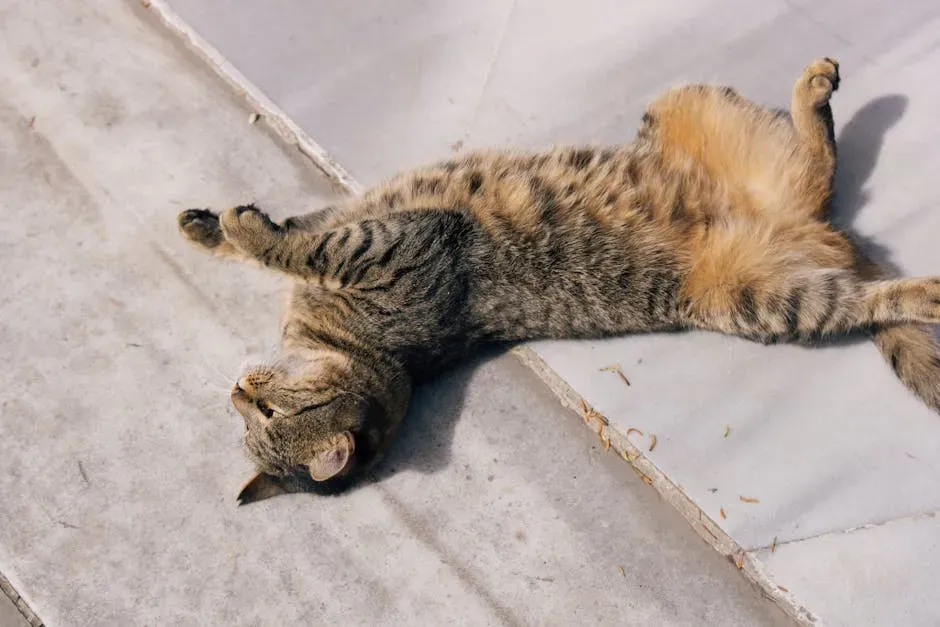
A cat’s belly is their most vulnerable spot. Organs close to the surface, no protective spine. Rolling over to expose it is not casual. It is a deliberate act of trust toward someone they feel entirely safe with.
If your cat rolls over and shows their belly, they feel safe and comfortable with you. Their bellies are extremely vulnerable and are only exposed to those they trust.
Cats will only expose their bellies to someone they trust. Don’t necessarily go in for a pet right away, because usually it’s only for looks – and you run the risk of being clawed. If your cat really loves you, however, they might let you rub their belly. It’s a display of emotional safety first, and a petting invitation second. Read the room, or rather, read the cat.
Simply Choosing to Be Near You
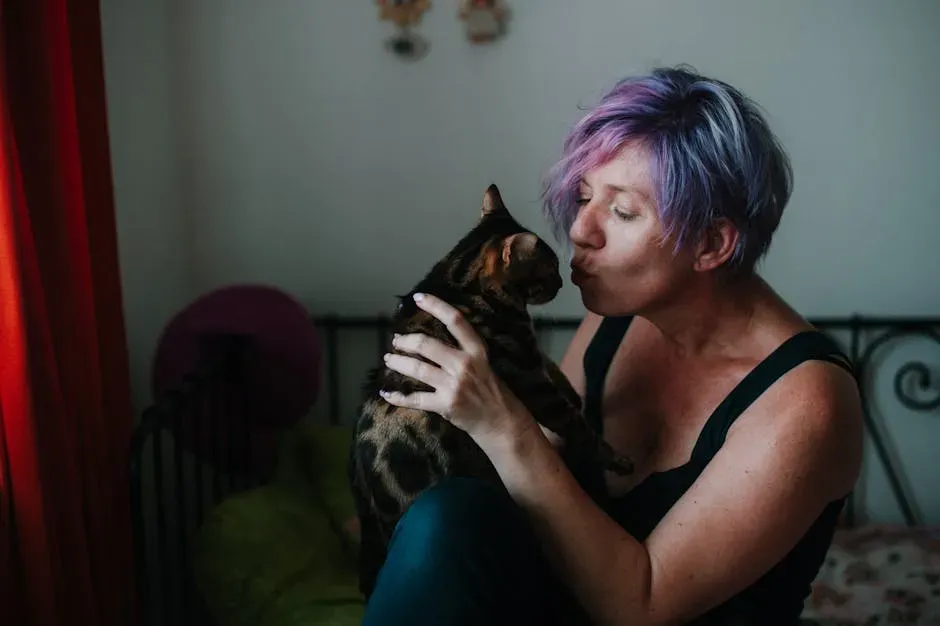
This one is easy to overlook, and I think it might actually be the most meaningful of them all. Your cat could be anywhere. The sunny windowsill. The top of the bookshelf. The laundry pile in the corner. Instead, they choose the cushion two feet from where you’re sitting.
A cat doesn’t have to be in your lap to show love. Sitting near you is also a meaningful choice. Cats are selective about where they spend their time. Their independence can be one of their most admired qualities. That makes choosing to share space with you a quiet but powerful sign of attachment.
Cats secretly show affection by sitting next to you, even if they have their back turned to you and are preoccupied with looking out the window. They chose to be near you. In a world where cats could choose anything, they chose you. Honestly, it’s hard to think of a better definition of love than that.
Conclusion: Your Cat Loves You More Than You Think
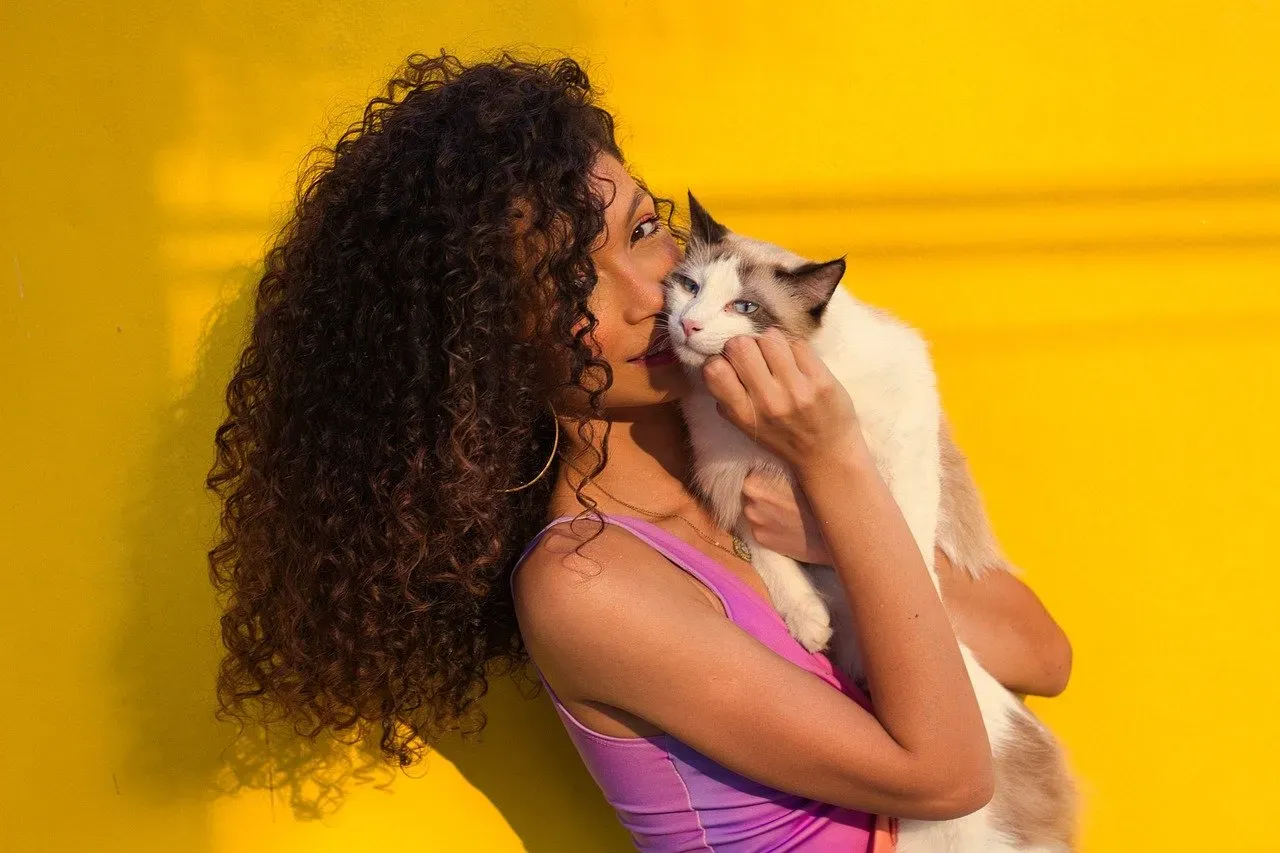
Cats are not broken dogs. They don’t love you less simply because they love you differently. Their affection is quieter, more considered, and built on something dogs rarely offer: genuine choice. A cat that stays near you, blinks at you slowly, kneads your lap, or drops a toy at your feet is not acting randomly. Every single one of those moments is intentional.
Cats show affection in ways that often go unrecognized by their caregivers because some people aren’t sure how cats demonstrate their love. Since cats express their affection in ways very different from people and other pets, it makes sense that we often miss these precious moments.
Once you start to see these signals for what they are, your entire relationship with your cat shifts. Those slow blinks feel like full sentences. The kneading feels like gratitude. The warm weight of a sleeping cat on your chest becomes something profoundly meaningful. The language was always there. You just needed the translation. Did you already recognize some of these signs in your own cat? Tell us in the comments which ones surprised you most.

- 10 Remarkable Facts About the African Cheetah: The Lightning of the Grasslands - July 29, 2026
- 10 Most Heroic Horses in History - July 29, 2026
- Why You Should Never Play Dead When Attacked by a Black Bear - July 29, 2026