
Most of us grow up imagining birds as nature’s gentle soundtrack. A cheerful chirp here, a melodic warble there. Peaceful. Predictable. Honestly, a little boring when you know what’s waiting on the other end of the spectrum.
Because here’s the thing: some birds out there sound like broken machinery, wailing ghosts, or something pulled straight from a horror film set. Hearing them in the wild, especially at night, is the kind of experience that stops you dead in your tracks and makes you question what on earth you’re standing near.
These eight birds carry calls so bizarre, so surprisingly unsettling or hilariously strange, that even seasoned birdwatchers do a double take. So let’s dive in.
1. The Superb Lyrebird: Nature’s Most Audacious Impersonator
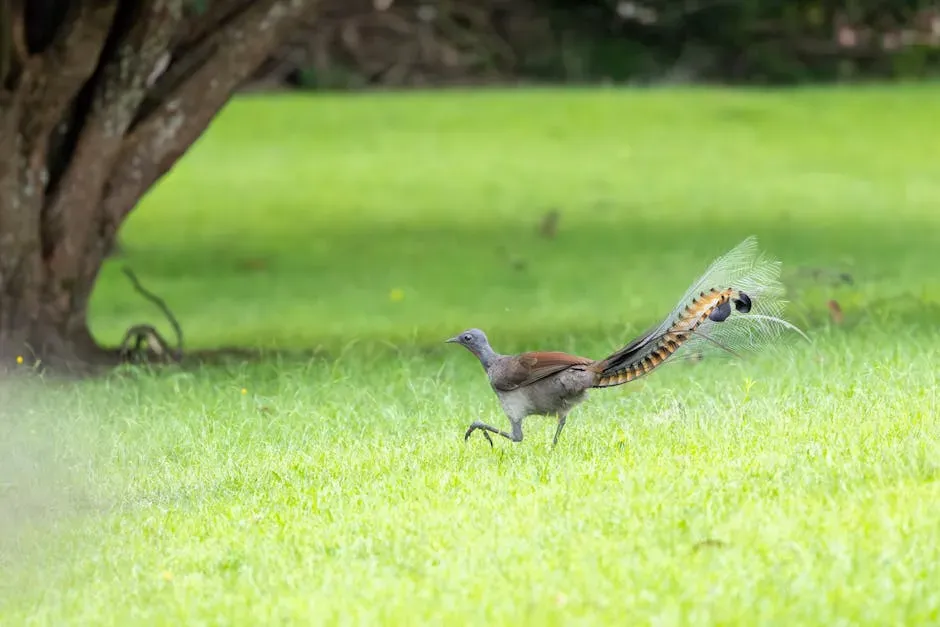
If there’s one bird that could pass an audition for literally anything, it’s the Superb Lyrebird of southeastern Australia. This bird doesn’t just sing. It performs. And the range of what it can imitate will genuinely make your jaw drop.
Lyrebirds have been recorded mimicking human sounds such as a mill whistle, a cross-cut saw, chainsaws, car engines, car alarms, fire alarms, rifle shots, camera shutters, dogs barking, crying babies, music, mobile phone ringtones, and even the human voice. Let that list sink in for a moment.
The superb lyrebird is renowned for its elaborate vocal mimicry, with an estimated seventy to eighty percent of the male’s vocalisations consisting of imitations of other species, mostly other birds but occasionally marsupials. It doesn’t just copy sounds passively either. The mimicry of the superb lyrebird is highly accurate, with even the model species at times unable to distinguish between model song and mimicked song.
What’s even more fascinating, and a little unsettling, is how it uses this talent strategically. The flock mimicry may not be about wooing a female, but deceiving her into believing a predator is nearby. Such a tactic by this “master illusionist” might enhance the chance of a successful mating by keeping the female close. So yes, this bird literally lies to get a date.
2. The Barn Owl: A Scream That Haunts the Night
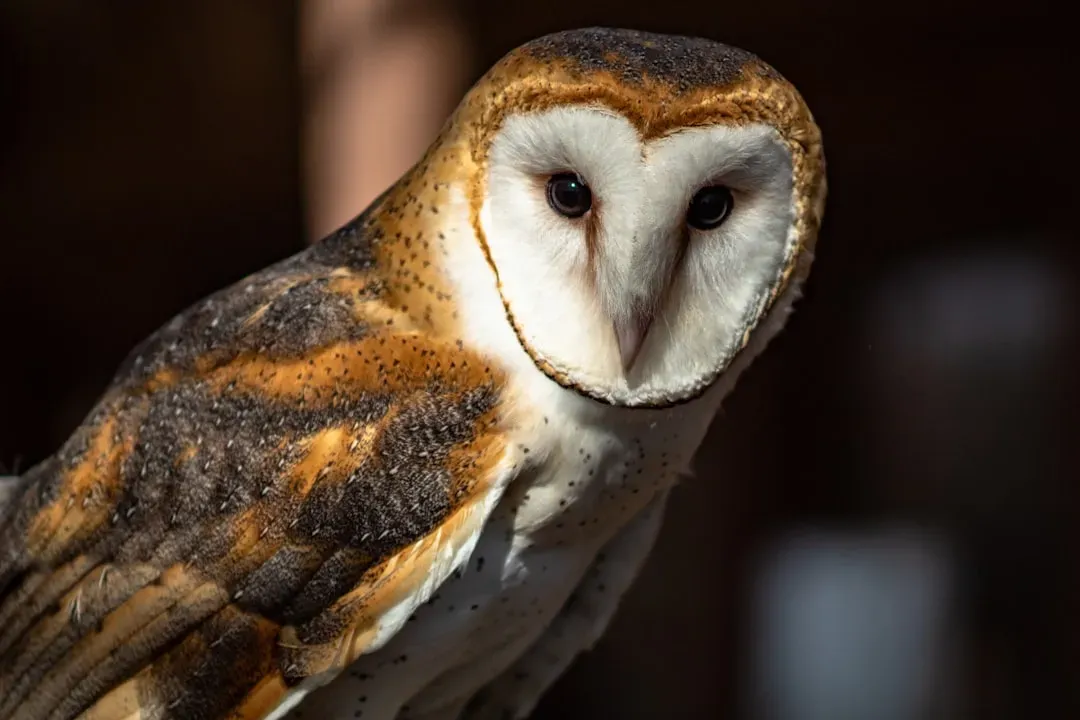
Forget everything you think you know about owls. The classic “hoot” you imagine? That belongs to a completely different bird. The barn owl operates on a whole other level of terrifying.
American Barn Owls don’t hoot the way most owls do. Instead, they make a long, harsh scream that lasts about two seconds, made mostly by the male, who often calls repeatedly from the air. Imagine hearing that on a dark country road with no streetlights nearby.
The bird is known by many common names that refer to its appearance, call, habitat, or its eerie, silent flight: white owl, silver owl, demon owl, ghost owl, death owl, night owl, screech owl, and hissing owl, among others. That list of nicknames alone tells you everything you need to know about the reputation this bird carries.
There are five main categories of barn owl calls: screams, snores, hisses, chirrups and twitters, and other calls. The scream category consists of the advertising call, a drawn-out gargling scream, the distress call, a series of drawn-out harsh screams, and the warning call, a high-pitched scream. It’s basically a full catalogue of nightmare fuel.
3. The Great Potoo: A Ghost Bird with a Human-Like Wail
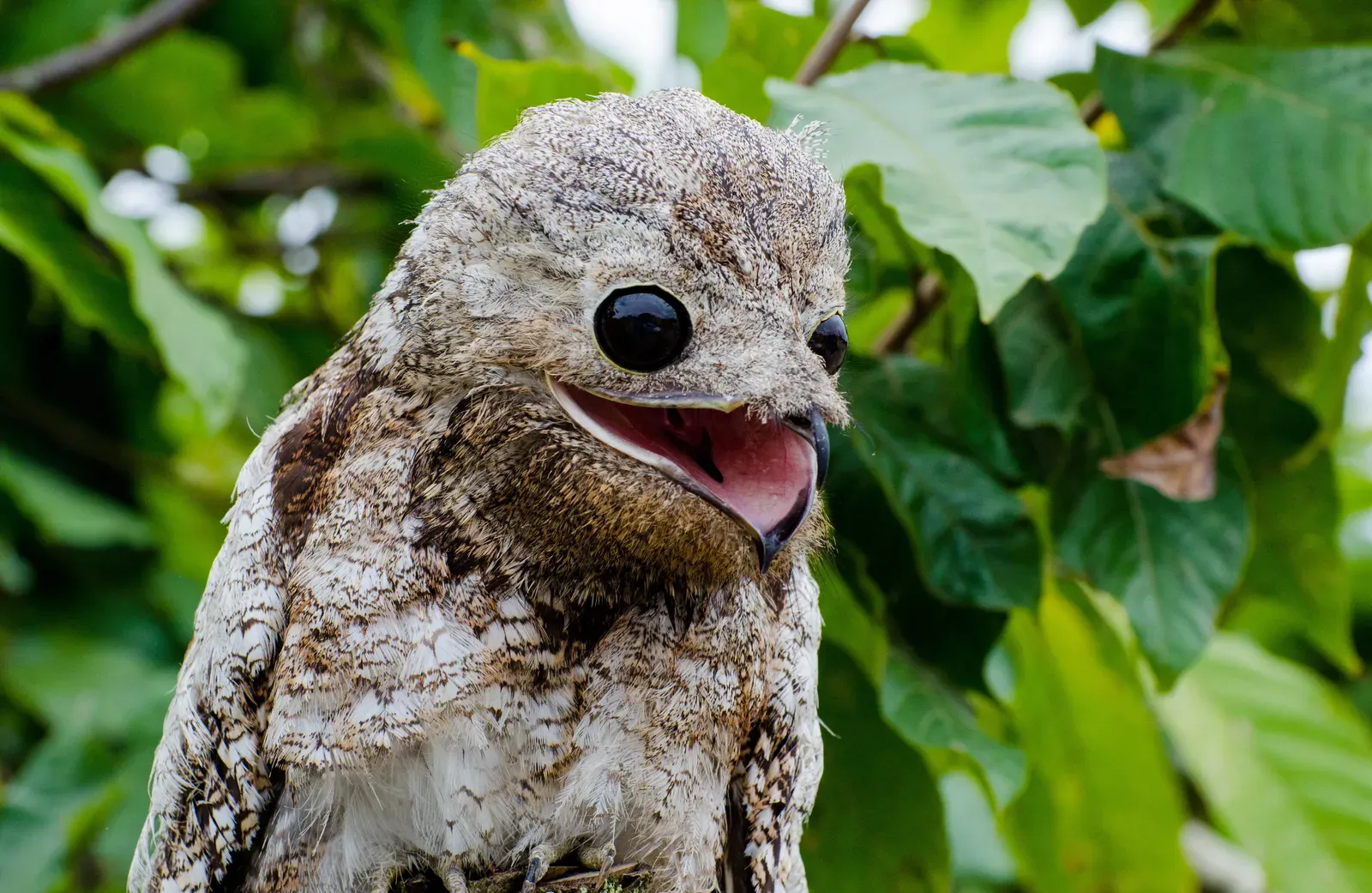
Deep in the rainforests of Central and South America, there lives a bird so strange in appearance and so chilling in sound that many locals across its range have woven it into folklore about spirits and lost souls. That bird is the Great Potoo.
This usually solitary creature may look similar to an owl, but is not related. This monogamous bird has an ominous moaning and guttural growl. But it goes further than that. Its signature, haunting cry is the Potoo bird’s most famous vocalization, a drawn-out, descending call that can send shivers down even the most seasoned adventurer’s spine.
It’s less a conventional bird song and more a spectral wail, echoing through the canopy with an unforgettable, bizarre quality that makes you wonder if you’ve stumbled into an avian horror flick. I think that’s the most accurate description of any bird call I’ve ever read. Walking through jungle at dusk and hearing this would stop most people cold.
4. The White Bellbird: The Loudest Call on Earth
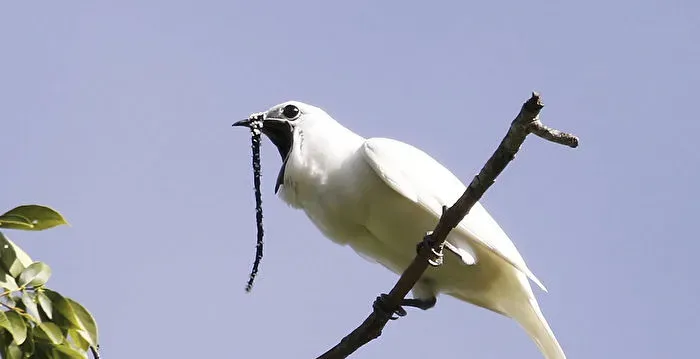
Volume is its own kind of strangeness. When a bird’s call reaches levels comparable to industrial equipment, something remarkable, and frankly alarming, is happening in the natural world.
The white bellbird holds the record for the loudest bird call and has been recorded at 125 decibels, the equivalent of a pneumatic drill. Found in the mountains of the north-eastern Amazon, it’s thought that the bird’s industrial alarm-type call works to attract a mate.
The sheer power and unique, almost alien quality of the Bellbird’s call make it an absolute showstopper for anyone lucky, or perhaps unlucky if you’re standing too close, enough to hear it. For seasoned birdwatchers and amateur naturalists alike, identifying a Bellbird by sound is often one of the easiest, and most thrilling, experiences. Imagine a tiny bird producing the noise equivalent of standing next to a jackhammer. Nature has a seriously wild sense of humor.
5. The Laughing Kookaburra: Jungle Laughter at Sunrise
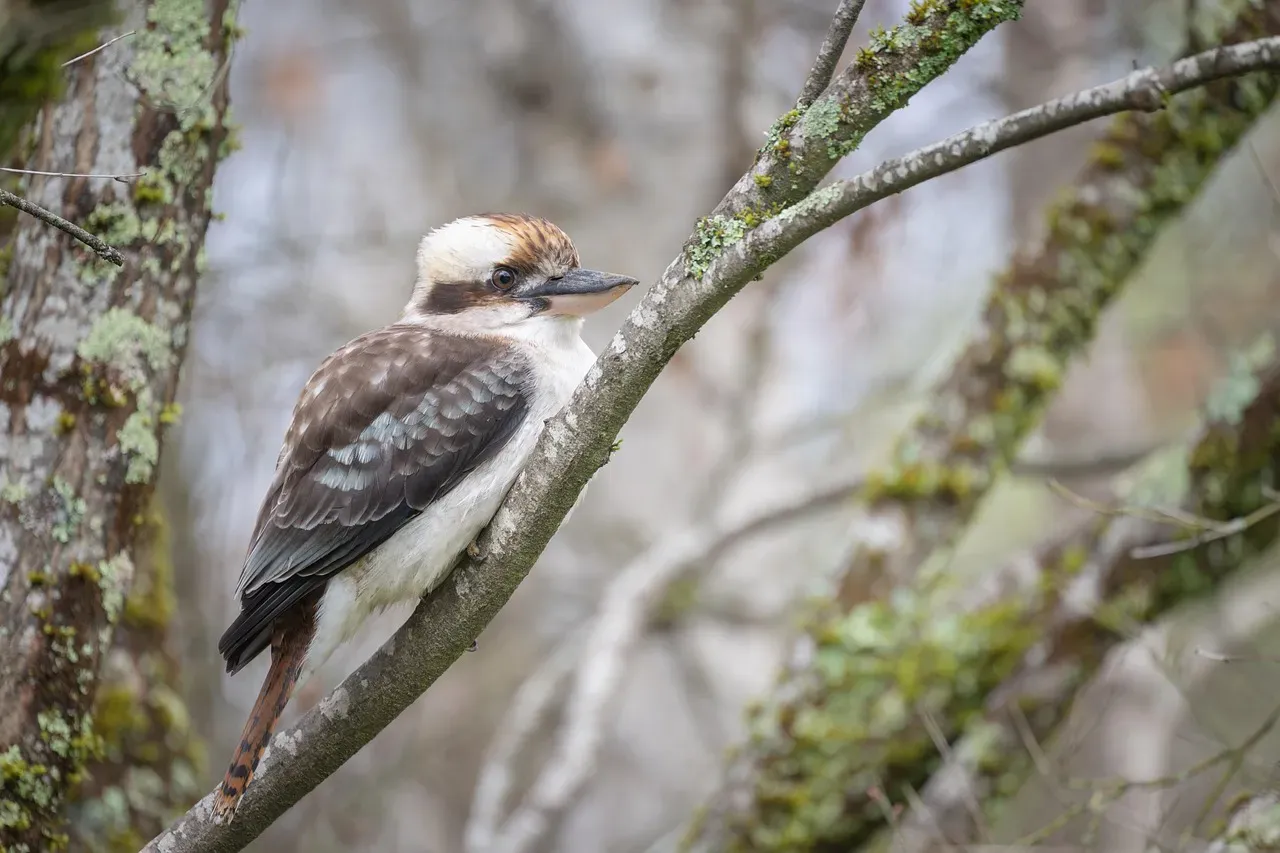
If you’ve ever heard a sound that could only be described as a slightly unhinged person laughing in the middle of the forest, congratulations, you’ve probably heard a kookaburra. This iconic Australian bird has one of the most instantly recognizable, and wonderfully absurd, calls in the entire animal kingdom.
This pint-sized bird is native to woodlands and open forests in Australia. The Laughing Kookaburra keeps the same territory year-round, and when you hear them “laugh,” it is used to signal their territory to other birds with their distinctive call.
It is well known for intense, penetrating vocalizations, deep, pealing laughs, which may resemble human laughter. This call is used to mark a territory and to get in touch with other kookaburras. The call is so startling and human-like that it was famously used as background jungle sound in old Hollywood movies set in Africa or Asia, even though the bird lives nowhere near those places. Hollywood, honestly.
6. The Willow Ptarmigan: A Cartoon Character Escaped into the Wild
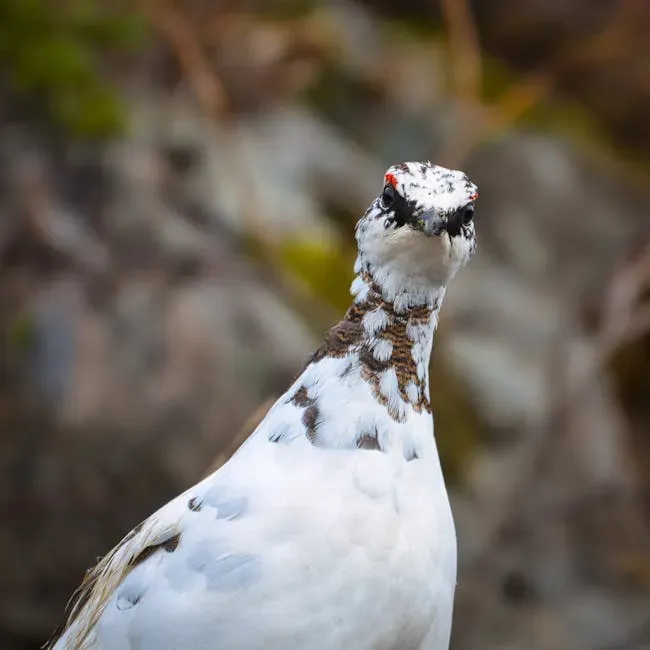
Some birds sound menacing. Some sound eerily human. The Willow Ptarmigan, on the other hand, sounds like something a cartoon writer invented after a particularly creative afternoon. It’s bizarre in the most delightful, utterly baffling way.
The fluffy white ptarmigan sounds more like a cartoon character than an actual bird. This is not a flippant assessment. In the ridiculous-sounding-birds contest, the Willow Ptarmigan wins by a landslide. It sounds more like a cartoon character than an actual bird. Males use their nasally barks to impress females.
The Willow Ptarmigan is a tundra bird related to the Ruffed Grouse, and it was invariably the big winner in annual “Pick the Weirdest Bird Call in the World” contests. That last detail is everything. When actual experts and enthusiasts consistently vote it the strangest call out of thousands of candidates, you know this bird is operating on a completely different sonic wavelength from the rest of nature.
7. The Southern Cassowary: Infrasonic Rumbles from Prehistory
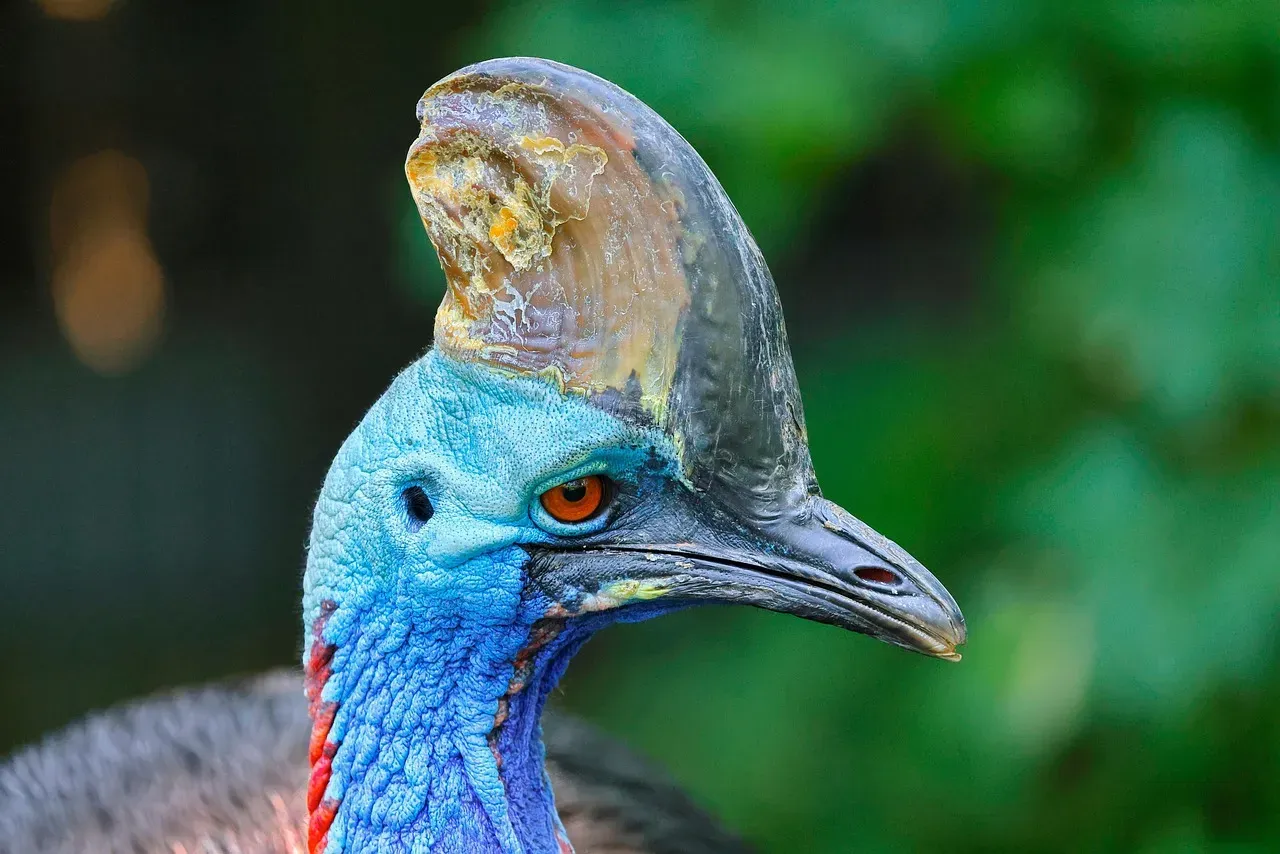
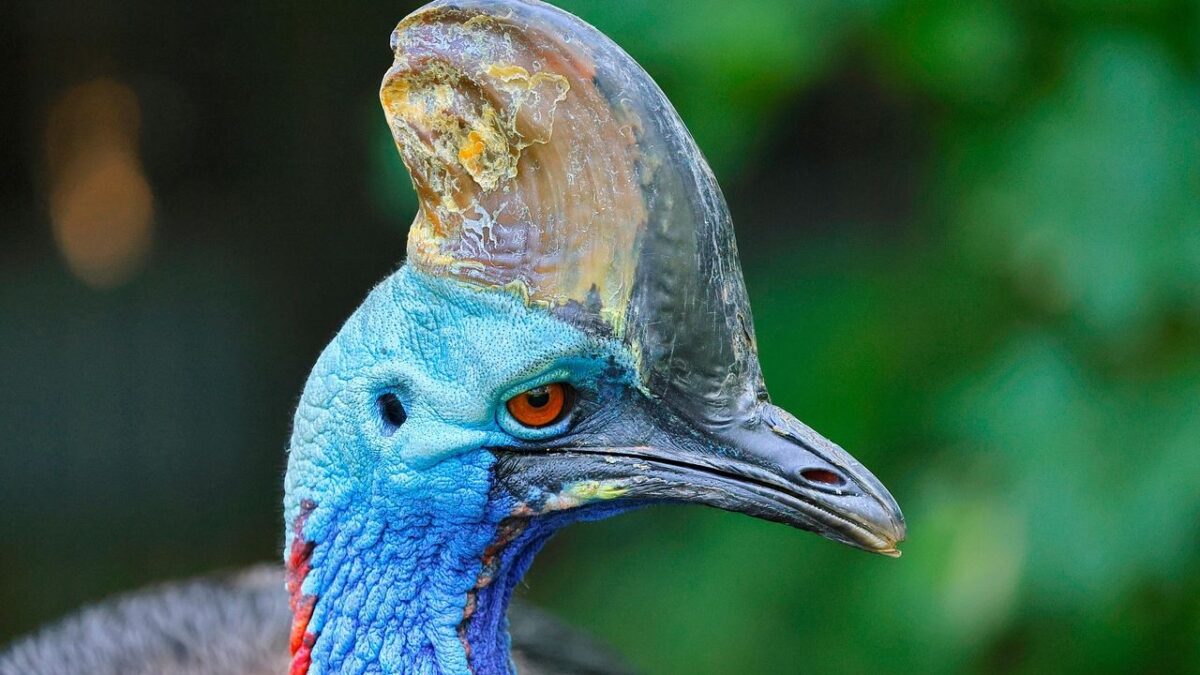
The Southern Cassowary is already famous for being one of the most dangerous birds alive, with razor-sharp claws and a temperament to match. Its call, however, adds a whole new layer of unsettling to the experience of encountering one.
During the breeding season, southern cassowaries communicate through infrasonic booms, low frequency sounds below the range of human hearing. The noises it produces sound more like the rumblings of an approaching predator rather than a bird. Either way, it’s probably something you’d prefer to avoid in the Australian rainforest, where they are found.
The Southern Cassowary is just one of several species in the Casuariidae family. Along with a lifespan of eighteen to twenty years in the wild, these large flightless birds are high jumpers, capable of reaching seven feet off the ground. The cassowary’s helmet-like casque is made of keratin, the same material that makes up our hair and fingernails, and the casque contributes to their low grunting noise. So you essentially have a prehistoric, casque-headed giant that communicates below the threshold of human hearing. Perfectly terrifying.
8. The American Bittern: A Foghorn Hidden in the Reeds
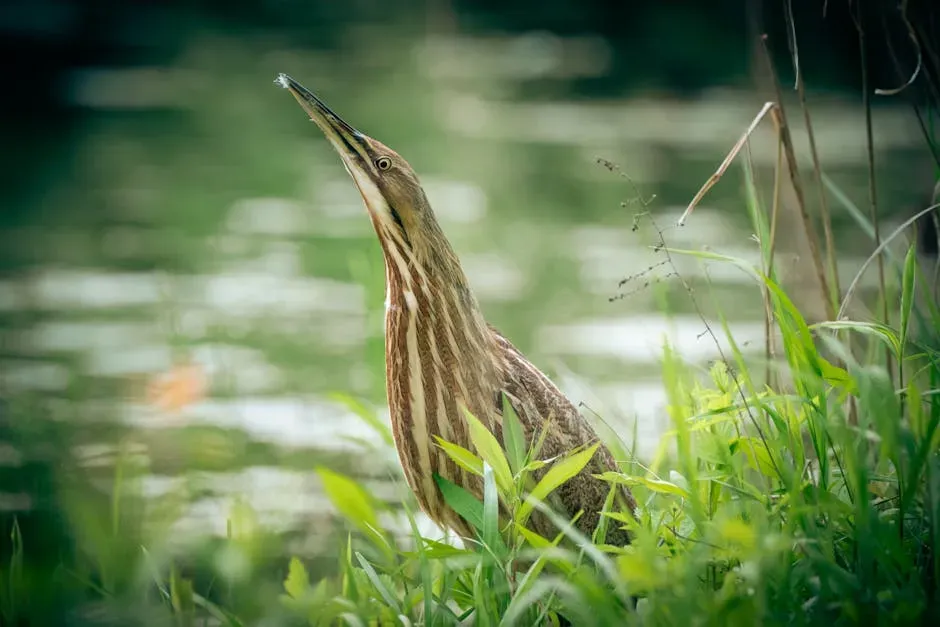
Here’s a bird that most people walk right past without ever seeing, simply because it’s a master of camouflage, standing perfectly still among the reeds of a wetland. Spot one, and it looks fairly unremarkable. Hear one, and everything changes.
The Australian bittern’s deep, booming call is truly unique and unexpected, often mistaken for a distant foghorn or even a plumbing malfunction. The American Bittern shares this incredibly strange vocal quality, producing a deep, pumping boom that seems to rise from the earth itself rather than from any creature with feathers and wings.
The sound of a dripping faucet may drive humans crazy, but for the American Bittern, it’s similar to a mating or territorial call. Bitterns are shy creatures that tend to hide out in the reeds, so their ability to resonate can be a bit of a bombshell. The sound carries across enormous distances too, rolling over the water like something industrial and mechanical.
Imagine standing at the edge of a vast, misty wetland at dusk. A deep, resonant sound shatters the quiet, a low, mournful boom that vibrates through the very ground beneath your feet. It sounds like a distant foghorn, perhaps an old, slow engine starting up, or even a giant, unseen drum being struck in the murky depths. That is the American Bittern. Hiding in plain sight. Booming like a machine.
The Natural World Has Its Own Soundtrack, and It’s Wild
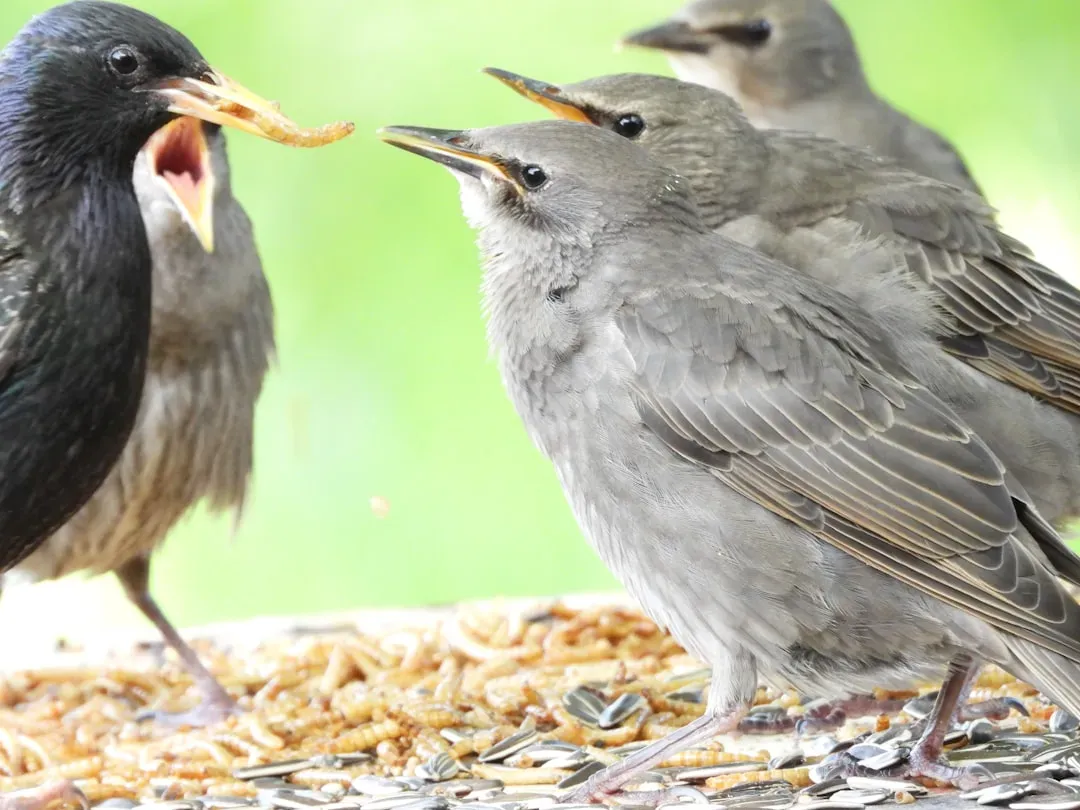
Honestly, this list barely scratches the surface of how strange avian vocalisations can get. The world of avian vocalizations is a realm far more complex, vibrant, and often downright bizarre than commonly imagined. Many of our feathered friends possess a vocal repertoire that can mimic everything from a whirring alien spacecraft to a cackling hyena, or even a chainsaw. These unusual bird calls defy typical expectations, challenging the very notion of what a bird sound should be and often leaving listeners utterly bewildered.
There’s something deeply humbling about realizing that the gentle, predictable birdsong we assume fills every forest is just one tiny slice of nature’s acoustic universe. Somewhere out there right now, a lyrebird is performing a perfect impression of a car alarm. A Potoo is wailing into the dark like a lost spirit. A Bittern is booming from inside a reedbed while hikers stare at each other in total confusion.
The next time you’re outdoors and hear something that makes absolutely no sense, pause before assuming it’s mechanical or human-made. Nature’s most surprising musicians might just be working their way through their setlist.
Which of these eight birds surprised you most? Drop your thoughts in the comments.

- 10 Remarkable Facts About the African Cheetah: The Lightning of the Grasslands - July 29, 2026
- 10 Most Heroic Horses in History - July 29, 2026
- Why You Should Never Play Dead When Attacked by a Black Bear - July 29, 2026