
We share this planet with millions of species. We’ve mapped the human genome, landed rovers on Mars, and built computers that can write poetry. Yet somehow, some of the creatures living right alongside us, swimming in our oceans or burrowing through our backyards, still manage to leave the world’s best scientists completely stumped. Honestly, that’s both humbling and thrilling.
The world still holds its secrets. Hidden under wet rocks, in the ocean’s twilight crevices, and in the minutiae of the genetic code are creatures unknown and unnamed by the human species. Some of these animals have been studied for decades. A few have been known to science for centuries. Still, the deeper researchers dig, the more questions pile up. Let’s dive in.
The Octopus: Nine Brains and Zero Answers
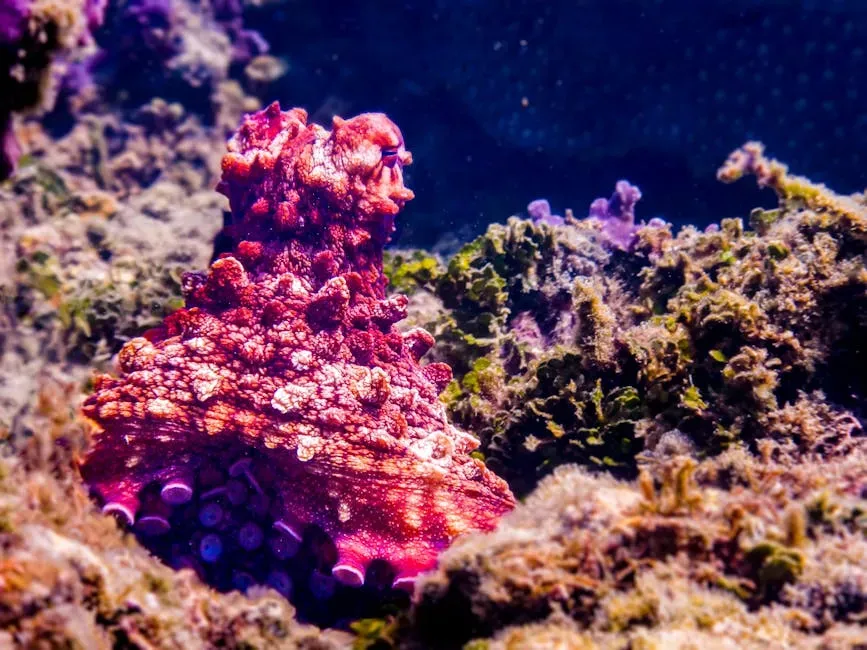
Here’s the thing about octopuses. The more we study them, the stranger they get, and I don’t mean that lightly. In September 2025, a landmark study published in Scientific Reports documented something marine biologists had long suspected but never quantified: octopuses don’t just have eight arms, they have eight semi-independent decision-making units, each capable of complex sensorimotor processing without central brain input.
The octopus doesn’t have a brain that controls a body. It is a body whose parts collectively generate intelligent behavior. Think about that. It’s less like a single computer and more like a Wi-Fi network, processing information simultaneously across every limb.
Octopuses have been caught on camera sneaking out of their tanks at night, eating fish in other tanks, and returning to their own tanks by morning as if nothing ever happened. Research has also demonstrated their ability to solve complex puzzles and recognize individual people. Whether or not they experience something we’d call consciousness remains one of science’s most genuinely open questions.
The Platypus: Evolution’s Greatest Practical Joke
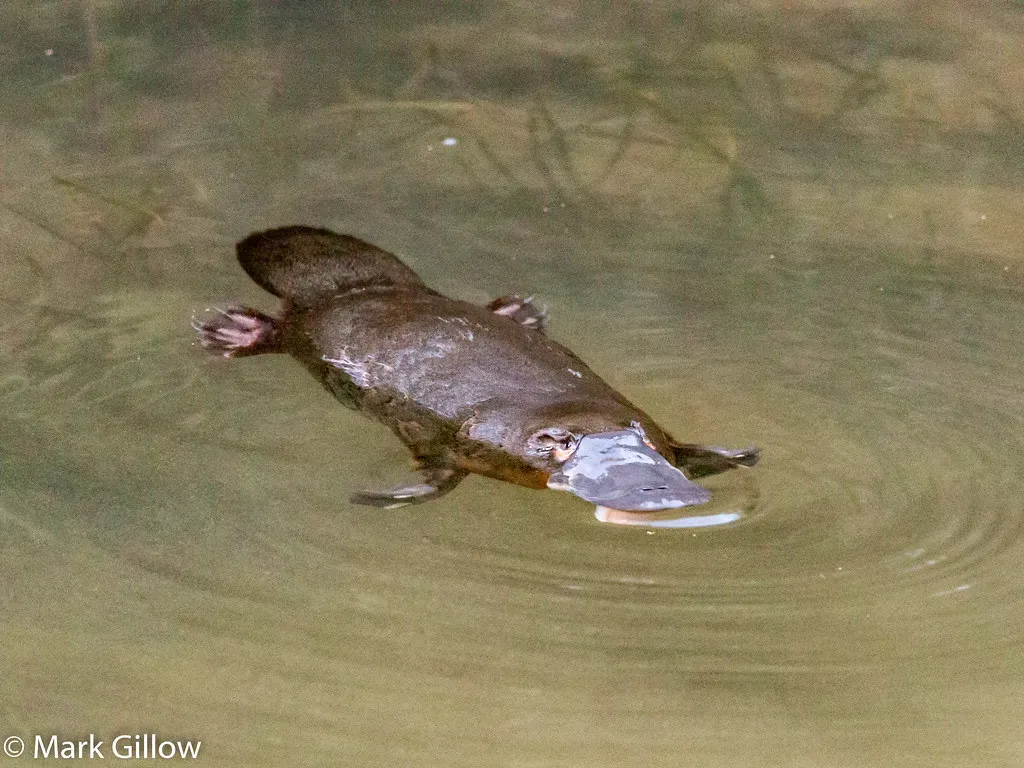
Few creatures have baffled science as deeply as the platypus. When European naturalists first discovered it in Australia, they thought it was a hoax, a duck’s bill stitched onto a beaver’s body. Even today, the platypus remains one of evolution’s most confounding creations.
It lays eggs like a reptile, nurses its young like a mammal, and hunts using electroreception like a shark. Males even have venomous spurs on their hind legs, the only mammals known to deliver venom. Its genetic code reads like a biological time capsule, blending traits of mammals, birds, and reptiles.
Towards the end of the summer the young emerge from the burrow, and their fate as young independent animals is still largely unknown. A creature this bizarre, and this well studied, still manages to hide basic facts about its life history from researchers. That takes some nerve.
The Blue Whale: The Largest Mystery on Earth
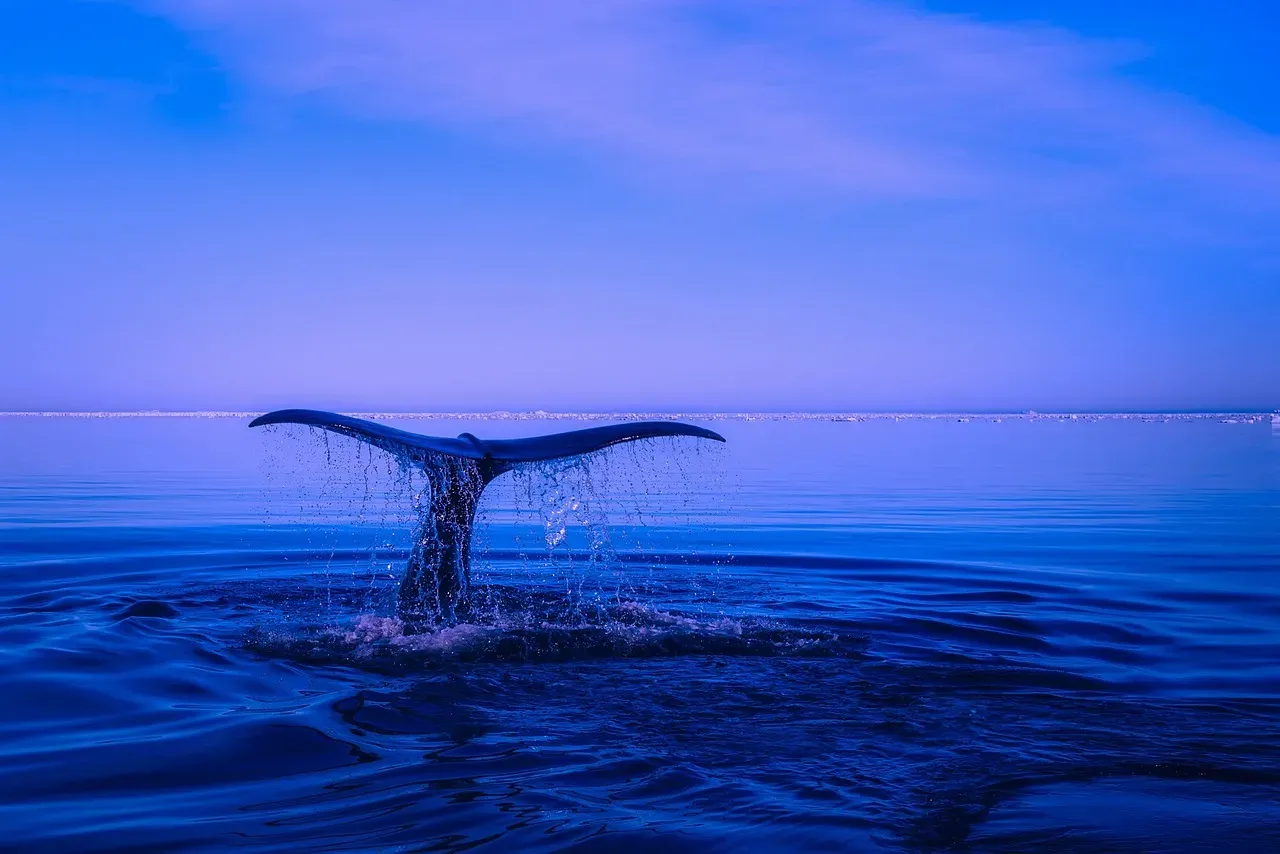
You’d think an animal the size of three school buses would be easy to keep tabs on. You’d be wrong. The blue whale is the largest animal that has ever lived on this planet. You would think that would make it relatively easy to track, but in fact it is a very reclusive and solitary animal. There is much we still don’t know about the social hierarchy and interactions of blue whales, but it is their mating and birthing habits that remain a total mystery.
Scientists don’t know how a female chooses a mate. Blue whale mating has never been documented. Not once. For the largest creature to ever exist on this planet, that is a genuinely shocking gap in our knowledge.
A lot remains unknown regarding breeding areas and patterns, but blue whales typically give birth in tropical or subtropical waters. We know roughly where they go to give birth, but not why they choose those places, how they find each other across thousands of miles of open ocean, or what courtship truly looks like. Remarkable.
The Axolotl: A Living Regeneration Machine We Can’t Crack
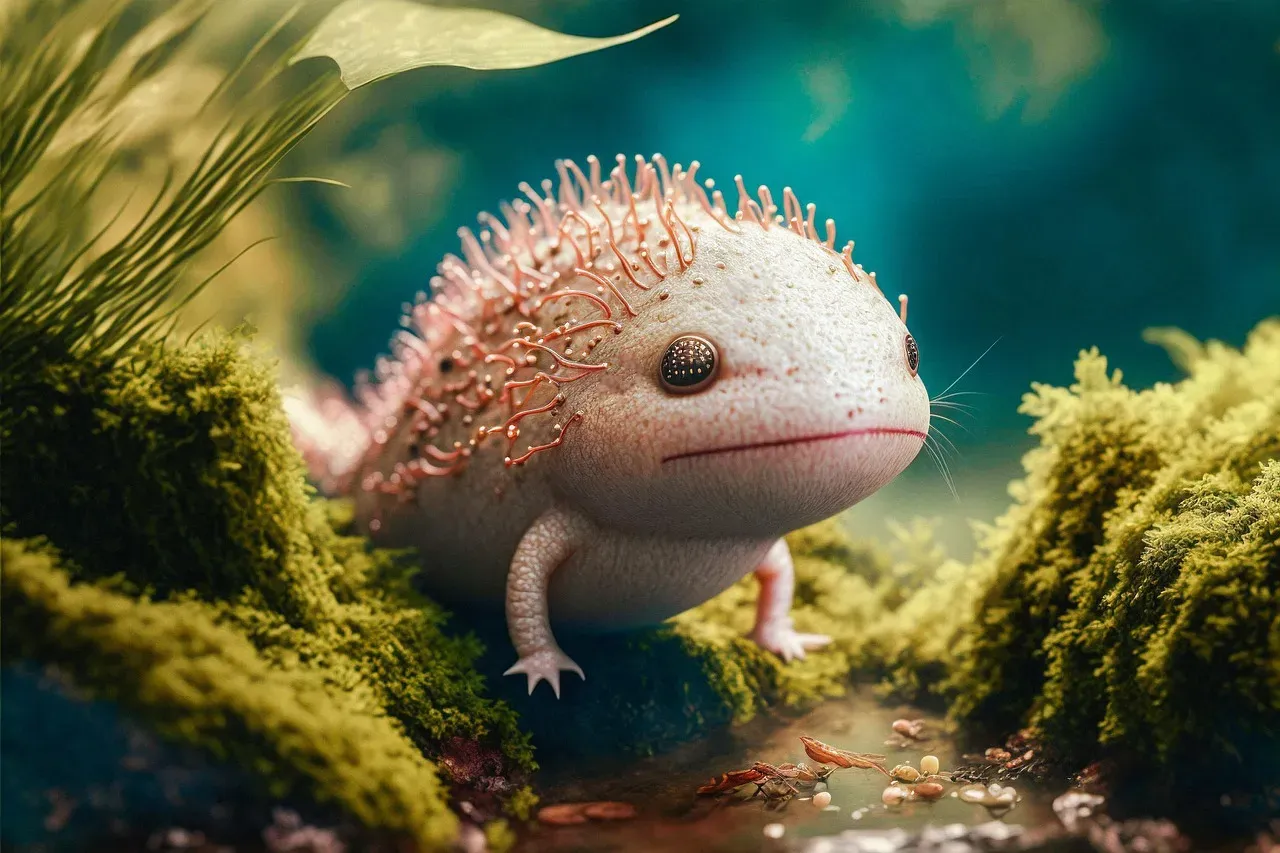
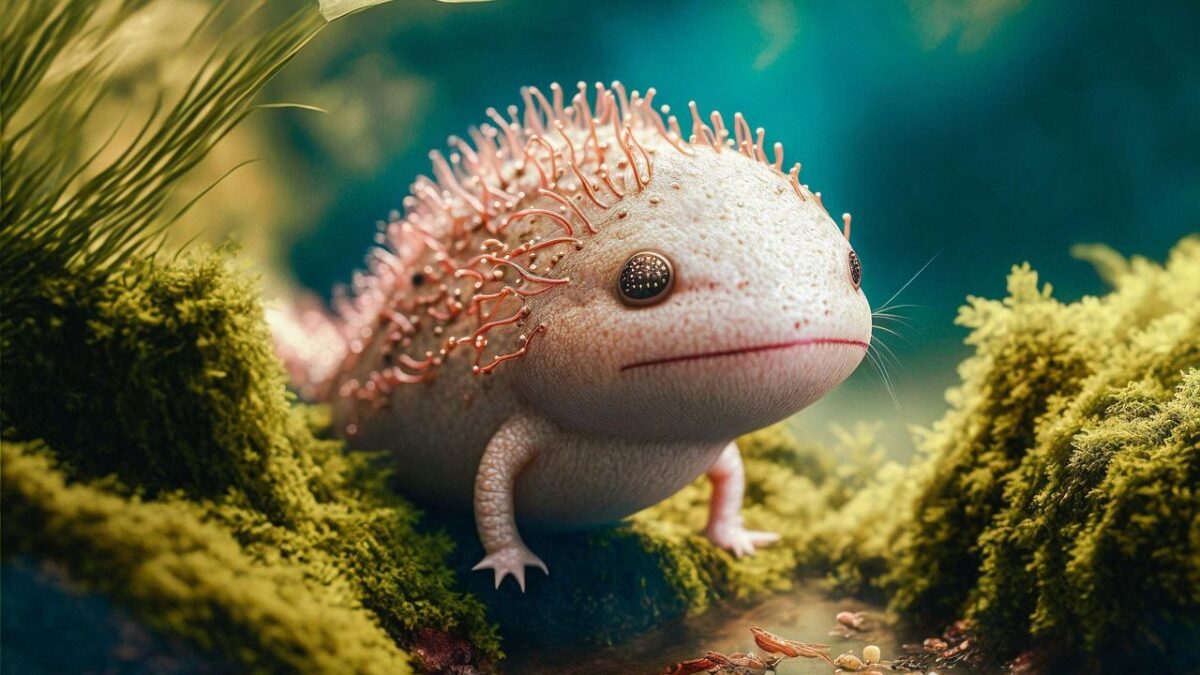
The axolotl, a type of salamander native to Mexico, is famous for its ability to regenerate lost body parts, a trait that has made it a subject of intense scientific study. Unlike other vertebrates, the axolotl can regrow complex structures such as limbs, spinal tissue, and even parts of its brain without scarring. This regenerative power, combined with its perpetual juvenile state, makes the axolotl a biological wonder that could hold the secrets to cellular regeneration in humans.
Understanding how axolotls achieve this could revolutionize medical science, particularly in healing injuries. Despite progress, the complexity of their regenerative mechanisms presents ongoing challenges, making the axolotl a symbol of hope and mystery in the field of regenerative biology.
Think of it this way. If we figured out what this small, odd-looking salamander does naturally, we might be able to help humans regrow fingers. Or heal spinal injuries. The stakes of this mystery are hard to overstate.
The Colossal Squid: A Giant We’ve Barely Seen
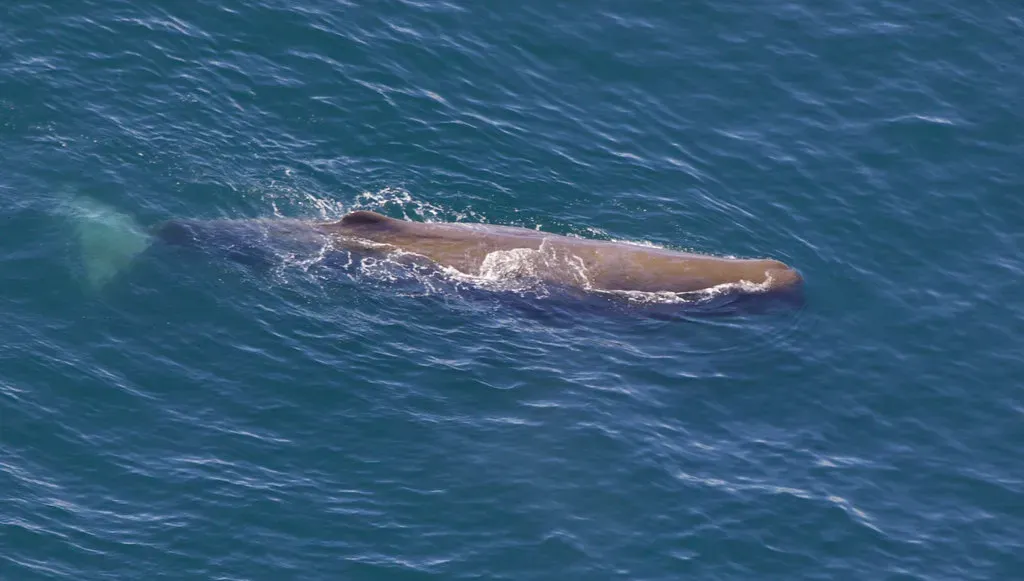
The colossal squid is perhaps the most elusive of all ocean dwellers. Known to inhabit the deep, cold waters of the Southern Ocean, this squid can grow up to 46 feet in length, making it one of the largest known invertebrates. Its eyes, the size of dinner plates, and equipped with rotating hooks on its tentacles, the colossal squid is a true behemoth whose life remains largely a mystery due to its inaccessible habitat.
Scientists know that in extreme ocean depths, species can grow significantly larger than their shallow-water counterparts. Examples include the giant squid, which can reach lengths of up to 43 feet, and the Japanese spider crab, with legs spanning almost 12 feet. We know such incredible growth happens, but the debate is ongoing as to exactly why.
No living colossal squid has ever been properly observed in its natural habitat at depth. We’ve found their beaks in whale stomachs. We’ve hauled up dead specimens. Yet what they actually do down there, how they hunt, breed, or communicate, remains almost entirely unknown.
The Immortal Jellyfish: Biology’s Cheat Code
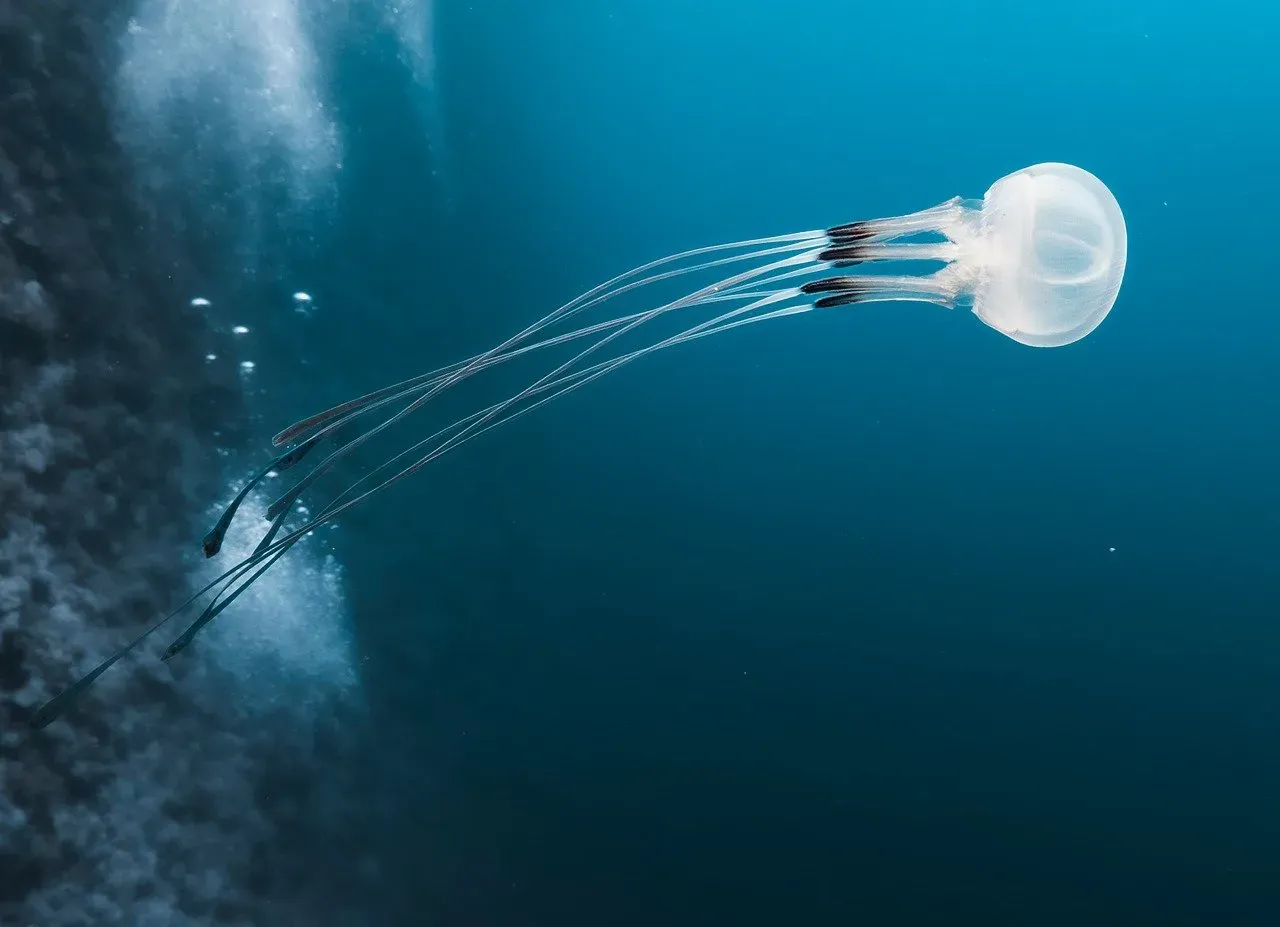
I know it sounds crazy, but there is a jellyfish that appears to cheat death. The Turritopsis dohrnii, often dubbed the “immortal jellyfish,” possesses an astonishing ability to revert to its juvenile state after reaching maturity. This peculiar lifecycle allows it to bypass death and potentially live indefinitely. Scientists are intrigued by the cellular mechanisms that enable this process. Despite extensive study, the exact molecular pathways that facilitate this reverse aging remain a mystery.
Understanding this could unlock breakthroughs in aging and medicine. However, the jellyfish’s elusive nature and small size present challenges in laboratory settings, making this a perennial conundrum in marine biology.
It’s the biological equivalent of hitting rewind on life itself. A creature is old, it’s dying, and then it simply starts over from scratch. How? The honest answer is: we still don’t really know.
The Goblin Shark: A Living Fossil With a Face Full of Questions
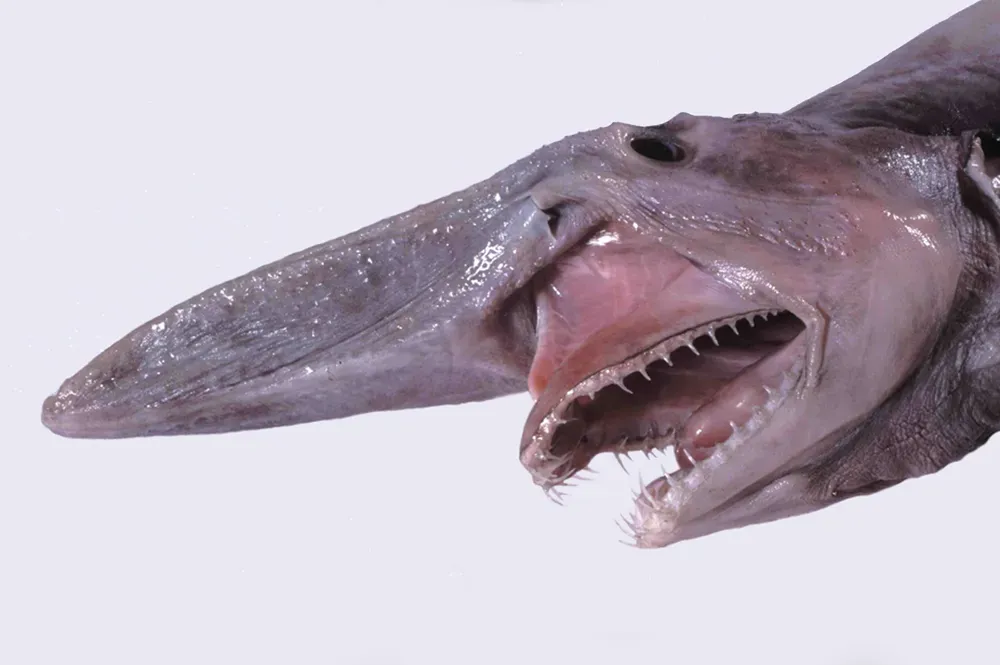
The goblin shark is often described as a “living fossil” due to its primitive features and a lineage 125 million years old. It possesses a protruding, extendable jaw that shoots forward to snatch prey with lightning speed. Some scientists believe they can live 1,300 meters below sea level.
The goblin shark looks like something that crawled out of a nightmare. Its snout is elongated and flat, its jaw slingshots forward in a way that still isn’t entirely explained by biomechanics, and almost everything about its breeding, social structure, and daily behavior is a complete blank to researchers. It’s been around since dinosaurs roamed the earth, yet we know almost nothing meaningful about how it actually lives.
What we do know was largely accidental. Most specimens are caught in deep-sea fishing nets by mistake. Studying a creature this rarely encountered, at depths this extreme, is a bit like trying to understand a city by occasionally finding one of its residents washed up in your garden.
The Henneguya Salminicola: Life Without Oxygen
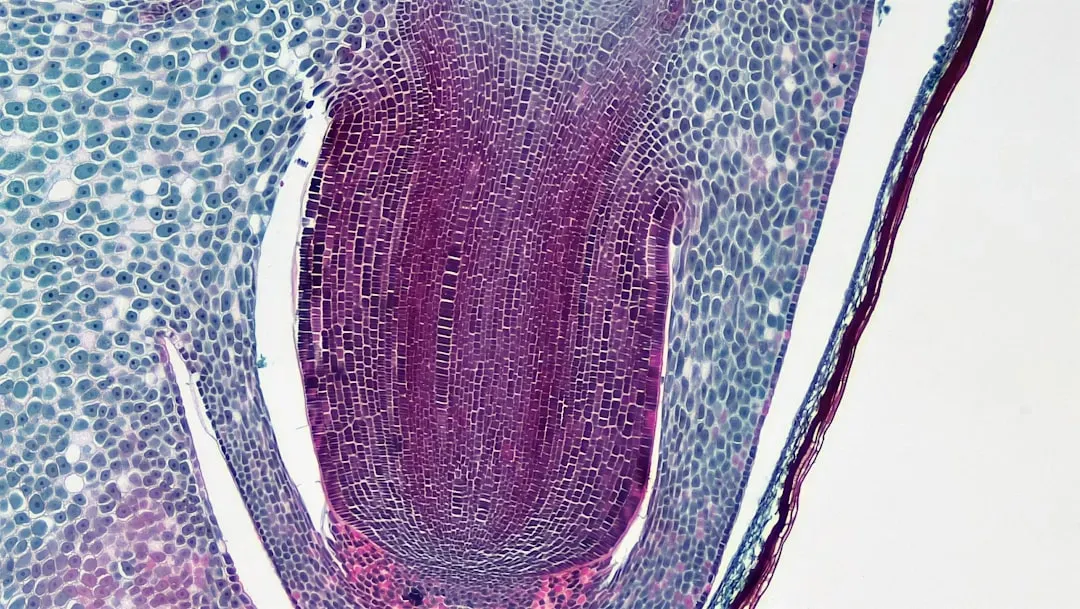
This one rewrites the biology textbook. Entirely. Scientists from Tel Aviv University showed that back in 2020 when they accidentally discovered the first known animal that does not need oxygen to live. The organism in question is an 8-millimeter white parasite called Henneguya salminicola. It attaches itself to a wide variety of salmon species and causes a condition known as “milky flesh” disease.
We’ve known about this parasite for over a hundred years, but it wasn’t until scientists sequenced the genome of the Henneguya genus that they discovered that H. salminicola did not have any mitochondria, which enables aerobic respiration. In fact, the parasite didn’t have any mitochondrial genes, which suggests that the creature somehow evolved to obtain energy without oxygen, although how exactly it does this remains a mystery.
An animal with no mitochondria, no oxygen dependency. It throws out one of the most foundational assumptions in all of biology. How it generates energy at the cellular level is still, as of 2026, genuinely unknown.
The Aye-Aye: Nature’s Strangest Primate
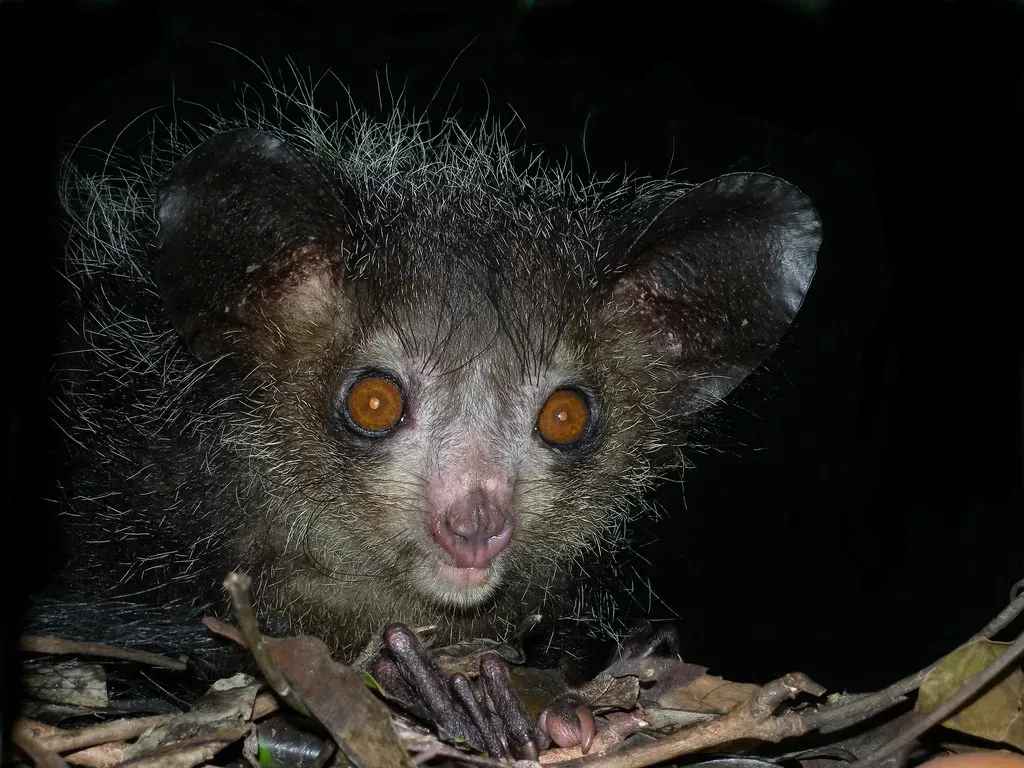
The aye-aye is the world’s largest nocturnal primate, native to Madagascar. It has a long, thin middle finger that it uses to tap on tree trunks, listening for echoes to find insect larvae. This eerie hunting technique, called percussive foraging, is unique among primates. It has also developed a sixth “finger,” a pseudothumb, to help in gripping, making the aye-aye one of the strangest and most mysterious animals on Earth.
The aye-aye is basically a riddle wrapped in fur. Its percussive foraging method is so unusual that scientists still debate how fine-tuned the auditory system actually is, and whether the echolocation-like sensitivity rivals anything else in the mammal world.
Beyond its feeding strategy, the full range of aye-aye communication, social bonding, and cognitive ability remains poorly mapped. They’re solitary, largely nocturnal, and deeply secretive, which makes field research incredibly challenging. It’s hard to study a creature that actively seems to avoid being studied.
The Star-Nosed Mole: A Superpower Nobody Understands
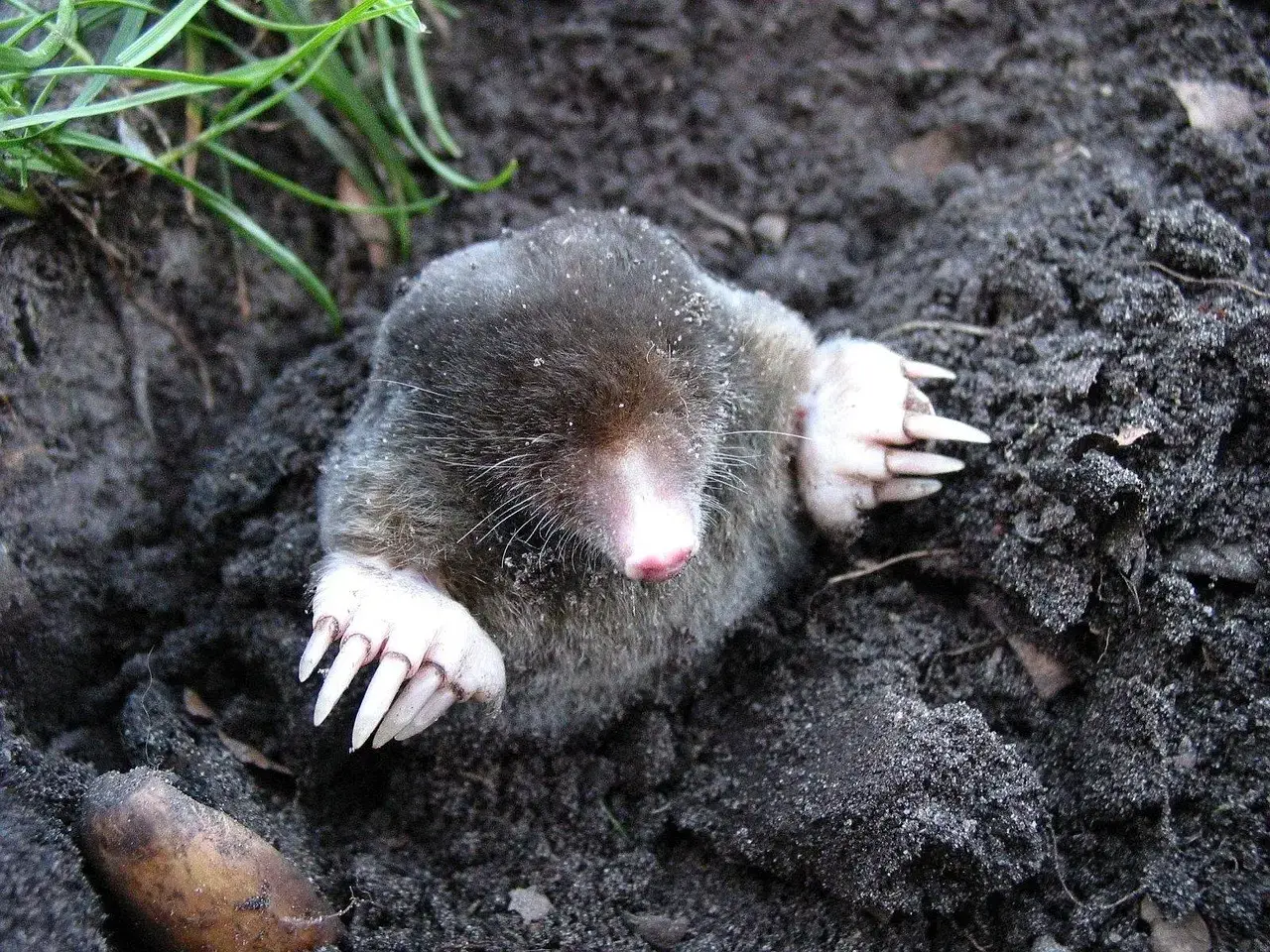
Last but absolutely not least, meet one of the most sensory-gifted creatures on the planet. The star-shaped nose is one of the most sensitive tactile sensors in the animal kingdom, with more than 100,000 nerve endings that allow it to detect seismic wave vibrations and navigate through its underground world. Despite extensive studies, the full range of this mole’s sensory capabilities is still not fully understood.
The star-nosed mole can identify and eat a piece of food faster than the human eye can follow. Its nose processes touch the way our eyes process vision. Scientists have mapped parts of its brain, observed its speed, and catalogued its hunting strategies, yet the deeper mechanics of how that nose integrates so much sensory input so quickly remain unclear.
It’s like the mole is running a supercomputer behind that ridiculous star-shaped face, and we still haven’t cracked the source code.
Conclusion: The Planet Is Smarter Than We Are
What’s truly striking is not just that these creatures are mysterious. It’s that some of them have been studied for over a century and still manage to surprise us. Scientists are now identifying more than 16,000 new species each year, revealing far more biodiversity than expected. Meanwhile, the animals we already know about keep revealing new layers.
In the best-case scenario, we know only roughly a fifth of Earth’s species. That’s sobering. It means the animals on this list, strange and confounding as they are, represent just the tip of an enormous biological iceberg.
There’s something genuinely wonderful about that. In an age when it feels like technology has answered everything, nature keeps scoring points. These ten creatures are proof that the living world is still full of riddles worth chasing. Which one do you find the most mind-bending? I’d love to know, drop your thoughts in the comments below.
