
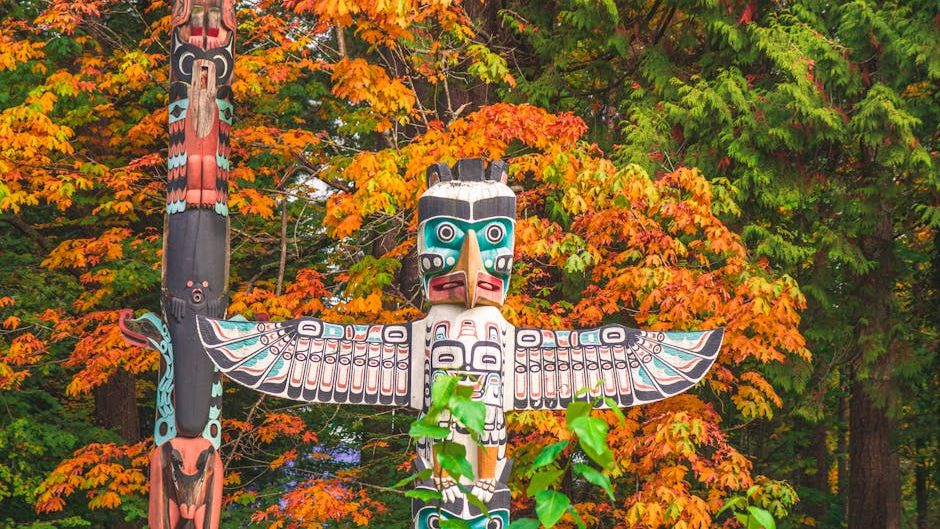
There is something profoundly humbling about looking up at a bird in flight and wondering whether it carries a message meant just for you. For countless generations, Native American peoples across North America have done exactly that. Long before modern science catalogued birds by species and wingspan, tribal nations were already understanding them as living bridges between the human world and the divine.
Native Americans have a deep connection to and respect for the natural world, and their reverence for nature deeply influences their art, their ceremonies, and their daily lives. Honestly, the depth of this relationship is staggering when you sit with it. These are not myths frozen in the past. They are living, breathing traditions that continue to shape how people relate to the land and sky today. Let’s dive in.
The Bald Eagle: Supreme Messenger of the Creator
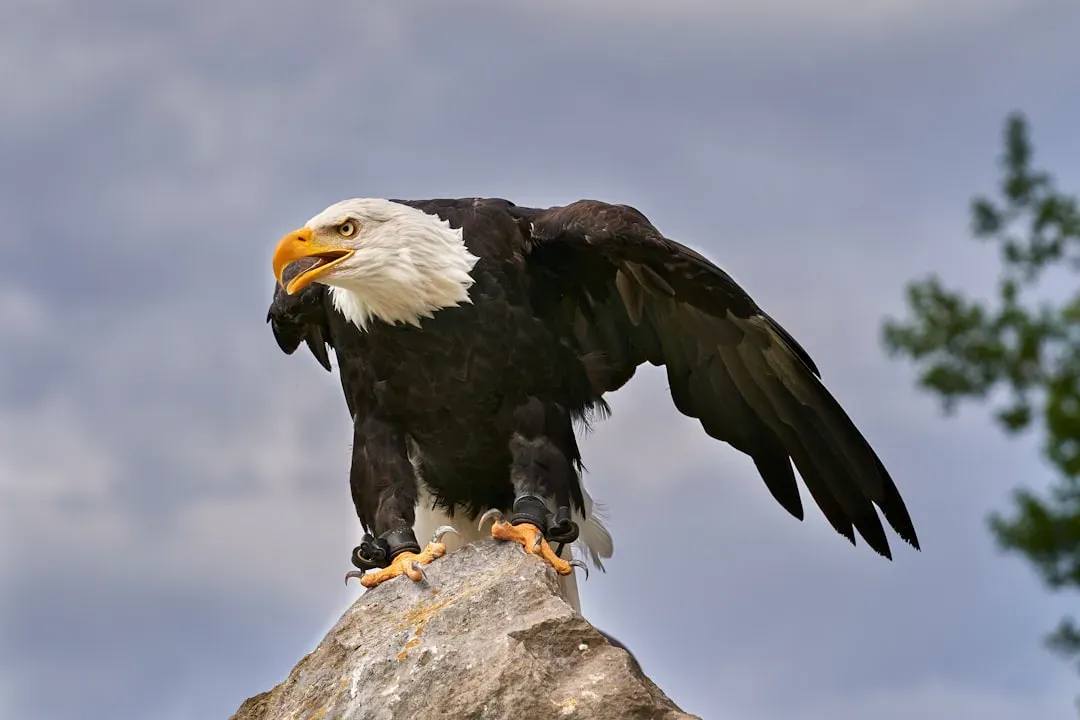
Of all the birds that soar across the sky, few hold a place as elevated as the eagle in Native American spiritual life. Native Americans consider the bald eagle and the golden eagle to be sacred, and that reverence is not taken lightly. Eagles are particularly revered for their ability to fly so close to the heavens, carrying the prayers of the people to the spirit world.
Native peoples believed eagles have the power of communicating with the Creator, and that they were believed to be the balance between the Great Spirit and the physical world. Because eagles had such great abilities, they were considered sacred among some tribes, and killing them, even for survival, was not permitted. That is the kind of deep respect that words can barely capture.
The Golden Eagle: Eye of the Sky
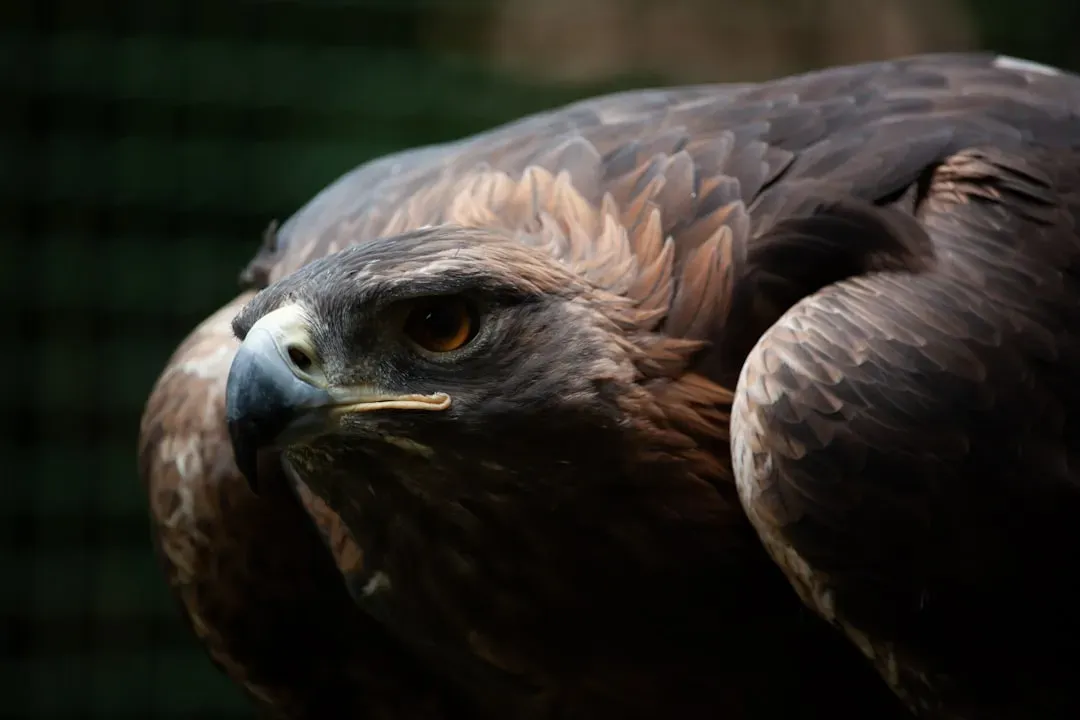
The Comanche send prayers to the Creator through eagles by using whistles made from their wing bones and fans made from their feathers. To the Comanche community, Golden Eagles are the only animals that can fly high enough and far enough to see the face of God. Think about that for a moment. Not an angel, not a prophet. A bird.
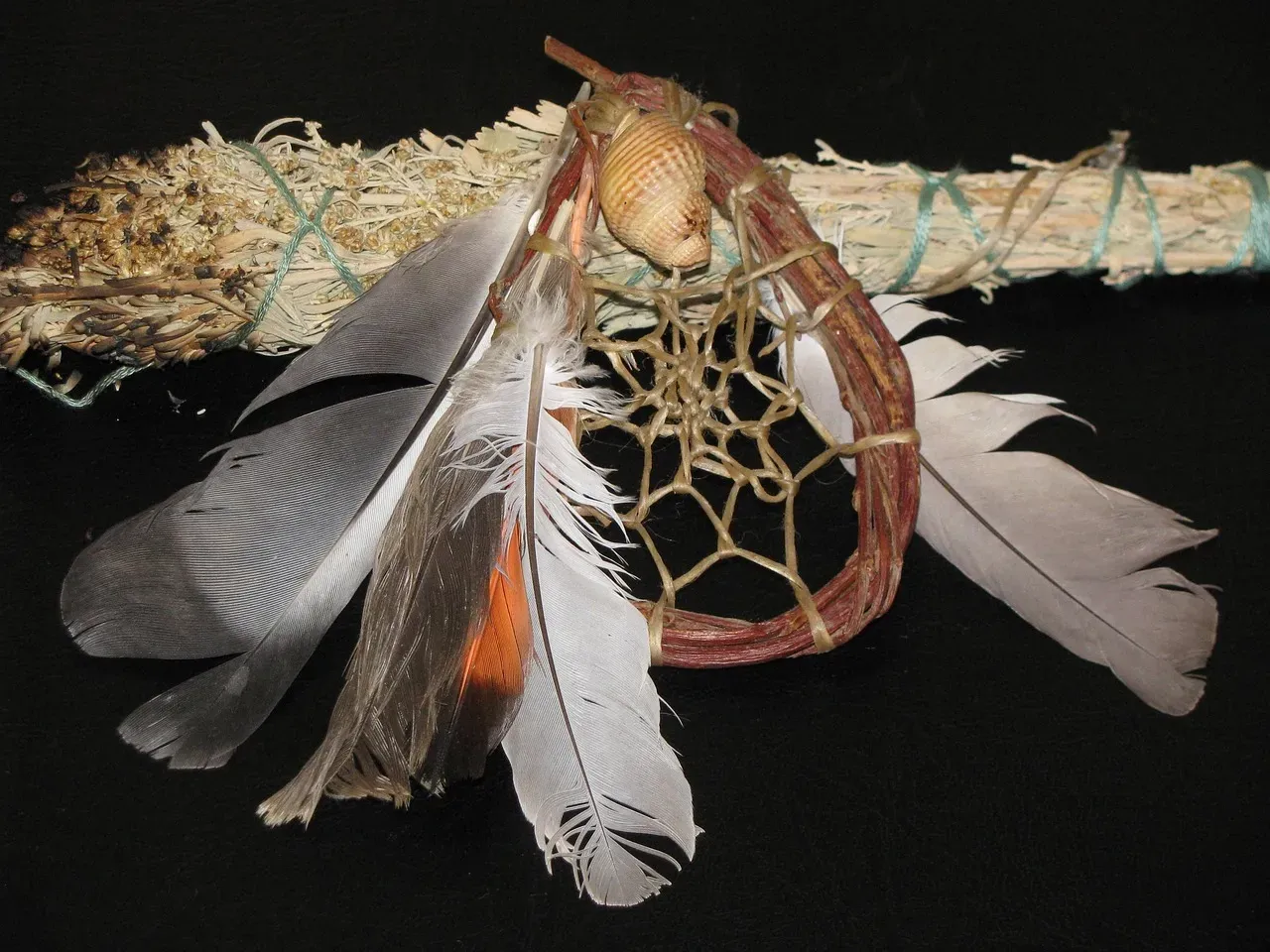
Eagle feathers are often used in spiritual ceremonies, such as naming ceremonies, honoring ceremonies, and the Sun Dance. Eagle feathers are the most sacred in many Native American traditions, representing strength, courage, and wisdom, and are often awarded as honors for significant achievements or acts of bravery. Few things in indigenous ceremony carry as much weight as a single eagle feather placed in the right hands.
The Hawk: Guardian From the Spirit World
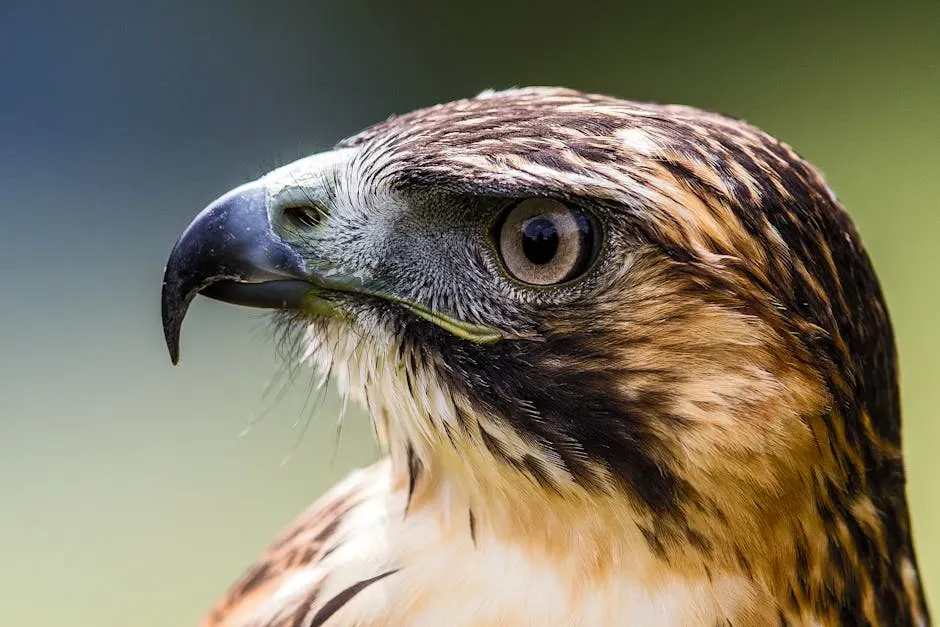
According to Native Americans, hawks are guardians as well as messengers from ancestors. Native Chiefs always relied upon hawks to protect them through trying times, mostly as messengers of warning. There is something deeply comforting about that idea. A hawk circling overhead is not just a bird of prey. It is a watchful protector.
Some Native leaders have spiritual bird helpers, such as Crazy Horse’s helper, the hawk. Crazy Horse showed modesty by wearing hawk feathers in his hair rather than eagle feathers. Other speakers also spoke about the spiritual guidance of the hawk, and tobacco is often offered to this predatory bird. I think that detail about Crazy Horse wearing hawk feathers out of humility says everything about how seriously these spiritual relationships were taken.
The Owl: Keeper of Hidden Truth
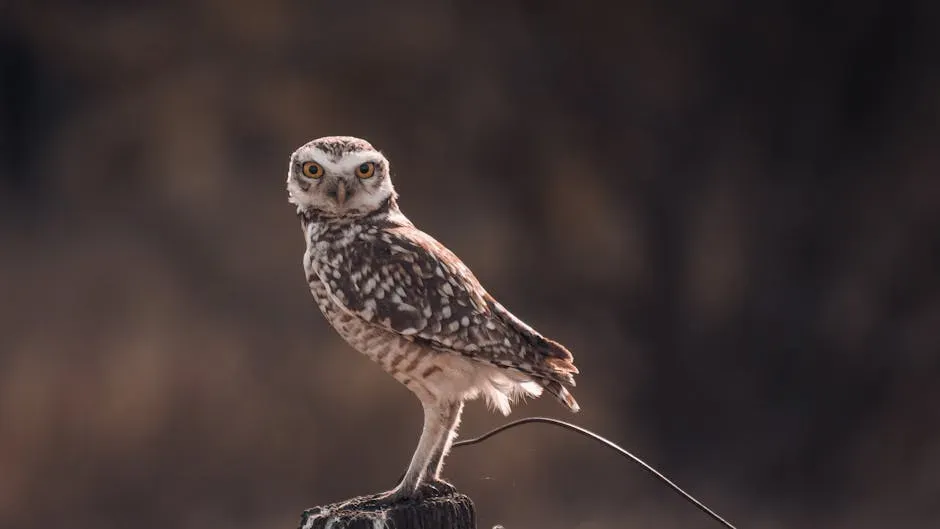
Some Native American tribes, including the Cherokee, Lakota, and Caddo, believed that owls may bring news to medicine men who are able to understand them. This news may tell of events happening at a far away distance or of events of the future. Some Cherokee shamans believed these owls, especially the Eastern Screech Owl, act as spiritual consultants on sickness and punishments.
Here is the thing though. The owl occupies two worlds in Native lore simultaneously. Holy men or women among many tribes frequently sought out spiritual help from real owls in their healing practices. The holy people believed that the owl had very soft and gentle ways, and these ways were taught to them in the healing arts. Whenever owl feathers were worn by an individual, it often meant that they were a medicine person with healing abilities. Sacred and feared. A contradiction that feels very human.
The Raven: Trickster, Transformer, and Truth-Teller
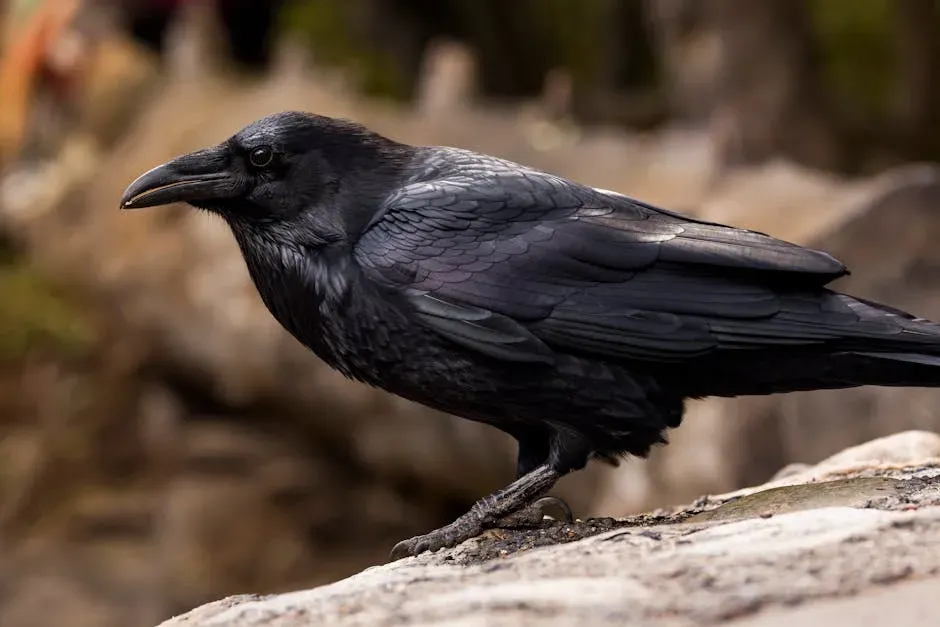
Eagle plays a leadership role in the mythology of many tribes, while Raven is frequently portrayed as culture hero, trickster, or both. The Raven is one of those spirit animals you cannot quite pin down, and honestly, that is the whole point. The raven is a symbol of transformation and change in Native American culture. Known for its cunning and intelligence, the raven is often associated with the unknown and the mysteries of life. It is a creature of the shadows, guiding individuals through challenges and transitions.
Birds are the most important clan crests of most Northwest Coast tribes and are commonly carved on totem poles, especially Eagle, Raven, and Thunderbird. The crow and raven were sacred Ghost Dance symbols, and it was believed that these birds guided ancient hunters. Dancers had crow feathers as decorations during the ritual, and some tribes believed that during great floods, crow feathers could lift them from the ground and take them to heaven. Few birds carry that kind of mythological weight.
The Crow: Wise Watcher and Keeper of Laws
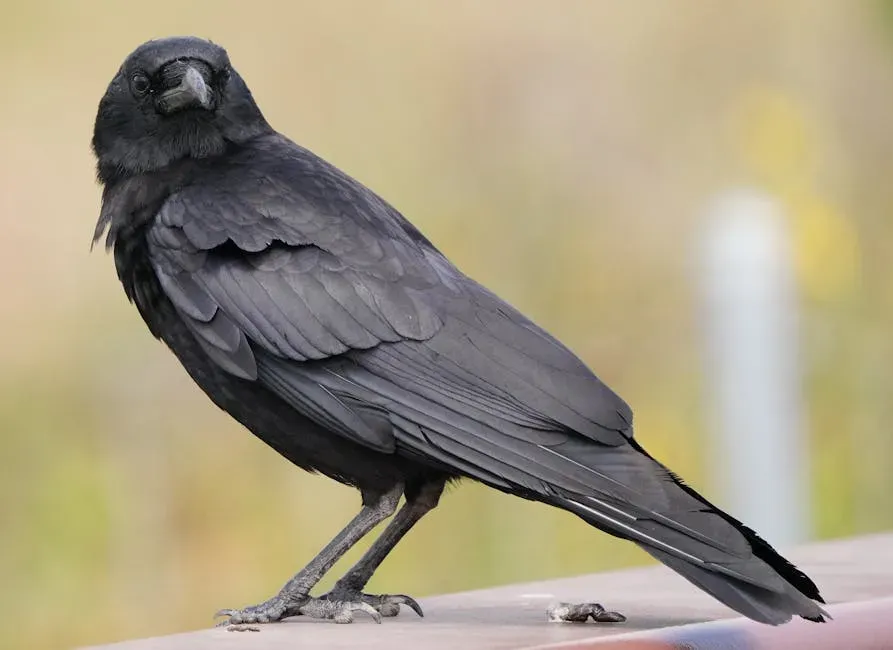
Among Native American bird symbols, the crow represents wisdom. Some tribes believed crows have the ability to talk and that they were the wisest birds in nature. Let’s be real, people often think of crows as dark omens from old European folklore. In many Native traditions, however, the picture is far more nuanced and far more positive.
Several Native American tribes regard Crow as a symbol of good fortune, perhaps because the Crow cleans the land, shows high levels of intelligence, and remains observant. Crows symbolized inner peace, clarity, and served as keepers of natural laws. If a crow crosses your path, maybe it is worth pausing to listen. It might have something important to say.
The Thunderbird: Sovereign of Sky and Storm
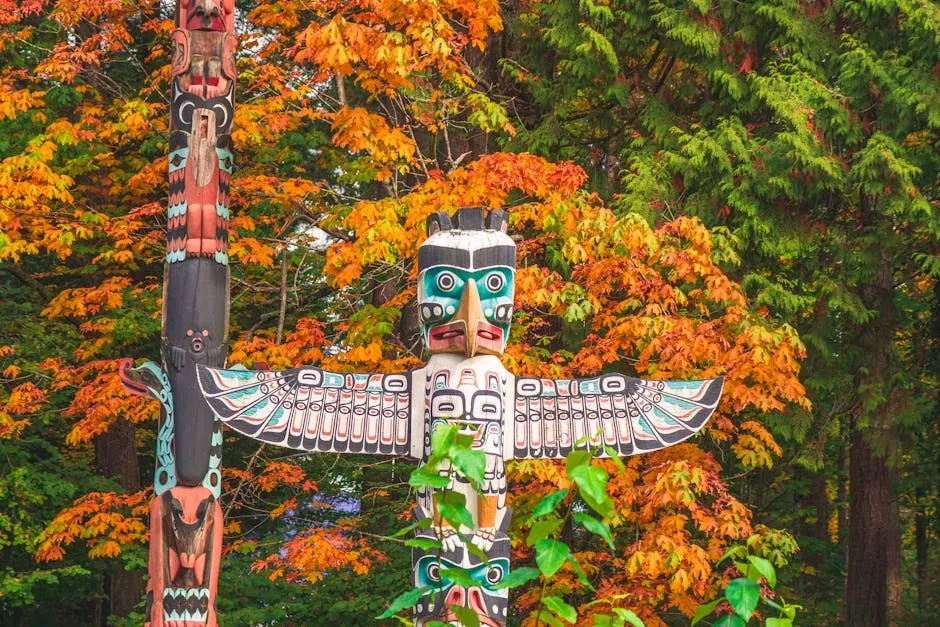
A representation of the power of lightning, storms, and rain is seen in depictions of thunderbird designs and art that range from the Pacific Northwest to the Great Plains and into the Southwest. There are many folktales about thunderbirds from many cultures, and some are associated with the game of lacrosse. Rain and storms are both powerful and life-giving. Folktales that feature these types of birds often are acknowledgements that lives are supported by the power of nature and are given a sense of reverence.
The Thunderbird possessed the ability to create storms, produce thunder with its wings, and generate lightning with its eyes. It could shapeshift into human form and had power to bring rain for vegetation. Only high-ranking tribe members could use Thunderbird symbols, representing protective natural forces. No other spirit bird commands the atmosphere itself quite like the Thunderbird.
The Hummingbird: Tiny Messenger of Joy and Resilience
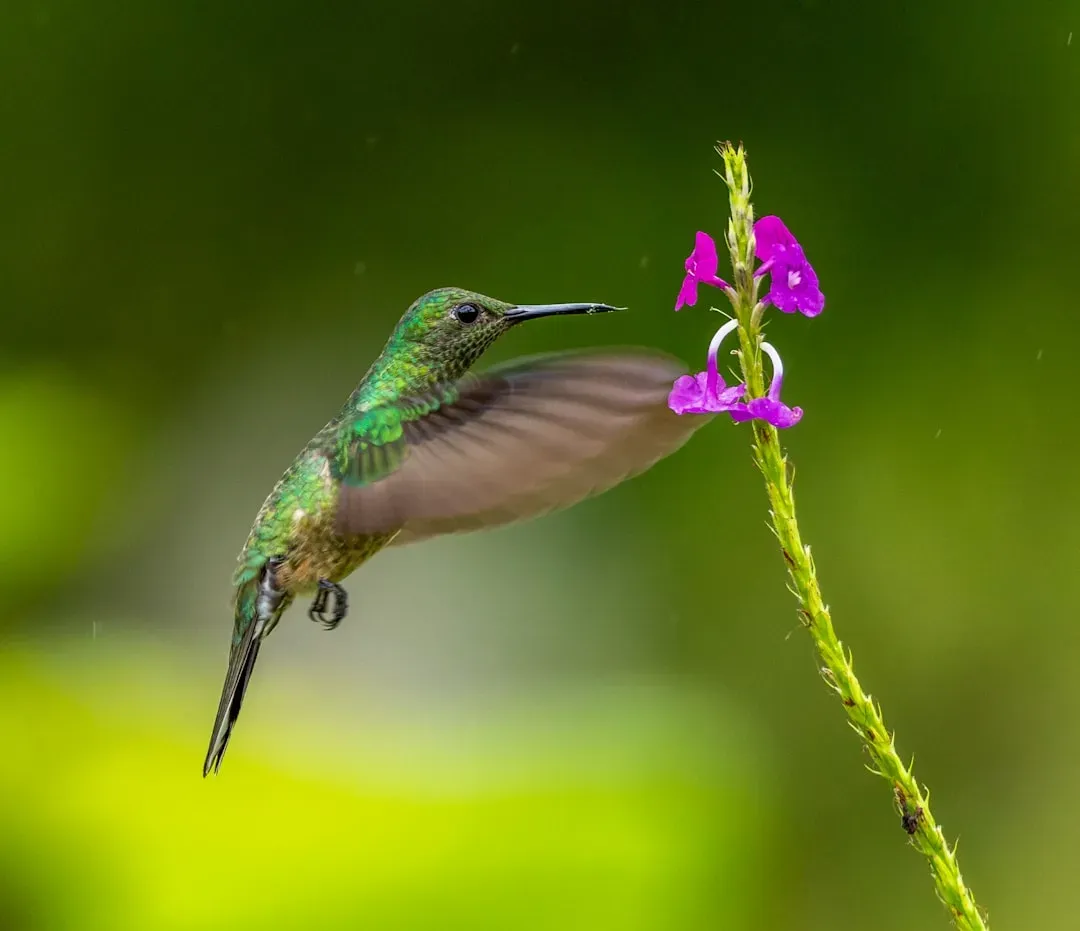
In some Mexican tribes today, hummingbirds are believed to be messengers from the afterworld or manifestations of a dead person’s spirit. Hummingbirds are also used as clan animals in some Native American cultures. Tribes with Hummingbird Clans include the Pueblo tribes of New Mexico. It is hard to believe that something so small carries such enormous spiritual meaning.
A Hummingbird is broadly assumed to be a symbol of joy and happiness, and Native Americans consider them a symbol of beauty and harmony. The hummingbird represents joy and the perseverance of positivity through negativity. It represents the compassion in the things that you do. The hummingbird represents optimism and a playful outlook on life. In a world that can feel heavy, the hummingbird reminds us to keep moving with lightness.
The Crane: Grace, Longevity, and Sacred Dance
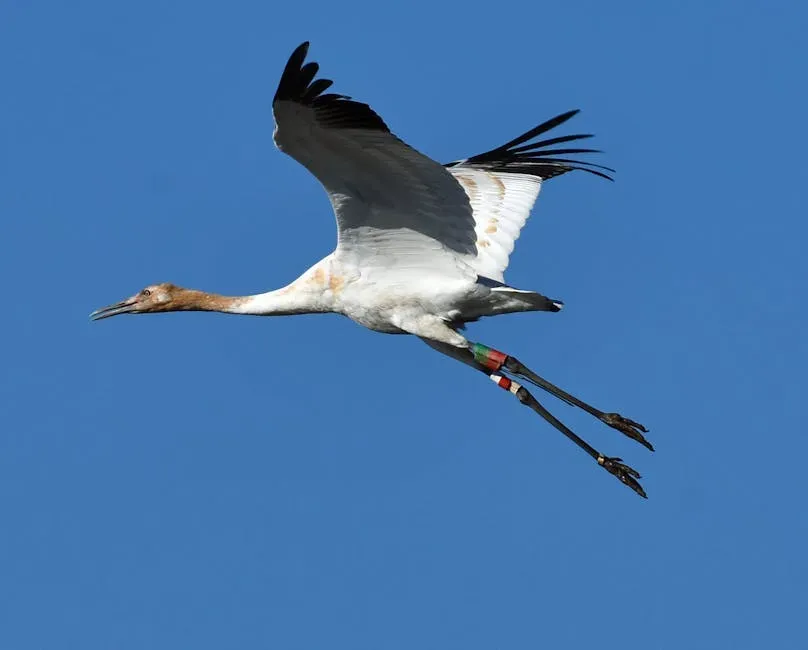
The Yuchi people, who reside in northeastern Oklahoma, wear the feathers of the Whooping Crane before performing their annual ceremonies. Their agreement with the nation of cranes is simple: when they sing the Whooping Crane’s songs, they must wear his feathers. That covenant between a people and a bird speaks volumes about how literally Native cultures take their relationships with the animal world.
The heron and crane together are symbols of attaining wisdom, balance, patience, authority, and assertiveness. Native American men perform the crane dance dressed in feathers from this bird in the hope of impressing a potential wife. The crane is not just a symbol of the spirit world. It is woven right into the fabric of courtship and community life.
The Heron: Patient Seeker of Deep Wisdom

Herons prefer being alone over congregating in a flock, so they are symbolic of solitude, independence, and rebellion. There is something almost defiant about the heron, standing utterly still in a river for what feels like forever, then striking with explosive precision. It is a living metaphor for strategic patience.
The heron is a symbol of attaining wisdom, balance, patience, authority, and assertiveness. In many cultures, it is considered wrong to shoot a heron, as it brings bad luck. Many people believe that dreaming about herons brings back lost possessions. The heron is among the animals that tell us to stop, look, and listen before taking action. It is hard to think of a more useful lesson for modern life than that.
The Woodpecker: Rhythmic Keeper of Nature’s Heartbeat
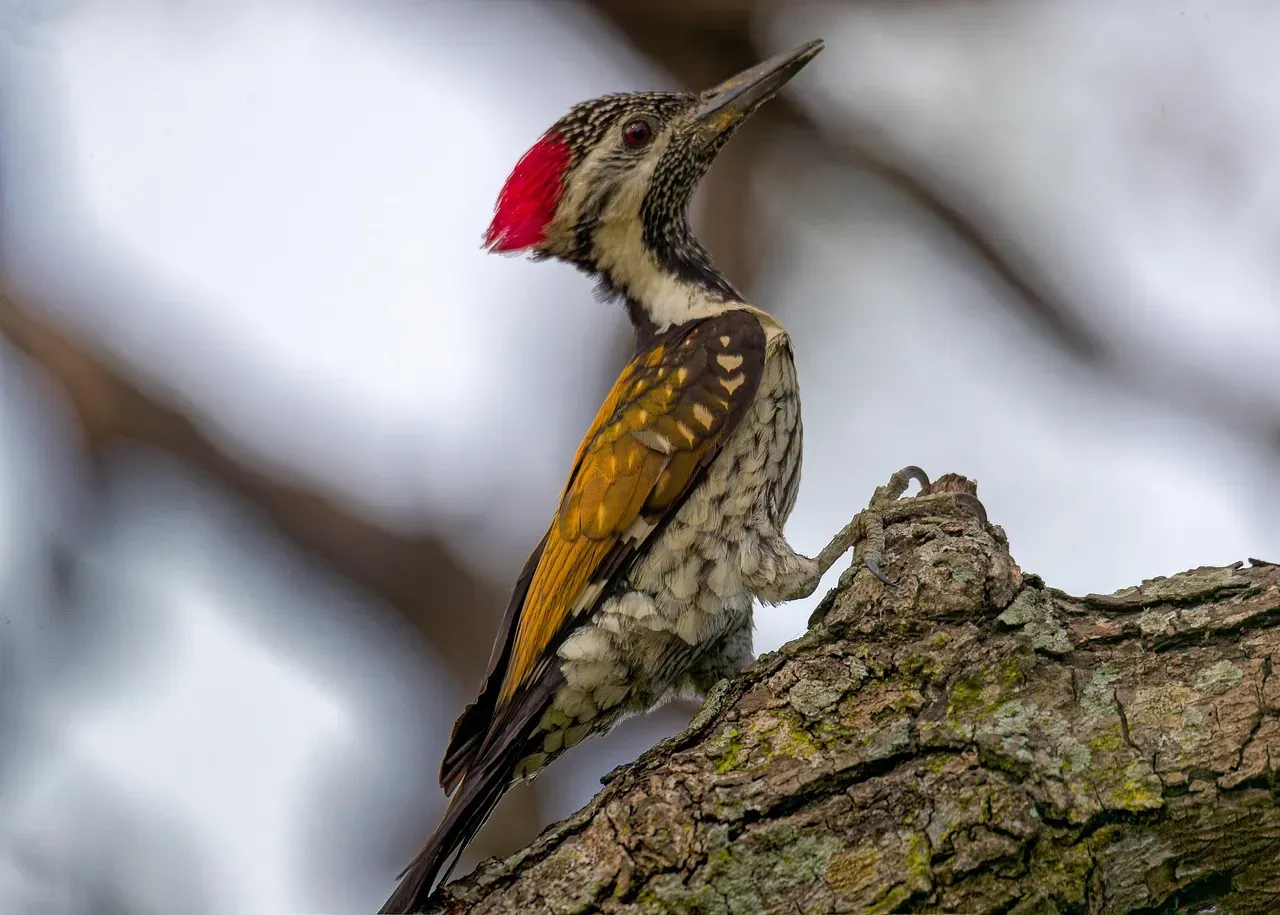
Woodpeckers are considered lucky birds by many Native Americans, particularly in Western tribes, and are associated with friendship and happiness. In some California Indian tribes, woodpeckers are considered medicine birds, and woodpecker scalps and feathers have traditionally been used to adorn ceremonial objects, headdresses, and dance regalia.
The Native American community deeply believes in woodpecker symbolism due to its home-driven protective nature. As per the Prairie tribe, this bird holds the title of the “humankind protector,” and they believe the woodpecker’s nest is an incredible example of guarding humankind’s spiritual seeds and guaranteeing no predatory threat occurs. Seen as a bridge between the physical and spiritual realms, the woodpecker’s rhythmic pecking is believed to be a form of communication with the spirit world. That rhythmic drumming? It is a prayer in its own right.
The Cardinal: Radiant Messenger of Love and Ancestral Memory
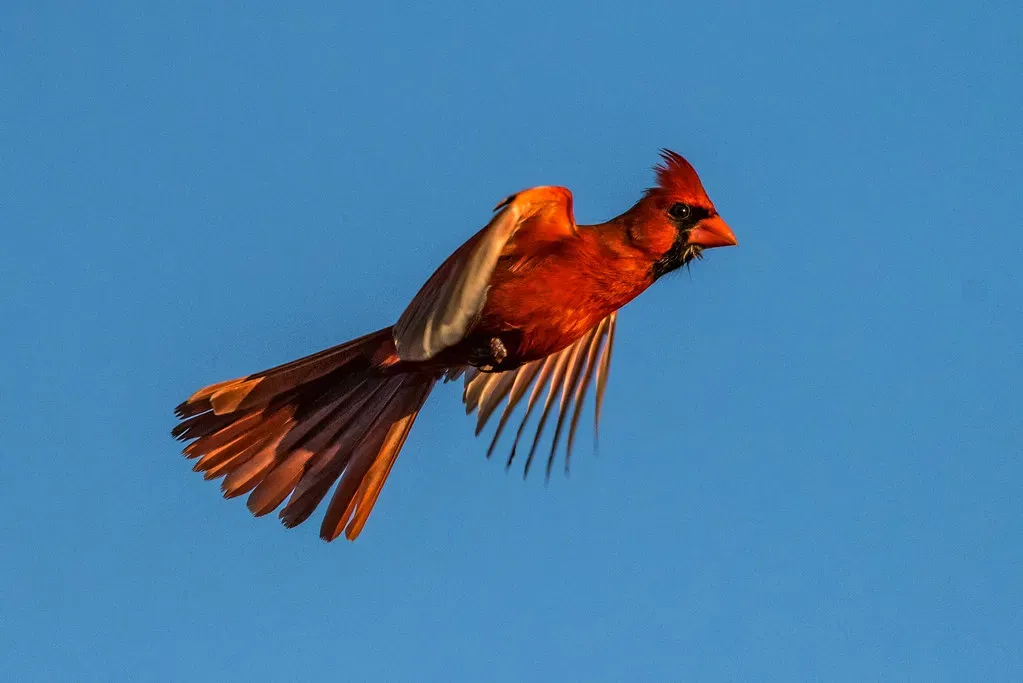
Cardinals are symbols of vitality and warmth in Native American culture, known for their striking appearance and vibrant energy. They are often seen as messengers of hope, bringing cheer and positivity to those they encounter. Many tribes believe that cardinals carry the spirits of loved ones, offering comfort and reassurance in times of need. Their presence is a reminder to stay connected to family and community, nurturing relationships with love and compassion.
It is hard to say for sure which moment in life strikes the deepest, but many people report seeing a brilliant red cardinal at a moment of grief and feeling an unmistakable sense that someone they loved had just stopped by. By embracing the cardinal’s energy, individuals learn to find strength in unity and celebrate the beauty of life’s journey. Small, fierce, and blazing red. Not a bad spirit guide at all.
Conclusion: Wings That Carry Ancient Wisdom Forward
What strikes me most about these birds is how vividly alive their symbolism remains. Birds, the winged ones, teach about life. Humans can learn lessons from all of them by observing closely. That philosophy, thousands of years old and still breathing, is a gift that deserves to be honored rather than forgotten.
Native American bird and animal symbols and totems are believed to represent the physical form of a spirit helper and guide. Bird symbols are very special to Native Americans, their ability to soar above the clouds, perhaps to the heavens, and their sense of freedom inspired many. Whether you encounter an eagle overhead or a tiny hummingbird hovering at your window, the question these traditions invite you to ask is beautifully simple: what message is being carried on those wings, and are you paying enough attention to receive it?
The sky has always been speaking. Maybe now is the time to finally look up and listen. Which of these sacred birds resonates most deeply with you? Share your thoughts in the comments below.

- 17 Horse Breeds Equine Surgeons Secretly Dread Being Called Out To - July 30, 2026
- 11 Things Shelter Workers Secretly Wish Every Adopter Knew Before Signing - July 30, 2026
- 13 Quiet Signs an Old Dog Is Gently Saying Goodbye - July 30, 2026