
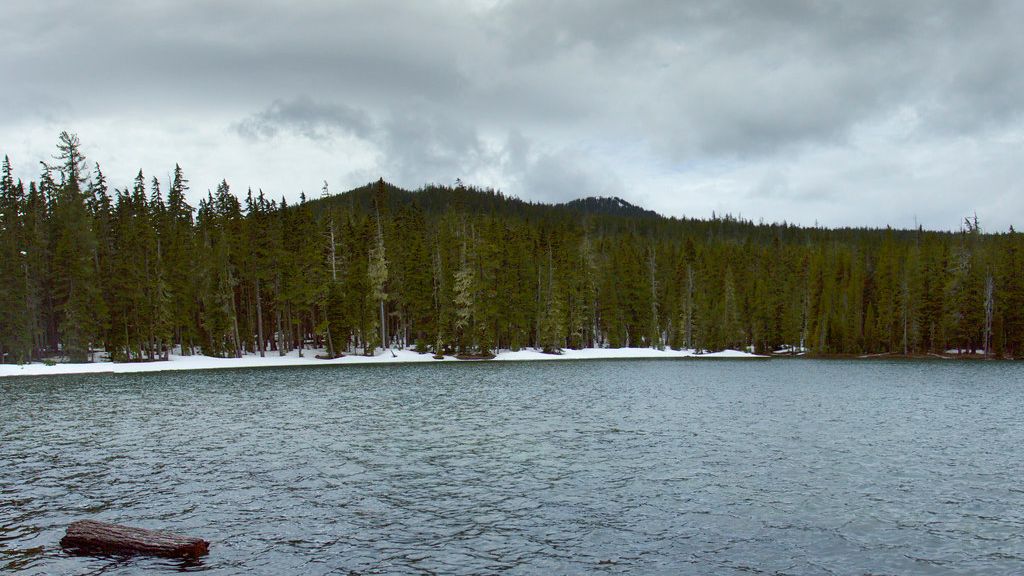
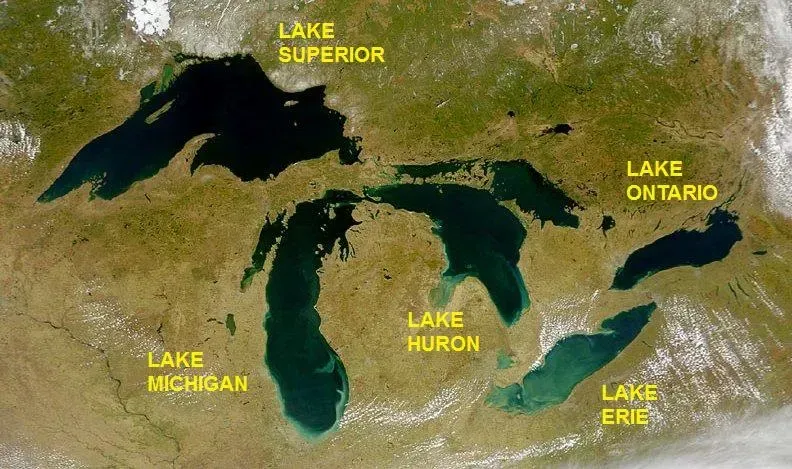
There is something quietly staggering about standing at the shore of Lake Superior. The horizon disappears. The waves roll in with a low, heavy rhythm. A cold wind cuts through your jacket. For a moment, your brain insists: this must be the ocean. It isn’t. It’s a freshwater lake – and that realization might be the most astonishing thing of all.
The Great Lakes, those five legendary bodies of water sprawling across the heart of North America, are far more remarkable than most people ever stop to consider. They shape weather. They carry cargo. They have swallowed ships whole. They have fed civilizations for thousands of years. And yet, most of us drive past them, glance out the window, and think, “Nice lake.” Let’s fix that. Let’s dive in.
They Hold Nearly a Fifth of All the Fresh Water on Earth
Let’s start with a number that should genuinely stop you in your tracks. The Great Lakes contain roughly a fifth of the world’s surface fresh water, an almost incomprehensible 6 quadrillion U.S. gallons. The lakes hold about 84% of the surface freshwater of North America – if that water were evenly distributed over the entire continent’s land area, it would reach a depth of 5 feet.
Honestly, those numbers almost feel made-up. With roughly 20 percent of the world’s surface freshwater, the Great Lakes are the world’s largest freshwater system, containing enough water to cover the entire lower 48 states to a depth of almost 10 feet. Think about that the next time you hear someone describe them as “just lakes.”
They Were Born from Glaciers About 14,000 Years Ago
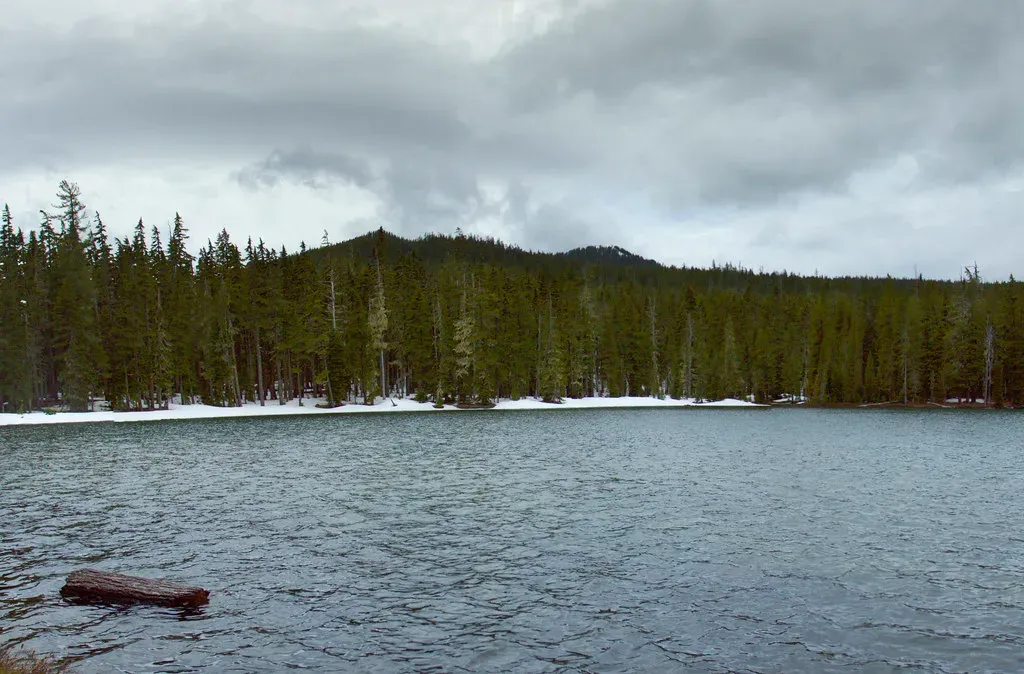
The Great Lakes began to form at the end of the Last Glacial Period around 14,000 years ago, as retreating ice sheets exposed the basins they had carved into the land, which then filled with meltwater. In geological terms, that is extraordinarily recent. These are essentially newborns by Earth’s standards.
Astonishingly, 99% of the Great Lakes water supply came from non-replenishable glaciers 10,000 years ago. That means the water in your glass, if you live anywhere near these lakes, is essentially ancient glacier water. It’s not being meaningfully replenished. That alone should make us think much more carefully about how we use it.
Lake Superior Is a Monster Among Lakes
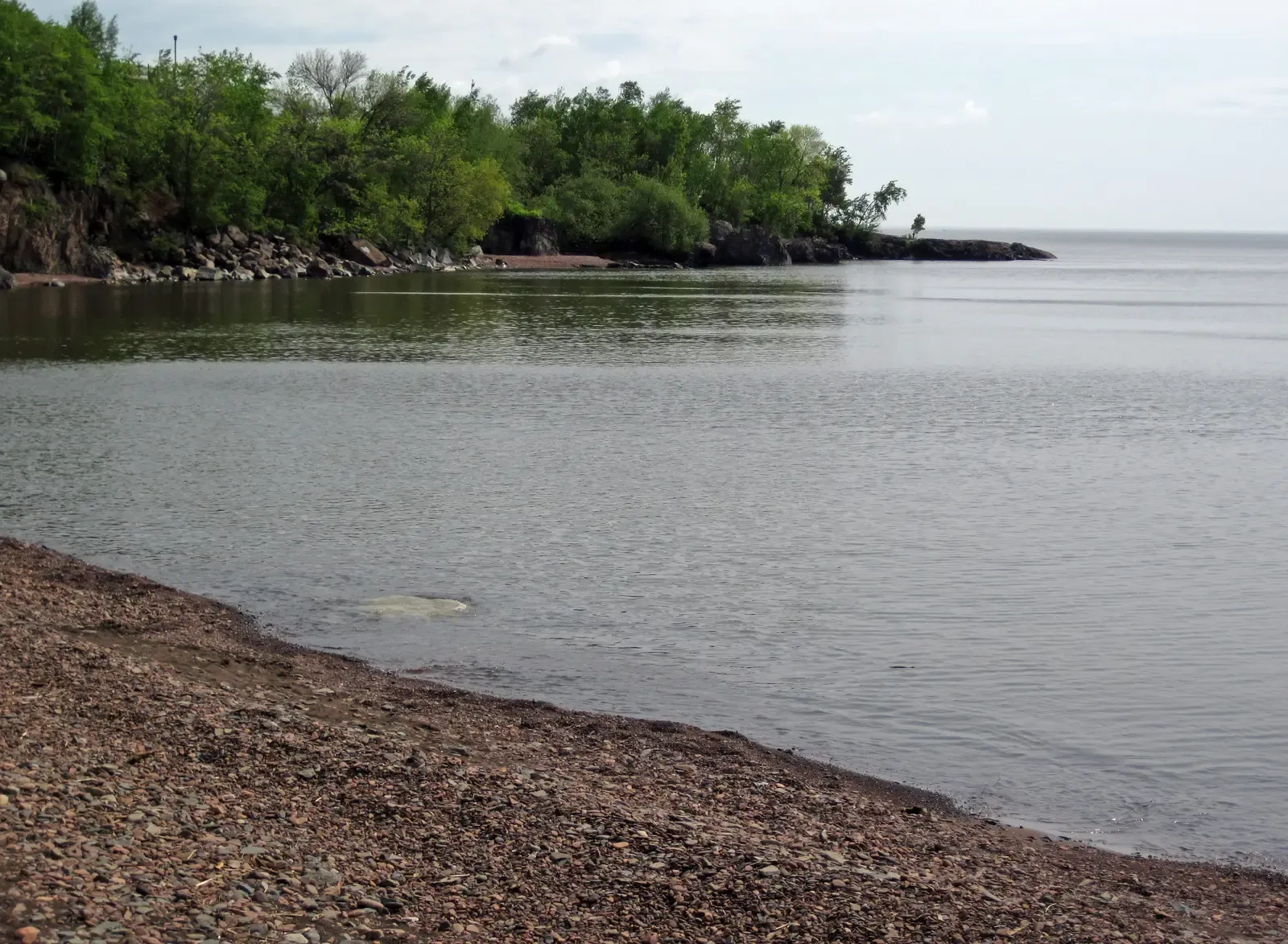
Spanning nearly 32,000 square miles, Lake Superior is not only the largest freshwater lake in the world by surface area, but it is also one of the largest lakes in the world, second only to the Caspian Sea. To put that into human-scale perspective, with the water in Superior alone, you could cover all of North and South America with one foot of water.
Lake Superior’s deepest point is 1,330 feet – for comparison, the Empire State Building is 1,250 feet tall from ground to roof. So you could sink the Empire State Building into its deepest point and it still wouldn’t break the surface. That’s not a lake. That’s something else entirely. Lake Superior is the largest, deepest, and coldest of the five, and it holds more water than the other four lakes combined.
They Have Claimed Over 6,000 Ships

Here’s the thing – the Great Lakes have a dark side, and it doesn’t get nearly enough attention. The Great Lakes Shipwreck Museum estimates 6,000 ships and 30,000 lives lost, while historian and mariner Mark Thompson has estimated that the total number of wrecks is likely more than 25,000. That is more than the Gulf of Mexico and the Black Sea combined.
The Edmund Fitzgerald was lost with her entire crew of 29 men on Lake Superior on November 10, 1975, 17 miles north-northwest of Whitefish Point, Michigan. The legend of the Edmund Fitzgerald remains the most mysterious and controversial of all shipwreck tales heard around the Great Lakes, with her story surpassed in books, film, and media only by that of the Titanic. The cold freshwater of the lakes acts like a natural time capsule – the cold, freshwater environment of the Great Lakes acts as a natural preservative, keeping organic materials like wood and rope intact on the wrecks.
They Create Their Own Wild, Savage Weather
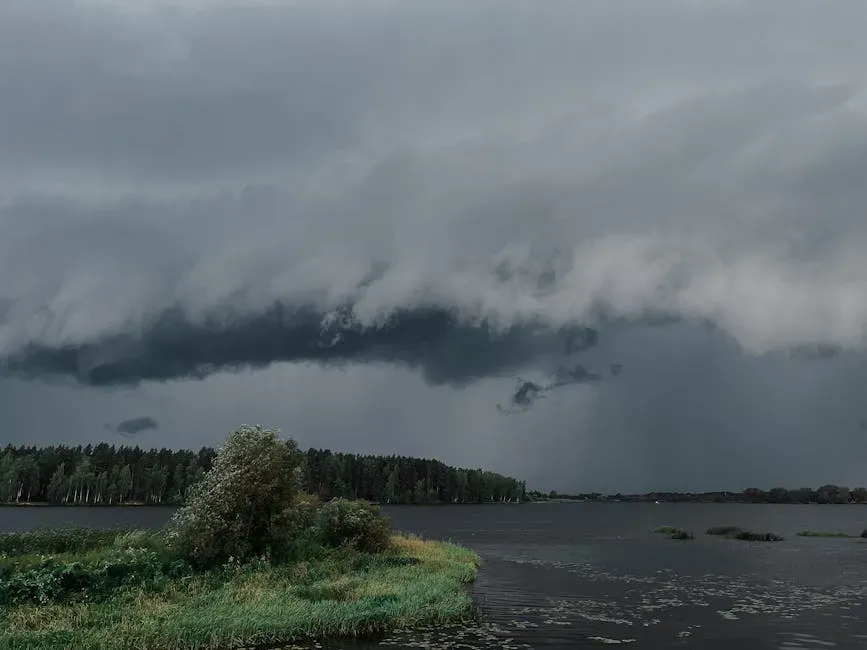
The Great Lakes have a powerful influence on regional weather, especially through the phenomenon of “lake-effect snow.” As cold air sweeps over the warmer lakes, it picks up moisture, resulting in heavy snowfall in cities like Buffalo, Cleveland, and Chicago. If you’ve ever seen footage of Buffalo buried under several feet of snow seemingly overnight, now you know why.
The Great Lakes are capable of storm surges, rip currents, tsunamis, rogue waves, unique extreme weather phenomena, and destructive surf. About 100 people drown each year in the Great Lakes – a sobering reminder that these waters demand respect. They are not a swimming pool. They behave like an ocean, because in many ways, they are one.
They Are the Economic Engine of a Continent
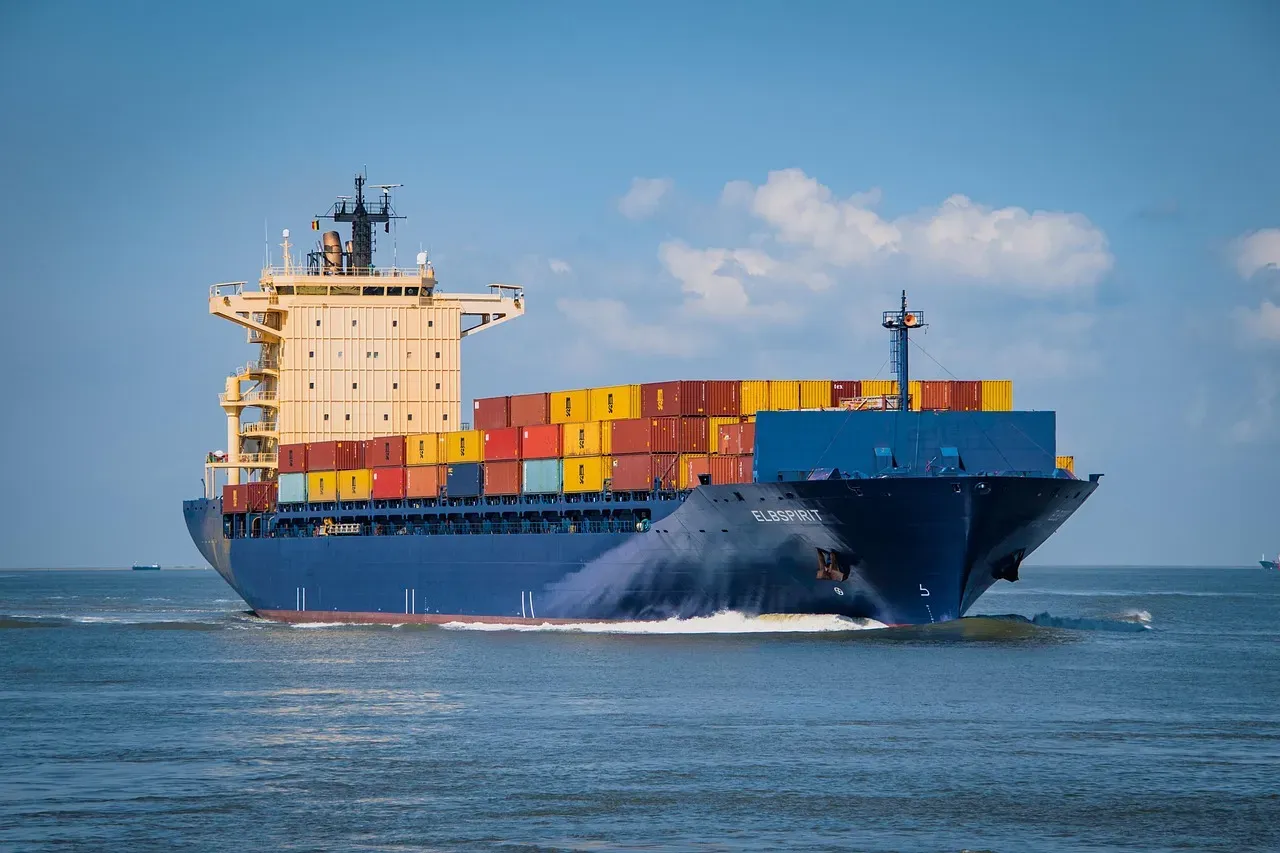
The Great Lakes–St. Lawrence region has a combined gross domestic product of over CDN $6 trillion, which would make it the third largest economy in the world if it were a country. Each year more than 160 million tonnes of waterborne cargo and goods are transported within the region and out to international markets. Let that sink in. Third largest economy on Earth, if it were its own country.
Cargo shipments on the Great Lakes–Seaway waterway generate 50 billion USD of economic activity and 356,858 jobs in Canada and the U.S. Cargoes include iron ore, coal, steel, aluminum, machinery, stone, cement, grain, sugar, fertilizers, road salt, petroleum products, and containerized goods – these cargoes become the staples of everyday life, from food and household items to the energy that powers cities and towns.
They Are Home to Thousands of Islands, Including the World’s Largest Freshwater Island
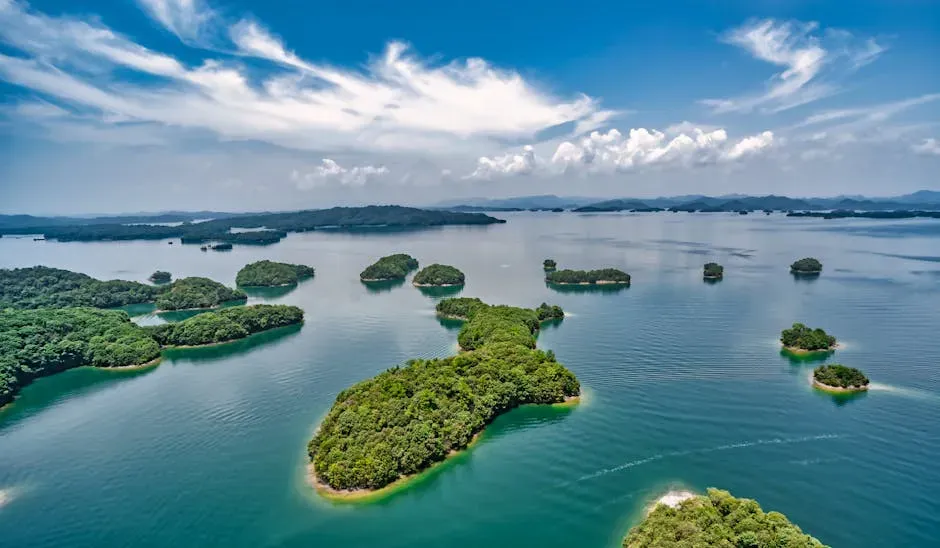
Most people picture the Great Lakes as just open water. They’d be very wrong. Dispersed throughout the Great Lakes are approximately 35,000 islands. The largest among them is Manitoulin Island in Lake Huron, the largest island in any inland body of water in the world. Thirty-five thousand islands. That’s not a lake system, that’s a small archipelago hiding in plain sight.
Both of these largest islands are large enough to contain multiple lakes themselves – Manitoulin Island’s Lake Manitou is the world’s largest lake on a freshwater island. Some of these lakes even have their own islands, like Treasure Island in Lake Mindemoya in Manitoulin Island. So: a lake, inside an island, inside a lake, inside another island. The Great Lakes are basically a geographic riddle.
Indigenous Peoples Have Called the Lakes Home for Millennia
The lakes have played a vital role for Indigenous groups in the region for millennia, many of whom belong to the Algonkian language family. About 120 Indigenous bands have occupied the Great Lakes basin over history, each with their own deep, sophisticated relationship to this water system long before any European set eyes on it.
French explorers first visited Lake Huron in 1615, and they found Native Peoples who had mastered their environment and were economically self-sustaining. The tribes living around the Great Lakes had established a network of overland trails and water routes that allowed them to move from their village sites to the resources they needed for survival. Village sites and early fur trade centers at Green Bay and Chicago were places of importance to many Native Peoples, connected by well-established trails that would later become the major highways of today.
Conclusion: More Than Just Great – They Are Irreplaceable
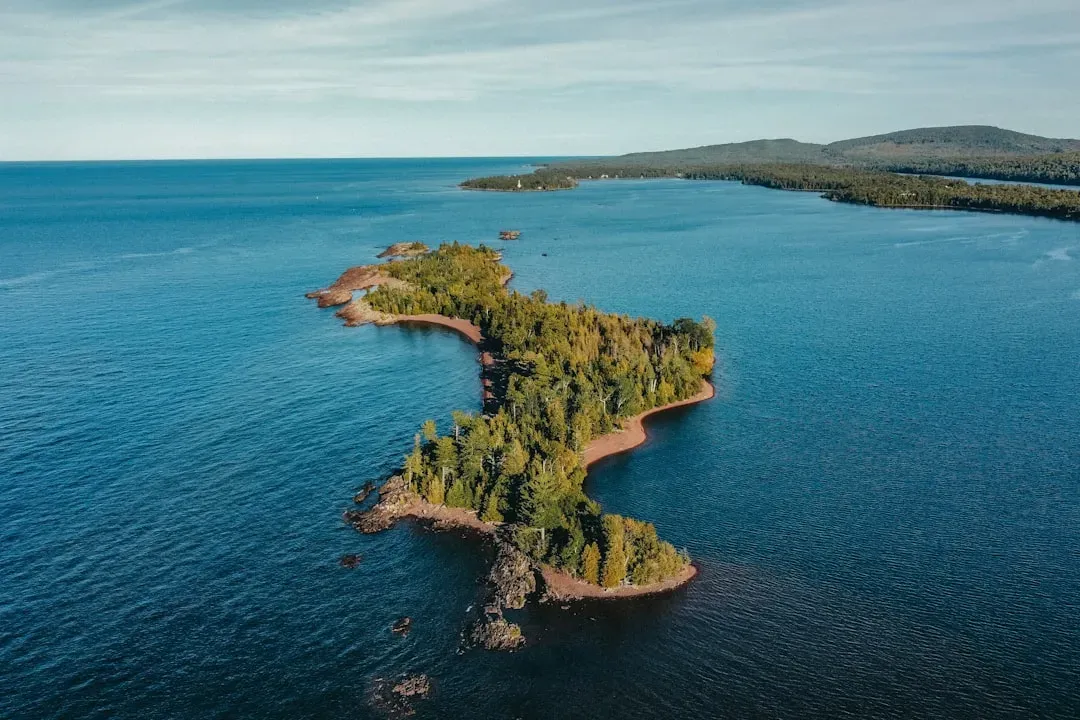
The more you learn about the Great Lakes, the harder it becomes to think of them as ordinary. They are geological marvels, ecological powerhouses, economic lifelines, cultural anchors, and weather machines all at once. Because of their sea-like characteristics, such as rolling waves, sustained winds, strong currents, great depths, and distant horizons, the five Great Lakes have long been called inland seas – and honestly, that title feels more earned with every fact you discover.
Over 1.5 million jobs and $60 billion in wages are generated by the lakes each year. Tens of millions of people drink from them. Countless more are fed by the agriculture and industry they make possible. Yet the glacial water that fills them is essentially ancient and finite, the invasive species threatening their ecosystems have no easy solution, and the shipwrecks holding centuries of human history are disappearing into mussel colonies one corroded steel beam at a time.
The Great Lakes are not just an American story. They are a North American one – shared, tested, and still astonishing. The real question is whether we’ll treat them with the same sense of wonder they deserve before it’s too late. What do you think – did any of these facts genuinely surprise you? Drop your thoughts in the comments below.

- Why These Unique Bird Species Are Choosing to Nest in Urban Areas - July 31, 2026
- 7 US States With the Largest Moose Populations - July 31, 2026
- Which Zodiac Signs Bond Best With Large Dogs - July 31, 2026