


Nature has an incredible way of surprising us when we least expect it. Just when scientists declare a species lost forever, hidden populations emerge from remote corners of our planet, proving that life finds a way to persist against all odds. These remarkable rediscoveries remind us that our understanding of the natural world is far from complete, and hope remains for countless species we’ve written off as extinct.
The phenomenon of “Lazarus species” — creatures that seemingly rise from the dead after being declared extinct — has captivated researchers and wildlife enthusiasts for decades. These extraordinary comebacks challenge our assumptions about biodiversity loss and highlight the resilience of life itself. From dense rainforests to isolated islands, these survivors have been quietly thriving in places we never thought to look.
The Coelacanth: A Living Fossil That Shocked the World

In 1938, a fisherman’s net off the coast of South Africa hauled up what would become one of the most sensational biological discoveries of the 20th century. The coelacanth, a prehistoric fish thought extinct for 66 million years, was suddenly staring back at scientists with its ancient eyes. This “living fossil” possessed features that made it appear more like a creature from the age of dinosaurs than a modern fish.
The discovery sent shockwaves through the scientific community because coelacanths were believed to be crucial links in the evolutionary chain from fish to land animals. Their lobed fins and unique body structure suggested they were among the first vertebrates to develop limb-like appendages. Today, two species of coelacanth are known to exist, with populations found near the Comoro Islands and off the coast of Indonesia.
What makes the coelacanth’s survival even more remarkable is its incredibly slow reproduction rate and specialized habitat requirements. These fish can live up to 100 years and don’t reach sexual maturity until they’re around 40 years old. Their rediscovery fundamentally changed our understanding of vertebrate evolution and proved that even the most ancient lineages can persist in Earth’s hidden corners.
Takahē: New Zealand’s Flightless Wonder Returns
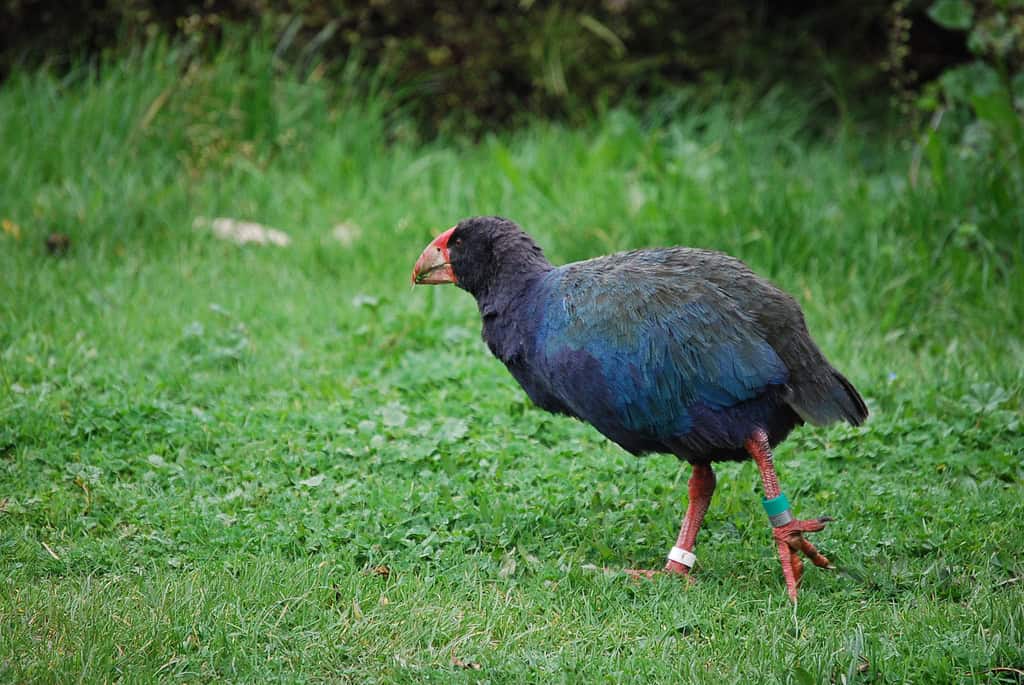
The takahē, a large flightless bird native to New Zealand, was declared extinct in 1898 after no confirmed sightings for decades. This vibrant blue and green bird, roughly the size of a turkey, had seemingly fallen victim to habitat destruction and introduced predators. For over 50 years, the takahē existed only in museum specimens and old photographs, a symbol of New Zealand’s lost biodiversity.
Everything changed in 1948 when Dr. Geoffrey Orbell discovered a small population of takahē in the remote Murchison Mountains of Fiordland. The discovery made international headlines and sparked one of New Zealand’s most successful conservation programs. The found population consisted of just a few breeding pairs, making their survival nothing short of miraculous.
Today, thanks to intensive conservation efforts, the takahē population has slowly recovered from near extinction. Captive breeding programs, predator control, and habitat restoration have helped increase their numbers to over 400 individuals. The takahē’s comeback story demonstrates how dedicated conservation work can literally bring species back from the brink of extinction.
Javan Elephant: Giants Hiding in Plain Sight
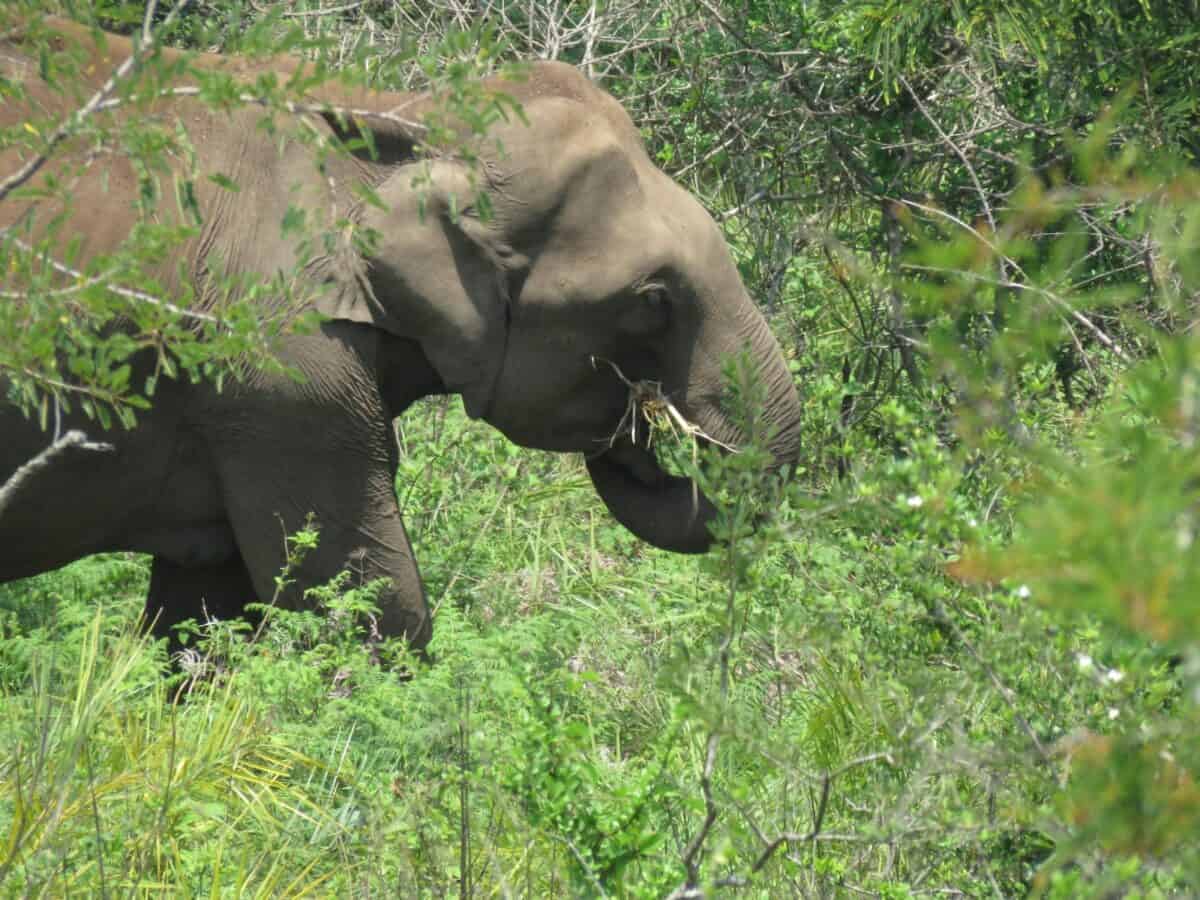
The Javan elephant was long considered extinct, with scientists believing that all elephants on the Indonesian island of Java had vanished centuries ago due to human encroachment. Historical records suggested that these elephants had been completely wiped out by deforestation and hunting pressure. The scientific community had written off any possibility of wild elephants surviving on this densely populated island.
However, genetic analysis in 2003 revealed a startling truth: a small population of elephants in Way Kambas National Park in Sumatra were actually Javan elephants, not Sumatran elephants as previously believed. These elephants had been hiding in plain sight, misidentified for decades by researchers who assumed they were just another population of their Sumatran cousins.
The discovery highlighted how easily species can be overlooked or misidentified, especially when they exist in small, isolated populations. Today, fewer than 300 Javan elephants remain, making them one of the rarest elephant subspecies on Earth. Their rediscovery has sparked urgent conservation efforts to protect their remaining habitat and ensure their survival for future generations.
Night Parrot: Australia’s Most Elusive Bird
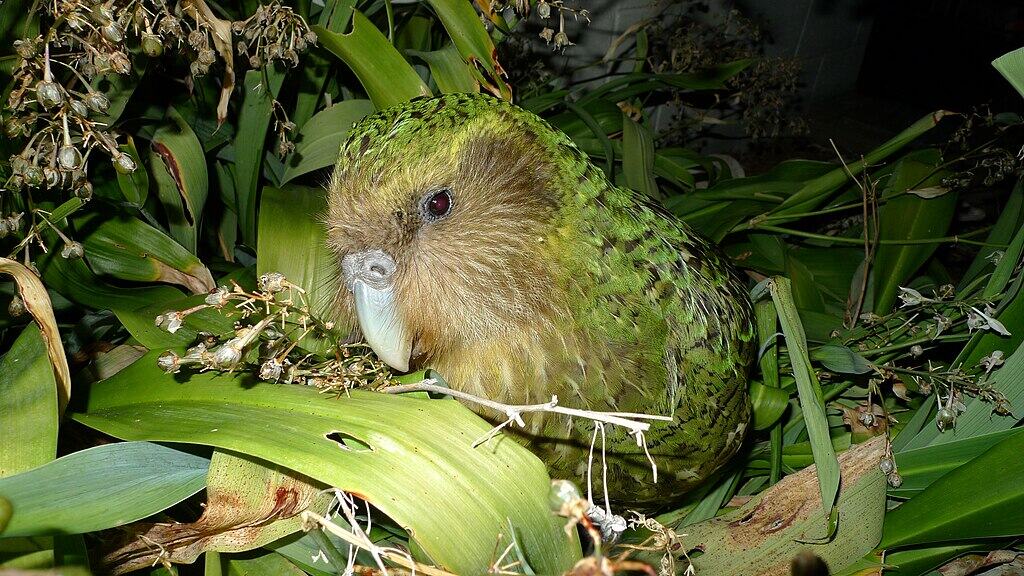
For over a century, the night parrot held the dubious honor of being Australia’s most mysterious bird. This small, ground-dwelling parrot hadn’t been reliably documented since 1912, leading many to believe it had joined the ranks of Australia’s extinct species. The night parrot’s secretive nocturnal lifestyle and preference for remote, arid habitats made it nearly impossible to study or even confirm its existence.
In 2013, naturalist John Young made headlines when he captured the first photographs and recordings of a living night parrot in over 100 years. The discovery occurred in outback Queensland, where Young spent months tracking down rumors and reports from local residents. His persistence paid off when he finally documented this elusive bird, proving that some species can remain hidden even in our modern, connected world.
The night parrot’s rediscovery has sparked intense scientific interest and conservation efforts. Researchers are now working to understand the bird’s habitat requirements, breeding behavior, and population size. The species remains critically endangered, with only a handful of confirmed sightings since Young’s groundbreaking documentation, making every new discovery precious for conservation science.
Fernandina Island Tortoise: Galápagos Survivor
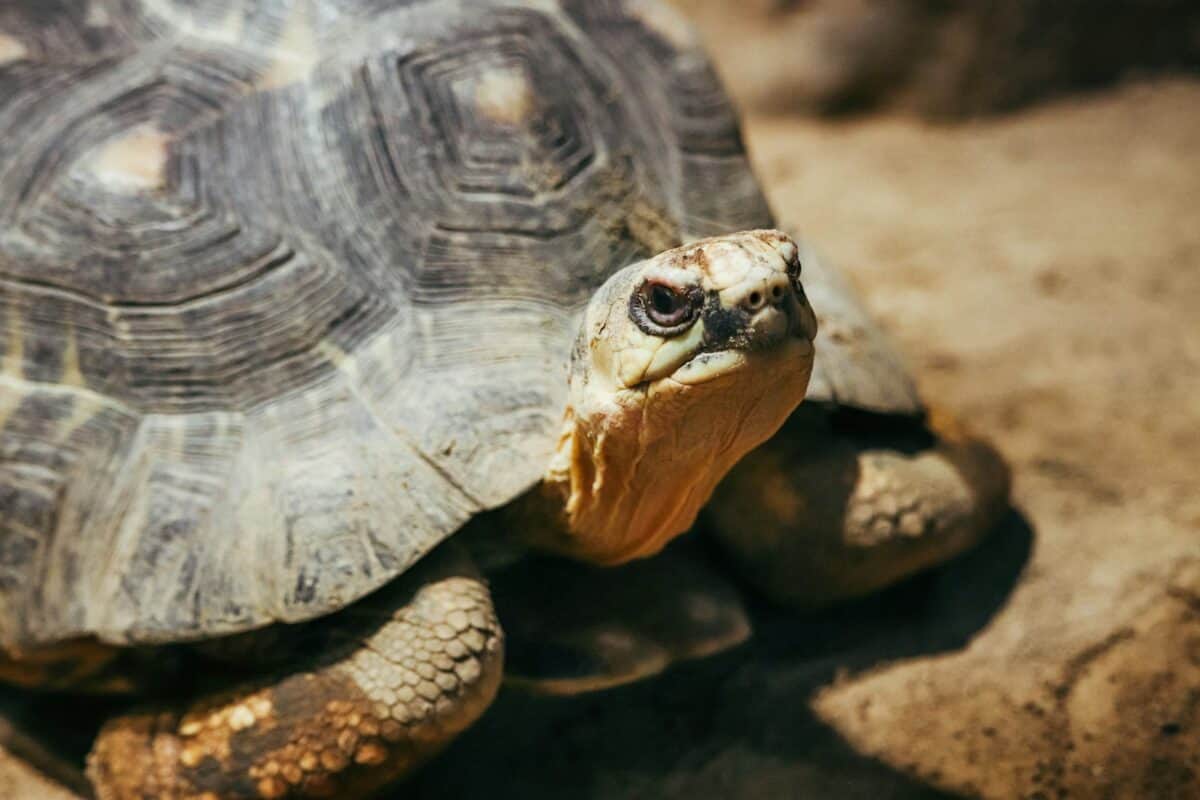
The Fernandina Island tortoise was declared extinct in 1906 after the last confirmed individual was collected for scientific study. This giant tortoise species, endemic to one of the most remote islands in the Galápagos archipelago, seemed to have vanished forever. Volcanic activity, introduced species, and human interference were believed to have sealed the fate of these ancient reptiles.
More than a century later, in 2019, an expedition to Fernandina Island made an extraordinary discovery. A female tortoise, estimated to be over 100 years old, was found alive on the island’s slopes. Named Fernanda, this remarkable survivor became living proof that the species had persisted against all odds in one of the world’s most isolated ecosystems.
Genetic testing confirmed that Fernanda was indeed a Fernandina Island tortoise, making her possibly the last of her kind. Her discovery has renewed hope for the species and sparked intensive search efforts for other survivors. The tortoise’s rediscovery also highlighted the importance of continued exploration and conservation work in even the most remote corners of our planet.
Ivory-Billed Woodpecker: The Ghost Bird’s Controversial Return

The ivory-billed woodpecker, once North America’s largest woodpecker, was declared extinct in the 1940s after decades of habitat destruction and hunting. This magnificent bird, with its distinctive white bill and striking black and white plumage, became known as the “Ghost Bird” due to its elusive nature and legendary status among birdwatchers.
In 2004, the ornithological world was stunned when researchers claimed to have rediscovered the ivory-billed woodpecker in the swamps of Arkansas. Blurry video footage and audio recordings suggested that this iconic species had somehow survived in the remote bottomland forests of the American South. The announcement sparked international media attention and millions of dollars in conservation funding.
However, the rediscovery remains highly controversial, with many experts questioning the evidence and calling for more definitive proof. Despite numerous subsequent expeditions and searches, no conclusive evidence of living ivory-billed woodpeckers has been produced. The ongoing debate highlights the challenges of confirming species rediscoveries and the importance of rigorous scientific documentation in conservation biology.
Hula Painted Frog: Israel’s Resurrection Story

The Hula painted frog was officially declared extinct in 1996, making it the first amphibian species to be removed from the endangered species list due to extinction. This small, colorful frog was endemic to the Hula Valley in northern Israel, where it lived in the region’s unique wetland ecosystem. Habitat destruction through swamp drainage and agricultural development was believed to have eliminated the species entirely.
In 2011, a park ranger in the Hula Valley Nature Reserve made an incredible discovery when he spotted what appeared to be a Hula painted frog near a small pond. Initially dismissed as a case of mistaken identity, genetic analysis later confirmed that the frog was indeed a member of the supposedly extinct species. The discovery marked the first time a species had been “de-extinct” and returned to the endangered species list.
Since its rediscovery, researchers have found several more individuals, suggesting that a small population has been quietly surviving in the restored wetlands of the Hula Valley. The frog’s comeback story demonstrates how habitat restoration efforts can sometimes yield unexpected benefits, providing refuges for species we thought were lost forever. Today, intensive monitoring and conservation efforts are underway to ensure the Hula painted frog’s continued survival.
Attenborough’s Pitcher Plant: A Botanical Rediscovery
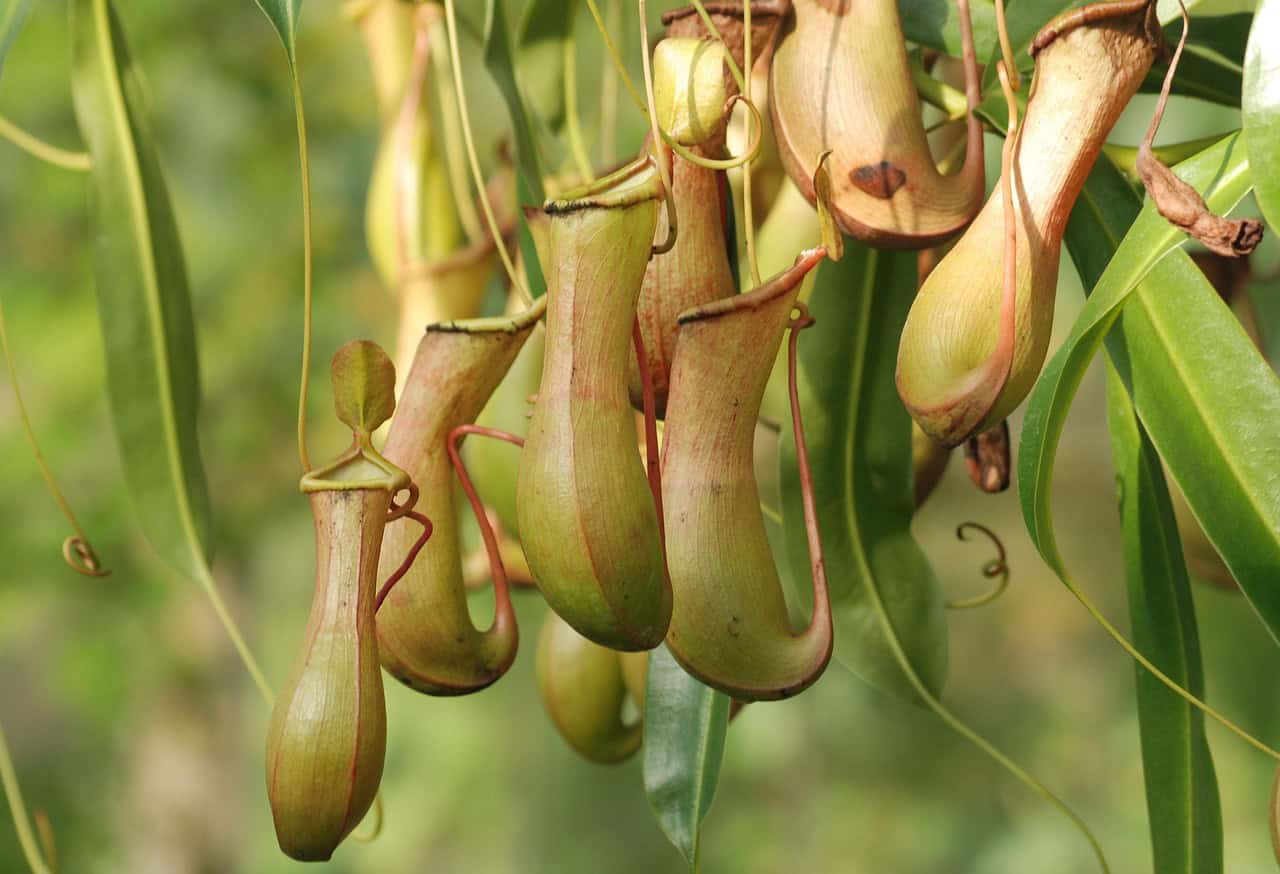
Nepenthes attenboroughii, commonly known as Attenborough’s pitcher plant, was thought to be extinct before it was even scientifically described. This carnivorous plant, named after renowned naturalist Sir David Attenborough, was known only from a single Victorian-era specimen collected in the Philippines. For over 100 years, botanists assumed the species had vanished due to habitat destruction and human encroachment.
In 2007, a team of botanists rediscovered this remarkable plant on the remote Mount Victoria in the Philippines. The plant’s massive pitchers, capable of trapping small vertebrates, made it one of the largest carnivorous plants in the world. Its rediscovery on an isolated mountain peak explained why it had remained hidden for so long, surviving in one of the most inaccessible locations in the Philippines.
The plant’s unique characteristics and extremely limited range make it one of the rarest plants on Earth. Only a few hundred individuals are known to exist, all confined to a small area on Mount Victoria’s summit. The rediscovery has led to intensive conservation efforts to protect both the plant and its fragile mountain ecosystem from threats like climate change and human interference.
Banggai Crow: Indonesia’s Forgotten Corvid
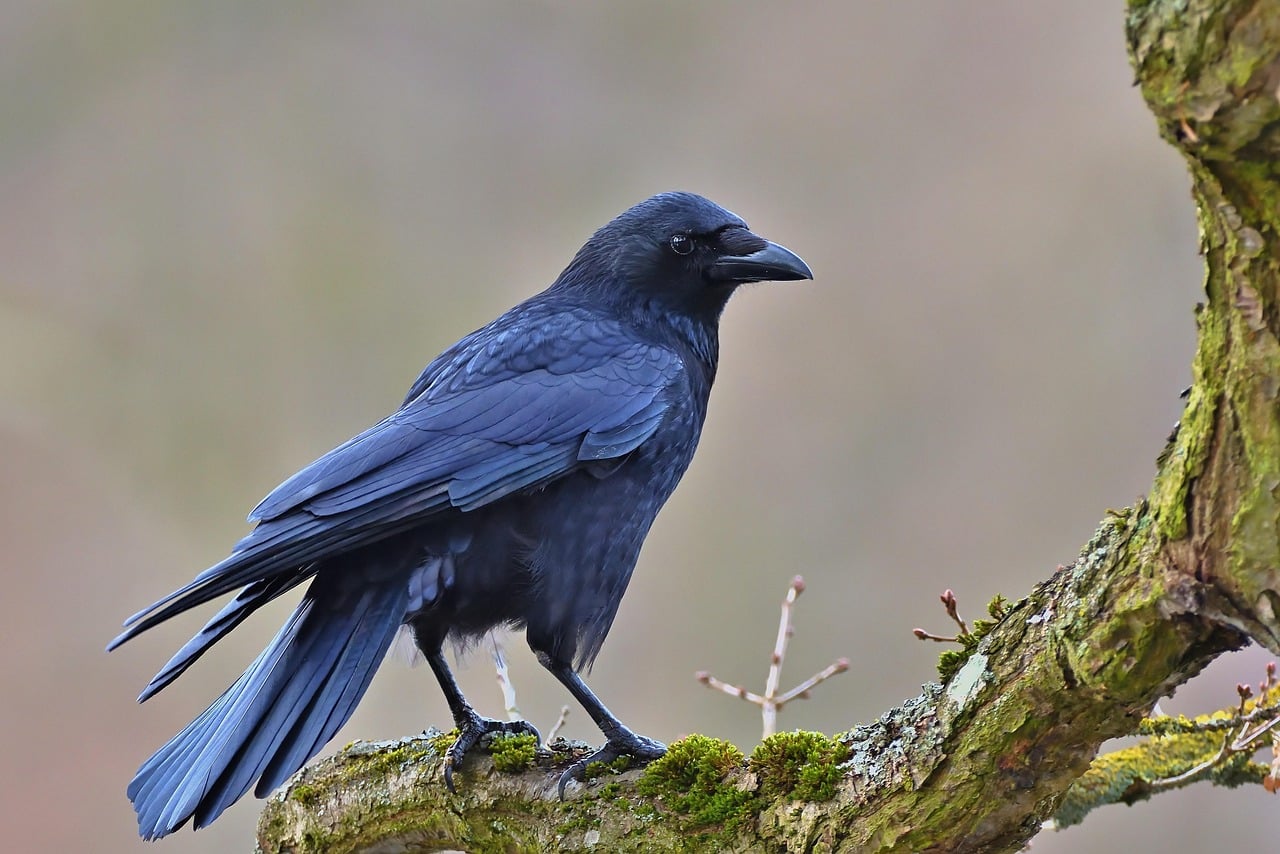
The Banggai crow, endemic to the remote Banggai Islands in Indonesia, was last scientifically documented in 1900 and was presumed extinct for over a century. This medium-sized crow, with its distinctive calls and behaviors, had seemingly vanished from the isolated island chain where it once thrived. The species’ remote habitat and the limited scientific exploration of the Banggai Islands contributed to its prolonged “missing” status.
In 2007, Indonesian researchers conducting a biodiversity survey on the islands were surprised to encounter several Banggai crows during their fieldwork. The birds were found living in small groups within the islands’ remaining forest patches, where they had apparently survived undetected for decades. Their rediscovery highlighted how many species in Indonesia’s remote islands remain poorly known to science.
The Banggai crow’s population remains critically small, with fewer than 500 individuals estimated to exist across the entire island chain. Habitat destruction, introduced species, and the birds’ naturally limited range continue to threaten their survival. The species’ rediscovery has prompted conservation efforts to protect the remaining forest habitat and monitor the crow’s population dynamics.
Somali Sengi: The Elephant Shrew’s Surprising Return
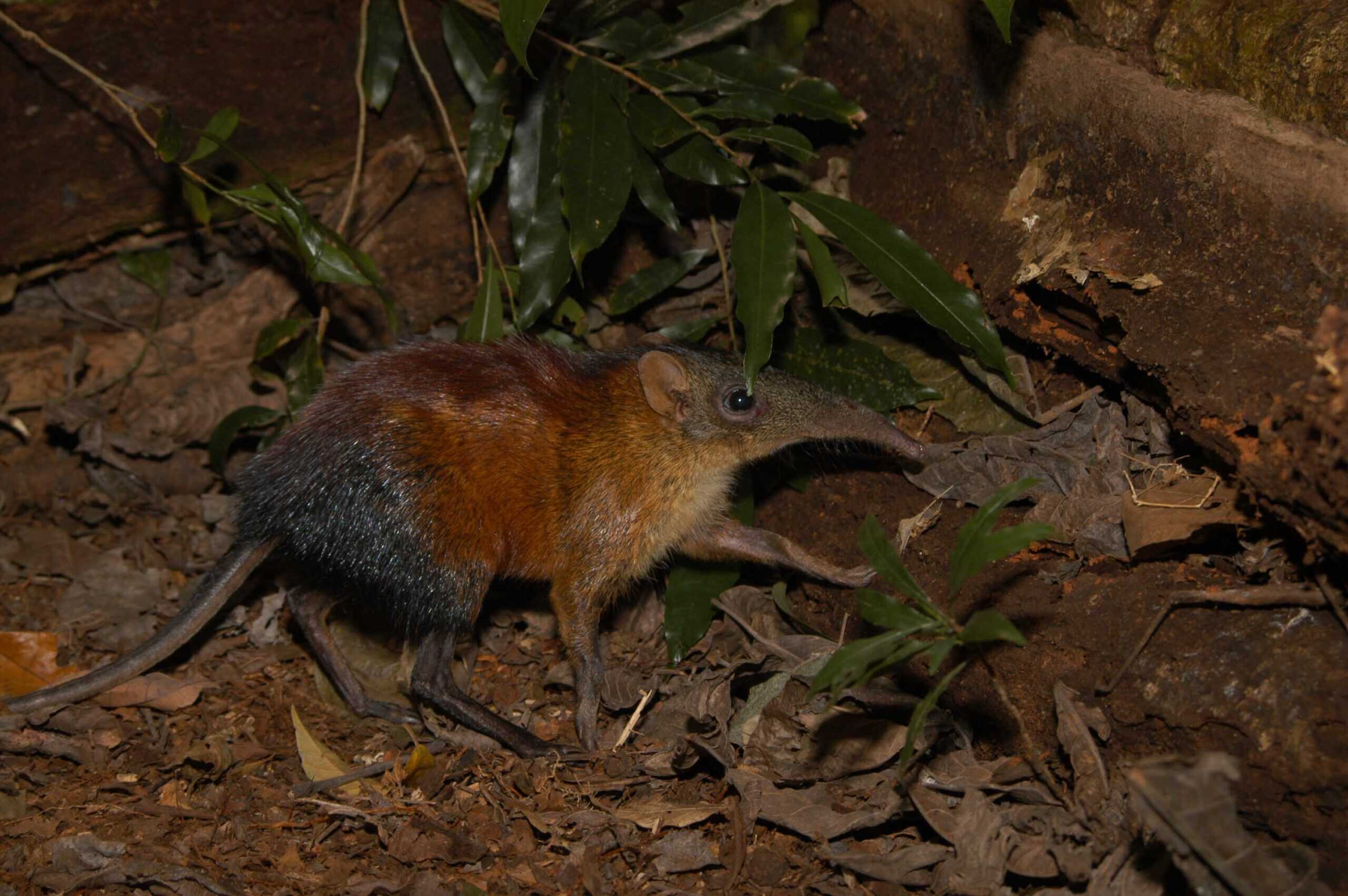
The Somali sengi, also known as the Somali elephant shrew, disappeared from scientific records in the 1970s and was presumed extinct due to decades of political instability and habitat destruction in Somalia. This small, mouse-like mammal with its distinctive elongated snout had not been seen by researchers for over 50 years. The ongoing conflicts in Somalia made it virtually impossible for scientists to conduct fieldwork in the region.
In 2020, an international team of researchers rediscovered the Somali sengi in the remote regions of Djibouti, far from its known historical range in Somalia. The discovery occurred during a mammal survey that was initially focused on other species. Local residents had been familiar with the animal for years, but it had never been scientifically documented in the region.
The rediscovery revealed that the Somali sengi had expanded its range beyond Somalia, adapting to the rocky, arid landscapes of Djibouti. Genetic analysis confirmed that the population was indeed the same species that had been missing from scientific records for decades. The finding demonstrates how political conflicts can create gaps in our knowledge of biodiversity and how species can sometimes survive in unexpected locations.
Jerdon’s Courser: India’s Nocturnal Mystery
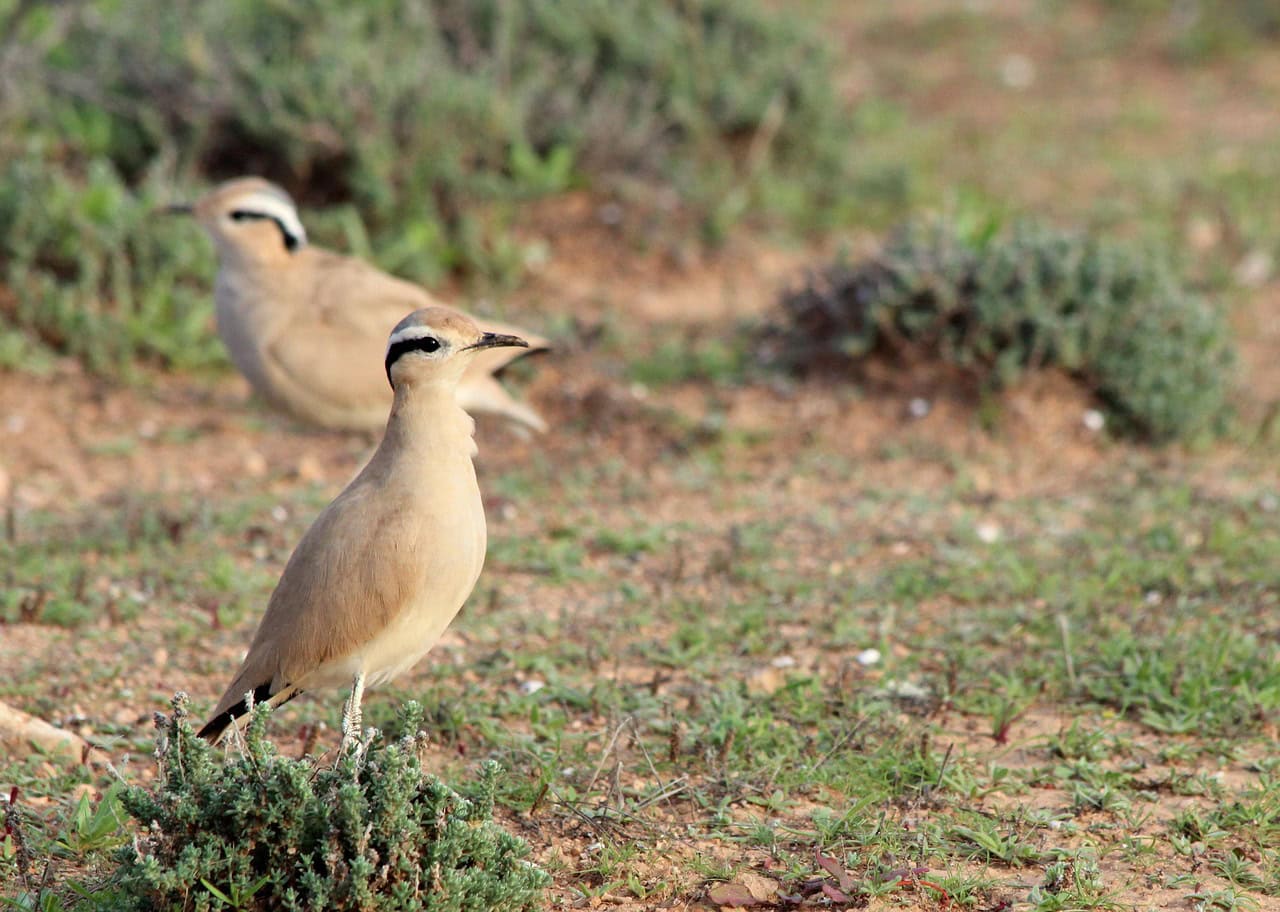
Jerdon’s courser, a nocturnal bird endemic to India, was declared extinct in the 1900s after decades without confirmed sightings. This ground-dwelling bird, with its cryptic plumage and secretive behavior, had seemingly vanished from the scrubland habitats of southern India. The species’ preference for hunting insects at night and its excellent camouflage made it extremely difficult to study, even when it was more common.
In 1986, after 86 years of absence from scientific records, Jerdon’s courser was rediscovered in the scrublands of Andhra Pradesh by ornithologist Bharat Bhushan. The discovery was made during a night survey when researchers heard the bird’s distinctive calls and managed to observe several individuals. The rediscovery was hailed as one of the most significant ornithological finds of the 20th century.
Since its rediscovery, Jerdon’s courser has been found in several locations across Andhra Pradesh, but the total population remains extremely small. The bird’s habitat requirements are very specific, preferring areas with sparse vegetation and rocky terrain. Conservation efforts now focus on protecting the remaining scrubland habitats and understanding the species’ ecological needs to ensure its long-term survival.
Conclusion
These remarkable rediscoveries remind us that extinction is not always forever, and that nature continues to surprise us with its resilience and adaptability. Each species that emerges from the shadows of presumed extinction brings with it valuable lessons about conservation, biodiversity, and the importance of never giving up hope. From ancient fish swimming in deep ocean currents to tiny frogs hiding in restored wetlands, these survivors prove that life finds extraordinary ways to persist.
The stories of these 11 species also highlight the crucial importance of continued scientific exploration and conservation efforts. Many of these rediscoveries happened by chance, during surveys focused on other species or in remote locations that had never been thoroughly studied. This suggests that many more “extinct” species might still be out there, waiting to be found in the planet’s most remote and unexplored corners.
As we face an ongoing biodiversity crisis, these Lazarus species offer a glimmer of hope and a powerful reminder that our understanding of the natural world is far from complete. They challenge us to keep searching, keep protecting habitats, and never lose faith in nature’s incredible ability to surprise us. Who knows what other “extinct” species might be quietly thriving in places we’ve never thought to look?

- How Raccoons Use Their Tiny Hands to Explore - July 31, 2026
- Raju the Elephant Cried Tears of Freedom - July 30, 2026
- How Accurate Is the Wolf Behavior in Twilight and Game of Thrones? - July 28, 2026