
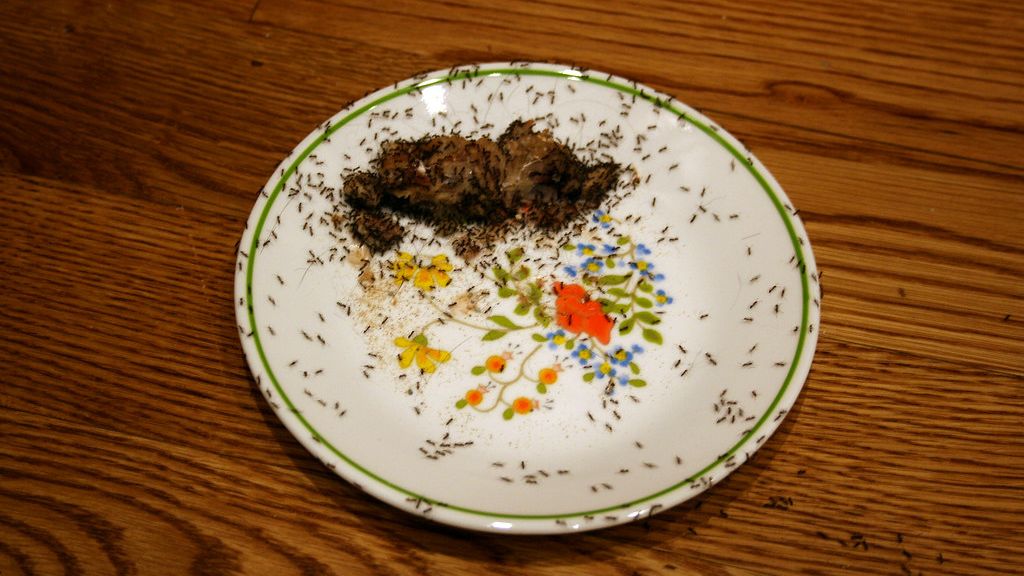
You spot one tiny ant on your kitchen counter. You squash it and move on. But here’s the thing – that single ant is not just a lone wanderer. It’s a scout, and it’s already left an invisible calling card for hundreds of its nestmates to follow. Before you know it, your kitchen has become the hottest restaurant in town for an entire colony.
These tiny pests contaminate food, trail across countertops, and can be incredibly difficult to eliminate once they establish scent trails leading back to their colony. The good news? You don’t need to surrender your kitchen or drown it in toxic chemicals. There are real, proven strategies that work, and some of them might already be sitting in your pantry. Let’s dive in.
1. Destroy the Trail, Not Just the Ant
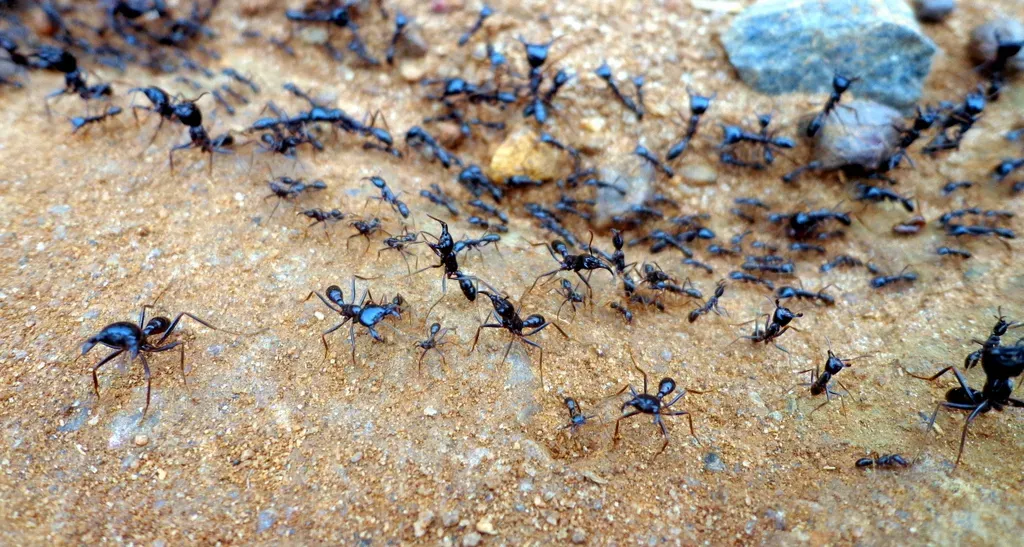
Most people’s first instinct is to grab a paper towel and wipe out whatever ants they can see. Honestly, I get it. It feels satisfying. But it solves almost nothing. Killing one ant in the kitchen isn’t the solution – where there’s one ant, there’s usually a colony nearby, and each ant leaves behind a trail of chemicals called pheromones. Until you wipe out the ant colony where the egg-laying queen resides, she’ll continue to reproduce and send additional worker ants into your home.
The real first move is to eliminate those invisible scent highways. Vinegar is strong enough to end ants where they stand, and it also erases the scent trails those initial ants – known as scouts – leave behind to guide their friends into your kitchen. Try using a equal parts vinegar and water mixture to clean hard surfaces, including floors and countertops, wherever ants are likely to travel.
Think of it like this: the ants have a GPS system built on smell. Wipe out the signal, and the followers have nowhere to go. Do this consistently, and you cut the line of communication between the scouts and the colony entirely.
2. Use Bait Traps to Target the Whole Colony
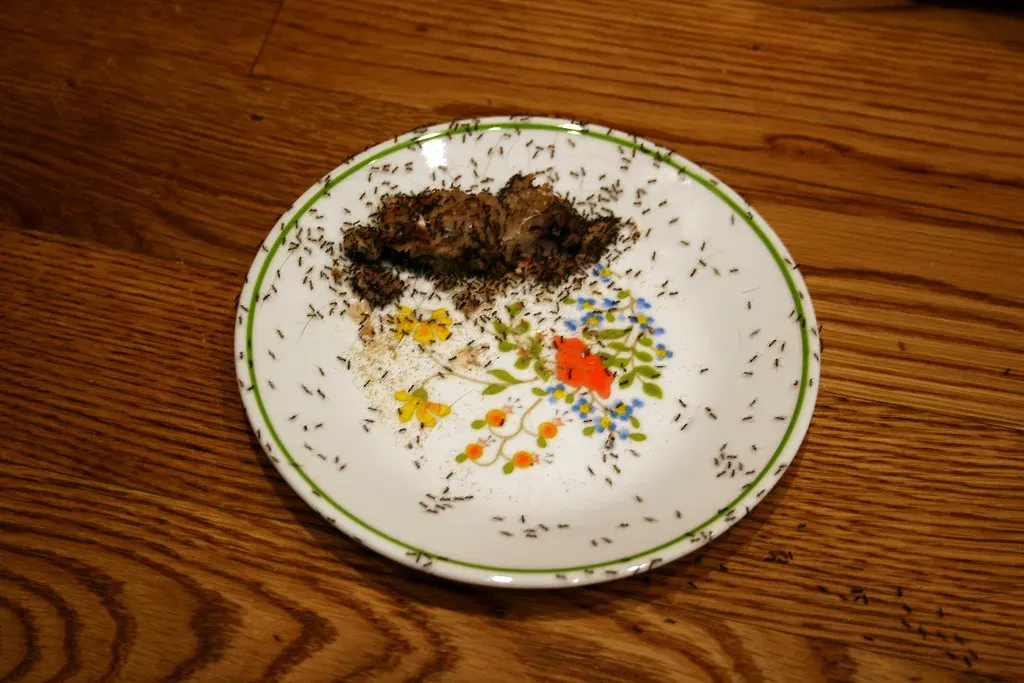
Here’s where things get genuinely clever. Instead of attacking ants on the surface, bait traps use the ants’ own behavior against them. Ant bait may help reduce or eliminate ants at their source as worker ants take it back to their nests and feed the bait to their nestmates. You’re essentially letting the ants do the dirty work for you.
Once bait is out, don’t be surprised if you suddenly see lots of ants. That’s actually a good thing. It means more ants are taking the toxic bait back to the colony where they’ll share it with the rest of the ants, including the queen, and kill them. Resist every urge to sweep them away during this phase. Patience is everything here.
If you still see ants after two weeks, try a different type of bait. While liquid bait is the best way to kill many sweet-loving ants, other ants prefer solid bait. The species matters more than most people think, so it’s worth experimenting if the first attempt doesn’t deliver results.
3. Seal Every Entry Point You Can Find
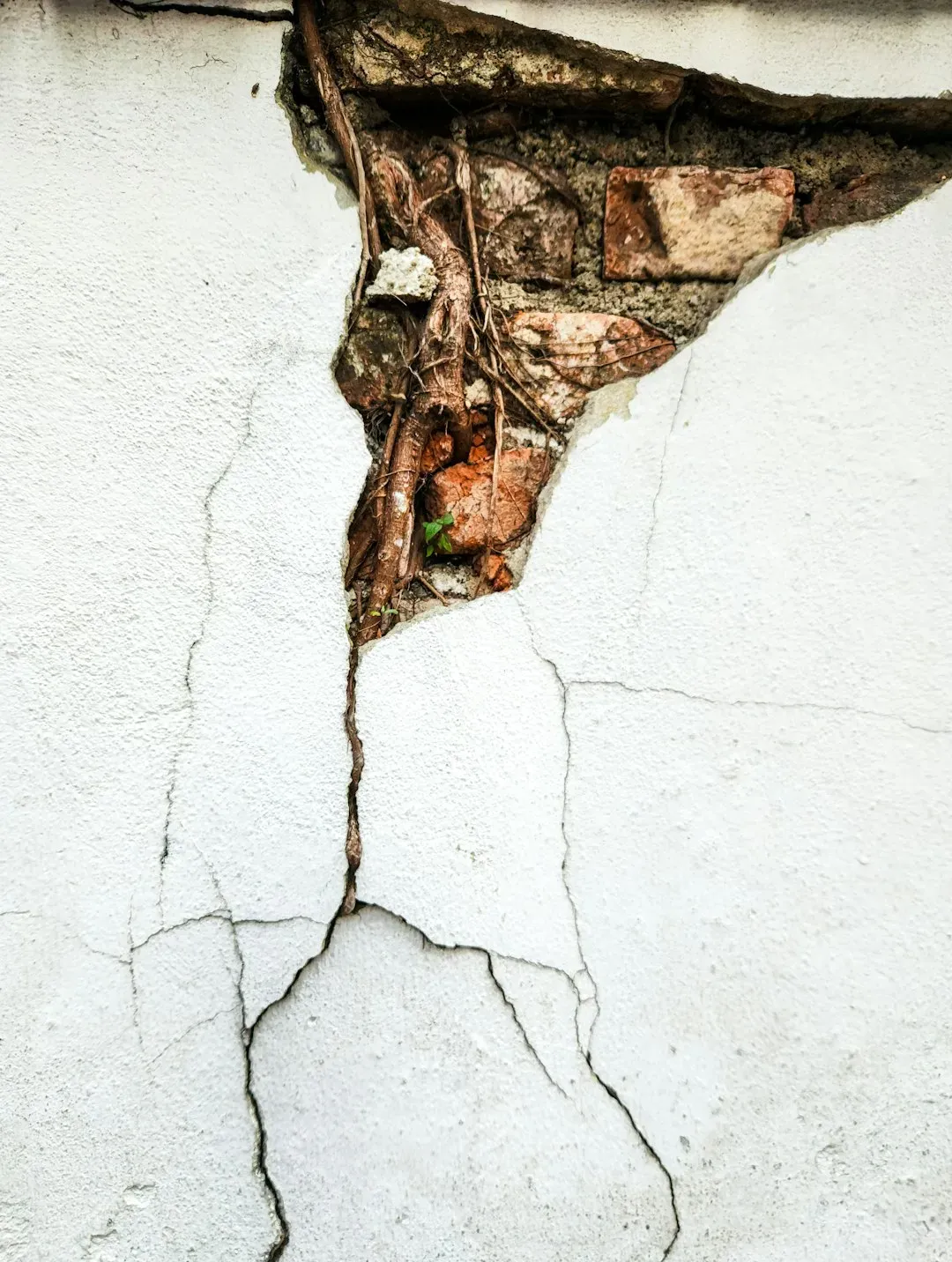
Imagine pouring water into a bucket with holes. That’s what fighting ants without sealing entry points feels like – totally pointless. Common entry points include cracks around windows and door frames, areas underneath and behind cabinets, cracks and gaps around appliances, gaps around plumbing pipes and electrical conduits, and cracks in the foundation. That’s a shockingly long list, right?
Figuring out how ants are entering your home can help you eliminate an ant infestation and prevent a future one. Check your home for cracks in the walls and holes near floorboards and radiators. You can seal cracks or treat them with ant repellent. A simple tube of silicone caulk costs next to nothing and makes a dramatic difference.
Cut off any vines or vegetation that touches or leans against the exterior walls of your house and windows, as this can make it easier for ants to enter your home. It’s a detail that almost everyone overlooks. That beautiful climbing plant near your kitchen window? It might be acting as a literal ant highway straight into your home.
4. Eliminate Their Food and Water Supply
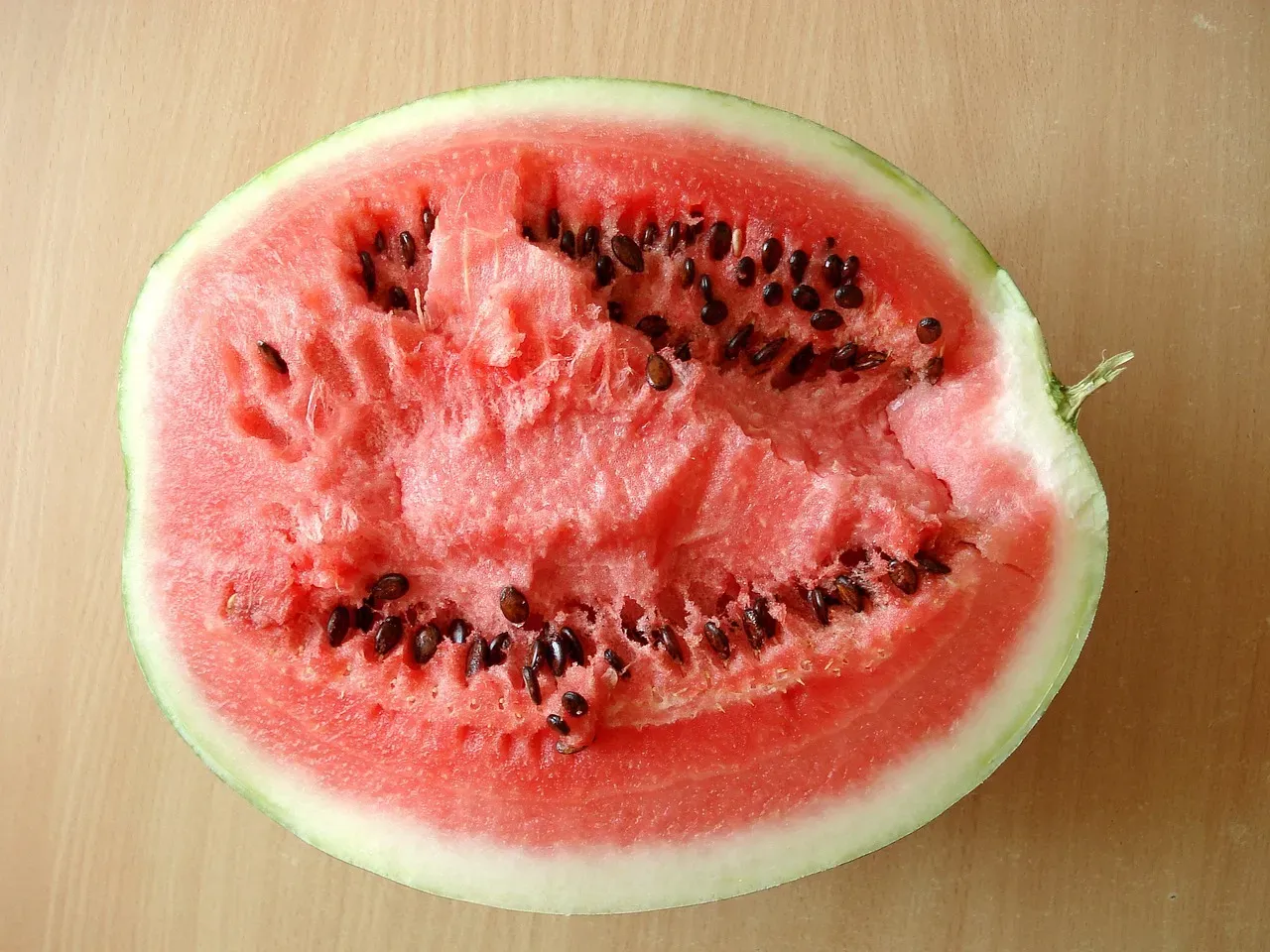
Ants are attracted to the smells from your kitchen, and if your kitchen is dirty, it could attract ants like a dinner bell. Let’s be real – even the tidiest kitchens have invisible residues on surfaces, sugary spills behind the toaster, or a sticky ring left by a honey jar. To ants, those are five-star meals.
Eliminate sources of food and water by repairing water leaks, keeping cabinets dry, cleaning up all spills and crumbs, removing food in the sink and on the kitchen counters, and never allowing uneaten pet food to sit out overnight. Always use a lid on your trashcan so ants do not have access to thrown-away food scraps. Pet bowls are one of the most overlooked culprits – they’re basically an open buffet sitting on the floor.
Fruits, especially overripe ones, tend to attract ants. Try to keep fruits covered and avoid letting them get too ripe. Keep the kitchen stove, oven, and any small appliances on kitchen countertops – including toaster ovens, microwaves, can openers, and coffee pots – clean. Ants are often attracted to these appliances and the areas around them if they’re not kept clean. Every crumb counts when you’re dealing with creatures this small and this determined.
5. Deploy Natural Repellents as Your Ongoing Defense
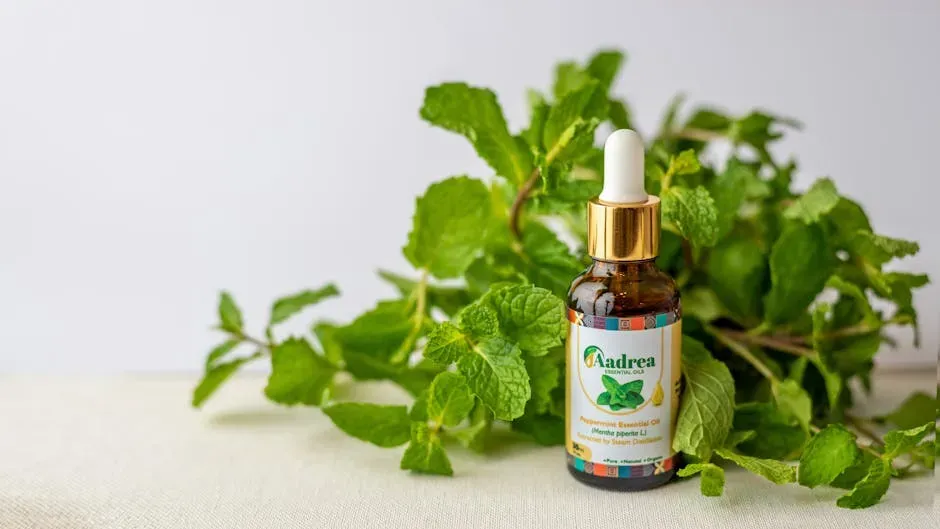
Once you’ve handled the immediate infestation, the smartest thing you can do is create a kitchen environment that ants simply don’t want to enter in the first place. Natural repellents are surprisingly powerful, and they come without the toxic downside of harsh chemical sprays.
Peppermint and tea tree oils specifically leave a horrible taste in an ant’s mouth, and the fumes from the powerful oils are a strong deterrent as well. A cotton ball soaked in peppermint oil near entry points creates a deterrent barrier that ants avoid. It’s almost poetic that something that makes your kitchen smell wonderful is simultaneously sending ants running in the opposite direction.
Cinnamon is not only a spice but also a natural ant-repellent. Sprinkle ground cinnamon or place cinnamon sticks around entry points and ant trails. The pungent smell of cinnamon disrupts the ants’ scent trails, keeping them away from your home. For a broader defense, food-grade diatomaceous earth is a safe and natural way to get rid of ants inside. Sprinkle it in areas where you see ants, and the fine powder dehydrates the ants, leading to their death. Unlike chemicals, it’s safe to use around most households and keeps working quietly in the background.
Conclusion: Play the Long Game and Win
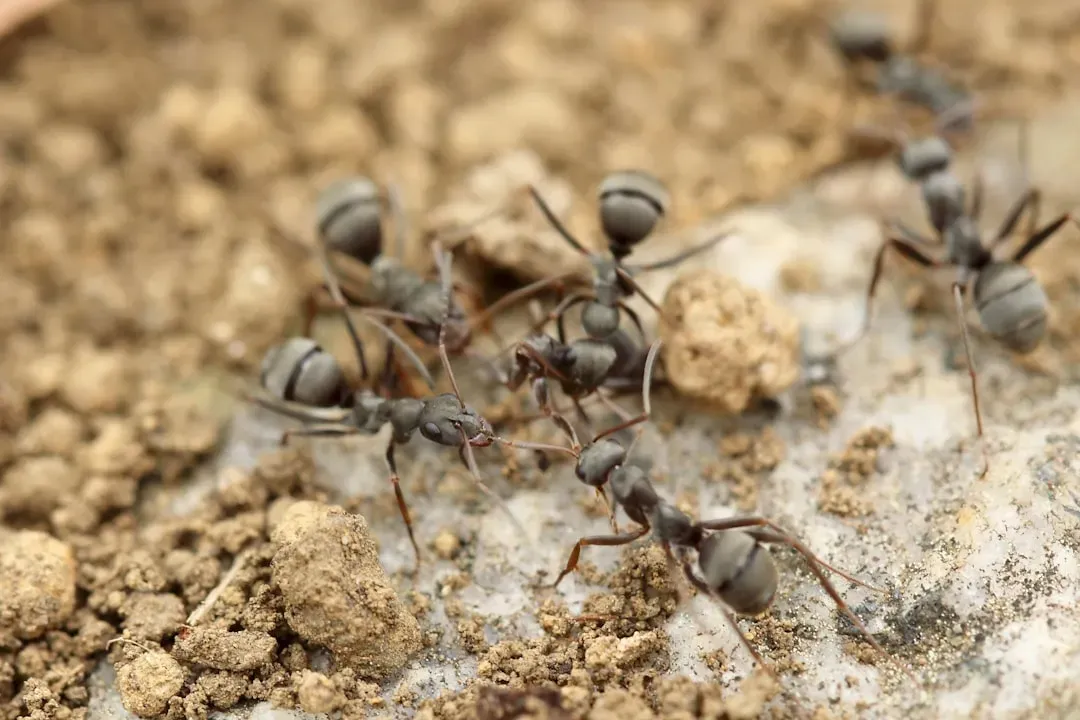
Getting rid of ants permanently isn’t about one dramatic single solution. It’s a layered strategy: destroy the trail, bait the colony, lock down the entry points, cut off the food supply, and maintain natural deterrents as your ongoing shield. Do all five, and you’re not just reacting to ants – you’re making your kitchen a place they genuinely don’t want to be.
You can keep ants out of your kitchen with smart prevention, like sealing entry points and eliminating food sources, and targeted treatments, such as bait traps and non-repellent insecticides. It takes a little consistency and a shift in mindset, but it is absolutely achievable. The kitchen belongs to you, not to a colony of uninvited six-legged guests.
Think about it this way: ants have been outsmarting humans for millions of years by working as a team. The only way to beat them is to think just as strategically. So, have you been battling ants in your kitchen? Which of these methods are you going to try first? Share your experience in the comments below.

- 18 Things a Horse Does for Its Chosen Rider That It Will Never Do for Anyone Else - August 3, 2026
- 17 Dog Breeds That Have Quietly Vanished From Neighbourhoods Where They Were Once Everywhere - August 3, 2026
- 16 Tender Things Your Old Cat Does in Its Last Good Months That Most People Never Notice - August 3, 2026