
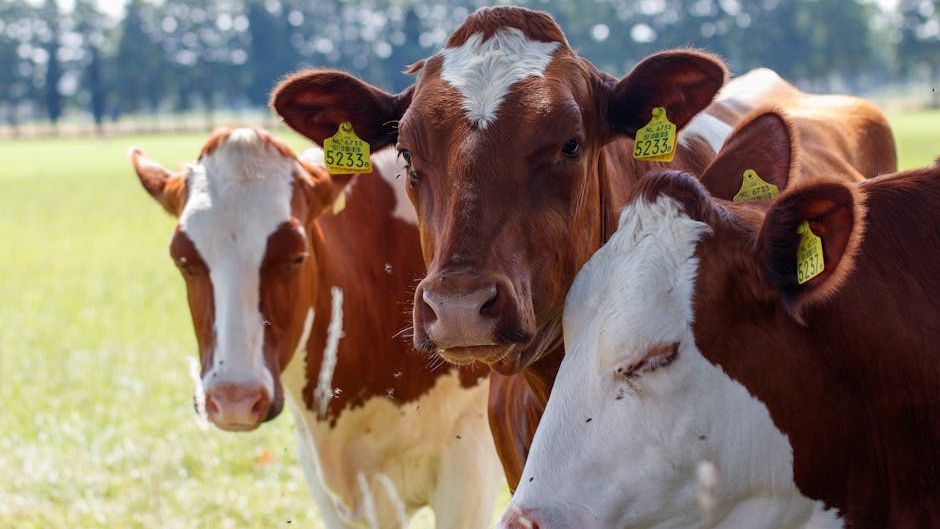
Picture a bustling ant colony where thousands coordinate without a single utterance. Or think of dolphins clicking and whistling in the deep ocean, sharing vital info across vast distances. These creatures thrive in complex social worlds, relying on clever signals that bypass human speech entirely.
It’s fascinating how nature equips them with these tools. Let’s dive into the hidden codes they use every day.[1]
Sounds That Carry Deep Meanings
Animals master a symphony of calls, from bird songs at dawn to wolf howls piercing the night. These vocalizations alert kin to danger or rally groups for hunts. Bees buzz in patterns to pinpoint food sources, turning hums into living maps.[1]
Whales belt out complex songs that travel miles underwater. Each species tweaks these sounds uniquely, like dialects in the wild. Honestly, it’s wild to imagine the info packed into those echoes.[2]
Body Language: Silent Conversations
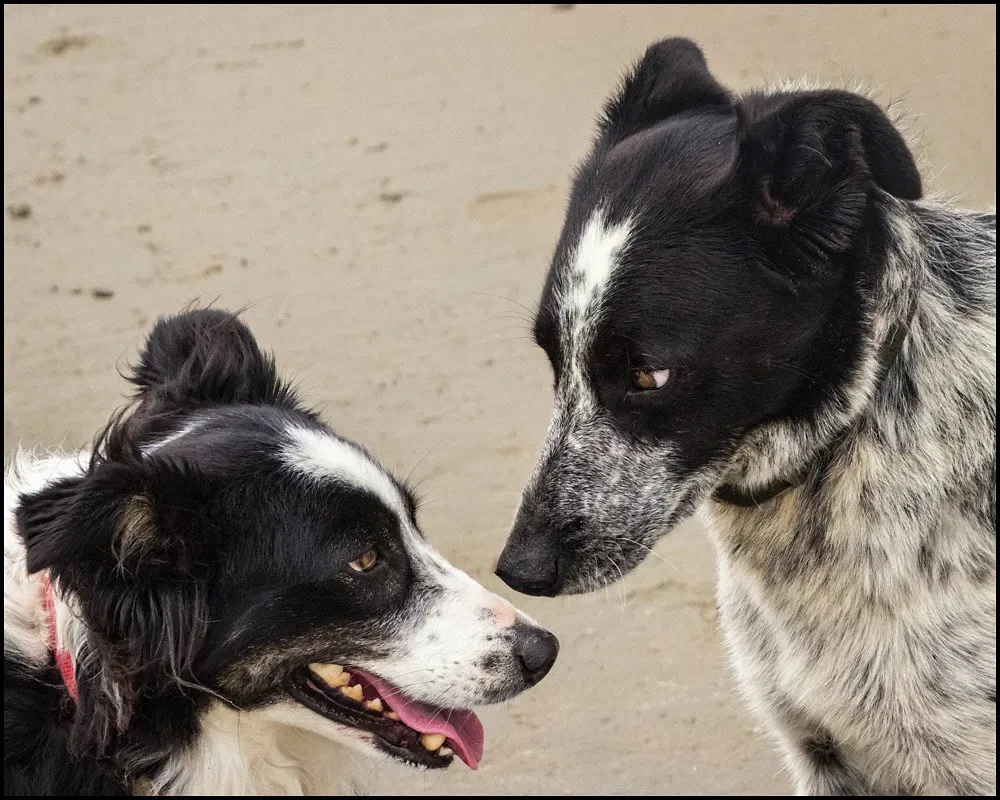
Dogs wag tails high for joy or tuck them low in fear, reading each twitch instantly. Cats arch backs to warn foes, while primates beat chests to boast strength. These postures prevent fights before they start.
Elephants flap ears or trumpet trunks to signal moods across herds. A lowered head in horses means submission, easing tensions. Here’s the thing: most animal chats happen this way, wordlessly efficient.[3][4]
Pheromones: The Invisible Network
Ants lay scent trails guiding sisters to feasts, chemicals evaporating just right. Moths detect mates miles away via airborne pheromones, a nose-only romance. These molecules trigger instincts without a glance.
Even mammals mark territories with glandular sprays, claiming space silently. Fish release alarm pheromones that scatter schools in panic. It’s like email for the nose, reliable and sneaky.[5][6]
Visual Displays That Dazzle
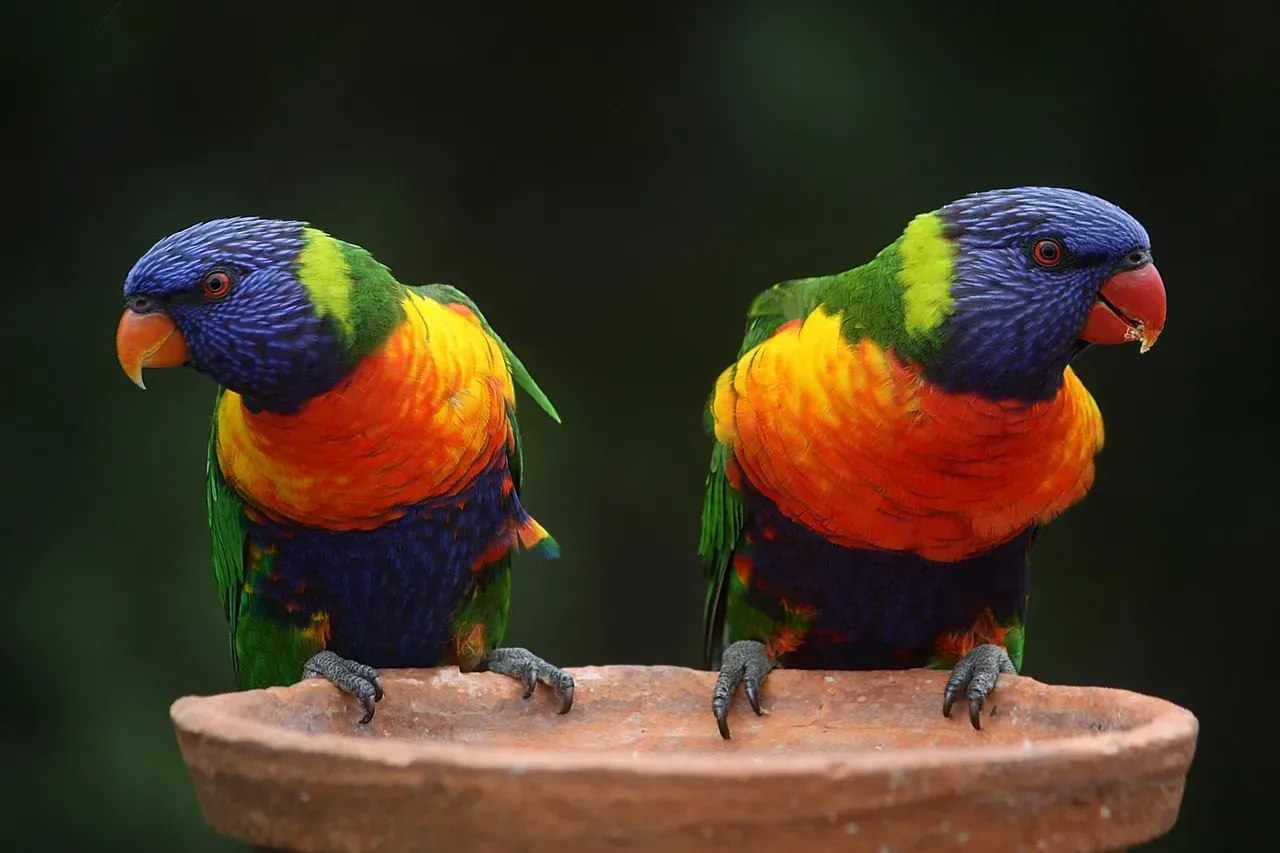
Peacocks fan iridescent tails to woo females, colors screaming fitness. Frogs flash vibrant skin as warnings or lures. Chameleons shift hues not just for camo, but mood signals too.
Fireflies pulse lights in flirtatious codes, syncing flashes for breeding. Octopuses ripple skin patterns to threaten or hide. These spectacles grab attention fast, no sound required.[7][8]
The Power of Touch

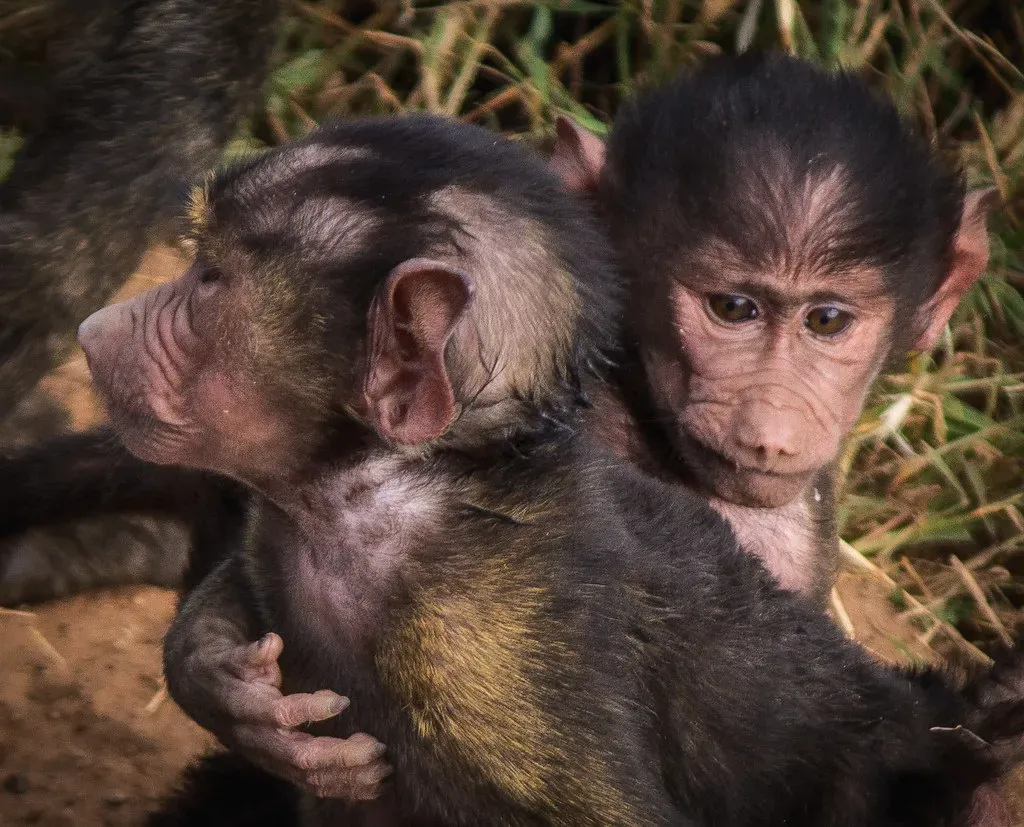
Grooming in monkeys builds bonds, fingers combing fur as trust therapy. Bees antennate nestmates, sharing food vibes through taps. Dolphins nudge flanks to direct swims precisely.
Elephants intertwine trunks in affection, a gentle hello. These contacts soothe, coordinate, even heal social rifts. Touch cuts through noise, intimate and direct.[9]
Exotic Signals in Nature’s Toolbox

Electric eels zap pulses to navigate murky waters or stun prey. Some fish generate fields, sensing friends nearby. Glowworms light caves to lure snacks, bioluminescence as bait.
These rare tricks expand communication’s reach. They show evolution’s creativity, tailoring tools to habitats. I know it sounds crazy, but it works wonders underwater or underground.[1]
Wrapping Up the Wild Codes

Animals weave a tapestry of signals, from scents to shocks, proving smarts beyond words. We glimpse their worlds through these exchanges, richer than we once thought. Next time you spot a tail wag or hear a bird call, remember the secret language unfolding.
What animal signal surprises you most? Share in the comments below.

- 17 Quiet Signals a Horse Sends the Person It Has Claimed That Most Owners Never Learn to Read - August 1, 2026
- 18 Plants Lifelong Gardeners Say They Regret Ignoring for Far Longer Than They Ever Should Have - August 1, 2026
- The 18 Signs Your Aging Cat Has Chosen You to Be Beside It When the Time Finally Comes - August 1, 2026