
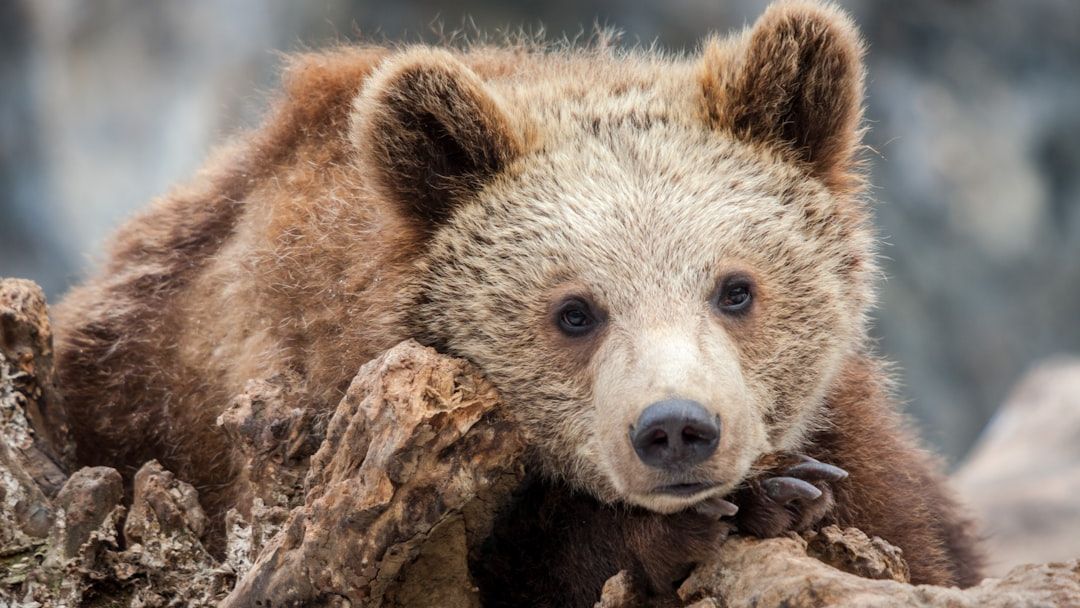
Imagine an animal that goes months without food, gives birth while unconscious, can sprint to nearly 40 miles per hour, and still manages to be one of the most ecologically important creatures on the planet. That animal is the Alaskan brown bear – and it is far more extraordinary than most people realize.
Alaska is not a forgiving place. Its tundra bites hard, its winters last longer than most people’s patience, and its wilderness asks brutal questions of every species that dares to call it home. Yet brown bears don’t merely survive here. They dominate, shape, and sustain this landscape in ways that go far beyond what most of us picture when we think of a bear catching salmon at a waterfall. There is a whole stunning science behind how these animals endure, and honestly, it is more fascinating than any wildlife documentary lets on. Let’s dive in.
Built for Extremes: The Anatomy of a Survivor
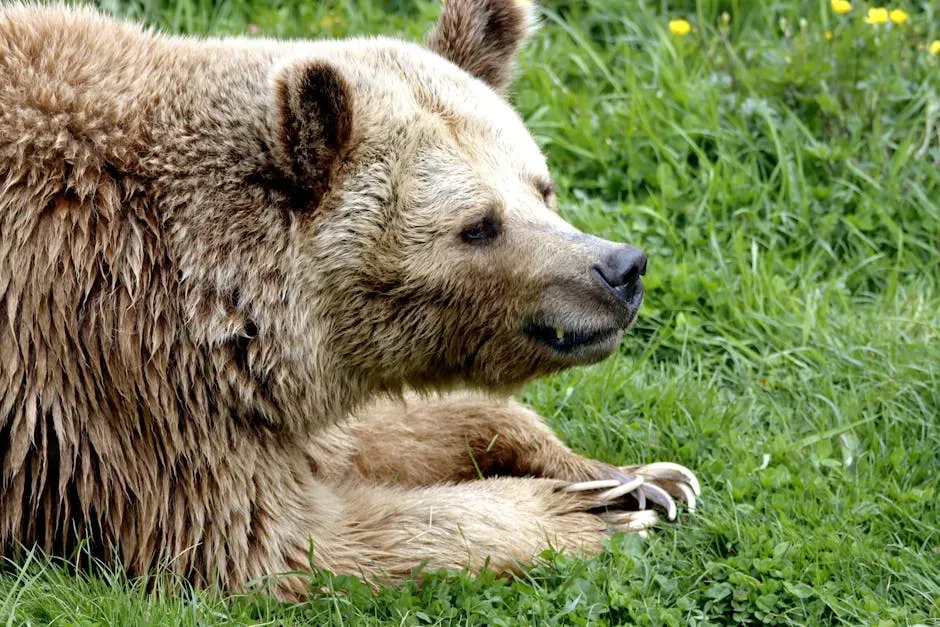
Here’s the thing about Alaska’s brown bears – their bodies are not accidental. Every feature is a carefully evolved answer to a brutal set of environmental questions.
Typically larger than their closest relatives, these bears can weigh up to 1,500 pounds and stand over eight feet tall on their hind legs. Their thick fur, often ranging from light blonde to deep chocolate, plays a crucial role in insulation against harsh temperatures. That’s not just impressive. That’s engineering.
Brown bears are usually larger than black bears, featuring a more prominent shoulder hump, less prominent ears, and longer, straighter claws. Those long claws are useful for digging roots or excavating small mammals, while the musculature and bone structure of the hump are adaptations for digging and for attaining bursts of speed necessary to capture moose or caribou.
Brown bears also possess an astonishing sense of smell. They are likely able to detect scents from miles away, especially downwind. Think about that for a second. In a landscape as vast and featureless as Alaskan tundra, a supercharged nose is essentially a GPS system. It finds food. It finds danger. It finds everything.
Brown bears can run in short bursts up to 40 mph and are excellent swimmers. So if you were ever thinking of outrunning one – don’t.
The Feast Before the Fast: Hyperphagia and the Art of Getting Fat
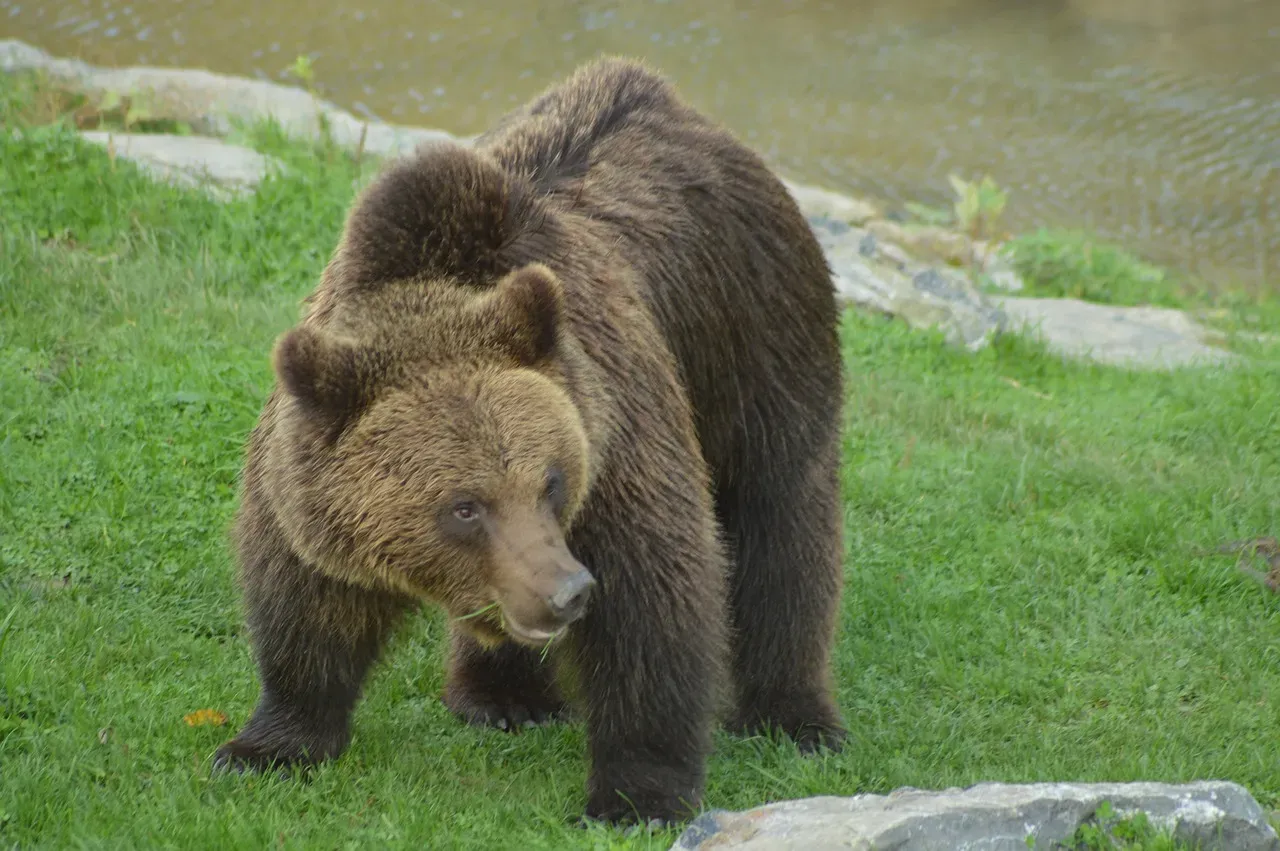
This is where things get genuinely jaw-dropping. Every autumn, Alaska’s brown bears undergo one of the most dramatic biological transformations in the animal kingdom.
Alaska’s bears have just six months to eat a year’s worth of food, so they must work hard over the summer and fall to get in supersized shape. It’s like being told you need to eat a year’s groceries in six months, except your life literally depends on pulling it off.
Bear hyperphagia behavior is characterized by a marked increase in food consumption, sometimes doubling or tripling their usual caloric intake. This allows bears to build massive fat reserves essential for survival during hibernation. During this phase, a bear might spend 22 hours a day eating and gain up to 4 pounds a day.
During the peak of salmon runs, an adult male brown bear in Kodiak National Wildlife Refuge may eat around 30 salmon a day. Thirty. Salmon. Per day. The coastal salmon runs are not just a spectacular wildlife spectacle – they are a biological lifeline.
Alaska has a bounty of wild berries, and coastal brown bears collect them all: salmonberry, blueberry, and elderberry, to name a few. Most berries are rich in sugars, a carbohydrate that helps bears with their weight gain goals when combined with their salmon protein buffet. They are essentially running the most efficient bulk-up program in nature.
Sleeping Through Winter: The Science of Torpor
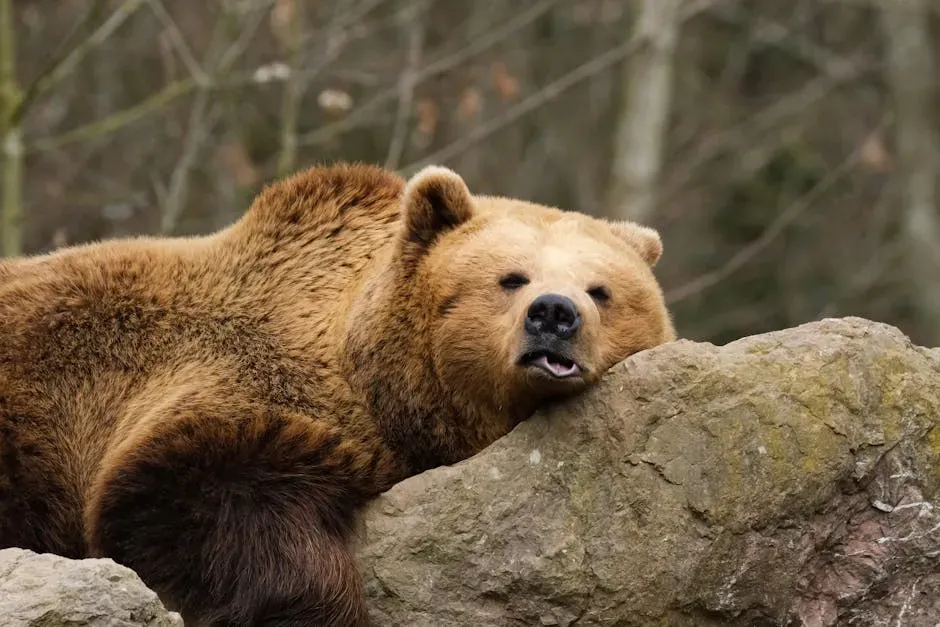
Most people call it hibernation, but what Alaska’s brown bears actually do is something more nuanced – and honestly, more impressive.
In their winter torpor, bears will not eat, drink, or release any bodily waste for several months. When they emerge from their dens in the spring, they’ve lost little bone mass and muscle tone – a fascinating feat studied by NASA scientists and medical professionals. That’s right. NASA studies bears. Because if humans could do what bears do during torpor, long-duration space travel would suddenly look very different.
Bears conserve energy by going into a deep sleep and reducing their body temperature by 8 to 12 degrees, slowing their heart rate and breathing. They then begin to break down fat stores – the fat they spent months building up through a focused and intentional eating campaign.
In the colder, northern parts of Alaska, bears hibernate for about 7 months of the year. Bears in the warmer, coastal regions of the state hibernate for 2 to 5 months, with the longer hibernation time for bears raising newborn cubs. It’s a sliding scale of survival, calibrated by geography.
Scientists have found that while bears will typically lose roughly a fifth to two-fifths of their fat during hibernation, they don’t lose any muscle mass. This indicates highly specialized evolution to cope with the demands of the hyperphagia-hibernation cycle. That is a biological superpower with no equivalent in the human body.
Raising Cubs in the Cold: Reproduction Against the Odds
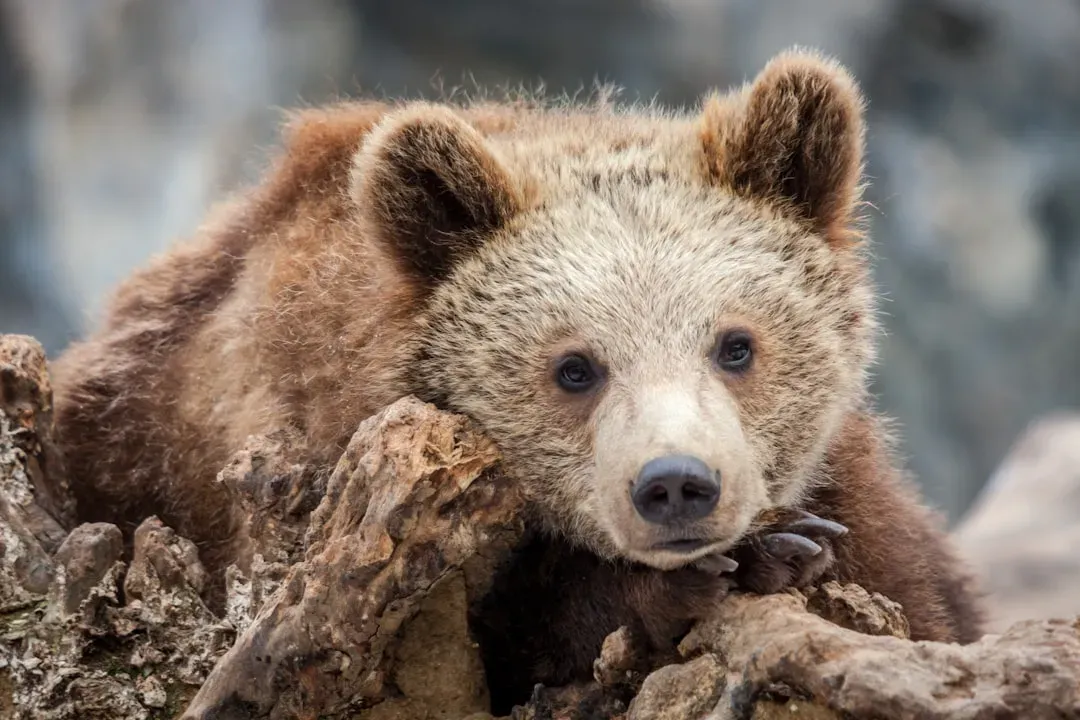
Raising offspring in the Alaskan wilderness is, to put it gently, not easy. The brown bear’s reproductive strategy is a masterclass in biological precision.
Female brown bears experience delayed implantation, a fascinating adaptation in which fertilized eggs do not immediately implant in the uterus. Instead, the embryos remain dormant until late fall, when the female enters her den. If she has accumulated enough fat reserves, the embryos implant and begin developing. This ensures that she has sufficient energy to support pregnancy and nursing during hibernation.
Cubs are born in the den during January and February. Twins are most common, but litter sizes can range from 1 to 4. When the cubs emerge in June, they may weigh up to 15 pounds and they actively explore their world under the constant supervision of their mothers.
Mothers can be furiously protective of cubs. However, less than half of the cubs survive. Families typically stay together for 2 or 3 years, and after separation, female cubs tend to stay near where they were raised while males go farther afield. It’s hard to say for sure, but that maternal bond – fierce, tireless, and unwavering in one of the most demanding environments on earth – is one of the most moving things in the natural world.
Bears typically mate in the spring, with a unique delayed implantation process that ensures cubs are born in late winter when food sources become available. This timing not only increases cub survival rates but also highlights the adaptability of these bears in response to their environment.
More Than a Predator: The Brown Bear as an Ecosystem Engineer
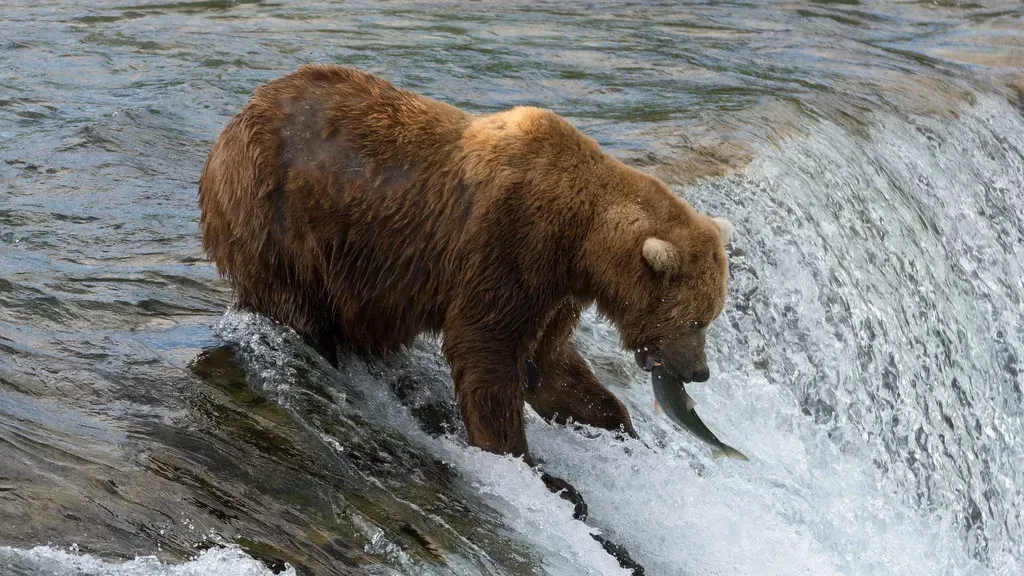
Let’s be real – most people think of brown bears as just very large, salmon-eating machines. The reality is far grander and far more ecologically profound.
Because of their role in transporting nutrients from the ocean to river and riparian ecosystems, Pacific salmon and brown bears have been described as keystone species and mobile links. Application of a mass balance model to data from a southwestern Alaskan stream suggests that nitrogen influx to the riparian forest is significantly increased in the presence of both salmon and bear, but not by either species individually.
The remains of caught salmon decompose, enriching the soil and providing essential nutrients to plants. This nutrient cycling supports the growth of vegetation, which in turn sustains various herbivores. Such cascading effects highlight how deeply connected these species are within ecological frameworks. Remove the bear, and you quietly unravel an entire forest.
Bears are omnivores that can consume species across a wide range of taxonomic and functional groups. Their apex omnivorous trophic position ensures their strong and wide-ranging effects on food webs, which can be amplified by the salmon that allow for their hyper-abundance.
Alaska has over 98 percent of the United States population of brown bears, and more than 70 percent of the North American population, so it has a special responsibility to this magnificent animal. That is not a trivial statistic. It means that Alaska is, essentially, the last great stronghold of this species on the continent – and what happens there matters for an entire hemisphere.
Conclusion: The Bear That Holds a Whole World Together
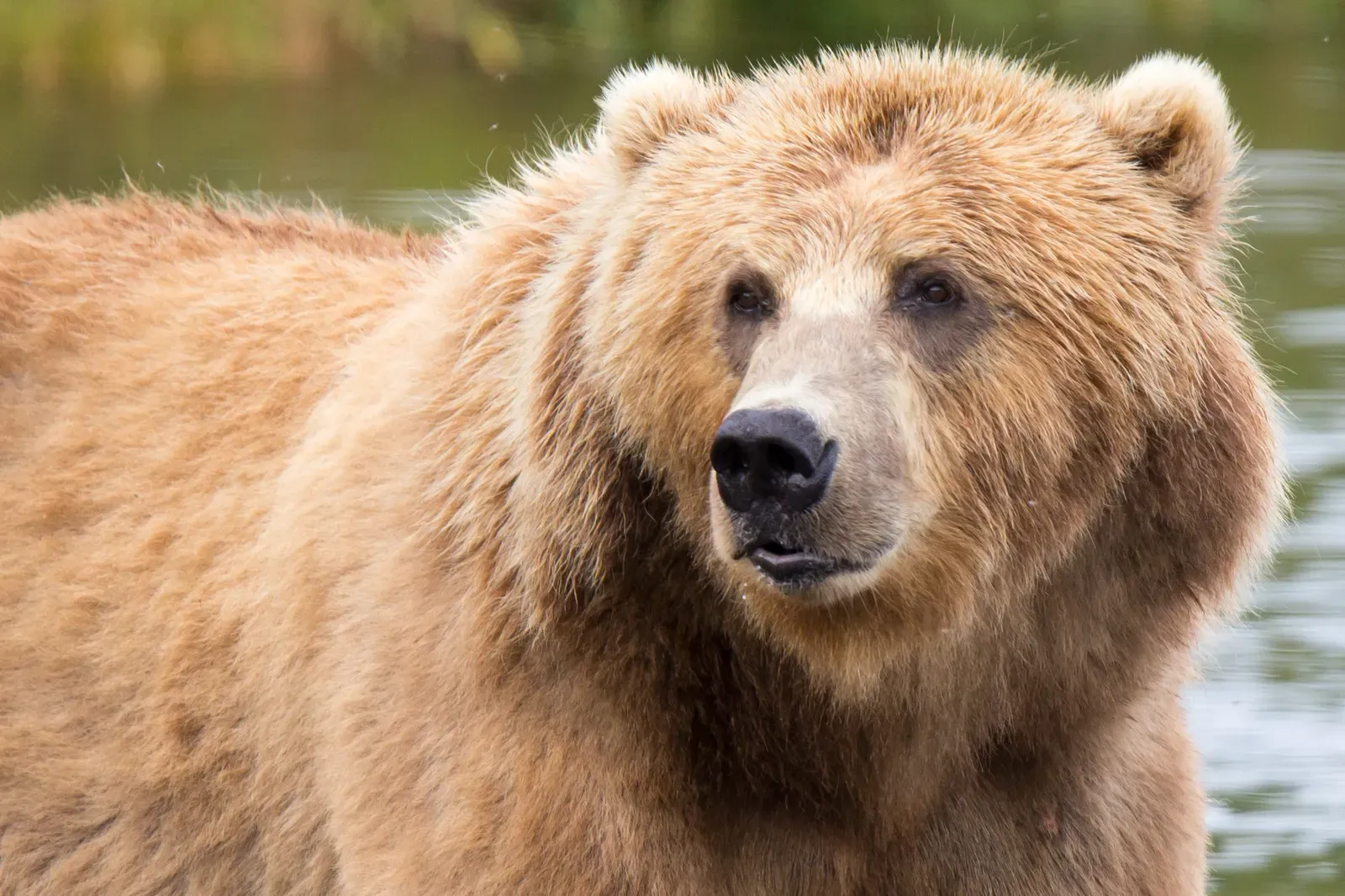
This tag does not indicate the copyright status of the attached work. A normal copyright tag is still required. See Commons:Licensing.See Category:Images from the United States Fish and Wildlife Service., Public domain)
Alaska’s brown bears are survivors, yes. They are also architects. They build forest fertility through scattered salmon carcasses, regulate prey populations, and anchor entire food webs that would buckle without them.
What makes them truly remarkable is not just brute strength or intimidating size – it is the quiet, layered intelligence of an animal that has spent thousands of years learning exactly how to live within one of earth’s most uncompromising landscapes. From a single fertilized egg paused in biological stasis, to a bear consuming 30 salmon a day, to months of near-motionless sleep that defeats the laws of muscle atrophy – every chapter of their lives is extraordinary.
In a world increasingly shaped by human choices, Alaska’s brown bears are a reminder that nature, left to its own genius, creates things that no engineering team could ever design. The question worth sitting with is this: what would we lose if we stopped protecting the wild places that allow these animals to thrive?
What do you think? Share your thoughts in the comments below.

- 13 Things Master Gardeners Say Beginners Learn Far Too Late to Save Their Very First Garden - August 3, 2026
- The 20 Ways a Rescue Horse Shows It Has Finally Given Its Heart to One Single Person - August 3, 2026
- 16 Choices Experienced Dog Owners Say They Would Undo If They Could Start All Over Again - August 3, 2026