
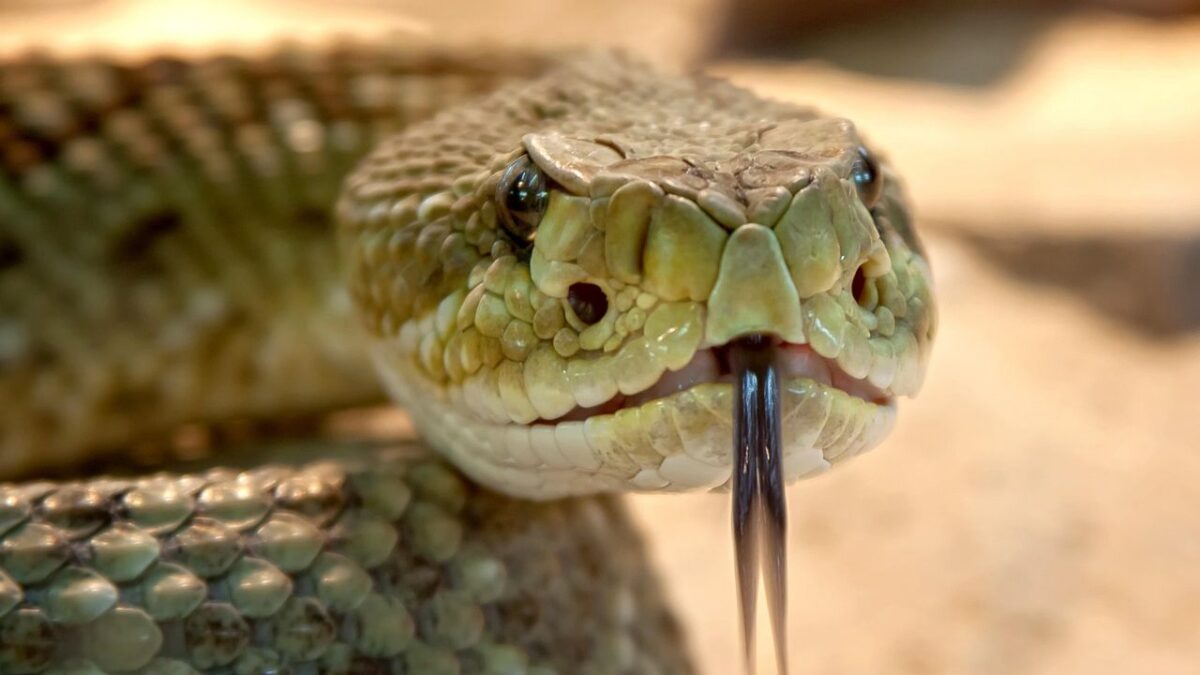
Imagine walking into a kitchen and catching the faint smell of dinner cooking three rooms away. Impressive, right? Now imagine being able to smell a water source twelve miles across the savanna, or detecting a single drop of blood in the ocean. For most of us, that idea seems almost science fiction. Yet for certain animals, this is just a Tuesday.
The world of animal olfaction is one of nature’s most jaw-dropping chapters. Some creatures have evolved noses, antennae, tongues, and even specialized organs so extraordinarily fine-tuned that they essentially “see” the world through scent. Smell is a critically important sense for many animals, helping them hunt or forage for food, find a mate, keep safe from danger, and communicate with others. These aren’t just cool party facts. These are survival superpowers, millions of years in the making. Let’s dive in.
1. African Elephant: The Undisputed Champion
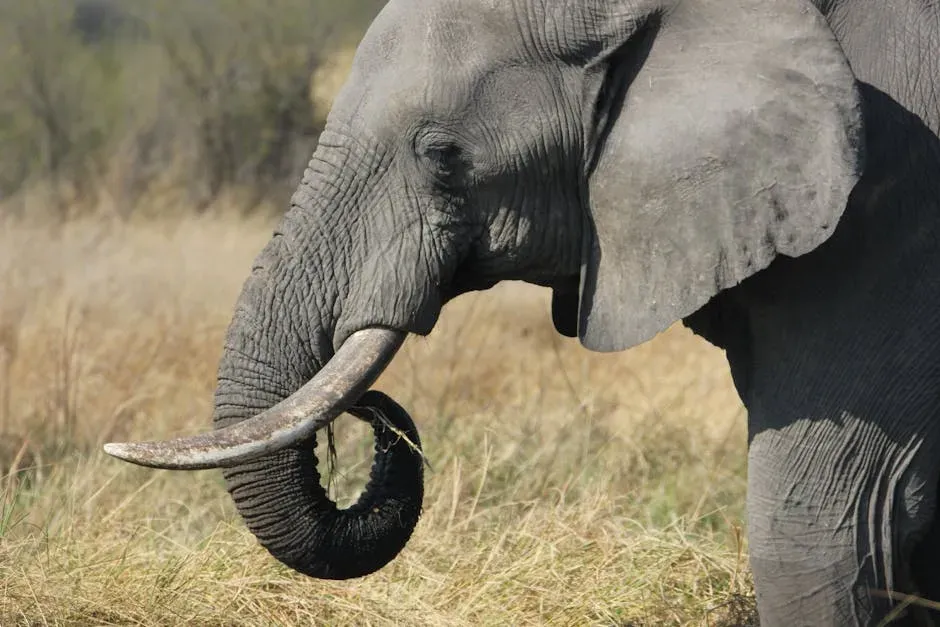
Here’s a fact that genuinely stopped me in my tracks: African elephants have the strongest sense of smell of any studied species. That massive trunk isn’t just for showboating.
African elephants have roughly 2,000 olfactory receptor genes, making them the animals with the best-known sense of smell. Their sense of smell is about twice as strong as a dog’s and five times stronger than that of humans.
Both African and Asian elephants are particularly good at smelling water, which they can detect up to 12 miles away. Think about that. Twelve miles. That’s like standing in the middle of a city and sniffing out a swimming pool in the next town over.
Scientists have shown that African elephants can use their extraordinary noses to identify quantities. In one study, they were able to distinguish between different quantities of food using smell alone. Elephants also use their sense of smell to learn about one another, sniffing out information about the health, social status, and location of another elephant.
2. Bear: The Most Powerful Nose on Land
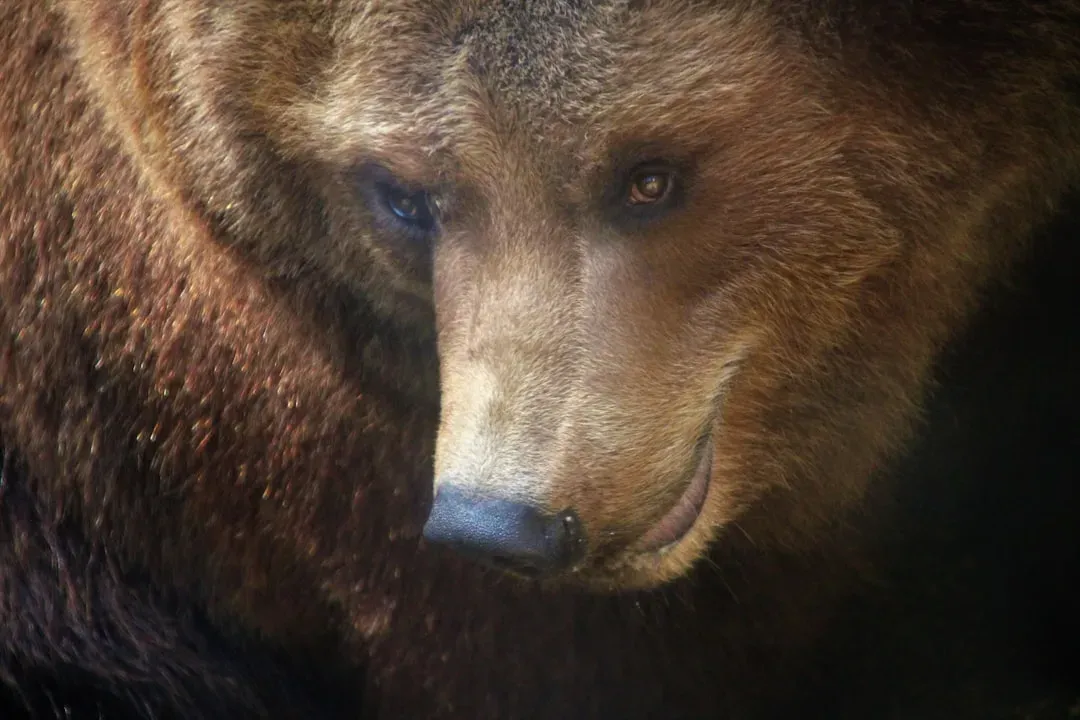
If elephants win on sheer genetic volume, bears are right there in the argument for raw, practical smelling power. Bears are almost on par with elephants when it comes to the strongest sense of smell on the planet. A bear’s sense of smell is approximately 2,100 times better than a human’s.
In conjunction with their strong noses, bears also have large olfactory bulbs in their brains that quickly process complex scent information. Bears use their sense of smell to locate food even when it’s buried. Since a bear loads up on calories before going into hibernation, they must be able to hunt and find a lot of food quickly.
Black bears have been observed to travel 18 miles in a straight line to a food source, while grizzlies can find an elk carcass when it’s underwater, and polar bears can smell a seal through 3 feet of ice. Honestly, that last one is almost unbelievable.
3. Bloodhound: The Living GPS of the Dog World

Let’s be real, when most people think about animals with great noses, dogs come to mind first. Fair enough. Smell is a dog’s most well-developed sense, and the breed with the strongest sniffing ability is none other than the bloodhound. This tracking dog is able to “see” odor profiles in more detail than a human being can get from looking at a picture. Once they pick up a scent, they follow it relentlessly.
Bloodhounds possess the most refined sense of smell among all dogs and arguably among all terrestrial animals. They can follow a scent trail for over 130 miles and track scents over 300 hours old. This incredible ability is why they are often the breed of choice for tracking missing persons and fugitives.
Bloodhounds have been known to follow scent trails for more than 100 miles and detect smells over two weeks old. They’re so reliable that the nosewitness testimony of a trained bloodhound is admissible in most US courts. A nose so trustworthy, it holds up in a courtroom.
4. Shark: The Swimming Nose of the Ocean
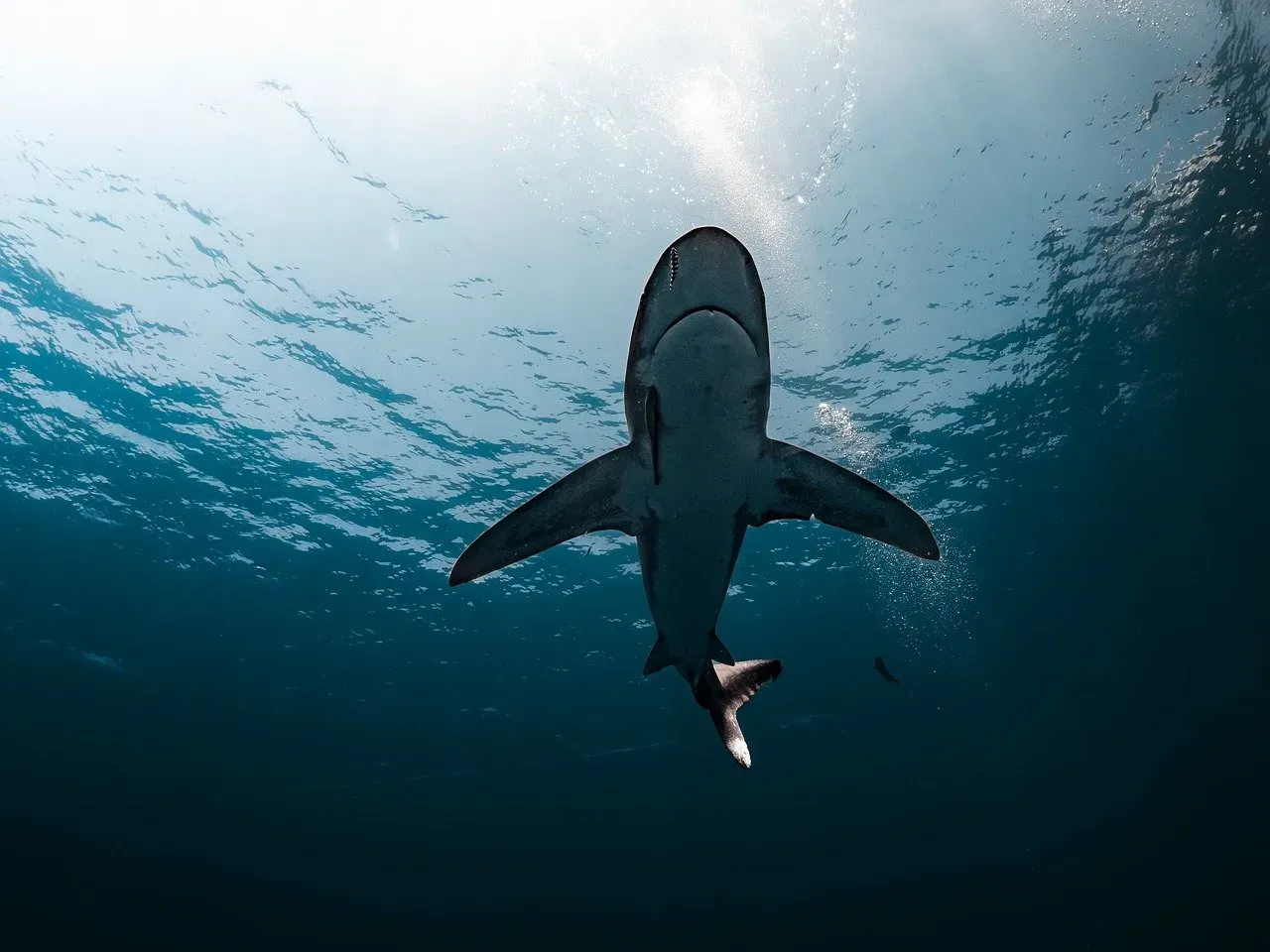
Sharks have such a great sense of smell that they are sometimes called “swimming noses.” A great white shark can smell certain substances in the water at about 1 part per 10 billion parts water. That’s a level of sensitivity that’s almost impossible to conceptualize.
Unlike us, sharks don’t use their nostrils for breathing. Instead, they have two nares on their heads just for smelling. It’s a dedicated smell infrastructure, pure and simple.
While swimming, the shark pulls water into their nasal sacs, where their receptors compute the source of the scent so they can quickly find it. On their way to the source of the scent, sharks move their heads back and forth to further pinpoint the smell. It’s remarkably methodical for a creature most of us imagine as all speed and chaos.
5. Silk Moth: The Tiniest, Most Astounding Sniffer
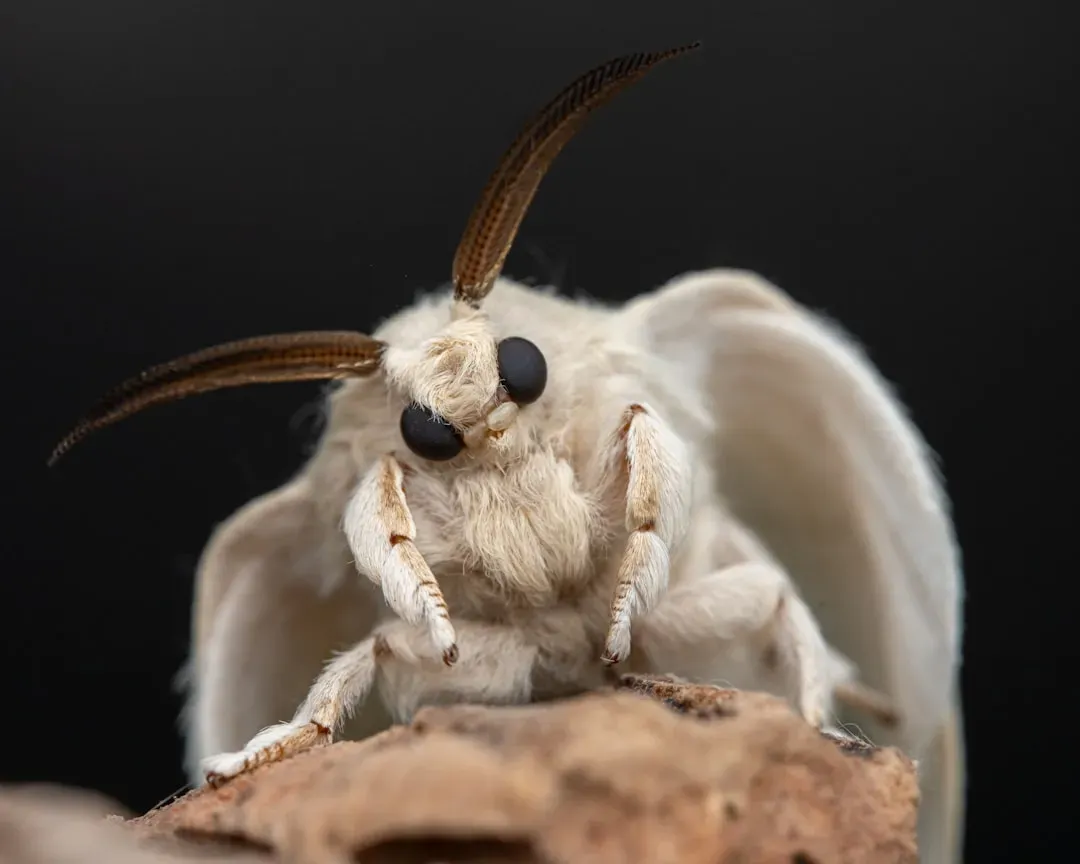
Here’s where things get genuinely mind-bending. The silk moth is a small insect. Nothing about it screams “world-class smeller.” Yet the male silk moth’s large, elaborate, feathery antennae are filled with scent receptors that enable them to sense a single pheromone scent particle from a female more than seven miles away.
Silk moths use their feather-like antennae to sense odors in the air. If even just a few molecules of a mating chemical pass through the sensitive sensilla on their antennae, silk moths can pick up the scent.
The moth’s powerful sense of smell has inspired scientists to begin developing an artificial brain based on it that may someday power scent-detecting robots to use against drug smuggling and chemical weapons. Nature’s tiniest engineer, unwittingly shaping the future of technology.
6. Snake: Smelling With a Forked Tongue
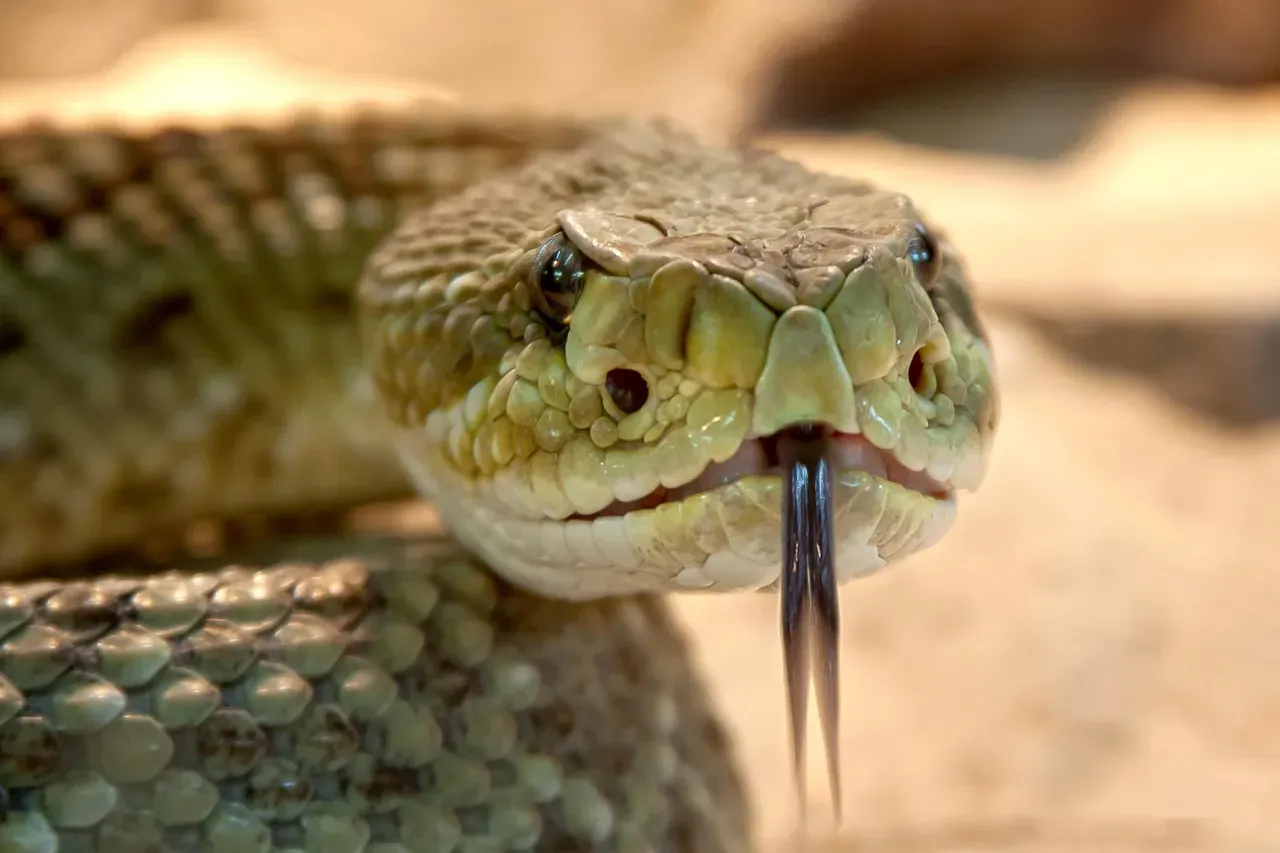
Snakes are genuinely fascinating when it comes to olfaction, because they don’t really use a nose in the conventional sense. Instead, they “taste the air” with their tongues, using the damp surface to catch scent particles and carry them to a special organ in the mouth called Jacobson’s organ, where they can be identified as food or danger.
Their forked tongues have a pair of tines that pick up odor molecules from the air. Their brains process the scent fast to follow the trail of prey. Think of it like having two nostrils that can independently sample the air, giving the snake a kind of directional scent map.
During the hunt, snakes flick their tongue at least every second. The scent on the tongue reaches Jacobson’s organ, and that information is instantly relayed to the snake’s brain. This makes it easy for the snake to continue on the trail of its prey.
7. Turkey Vulture: A Bird That Actually Uses Its Nose
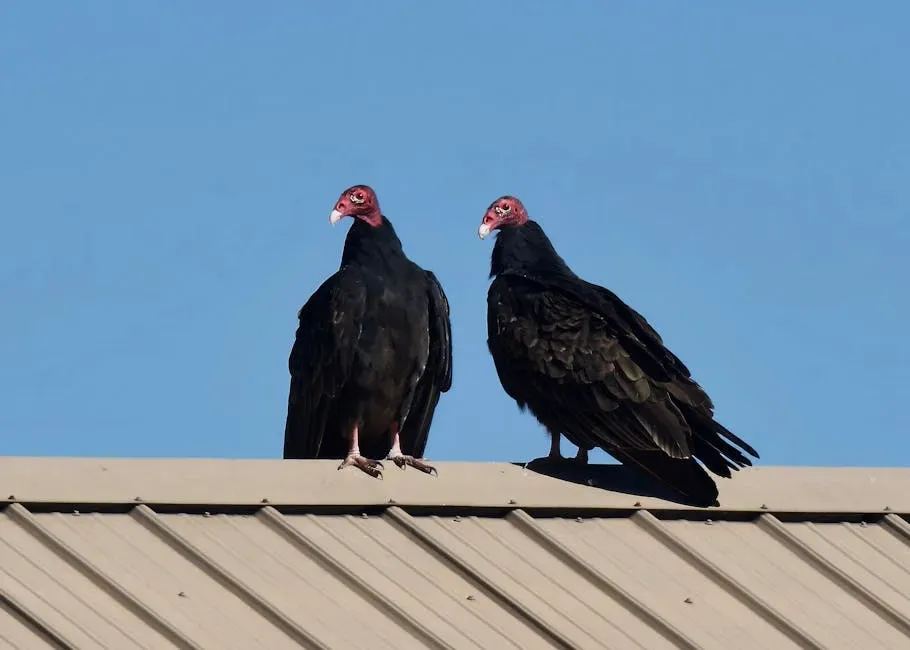
Most birds have a relatively underwhelming sense of smell. The turkey vulture is the legendary exception. Since this large bird specializes in eating carrion, it is no surprise that the turkey vulture has an exceptional sense of smell to help it find its meals. A turkey vulture can smell carrion from over a mile away.
They have a distinctly pronounced nasal cavity and a large olfactory bulb that’s four times the size of black vultures’, with twice as many mitral cells that relay information from olfactory receptors to the brain.
Turkey vultures have the largest olfactory system of any bird. In fact, they have more mitral cells than any other studied species of animal. For a bird that looks like it wandered off the set of a horror movie, that’s quietly remarkable.
8. Rat: The Underrated Scent Detective
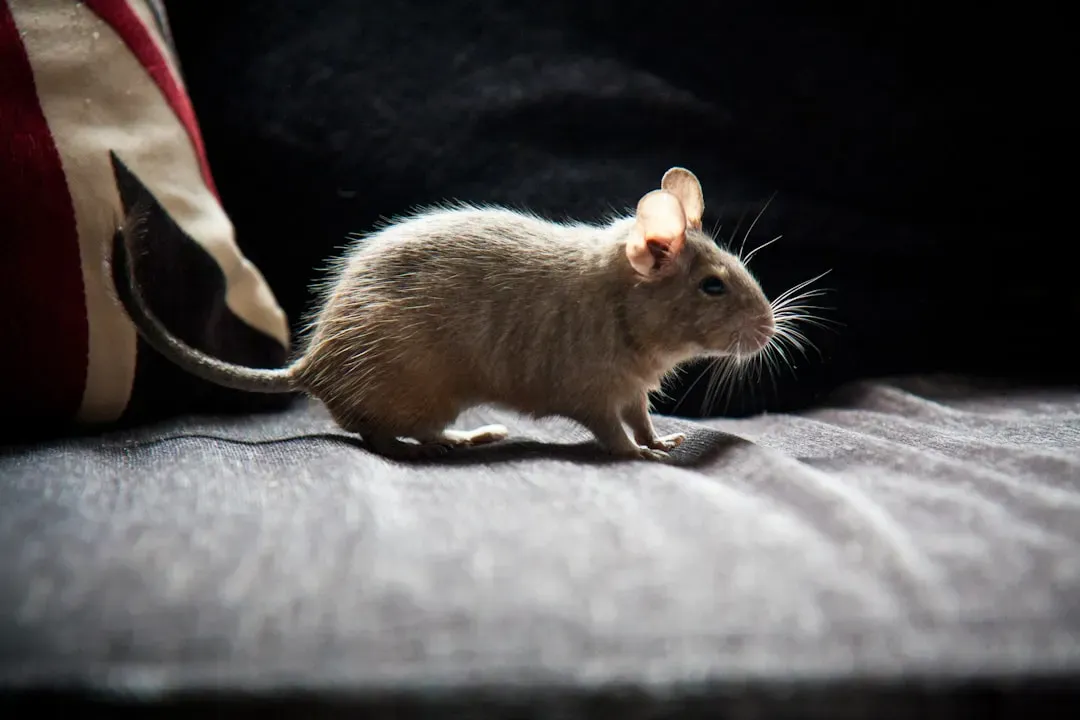
Rats get a bad reputation. Honestly, they deserve far more credit than they receive. Rats have a highly developed sense of smell, which they use to detect predators, locate food, and communicate with other rats. Beyond their natural habitats, their keen sense of smell has found practical applications in various fields. Rats have been trained to detect landmines and even identify health conditions such as tuberculosis through scent samples.
Studies have shown rats have a sophisticated olfactory system with many genes dedicated to olfactory receptors. This genetic endowment enables them to identify a wide variety of odors, making them invaluable in research, particularly in studies related to diseases and the development of new therapies.
These cat-sized rodents so much so that many have been trained to detect landmines and buried explosives left over from wars. Many have been used in countries like Cambodia, Angola, and Mozambique, and some have even been trained to detect tuberculosis from hospital samples. Saving human lives, one sniff at a time.
9. Kiwi: The Sniffer Bird of New Zealand
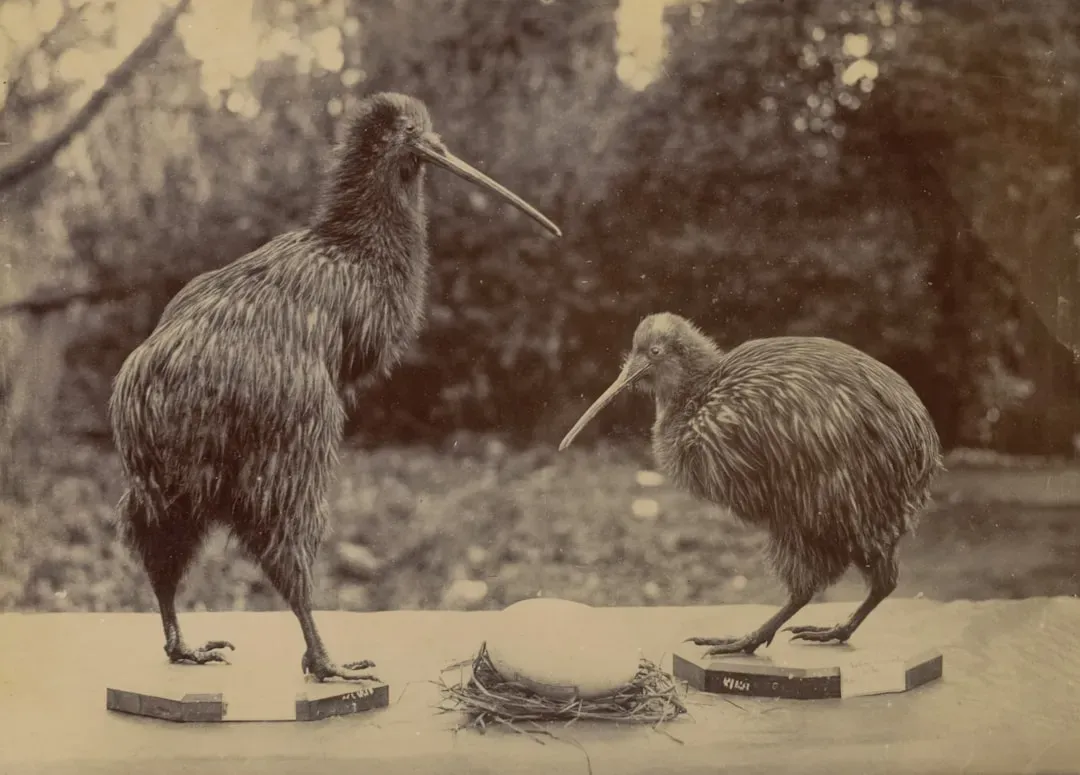
The kiwi is one of the strangest birds on the planet, and its nose is a big part of why. Kiwi birds have poor eyesight, but they make up for this shortcoming with their incredible sense of smell and touch. Their keen sense of smell helps the kiwi find earthworms and insects much easier.
Scientists from Massey University have found that their beaks have sensory pits that enable them to sense prey moving underground. The kiwi’s brain also has parts dedicated to smell, and its olfactory bulb is among the largest in birds. This enables them to locate food from underground and within forests and leaf litter.
It’s a bit like being handed a blindfold and told to find your dinner in a forest at night. For the kiwi, that’s just dinner. No drama required.
10. Salmon: The Homing Nose of the River
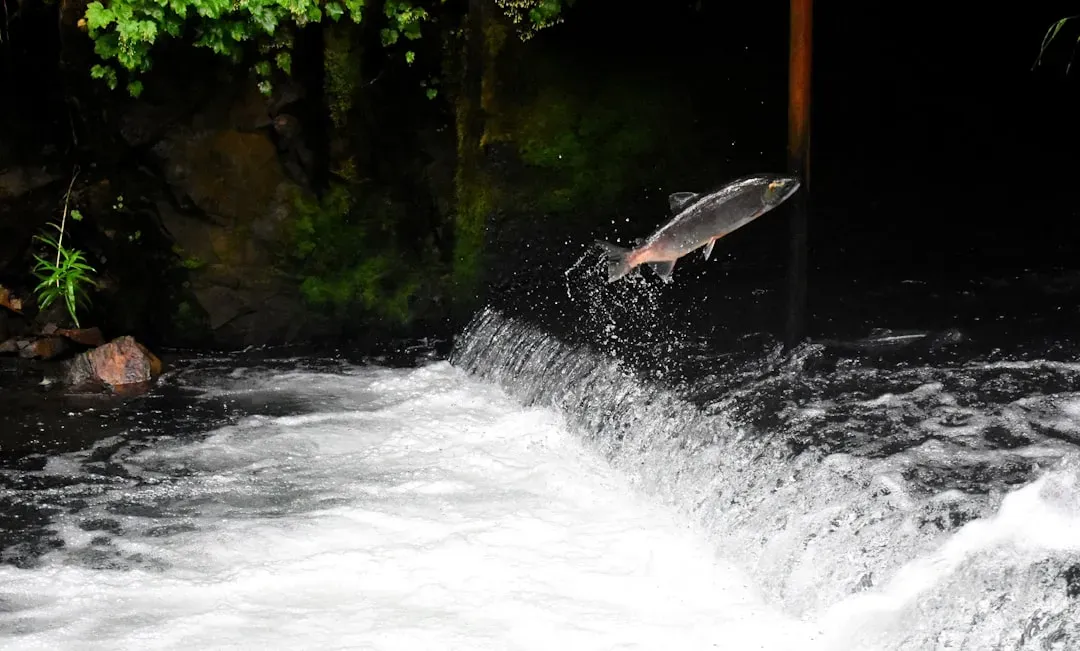
Perhaps one of the most poetic uses of smell in the animal kingdom belongs to the salmon. The salmon’s famous homing migration would not be possible without its remarkable sense of smell. When salmon are young, they learn specific scents from their birthing place, and it is those odors they follow to return home each year.
Salmon have such a fine-tuned sense of smell that they can detect an odor in one part per 80 billion parts in the water. That’s the equivalent of detecting a single drop of a specific scent in a volume of water the size of several large swimming pools.
Young salmon swim from the river to the sea at the age of one to three years. As soon as they grow up, they return. They can smell their home rivers from several kilometers away. There’s something deeply moving about navigating the entire ocean guided by nothing but memory and smell.
11. Star-Nosed Mole: The Smell-Underwater Specialist
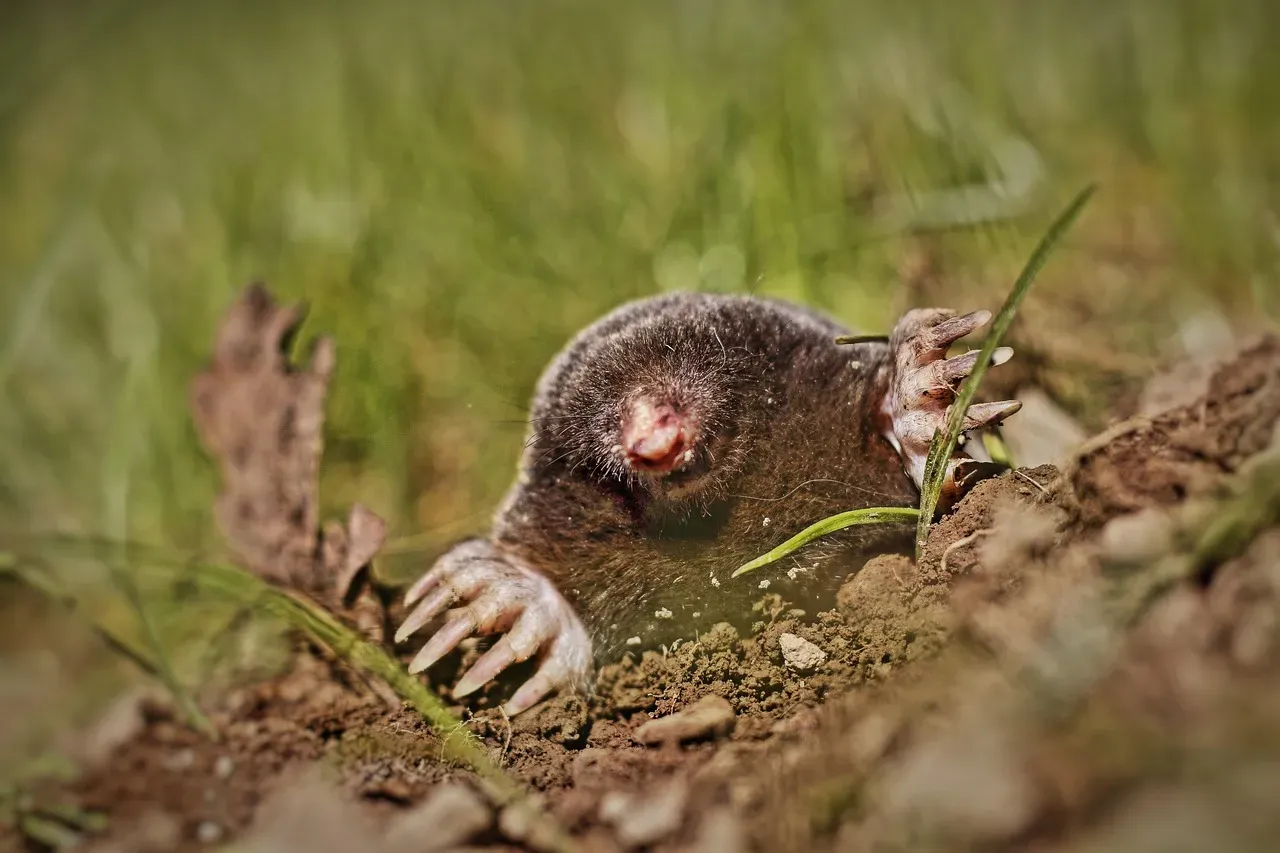
The star-nosed mole looks like something from a fever dream. That bizarre, fleshy star of tentacles on its face is not just for show. These moles have a very refined sense of smell that allows them to smell underwater, a unique skill among mammals. While hunting in the water, star-nosed moles blow bubbles out of their nostrils and then quickly sniff the bubbles back in to gather scent molecules from their prey.
Star-nosed moles have a great sense of touch and they can smell underwater, which is pretty unique for mammals. When hunting in water, they blow bubbles from their nostrils and sniff them back in to catch scent molecules from their prey.
It’s a completely alien hunting strategy that seems almost too strange to be real. Yet it works perfectly, and it makes the star-nosed mole one of the most genuinely surprising entries on this entire list.
12. Ant: The Chemical Communicator
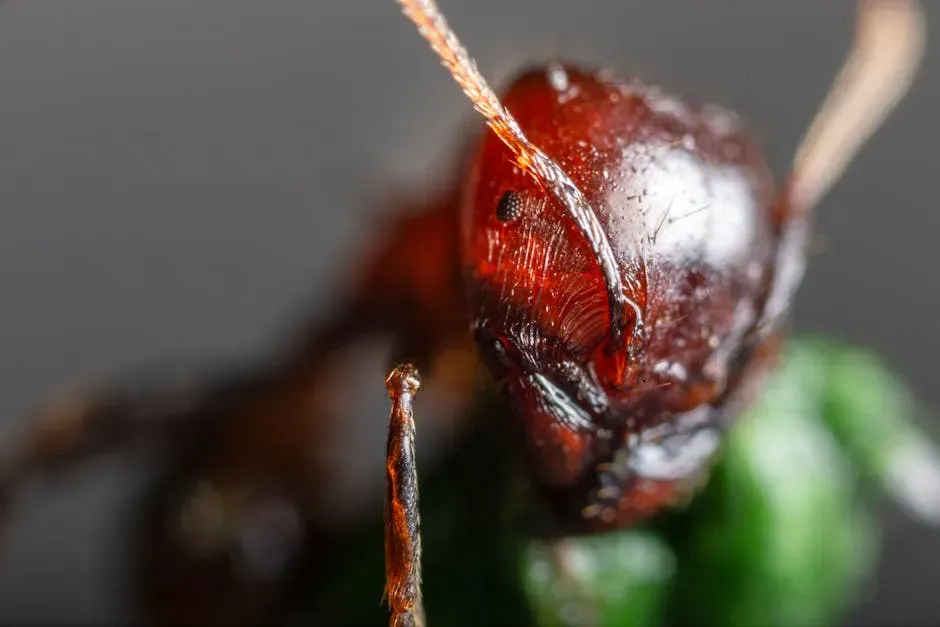
Last but absolutely not least, meet the ant. Tiny, yes. But olfactorily speaking, these creatures have built an entire civilization on scent. Ants communicate and navigate using their keen sense of smell. They release and detect pheromones, chemical signals that help them find food, identify colony members, and warn of predators. This sophisticated chemical communication system is essential for their social organization and survival.
Research about ant olfaction has revealed that they have a relatively large number of odor receptors compared to their body size. Since ants have a refined sense of smell, some researchers are trying to train them to detect the scent of human cancer cells. Researchers described that ants can detect volatile organic compounds released by tumor-bearing mice.
An ant colony is essentially a living, breathing, scent-based internet. Every message, every alarm, every invitation to dinner, transmitted entirely through chemistry. I think that’s extraordinary in a way that deserves far more wonder than we typically give it.
Conclusion: Nature’s Most Remarkable Superpower
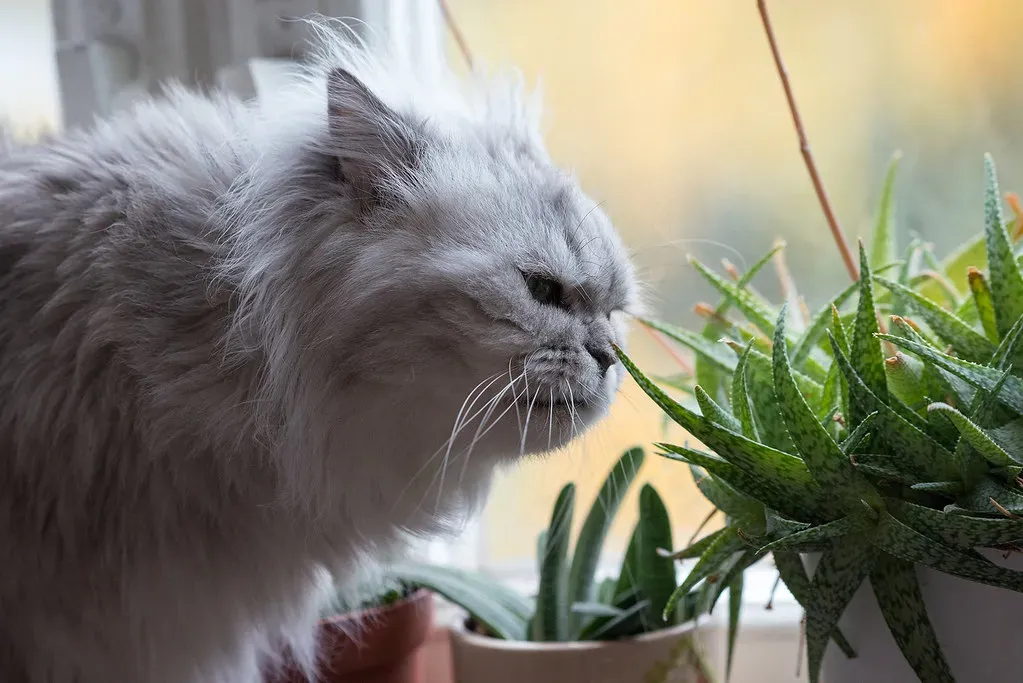
The animal kingdom reminds us, repeatedly and rather humbling, that our human senses are just one narrow slice of how the world can be experienced. Our understanding of the world is heavily reliant on sight. But for many animals, smell is the primary sense, offering a rich tapestry of information invisible to us.
From an elephant sniffing water twelve miles away, to a silk moth locked onto a single pheromone molecule drifting through seven miles of open air, the range of olfactory brilliance in nature is staggering. There are many factors that determine how strong and accurate a species’ sense of smell is. Scientists look at the size of certain organs like the olfactory bulb, the number of olfactory receptor cells, the number of olfactory genes, and special olfactory abilities.
Each of these twelve animals is a masterclass in evolutionary problem-solving. Their noses, tongues, antennae, and specialized organs aren’t just fascinating. They’re reminders that the natural world is far richer, stranger, and more astonishing than we usually stop to appreciate. So next time a dog walks past you and spends thirty seconds sniffing a lamppost, maybe don’t rush it. It’s reading an entire novel you can’t even see.
Which of these animals surprised you most? Drop your thoughts in the comments below.
