


As daylight fades across America’s summer landscapes, a remarkable transformation takes place. The familiar daytime world retreats, and an enchanting nocturnal ecosystem emerges with its own cast of characters and symphony of sounds. From the magical blinking patterns of fireflies to the rhythmic chorus of frogs, summer nights in the United States showcase some of nature’s most captivating performances. This hidden world—often overlooked in our increasingly indoor and screen-focused lives—offers both wonder and ecological significance. Join us as we explore the fascinating creatures that transform ordinary summer evenings into extraordinary natural experiences, and discover why these nighttime wonders are not just beautiful, but essential components of our ecosystem.
The Bioluminescent Magic of Fireflies

Fireflies, also known as lightning bugs, are among the most beloved symbols of summer nights across much of the United States. These remarkable beetles belong to the family Lampyridae and possess the extraordinary ability to produce light through a chemical process called bioluminescence. The light-producing organ located in their abdomen contains the chemical luciferin which, when combined with oxygen, ATP (adenosine triphosphate), and the enzyme luciferase, creates the characteristic glow we associate with warm summer evenings. Unlike most light sources which produce heat, firefly bioluminescence is nearly 100% efficient, generating “cold light” with virtually no wasted energy.
What many observers find most fascinating is that fireflies don’t simply glow randomly—they communicate through specific flash patterns. Different species have distinct flash sequences, rates, and colors, ranging from amber to yellow-green and even blue. Males typically flash while in flight, while females often respond from perches on vegetation. This luminous dialogue serves primarily as a mating ritual, with each species essentially speaking its own light language. Some regions of the United States, particularly the Great Smoky Mountains in Tennessee and parts of the Appalachian forests, are famous for firefly species that synchronize their flashing in spectacular displays that draw thousands of visitors annually to witness nature’s light show.
Regional Diversity of American Fireflies
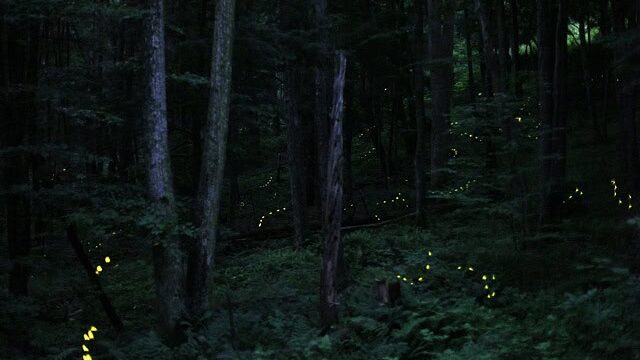
The United States hosts approximately 170 species of fireflies, with their distribution varying significantly across regions. The greatest diversity is found in the warm, humid environments of the eastern and southeastern states, where moisture-rich habitats support their lifecycle. States like Pennsylvania, Tennessee, Kentucky, and Virginia are particularly known for their abundant firefly populations and impressive displays. The famous synchronous fireflies (Photinus carolinus) of the Great Smoky Mountains National Park create such spectacular synchronized flashing displays that the National Park Service now manages a lottery system for viewing permits during their peak season in late May to mid-June.
Western states generally host fewer firefly species, with many western fireflies being non-luminous or producing much fainter light. The western firefly (Ellychnia corrusca) is common throughout the western regions but doesn’t produce the bright flashes associated with its eastern cousins. Climate plays a crucial role in this distribution pattern—fireflies thrive in areas with warm temperatures, high humidity, and abundant rainfall. Many species require moist environments for their larval development, which explains their concentration in wetlands, stream edges, and humid forests. The remarkable regional variations in firefly populations make each local display unique, with timing, intensity, and flash patterns creating distinct nighttime experiences across the American landscape.
The Amphibian Chorus: Frogs After Dark
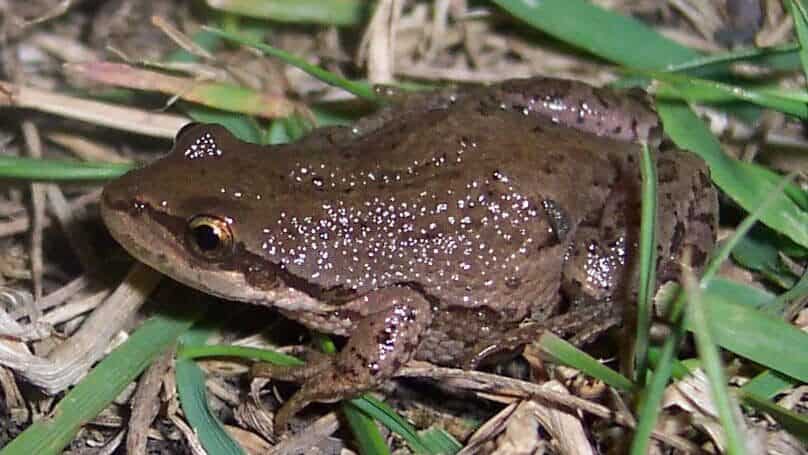
As darkness falls across America’s summer landscapes, one of nature’s most distinctive soundscapes emerges—the chorus of frogs and toads. Male frogs produce these calls primarily as mating advertisements, each species with its own distinctive vocalization. The sounds range from the deep, resonant “jug-o-rum” of bullfrogs to the high-pitched trilling of spring peepers and the distinctive “ribbits” of Pacific tree frogs. These amphibian serenades create complex acoustical communities, with different species often calling at different frequencies to avoid overlap, a phenomenon ecologists call “acoustic niche partitioning.”
The intensity and diversity of frog calls serve as important bioindicators of ecosystem health. Frogs possess permeable skin that makes them particularly sensitive to environmental changes and pollutants, earning them the status of “sentinel species.” A healthy, diverse chorus indicates a healthy wetland ecosystem, while declining frog populations often signal environmental degradation. The timing of these nightly concerts is typically influenced by temperature and humidity, with peak activity occurring during warm, humid evenings. Many amateur naturalists participate in “frog listening” citizen science programs, helping scientists track populations by identifying calls in their local areas. These programs provide valuable data for conservation efforts while connecting participants with the rhythms of the natural world.
Notable Nighttime Frog Species

Among the most recognizable nocturnal amphibians in the United States is the American bullfrog (Lithobates catesbeianus), whose deep, resonant call can be heard up to half a mile away. These large frogs dominate many wetland ecosystems, particularly in the eastern and central states. Another distinctive nighttime caller is the gray treefrog (Hyla versicolor), whose melodic, bird-like trill resonates through deciduous forests and suburban areas across the eastern half of the country. These remarkable amphibians possess specialized toe pads that allow them to climb vertical surfaces and rest on leaves and branches during daylight hours.
In the southeastern United States, the green treefrog (Hyla cinerea) produces a distinctive nasal “queenk-queenk” call from wetlands and wooded areas. The spring peeper (Pseudacris crucifer), though small enough to fit on a quarter, creates a disproportionately loud, high-pitched “peep” that is one of the first signs of spring across eastern North America. Western regions host species like the Pacific chorus frog (Pseudacris regilla), famous for its ribbit call often used in Hollywood soundtracks. Each species has evolved specific calling behaviors and habitat preferences that minimize competition and create the layered symphony that characterizes summer nights across diverse American landscapes.
Nocturnal Pollinators: Moths and Bats
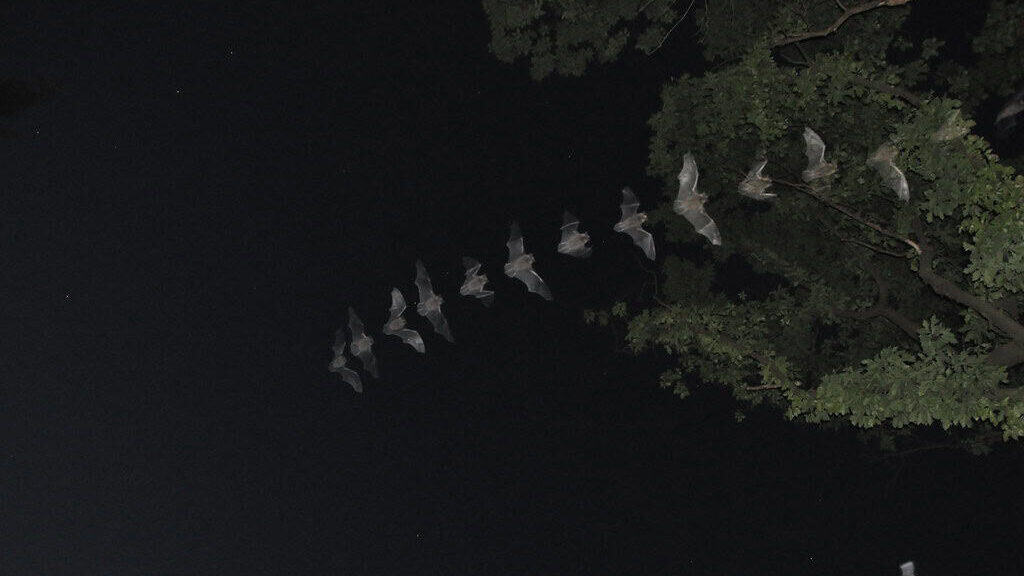
While bees receive much of the credit for daytime pollination, a different cast of characters takes over this essential ecological service after dark. Moths represent some of the most important nocturnal pollinators in North America, with over 11,000 species performing crucial roles in plant reproduction. Unlike their butterfly cousins, most moths operate at night, attracted to pale-colored, fragrant flowers that are easier to locate in darkness. Species like the hawk moth, with its remarkable hovering ability and long proboscis, specialize in pollinating night-blooming plants such as evening primrose, jasmine, and certain cacti. Some plants have evolved specifically to attract moth pollinators, offering nectar rewards only after sunset and producing stronger fragrances at night.
Bats comprise another vital group of nocturnal pollinators, particularly in the southwestern United States. The lesser long-nosed bat and the Mexican long-tongued bat are especially important for pollinating iconic desert plants like agave and saguaro cactus. These nectar-feeding bats can visit hundreds of flowers in a single night, transferring pollen from plant to plant as they feed. Their long snouts and tongues have evolved specifically to access nectar deep within tubular flowers. Unlike insect pollinators, bats can carry larger pollen loads over greater distances, making them particularly effective for cross-pollination. The relationship between these nocturnal mammals and their plant partners illustrates the intricate ecological connections that have evolved in darkness, away from human observation but essential to ecosystem function.
Night Skies and Celestial Observation
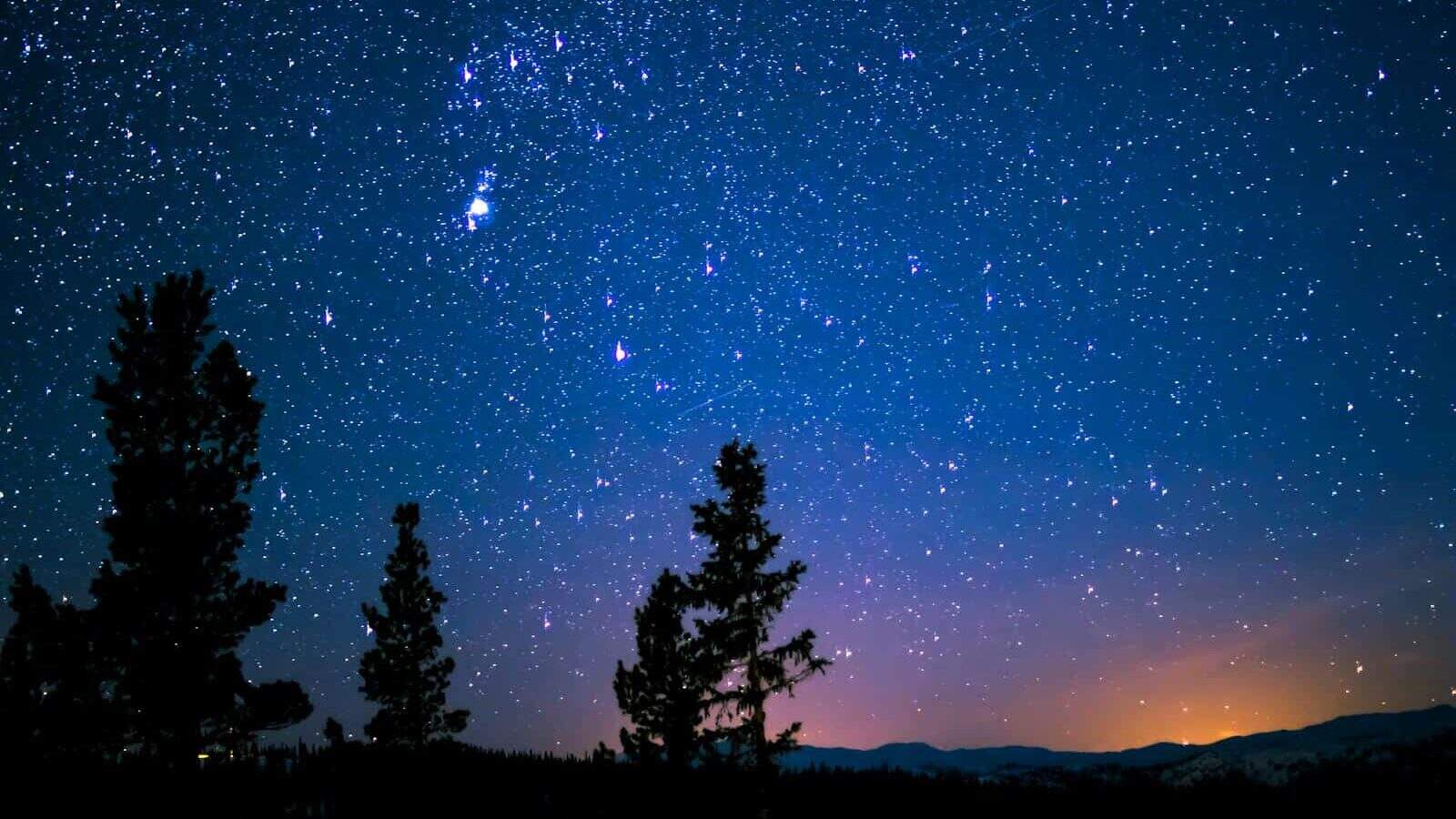
Summer nights offer more than terrestrial attractions—they provide some of the year’s best opportunities for celestial observation. The warmer temperatures make stargazing more comfortable, while the typically clearer atmospheric conditions improve visibility. The summer sky features distinctive constellations including Cygnus (the Swan), Lyra (the Harp), and Scorpius (the Scorpion). The Summer Triangle, formed by the bright stars Vega, Deneb, and Altair, serves as an easily recognizable navigational marker across the night sky. August brings the Perseid meteor shower, one of the year’s most spectacular celestial events, with up to 100 meteors per hour visible under optimal conditions.
Across the United States, dark sky preservation efforts have created designated areas where light pollution is minimized, allowing for exceptional stargazing experiences. The International Dark-Sky Association has certified numerous parks and protected areas, including Death Valley National Park in California, Natural Bridges National Monument in Utah, and Cherry Springs State Park in Pennsylvania. These locations offer extraordinary opportunities to witness the Milky Way in its full glory—a sight increasingly rare in our illuminated world. Amateur astronomy clubs frequently organize summer star parties at these locations, providing guided observations with telescopes and creating communities united by wonder at the cosmos. For many Americans, these summer night sky experiences foster a deeper connection to the universe and perspective on humanity’s place within it.
Crickets, Katydids, and the Insect Orchestra
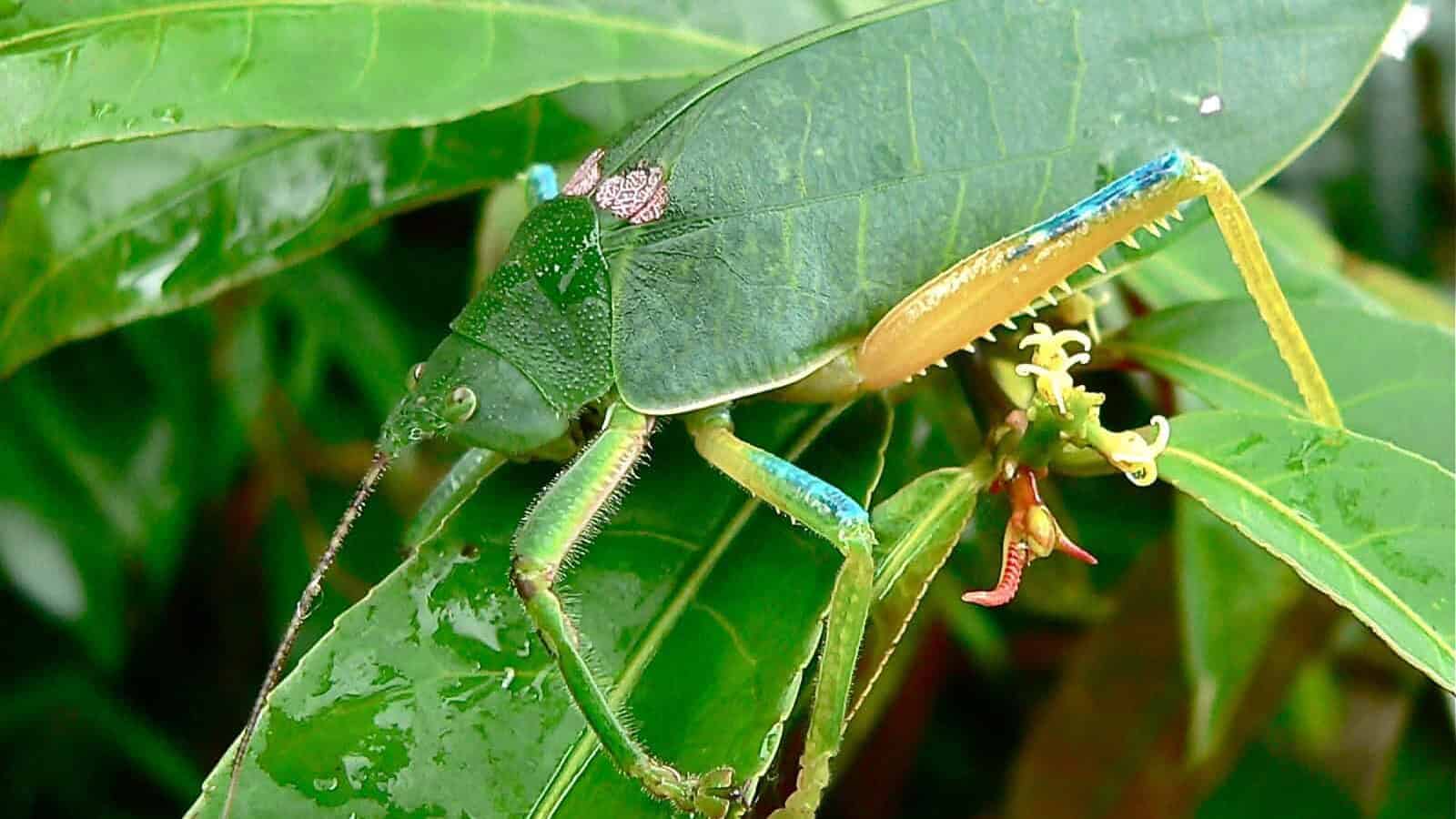
The soundtrack of summer nights across America is largely composed by an impressive array of singing insects, primarily crickets and katydids. These insects produce their distinctive sounds through a process called stridulation—rubbing specialized body parts together to create their characteristic chirps and trills. Male crickets generate their familiar chirping by scraping a specialized “scraper” on one wing against the “file” on the opposite wing. Each species has its own distinctive song pattern, primarily used to attract females. Fascinatingly, cricket chirp rates are temperature-dependent, increasing as temperatures rise, which has led to the folk wisdom of counting chirps to estimate temperature (such as counting chirps in 14 seconds and adding 40 to approximate the temperature in Fahrenheit).
Katydids, close relatives of crickets and grasshoppers, contribute their own distinct sounds to the nocturnal chorus. Their calls often consist of rhythmic buzzes, clicks, or the namesake “katy-did, katy-didn’t” pattern. Unlike crickets, which generally remain hidden in grass or leaf litter, katydids typically call from elevated positions in trees and shrubs, creating a layered soundscape with different species occupying different vertical zones. This insect orchestra serves as nature’s timekeeper, marking the progression of summer nights with changing intensities and compositions. The songs of crickets and katydids not only announce their presence to potential mates but also provide humans with one of the most distinctive and comforting auditory signatures of the season, connecting us to natural rhythms that long predated artificial lighting and digital entertainment.
Owls: Masters of the Night
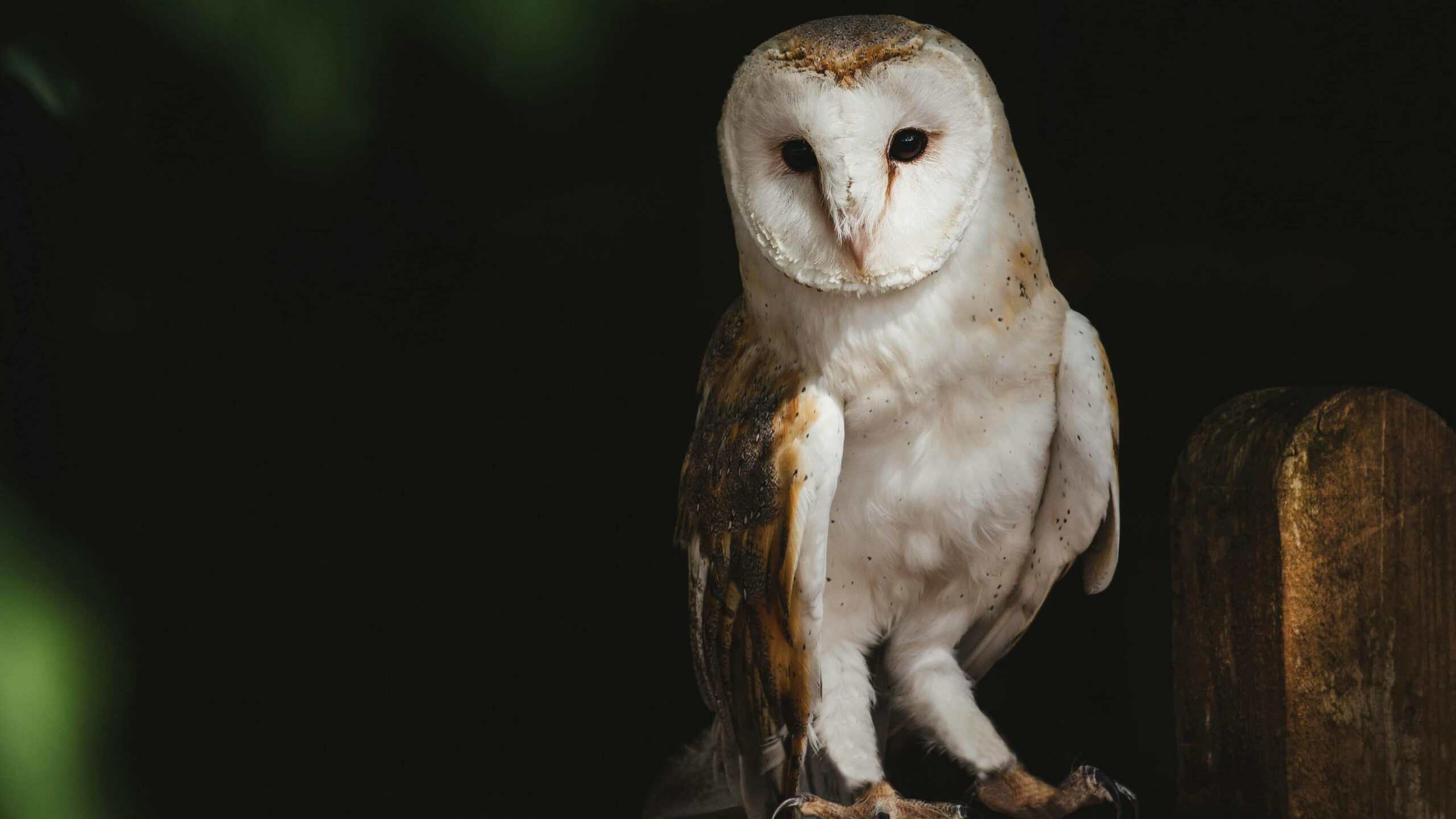
Among the most specialized nocturnal predators in North America are owls, with approximately 19 species distributed across diverse habitats throughout the United States. These remarkable birds possess evolutionary adaptations perfectly suited for nighttime hunting, including exceptionally large eyes that gather available light, asymmetrically positioned ears that pinpoint sound with remarkable precision, and specialized feathers that enable nearly silent flight. The great horned owl (Bubo virginianus), widely distributed across the continent, is recognized by its distinctive “hoo-hoo-hoo” call and impressive two-to-five-foot wingspan. These powerful hunters can take prey as large as skunks and raccoons, controlling populations of many medium-sized mammals.
Summer evenings provide excellent opportunities to observe or hear various owl species. The barred owl’s distinctive “who cooks for you, who cooks for you all” call resonates through eastern woodlands, while the eerie, descending whinny of the eastern screech owl can be heard in suburban areas and parks. Western regions host species like the spotted owl and the tiny elf owl—North America’s smallest owl at just five to six inches tall. Barn owls, with their ghostly white appearance and heart-shaped facial discs, hunt open fields across much of the country, consuming vast numbers of rodents and providing natural pest control services. For many wildlife enthusiasts, hearing an owl’s call on a summer night creates a powerful connection to wild America and its ancient rhythms, a reminder that sophisticated predators still patrol the darkness beyond our porch lights.
Night-Blooming Flora
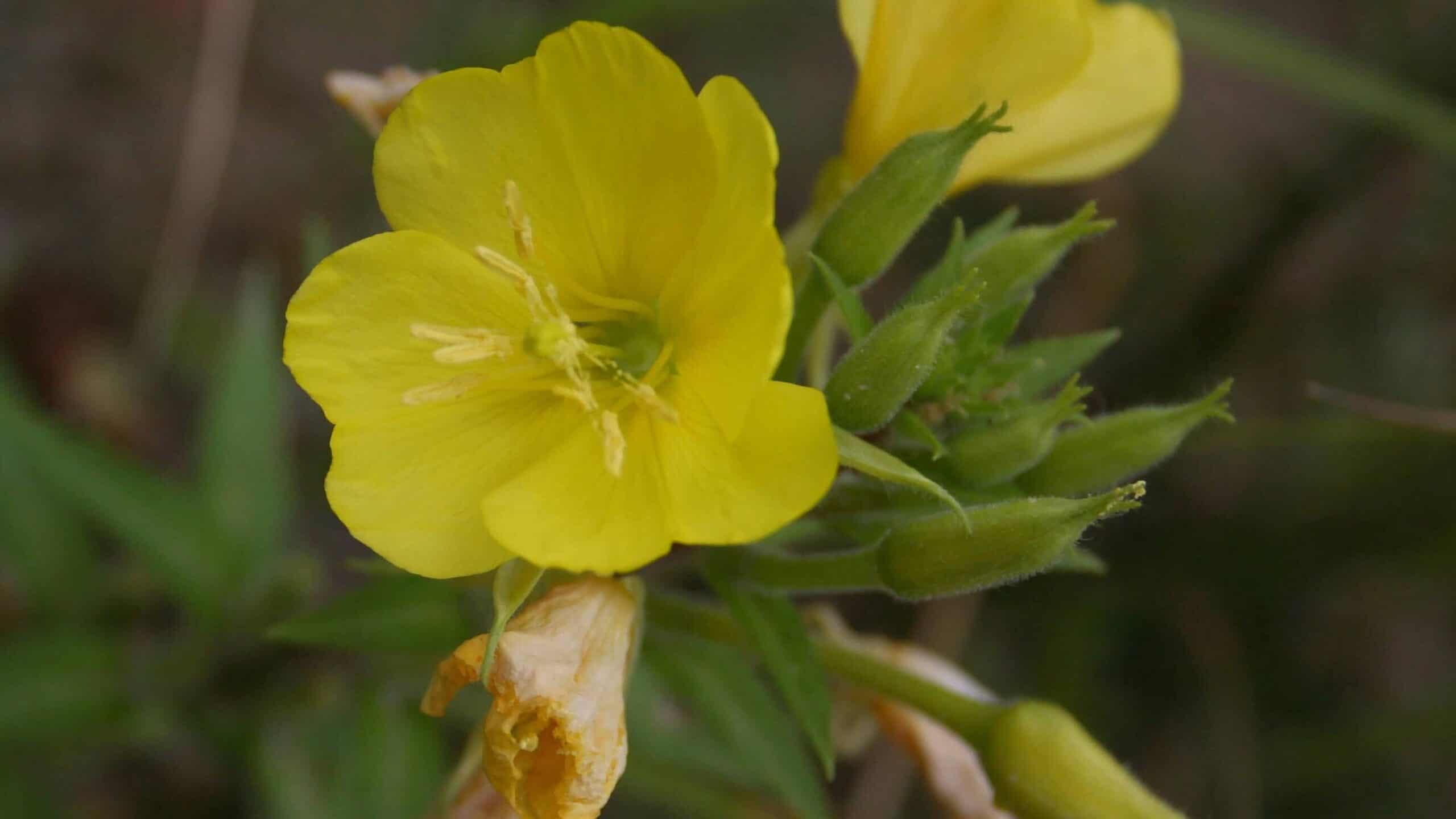
While many plants close their flowers at dusk, a specialized group of night-blooming species comes alive after sunset, creating nocturnal gardens of extraordinary beauty and fragrance. The evening primrose (Oenothera species), native to many parts of the United States, unfurls its yellow or white blossoms in a remarkable process that can be observed in real-time—the flowers visibly open within minutes as darkness falls. This dramatic display, combined with the flowers’ sweet fragrance, attracts night-flying moths that serve as important pollinators. Similarly, the moonflower (Ipomoea alba), with its large, pristine white blooms that can reach six inches in diameter, opens rapidly at dusk and emits a sweet vanilla-like scent that carries far in the still night air.
In the southwestern United States, several cactus species have evolved to bloom exclusively at night. The iconic saguaro cactus produces large white flowers that open after sunset and close by the following noon, while various species of night-blooming cereus unfurl spectacular, short-lived blossoms for just a single night each year. This ephemeral nature has earned the latter the poetic nickname “Queen of the Night.” These specialized blooming patterns represent evolutionary adaptations to avoid daytime heat and water loss while attracting specific nocturnal pollinators like hawk moths and bats. For gardeners interested in enhancing their landscape’s nighttime appeal, incorporating night-blooming plants creates spaces that can be enjoyed after sunset while supporting nocturnal wildlife. These plants offer opportunities to observe fascinating ecological relationships that unfold in darkness, adding another dimension to summer evening experiences.
Threats to Nocturnal Wildlife
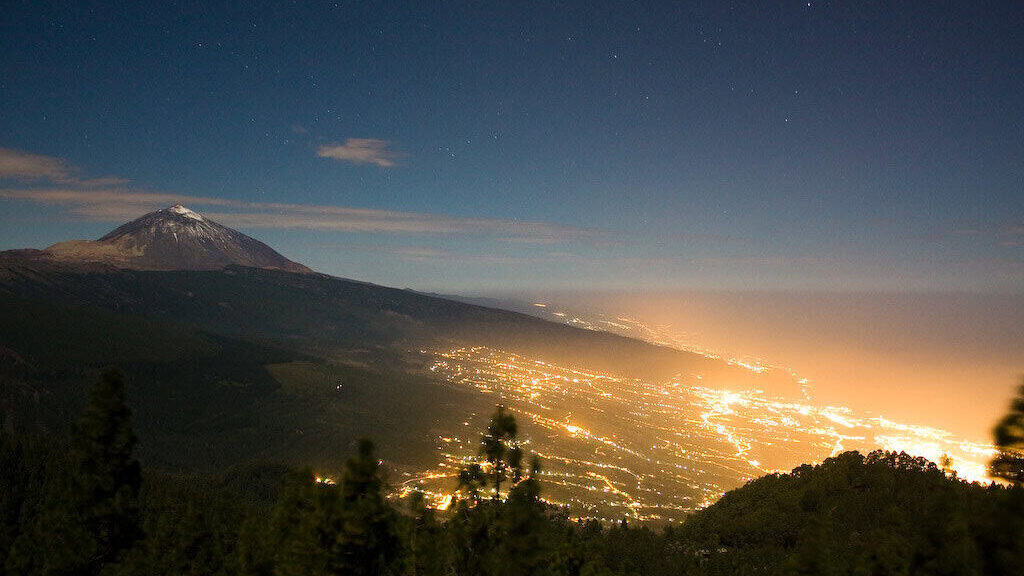
Despite their remarkable adaptations, nocturnal creatures face growing challenges in the modern world. Light pollution represents one of the most pervasive threats, with artificial illumination disrupting natural behaviors across species. For fireflies, excessive light interferes with their bioluminescent communication, making it difficult for potential mates to locate each other and potentially reducing reproduction rates. Studies have shown declining firefly populations in areas with high light pollution. Similarly, artificial lighting disrupts the hunting patterns of owls and bats, potentially reducing their feeding success. Frogs and other amphibians show altered calling patterns and reproductive behaviors when exposed to artificial night lighting.
Habitat loss presents another significant threat to nocturnal wildlife. Wetland drainage eliminates breeding grounds for many frog species, while forest fragmentation reduces habitat for owls, flying squirrels, and other forest-dwelling night creatures. Climate change brings additional pressures, altering the timing of seasonal events that nocturnal species have evolved to depend on. For example, earlier spring warming may cause amphibians to breed before adequate food sources are available for their offspring. Pesticide use in agricultural and residential settings affects insect populations, reducing food sources for many nocturnal predators and eliminating pollinators. Conservation efforts for nocturnal wildlife include dark sky initiatives, wetland preservation, and public education about the ecological importance of these often-overlooked species. By understanding these threats, communities can take steps to protect the enchanting natural experiences that summer nights offer.
Homeowners across America can play an important role in supporting nocturnal wildlife by creating welcoming backyard habitats. For fireflies, maintaining areas with tall grasses and minimal mowing during their active season (typically May through August, depending on region) provides essential habitat. Reducing or eliminating pesticide use helps protect these beetles throughout their lifecycle. Installing water features like small ponds or rain gardens creates breeding opportunities for frogs while adding delightful evening sounds to your landscape. Native aquatic plants around these water features provide shelter and egg-laying sites for amphibians.
Thoughtful outdoor lighting choices significantly benefit nocturnal creatures. Using motion sensors, timers, or simply turning off unnecessary outdoor lights reduces light pollution that interferes with firefly communication and disrupts hunting patterns of owls and bats. When outdoor lighting is necessary, choosing warm-colored bulbs (yellows and ambers rather than blue-white LEDs), directing light downward, and using shields to prevent upward light scatter minimizes impact on wildlife. Planting native night-blooming flowers attracts moth pollinators, which in turn provide food for bats and other insectivores. Creating brush piles and leaving some areas of your yard in a natural state provides daytime hiding places for nocturnal creatures. These simple habitat modifications not only support biodiversity but also enhance opportunities for evening wildlife observation, creating meaningful connections with the natural rhythms of summer nights.

- How Otters Use Tools — And What It Reveals About Animal Intelligence - August 1, 2026
- Why You Should Stop Declawing Cats for Good - August 1, 2026
- 15 Amazing Facts About Parrots That Will Blow Your Mind - August 1, 2026