
Nature is full of tricks. A fluffy caterpillar on a tree branch. A wide-eyed deer grazing peacefully at the forest’s edge. A buzzing little bee hovering over a flower. All perfectly innocent snapshots, right? Well, not always. Some of the most deceptively dangerous creatures in the United States hide their true nature behind adorable faces, soft fur, or slow movements – and people pay the price for underestimating them every single year.
Nature has a way of disguising some of its most toxic and aggressive creatures behind pretty colors, soft appearances, or slow movements. It’s a humbling reminder that looks are absolutely not everything in the animal world. If you’re hiking, camping, or even just working in your backyard, you might be closer to danger than you realize. Let’s dive in.
1. The American Bison: Yellowstone’s Most Dangerous Resident
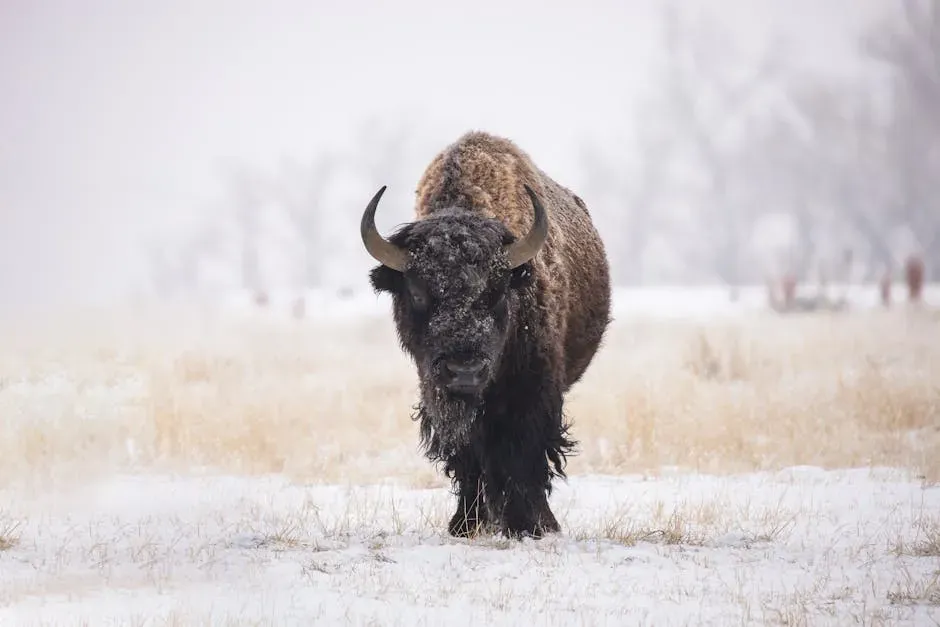
Here’s the thing – most people see a bison grazing calmly in Yellowstone and think of it as something like a really big cow. Tourists approach them for selfies. They seem slow, docile, even majestic in a fluffy, bearded sort of way. That perception is dangerously wrong.
Bison are sometimes seen as harmless fluffy animals as they’re herbivores, but that doesn’t mean they can’t be deadly. They can run up to 35 mph and weigh about 1,800 lbs, and like any wild animal, they are unpredictable and will defend themselves if they feel threatened. Bison have actually injured more people than any other animal in Yellowstone National Park. Let that sink in for a moment. More than bears. More than wolves.
Yellowstone’s deceptively docile-looking giants injure more park visitors than any other animal. Weighing up to 2,000 pounds, they charge at 35 mph when provoked. Don’t be fooled by their calm demeanor – bison can pivot with surprising agility and launch their massive bodies without warning.
2. The Moose: Gentle Forest Giant or Four-Legged Freight Train?
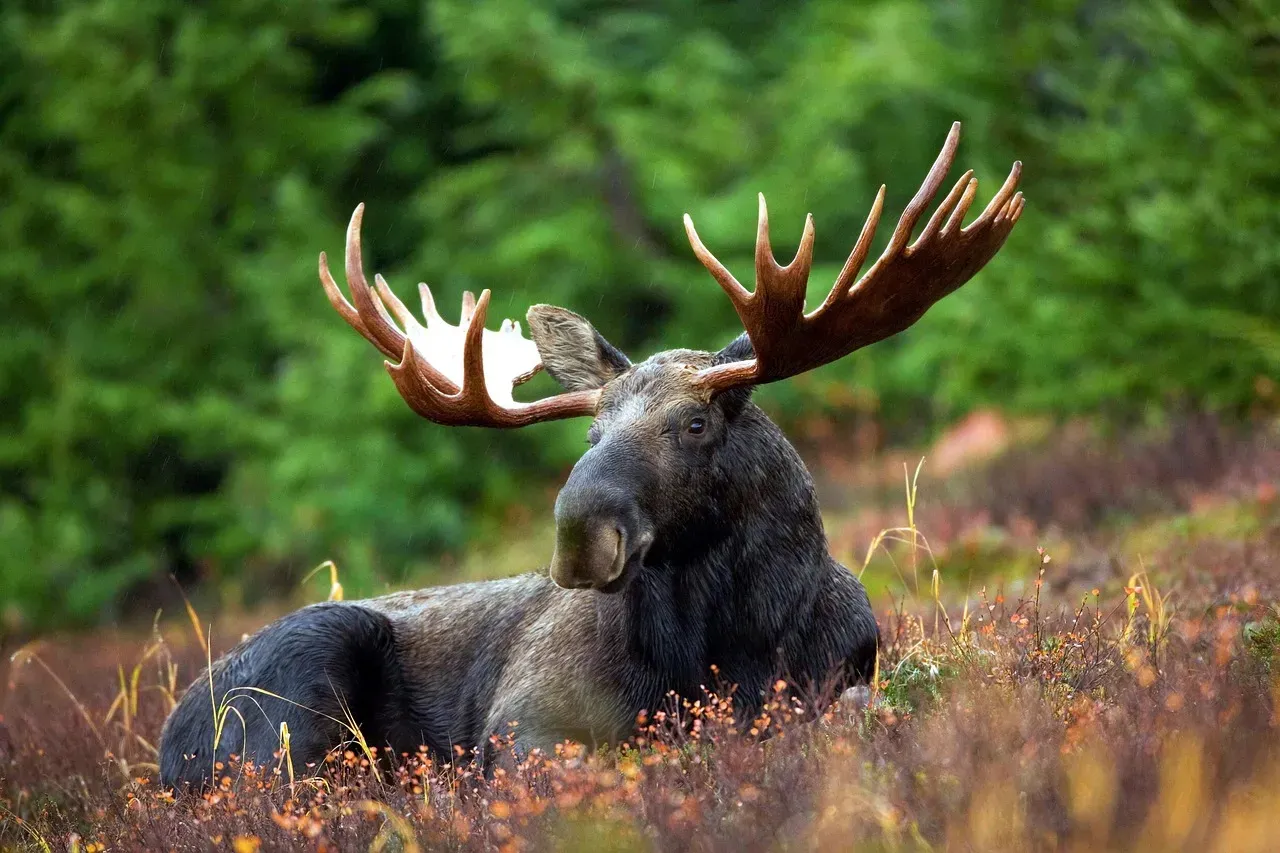
Popular culture has done moose no favors in the accuracy department. Cartoon versions of moose are goofy, clumsy, and harmless. Reality couldn’t be more different. Moose are enormous, fast, and when provoked, genuinely terrifying.
Moose have been portrayed as slow, dumb animals that laze about and mosey through the forest. In reality, they have been deemed one of the most dangerous animals in the United States, and attack five times more people than bears do every year. They weigh nearly 2,000 pounds, can run up to 35 mph, and once they catch up to you, they will stomp or even gore you.
Alaska reports more human injuries by moose than by bears. Signs of an imminent attack include snorting and lip licking, neck and back hairs standing on end and ears folding back. Moose are fast runners and can also cause accidents by darting into roads. If you ever spot a moose on a hiking trail, admire it from a very, very respectful distance.
3. The Puss Caterpillar: Fluffy Little Terror of the South
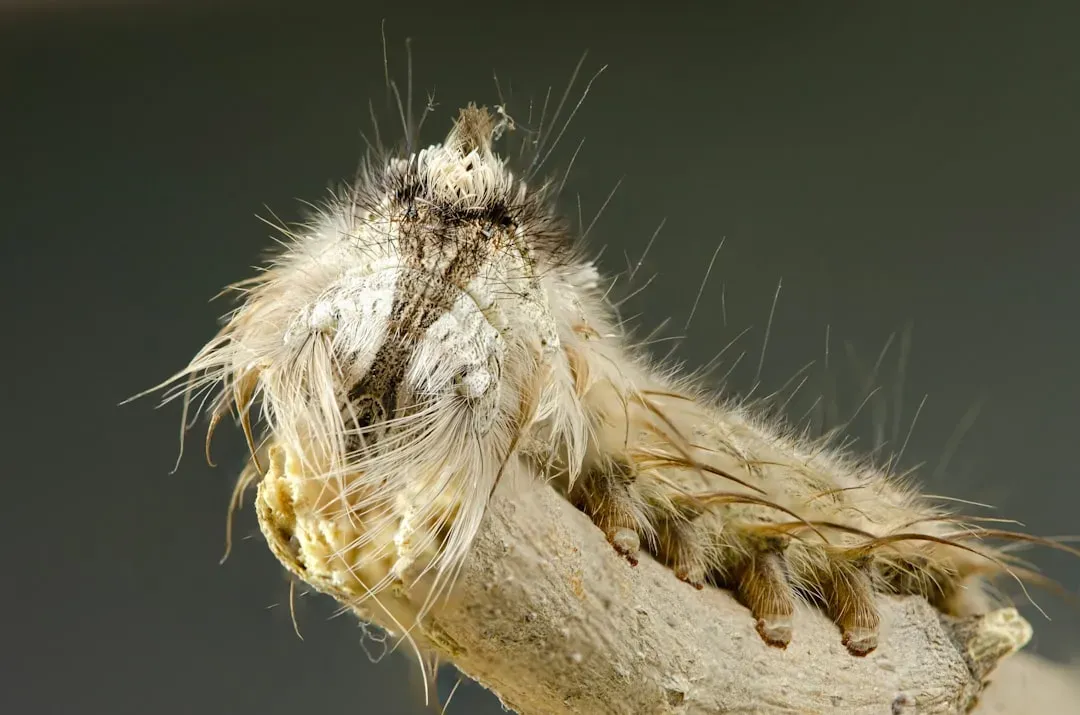
Honestly, I can barely believe this one myself every time I revisit it. The puss caterpillar looks like a tiny, fuzzy toupee crawling across a leaf. It’s so soft-looking it almost begs to be touched – which is exactly the problem.
One of the most venomous caterpillars in the U.S., the puss caterpillar can be found feasting on foliage in states between New Jersey and Florida and as far west as Texas. The puss caterpillar has venomous barbs along its hairy body, and a sting from the insect causes extreme pain and can result in blisters that can last for weeks. Weeks. From a caterpillar.
They produce a very painful sting when brushed against, as brushing against the caterpillar breaks tiny hollow spines filled with an urticating fluid that produces a painful stinging sensation. The pain may last several hours, and swelling may be evident for several days. Other symptoms aside from pain, stinging, and swelling are nausea, headache, fever, itching, abdominal distress, chest pain, difficulty breathing, numbness, and vision problems.
4. The White-Tailed Deer: America’s Underrated Danger
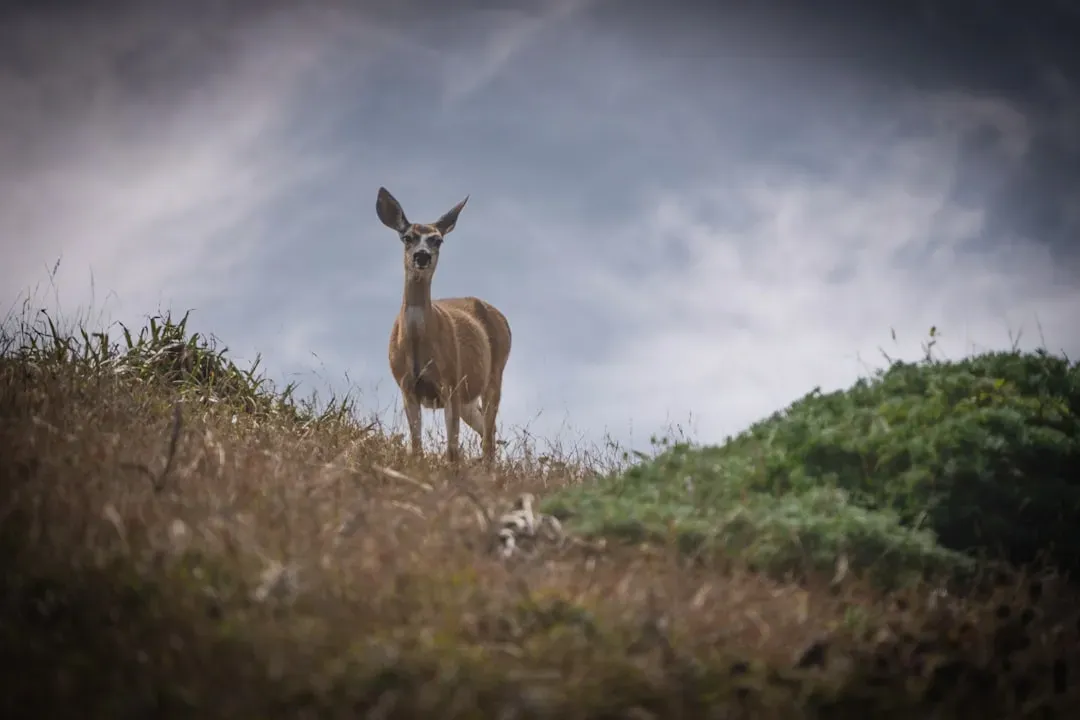
Deer are practically synonymous with innocence in the American imagination. Bambi made sure of that. They prance through meadows, peer through forest edges, and look absolutely harmless nibbling on leaves. Still, there are two very important reasons to keep your distance.
Deer are prey animals, and they spend their lives watching for threats. Most of the time they run from danger, including human threats, but if they feel trapped, or a female deer is protecting her offspring, they may become more aggressive. A cornered doe defending her fawn is a completely different animal from the gentle creature in your imagination.
Beyond direct attacks, deer cause an enormous number of vehicle collisions on American roads every year – a statistic far more dangerous than most people expect. Think of them as the ultimate quiet threat: beautiful and seemingly safe, but capable of causing real harm when the circumstances shift even slightly.
5. The Deer Tick: Small Enough to Miss, Dangerous Enough to Change Your Life
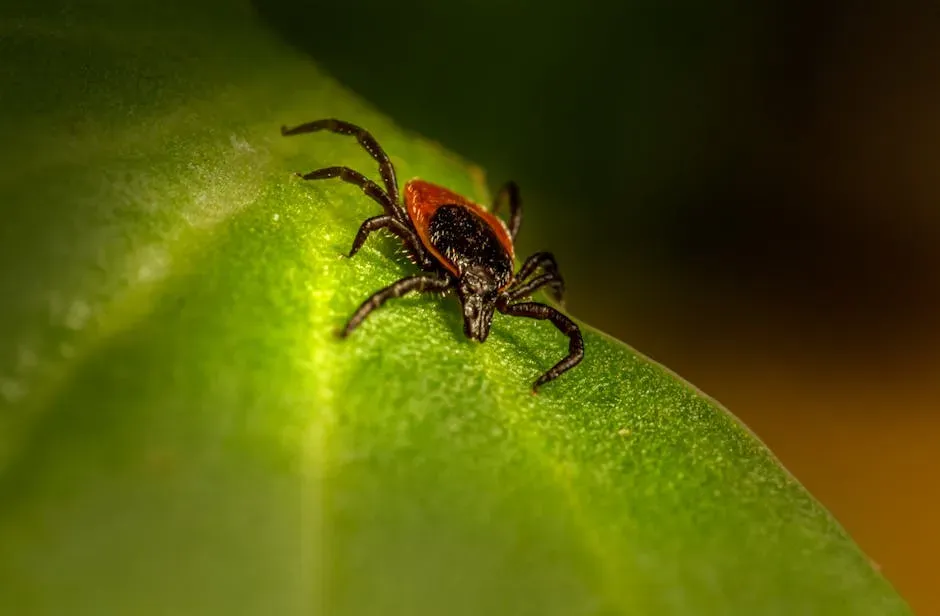
Barely the size of a sesame seed, the deer tick is easy to dismiss. It’s not ferocious. It doesn’t roar or charge. It just quietly attaches itself to your skin, often in places you’d never think to look, and goes about its business. That’s what makes it so insidious.
Also known as the black-legged tick, deer ticks are carriers of Lyme disease and other tick-borne illnesses. Commonly found in the northeastern and northern midwestern regions, these tiny parasites can latch onto humans and animals alike. Early detection and removal are crucial, as tick bites can lead to long-term health complications if left untreated.
Lyme disease, if left undiagnosed, can cause chronic joint pain, neurological problems, and long-term fatigue that can linger for years. The terrifying part is that an infected tick can be attached to your skin for hours without you ever feeling it. A little creature with no teeth, no claws, and no venom in the traditional sense – and yet one of the most medically consequential animals in the country.
6. The Bison’s Smaller Cousin: Fire Ants
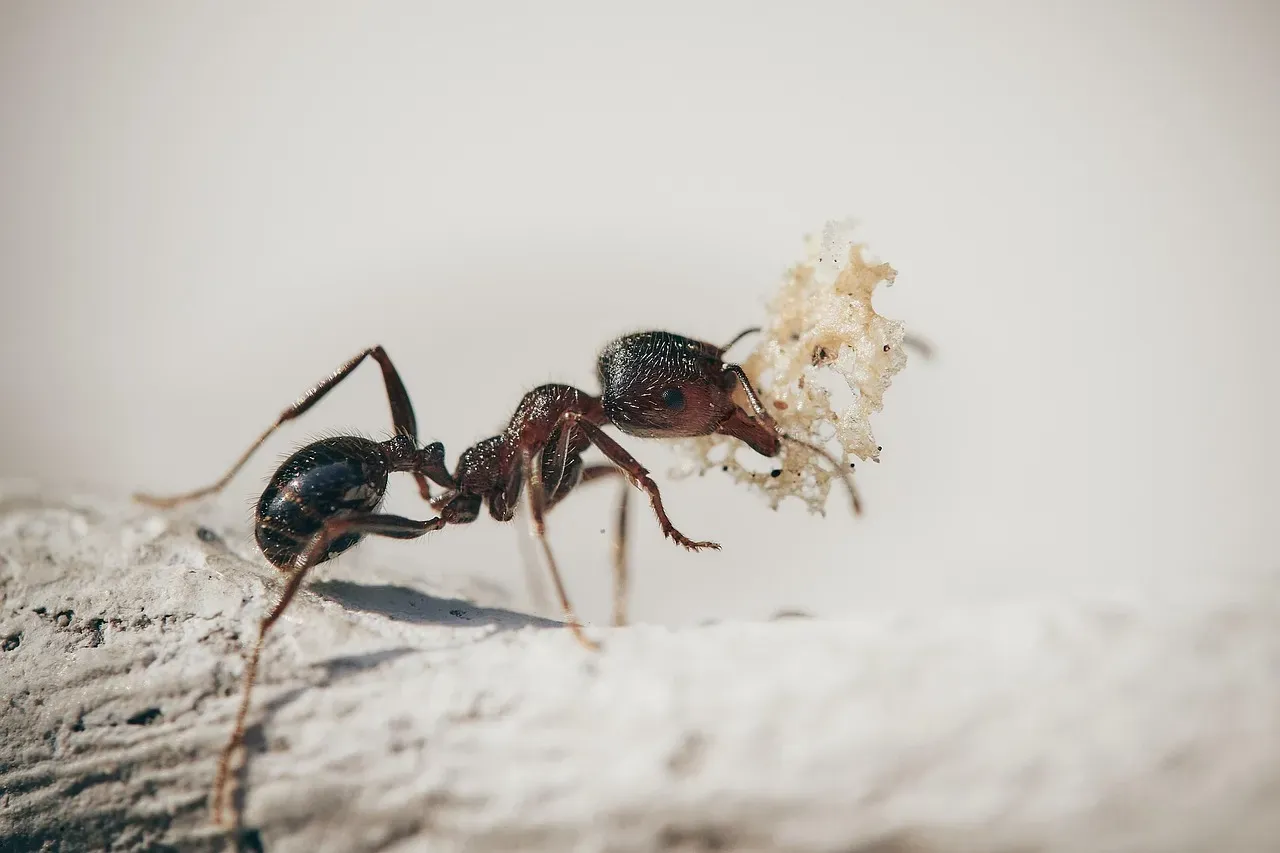
You’ve probably stepped near a fire ant mound at some point without realizing it – at least until they let you know. These reddish-brown insects look like ordinary ants at first glance, and that’s precisely what makes disturbing their mounds such an unwelcome surprise.
Invasive fire ants kill approximately 5 to 10 Americans yearly through anaphylactic shock. A disturbed mound can release thousands of defenders within seconds, and each ant can sting repeatedly, injecting alkaloid venom that creates distinctive pustules. This isn’t a single sting situation. It’s a coordinated swarm response.
Their floating colonies survive floods by forming living rafts, allowing them to spread across southern states despite eradication efforts. Allergic reactions can become life-threatening within minutes. For anyone with a severe allergy to insect venom, a fire ant attack is a genuine, life-threatening medical emergency. Let’s be real – something that small should not be this dangerous.
7. The Coral Snake: Beauty That Bites
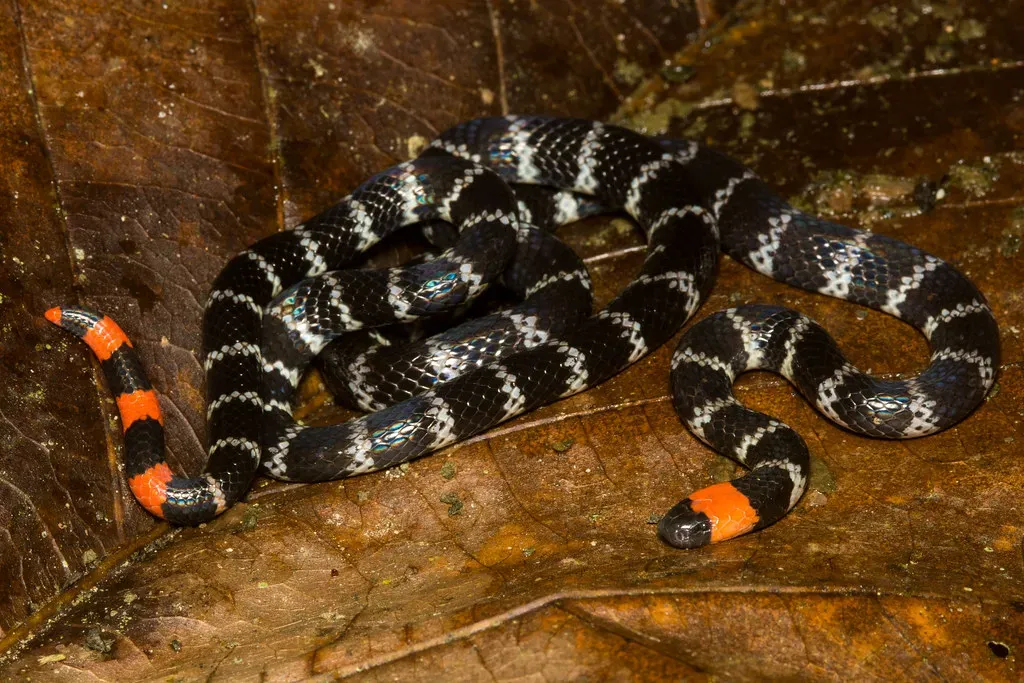
The coral snake is slender, brilliantly colored, and moves with a kind of elegant stillness that might make an unknowing hiker pause to admire it. Its vivid red, yellow, and black bands look almost decorative, like a piece of living jewelry. That admiration can cost dearly.
Unlike rattlesnakes, coral snakes give no warning before striking. The old rhyme “Red touch yellow, kill a fellow” helps distinguish them from harmless mimics. Secretive by nature, they’re most dangerous when handled by curious hikers or gardeners. The absence of a rattling warning is what catches people off guard most often.
This catchy rhyme is supposed to help residents of the southeastern United States tell the difference between harmless scarlet kingsnakes and ultra-venomous coral snakes. However, relying on a rhyme while crouching next to a snake is not a strategy anyone should actually rely on. Coral snake venom attacks the nervous system, and effects can be delayed – making the bite feel deceptively minor at first.
8. The Cone Snail: The Lovely Shell with a Lethal Harpoon
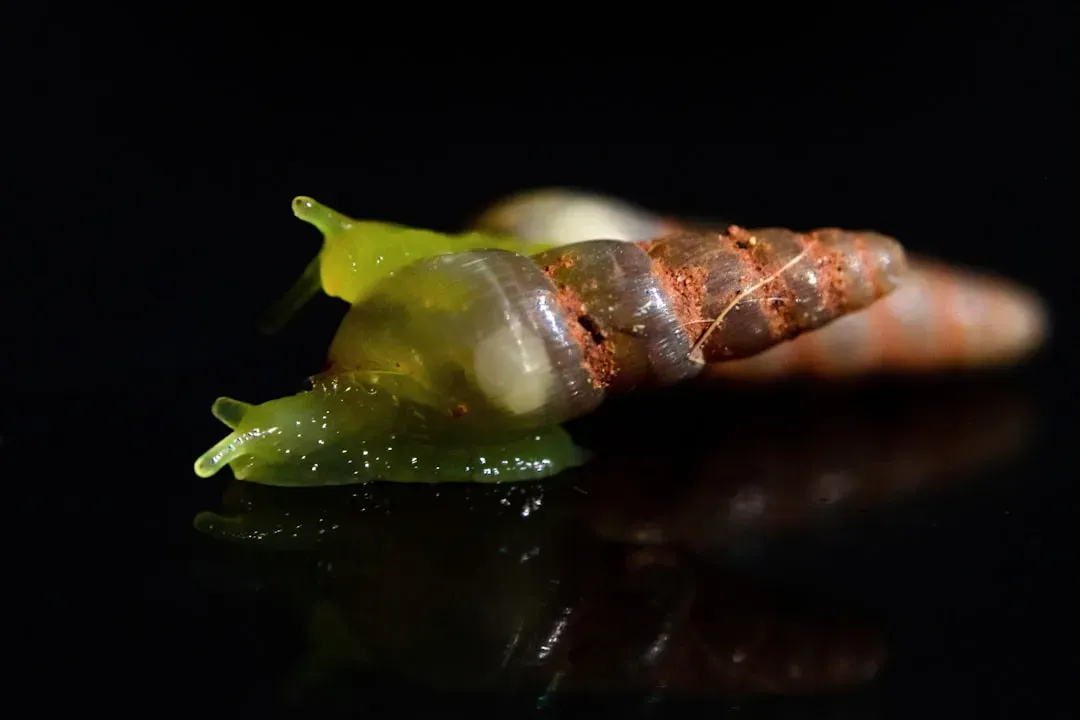
Picture yourself wading in shallow coastal water off Florida or Hawaii and spotting a beautifully patterned shell on the seabed. Every instinct tells you to pick it up and admire it. That instinct could put you in serious danger if the shell is still occupied.
Another sea creature to be wary of when wading the shallow waters of Florida and Hawaii, the cone snail possesses a potent venom used to immobilise prey. Most stings are not fatal but cone snails have killed people over the years, and their venom contains tetrodotoxin, which can cause paralysis and even lead to respiratory failure.
There are about 700 different types of cone snails, and they’re all venomous. They have a harpoon-shaped tooth that they use to inject venom into unsuspecting fish and worms. That same harpoon works just as effectively on a curious human hand. There is currently no antivenom for cone snail envenomation, which makes this gorgeous little shellfish one of the most quietly deadly creatures found along US coastlines.
9. The Raccoon: America’s Charming Urban Rogue
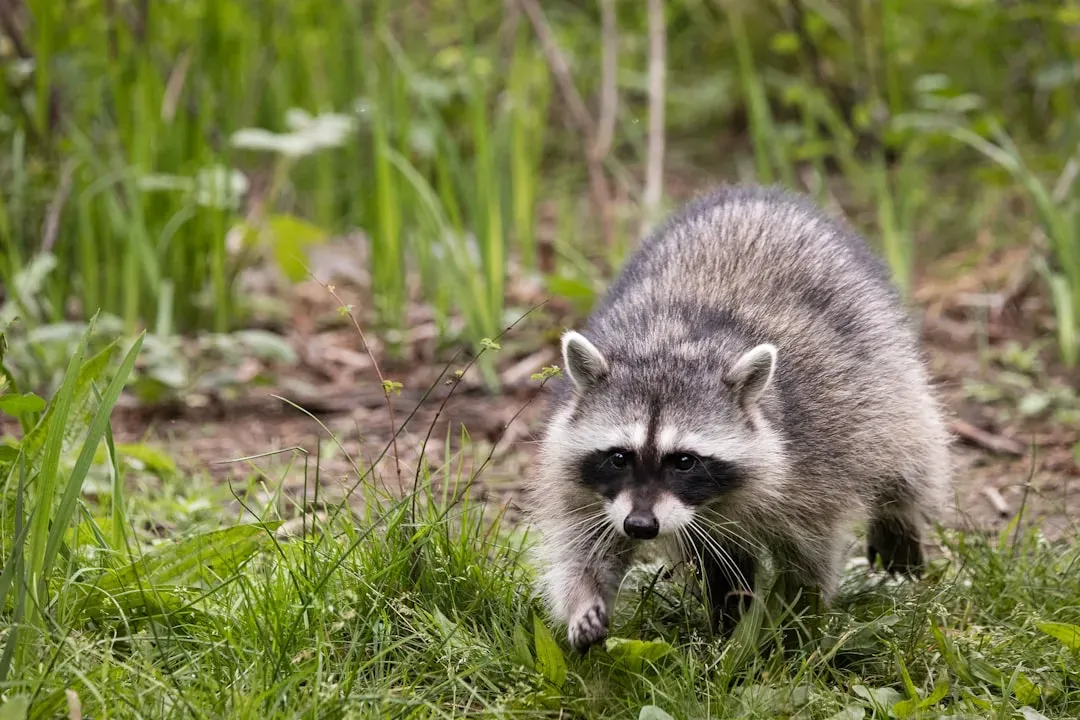
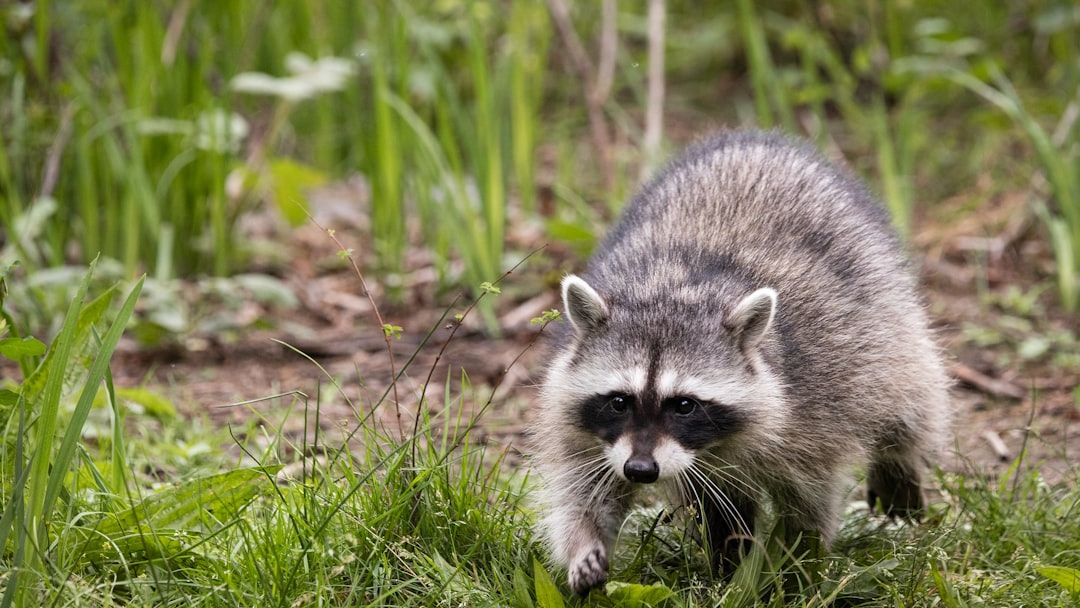
Raccoons are undeniably adorable. Those little masked faces and tiny human-like hands have made them internet darlings for years. People leave food out for them, let their children approach them, and generally treat them like slightly wild pets. That’s a mistake.
Raccoons are one of the primary wildlife carriers of rabies in the United States. A rabid raccoon can appear disoriented, overly friendly, or active during daylight hours – which is ironically when people are most likely to approach one, thinking it seems “tame.” Rabies, if not treated promptly after exposure, is almost universally fatal.
Beyond rabies, raccoons carry a roundworm called Baylisascaris procyonis, whose eggs can be found in their feces. Some animals look completely harmless, even adorable, but getting too close can put you in serious danger. Nature has a way of disguising some of its most toxic and aggressive creatures behind pretty colors, soft appearances, or slow movements. The raccoon is a perfect example of exactly that – charming on the outside, carrying a complex set of risks underneath that fluffy exterior.
10. The Bald Eagle and Birds of Prey: America’s Symbol Has Talons
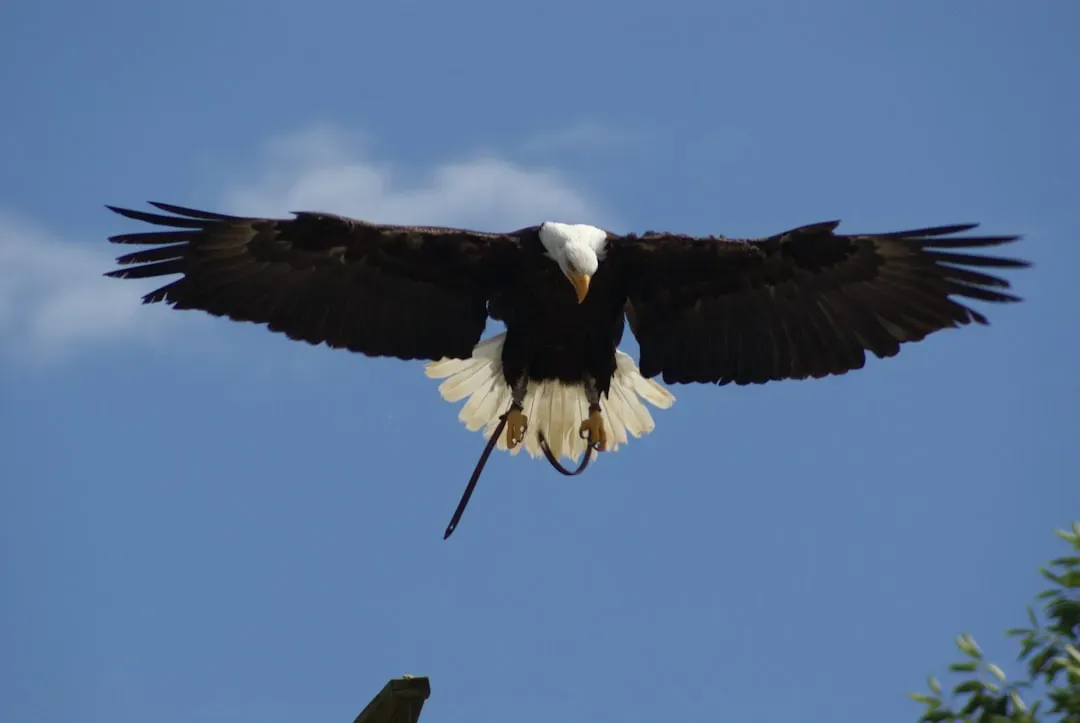
Everyone loves the bald eagle. It’s on the national seal, on currency, and in the hearts of Americans as a symbol of freedom and power. Most people, watching one soar overhead, would never think of it as a threat. Yet birds of prey are far more capable of causing real harm than their graceful silhouettes suggest.
Depending on the species, birds of prey can grow up to three feet tall and have a wingspan of up to eight feet across. Eagles can fly at speeds up to 40 to 50 mph, but can dive bomb at a rate of 100 mph. At that speed and with those talons, an eagle protecting its nest is not something to take lightly.
Most attacks by birds of prey are on small pets they’re hoping to snack on. Those who venture near the nest can expect aggression from the hatchlings’ parents – they are very protective of their babies. Their beaks and claws are extremely strong and sharp and can easily tear through flesh. The national symbol, it turns out, is every bit as fierce as the nation it represents. A reminder that power and beauty can exist in exactly the same package.
Conclusion: Never Judge an Animal by Its Appearance
If there’s one takeaway from this list, it’s this: the animal kingdom doesn’t operate on our assumptions. The creatures we fear most – wolves, sharks, rattlesnakes – are often responsible for far fewer human injuries than the ones we stop to admire or dismiss. A grazing bison. A fuzzy caterpillar. A colorful shell on the beach.
Respecting wildlife means understanding it honestly, not romanticizing it. Awareness of your behavior, as well as the animals you might encounter, is key to avoiding a dangerous encounter. Be aware of your environment, make noise so you don’t surprise an animal, and be sure to carry self-defense items just in case. The goal isn’t to fear every living thing in nature – it’s to engage with it intelligently.
The United States is home to extraordinary wildlife, and almost all of it would rather avoid you than harm you. Give these animals the space and respect they deserve, and the wilderness remains one of the most awe-inspiring places on Earth. Which one on this list surprised you the most? Tell us in the comments – we’d genuinely love to know.
