
Worried about unexpected vet bills?
Pet insurance can cover thousands in unexpected vet costs. Get a free quote from Lemonade in under 2 minutes.
Get My Free Quote →Sponsored · Opens Lemonade.com
Nature has a way of humbling us. Just when scientists write the final chapter on a species, something extraordinary happens. An animal turns up in a remote forest, a bird is spotted after a century of silence, or a population quietly thrives in a place no one thought to look. These moments feel almost impossible. Almost miraculous.
Scientists even have a name for these rare creatures – Lazarus taxa. In reference to the beloved friend that Jesus was said to have raised from the dead, Lazarus taxa are species, or groups of species, that were thought to be extinct but are then seemingly miraculously rediscovered. It’s one of the most electrifying concepts in all of biology.
From ancient fish that outsmarted the dinosaurs to tiny birds that hid in plain sight for a century, the stories of species that simply refused to disappear are equal parts astounding and deeply moving. Let’s dive in.
1. The Coelacanth – A Living Fossil From 66 Million Years Ago
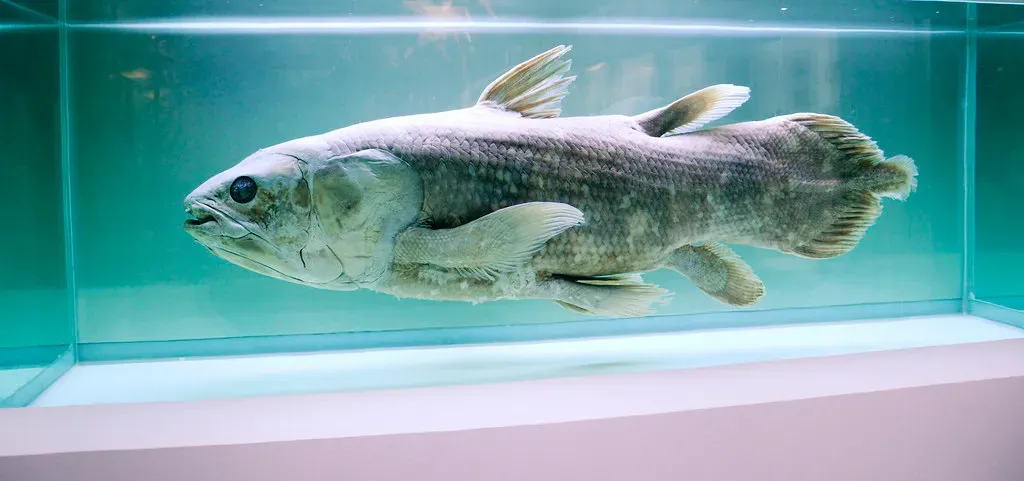
If you want a story that blows the mind, start here. Once known only from fossils and thought to have vanished 66 million years ago, the coelacanth stunned the world when a live specimen was discovered off the coast of South Africa in 1938. The dinosaurs came and went. This fish didn’t get the memo.
The rediscovery of the coelacanth holds up as one of the most important animal rediscoveries of the 20th century. Why? Because they predated dinosaurs, that’s why. Prior to its rediscovery, the coelacanth’s only known existence was through fossil records over 65 million years old, when it was thought to have died out.
Scientists thought the coelacanth became extinct with the dinosaurs 65 million years ago, but in 1938 one was caught in the West Indian Ocean near South Africa. Another coelacanth was caught in 1998 on the coast of Indonesia. Two separate populations, hiding in the deep. Honestly, it’s enough to make you wonder what else is still out there.
2. The Peregrine Falcon – Speed Demon of the Skies, Back From the Brink
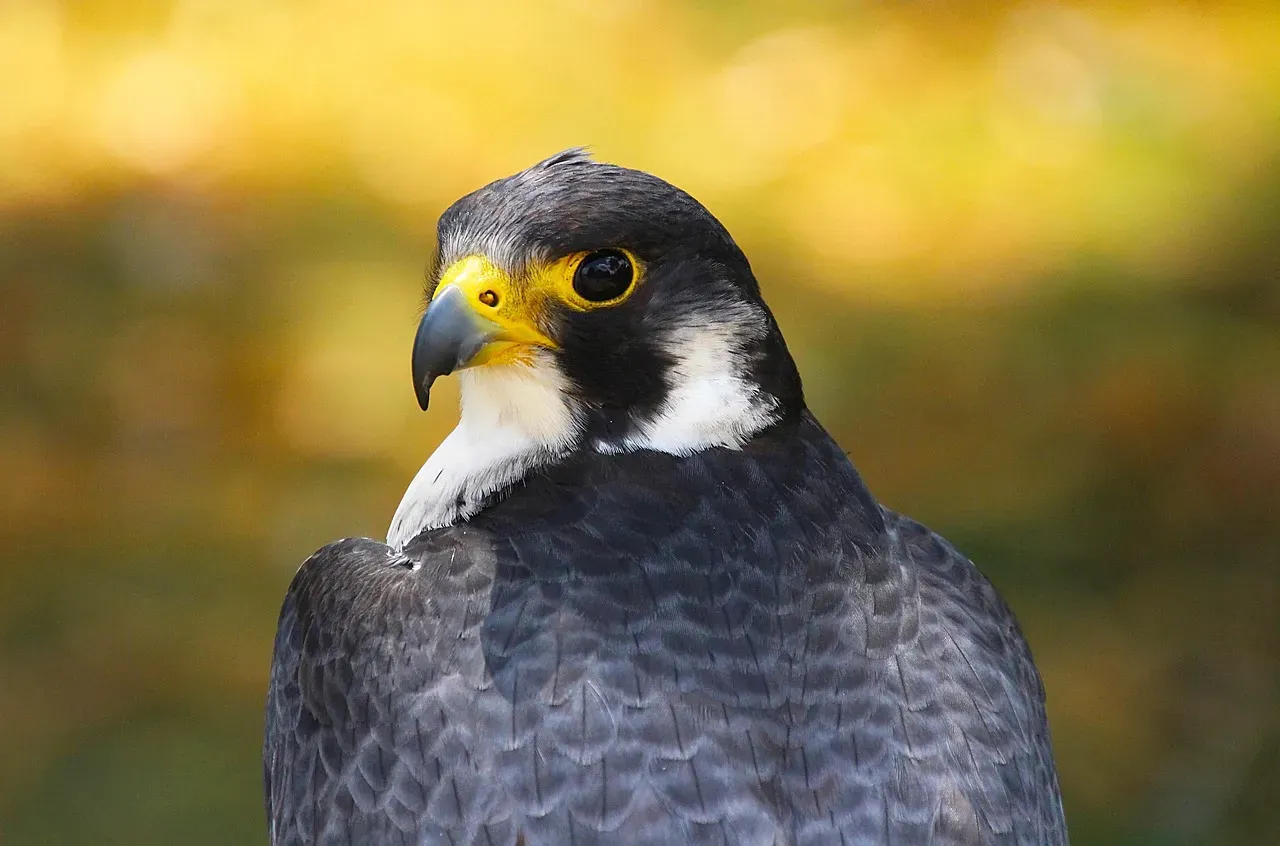
The American peregrine falcon is a large predatory bird found in a variety of habitats across North and South America. Beginning in the 1900s, the species started declining in numbers due to the widespread use of DDT in agriculture. Ingesting the chemical resulted in thinner eggshells and low reproductive rates, and by the mid-1960s, all peregrine populations had disappeared in the eastern United States, followed by a 90% decline in western populations in the following decade.
That’s a breathtaking collapse. An entire population wiped from the eastern half of a continent. Yet the species clawed its way back. The population started increasing after DDT was banned in the US in 1972. Conservation work such as captive breeding programmes and large-scale protection of nesting places also helped save the species from extinction.
Peregrine falcons are large birds of prey, known for their speed. They dive-bomb their target at more than 320 kilometres an hour, making them the fastest animal in the world. These falcons live nearly all over the world, including by the coast, in the desert and on mountain peaks. Today, you can even spot them nesting on city skyscrapers. What a comeback.
3. The Lord Howe Island Stick Insect – The “Tree Lobster” That Refused to Vanish
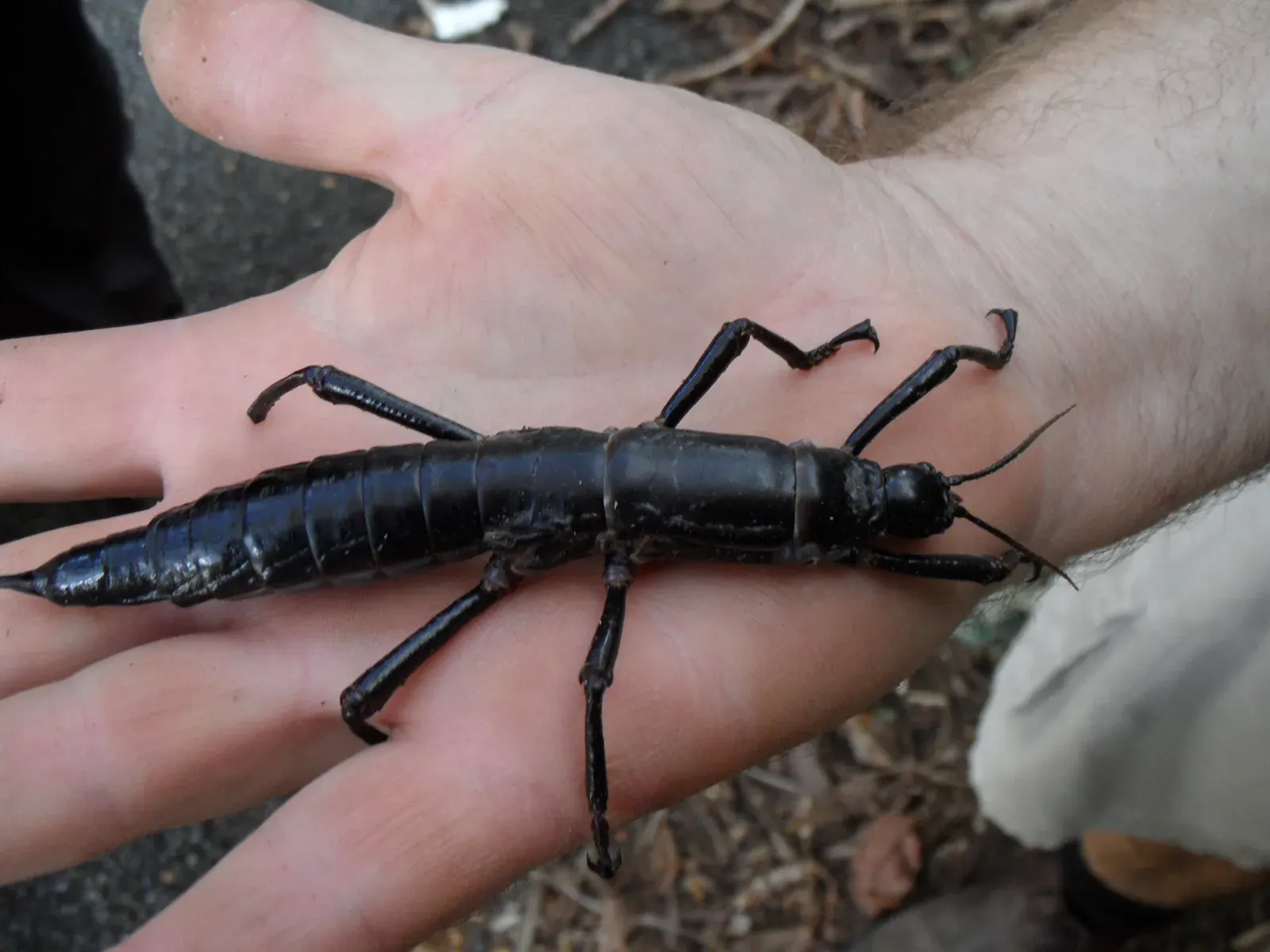
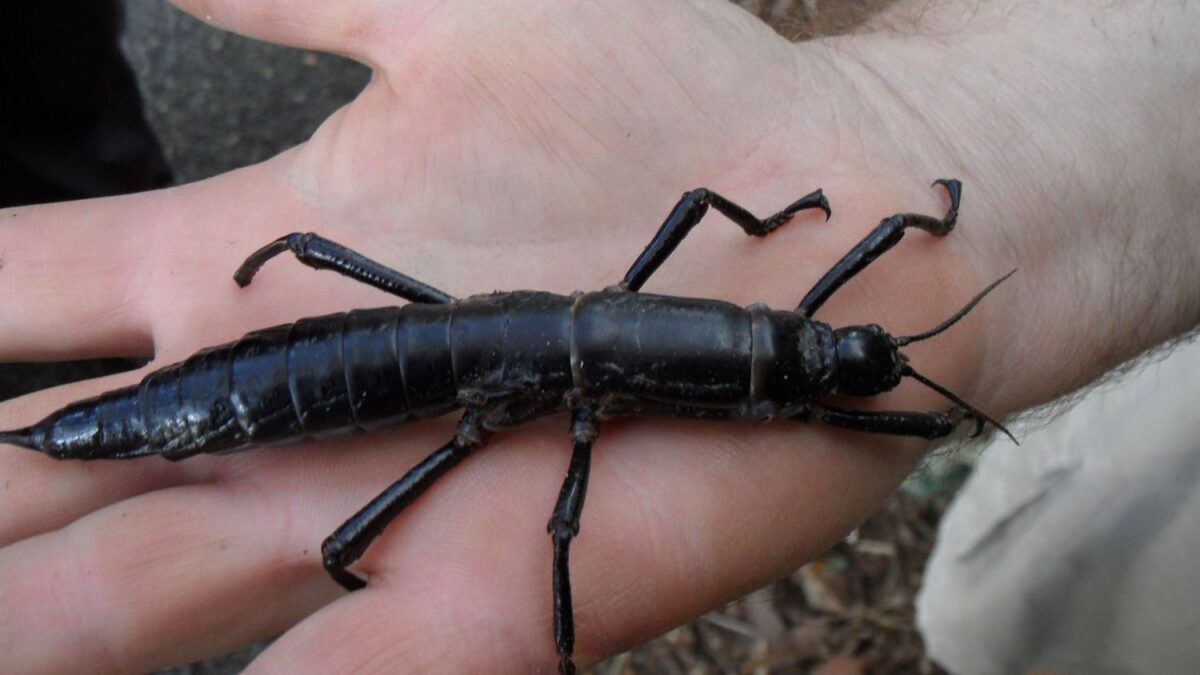
I know it sounds crazy, but one of the most dramatic survival stories of recent decades belongs to an insect. Dubbed the “tree lobster,” the Lord Howe Island stick insect was wiped out from its namesake island in the 1920s after invasive rats arrived. Miraculously, in 2001, a tiny population was found clinging to survival on a single rocky outcrop, Ball’s Pyramid. Conservation breeding now offers hope for their full return.
Numbers of Lord Howe stick insects teetered downwards until they were finally classified as extinct in the 1980s. They were found to be thriving atop of the trees surrounding Ball’s Pyramid, an island formed of volcanic remains, several decades later. Actually re-classifying this particular species wasn’t without its challenges – scientists argued the differences between these stick-like creatures were too hard to distinguish from similar species.
This story has a happy ending thanks to Melbourne Zoo’s captive breeding programme and genome sequencing from old museum remains. The Australian government now plans to reintroduce them back on the island. A six-inch insect outwitted extinction. Let’s be real – that’s extraordinary.
4. Przewalski’s Horse – The Last Truly Wild Horse on Earth
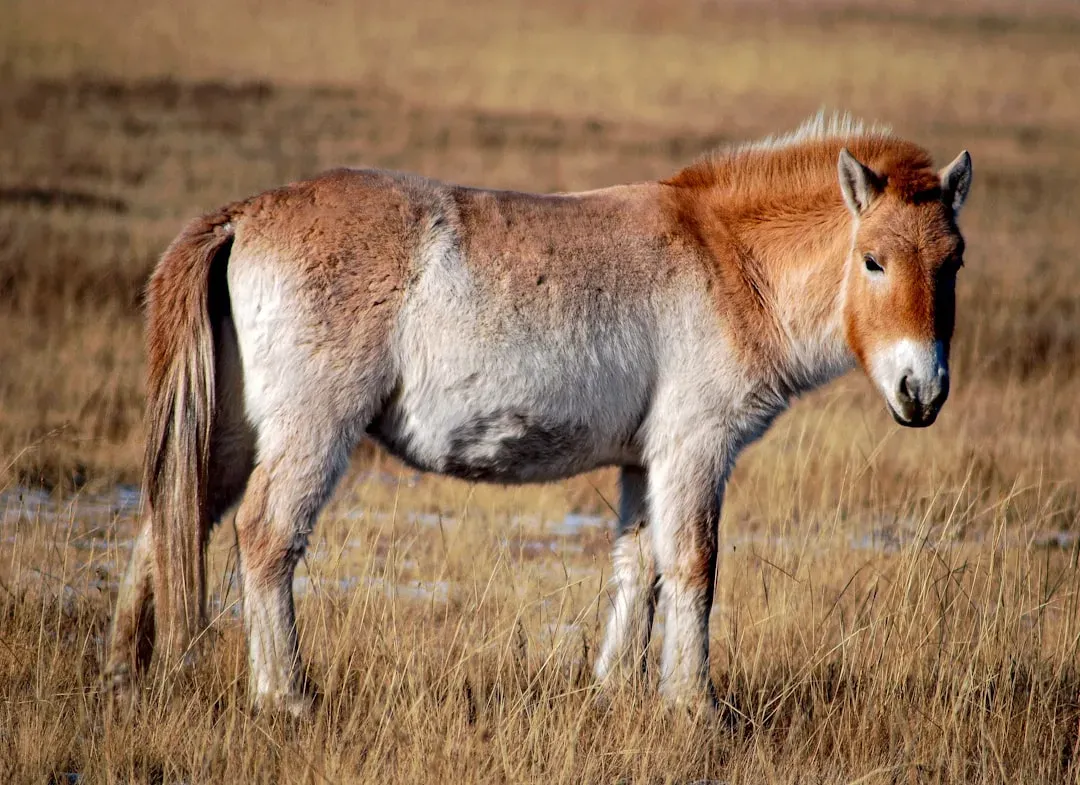
Przewalski’s horse is the last remaining species of truly wild horse, native to the steppes of Central Asia. By the 1950s, only 12 breeding individuals remained, and the last confirmed wild horse was sighted in 1969. Threats included harsh winters, overgrazing, and difficulty surviving in captivity.
Twelve individuals. Think about that for a moment. That’s smaller than most extended families. Yet somehow, this species pulled through. Through coordinated breeding programs and reintroductions beginning in the late 20th century, the species gradually recovered. Today, around 2,000 Przewalski’s horses live in the wild across Mongolia, China, Russia, and Kazakhstan.
Unlike domestic horses, they have 66 chromosomes, highlighting their genetic uniqueness. Though still endangered, they now play an important role in restoring grassland ecosystems once thought lost to history. A genuinely wild horse, running free again. That image never gets old.
5. The Cuban Solenodon – A Venomous Mammal That Fooled Everyone
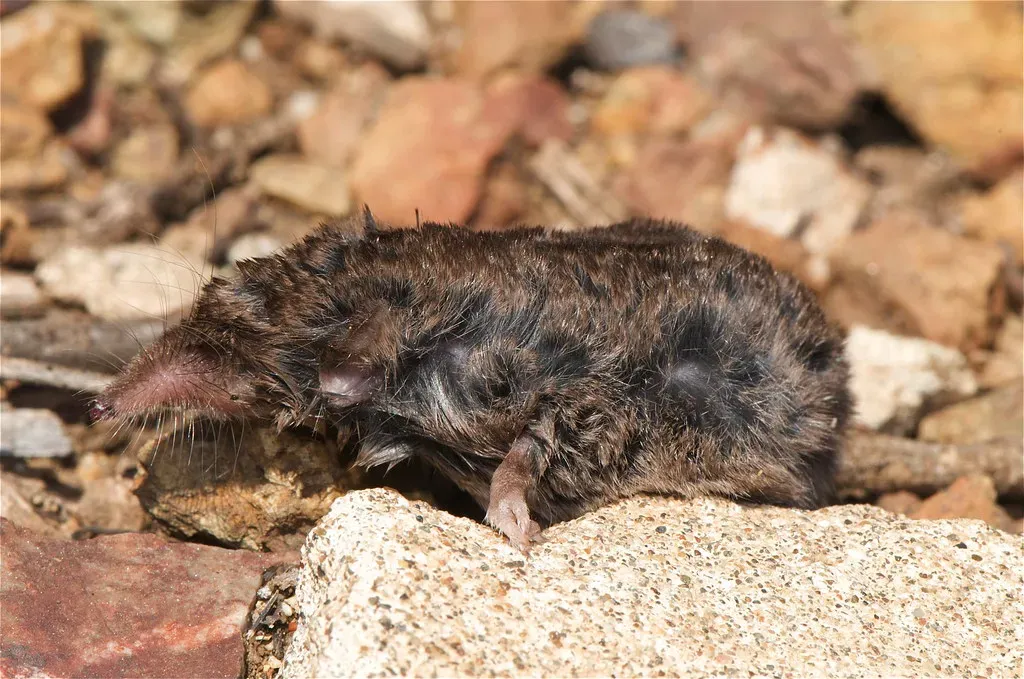
Here’s the thing about the Cuban solenodon – it’s not just rare, it’s deeply weird. Not only is it so vanishingly rare that it was once thought to be extinct, but it is also one of the few mammals that are venomous. Solenodons are nocturnal, shrew-like creatures with long quivering snouts and venomous saliva that they use to kill small prey animals like lizards and frogs.
In the 1960s, the Cuban solenodon’s numbers had dwindled such that it was described as among the rarest animals on Earth, if not completely extinct. In 1970 they were actually declared extinct, but then, only four years later, in 1974, one individual was discovered in a Cuban national park, bringing new hope for the species.
Solenodons are descendants of a group of insectivores that lived at the same time as the dinosaurs 76 million years ago, so they’ve been around a very long time. However, their habitat is now under threat, and introduced invasive species such as the small Asian mongoose prey on them, so their population is waning. A survivor from the age of dinosaurs, still hanging on today. Barely. But still here.
6. Spix’s Macaw – The Bird That Inspired a Movie, Then Came Back for Real
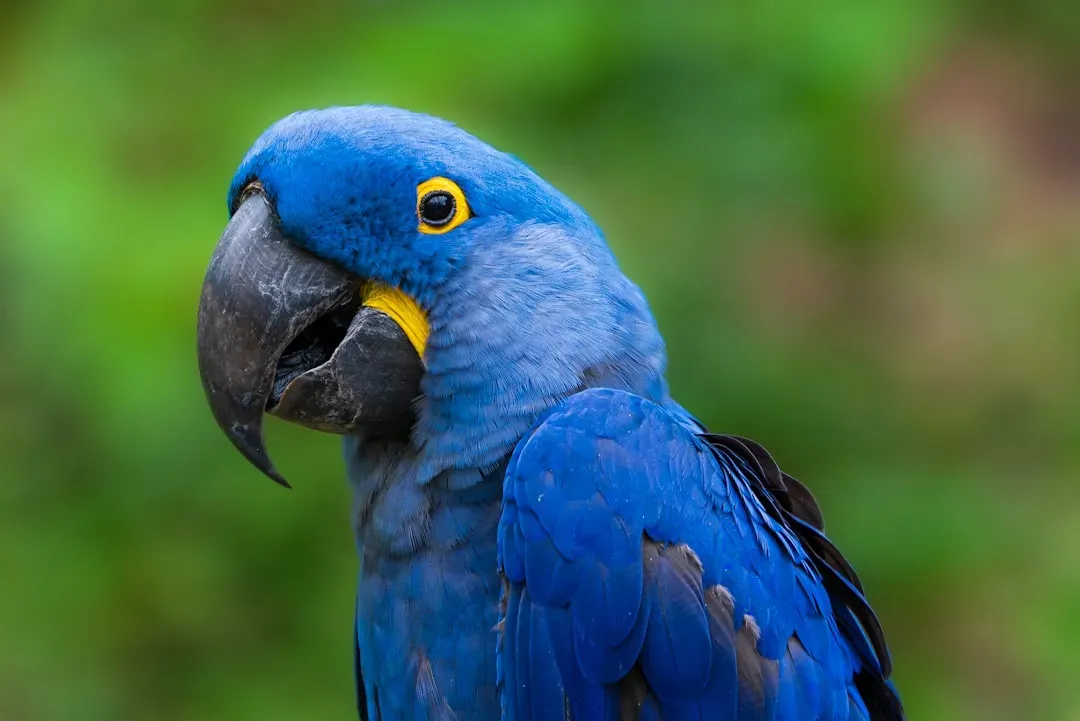
You may recognize this one. Its plight was highlighted in the 2011 animated film Rio, which told the story of a caged Spix’s macaw named Blue and helped raise awareness of the species on a mass scale. Named after the German naturalist Johann Baptist Ritter von Spix who first discovered the distinctive blue parrot in 1819, Spix’s macaw was declared extinct in the wild by the turn of the millennium.
Around two dozen Spix’s macaws were being held in private collections around the world, which were gathered together to launch a captive-breeding programme. That’s it. Two dozen birds between one of the world’s most famous parrots and total oblivion.
In 2022, eight were released back into the wild, accompanied by eight wild Illiger’s macaws, who acted as trainers for the Spix’s macaws, who had reduced instinctive survival skills following their time in captivity. Wild macaws teaching captive ones how to be wild again. I think that’s one of the most beautiful details in all of conservation history.
7. The Aleutian Cackling Goose – From 790 Birds to Tens of Thousands
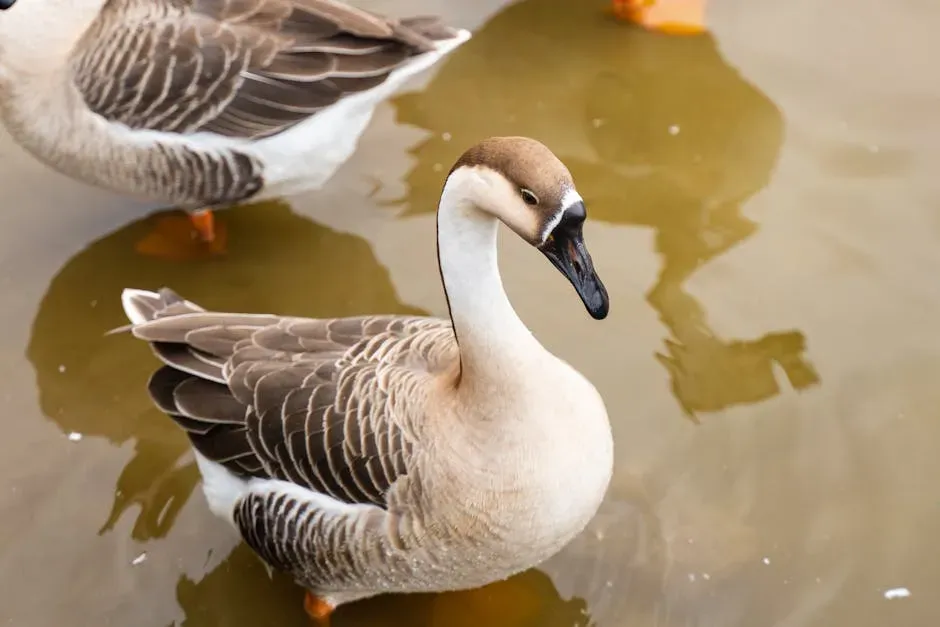
The Aleutian Canada goose is named after the Aleutian archipelago, where it breeds during the summer before migrating to the California coast for the winter. The species nearly went extinct in the mid-20th century, largely due to foxes introduced to the islands for the fur trade. These predators devastated nesting colonies, while hunting and habitat loss further accelerated the decline.
The bird was believed to be extinct between 1938 and 1962 until a small population was rediscovered in the western Aleutian Islands. Beginning in the 1970s, conservationists mapped migration routes and breeding grounds while working to remove foxes from critical nesting islands. Habitat protection, land acquisition, and careful monitoring followed, often under harsh and remote conditions.
As a result, the population rebounded dramatically, growing from just 790 birds in 1975 to more than 30,000 by 1999. From the edge of nothing to tens of thousands. That’s not just a recovery. That’s a resurrection. Few conservation turnarounds in history have been this dramatic or this fast.
8. The Mountain Gorilla – Proof That Effort and Funding Save Lives
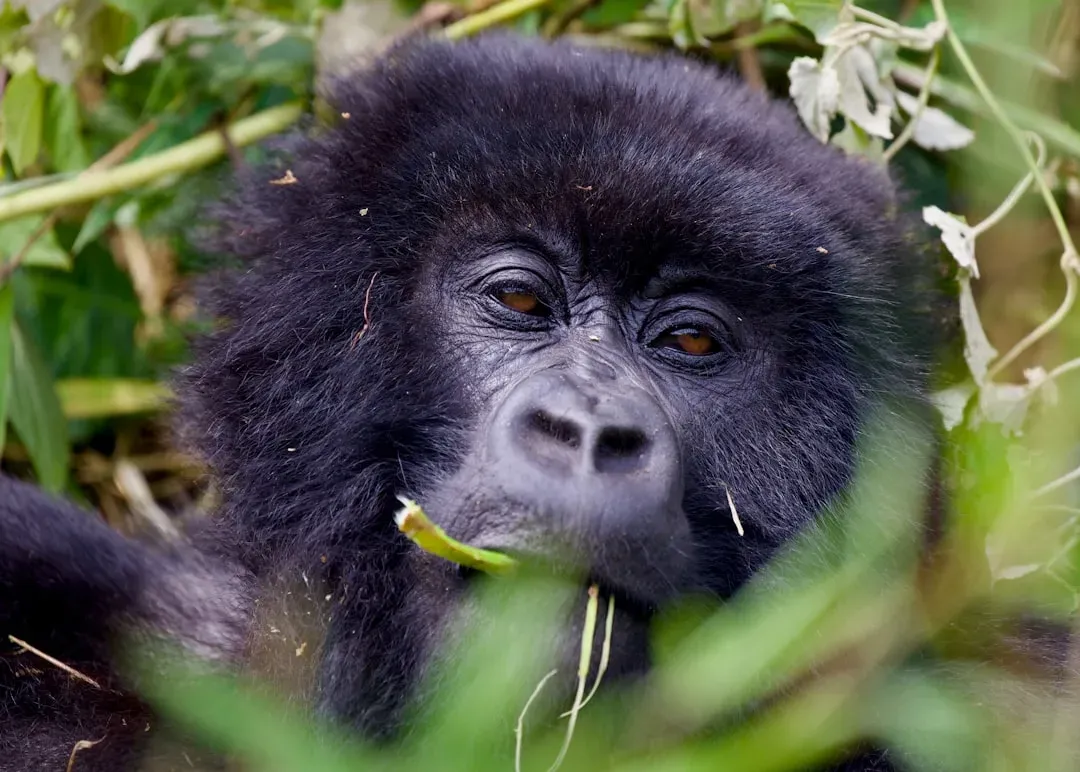
Not all of these stories involve a species that vanished and reappeared. Some are stories of teetering right at the edge and being pulled back, inch by inch. The mountain gorilla is one of those. Recent research revealed that an increasing number of mountain gorillas – a species once thought to be extinct by the end of the 20th century – now reside in a large swathe of protected forest in Uganda and the Democratic Republic of the Congo. The 83,840-acre Bwindi-Sarambwe ecosystem is one of two places on Earth where mountain gorillas still exist, with a population of 459 individuals, up from an estimated 400 in 2011.
Every single individual matters when you’re dealing with numbers this small. Think of it like trying to keep a flame alive in a storm. There exist remarkable stories of resilience and recovery – tales of animals that stood at extinction’s precipice but managed to return. These conservation success stories offer hope in an era of unprecedented biodiversity loss and demonstrate what’s possible when science, policy, and public will align to protect endangered species.
The mountain gorilla’s survival is a testament to exactly that kind of alignment. Decades of anti-poaching patrols, community engagement, and international funding have kept this species breathing. It’s hard, costly, unglamorous work. Yet here they are, still alive.
9. The Australian Night Parrot – A Ghost Bird Found After 100 Years
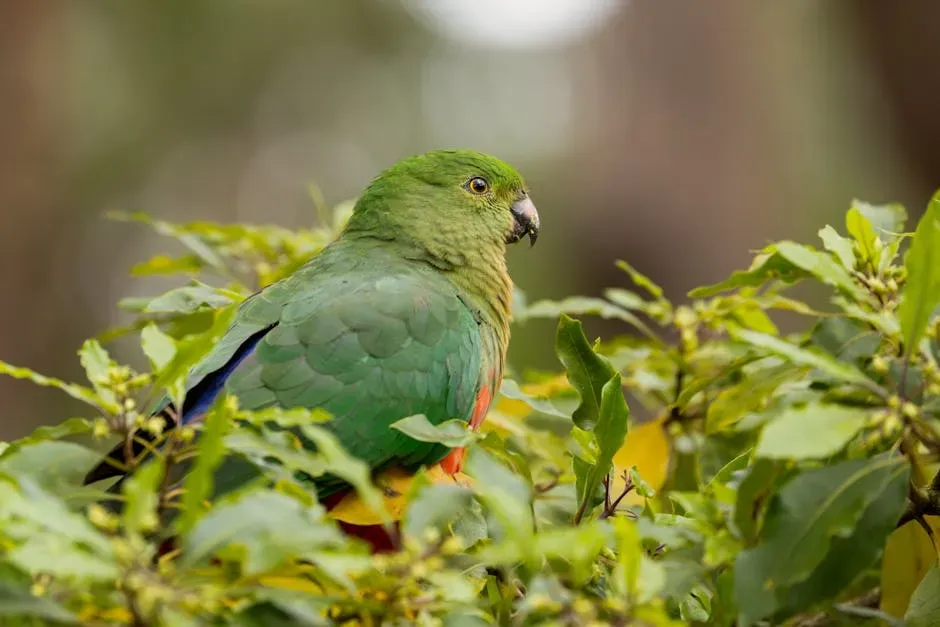
Imagine dedicating 15 years of your life to searching for an animal most people believe doesn’t exist anymore. That’s exactly what happened here. The Australian night parrot disappeared from the records in 1912. Scientists thought the cats and foxes introduced by settlers decimated the population, but in 1990 a dead one was found on the roadside in Queensland. A naturalist called John Young dedicated 15 years to the search and was rewarded in 2013 when he photographed a live Australian night parrot one century after the last one was recorded.
One century. That’s how long this tiny parrot managed to stay invisible. Australian night parrots are small and short-tailed with yellowish-green, dark brown, black, and yellow plumage. From their name, you’ll be able to guess they’re nocturnal. Their secretive, nighttime habits probably saved their lives. Sometimes being hard to find is a survival strategy in itself.
It’s hard to say for sure how many of them exist today, but the rediscovery sent ripples through the ornithology world. Protected areas in Queensland have since been established specifically around confirmed sighting locations. The ghost bird is real. And it’s still out there, somewhere, doing its quiet thing in the dark.
10. The American Bison – From the Verge of Genocide to Half a Million Strong
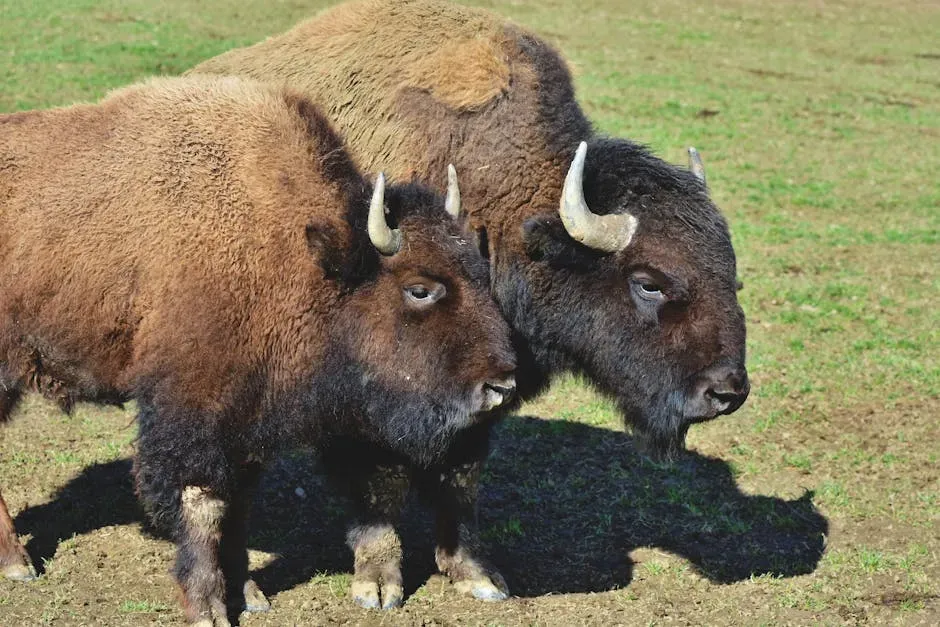
Few stories are as staggering as the near-annihilation of the American bison. Tens of millions of these magnificent animals once thundered across North America. Then, in the 19th century, industrial-scale slaughter reduced them to fewer than a thousand animals. It was one of the most catastrophic species collapses in recorded history.
The recovery, however, is one of the most inspiring. Today, American bison number about 500,000, and there are numerous safeguards to ensure the species’ survival, including the National Bison Legacy Act of 2016. One of the purest bison herds can be found in Yellowstone National Park – the only place where bison have lived continuously since prehistoric times.
The Endangered Species Act has played an integral role in helping many species recover from being endangered and preventing them from going extinct. The Endangered Species Act celebrated its 50th birthday in 2024 and, in those 50 years, has helped save 99% of listed species from extinction. The bison is perhaps the most iconic symbol of what happens when a society decides a species is worth saving. Hundreds of thousands of massive, breathing animals where once there were almost none.
Conclusion: Nature Keeps Surprising Us
These ten species share something profound in common. They all had everything stacked against them. Poaching. Habitat destruction. Invasive predators. Chemical contamination. Human indifference. Yet somehow, impossibly, they endured.
Many rediscovered species have survived extreme changes in their environment, highlighting the adaptability and toughness of life. Intact, undisturbed habitats can serve as lifeboats for rare and endangered species. That’s perhaps the most important lesson buried inside every one of these stories – what we protect matters enormously.
It would be easy to look at the headlines and feel hopeless. Species disappear every year. We are living through the planet’s sixth mass extinction event, and a large number of species have recently been declared extinct. That is a real and terrible truth. Yet these ten stories are also real. They prove that the margin between loss and survival is sometimes razor-thin – and that the right action, taken at the right moment, can tip the balance toward life.
The coelacanth survived 66 million years without our help. The bison survived because we finally chose to help. Both kinds of resilience deserve our awe. What species do you think deserves more attention and protection right now? Tell us in the comments below.
Worried about unexpected vet bills?
Pet insurance can cover thousands in unexpected vet costs. Get a free quote from Lemonade in under 2 minutes.
Get My Free Quote →Sponsored · Opens Lemonade.com

- The Ocean’s Deepest Creatures Hold Surprising Secrets to Longevity - June 10, 2026
- 6 Scents That Make Mosquitoes Target You First - June 10, 2026
- The Forgotten Deserts of America Where Wildlife Still Thrives - June 10, 2026