
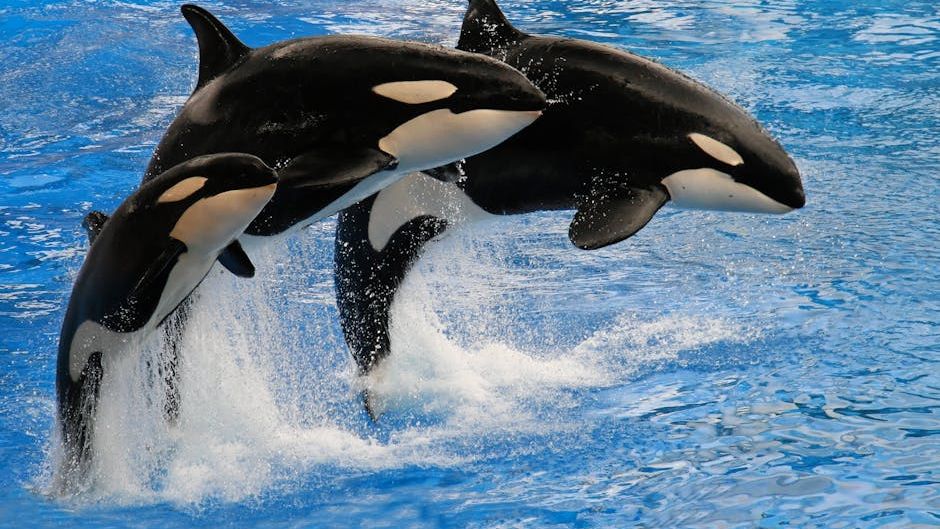
By now, you’ve probably heard the headlines. Sailboats sinking off Portugal. Rudders getting torn off near the Strait of Gibraltar. A small, critically endangered group of orcas apparently deciding that human vessels are the perfect afternoon toy. Beginning in 2020, a subpopulation of orcas began ramming boats and attacking their rudders in waters off the Iberian Peninsula, with the behavior generally directed toward slow-moving, medium-sized sailboats. Alarming? Sure. Cinematic? Absolutely.
But here’s the thing. Orcas are so much more than the boat-ramming, headline-grabbing images we’ve seen in the news. They live in tight-knit families, pass down traditions, and sometimes do things so bizarre that even scientists are left scratching their heads. Honestly, the boat stuff is almost the least interesting thing about them. So let’s talk about the ten quirks that reveal a far stranger, funnier, and more emotionally complex animal than the one the media keeps showing you. Let’s dive in.
1. They Wore Salmon Hats – and Fashion May Be Making a Comeback
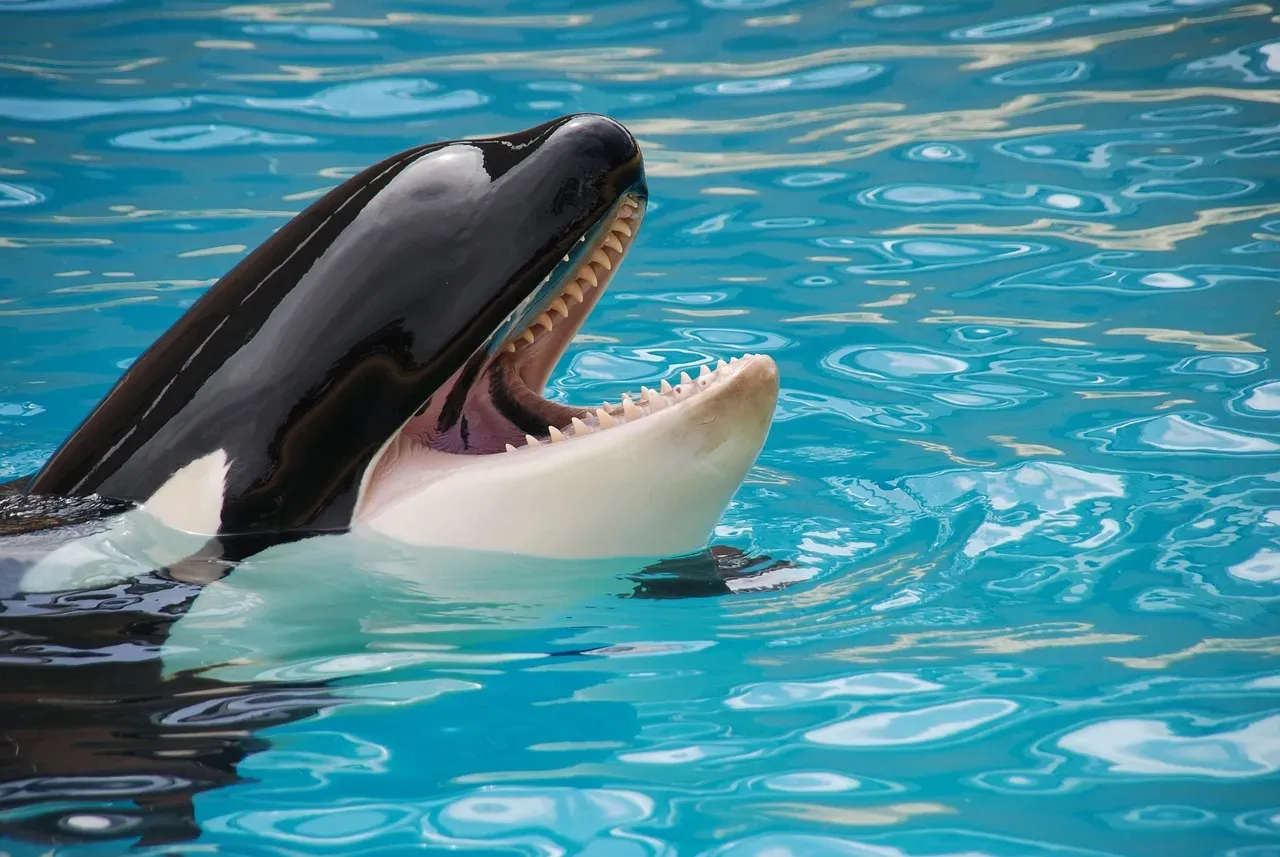
No, that’s not a typo. A photo that went viral in late 2024 reignited interest in a quirky behavior first documented in the 1980s: orcas wearing “dead salmon hats,” a unique trend originating among the critically endangered Southern Resident orcas in the Pacific Northwest, involving balancing dead fish on their heads.
Initially, the behavior spread across pods but disappeared within a few years. The recent image sparked speculation that the trend was making a comeback, but experts remained skeptical.
Because orcas are so socially and culturally complex, with their dialects and the transmission of trendy behaviors like wearing salmon hats, scientists study them as examples of animal culture in nature. Think about that for a moment. Fashion trends. In killer whales. I honestly don’t know whether to be delighted or slightly unsettled.
2. They Were Caught French-Kissing in the Wild
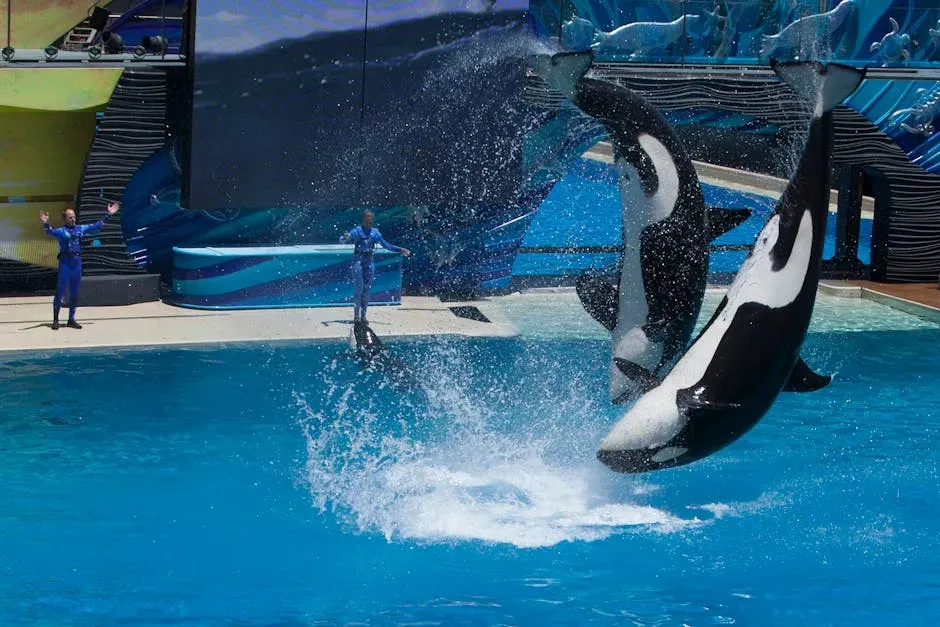
This one genuinely stopped me in my tracks when I first read it. In 2025, scientists dove into the icy waters of Norway’s Kvænangen fjords to film wild orcas. Nobody foresaw capturing an extremely rare moment between two killer whales: for nearly two minutes, the pair was seen hovering nose-to-nose and nibbling each other’s tongues.
French-kissing orcas have been recorded only once before. In 2019, a study noted similar tongue action between captive killer whales.
Nobody knows for certain what it means. It could be affection, bonding, or something we simply have no framework yet to understand. Whatever it is, it’s one of the most unexpectedly tender moments ever caught on a wildlife camera.
3. They Invented Their Own Spa Treatment – Using Kelp
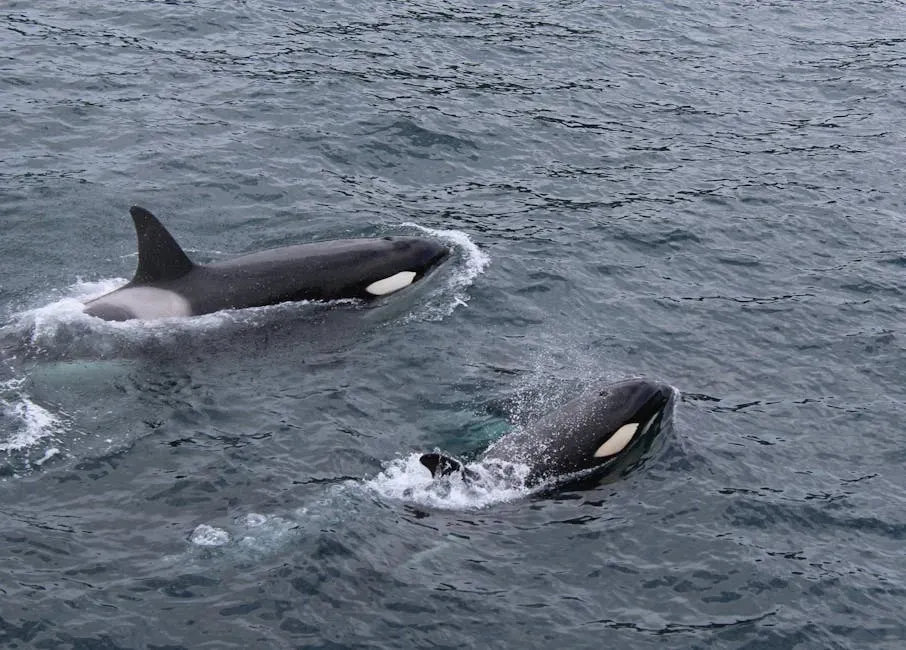
This is genuinely new science. Southern resident orcas were found detaching strands of bull kelp from the seafloor to roll between their bodies in a behavior scientists dubbed “allokelping.” The discovery marks the first time cetaceans – marine mammals including whales, dolphins, and porpoises – have been observed using an object as a tool to groom.
Behavioral ecologist Michael Weiss spotted one of the killer whales carrying something green in its mouth, with some orcas rubbing against each other for up to 15 minutes at a time.
What makes allokelping unique is its potential benefits for skin health and relationships – in other words, it appears to be a cultural practice. Essentially, they invented exfoliation. Simultaneously as a health routine and a social bonding ritual. Honestly, that sounds like a high-end wellness retreat.
4. They Speak in Dialects – and Can Learn to Talk Like Dolphins
![4. They Speak in Dialects - and Can Learn to Talk Like Dolphins (NOAA (http://www.afsc.noaa.gov/Quarterly/amj2005/divrptsNMML3.htm]), Public domain)](https://nvmwebsites-budwg5g9avh3epea.z03.azurefd.net/aatg/b7b843f09229012e829449fd13a5d9c5.webp)
Orcas communicate through pulsed calls and whistles that form a unique dialect for each family. They express their identity through their cultural habits, and orca language is learned and inherited – just like human babies, orcas can hear their mother in the womb, learning their family’s language before they’re even born.
Researchers found that killer whales can engage in cross-species vocal learning: when socialized with bottlenose dolphins, they shifted the types of sounds they made to more closely match their social partners. That’s not just impressive. That’s borderline extraordinary.
A captive orca named Wikie became the first killer whale known to recognizably make sounds not part of her native repertoire – including human language words like “hello” and “bye bye.” It’s hard to say for sure how much orcas truly understand about language. Still, the sheer capacity to imitate across species lines places them in a very small, very elite group of animals on this planet.
5. They Offer Food to Humans – Possibly Out of Genuine Kindness
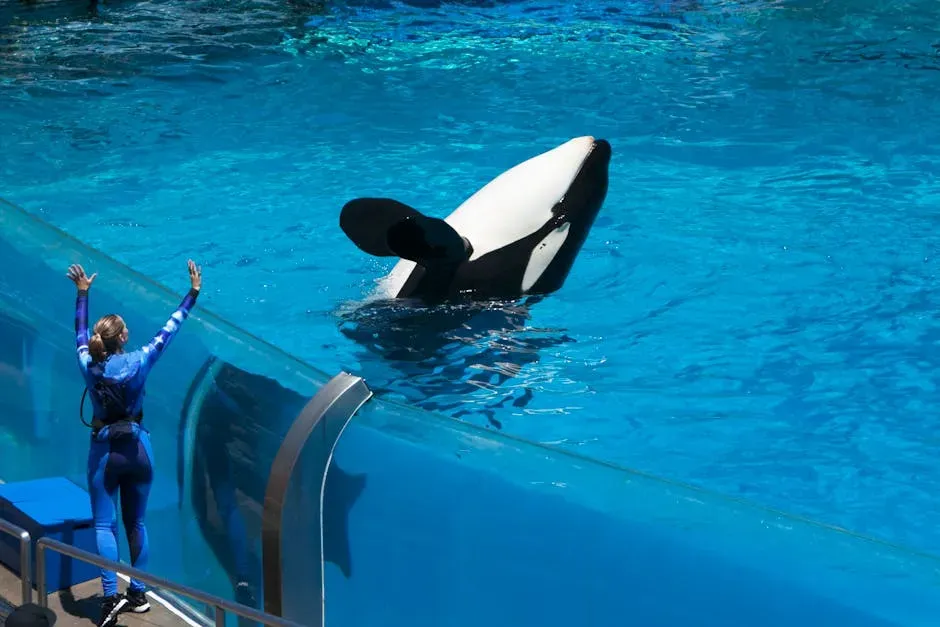
Here’s something that will completely rewire how you think about orcas. A 2025 study looked at 34 encounters between humans and killer whales in the wild. These meetings were not aggressive. Instead, surprised onlookers were offered food by a single orca or a pair. At other times, an entire pod tried to feed the landlubbers.
Researchers do not think the orcas are being deceptive – not luring a tasty human closer with bait and then eating them. On the contrary, this could be true altruistic behavior or a genuine attempt to interact with people.
Since orcas are insanely intelligent, some speculate that they recognize humans as a fellow smart apex predator, and that makes them curious enough to reach out. Let that sink in. The animal we fear for sinking boats might also be the one trying to share its dinner with us. Nature is wild.
6. They Grieve Their Dead – and It’s Heartbreaking
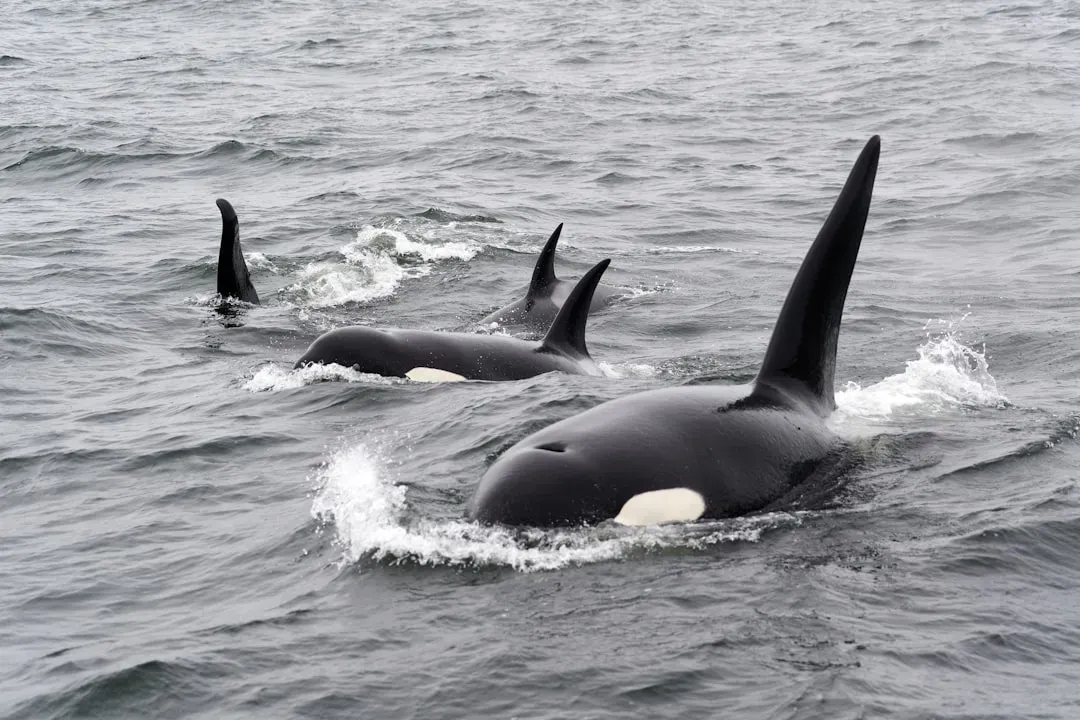
The emotional lives of orcas appear to be extraordinarily rich and complex, with evidence suggesting they experience deep social bonds and emotional states comparable to those in humans. Brain scans have revealed highly developed paralimbic regions associated with emotional processing, while behavioral observations document apparent grief-like responses when pod members die, including carrying deceased calves for days or weeks in what researchers cautiously describe as mourning behavior.
In one poignant case, a female orca named Tahlequah carried her deceased calf for 17 days across 1,600 kilometers, a powerful display of mourning before she finally released it.
Their paralimbic lobe – a brain region humans don’t possess – processes emotional and social information with remarkable depth. This is one of those facts that changes how you see an animal forever. They don’t just feel. They feel deeply, and they remember. That’s not biology. That’s personhood, at least in the emotional sense.
7. They Run Multigenerational Matriarchies – With Grandmothers in Charge
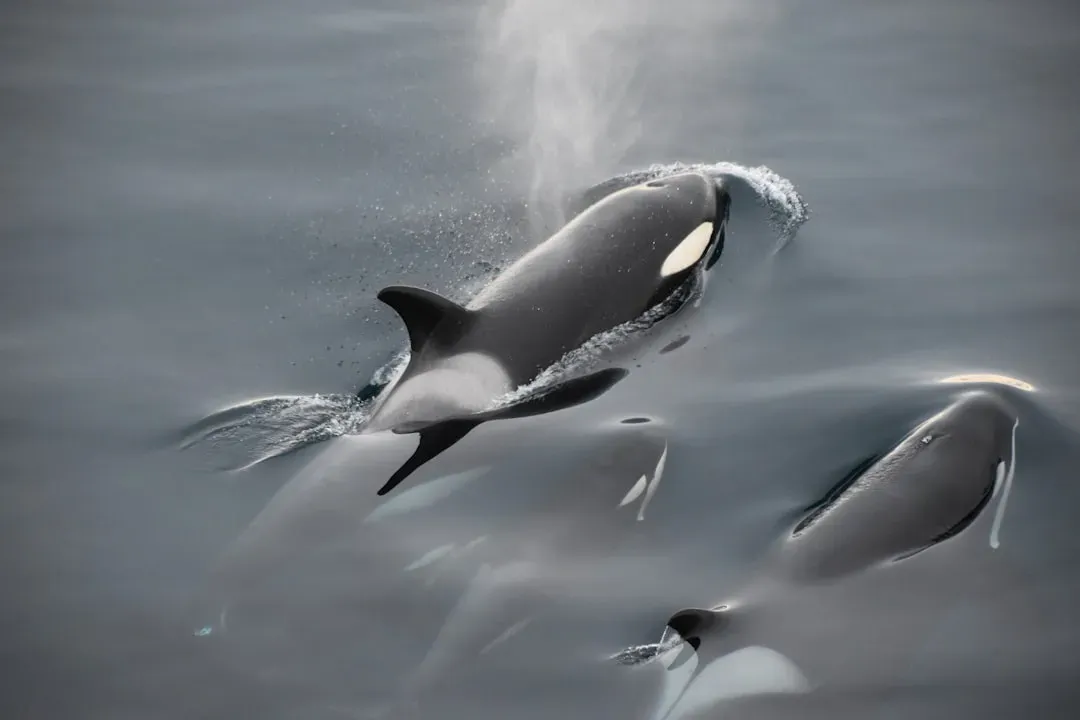
Let’s be real – orca family structure puts most human organizations to shame. The social structure of orca pods revolves around matrilines – family lines led by elder females – with some individuals remaining with their birth pods for their entire lives, creating multi-generational family units with relationships lasting decades.
They form deep social bonds that can last a lifetime, with some populations maintaining multigenerational family groups where grandmothers play crucial roles in knowledge transmission and group survival.
Scientists have proven that each pod has its own unique dialect and that learned behaviors are passed from one pod generation to the other – a unique feature currently known to exist with one other species: humans. The wisdom flows from the matriarch down. Think of it like a family business, except the grandmother also knows exactly where the best salmon are and exactly how to pass that knowledge on across generations.
8. They Form “Super Pods” to Socialize, Make Friends, and Fall in Love
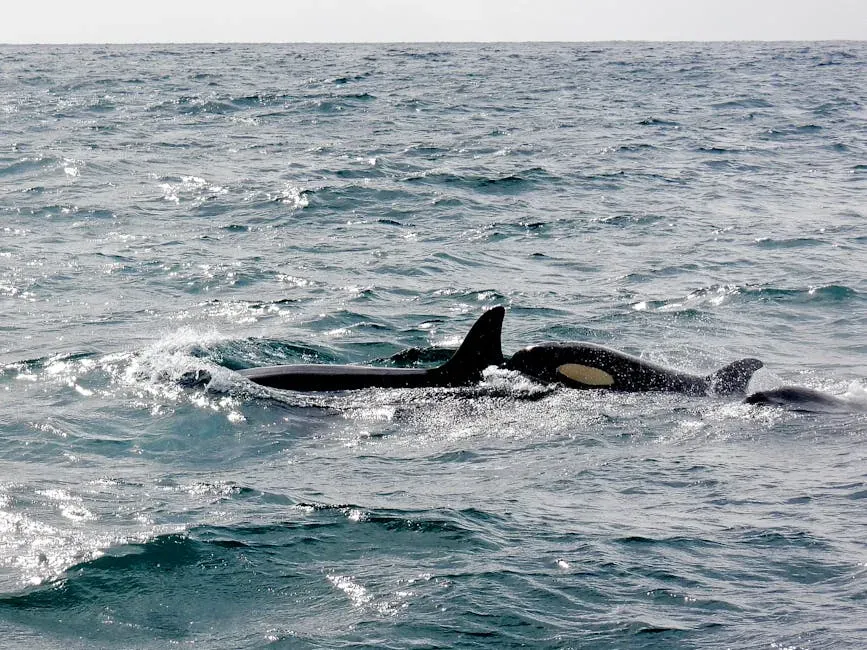
Occasionally, multiple orca pods converge into what researchers call a “super pod,” and what unfolds next is genuinely heartwarming. As soon as they met other pods, they would rub flippers with them and mirror each other while swimming. Romance also blossomed. This behavior suggests that super pods ensure a healthy exchange of genes and act as social clubs where orcas can visit to create and nurture lasting friendships.
Adult orcas also maintain social connections through activities that have no immediate survival value, such as synchronized swimming, gentle physical contact, and what appears to be intentional breaching or tail slapping for social signaling rather than hunting purposes.
Picture the ocean version of a summer music festival, where everyone shows up, rubs flippers, shows off their moves, and maybe finds their mate. Researchers have documented complex social rituals that seem oriented toward conflict resolution and relationship maintenance, suggesting a sophisticated understanding of social dynamics. They’re not just surviving. They’re socializing, on a level that’s strikingly familiar.
9. They Teach Each Other New Tricks – Including Hunting Strategies That Involve Ice Waves
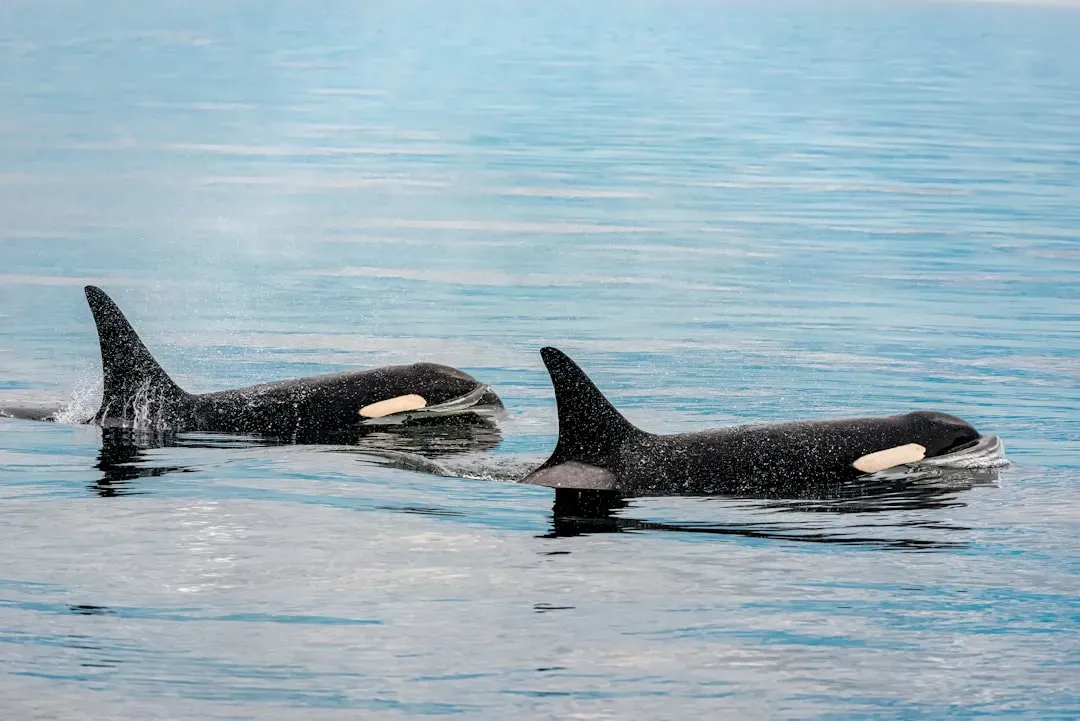
Orcas are fast learners, which means they can and do teach each other some terrifying tricks, becoming “smarter” as a group. Still, some of these seemingly new tricks may in fact be age-old behaviors that humans are only documenting now. Just like in humans, some of these learned behaviors become trends, ebbing and flowing in social waves.
They’ve been known to beach themselves to scare sea lions into the water where other killer whales are waiting to feed. Another technique is to deliberately cause a large wave on ice floes to force their prey into the water, where they are easier to catch. They teach these techniques to their young in the process.
The ice wave trick is, I think, one of the most astonishing examples of collaborative problem-solving in the entire animal kingdom. It requires timing, communication, coordination, and a precise understanding of physics. They’re not just hunting. They’re engineering. Frequent interactions with humans through boat traffic and fishing activities may also drive orcas to learn new behaviors. The more their environment shifts, the faster orcas must respond and rely on social learning to persist.
10. They Never Fully Sleep – One Brain Half at a Time
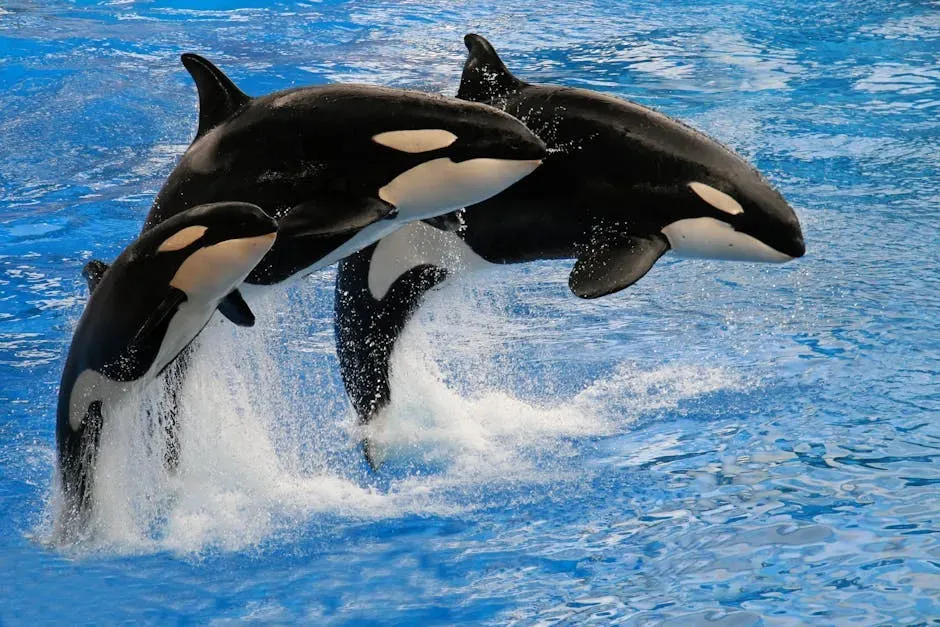
This last one sounds like something from a science fiction novel. Orcas never fully fall asleep; instead, they rest one half of their brain at a time while keeping one eye open to breathe and watch for danger. This is called unihemispheric slow-wave sleep, and it means an orca is always partially conscious.
Orcas are curious and tactile, with brains that are large compared with their body size, and some parts of the killer whale brain are more developed than what’s seen in humans.
Intriguingly, orcas and other cetaceans have an extra part in their limbic system – the paralimbic lobe – which could be responsible for processing complex social and emotional behavior. So not only do they never sleep like we do, their brains come equipped with processing regions we simply don’t have. They are, in the most literal sense, built differently. Half-awake, fully extraordinary.
Conclusion: The Apex Predator You Never Really Knew
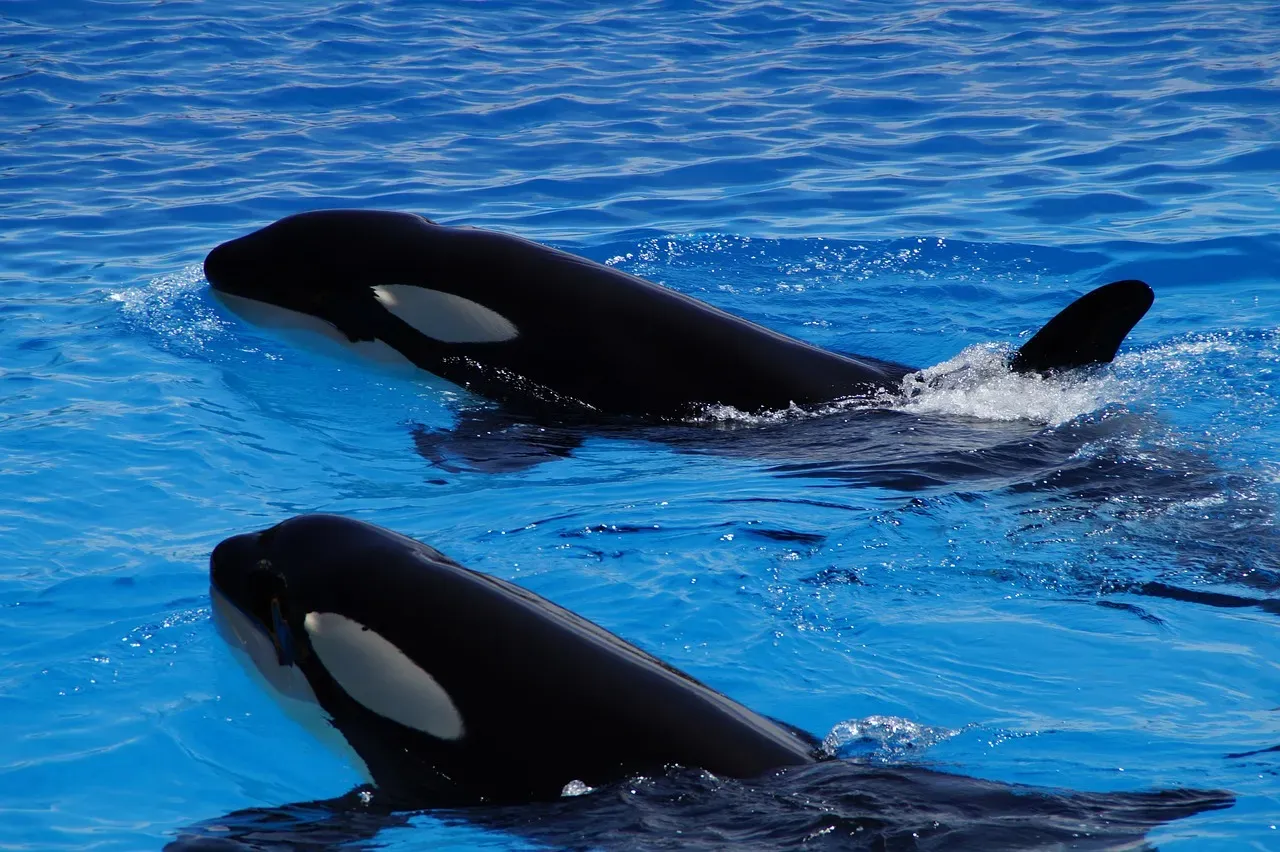
The boat attacks made global news, and I get it. Sailboats sinking off the coast of Lisbon is genuinely dramatic. The International Whaling Commission has warned against calling the behavior an “attack,” as the orcas are more likely engaging in some form of play. A 2024 IWC workshop report stated the behavior has more in common with fads seen elsewhere, and seems associated with play or socializing.
Wild killer whales have never been known to attack people. That’s worth repeating loudly. The orca that bumped your rudder is the same creature that grieves its calves, learns dolphin languages, runs kelp spas, and tries to bring you fish for dinner.
The real story about orcas isn’t fear. It’s fascination. These are animals that wear hats, kiss with tongues, and teach each other how to make ice waves. They mourn. They gossip. They fall in love at super pod festivals. We’ve been so busy being scared of them that we almost missed just how breathtakingly, outrageously, wonderfully strange they really are.
So the next time you see an orca headline about another boat interaction, maybe ask yourself: what else are they doing out there that nobody has filmed yet?

- The Ancient Secrets of Yellowstone’s Wild Animals Revealed - August 6, 2026
- Are Some Common Pet Behaviors Actually Signs of Undiagnosed Stress? - August 6, 2026
- 8 US States With the Most Horseshoe Crab Spawning Beaches - August 6, 2026