
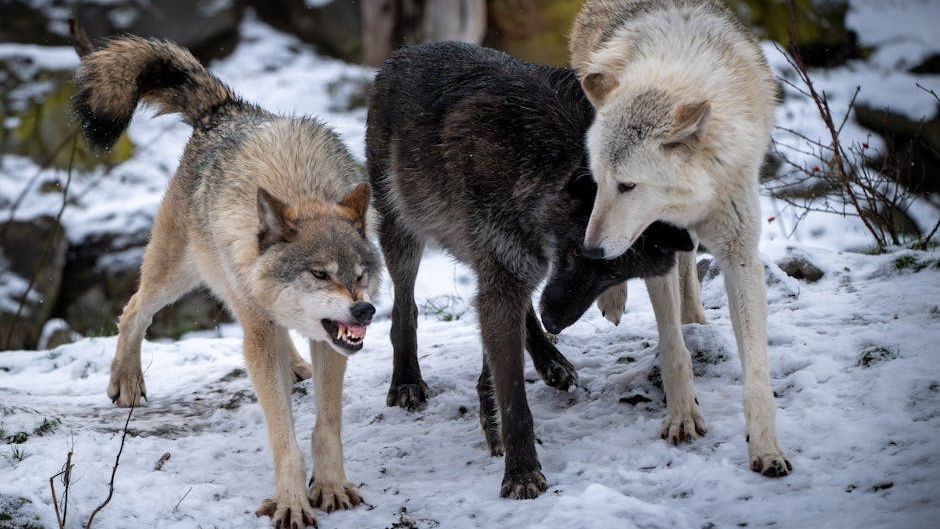
Wolves are arguably the most romanticized and misunderstood animals on the planet. For decades, popular culture has handed us a vivid picture: a fierce alpha wolf, chest puffed and teeth bared, ruling over a trembling pack through raw, brute force. It sounds dramatic. It makes for great movies. There’s just one problem – it’s almost entirely wrong.
The real story of how wolf packs actually work is far more nuanced, more fascinating, and honestly, more relatable than any Hollywood version. What science has uncovered over the past few decades challenges nearly everything we thought we knew about these extraordinary animals. Be surprised by what you’re about to discover.
The Alpha Wolf Myth and Where It Actually Came From
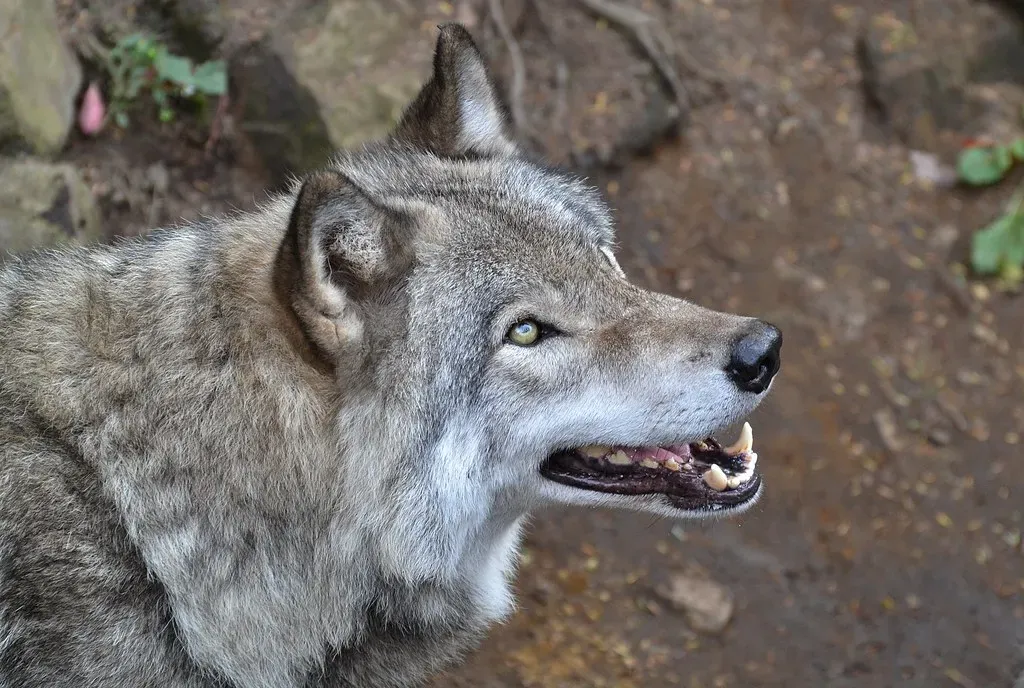
Here’s the thing – the image of the ruthless, dominance-driven alpha wolf did not emerge from nature. The “alpha wolf” concept came from a 1947 study by Rudolph Schenkel, who observed wolves in captivity at the Basel Zoo in Switzerland, watching unrelated wolves crammed together in artificial enclosures competing for resources. He then assumed this reflected natural behavior. It was, to put it bluntly, a terrible assumption.
Captive wolves behave nothing like wild ones. It is a bit like studying human family dynamics by watching strangers fight over the last seat on a subway. Schenkel’s wolves were stressed, confined, and forced into hierarchies that do not exist in the wild.
The concept that wolves live in a rigid structure of domination, where a male and female fight to lead the pack, became widely known after being popularized by biologist David Mech in his book “The Wolf: Ecology and Behavior of an Endangered Species” in 1970. The book was a massive bestseller. It stayed in print for 52 years. Unfortunately, an enormously popular book built on flawed captive-wolf data had already done its damage to the public imagination.
In 1999, to correct this view, Mech published the article “Alpha Status, Dominance, and Division of Labor in Wolf Packs,” in which he argues that the term “alpha wolf” does not apply to wolves in the wild, as they do not dispute leadership – they just form families. It was a remarkable act of scientific courage to publicly dismantle your own bestselling work.
Wild Wolf Packs Are Really Just Families
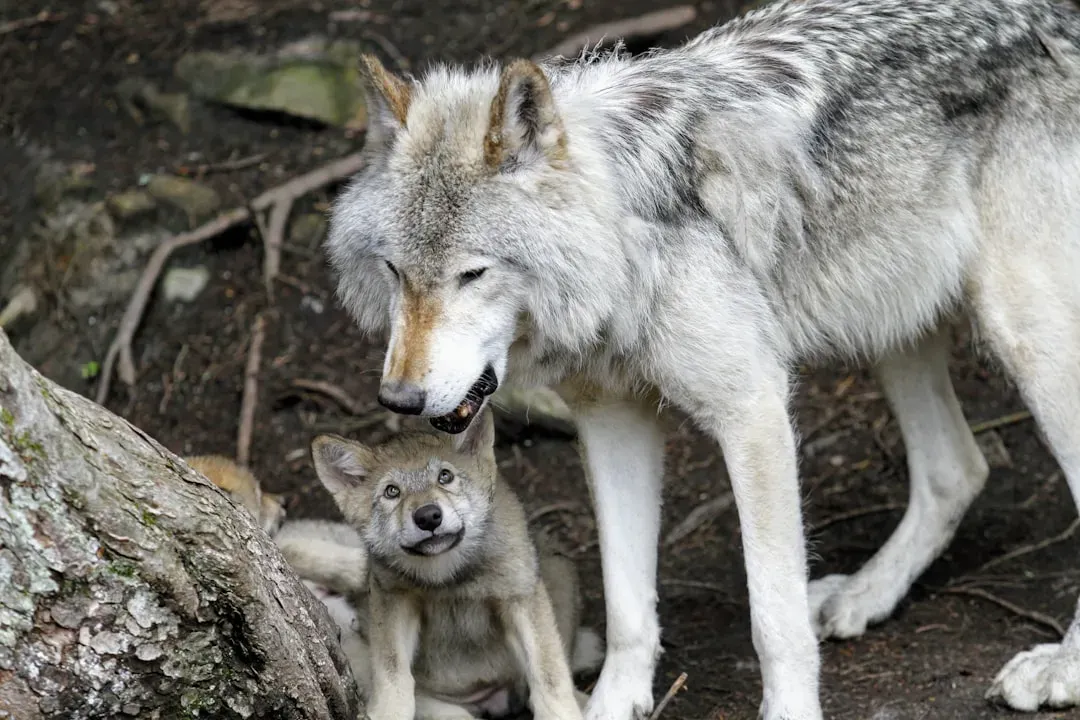
Wild wolf packs typically consist of a breeding pair – the parents – and their offspring from the current year plus one to three previous years. This creates extended family groups ranging from two to fifteen individuals, though most packs contain five to ten wolves. Think of it less like a military unit and more like a multigenerational household.
Modern research reveals that wolf packs function not as dominance hierarchies but as sophisticated family units where cooperation, communication, and parental guidance replace the mythical “alpha dominance” model that never actually existed in wild wolf populations. That is a sweeping revision of everything most people have been taught.
Think of a wolf pack like a human family household: parents, young children, teenagers, and perhaps a young adult or two who have not yet moved out. The “hierarchy” reflects age, experience, and parental authority rather than dominance through aggression. Leadership is earned through investment and experience, not through teeth and terror.
Infighting for dominance is basically unheard of in a typical pack. When offspring are two to three years old, they leave the pack in search of mates, aiming to start their own pack. The alpha wolf notion of challenging the father for dominance of the existing pack just is not in the wolf playbook. So much for the rugged power struggle narrative.
How Wolf Packs Actually Make Decisions Together
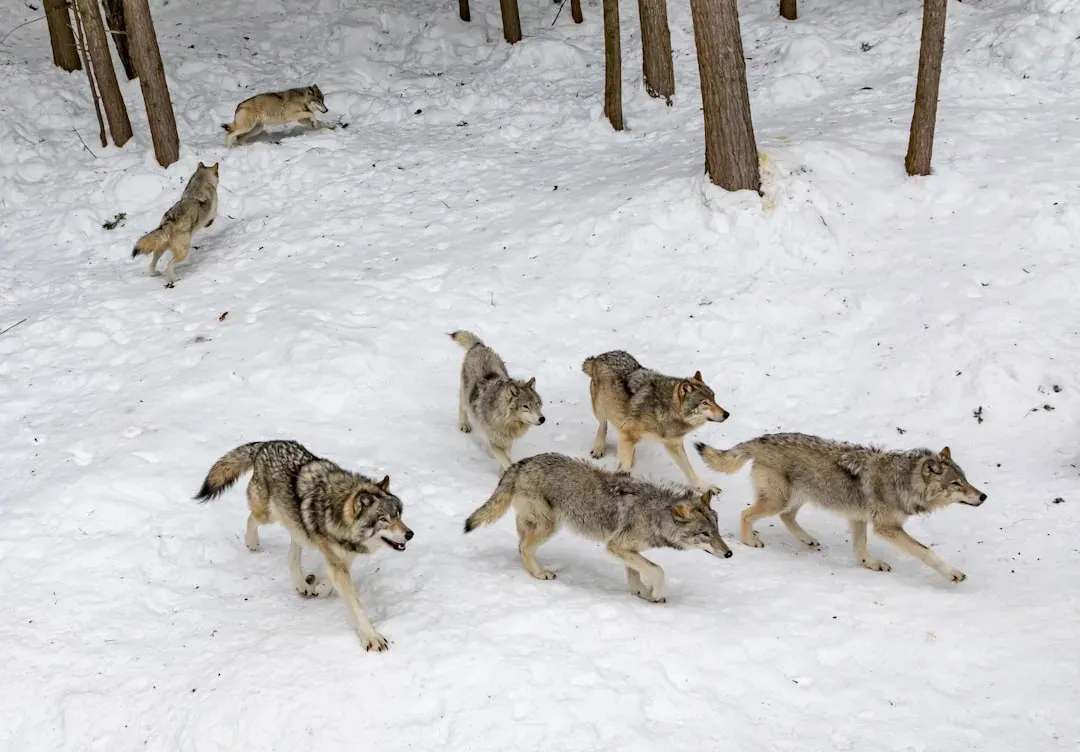
I think this is where the wolf story gets genuinely stunning. Forget the image of one wolf dictating to the rest. Contrary to the myth of absolute alpha control, wolf packs exhibit democratic decision-making processes where multiple individuals contribute information and influence group choices. The breeding male often makes final tactical decisions during hunts, but these decisions incorporate input from other successful hunters who provide valuable intelligence.
When the pack moves through territory, various members may suggest directions through body language and movement. If enough wolves follow a particular individual, the group adopts that direction – a form of voting through behavior. Wolves essentially hold informal elections. With their feet.
This reliance on familial bonds minimizes conflicts within the pack because members share a strong genetic interest in the group’s success. Competition for rank is rare and usually occurs only when unrelated wolves join the pack or when the breeding pair weakens. Functional roles, such as caretakers, hunters, or scouts, emerge naturally based on the individual’s age, personality, and skills.
The Language of the Pack: Communication That Goes Far Beyond Howling
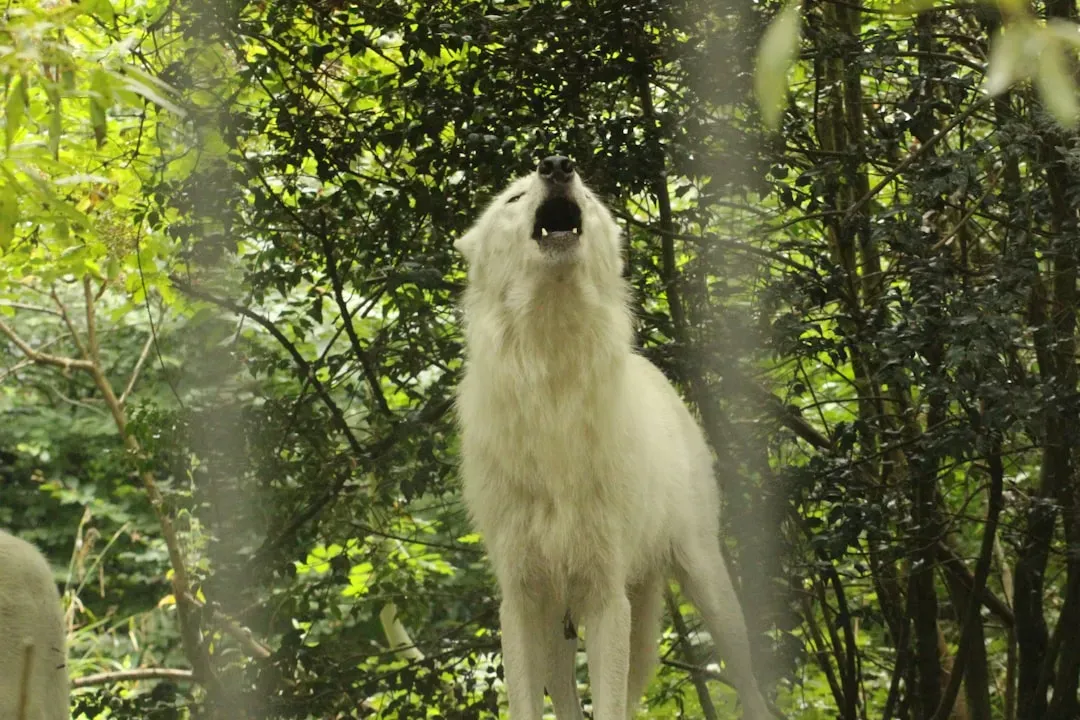
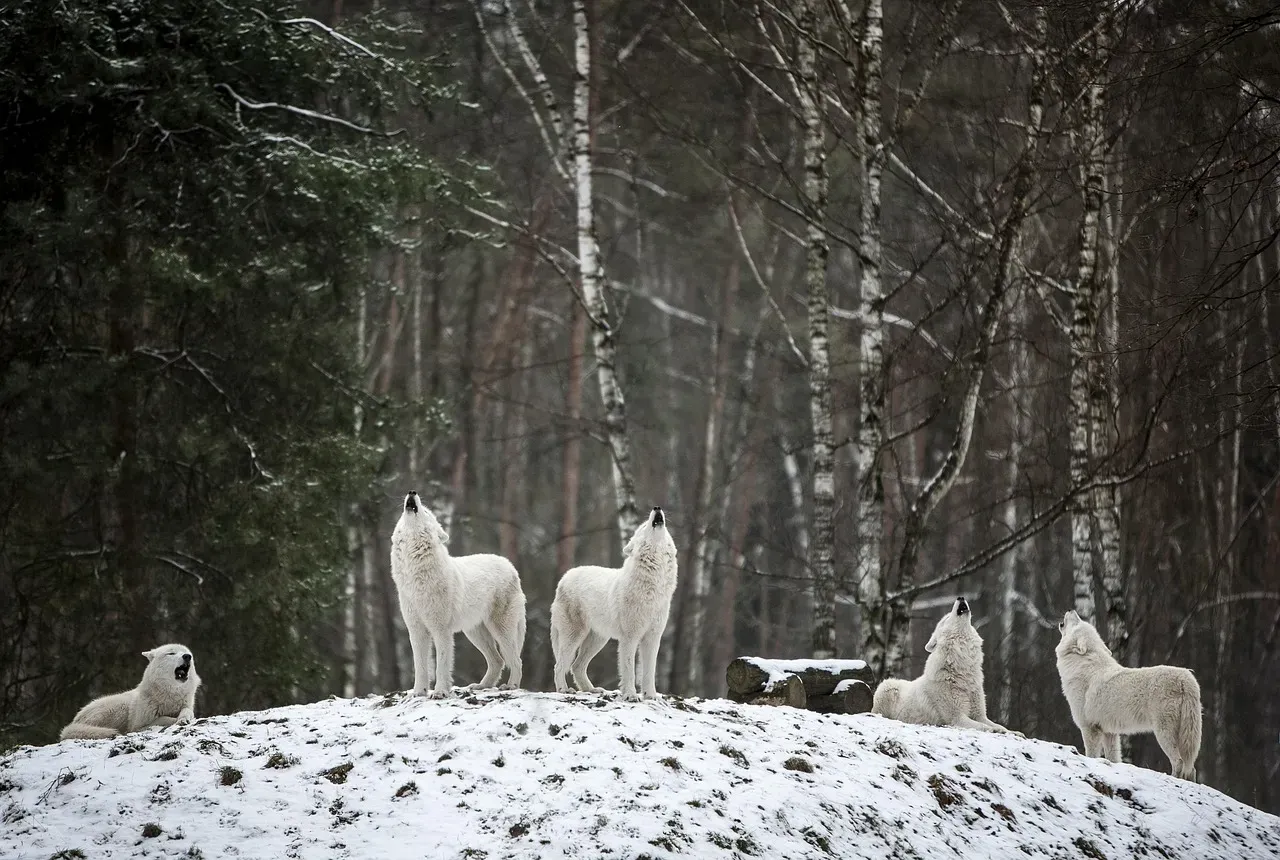
Most people know wolves howl. What most people do not appreciate is just how sophisticated and layered their communication truly is. Wolf communication is a sophisticated system involving three main channels: vocalizations, body posture, and scent marking, all used to maintain social order and coordinate group activities. Howling is the most recognizable form of vocal communication, serving multiple purposes including long-distance assembly and territorial declaration. A single howl can carry for up to six miles, allowing pack members to locate each other across vast distances or warning neighboring packs to stay away.
Wolves seldom howl on the same note continuously. Individual wolves howling in chorus will change the frequency and pitch of their howls to make it sound as if their pack contains more members than it actually does. That is genuinely clever – almost like an acoustic bluff.
Wolves communicate not only by sound such as yipping, growling, and howling, but also by body language. This ranges from subtle signals such as a slight shift in weight to the obvious, like rolling on the back as a sign of submission. Every tail angle, every ear position, every posture carries meaning. The pack is constantly talking, just not in ways we always notice.
Scent marking is a vital aspect of wolf communication, offering a chemical means of conveying information. Wolves possess scent glands on their paws, tails, and faces, which they use to mark territory and communicate reproductive status. This olfactory messaging system ensures that other packs are aware of occupied territories, reducing the likelihood of confrontations. It is essentially a living newspaper left on trees and rocks across entire landscapes.
Hunters, Caregivers, and Peacemakers: The Real Roles Within a Wolf Pack
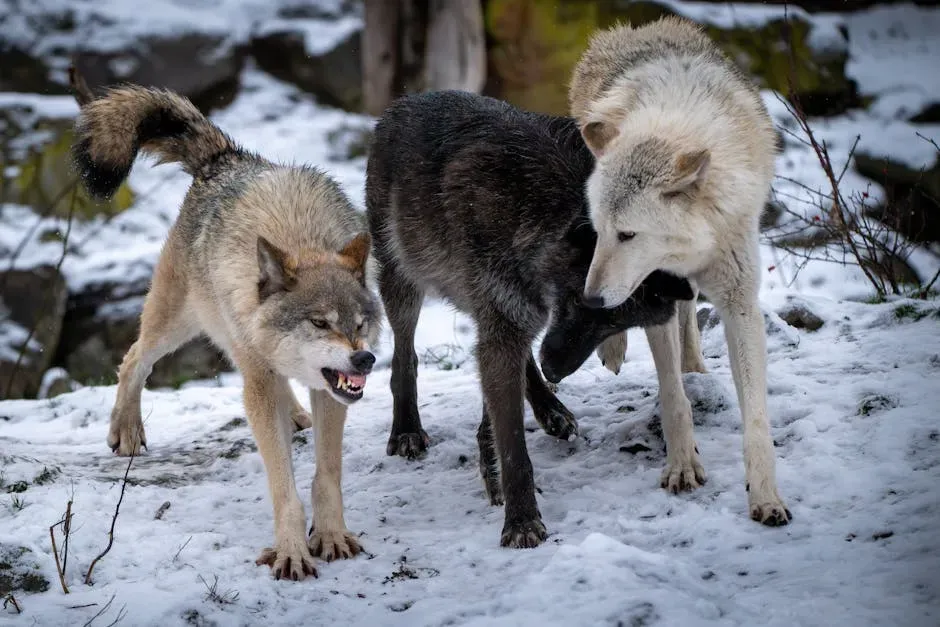
One of the most remarkable things about real wolf packs is how the work is actually divided. Wolves are adept hunters, employing a variety of strategies that highlight their intelligence and adaptability. Rather than relying on sheer strength, wolves often use cunning tactics to secure prey, which can range from small mammals to large ungulates. One of their most effective methods is cooperative hunting, where wolves work together to outmaneuver and exhaust their target. This strategy involves a combination of stealth, speed, and endurance, allowing them to take down animals much larger than themselves.
Cooperation during hunts often involves a division of labor where some wolves act as drivers, pushing the prey, while others position themselves as ambushers to intercept the escape route. Hunting is a tactical process that begins with isolating a vulnerable animal from a herd, followed by a coordinated pursuit and capture. The pack’s ability to adjust its formation based on the terrain and the prey’s behavior is a display of collective intelligence.
Then there is childcare, which is nothing short of a full communal project. The upbringing of wolf pups is a communal endeavor illustrating the pack’s cooperative nature. From the moment they are born, pups are nurtured in a den offering protection from predators and harsh environmental conditions. The breeding female typically assumes the primary caregiver role, but the entire pack contributes to the upbringing of the young. This collective effort ensures that the pups receive the necessary resources and attention, allowing them to grow in a supportive environment.
Popular accounts often describe an “omega” wolf – the lowest-ranking pack member who serves as a scapegoat, absorbing aggression from frustrated pack members. However, this concept, like the alpha myth, derives primarily from captive studies of unrelated wolves forced together artificially. In wild family packs, the closest equivalent to an “omega” is typically the youngest, least experienced wolf. This low rank reflects age and experience rather than scapegoating or victimization. It is the difference between a bullied outsider and simply being the youngest kid at the dinner table.
Conclusion: What Wolves Can Actually Teach Us
The real social world of wolves is not a story of domination, fear, or endless power struggles. It is a story of family, cooperation, flexible leadership, and collective intelligence honed over thousands of years of evolution. Honestly, that is a far more powerful narrative than anything the “alpha” myth ever offered.
Understanding wolf pack dynamics reveals one of nature’s most sophisticated social systems, where survival depends not on individual strength but on collective cooperation, clear communication, and adaptive leadership. There is something almost humbling about that truth.
The idea of the alpha wolf was debunked almost 25 years ago, but its legacy lives on. Most commonly, it is found in circles of the internet where men appoint themselves “alpha wolf,” and also in dog training. The myth proved stickier than the science, which says a lot about how we absorb ideas that confirm what we already want to believe.
Wolves were never the ruthless tyrants of legend. They were always something more interesting: cooperative parents, strategic hunters, and sophisticated communicators who figured out, long before humans formalized it, that a family working together is stronger than any single dominant individual. So the next time someone calls themselves an “alpha,” remind them – the real wolves already moved on from that idea. What does that tell you about us?
