
Louisiana is one of those places that takes your breath away, literally. Spanish moss drapes ancient cypress trees over mirror-still swamp water, jazz floats through the humid night air, and crawfish boils simmer somewhere in almost every neighborhood. It is, without question, one of the most culturally rich and naturally spectacular states in America.
Here’s the thing though. Beneath all that beauty lurks a wild side that demands serious respect. The creatures living include fearsome black bears and prehistoric-looking turtles, but the most dangerous creatures for humans are snakes, spiders, and insects. From venomous serpents to creatures hiding inside your own shoe, this state does not mess around. So let’s dive in, because some of what you’re about to discover may genuinely surprise you.
1. The American Alligator: Two Million Reasons to Watch Your Step
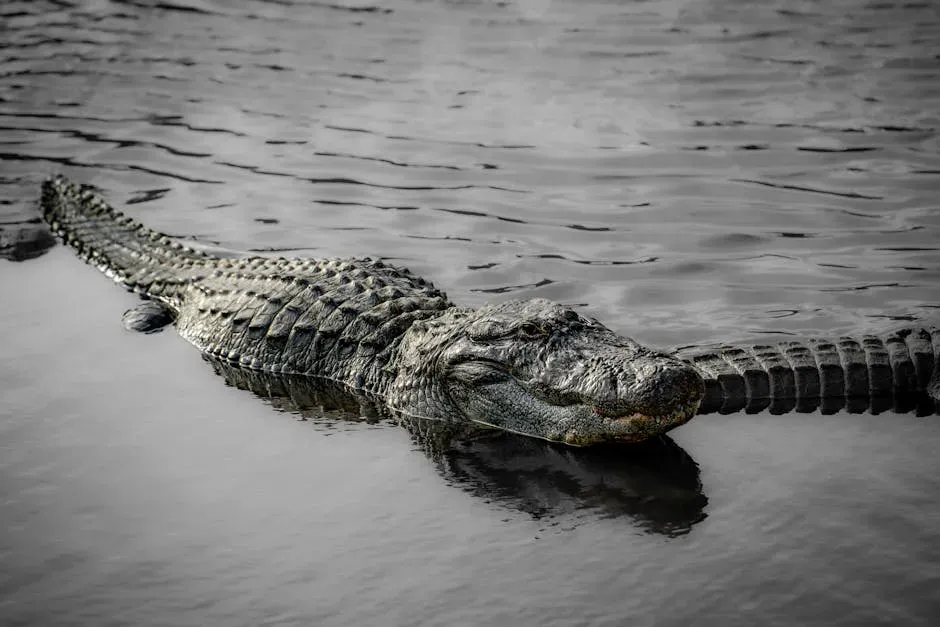
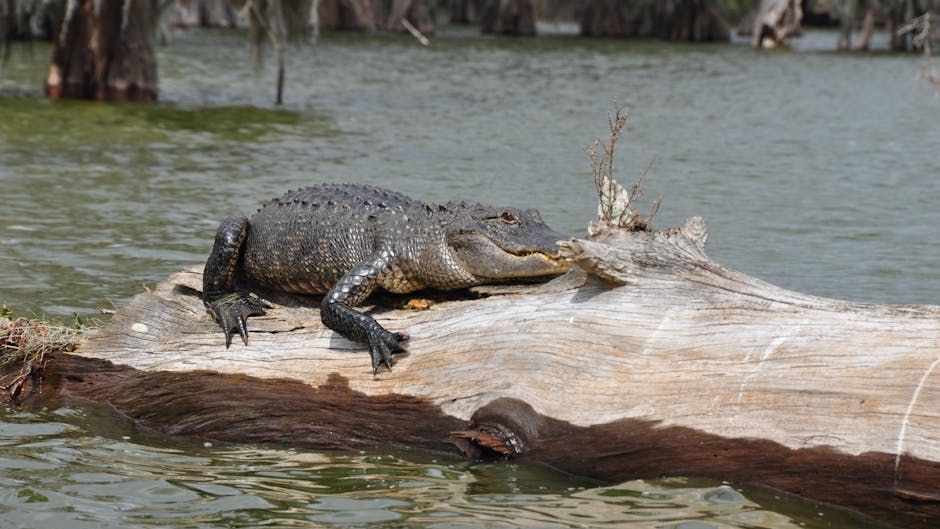
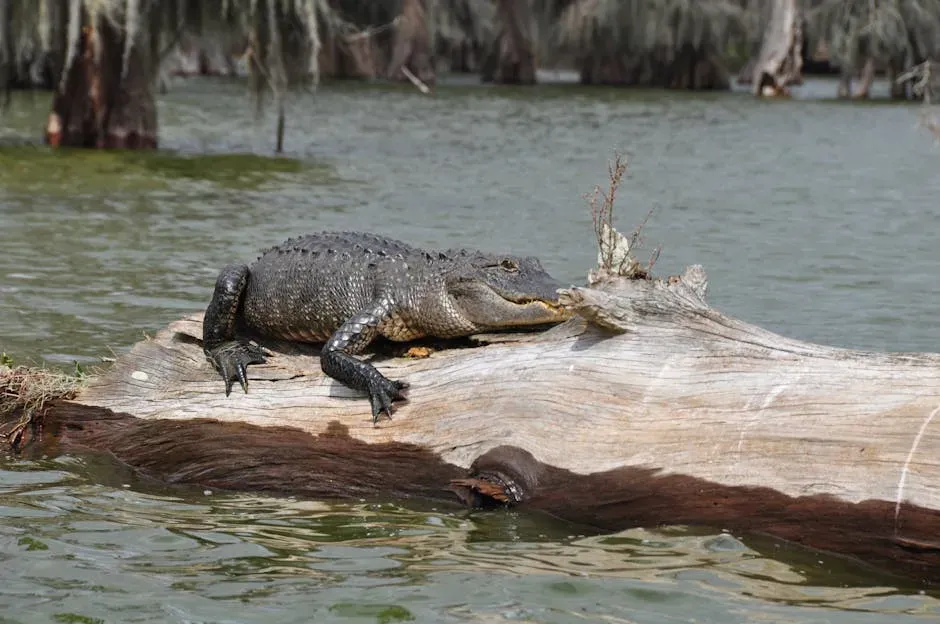
Let’s be real, nobody walks through Louisiana without thinking about alligators. They are the undisputed icon of the bayou, and their numbers are staggering. According to the Louisiana Department of Wildlife and Fisheries, there are 2 million alligators . That is not a typo.
The main threat is their bite, one of the most powerful and deadliest in the world. Once a gator bites its prey with its razor-sharp teeth that can cut through flesh easily, the odds of being released are almost zero, and death from drowning as its prey gets dragged into the water is the usual outcome. Still, attacks on people are rarer than you might expect. Fewer than 10 alligator injuries are reported annually . According to Louisiana Department of Wildlife and Fisheries, alligators less than 4 feet long are naturally fearful of humans and generally are not a threat. However, alligators longer than 4 feet can present a threat to pets, livestock, and humans.
2. The Eastern Diamondback Rattlesnake: The Most Venomous in the Land
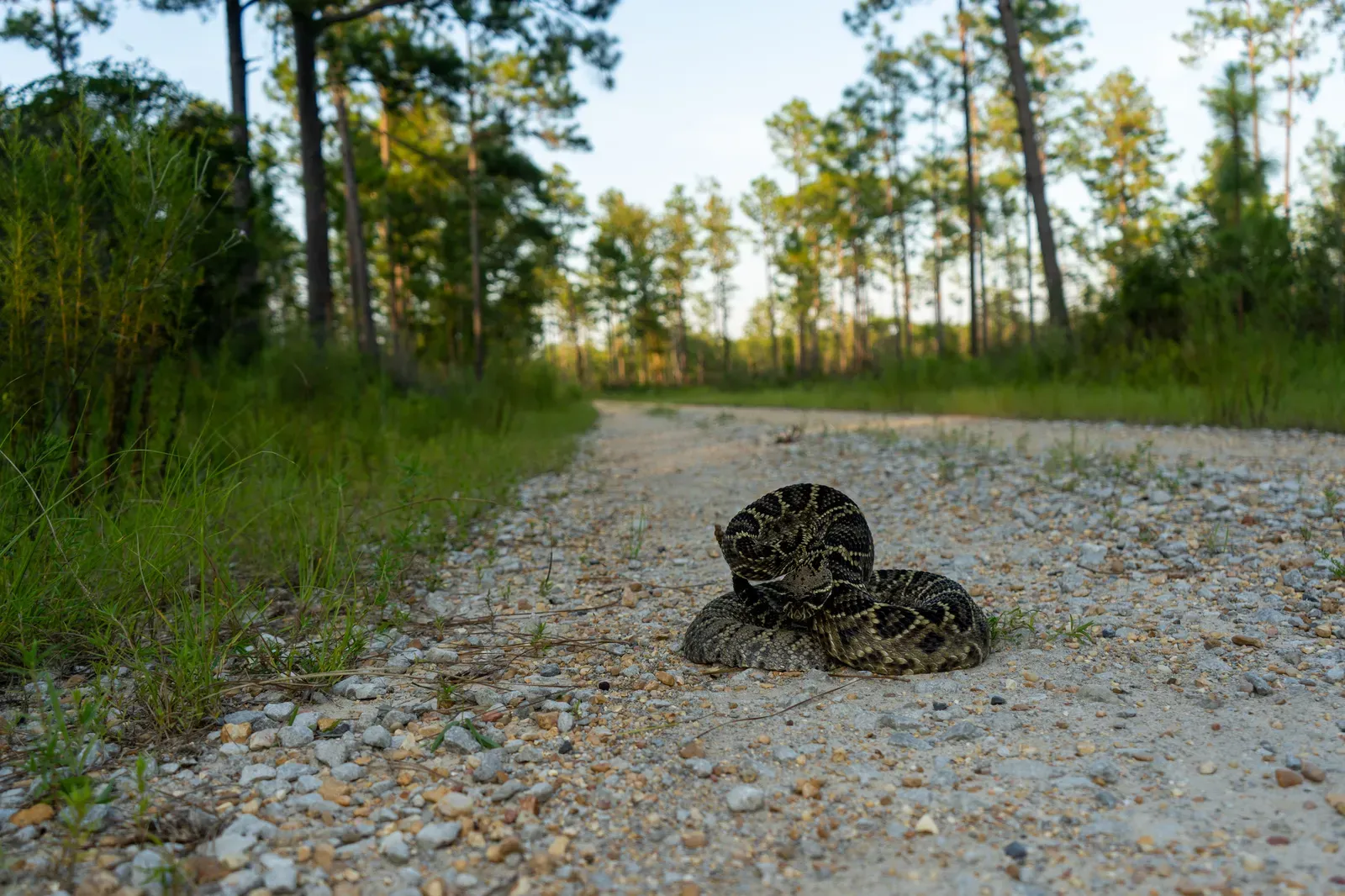
If there is one snake that demands absolute, unflinching respect, it is this one. Eastern diamondback rattlesnakes are the largest venomous snake , as well as the entire United States. The largest and most dangerous snake is the eastern diamondback rattlesnake, which has brown over the entire body, with a distinctive brown diamond pattern outlined in yellow.
The sound of a rattlesnake alone is enough to send a person into a panic, let alone the sight of one with its one-inch-long fangs. A common problem with these rattlesnakes is that they enjoy hiding among rocks and crevices, meaning they can be tough to spot along with their naturally camouflaging colors. They can also reach lengths of up to eight feet and the amount of venom each snake has is more than enough to kill a full-grown adult. Without rapid medical attention, cardiac failure is very much a real possibility.
3. The Water Moccasin (Cottonmouth): Danger on Land and in Water
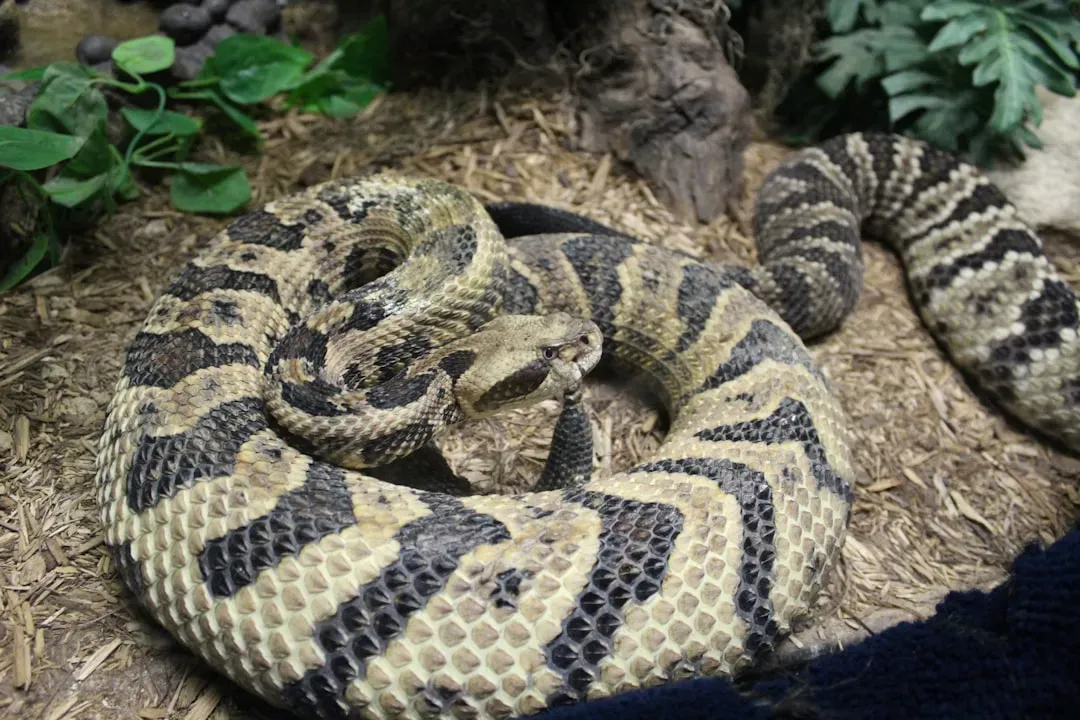
Most dangerous animals give you at least one safe zone. The water moccasin gives you none. Louisiana is home to water moccasins that can be found in or out of water. Similar to the copperhead, these snakes, also known as cottonmouths, are part of the pit viper family and pack a punch. Their bite can be fatal and they’re among some of the most venomous snakes that inhabit the coastline, including around lakes and docks, where there are plenty of dark places to hide out.
Northern cottonmouths are the only venomous semiaquatic snake . Since so much of Louisiana is made of water or closer to water, it is tough to find a place where they’re not. Think about that the next time you dangle your feet off a dock. Honestly, it is a sobering thought.
4. The Coral Snake: Small, Secretive, and Shockingly Potent
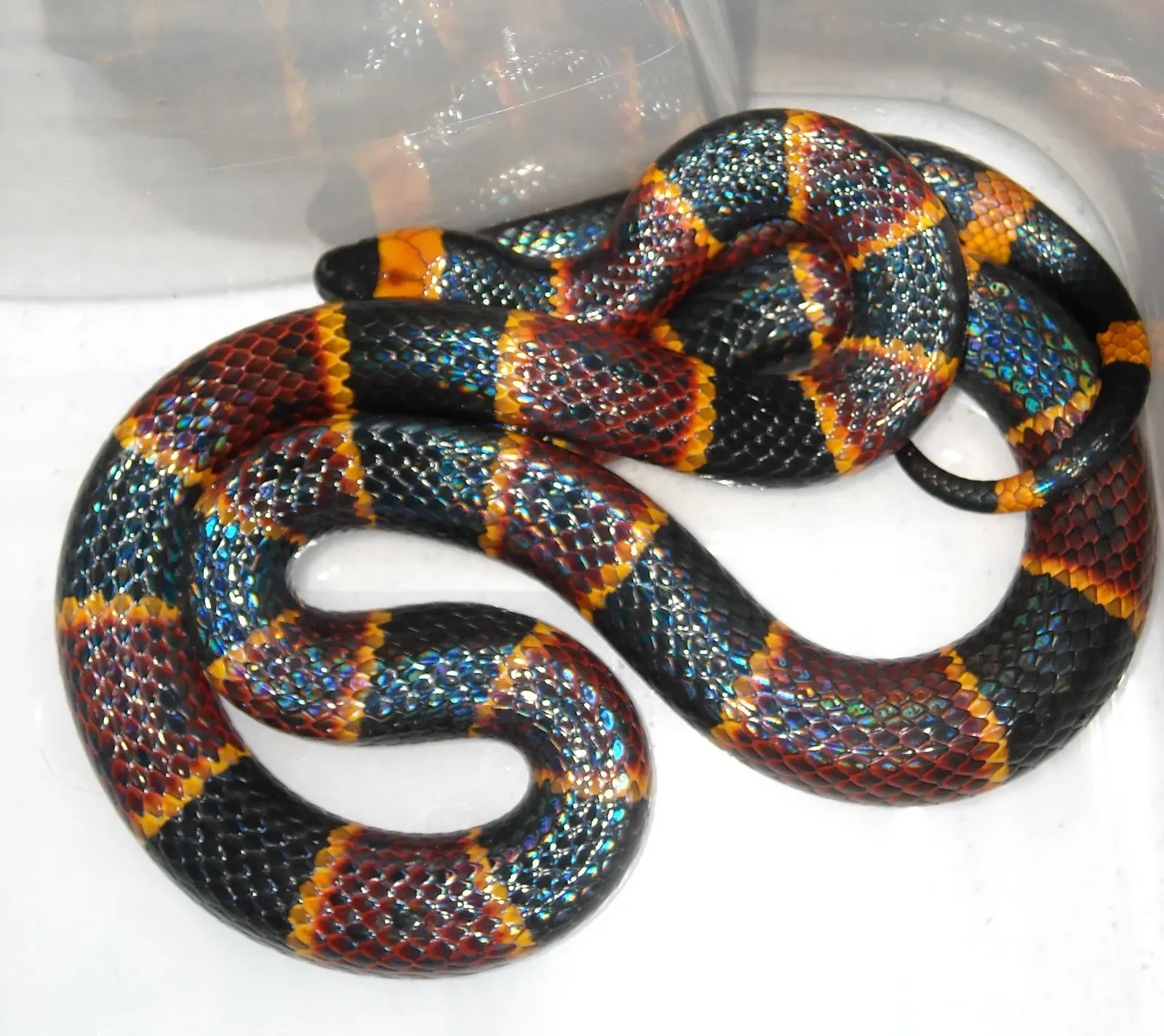
Do not let its jewel-toned beauty fool you. The coral snake is one of the most deceptively dangerous animals in the entire state. Coral snakes are one of the most dangerous animals . They primarily feed on frogs, lizards, and other smaller snakes. Their venom is a potent neurotoxin that causes rapid paralysis and respiratory failure for their prey.
In the case of the Eastern coral snake, which is easily recognizable due to its bright red coloring, venom is part of the problem. One snake can have enough venom to take down up to five adults; however, not all of its venom can be injected in just one bite, and it is estimated that roughly four in ten bites contain no venom at all. The old rhyme “red touch yellow, kill a fellow” is a handy way to identify this snake in the wild, and it just might save your life.
5. The Copperhead Snake: The Master of Camouflage
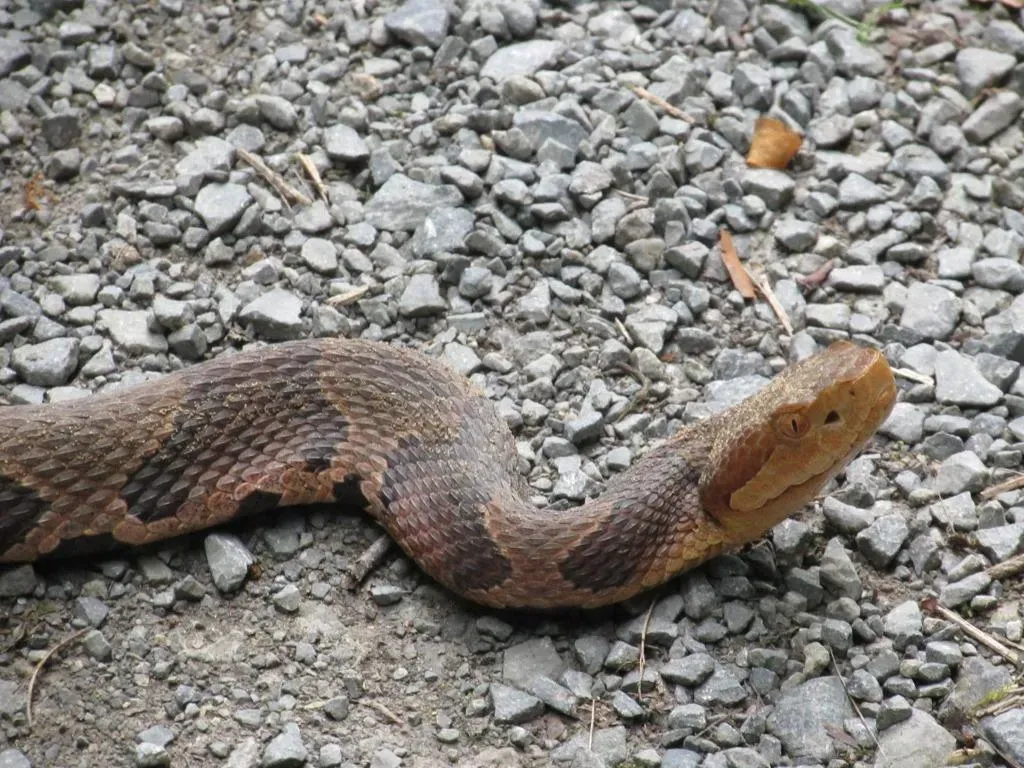
Here is a creature that turns the simple act of walking through the woods into a genuine gamble. The copperhead snake is a particularly scary beast. They stay hidden under leaves across the forests of Louisiana, mostly eating frogs or other small critters. Copperheads will grow from between just over a foot to four feet long.
Generally, they don’t bite unless they are stepped on, but they are common in the forests of Louisiana. Worse still, they share markings with other nonvenomous snakes and are easily confused with other snakes. Eastern copperhead snakes can be found all over Louisiana, especially in the Atchafalaya Basin, Cypress Island Preserve, Kisatchie National Forest, Tunica Hills WMA, and Palmetto Island State Park. Louisiana’s wooded areas and streams are also where you’re most likely to see an Eastern copperhead. Though not usually aggressive, an Eastern copperhead will viciously defend itself if provoked.
6. The Brown Recluse Spider: The Unwelcome Houseguest
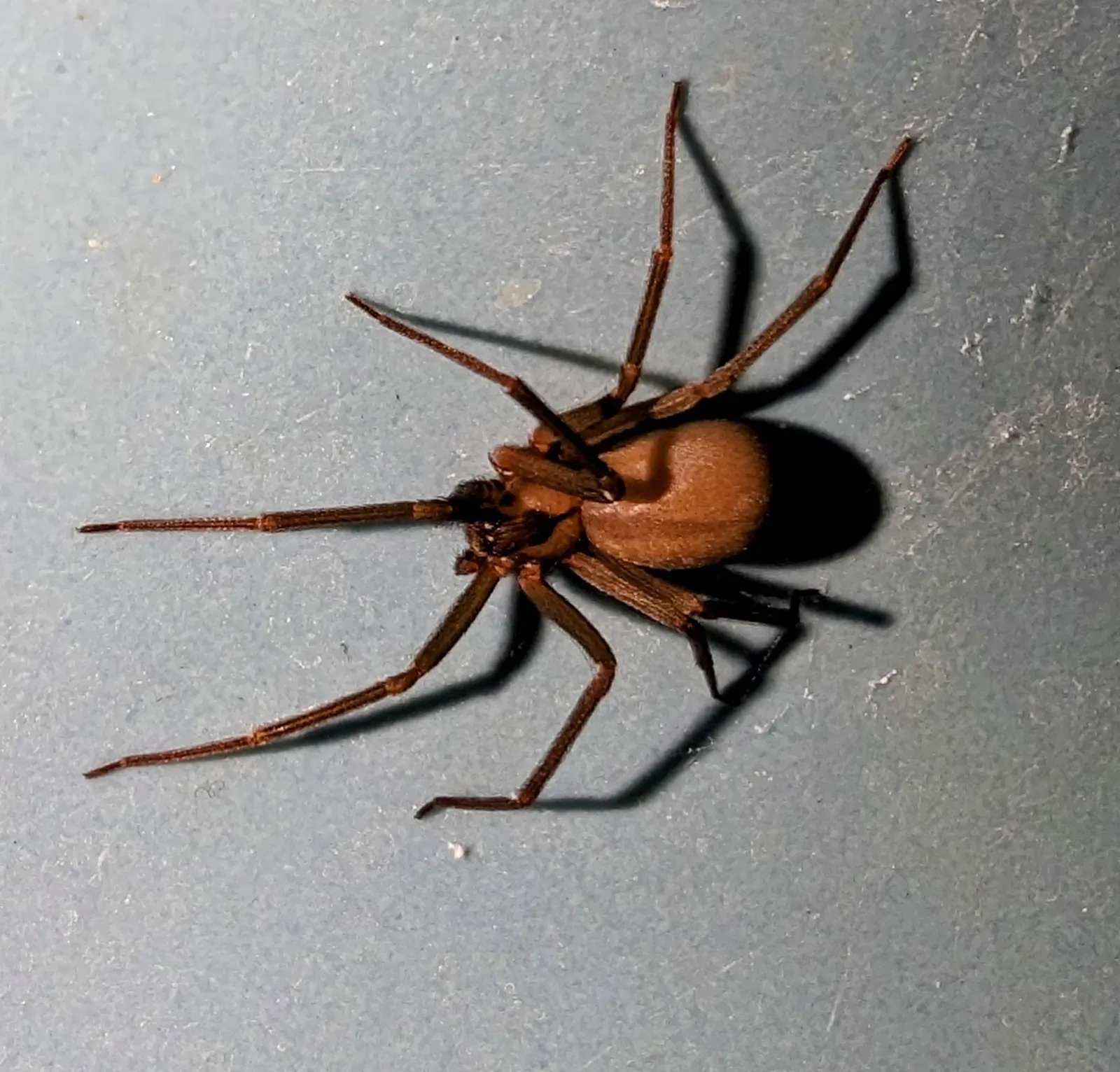
This one hits close to home, literally. The fiddle-back spider is one of North America’s most feared venomous arachnids. The brown recluse gets its nickname “violin spider” from the distinctive violin-shaped marking on its back, and it is far more common inside homes than most people realize.
The damage from a brown recluse spider is a bite that eats away at the skin tissue and can take months to heal and can even scar. These spiders are only the size of a dime and prefer to be left alone, but accidentally reaching into a spot that they live can startle them and cause them to bite. Although it is actually quite rare that a bite from a brown recluse will lead to hospitalization, a bite can definitely cause serious health problems and can be deadly. The good news is that generally, a brown recluse isn’t aggressive, so they aren’t actively looking to pick a fight with you. As a matter of fact, for the most part, they don’t want anything to do with you.
7. Africanized Killer Bees: The Swarm You Cannot Outrun
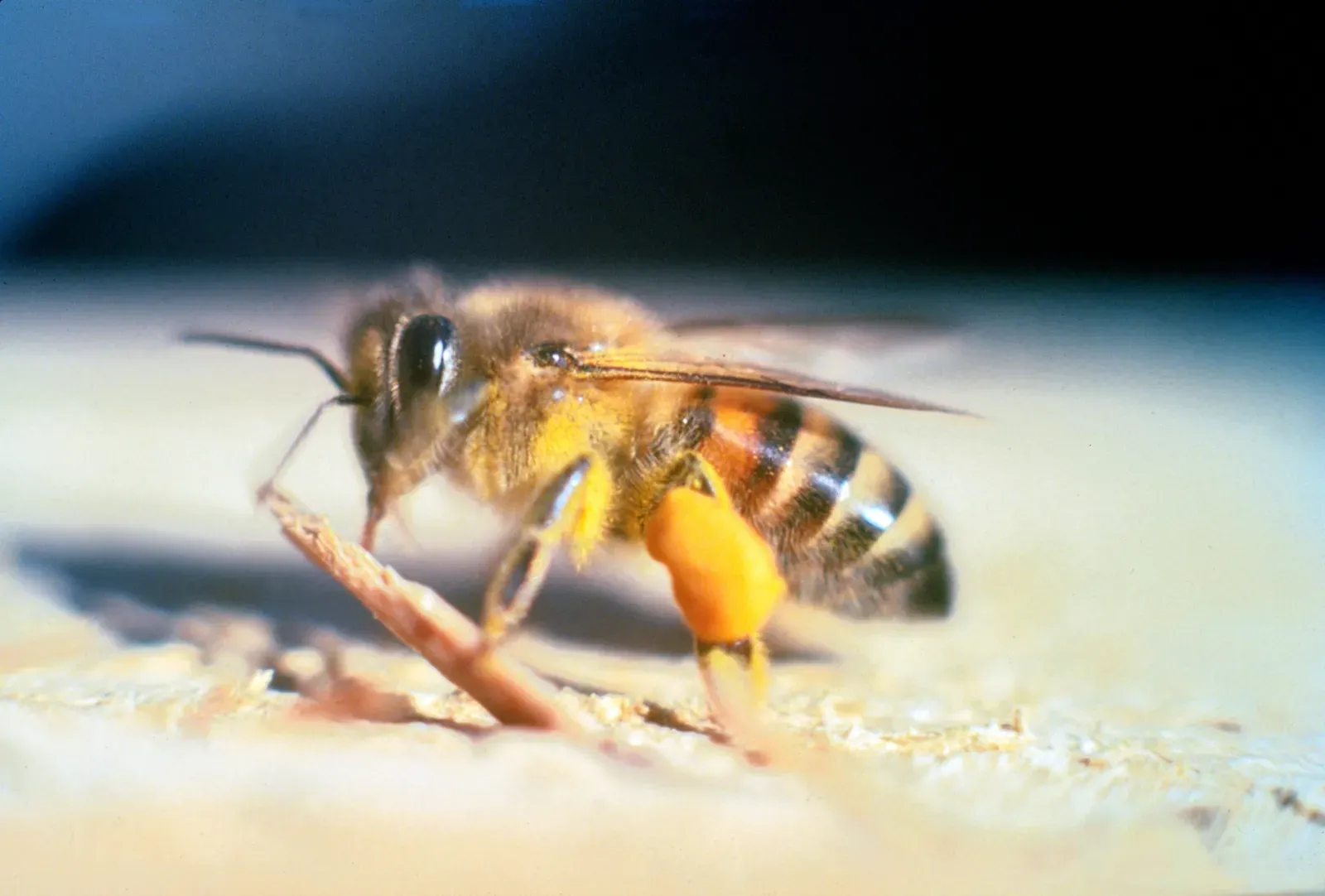
If you thought bees were nothing more than a minor nuisance at a summer picnic, think again. Africanized killer bees were introduced to Louisiana and first showed up in New Orleans around 2005, and they have been here ever since. They are smaller than the average bee you might see hovering around flowers, but size means absolutely nothing when it comes to aggression.
The problem with killer bees, or Africanized bees as they are also called, is that they can swarm and multiple bees can sting a person at the same time, so although their venom is not stronger than honeybees, the amount delivered by multiple stings can be deadly. They have gained a reputation for being the most dangerous animal on the continent, thanks to the fact that their defenses if threatened include an additional 10,000 bees stinging rather than just a few hundred. Since these bees will continue pursuing their prey for up to a quarter of a mile, and continuously sting for 24 hours following, the best bet is to just be wary and stay away.
8. The Buck Moth Caterpillar: The Sting You Never Saw Coming
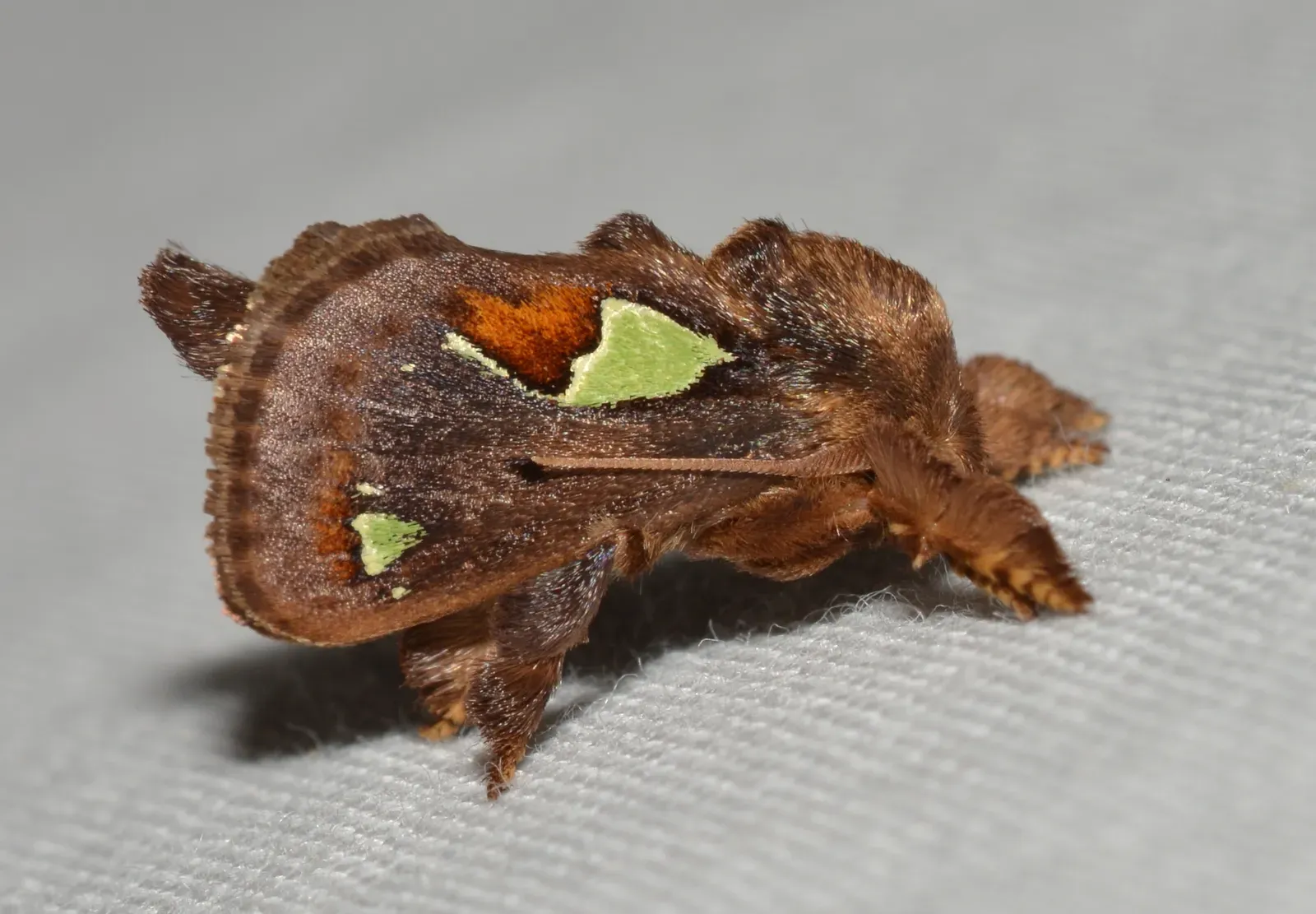
Nobody expects a caterpillar to land them in the hospital. That is exactly what makes this one so dangerous. The buck moth caterpillar is a little creature that can really ruin your day, or worse. Buck moth caterpillars have rows of branched spines that are attached to venom glands, and even barely brushing up against one brings instant pain and swelling.
Typically not fatal, a buck moth larva sting can cause anaphylaxis, a potentially lethal allergic reaction. Unfortunately, you won’t know if you’re allergic to the buck moth’s venom until you get stung. Think of it like an allergy test you never asked for. These caterpillars are particularly common in New Orleans and surrounding areas, so watch where you brush against trees and shrubs.
9. The Bull Shark: The River Predator Nobody Expects
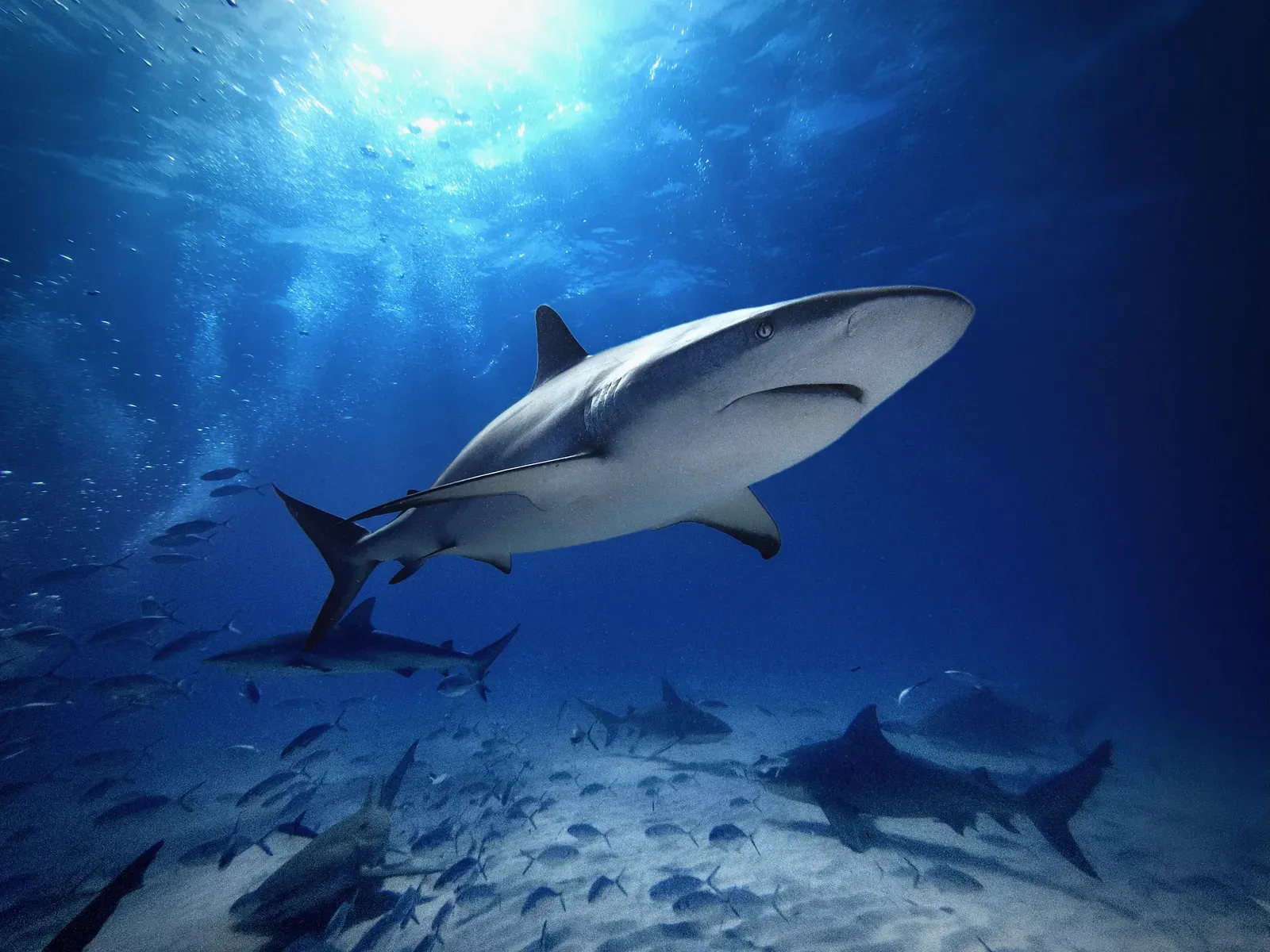
Most people assume that once they are away from the ocean, sharks are no longer a concern. Bull sharks have been shattering that assumption for years. Another dangerous animal off the coast of Louisiana is the bull shark. Of all the species of sharks in the water, the bull shark is often regarded as the most aggressive. Bull sharks may be aggressive towards humans and have been spotted or caught in rivers and other small bodies of water. Unlike other sharks, bull sharks are known for their aggressive behavior and will inhabit waterways other species won’t.
It is safe to say that bull sharks can be aggressive, especially if they have a nest nearby. Louisiana’s network of rivers, bayous, and coastal waterways creates the perfect environment for these adaptable predators to roam far further inland than you would ever imagine. It is unsettling, to say the least, and a very good reason to think twice before jumping into murky water.
10. Ticks: The Tiny Terror with a Big Health Impact
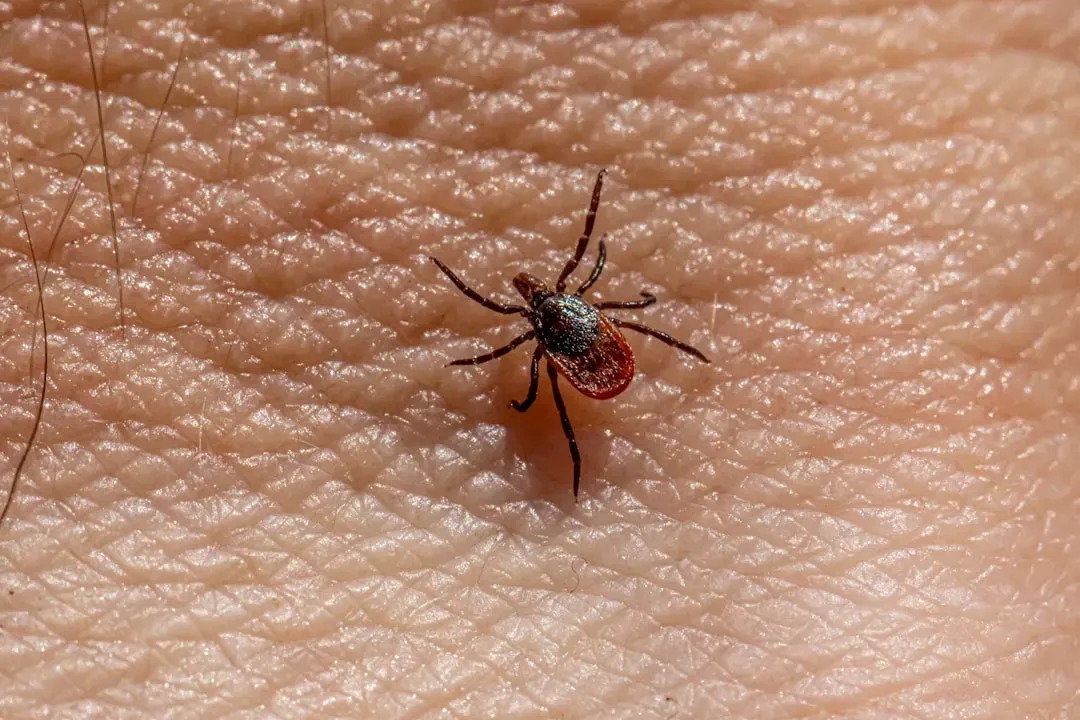
Small does not mean harmless, and ticks are the perfect proof of that. They may be the least dramatic creature on this list, but in many ways, they are among the most genuinely threatening to everyday Louisianans. Ticks can transmit diseases like Lyme disease, Rocky Mountain spotted fever, and tularemia. Tick bites themselves may go unnoticed, but the diseases they transmit can have serious health effects.
They wait on tall grasses for a host to pass, then jump onto the living creature and attach to start feeding. Different types of ticks prefer different hosts, but in general, a tick will attach itself to any blood source, including domestic dogs, livestock, stray pets, birds, and, of course, humans. These insects are considered dangerous animals because they can spread disease when they pierce your skin. Although there isn’t a hard and fast rule, it is accepted that the longer a tick is attached, the higher the risk of infection. The most chilling part? You may never even feel the bite.
Conclusion: Respect the Wild Side of the Bayou State
Louisiana is, and will always be, one of America’s most enchanting places. The food, the music, the culture, and yes, even the wild, untamed nature all make it extraordinary. Seemingly, only Australia is on par with Louisiana when it comes to the sheer number of potentially deadly beasts and bugs found in the Sportsman’s Paradise. You literally have to watch where you step or where you go, because you could get taken out by bugs, reptiles, snakes, or any other kind of creature you can imagine.
The creatures on this list are not villains. They are part of what makes Louisiana’s ecosystem so thrillingly complex. A little knowledge, a lot of awareness, and genuine respect for the natural world will go a long way toward keeping you safe in the bayou. After reading this, will you look at that moss-draped swamp just a little differently the next time you visit? Something tells me you will.
