
America’s national parks are more than just pretty postcards. They are, quite literally, the last refuge for some of the most extraordinary and imperiled creatures on Earth. Think about that for a second. Behind every sweeping mountain vista or misty swamp is a story of survival, and often, a desperate one.
From Haleakala to the Grand Canyon to the Everglades, America’s national parks provide habitat for more than 600 threatened and endangered species. That number is staggering. Park Service scientists are trying to conserve approximately 600 endangered and threatened species across the National Park System in more than 200 park sites. These wild places are doing the heavy lifting, and most visitors have no idea just how critical that work is.
Here are 11 national parks where you can come face to face with species on the edge of existence. Some of these encounters will take your breath away. Others might break your heart a little. Let’s dive in.
1. Yellowstone National Park, Wyoming: Where Legends Roam
Honestly, no list like this could ever start anywhere else. Yellowstone is the crown jewel, a park so ecologically rich it almost defies belief. The park forms the core of the Greater Yellowstone Ecosystem, one of the largest nearly intact temperate ecosystems on Earth, and because of this vast and connected landscape, it supports animals that require extensive territory, complex habitats, and minimal human disturbance.
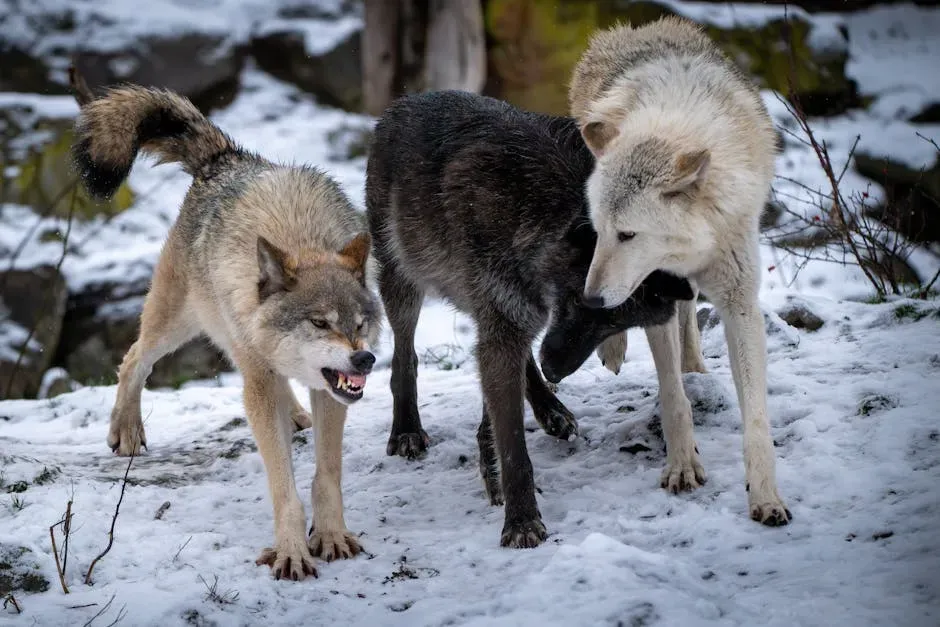
The gray wolf’s story in Yellowstone is one of the most dramatic wildlife comebacks in American history. Wolves were systematically exterminated from Yellowstone by the 1920s due to predator control policies, and in 1995, they were reintroduced to the park after decades of ecological imbalance. The ripple effects were immediate and astonishing.
Wolves are apex predators and a keystone species. Their presence regulates elk populations and alters elk behavior, preventing overgrazing in sensitive riparian zones. The grizzly bear tells a similar story. Listed as threatened under the Endangered Species Act in 1975, the species had suffered catastrophic population declines due to habitat loss, predator control programs, and human conflict, having been eliminated from most of the lower 48 states. Strict protections, improved waste management, habitat preservation, and science-based wildlife management helped reverse this decline.
Long-term monitoring and research on grizzlies in the Greater Yellowstone ecosystem remains key to management decisions on this landscape. The stakes could not be higher right now.
2. Everglades National Park, Florida: America’s Subtropical Wilderness
The Everglades is a place like nowhere else on the planet. Flat, slow, deceptively still, this vast subtropical wetland quietly harbors some of the most endangered wildlife in the entire country. The mainland park with the largest number of endangered species is Everglades National Park in Florida, with 44 species. That’s an astonishing concentration of vulnerability.
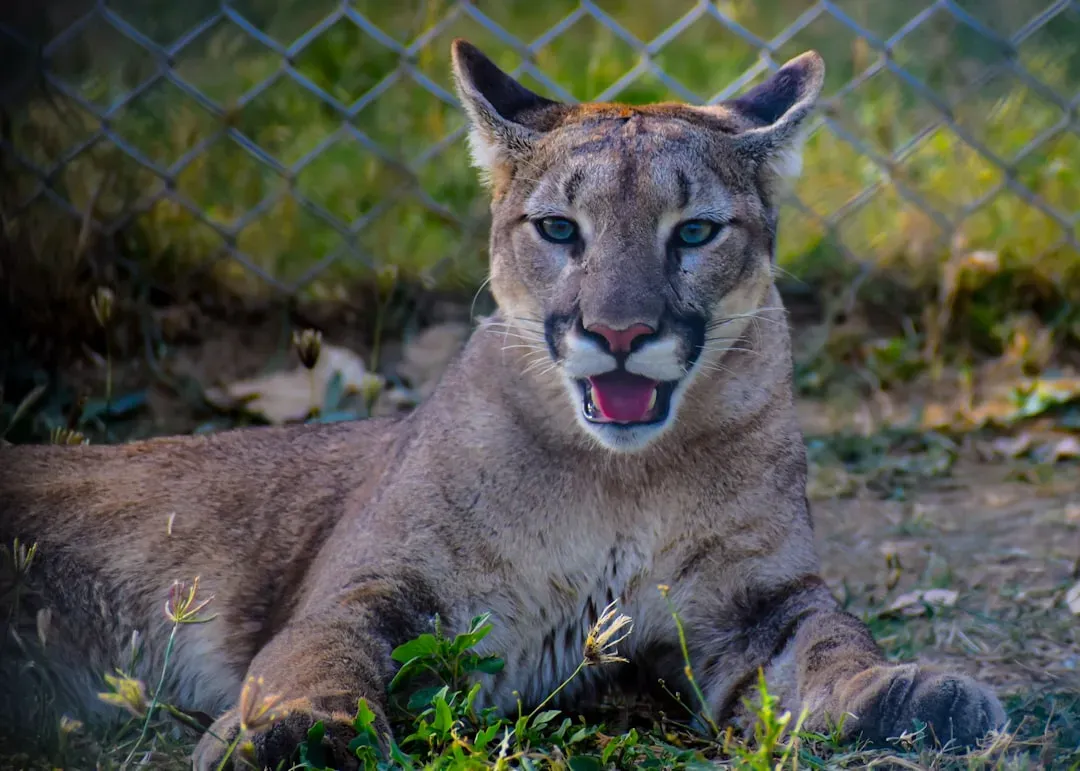
Everglades National Park is home to the endangered Florida panther. This elusive cat has clawed its way back from near extinction, with fewer than a few hundred individuals remaining in the wild. Seeing one is considered one of the rarest and most spine-tingling experiences in all of American wildlife watching.
Burmese pythons, Melaluca trees, Nile Monitor lizards, Monk Parakeets, and lionfish are among the invasive species that have taken hold in Everglades. These invaders put already struggling native species under even more pressure. It’s a double threat, and it makes the Everglades one of the most urgent conservation battlegrounds in the nation.
3. Haleakalā National Park, Hawaii: The Endangered Species Capital of the World
Here’s a fact that genuinely surprised me when I first came across it. Haleakalā National Park topped the list of national parks with the most endangered species by a wide margin. Haleakalā, on the island of Maui, hosts a total of 103 endangered species: 81 flowering plants, 10 birds, six non-flowering plants, three insects, two mammals, and one reptile.
A high percentage of living things in Hawaii, from geraniums to geese to snails, exist nowhere else in the world. Because these species are adapted to a single remote environment, they are often extremely sensitive to new threats, and invasive species, climate change, the loss of forested land, and other factors can have devastating effects on their survival.
Although Hawaii makes up less than 1 percent of the country’s total area, it is home to more than 30 percent of the federally listed threatened and endangered species in the United States. That statistic deserves a moment of silence. The volcanic drama of Haleakalā is extraordinary to witness, but it’s the invisible crisis of species loss happening all around you that gives this park its most profound weight.
4. Glacier National Park, Montana: The Lynx and the Disappearing Ice
Glacier National Park is one of those places that physically takes your breath away, partly from the altitude, and partly from the sheer magnificence of it all. It is also a park racing against time. The threatened grizzly bear is one of the well-known species calling Glacier National Park home.
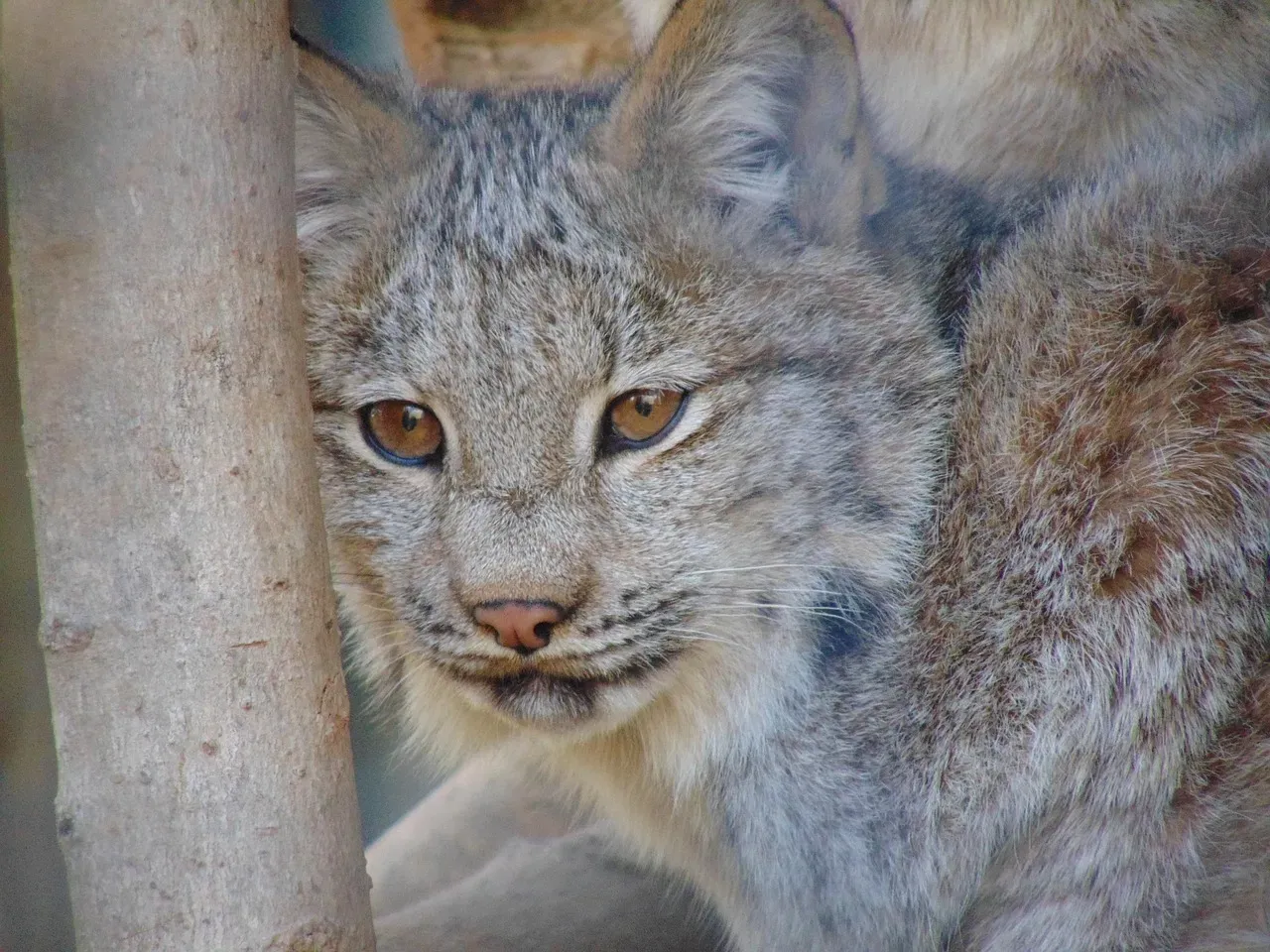
The Canada lynx is another critically important resident here. Another stronghold for lynx is Montana’s Glacier National Park, where park wildlife biologists suggest the park’s high elevations and rough topography may provide a haven for lynx in the face of a warming climate.
Listed as threatened under the ESA, the Canada lynx faces several challenges, including habitat fragmentation, climate change, and competition with other predators. The species relies heavily on a specific type of habitat, dense snowy forests, and as climate change reduces snow cover, lynx are forced to move to higher elevations or further north. Think of it like pulling the rug out from under a creature that has spent thousands of years perfecting life on that very rug. It’s a slow-motion crisis, and Glacier National Park is right at the heart of it.
5. Pinnacles National Park, California: A Condor’s Sky
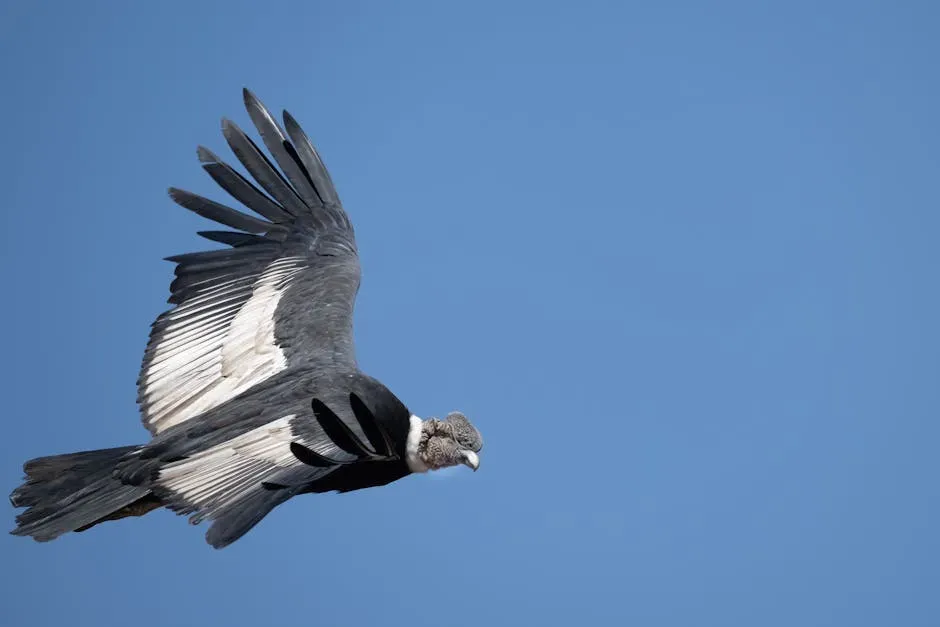
Pinnacles might be one of the lesser-known names on this list, but what it offers in wildlife drama is second to none. Perhaps the most notable resident of Pinnacles is the highly endangered California condor. They were driven to the cusp of extinction when all the surviving condors were captured in 1987 and bred in captivity. At that point, there was only a total population of 27 individuals left alive.
The California condor is the largest land bird in North America with wingspans up to 9.5 feet. Their population plummeted due to hunting, habitat fragmentation, and lead poisoning from the biomagnification of lead from consuming the carcasses of animals shot with lead bullets. The recovery effort is one of the most intensive in history.
Since 2003, Pinnacles National Park has been a key partner in the California Condor Recovery Program, serving as a release and management site. The park co-manages all wild condors in central California alongside the Ventana Wildlife Society. Standing still and watching one of these giants bank across the California sky on nine-foot wings is, without a single doubt, one of the most humbling wildlife experiences you can have anywhere in America.
6. Great Smoky Mountains National Park, Tennessee and North Carolina: A Biodiversity Hotspot Under Pressure
Great Smoky Mountains is the most visited national park in America, and yet somehow, most people still miss what makes it truly extraordinary. World-renowned for its biodiversity, over 19,000 species have been documented in Great Smoky Mountains National Park. However, ongoing threats such as air and water pollution, invasive species, and habitat loss near the park are challenging the survival of some of its most iconic species.
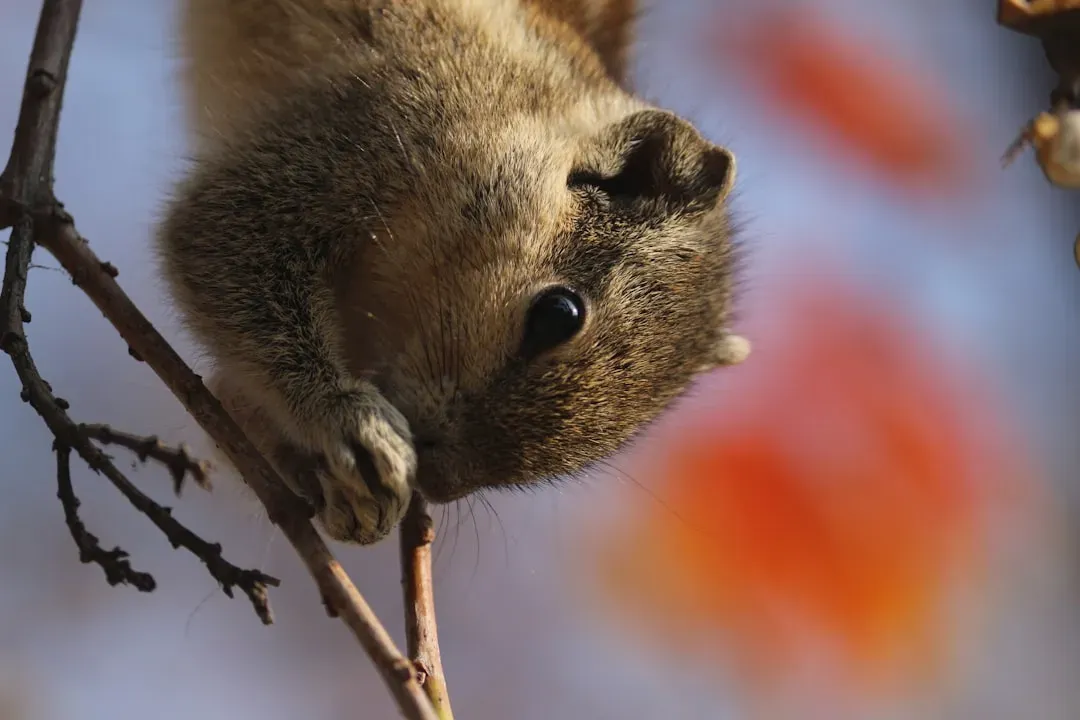
The Carolina northern flying squirrel glides from branch to branch in the high-elevation forests of the Southern Appalachian Mountains. Unfortunately, human activities such as deforestation contributed to a decline in flying squirrel populations, and the species was listed as endangered in 1985. It sounds almost cute, until you realize that something as gentle as a gliding squirrel is teetering on the edge of disappearing forever.
Spreading avens, an endangered perennial herb unique to western North Carolina and eastern Tennessee, has also seen much of its habitat trampled by hikers and development. While the protections provided by the park have helped stabilize the plant’s population, its ongoing recovery is still uncertain. Let’s be real. Even plants need saving sometimes, and the Smokies are proof that no species is too small to matter.
7. Grand Canyon National Park, Arizona: Where Condors Soar and Ancient Fish Swim
The Grand Canyon is, by any measure, one of the most spectacular places on Earth. Miles deep, impossibly ancient, and visually overwhelming. Yet beneath all that geological grandeur, a quiet conservation battle rages every day. The range for the endangered California condor, the largest bird in North America, extends to Grand Canyon National Park in Arizona.
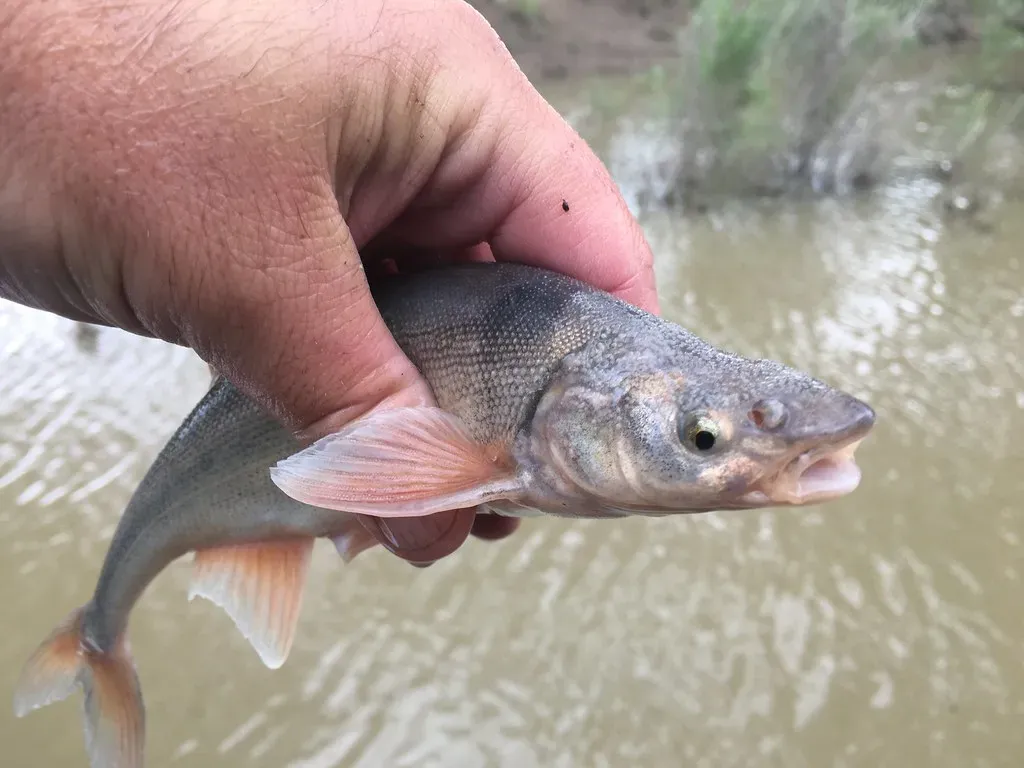
The canyon’s sweeping thermals make it ideal condor territory. You can spot them riding rising columns of air above the South Rim, their tagged wings catching the light. It’s a sight that stops hikers mid-step, mouths open. The canyon also shelters humpback chub, a prehistoric-looking fish that has lived in the Colorado River for millions of years and is now listed as threatened due to dams and invasive species altering its river habitat.
The sheer scale of the Grand Canyon can trick you into thinking everything there is fine and unchanged. It isn’t. The park is working against enormous odds to protect species that evolved here long before humans ever arrived. That tension, between timeless landscape and modern threat, is something you feel deeply the longer you stand at that rim.
8. Shenandoah National Park, Virginia: Home to a Salamander Found Nowhere Else on Earth
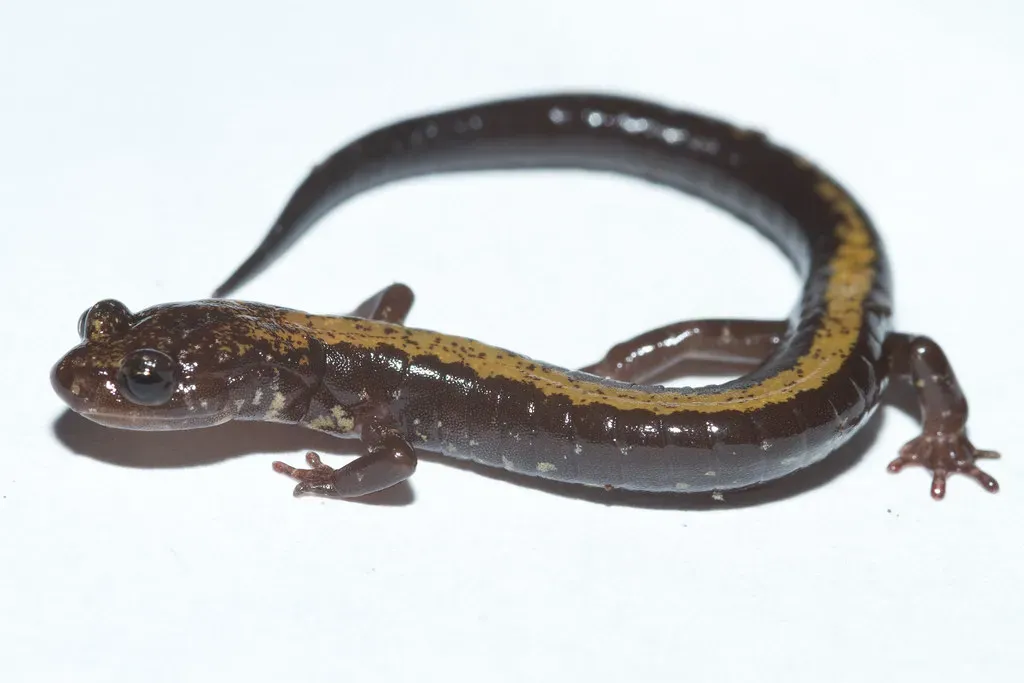
Shenandoah is often overlooked in favor of flashier, more famous parks. That’s a shame, because this Blue Ridge beauty holds something utterly unique. An endangered amphibian endemic to Shenandoah National Park received its name from the very park it inhabits. It can only grow up to 10 centimeters long, breathes through its skin, and the restricted range of conditions in which this salamander can live has caused it to be classified as endangered.
The Shenandoah salamander is an example of what biologists call a specialist species. It evolved to thrive in a very specific set of conditions, and any disruption of those conditions spells potential extinction. There are many species that are only found within a national park, and the Shenandoah salamander is named after the park it calls home.
It’s hard to say for sure exactly how many remain, but researchers track them closely in the park’s high-elevation talus slopes. The fragility of this creature’s existence, breathless and microscopic against the backdrop of the Appalachian Mountains, is somehow deeply moving. A ten-centimeter animal carrying the weight of its entire species. Not bad for something most visitors will never even see.
9. Olympic National Park, Washington: Salmon, Owls, and Rain-Soaked Resilience
Olympic National Park is one of America’s most geologically and ecologically diverse parks, spanning glacier-capped peaks, old-growth temperate rainforests, and a wild Pacific coastline. With three distinct ecosystems, Olympic National Park provides a diversity of habitats for a vast array of species. The park’s high mountains, verdant rainforest, and spectacular beaches are safe havens for species like the marbled murrelet and bull trout, but these plants and animals are facing increased threats.
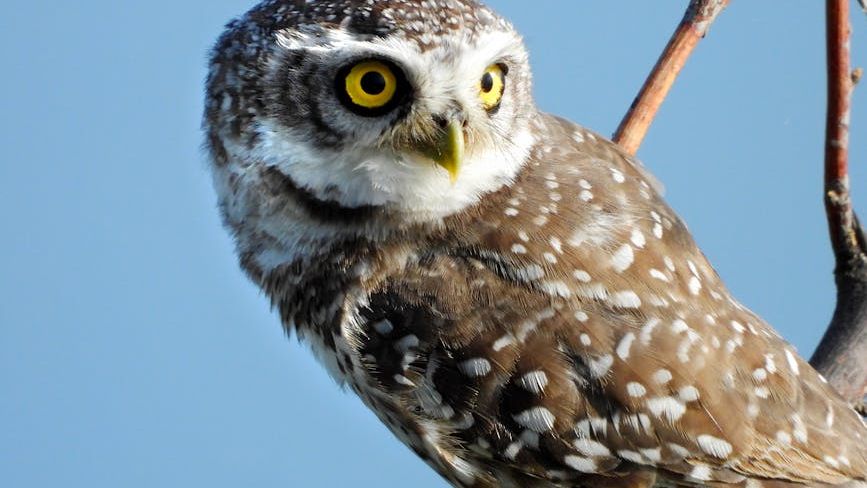
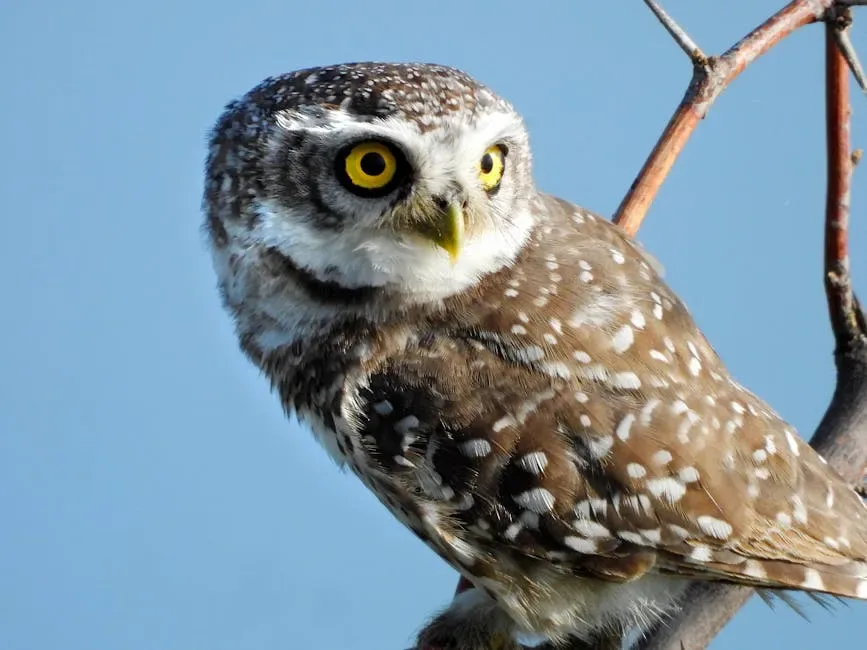
Habitat loss has reduced and fragmented much of the threatened northern spotted owl’s historic range, and now climate change and wildfires are worsening competition between the spotted owl and invasive species like the barred owl for remaining habitat. The barred owl is essentially an ecological bully, expanding into spotted owl territory and outcompeting them for food and nesting sites.
The ESA provides the framework for the National Park Service to collaborate with federal, state, and local partners to restore species like the sockeye salmon and northern spotted owl so they can successfully recover. The salmon runs here are a spectacle in themselves, but they carry a deeper significance. Each returning fish represents a thread in an ecological web that, if it snaps, takes dozens of other species down with it.
10. Badlands National Park, South Dakota: The Rarest Mammal in North America
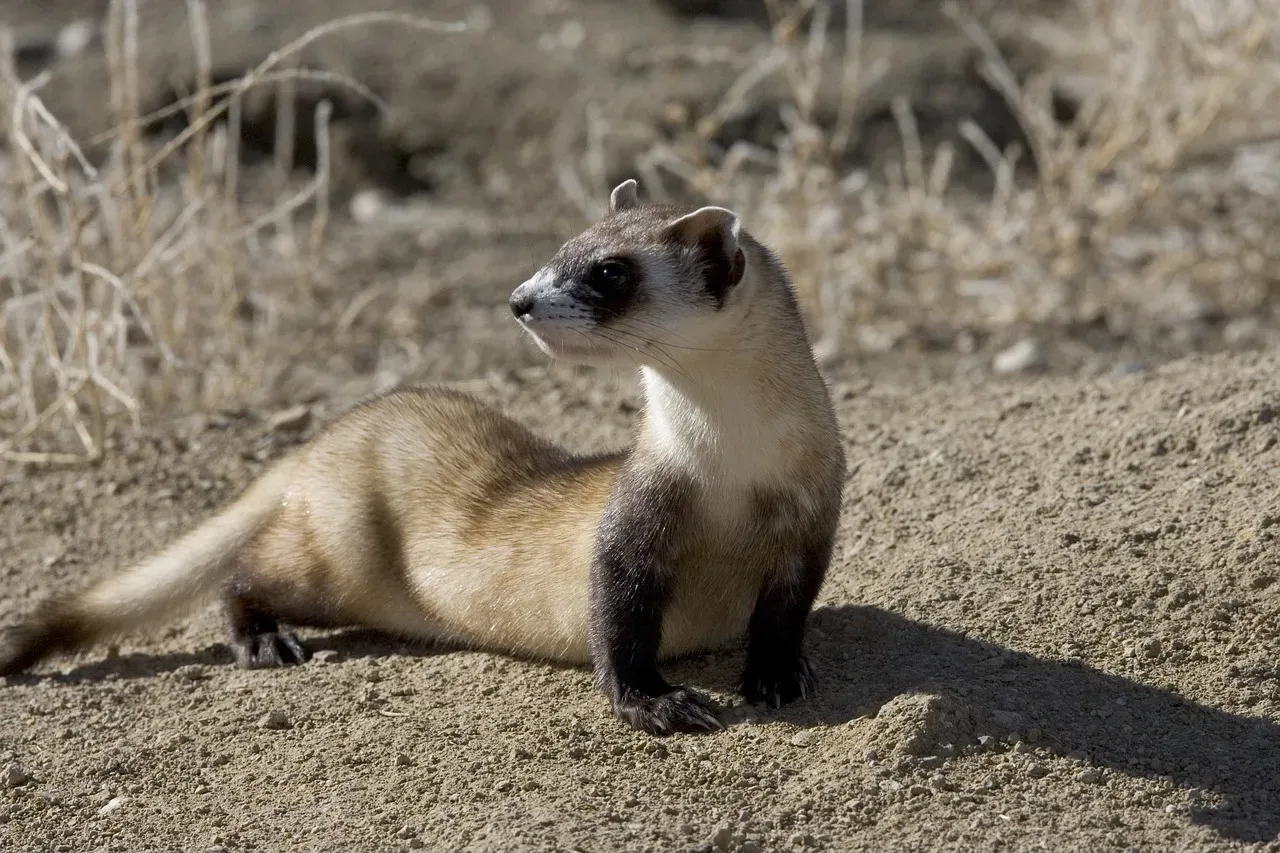
Few parks in America carry the raw, alien drama of Badlands. Eroded spires, pale prairies, and big empty skies. It looks like the end of the world, and for one species in particular, it very nearly was. The black-footed ferret is one of the rarest mammals in North America and one of the most ambitious wildlife recovery projects ever attempted. Once thought extinct, a small remnant population was discovered in Wyoming in the 1980s, and intensive captive breeding programs began immediately.
National Park Service staff in partnership with the Fish and Wildlife Service and other conservation organizations have helped to reintroduce these two-foot-long members of the weasel family into South Dakota’s Badlands and Wind Cave National Parks. The ferret depends almost entirely on prairie dog colonies for food and shelter, which makes its recovery uniquely complicated.
Black-footed ferrets depend almost entirely on prairie dogs for food and shelter. They live in prairie dog burrows and feed primarily on prairie dog colonies. Because prairie dogs were widely eradicated during the 20th century, ferret populations collapsed. Recovery efforts continue, but seeing a black-footed ferret in the wild at Badlands at night remains one of the rarest and most electrifying wildlife sightings a person can experience anywhere on the continent.
11. Death Valley National Park, California and Nevada: Where Survival Defies All Logic
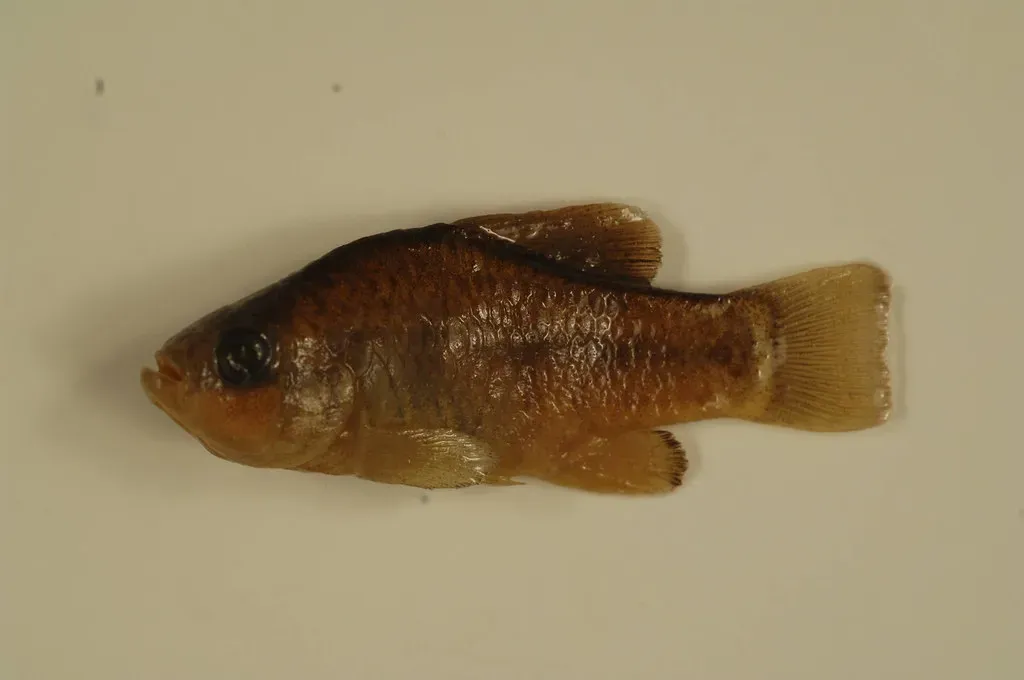
Death Valley is the hottest, driest, and lowest national park in America. By every measure, it sounds inhospitable. Yet here, in conditions that would kill most animals within hours, one remarkable little fish holds on. The desert pupfish, a small shiny resident of Death Valley and other southwestern parks, may look like just another aquatic species, but it is the most extreme survivor of any animal on Earth. It can withstand very cold and hot water, extremely salty water, and even acidic water.
Desert pupfish can only live a maximum of three years and help control mosquito populations in the Death Valley area. Their tolerance for extreme conditions includes water temperatures up to 108 degrees Fahrenheit and very low oxygen levels. The destruction of their habitat and the expansion of non-native species have caused their population to decline.
The three-inch-long fish has a historic connection to water rights in the United States, having been the star of a landmark 1976 Supreme Court ruling that curtailed groundwater pumping by a private development that could have destroyed the pupfish’s habitat. Despite its ability to survive extreme conditions, the desert pupfish has been on the Endangered Species List since 1986. A creature that can handle boiling, salty, oxygen-depleted water but cannot survive human greed. That says everything.
Why These Parks Matter More Than Ever
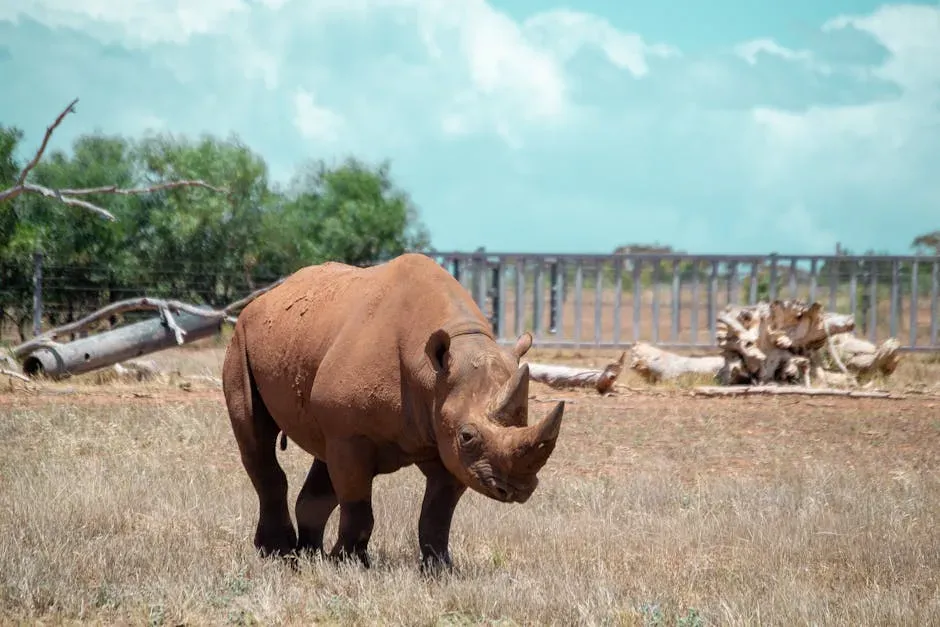
Here’s the thing. The Endangered Species Act has been the backbone of wildlife conservation for more than 50 years, preventing the extinction of the vast majority of listed species and guiding them toward recovery. The national parks it protects are not just scenic backdrops. They are functioning lifeboats for species that have nowhere else to go.
As warming temperatures reduce available habitat and food sources for already struggling species, national park ecosystems are critical for the protection and restoration of plants and wildlife. However, while national parks provide many threatened and endangered species an added level of protection, those protections alone are not enough.
Think of these parks as arks, not in a triumphant, everything-will-be-fine kind of way, but in the urgent, every-day-matters sense. The Endangered Species Act is critical to ensuring vulnerable species remain on the path to recovery. If we can’t protect the plants and animals that call our national parks home, what’s left? That question doesn’t have a comfortable answer. The next time you step into one of these parks, look a little closer, because somewhere out there, an animal or plant is fighting for its life, and your presence, your awareness, your advocacy, might just tip the scale.
What would it take for you to visit one of these parks specifically to witness that fight firsthand? Think about it.

- 7 Things That Quietly Scare Hummingbirds Away - August 8, 2026
- 8 Plants That Bring Hummingbirds Back Every Summer - August 8, 2026
- 11 Amazing Facts About Squirrels That Will Change Your Mind About Them - August 8, 2026