
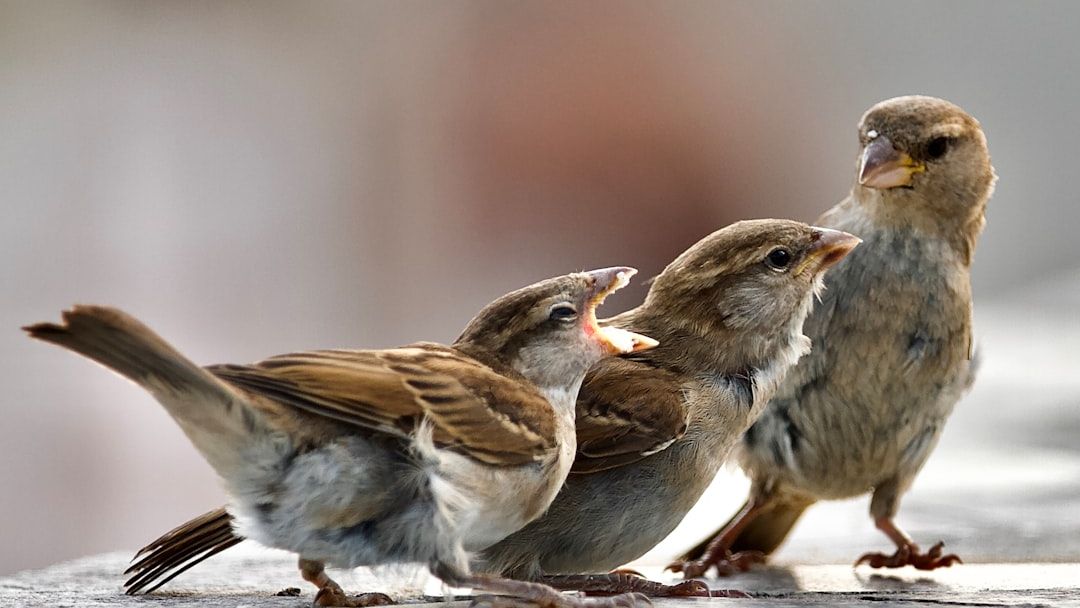
You step outside with your morning coffee, and the air is alive. A cheerful melody floats from the maple tree. A sharp, insistent chattering erupts from the fence. Somewhere overhead, there is a soft cooing. Most of us absorb it all as pleasant background noise, like a radio playing in the next room. But here is what nobody tells you: those sounds are a full conversation.
Beyond the pleasant background music lies a complex language, a vibrant communication system that allows birds to navigate their world, warn of danger, stay connected, and ultimately, find a mate. Think about that for a second. Every chirp, every caw, every dawn trill is intentional. Birds are not just making noise for the sake of it. They are talking. And the more you understand what they are saying, the richer your entire outdoor experience becomes. Let’s dive in.
1. The Morning Song: A Territory Announcement at Sunrise
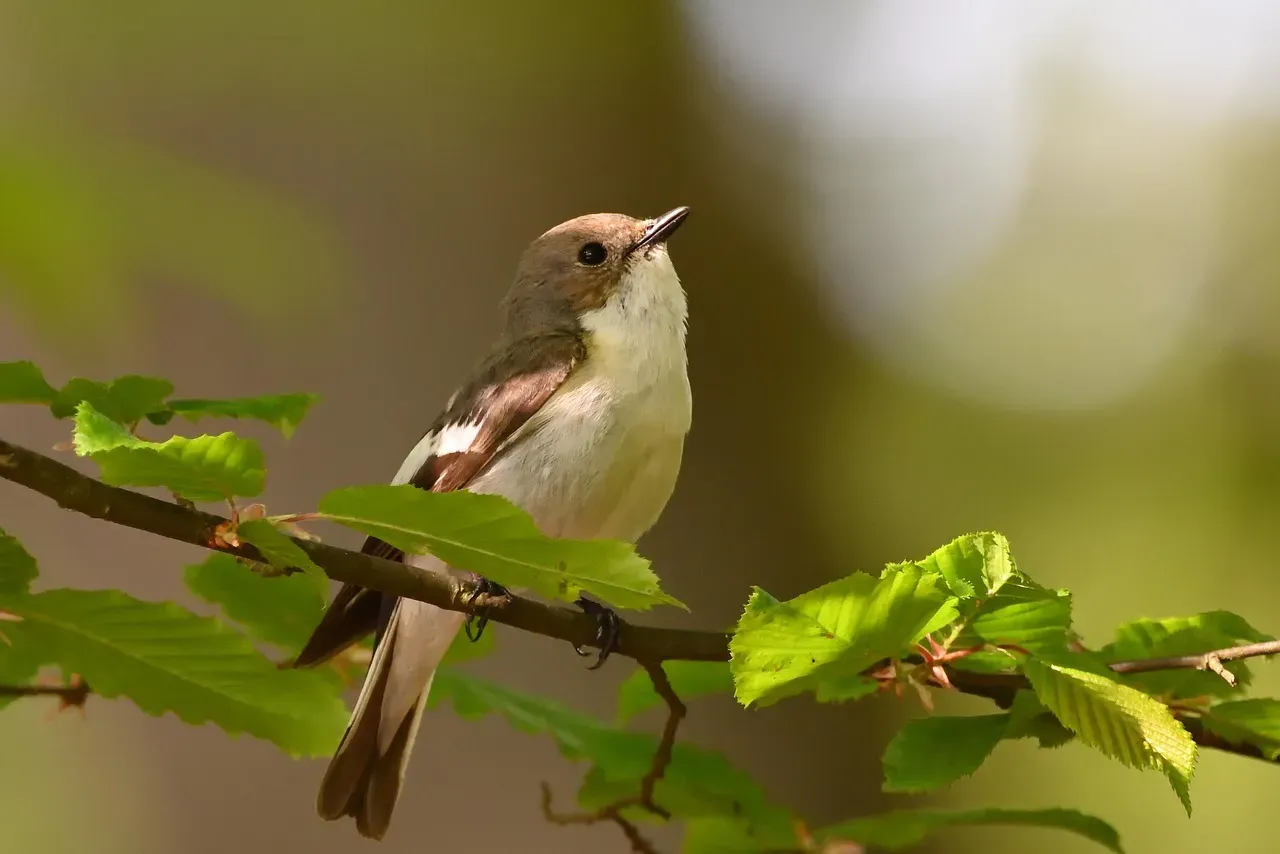
There is a reason birds seem loudest the moment you are trying to sleep in on a Saturday. That beautiful, complex cascade of notes you hear at dawn is not random joy, even if it feels that way. Among songbirds, songs are used to defend territory and attract mates, and it is the males that sing the most, usually during breeding season. Think of it as the avian version of posting a “No Trespassing” sign, except the sign is gorgeous and melodic.
Bird song is most prevalent in the morning, since this is when their voice is able to carry the farthest. The dawn chorus is also much more intense and livelier than later in the day. Cooler air, calmer winds, and quieter environments make sound travel farther in those early hours. Honestly, it is almost impressive that something so strategic can also sound so beautiful.
Songs are more often, but not always, sung by male birds marking out territory to deter rivals and attract the attention of nearby females. Songs are also thought to advertise a male bird’s suitability to potential mates. So the next time you wake up to that gorgeous chorus outside your window, you are actually eavesdropping on a very competitive real estate and dating show happening simultaneously.
2. The Alarm Call: Something Wicked This Way Comes
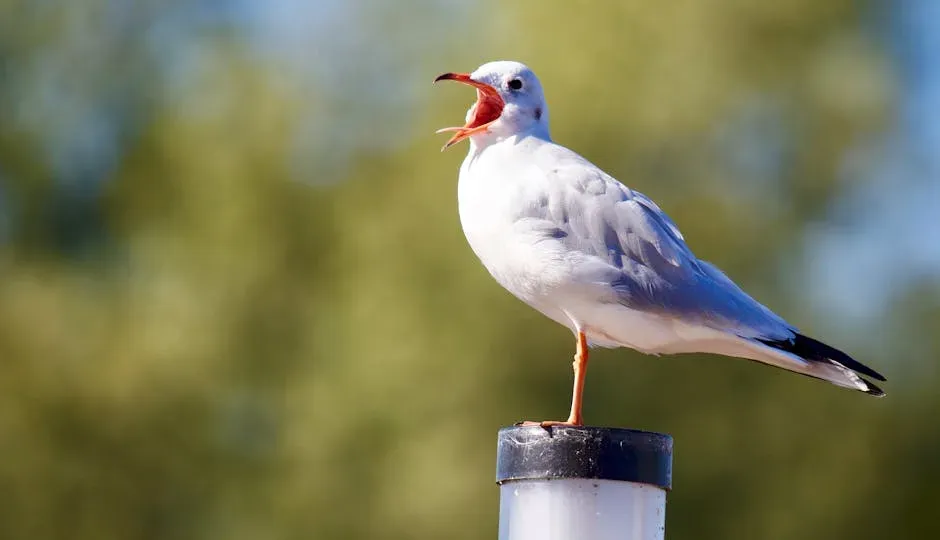
You know that frantic, sharp, repetitive burst of sound that suddenly erupts from your backyard? That is not a bird being dramatic. That is a genuine, urgent emergency broadcast. The purpose of the alarm call is to warn other birds of immediate danger, like a predator such as a hawk, cat, or fox. They can also be used to mob a perched predator like an owl. The urgency is real, and the message travels fast.
What is absolutely fascinating, and I think most people have no idea about this, is how specific these alarm calls are. Birds can tailor their calls to respond to a wide range of threats. If a raptor is flying overhead, a songbird may make a short, quiet, high-pitched sound that will not carry far. This alerts nearby birds without revealing the caller’s location. It is like sending a whispered warning through a crowd so the danger does not notice. Smart does not begin to cover it.
More than 50 different species will respond to a chickadee’s alarm call. The woods are wired by these alarm call networks, which allow various species of birds and small mammals to exchange information about a hawk or an owl. Your backyard is not just a garden. It is a fully wired neighborhood watch system. If your dog is standing quietly outside and suddenly every bird within range goes silent or erupts in calls, take note. Something is out there.
3. The Crow’s Caw: More Complicated Than You Think
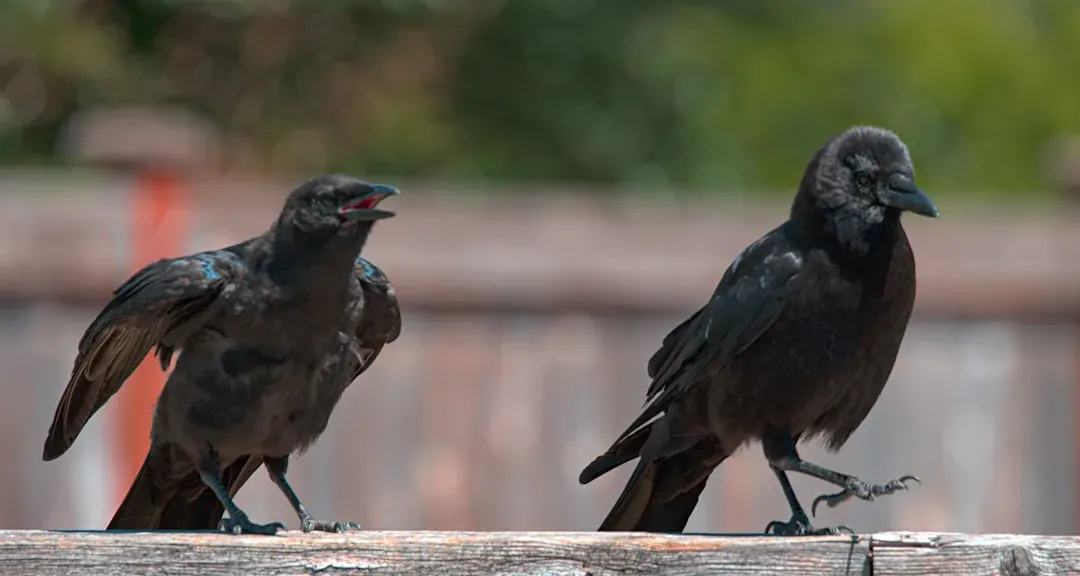
Most people hear a crow cawing and think nothing of it. Just a crow being a crow, right? Not quite. The definition of caw is “harsh” and “raucous,” and it is most associated with crows. A crow’s caw can mean many different things depending on its rhythm, repetition, and intensity. A single, slow caw is very different from a rapid, frantic series of them. The difference matters enormously.
Common Ravens, for example, generate up to 33 different categories of sounds. Crows are similarly complex. If you see a group of crows circling a tree and cawing intensely, this is what it looks like when crows are mobbing an owl. There is a huge group of crows all cawing loudly and crowding around the owl, and when the owl flies, they chase and continue mobbing. Keep an eye out whenever you hear that chaos. There is almost always something hidden nearby worth seeing.
Let’s be real, crows have a reputation for being spooky or aggressive, but they are actually among the most intelligent communicators in the bird world. Their alarm systems are sophisticated enough that even humans can learn to read them. If you suddenly hear a loud, persistent burst of cawing coming from one tree, go look. You may find a hawk, an owl, or a fox below.
4. The Chickadee’s Dee-Dee-Dee: A Coded Threat Level System
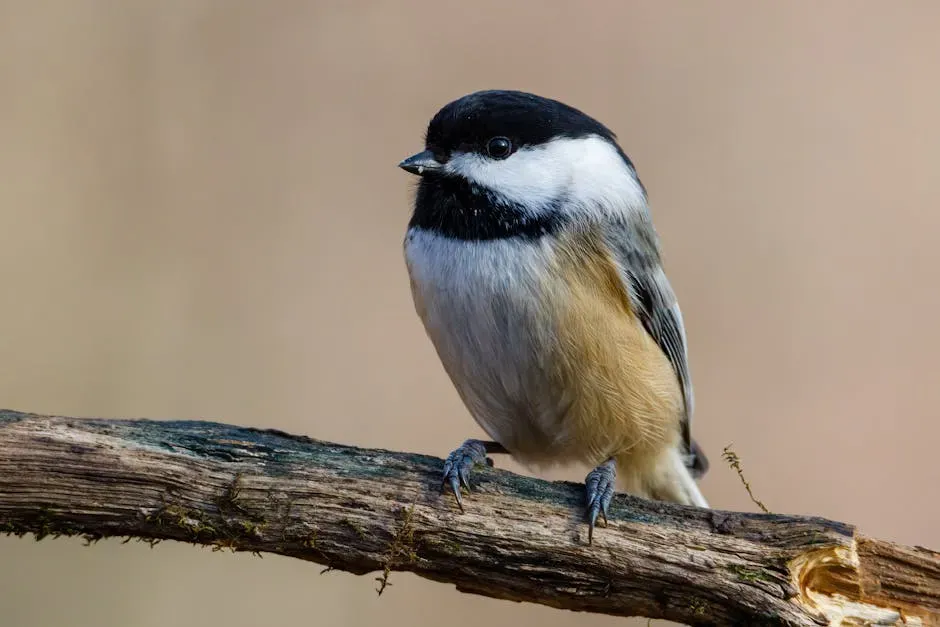
This one genuinely blew my mind when I first learned about it. The very flexible chick-a-dee-dee call given by Black-capped Chickadees can be used to communicate danger, and some research suggests that the number of dee notes increases in proportion to the danger of the perceived threat. The chickadee is essentially running a live threat assessment, right there on your bird feeder. The more “dees” you hear, the bigger the danger being communicated.
Research found that the number of “dees” in a call correlated with the threat posed by a predator. More dees means a higher threat. So a bird calling “chick-a-dee-dee” with just a couple of “dees” is doing something fairly routine. A “chick-a-dee-dee-dee-dee-dee” is essentially shouting that something serious is close by. Whether it is chickadees or titmice, each species is fluent in the other’s alarm calls. Red-breasted nuthatches, which often are part of mixed-species flocks with chickadees, also understand and react appropriately to the alarm calls given by chickadees.
Think of it like a community emergency alert system, except it evolved millions of years before we thought of the idea. There is something deeply humbling about realizing that tiny birds cracking sunflower seeds on your feeder are simultaneously broadcasting a sophisticated, real-time danger report to every creature in the neighborhood.
5. The Woodpecker’s Drumming: Not Just Looking for Bugs
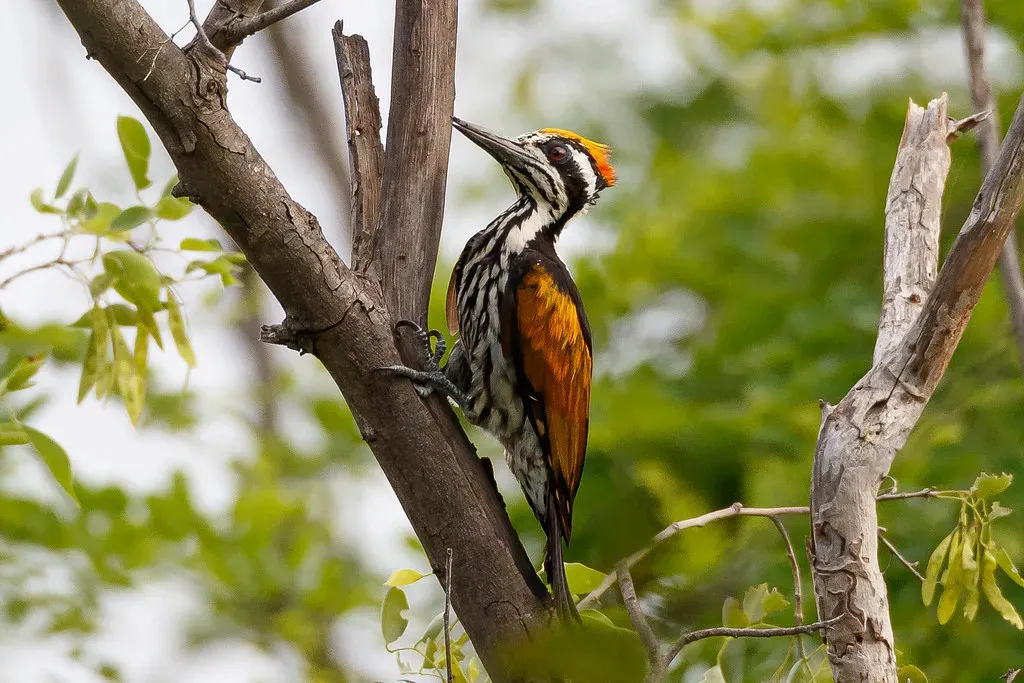
That rapid-fire hammering you hear rattling through a quiet morning is one of the more distinctive sounds in nature. It is easy to assume the woodpecker is just hungry and drilling for insects. Sometimes that is true. Downy Woodpeckers advertise their presence by drumming rapidly on a tree, and sometimes on the side of your house. In fact, you can identify certain woodpecker species by measuring the pace of their knocks. Each species has its own rhythm, like a drumline signature.
Drumming is also a territorial announcement and a mating call rolled into one percussive performance. Birds also create sounds through wing beats, bill clicking, and drumming behaviors, not just through vocalizations from their syrinx. When a woodpecker finds a resonant surface, like a hollow tree, a metal gutter, or yes, your chimney cap, it is essentially using a megaphone. The louder and more resonant the surface, the farther the message travels.
If a woodpecker keeps hammering on your house repeatedly, it is not doing it to annoy you, though the effect is admittedly the same. It is claiming territory or looking for a mate. Early spring is when this behavior peaks the most. It is smart to place a physical deterrent like reflective tape near the drumming spot, since this discourages the behavior without harming the bird at all.
6. The Dove’s Coo: Calm, Gentle, and Territorial
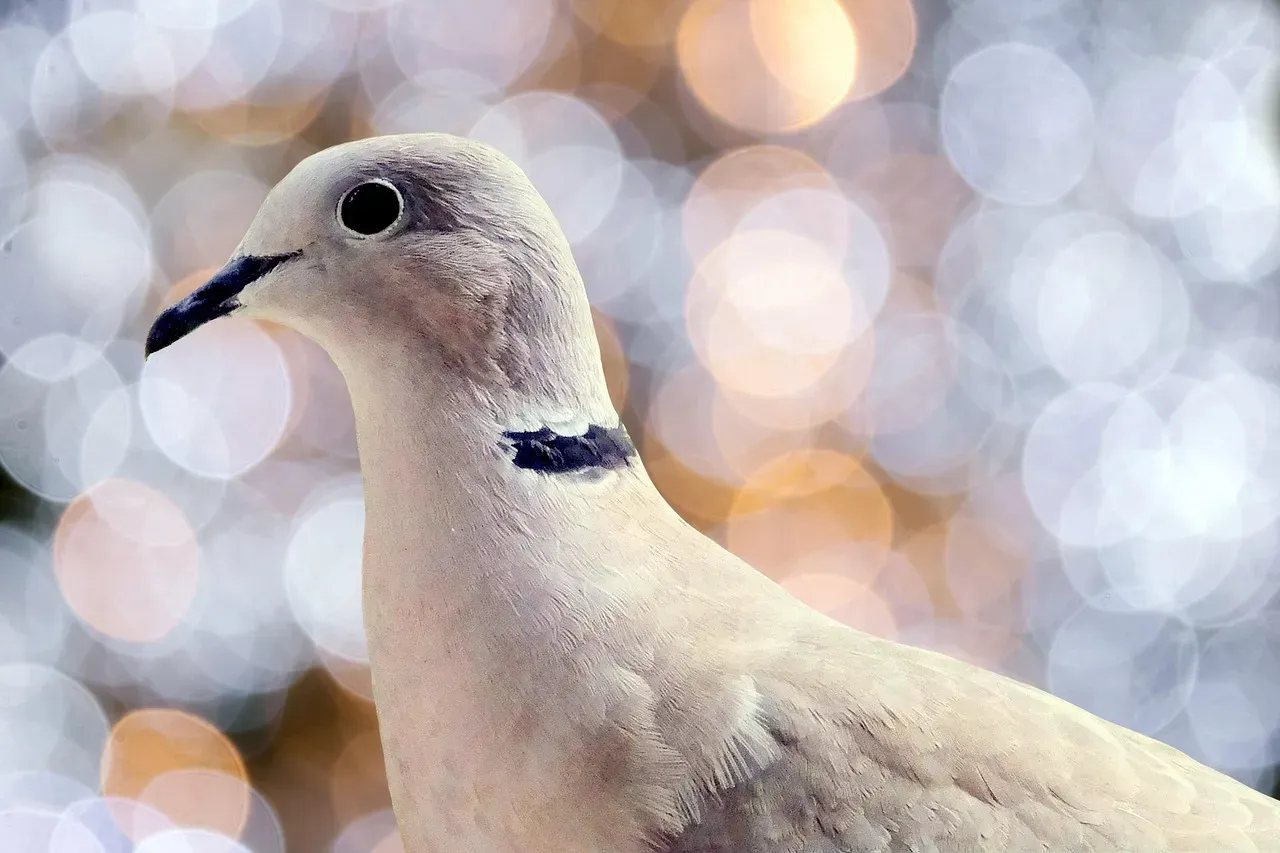
There is something immediately soothing about the coo of a dove drifting through an open window on a warm afternoon. The definition of coo is “to make the low soft cry of a dove or pigeon or a similar sound.” It feels peaceful. And while cooing does have a relaxed, unhurried quality, it is not purely decorative. Doves use their coos to communicate with mates, reinforce pair bonds, and mark territory in their own gentle way.
The mourning dove, one of the most common birds across North America, has a haunting, slow coo that many people mistake for an owl. High-pitched calls often mean alarm or warning, while low-pitched sounds can show calm or contentment. The dove’s low, mellow coo firmly falls in the calm category. It is a reassurance signal, almost like a soft “I am here, all is well” broadcast repeated across the yard.
Interestingly, when doves feel threatened or compete for territory, their cooing increases in frequency and volume. If you notice a particular dove cooing more insistently or following another bird around, you are watching a territorial dispute play out in the most serene-sounding way imaginable. Nature does not always announce conflict loudly.
7. The Contact Call: “Where Are You? I’m Right Here!”
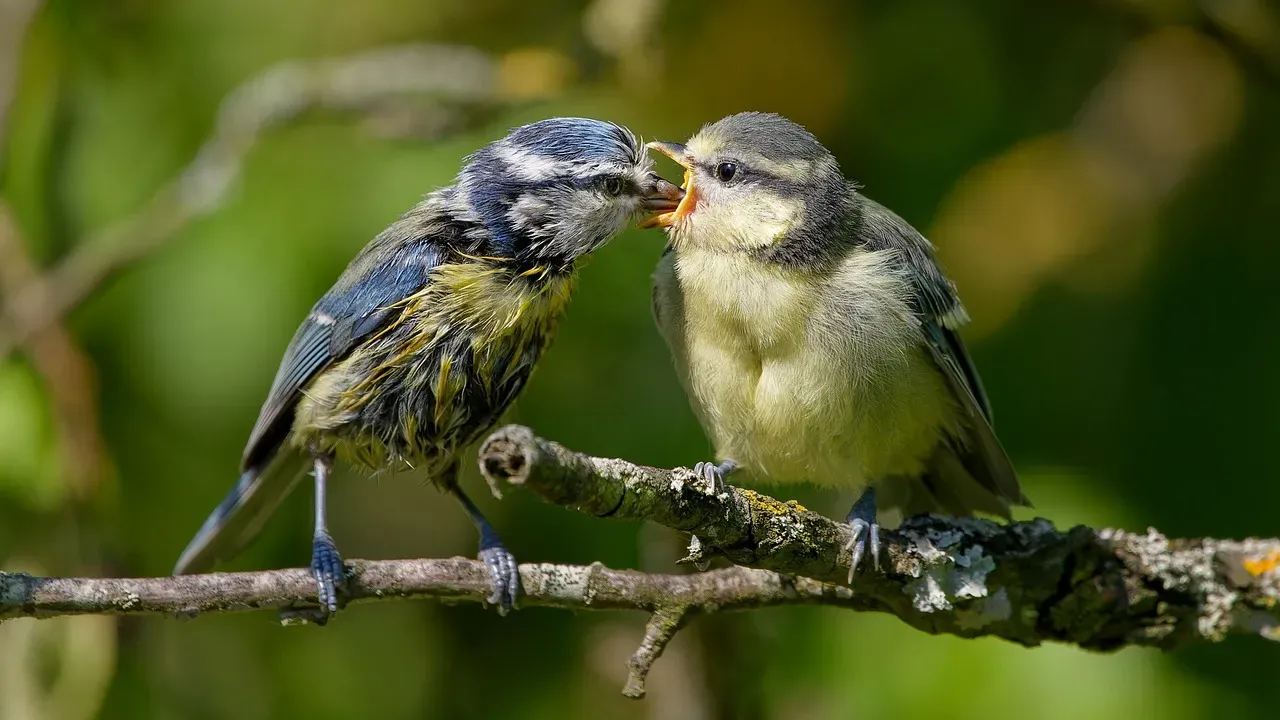
Not every bird sound is dramatic. Birds make contact calls to keep in touch with each other, often while they are foraging for food. These sounds are usually short, quick, and quiet, though if birds get separated, they may make louder, more urgent “separation calls.” Picture a parent and child walking through a busy market, calling back and forth just to stay connected. That is essentially what contact calls are.
Many mother birds will use short chirps to keep tabs on their young while foraging together. They keep a constant chorus of “where are you?” and “here I am!” so they don’t get separated. This is one of the sweetest things to observe if you can catch it. A bird and its chicks in a bush, doing a quiet, quick back-and-forth of soft notes. It is remarkably close to a human parent calling their kid’s name in a grocery store.
Species that flock use contact calls to keep in touch with one another, particularly when foraging for food. Contact calls can also be used to alert other birds in the flock to a good food source. So those soft, quick chips you hear from a flock of sparrows moving through your hedgerow? That is a coordinated group navigation and feeding strategy, happening right outside your door.
8. The Owl’s Hoot: Nighttime Territory and Mating
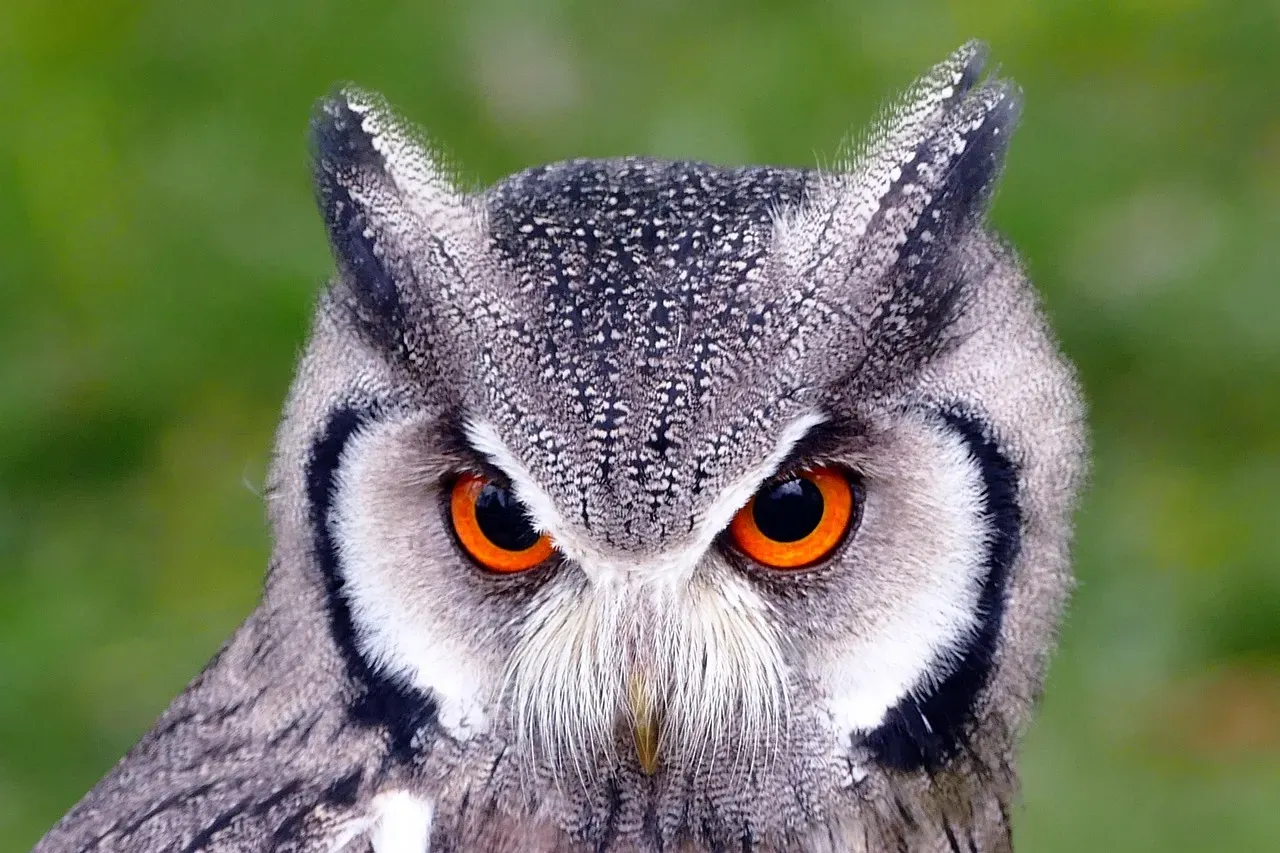
Few sounds are as instantly atmospheric as an owl hooting after dark. When you say it out loud, “hoot” sounds like the natural throat noise produced by some owls. It is one of those rare words that perfectly captures what it describes. Not all owls hoot, but barred owls and great horned owls do. The great horned owl has a deep, resonant series of hoots that carry an enormous distance through the night air.
Among owls and nightjars, songs are used to defend territory and attract mates. A hooting owl at night is making a proclamation to other owls: this is my ground, and I am here. When two owls call back and forth, you are often witnessing a territorial boundary negotiation happening in real time. You’ll hear nighttime bird calls from owls hunting, mockingbirds defending territory, or nocturnal migrants communicating during flight.
Here is an easy tip for dog owners specifically. If your dog goes outside at night and the yard suddenly goes very quiet, or you hear a single sharp hoot close by, there may be a large owl nearby. Great horned owls are powerful enough to target small animals. It is worth staying near your small dog during early morning and late evening walks in areas where these owls are known to nest.
9. The Mockingbird’s Medley: The Ultimate Shapeshifter
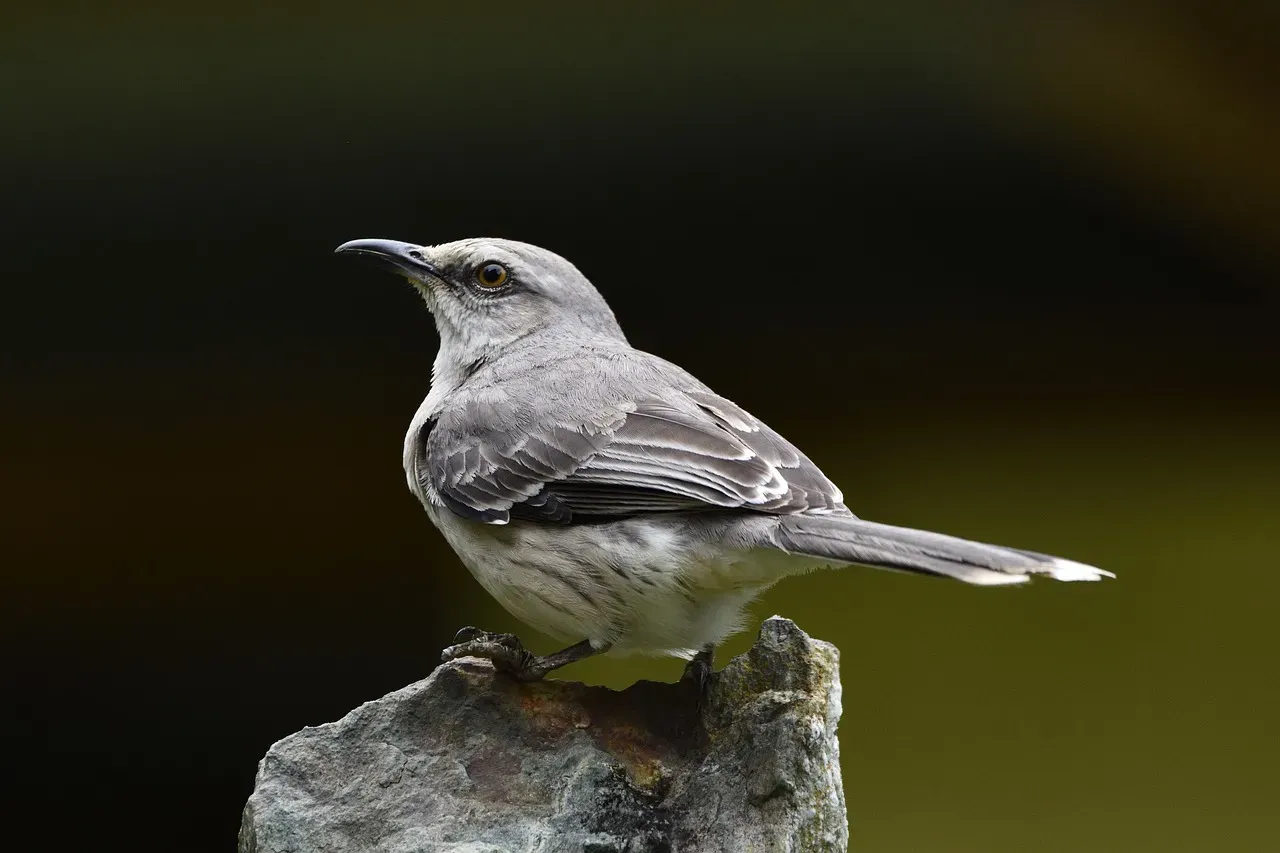
If you have ever been startled by what sounded like three or four different bird species coming from one tree, only to discover a single gray bird, you have met the Northern Mockingbird. Both male and female mockingbirds sing. They often mimic the sounds of birds and frogs around them, including shrikes, blackbirds, orioles, killdeer, jays, hawks, and many others. They go on learning new sounds throughout their lives.
Northern mockingbirds have been known to learn over 200 songs in their lifetimes, and the male ones, in particular, use their song to attract females during mating season in the springtime. A male mockingbird with a larger repertoire signals to females that he is experienced, well-traveled, and capable. It is genuinely one of nature’s most sophisticated mating strategies. They are also capable of mimicking dog barks, musical instruments, car alarms, and sirens. Yes, really.
The Northern Mockingbird needs very little light to induce singing, so they are often heard on nights with a full moon. Mockingbirds are tolerant of humans, so they often nest in shrubbery near houses. They thus elicit occasional complaints from human inhabitants who are trying to sleep. Honestly, it is hard to stay frustrated at a bird that is essentially performing a live greatest hits compilation outside your bedroom window. Difficult, but not impossible at 2 a.m.
10. The Begging Call: Baby Birds Are Hungry (and Loud)
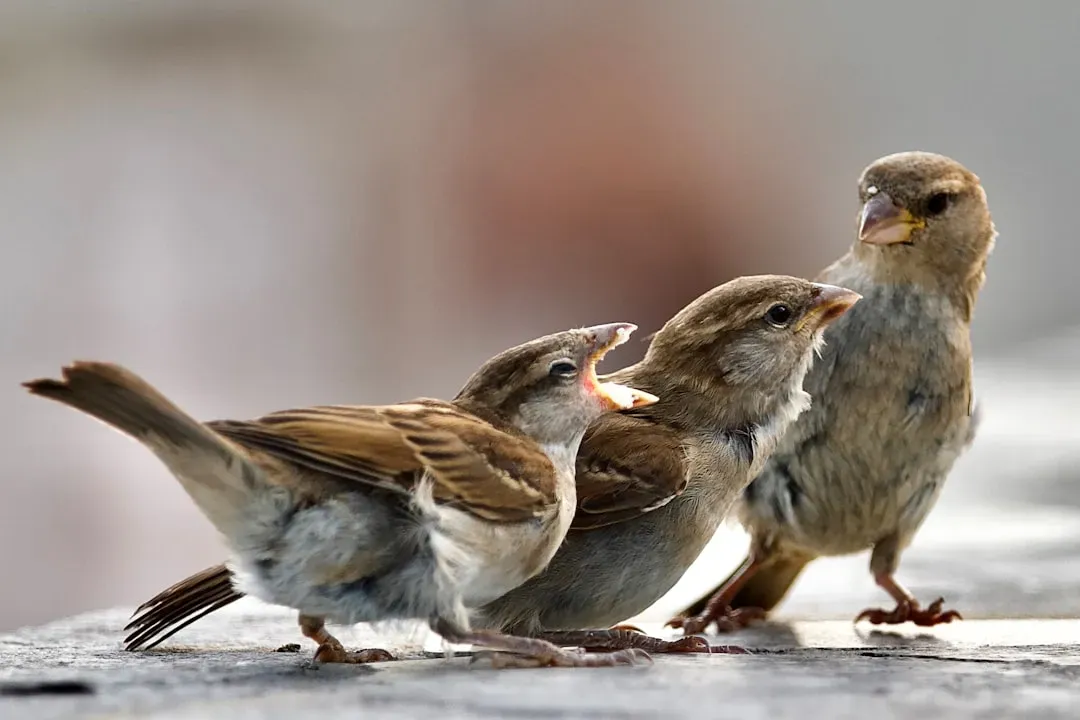
Spring and early summer bring one of the most emotionally compelling sounds in the bird world. It is a soft, persistent, slightly sad-sounding whine that seems to come from everywhere at once. Young chicks use begging calls to communicate with their parents, usually when wanting to be fed. These regularly repeated calls are rather sad sounding and quiet, and include a mix of whines, chirps, and tweets. Often, chicks will simultaneously flutter their wings when making a begging call to try to draw their parent’s attention.
Young birds use begging calls to tell their parents that they wish to be fed. If you hear this sound coming from a dense shrub or a low tree, there is likely a nest nearby, or a fledgling on the ground nearby who has recently left the nest. This is actually normal and not cause for alarm. Fledglings spend several days on or near the ground learning to fly, while their parents continue to feed and protect them from above.
Although begging calls are not the best at helping identify birds, they will certainly warn you where nests are so you can be extra careful around these areas. For dog owners, this is especially worth knowing. If your dog starts sniffing excitedly around a bush and you hear frantic begging calls inside, there is almost certainly a nest or fledgling nearby. A gentle redirect of your pup in that situation protects both the birds and prevents an unnecessary confrontation.
Conclusion: The World Outside Your Window Is Talking
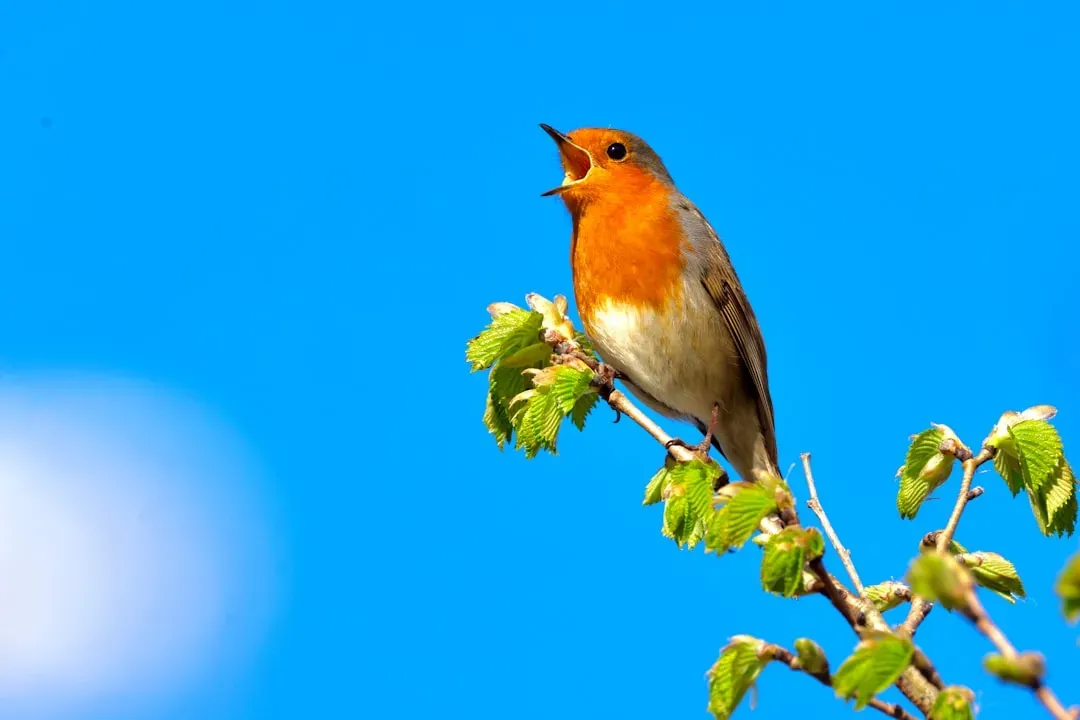
Here is the thing about bird sounds: once you start listening with intention, you genuinely cannot stop. The backyard you thought you knew becomes a layered, living broadcast of drama, tenderness, urgency, and beauty. A sudden silence is as informative as a sudden chorus. A sharp, insistent chipping from the hedge means something very specific. A soft back-and-forth between birds in the morning light tells a whole story about family and safety.
The key to learning bird calls starts with being present and patient. Focus your attention on the sounds and try to begin to distinguish individual voices and patterns. You do not need expensive equipment or years of training. You just need to slow down and actually listen. Even five minutes of deliberate listening on your morning walk will reveal a layer of the world that most people walk past every day without noticing.
The next time your morning is filled with birdsong, or the afternoon erupts into frantic cawing, or a quiet hoot drifts through your window at night, pause for just a moment. Something is being said. When a bird sings, it is telling you what it is and where it is. The question is whether you are listening. Did you expect the bird world to be this talkative? Share your thoughts in the comments below!

- What It Means When Wrens Build Several Nests but Use Only One - August 7, 2026
- 6 US States With the Most Javelinas - August 7, 2026
- Why Do Octopuses Change Color Instantly? The Scientific Reason Explained. - August 7, 2026