
Science has a long and sometimes unsettling habit of making the impossible routine. What once sounded like pure science fiction, creating a living, breathing genetic copy of another animal, has now become a verified, documented, and increasingly refined reality. The story of animal cloning is not just about laboratories and test tubes. It is about ambition, ethics, conservation, and the jaw-dropping audacity of what human curiosity can achieve.
From farmyard sheep to endangered wild horses, the list of animals brought into the world through cloning reads like the index of a very strange novel. Some of these animals lived long, healthy lives. Others lasted only hours. All of them changed how we understand life itself. Ready to be amazed? Let’s dive in.
1. Dolly the Sheep: The Clone That Changed Everything
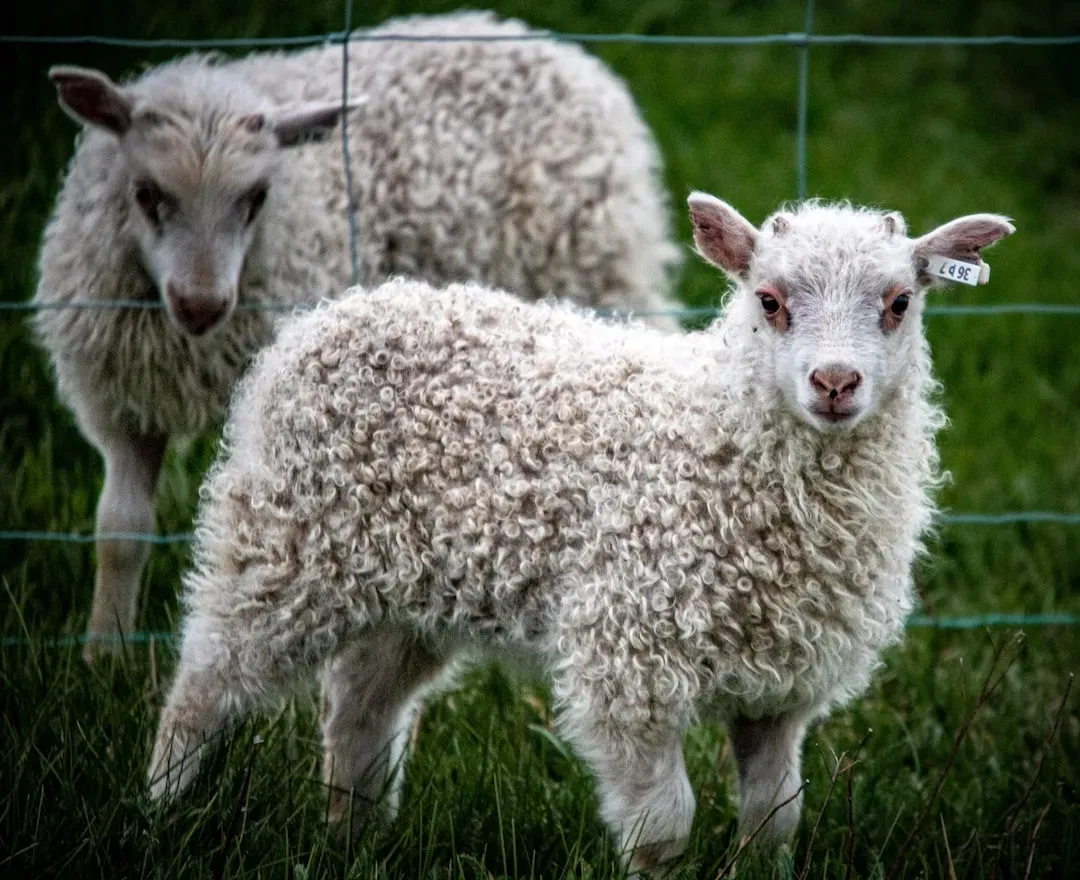
Let’s be real, no list of cloned animals begins anywhere other than Dolly. Born on July 5, 1996, Dolly was the first mammal cloned from an adult somatic cell, created by associates of the Roslin Institute in Scotland using the process of nuclear transfer from a cell taken from a mammary gland. That single fact rewrote the textbooks.
After 276 attempts, Scottish researchers finally produced Dolly from the udder cell of a six-year-old sheep. Two hundred and seventy-six attempts. Think about that for a second. This was not an accident. This was stubborn, relentless scientific determination.
The successful cloning of Dolly led to widespread advancements within stem cell research, including the discovery of induced pluripotent stem cells. On February 14, 2003, Dolly was euthanised because she had a progressive lung disease and severe arthritis. A Finn Dorset such as Dolly has a life expectancy of around 11 to 12 years, but Dolly lived only 6.5 years. Her legacy, however, lives on forever.
2. Cumulina the Mouse: Small Animal, Massive Discovery
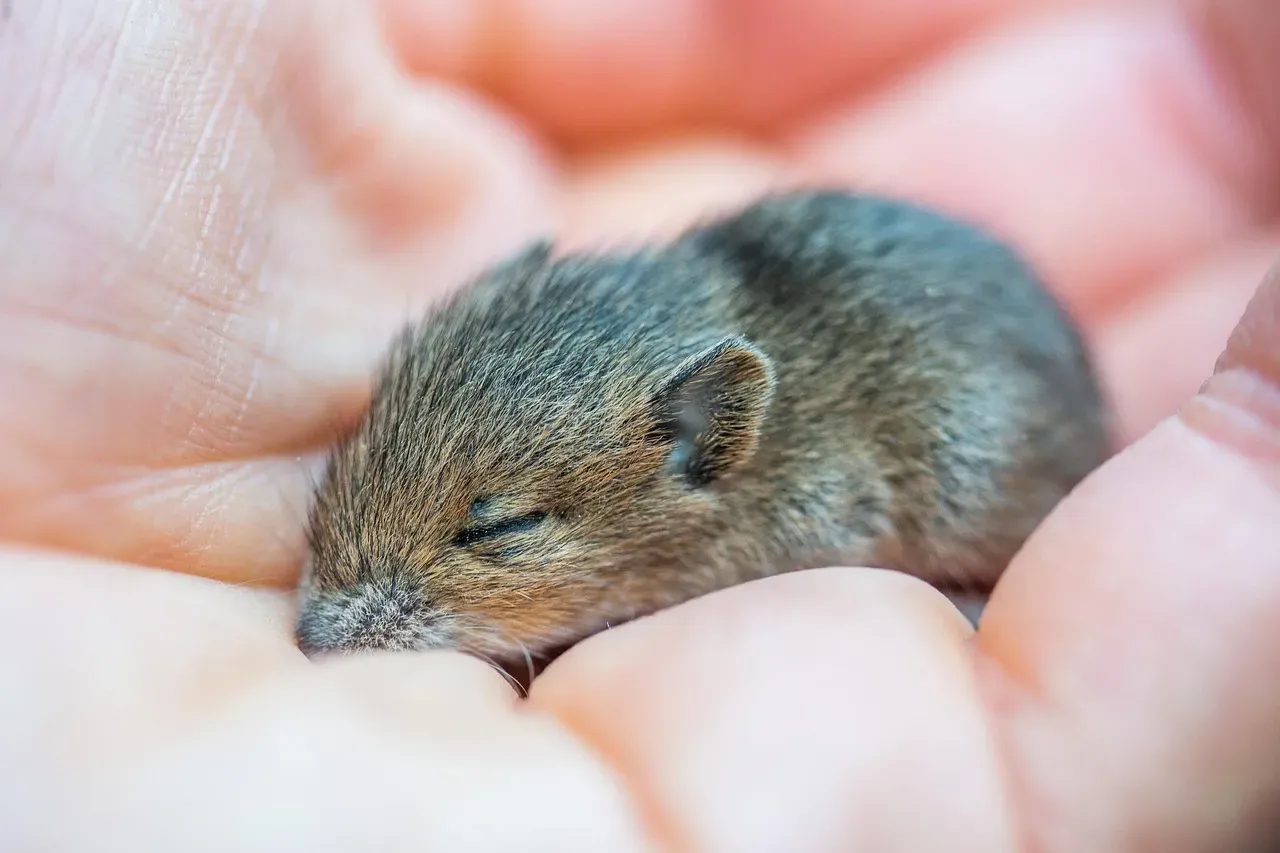
The first mouse cloned from adult cells, Cumulina, was born in 1997 at the University of Hawaii at Manoa in the laboratory of Ryuzo Yanagimachi using the Honolulu technique. Honestly, the mouse does not get nearly enough credit in the history of cloning.
Cumulina was the first successfully cloned mouse, and she lived until the ripe old age of two years and seven months. That might not sound impressive for a human, but for a lab mouse, that is a full life well lived. She produced two litters before being retired.
In 2008, Japanese scientists created a cloned mouse from a dead mouse that had been frozen for 16 years. This was the first time a mammal had been cloned from frozen cells. That opened up staggering possibilities. If frozen cells can work, the idea of preserving genetic material from dying species suddenly becomes far more practical.
3. CC the Cat: The Clone That Looked Different From Its Original
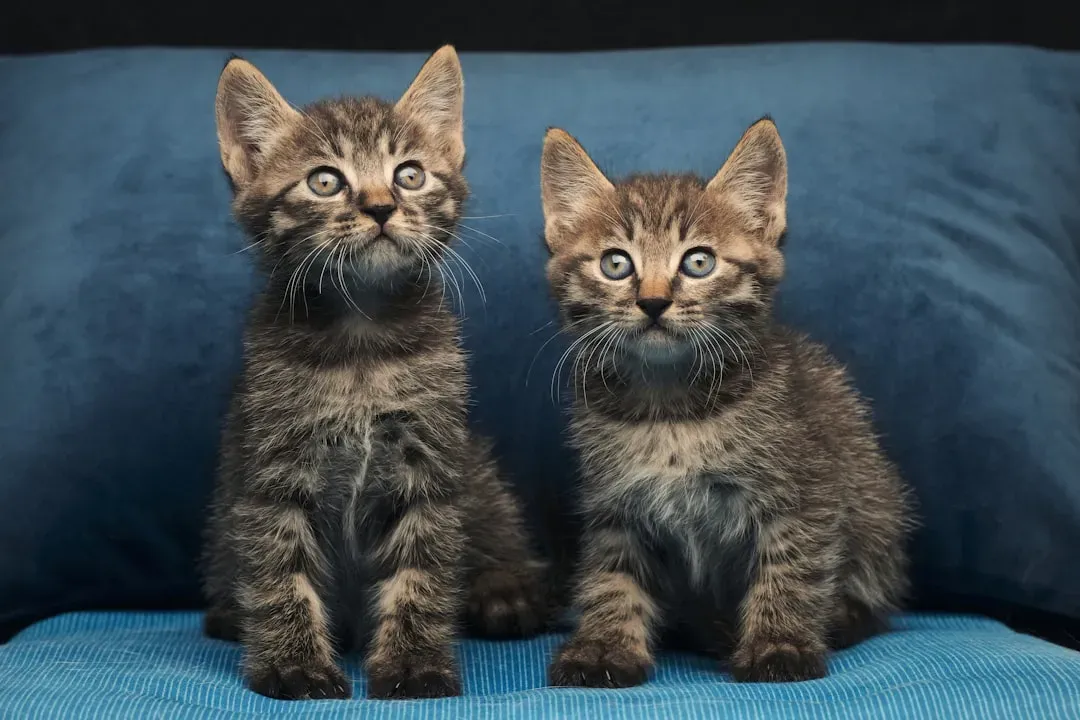
In 2001, scientists at Texas A&M University created the first cloned cat, CC, short for CopyCat. The internet would have absolutely lost its collective mind if this happened today. A cloned cat was, at the time, front page news around the world.
Here is the thing that surprised everyone. Though CC was genetically identical to the cat Rainbow, the patterns on her fur looked different, likely due to developmental rather than genetic factors. In other words, identical DNA does not always mean identical appearance. Nature still has a few tricks up its sleeve.
CC had her own kittens a few years later. A cloned cat giving birth to naturally conceived kittens. That is a sentence that would have sounded absurd in 1990. Some people have expressed interest in having their deceased pets cloned in the hope of getting a similar animal, but as shown by CC, a clone may not turn out exactly like the original.
4. Millie and Her Sisters: The Cloned Piglets with a Medical Mission
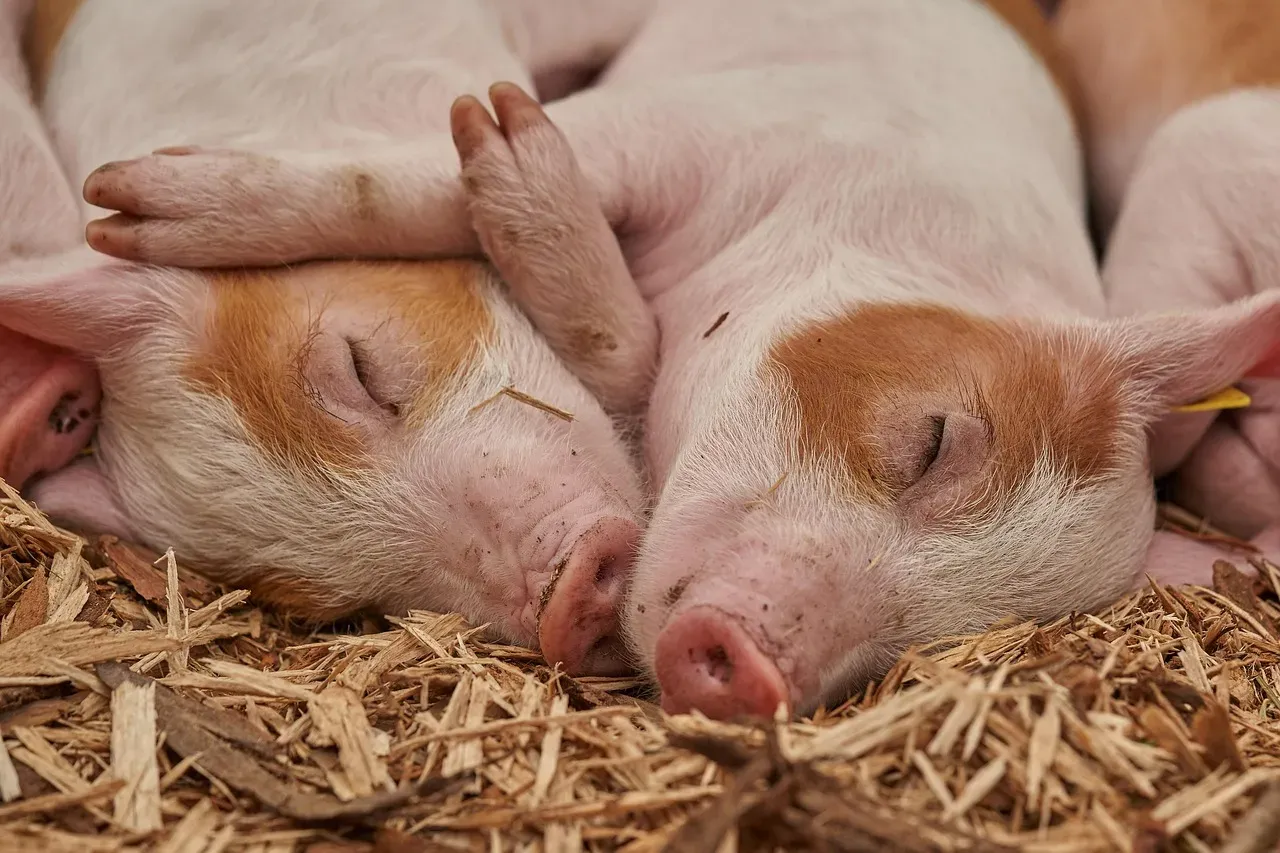
In 2000, PPL Therapeutics, the same company that worked with the Roslin Institute to clone Dolly the sheep, announced that it had cloned five female piglets from adult pig cells. The piglets were named Millie, Christa, Carrel, Dotcom and Alexis. Yes, one of them was named Dotcom. That is peak early internet era naming right there.
This family of clones was created for modification to allow for human cell and organ transplant. This is where cloning stops being just a curiosity and starts becoming something with genuine life-saving potential. The idea of growing compatible organs inside pigs for human patients is both extraordinary and ethically complex.
The technique is likely to be most beneficial in connection with transgenesis, to replicate animals that yield a therapeutic agent in high quantities or organs suitable for transplantation into humans. Millie and her sisters were not just cute piglets. They were a proof of concept for a medical revolution.
5. Prometea the Horse: Born from Her Own Surrogate Mother
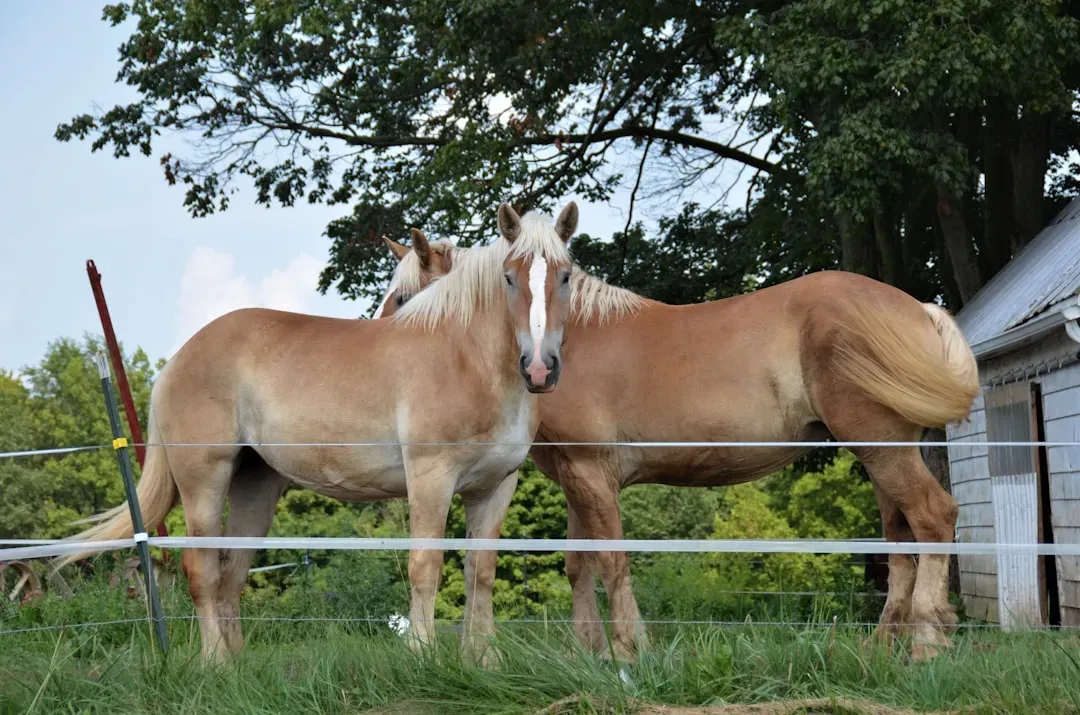
In 2003, the world’s first cloned horse, Prometea, was born. Prometea was cloned by a geneticist from the Laboratory of Reproductive Technology in Italy and was born on May 28, 2003, after a full-term pregnancy. That alone is remarkable. What makes Prometea truly unique goes even further.
She was birthed by her own clone source parent. Let that sink in. Prometea was carried and delivered by the very horse whose DNA was used to create her. There is something philosophically dizzying about that, like being born from yourself in a roundabout way.
Scientists used 841 reconstructed embryos, only 14 embryos were deemed viable, and four were implanted in surrogate mothers. Out of the four, only Prometea was born successfully. The odds were staggering, but she made it. The world of equine cloning has since expanded considerably, with cloned horses now competing in sport and even standing at stud.
6. Noto and Kaga: The Cloned Cows That Paved the Way for Agriculture
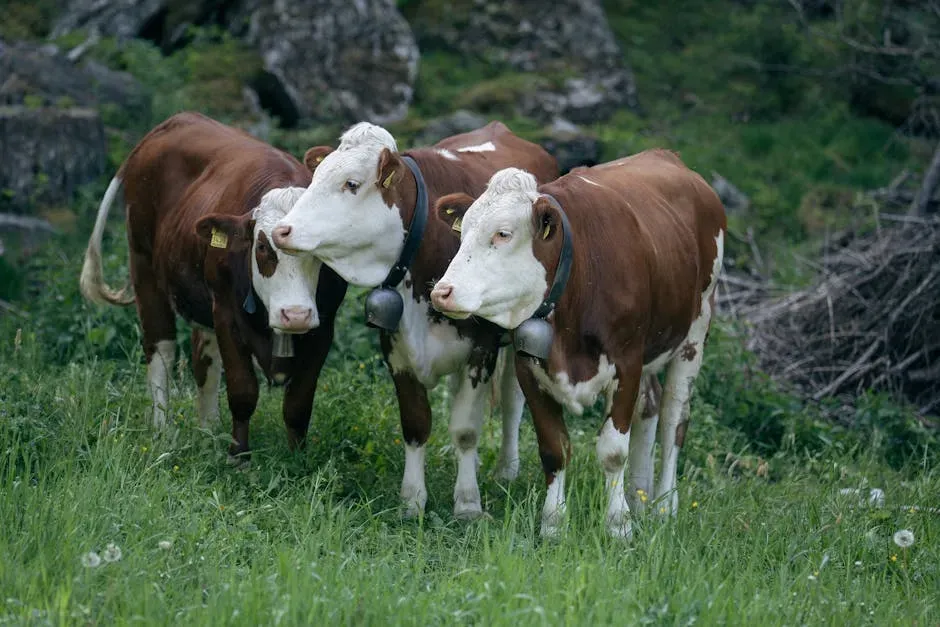
These two cows were created in 1998 and have subsequently been duplicated several thousand times since. Noto and Kaga have paved the way for many other clones engineered to produce improved meat and milk products. The agricultural implications of cloning are enormous, and these two Japanese bovines were right at the forefront.
Two years after Dolly, researchers in Japan cloned eight calves from a single cow, but only four survived. The efficiency of cloning was still a serious challenge at this point. It is hard work and the success rate is far from guaranteed, even today.
In 2023, Chinese state media reported that scientists had successfully cloned three cows capable of producing around 1.7 times the amount of milk an average cow in the US produced in 2021. The state media touted the so-called super cows as a way for China to decrease its reliance on imported cattle. The economic stakes of livestock cloning keep growing. It is no longer just science for science’s sake.
7. Injaz the Camel: The First Cloned Camel in the World
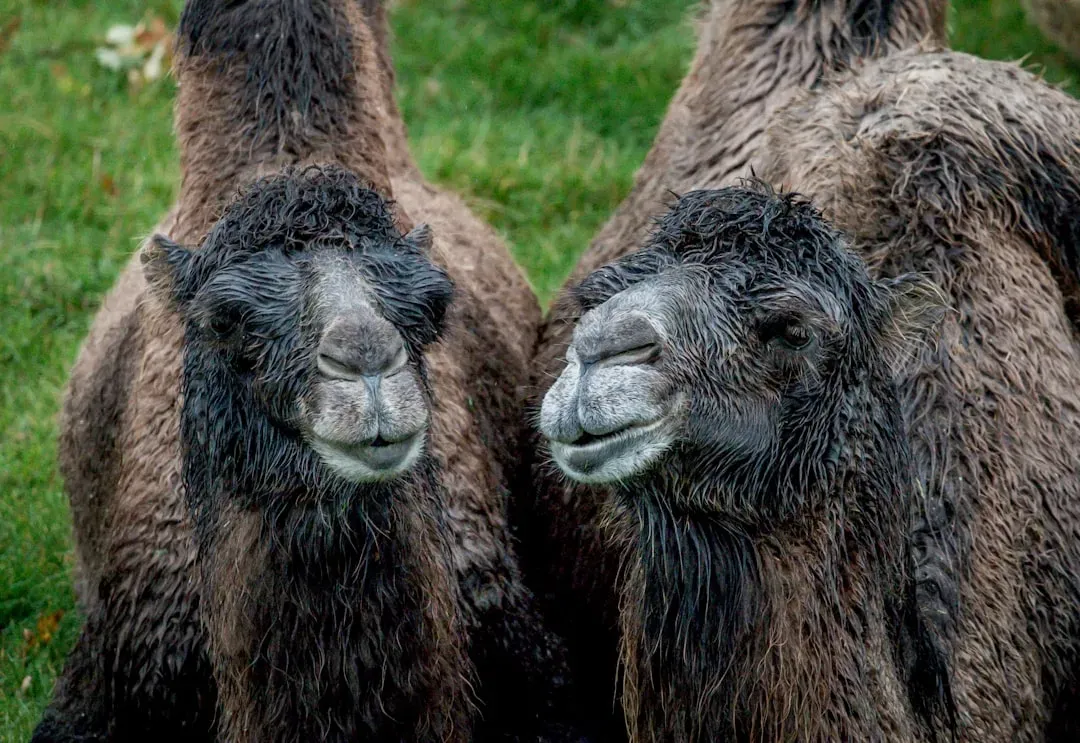
Injaz, a cloned female dromedary camel, was born in 2009 at the Camel Reproduction Center in Dubai, United Arab Emirates after an uncomplicated gestation of 378 days. The name itself says it all. Injaz is an Arabic word meaning achievement, and it is credited to Dr. Nisar Ahmed Wani, a reproductive biologist and lead researcher of the Camel Production Centre in the UAE.
Camels are uniquely valuable animals in the Gulf region, prized for racing, milk production, and cultural significance. Cloning a camel was therefore far more than a scientific experiment. It was a statement about the future of animal production in that part of the world.
I think what is fascinating here is how geographically diverse the cloning story has become. This was not a Western lab making headlines. Scientists across the Middle East, Asia, and South America have all contributed chapters to this story. Cloning truly is a global science now.
8. Kurt the Przewalski’s Horse: Cloning as a Conservation Lifeline
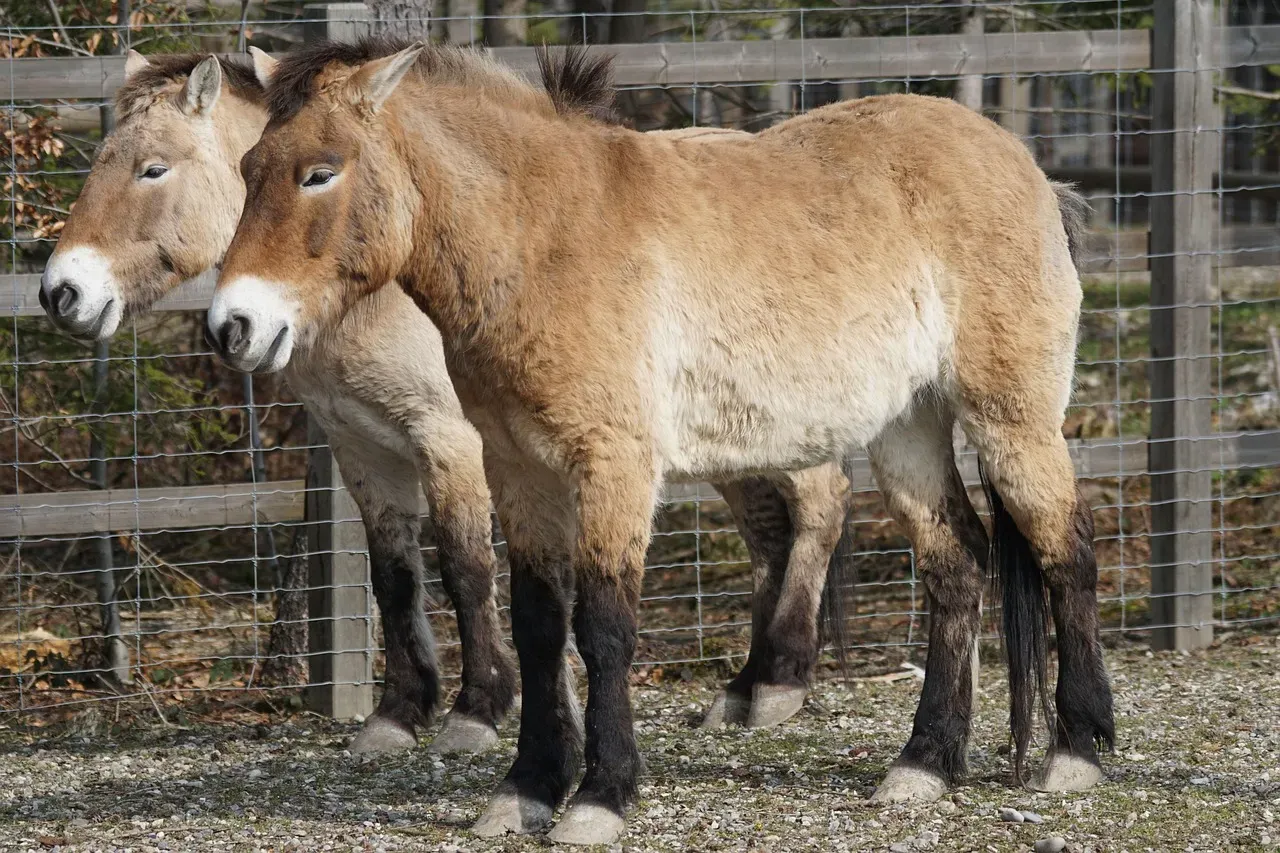
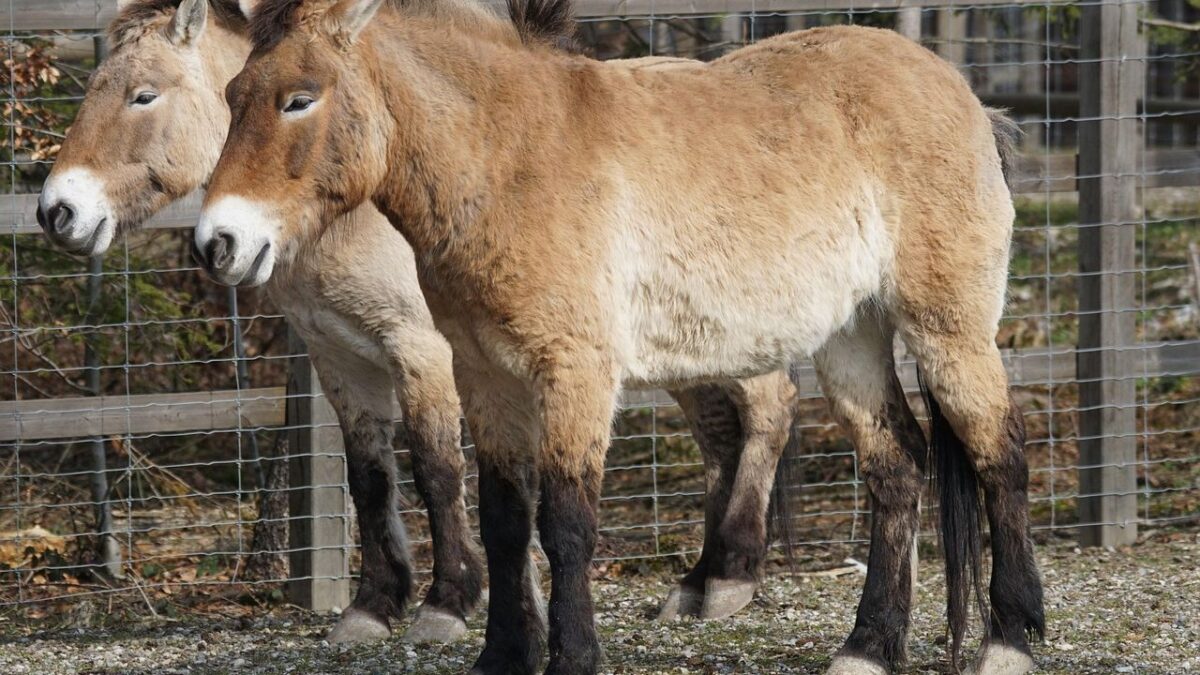
Przewalski’s horses are said to be the last truly wild horses. By 2020, they were reported to be extinct in the wild, with a small population surviving in zoos and reserves. For a species on that kind of edge, every genetic contribution matters immensely.
The cells contained DNA that was rarely found in the surviving population. By fusing the cells with the egg of a surrogate mother and removing the egg’s nucleus, scientists were able to create the first clone of the species, called Kurt. Kurt was born in Texas in August 2020, and it is hoped that once he reaches breeding age, he will be an important part of the plan to eventually return Przewalski’s horses to the wild.
On February 17, 2023, Ollie became the second successfully cloned Przewalski’s horse. He is a genetic twin of Kurt, born from the same cell line. Two clones from the same frozen DNA, decades after the cells were collected. That is the kind of story that makes you genuinely hopeful about what science can do for conservation.
9. Elizabeth Ann the Black-Footed Ferret: The Clone That Made History Twice
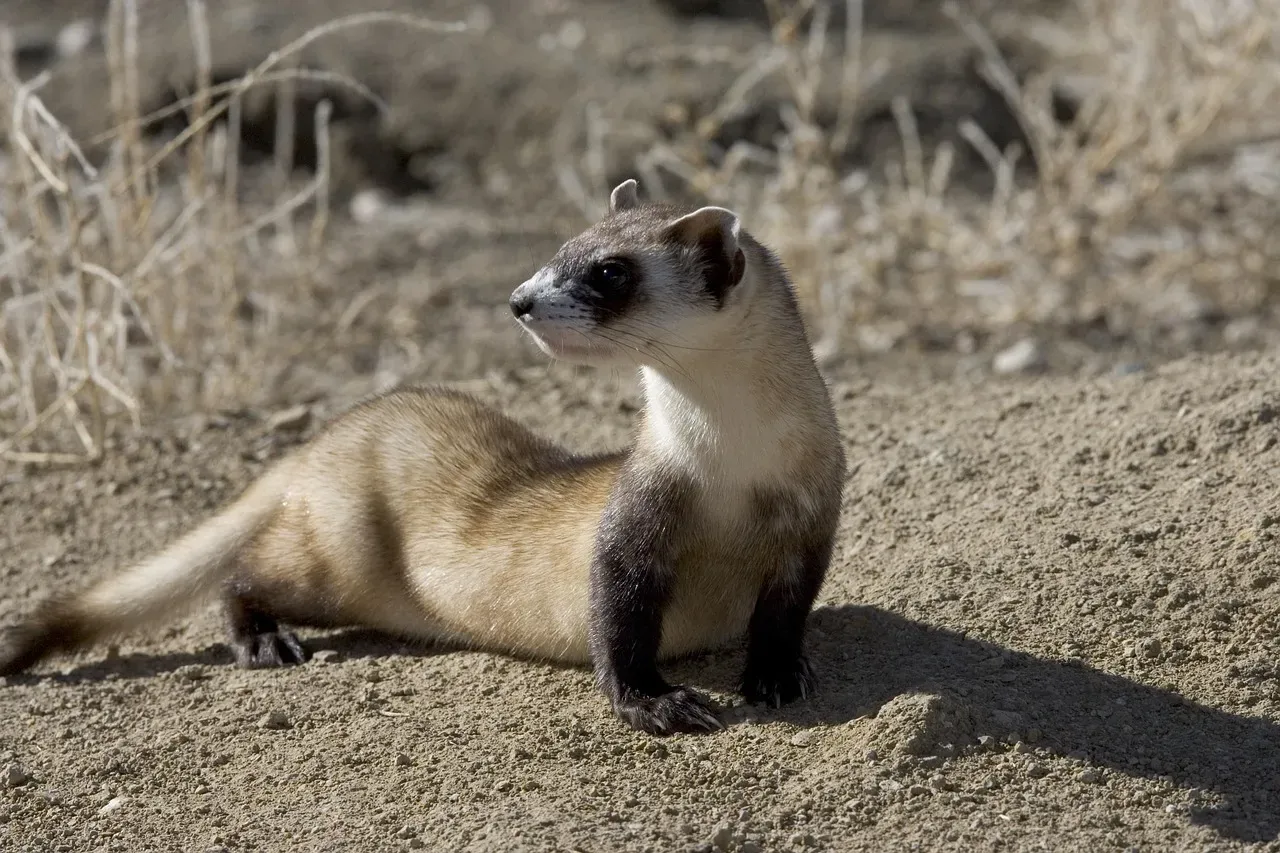
Elizabeth Ann, a black-footed ferret, was born on December 10, 2020, at the Fish and Wildlife Service’s Black-footed Ferret Conservation Center in Colorado. She is a clone of a female named Willa, who died in the mid-1980s and left no living descendants. Scientists literally reached back through time to bring a lost genetic line back to life.
US researchers achieved groundbreaking milestones in preserving the genetic diversity of the endangered black-footed ferret through SCNT. Using tissue samples from Willa, who had not reproduced and who had died in 1988, scientists successfully produced Willa’s first clone, Elizabeth Ann, in 2021.
The story gets even better. Although Elizabeth Ann was unable to reproduce, another clone, Antonia, gave birth to two healthy kits in 2024. A cloned ferret giving birth to healthy offspring. That is not just a scientific milestone. That is a genuine conservation success story, and one of the most inspiring entries on this entire list.
10. The Pyrenean Ibex: The Clone of an Extinct Animal
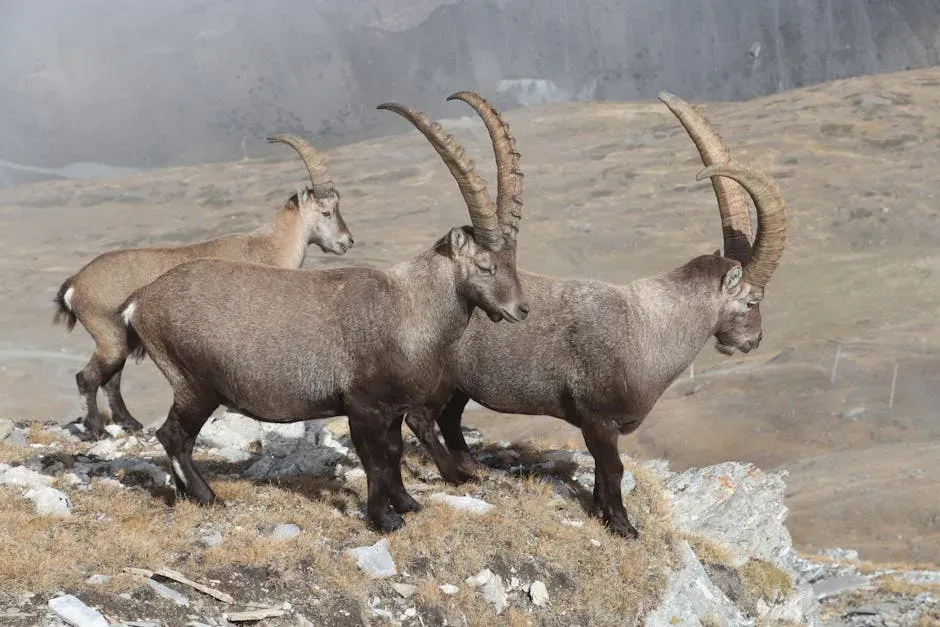
The animal was a Pyrenean ibex, also known as a bucardo. These were a subspecies of Spanish ibex whose population had been decimated by hunting throughout the 19th and 20th centuries. The last known individual died in 2000, making the subspecies officially extinct. Scientists, however, had other ideas.
In January 2009, scientists from the Centre of Food Technology and Research of Aragon in northern Spain announced the cloning of the Pyrenean ibex. Although the newborn ibex died shortly after birth due to physical defects in its lungs, it is the first time an extinct animal has been cloned.
It is hard to say for sure where this technology will lead, but this moment felt like humanity crossing a threshold. Celia was successfully cloned by Spanish scientists, but the clone died shortly after birth due to a lung defect. Ten years later, the Aragon Hunting Federation began a second attempt to potentially revive the subspecies by verifying if Celia’s frozen cells were still viable for future cloning attempts. The door, once opened, is not easily shut.
11. Zhong Zhong and Hua Hua: The First Cloned Primates
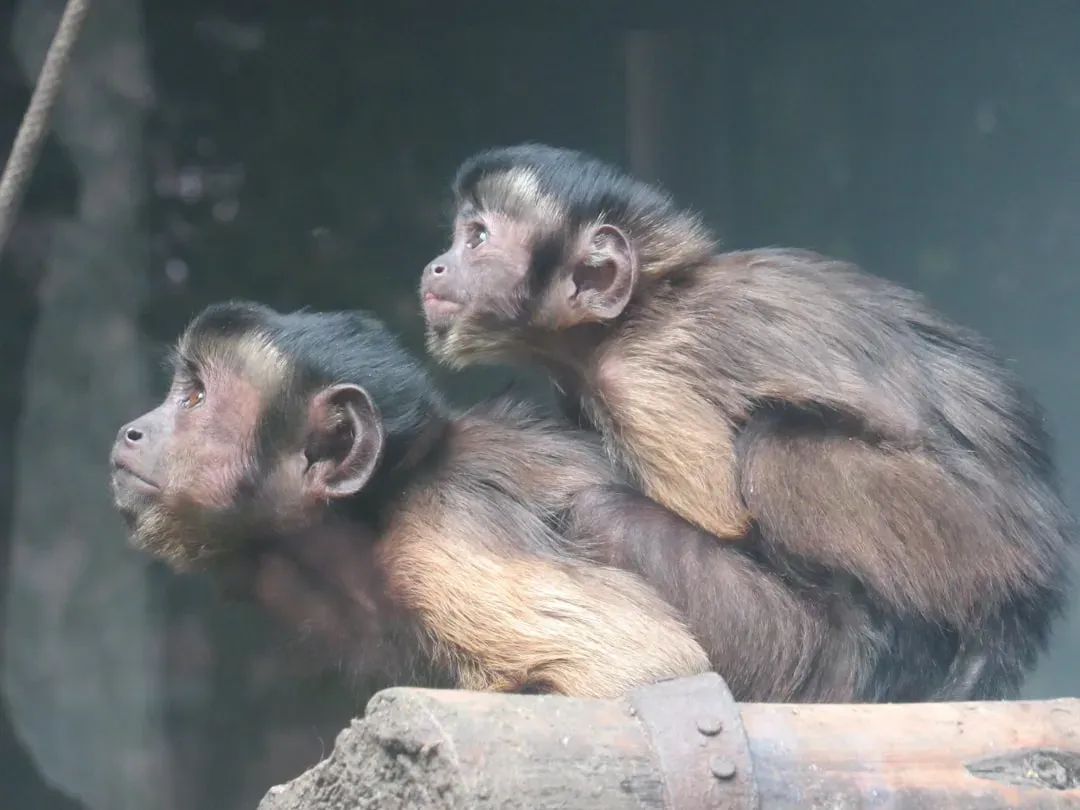
Zhong Zhong and Hua Hua were female crab-eating macaques born in 2017, representing the first successful cloning of primates using somatic cell nuclear transfer, the same method used with Dolly. The cloning was conducted in China. When two monkeys entered the world this way, the scientific community took a very deep breath.
Cloning by embryo splitting can result in multiple genetically identical clones born around the same time, which can be raised in highly controlled settings, making them excellent subjects for experiments. Being closely related to humans means they could be a valuable way to study human diseases and produce life-saving cures more quickly.
Then came something even more recent. In 2024, it was announced that a rhesus macaque named Retro had been cloned by a SCNT technique. Primates are our closest relatives in the animal kingdom. Their cloning raises the most urgent ethical questions of all, and rightly so. Many people object to the raising of animals for the sole purpose of experimentation, especially more cognizant ones like monkeys. These are conversations that science cannot afford to avoid.
Conclusion: A Science Still Writing Its Most Surprising Chapters
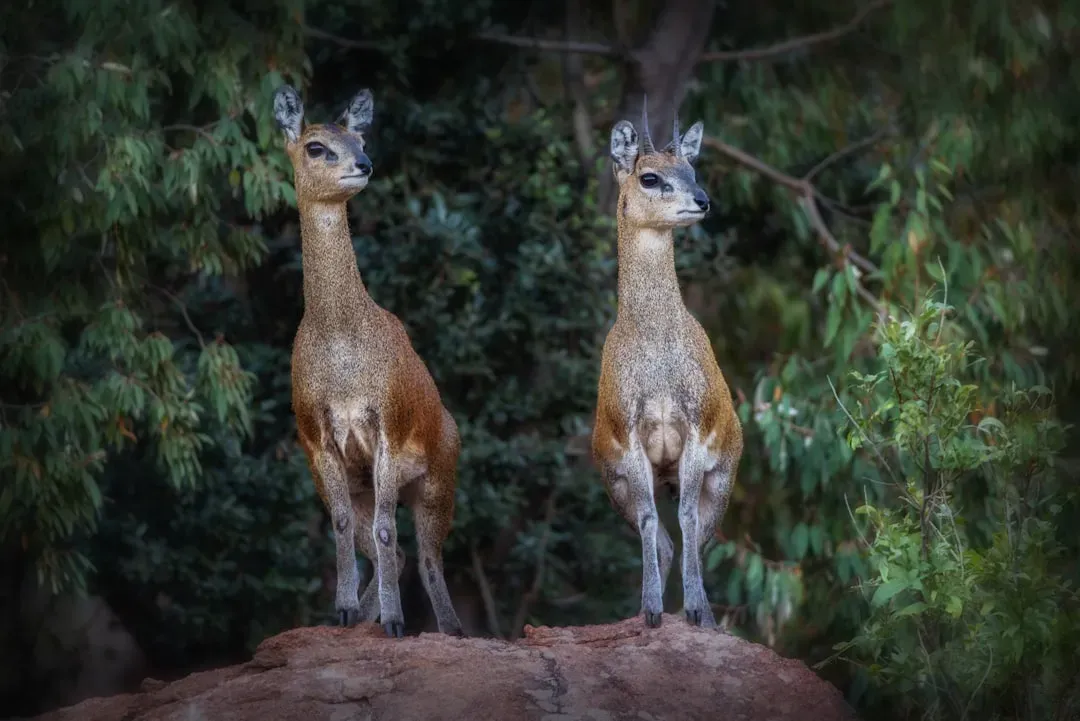
From 1957 to 2025, a total of 56 species and subspecies spanning 33 mammals, 14 amphibians, 8 fish, and 1 insect have been cloned by nuclear transfer methods. The first complete history of animal cloning documents all 56 species and subspecies successfully cloned to date. That number is staggering, and it keeps growing.
There is increasing interest in animal cloning for different purposes such as rescue of endangered animals, replication of superior farm animals, production of genetically engineered animals, creation of biomedical models, and basic research. The motivations are as varied as the animals themselves. Some clones are born to feed the world. Others are born to save a species from vanishing entirely.
What strikes me most about this entire history is how consistently the science outpaced the imagination. People wrote off cloning as dangerous fiction, then a sheep named Dolly was born and the world had to start over from scratch. Today, extinct animals are being cloned. Endangered species are getting second chances. Cloned primates are helping scientists understand human disease. The question is no longer whether cloning is real. The question is how far we are willing to take it. What do you think: is this the most exciting or the most unsettling scientific frontier of our time? Share your thoughts in the comments.
