

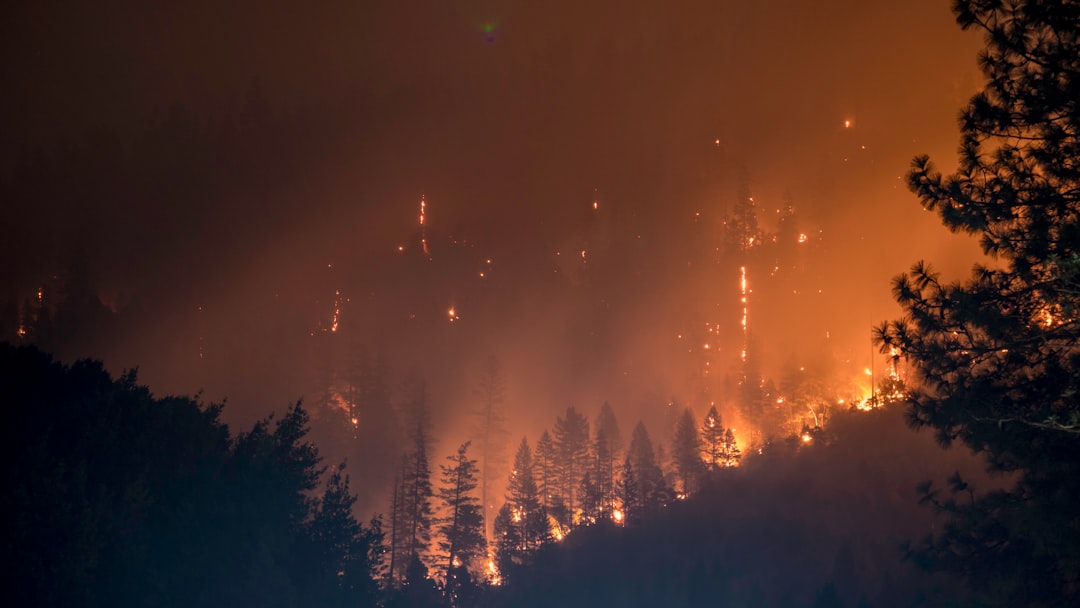
Forests have always burned. It’s part of nature’s rhythm, a cycle that’s existed for millions of years. But something has shifted in a deeply unsettling way, and scientists are now sounding the alarm louder than ever before.
The window in which wildfires can ignite and spread is growing. Not by days, but by weeks in some regions. If you think this is just a problem for dry California summers or the Australian outback, think again. Let’s dive in.
The Fire Season That Never Really Ends
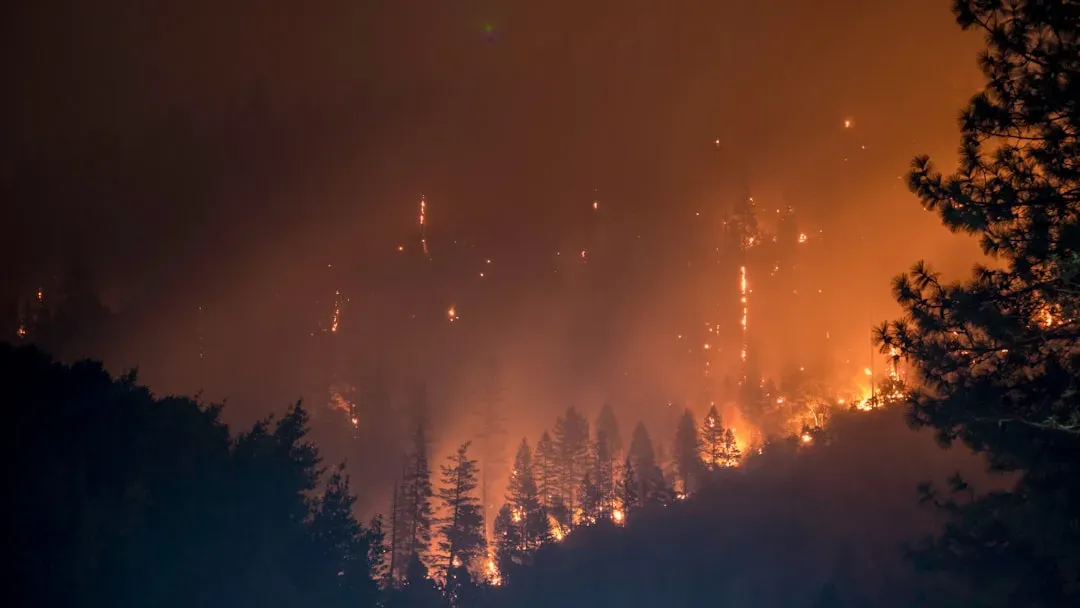
Here’s the thing most people don’t realize: wildfire season used to have a beginning and an end. That’s increasingly no longer true. Researchers have found that fire weather conditions, the perfect combination of heat, dryness, and wind, are showing up earlier in spring and lasting well into what used to be cool, wet autumn months.
This creeping extension of fire-prone conditions is not happening in isolation. It’s a global pattern. Forests from the boreal stretches of Canada to the dense woodlands of southern Europe are seeing fire risks bleed across seasons that once offered natural relief. Honestly, when you map it out, it looks less like a seasonal problem and more like a permanent state of emergency.
What the Science Actually Says
A study published in April 2026 through Phys.org highlighted findings that confirm what forest ecologists have feared for years. The data shows that longer fire seasons are directly connected to rising global temperatures, prolonged drought cycles, and reduced soil moisture. These aren’t isolated variables; they feed each other in a feedback loop that makes conditions progressively worse.
What makes this especially alarming is the speed of change. The shift isn’t happening over centuries. It’s happening within decades, and in some regions, within individual years. Scientists note that forests in the Northern Hemisphere have seen some of the most dramatic seasonal shifts, with fire weather windows expanding significantly compared to just a few decades ago.
The scale of affected land is staggering. We’re talking about ecosystems that store enormous amounts of carbon, regulate rainfall, support biodiversity, and sustain the livelihoods of hundreds of millions of people worldwide.
Forests Under Fire: The Ecological Cost
When a forest burns, it doesn’t just disappear in a blaze and regenerate cleanly. The ecological damage can persist for decades. Soil structure breaks down, seed banks are destroyed, and the complex web of fungi, insects, and plant life that took centuries to establish gets erased in a matter of days.
What’s more, the forests that survive repeated fire events often don’t bounce back the same way. They return as different ecosystems, sometimes dominated by shrubs or grasses rather than the tall trees they once hosted. I think this is one of the most underappreciated parts of the wildfire story. It’s not just about the fire. It’s about what doesn’t come back afterward.
Human Communities Caught in the Middle
It’s easy to frame wildfire as a nature problem, but people are at the sharp end of this crisis. Longer fire seasons mean more weeks of poor air quality for communities living near forested areas. Smoke-related health impacts, particularly respiratory conditions, are becoming a public health concern that health systems in fire-prone nations are struggling to absorb.
Rural communities face a different but equally harsh reality. Livelihoods tied to forestry, tourism, and agriculture get disrupted or destroyed when fires become more frequent and more intense. The emotional toll of watching landscapes you grew up in burn repeatedly is something data alone cannot capture. Firefighting forces, already stretched thin across multiple continents, are being pushed to operational limits that weren’t imagined a generation ago.
The Carbon Paradox That Should Keep You Up at Night
Forests are one of the planet’s most powerful tools for absorbing carbon dioxide from the atmosphere. They act like a slow, quiet sponge, pulling carbon out of the air and locking it into wood, roots, and soil over years and decades. When they burn, all of that stored carbon gets released back into the atmosphere almost instantly.
This is where the situation becomes genuinely alarming. Longer fire seasons mean more forests burning more often, which means more carbon released, which accelerates warming, which extends fire seasons further. It’s a loop that climate scientists have described as one of the hardest cycles to break. Roughly about one third of global carbon emissions in some recent years have been tied to land use changes and vegetation fires. That number should make anyone pause.
Which Regions Face the Greatest Risk
Not all forests are equally threatened, but the list of vulnerable regions is uncomfortably long. The Amazon basin in South America continues to face intense pressure from both deforestation and fire. The Mediterranean basin across southern Europe, North Africa, and parts of the Middle East is experiencing drier, hotter summers that leave forests dangerously parched. Siberian and Canadian boreal forests, which hold some of the largest reserves of terrestrial carbon on Earth, are burning at rates that have shocked researchers.
Australia’s 2019 to 2020 fire season, which scorched nearly 19 million hectares, became something of a grim benchmark. It demonstrated that even wet, temperate forests aren’t immune. Since then, fire ecologists have used that event as a case study in what extended fire seasons look like at catastrophic scale. Emerging data through 2025 and into 2026 suggests multiple regions are tracking toward similarly extreme conditions in coming years.
What Can Actually Be Done
Let’s be real: there’s no single fix here. The problem is woven into the broader climate crisis, which means meaningful solutions require action at a scale that politics has so far struggled to match. That said, researchers and land managers point to a range of practical interventions that can reduce risk and build resilience.
Prescribed burns, when conducted carefully and in the right conditions, can reduce fuel loads and lower the intensity of wildfires that do occur. Improved early warning systems using satellite monitoring are giving communities and fire agencies more lead time to respond. Restoration of degraded landscapes with fire-adapted plant species is gaining traction in some countries. It’s hard to say for sure whether any single approach will be enough, but the consensus among fire scientists is clear: doing nothing is not an option.
A Crisis That Demands Attention Now
The findings emerging from fire research in 2026 paint a picture that is difficult to look away from. Wildfire seasons stretching across months that were once safe, forests releasing carbon they spent centuries storing, communities facing repeated waves of smoke and displacement. This is the compounding nature of a slow-moving crisis accelerating faster than many predicted.
What gives me some hope, honestly, is that awareness is genuinely growing. Governments, scientists, and communities are increasingly connecting the dots between climate policy and fire risk. The question is whether that awareness will translate into action quickly enough to make a difference for the forests, and the millions of species including us, that depend on them.
What do you think needs to happen first? Drop your thoughts in the comments below, because this is exactly the kind of conversation the world needs more of right now.

- Beavers Are Nature’s Engineers, Creating Vital Habitats for Other Wildlife Species - July 21, 2026
- The Recovery of the California Condor Offers Hope for Other Critically Endangered Birds - July 21, 2026
- Bats Play a Crucial Role in Controlling Insect Populations Across the United States - July 21, 2026