
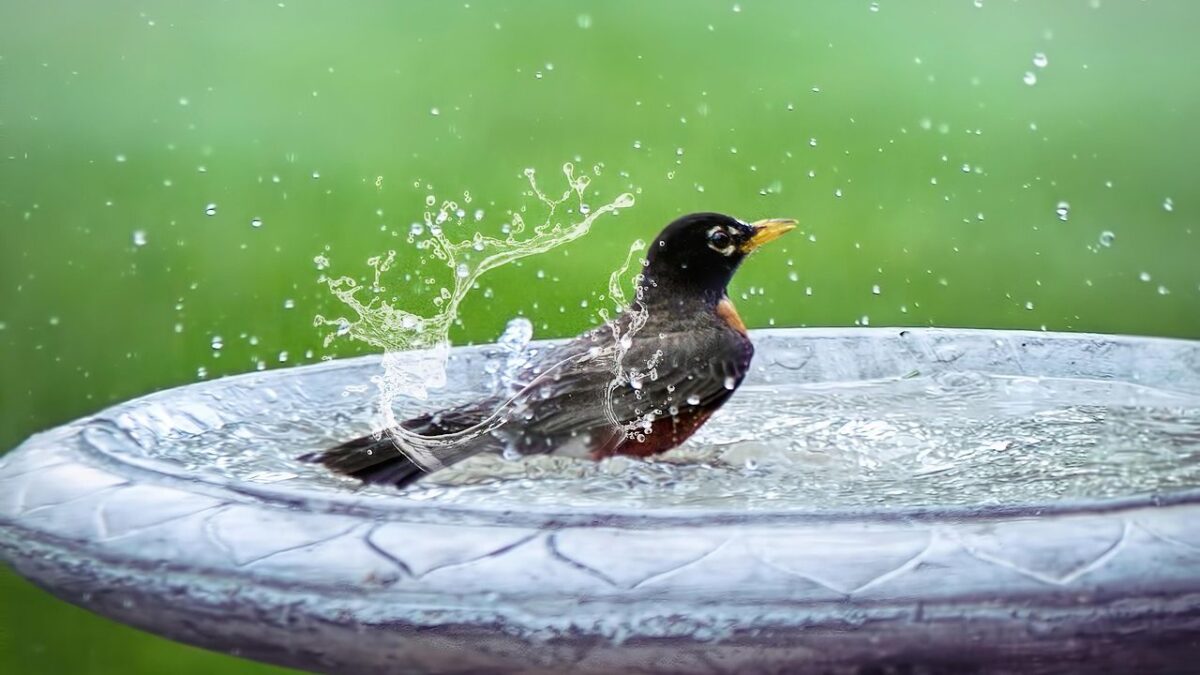
There is something almost magical about stepping outside on a quiet spring morning and hearing your backyard come alive with birdsong. The flutter of wings, the flash of color darting between branches, the whole alive-and-humming atmosphere of a yard that birds actually want to visit – it’s one of the simplest, most rewarding things you can create at home.
Here’s the thing though: most people think attracting birds is about throwing up a feeder and calling it a day. It’s so much more than that. Spring is the absolute best time to think about this, because migrating birds are returning, breeding season is kicking off, and your yard’s first impressions genuinely matter to the creatures passing through. So let’s dive in – there’s a lot more to this than you might expect.
Plant Native Species and Watch Everything Change
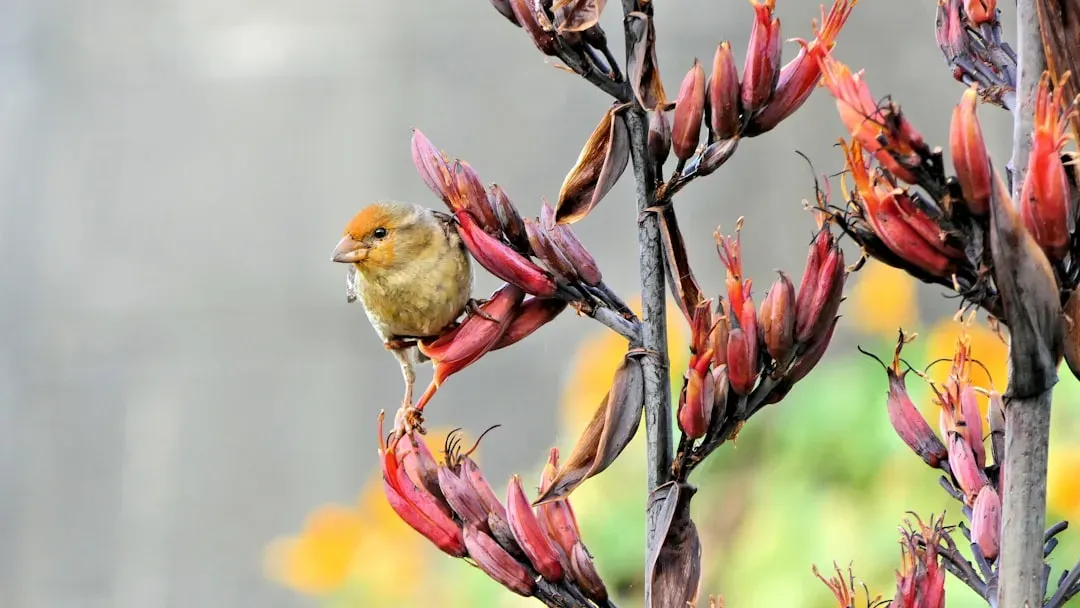
If there is one single change that will do more for your backyard birds than anything else, it is planting native species. Honestly, I cannot stress this enough. Native plants offer a wild-foods bonanza for birds that helps draw more species into a yard. Think of them less like decoration and more like a fully stocked grocery store that birds instinctively know how to shop.
A healthy mix of native vegetation will draw a variety of species to your yard, and native trees and shrubs that produce berries – like dogwoods, serviceberries, cherries, and blueberry – provide fruit in summer and fall, and are much more nutritious than fruits of non-native plants. That nutritional difference is real and significant, especially for birds fueling up during migration.
Native plants are particularly important for local birds since they provide seeds, nectar, and fruits as direct food sources and also attract insects and arachnids that are vital part of avian diets. Non-native plants don’t usually attract the same numbers of insects upon which native birds depend. It’s not just about pretty berries – it’s the whole insect ecosystem those plants support underneath the surface.
Choose various shrubs, flowers, grasses, or ground covers depending on your vision, and consider selecting a variety of food sources. Some wildflowers provide nectar, fruit, or seeds, while others are host plants for various insects. For a full growing season of changing colors and bird provisions, choose blooms with staggered timing across spring, summer, and fall.
Set Up a Fresh, Moving Water Source
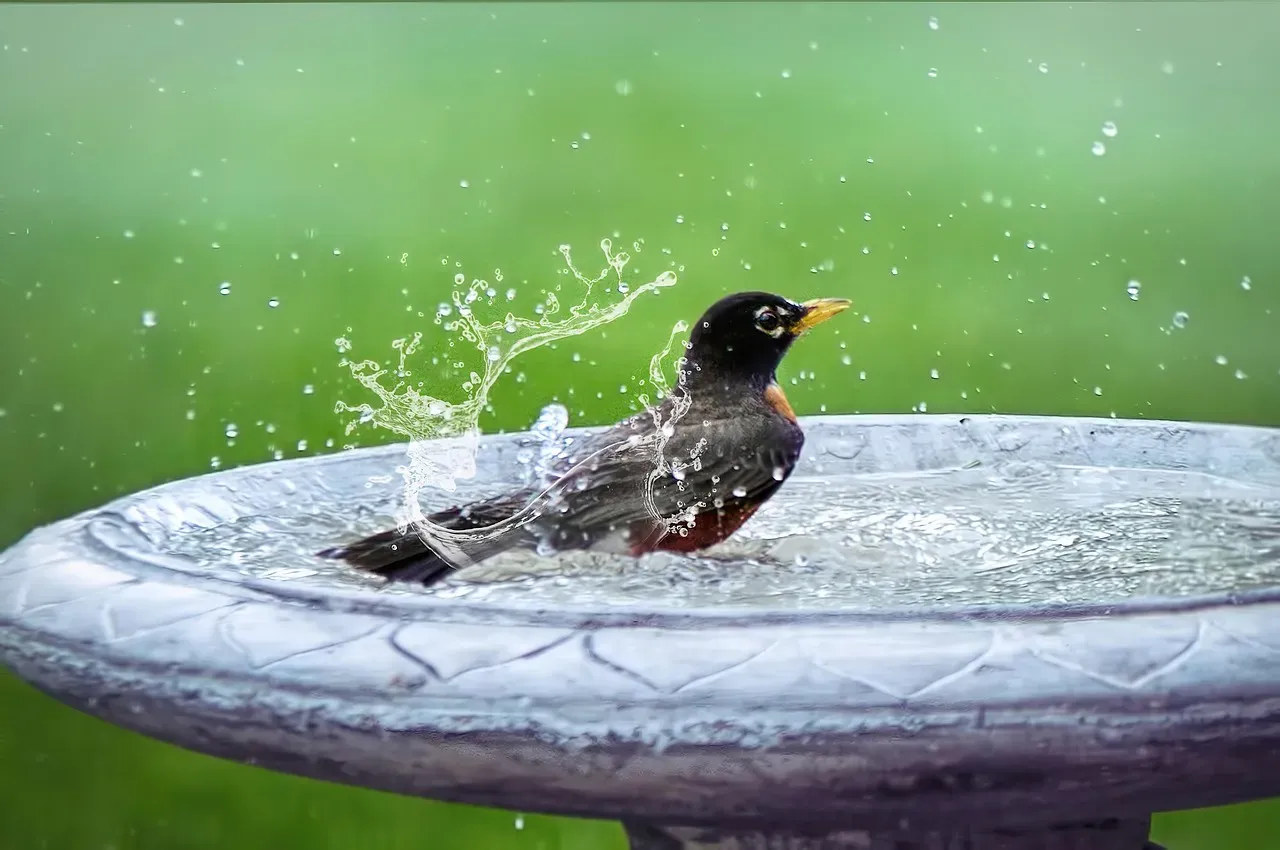
Water might actually be even more irresistible to birds than food. I know it sounds crazy, but a simple birdbath with a drip feature can genuinely outperform the fanciest seed setup in the neighborhood. Moving water attracts birds more effectively than still water. The sound and movement of dripping or misting water signal to birds from greater distances.
Ideally, the water level in artificial birdbaths should be no more than two inches deep. A gradual decrease in depth towards the edges allows birds of all sizes to drink and bathe in the depth they prefer. A water drip or wiggler may be added to create the sight and sound of moving water, while deterring mosquitoes. That mosquito deterrent is a bonus you probably weren’t expecting.
Bird baths should have a clear area of ten feet in diameter around the bath to prevent predators from sneaking up on birds drinking from the water. Think of it like giving your bird visitors a safe little dining room with windows on all sides. Clean feeders every two weeks with hot water and a brush, and water features require daily water changes and weekly cleaning with a stiff brush to prevent algae growth and disease.
Create Layered Shelter With Trees and Shrubs
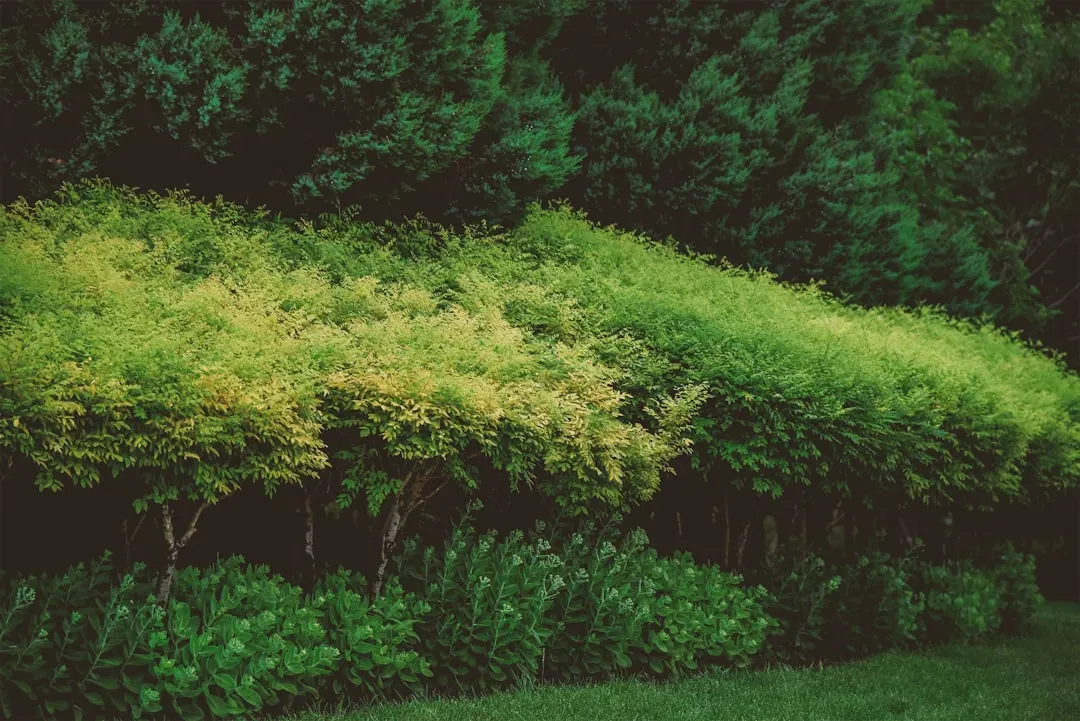
Shelter is as critically important as food and water. Birds need a safe place to rest, preen their feathers, and escape when predators are present. Each night, birds settle into dense shrubs or coniferous trees to sleep. That nightly routine means your yard’s structure matters around the clock, not just when the sun is up.
Think about a diversity of structure in your backyard. Plan for a number of canopy layers from trees and snags, to dense clusters of shrubs, long grasses, and flowers, depending on what your space allows. Picture it like a tiny apartment building – different birds want to live on different floors.
Tall shrubs about ten to fifteen feet high invite birds like robins and cardinals to build nests in the safety of the dense foliage. Your new bird neighbors will be in a more secure space and farther away from predators. That vertical layering is what separates a yard birds glance at and a yard birds actually choose to call home.
Offer the Right Foods in the Right Feeders
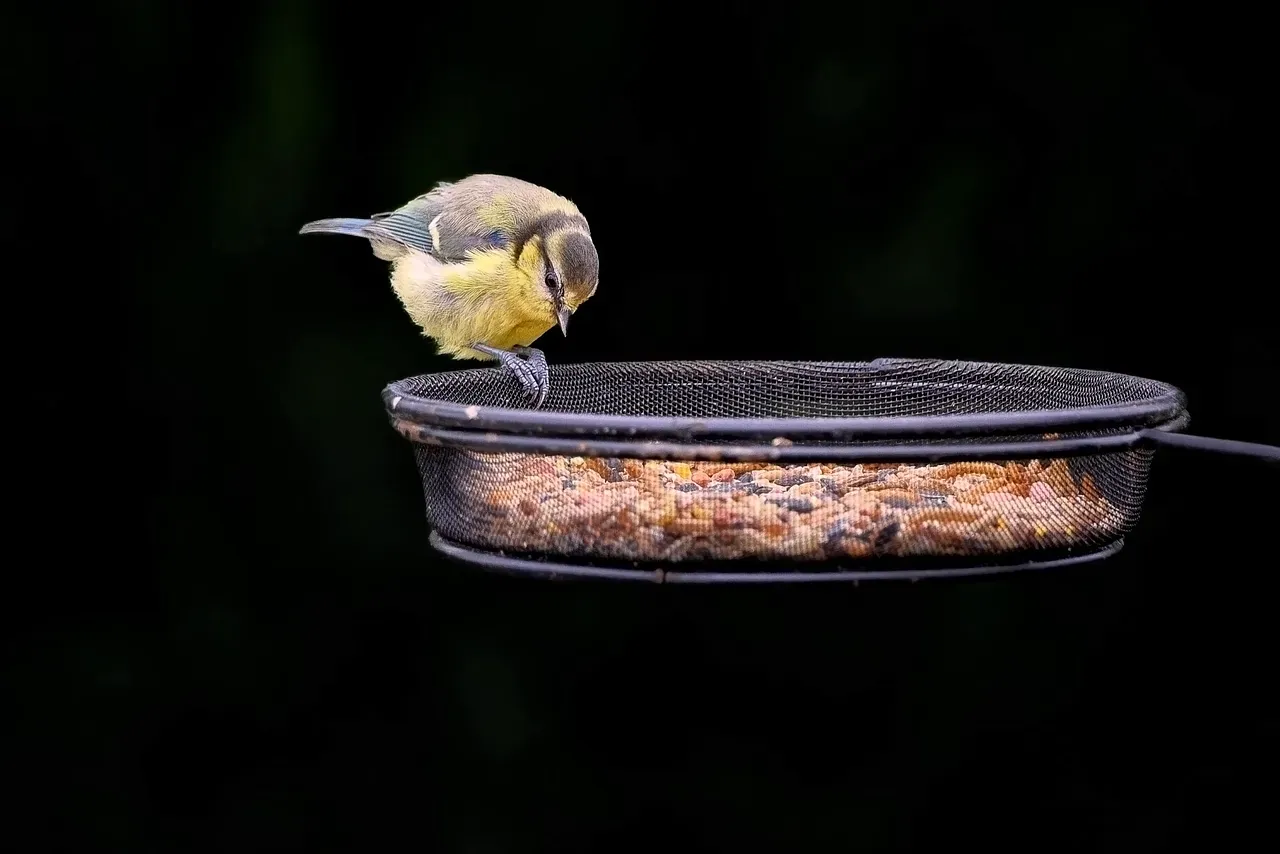
Here’s something most beginners overlook: not all birds eat the same things, and not all feeders serve all species equally. Choose feeders that are appropriate for the types of birds in your area. Tube feeders, platform feeders, and suet cages cater to different bird feeding behaviors and preferences. Mixing it up is genuinely the key.
Providing multiple bird feeder styles and foods attracts more birds to your backyard. Simultaneously offering sunflower, thistle, peanuts, fruit, jelly, suet, and mealworms will attract the greatest variety of bird species to your yard. It’s a little like running a restaurant with a really varied menu – more options means more regulars.
Concentrate feeding efforts during late winter and early spring, when natural food sources are at their scarcest and birds are working hardest. Strategic feeder placement ten to twelve feet from cover balances predator avoidance with bird safety, while black oil sunflower seeds attract the widest variety of species due to their high fat and protein content. Placement is everything – a feeder stuck out in the open with no shelter nearby will be ignored by the very birds you most want to attract.
Put Up Nest Boxes to Invite Breeding Pairs
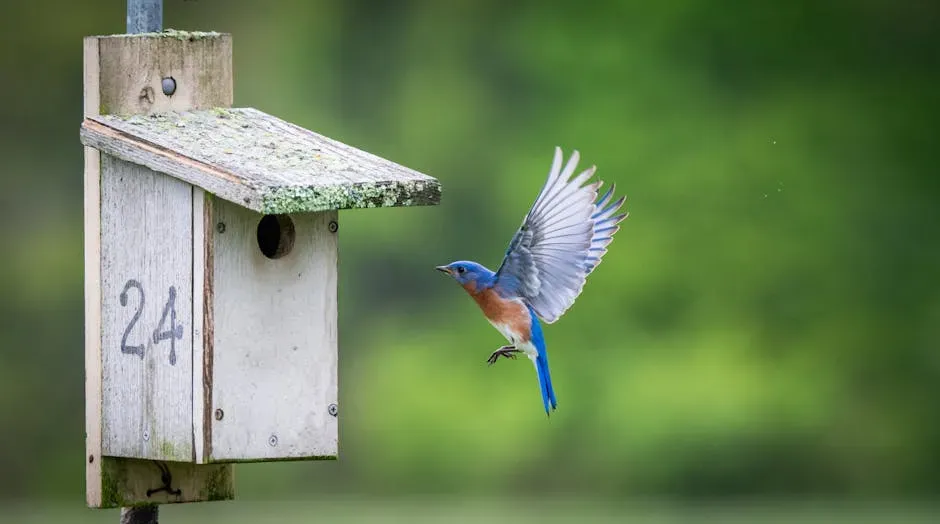
Want to go from occasional visitor to full-time resident? Nest boxes are your secret weapon. Nest boxes are a great addition to the garden, especially where there are no big old trees, since cavity-nesting species like Eastern Bluebirds or Tree Swallows won’t build a nest on a shelf or in a brushy thicket. These birds are literally waiting for you to give them a home.
If you have never put up a nest box but have the space to do so, consider who you’d like to host and look into placement beforehand. We might think of wrens and swallows arriving in April, but outside of songbirds, nestbox residents such as owls, kestrels, and ducks can begin breeding as early as February. Spring, in other words, is already late for some species – so getting boxes up early matters more than most people realize.
Choosing the correct materials, color, measurements, placement, and number of nest boxes is highly specific, so study up on websites like Cornell Lab’s NestWatch before the breeding season. A little homework here pays off enormously. Consider adding wood or wicker bird houses for nesting in the summer and roosting during cold winter nights.
Ditch the Pesticides and Embrace a Little Wildness
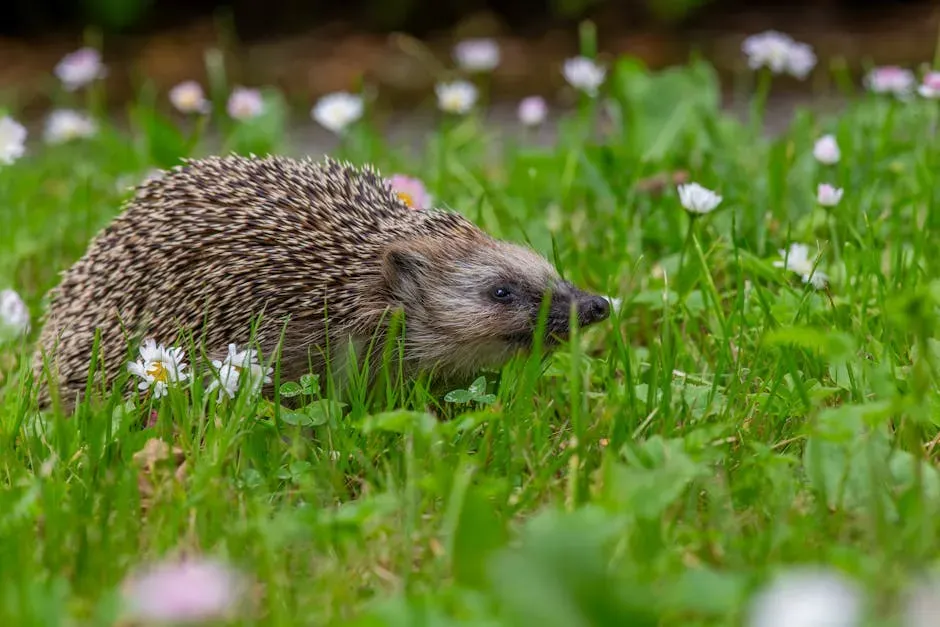
Let’s be real – the perfectly manicured, chemically treated lawn is the enemy of birds. Minimize the use of chemicals in the yard. The more insects around the yard, the more birds will visit. It sounds counterintuitive only until you realize that insects are essentially the fast food of the bird world – endlessly in demand, especially during nesting season.
Birds like the common chickadee require native trees and plants close to their nest in order to find enough insects to feed their nestlings. This is why a chemically suppressed yard is actually a food desert for birds raising young. Fallen leaves and woody debris are an important habitat layer and serve as a natural mulch. They will reduce unwanted weed growth, keep your plants’ roots cool and moist, and provide habitat for insects and the pupae of moth caterpillars, a favorite of baby birds.
Leave small piles of branches and leaves around your yard. These will attract ground-dwelling invertebrates, perfect for birds like American Robins and Northern Flickers. The brush piles also provide shelter for bird species like the Carolina Wren. A little planned messiness goes a very long way.
Make Your Yard Safe From Common Threats
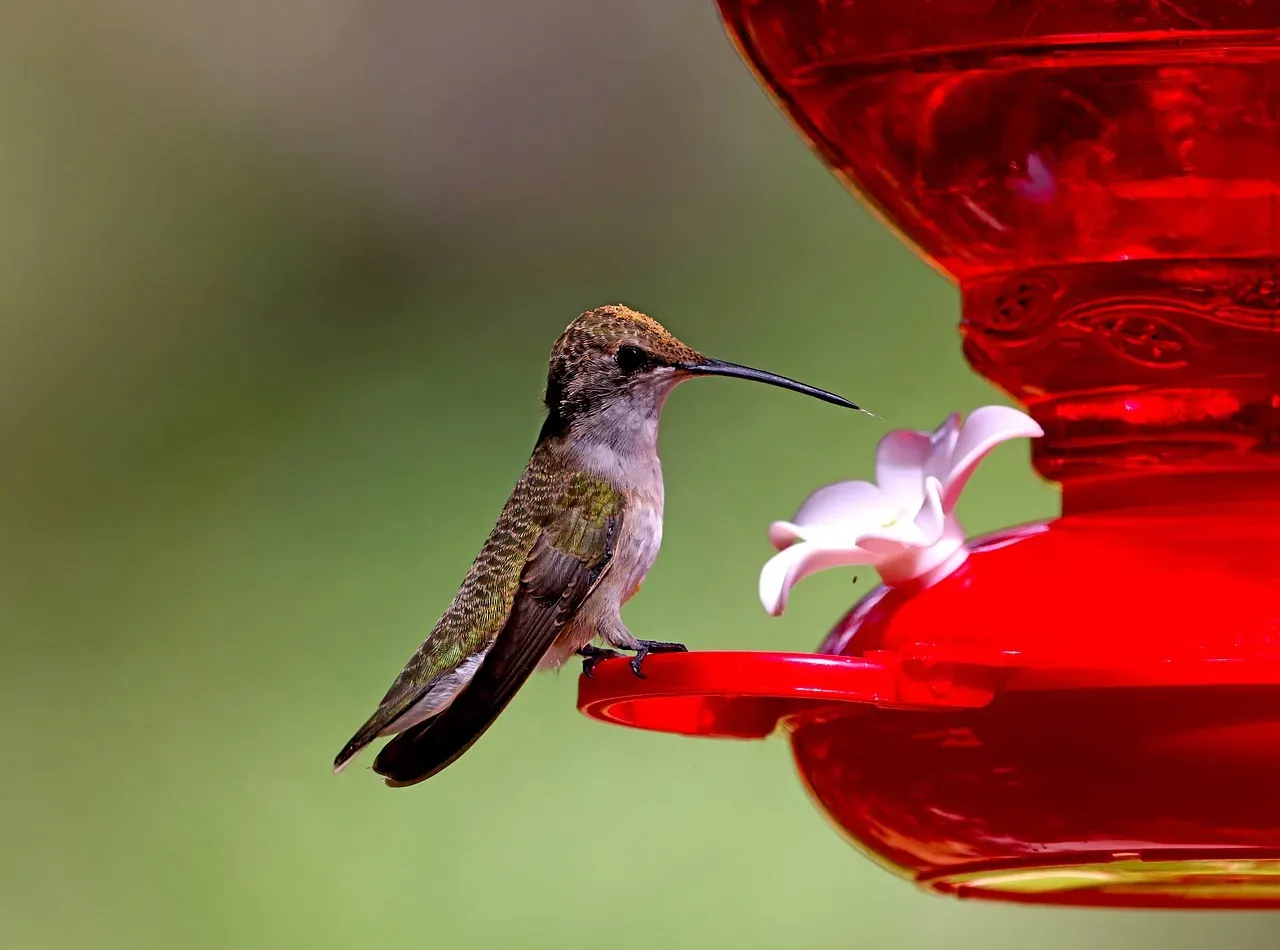
According to recent studies, nearly half of the world’s bird species are in decline. One in eight faces the threat of extinction. That is a sobering reality, and it means that what happens in your backyard genuinely matters at a larger scale.
Cats are a leading cause of bird deaths in urban areas. If you have a cat, consider making it an indoor pet. This one change alone can protect dozens of birds per year per household – it’s probably the most impactful single safety measure a homeowner can take. Bird feeders may increase mortality from window strikes and predation by pet cats, some of the largest sources of wild bird mortality in North America.
To avoid window collisions, place feeders either within three feet of windows or more than thirty feet away. The science behind this is simple: birds hitting glass at full speed rarely survive, but birds too close to start don’t get up enough velocity to cause real harm. Turning yards, gardens, and parks into bird-friendly landscapes adds important habitat to these areas and could help save backyard birds like house wrens, whose numbers are declining. Your yard is a small piece of a much larger conservation picture.
Conclusion: Your Backyard Can Be Part of Something Bigger
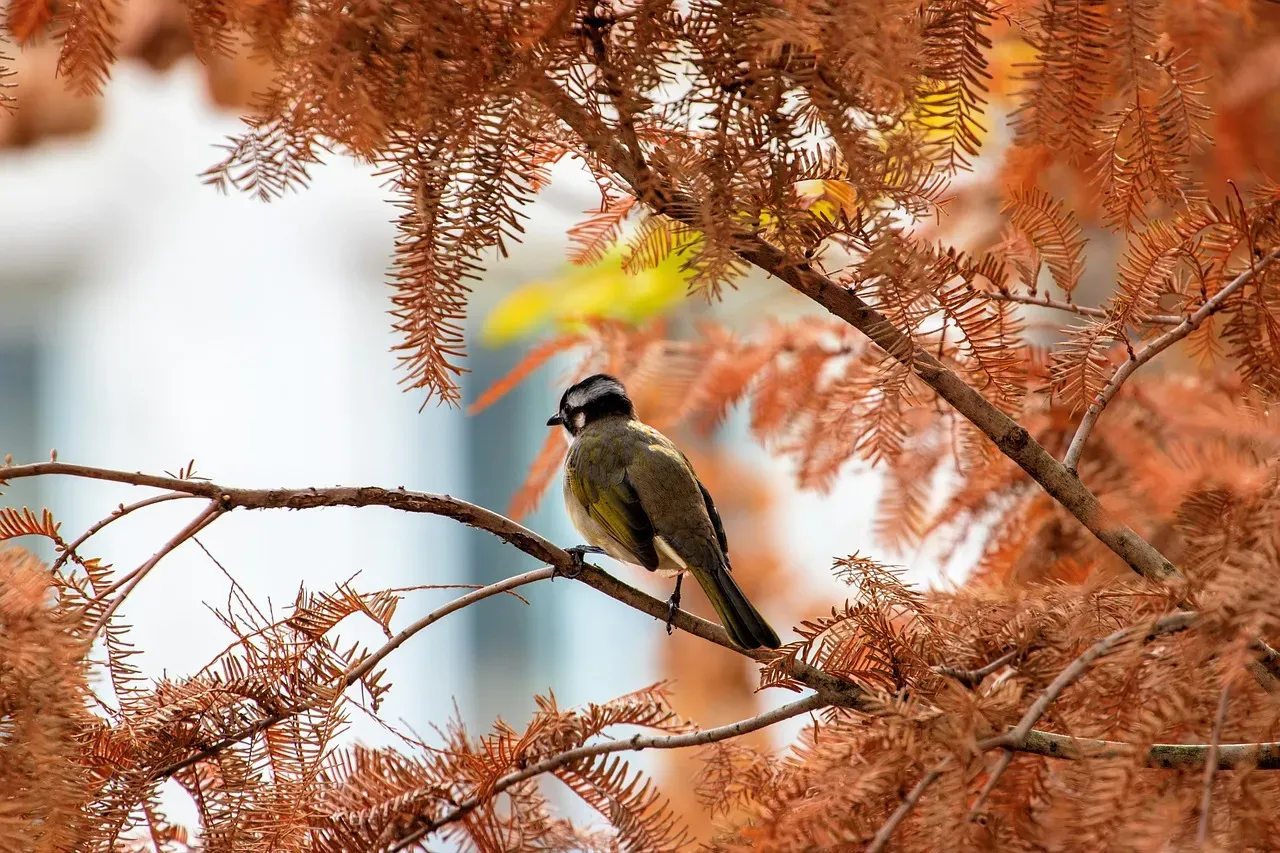
Creating a bird-friendly backyard is not just a weekend project. It is an ongoing, evolving relationship between you and the natural world outside your door. The best part? You don’t have to do everything at once. Start with a birdbath, add a native shrub, put up one nest box. Every single step you take makes a genuine difference.
Create an all-inclusive bird sanctuary in your backyard with plants that provide what birds need most for food, shelter, and nesting. Think of your yard as a tiny nature reserve. Because honestly, that is exactly what it can become – a reliable stop on a migration route, a breeding ground for local species, a living, breathing habitat that supports biodiversity right outside your kitchen window.
The birds are out there, looking for exactly what you can offer them. Spring is calling. What will your backyard say back?

- 8 Ways Bobcats Move Through Suburbs Without Being Seen - August 9, 2026
- 7 Reasons Black Bears Return to the Same Food Source - August 9, 2026
- Animal Cognition Says Horses Remember People Who Treated Them Well and Those Who Did Not - August 9, 2026