

You stir awake at 3 a.m. to the quiet rustle of movement somewhere in the dark. Your cat is up again, and instead of settling back into sleep you wonder what draws them out at these odd hours. These small rituals often trace back to instincts that keep a watchful eye on the home and the people inside it.
They Conduct Silent Perimeter Checks
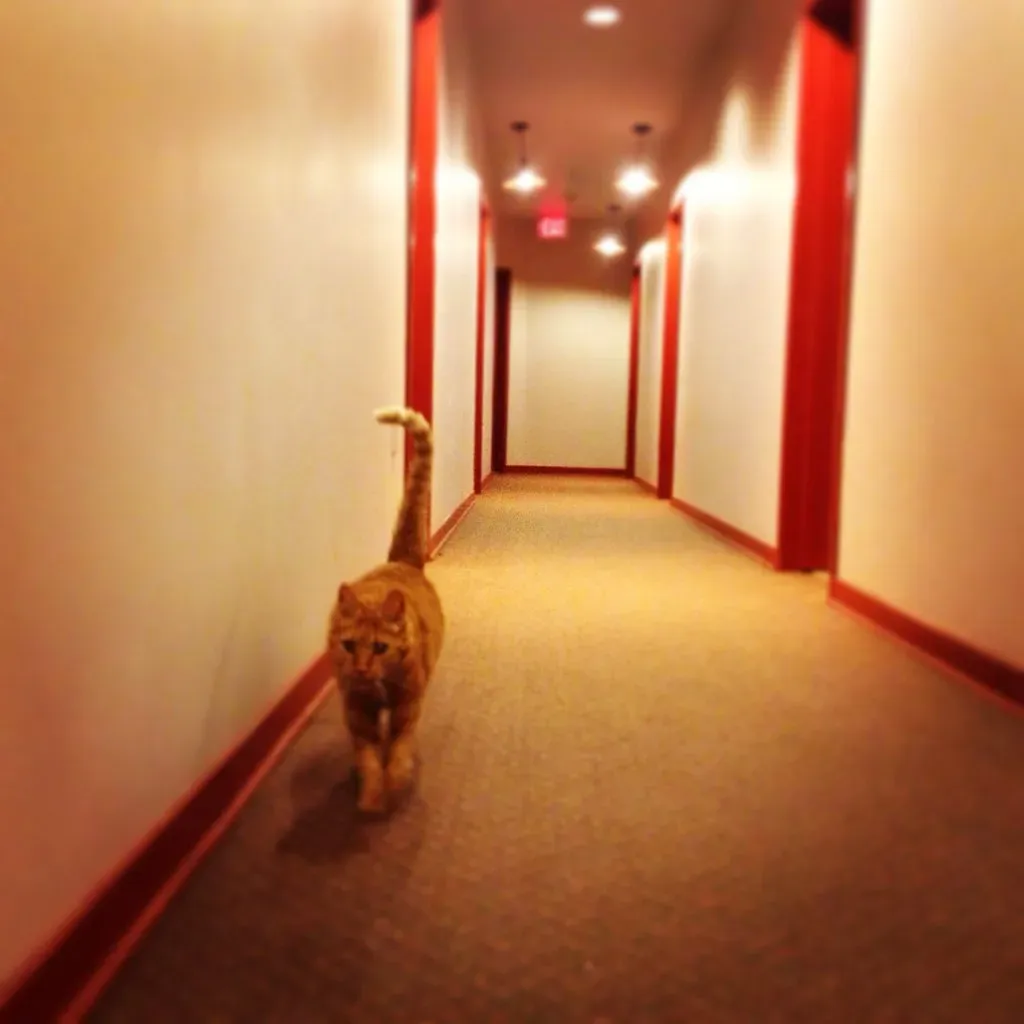
Cats often rise in the quiet hours to walk the edges of rooms and hallways. This steady movement lets them listen for anything out of place while the household rests. Their sensitive ears pick up faint sounds that humans miss entirely.
Owners frequently notice the same route repeated night after night. The pattern suggests a routine scan rather than random wandering. Over time the habit becomes part of how the cat maintains a sense of order in its territory.
They Position Themselves Near Entry Points

Many cats choose spots close to doors or windows once everyone else has gone to bed. From there they can monitor the most likely places an unfamiliar presence might appear. The choice of location is rarely accidental.
This placement keeps them ready to react quickly if something shifts outside. Their body language stays relaxed yet alert during these vigils. It creates a quiet layer of presence that feels reassuring to those who notice it.
They Stare Intently at Shadows or Windows

A cat may fix its gaze on a particular corner or pane of glass for several minutes at a stretch. The focus stays steady even when nothing obvious moves. Such prolonged attention often follows a subtle noise or change in light.
These moments reflect their sharp vision and natural curiosity about the world beyond the walls. What looks like idle staring can actually mark a careful assessment of potential activity. The behavior repeats because the cat treats the space as worth protecting.
They Deliver Sudden Bursts of Activity

Without warning a cat may dart across the floor or leap onto furniture in the middle of the night. The burst usually ends as quickly as it begins. Observers sometimes link these episodes to the cat chasing or confronting something unseen.
The energy comes from an internal drive to investigate and clear the area. After the flurry the cat often returns to a calmer state near its person. The cycle repeats because the instinct to stay ahead of surprises remains strong.
They Vocalize at Unseen Triggers

Soft chirps or low meows sometimes break the silence when nothing appears to prompt them. The sounds tend to occur near the same spots each night. They serve as a form of communication that owners gradually learn to recognize.
These vocal moments can signal the cat registering a change in the environment. The tone stays measured rather than distressed in most cases. Over repeated nights the pattern becomes another way the animal stays connected to its surroundings.
They Choose Protective Sleeping Spots
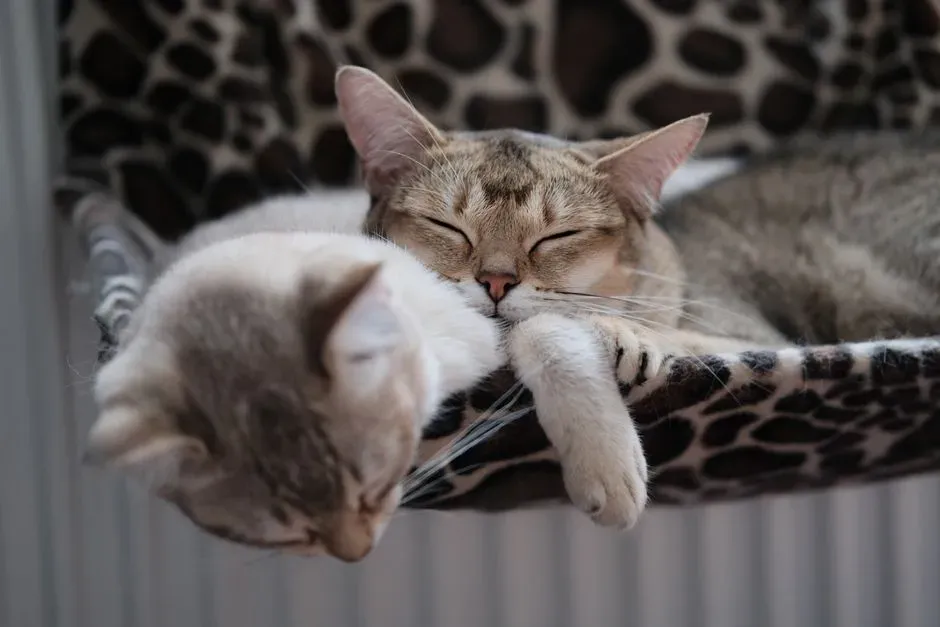
Instead of curling up anywhere a cat may settle at the foot of the bed or across a doorway. The position blocks easy access while keeping the sleeper within reach. This choice happens consistently once the lights go out.
The arrangement allows the cat to wake first if movement occurs nearby. It also places the animal between the person and the rest of the house. Many households see this habit strengthen as the bond between cat and owner deepens.
They Bring Small Items Back to the Bed

A toy or even a captured insect sometimes appears beside the sleeping person during the night. The cat places the object deliberately rather than leaving it elsewhere. The action repeats on nights when the cat has been especially active.
Such offerings reflect an instinct to share resources or mark the shared space. The behavior ties into broader territorial habits that extend to the people the cat lives with. Over time the ritual becomes familiar and oddly comforting.
They Follow Quiet Movements Around the House

When a person gets up for water or a quick check the cat often trails behind at a short distance. The pace stays measured and the animal remains close without crowding. This shadowing continues until the person returns to bed.
The following serves as a way to keep track of activity while the rest of the home stays still. It also lets the cat confirm that everything remains as expected. The habit shows up most clearly on nights when external sounds have already stirred the cat earlier.
They Maintain Alert Ear and Tail Positions

Even while resting a cat may keep its ears angled toward the room or its tail tip twitching at intervals. These small signals stay consistent through the dark hours. They indicate ongoing awareness rather than full relaxation.
The posture allows quick response if something requires attention. Owners who watch closely learn to read these cues as part of the cat’s nighttime rhythm. The steady vigilance fits naturally into how cats balance rest with responsibility for their space.
These nighttime habits remind us that cats bring their own quiet form of care to the homes they share. The behaviors grow from deep instincts yet end up feeling personal and protective. Paying attention to them can deepen the quiet understanding between a person and their cat. In the end the middle of the night becomes less about disruption and more about the steady presence that watches over the household while everyone else sleeps.

- What Large Dog Breed Are You According to Your Zodiac Sign - August 8, 2026
- 8 Plants That Help Keep Mosquitoes Away From Texas Patios - August 8, 2026
- 10 Facts About the Grand Canyon Hidden in Its Rock Layers - August 8, 2026