
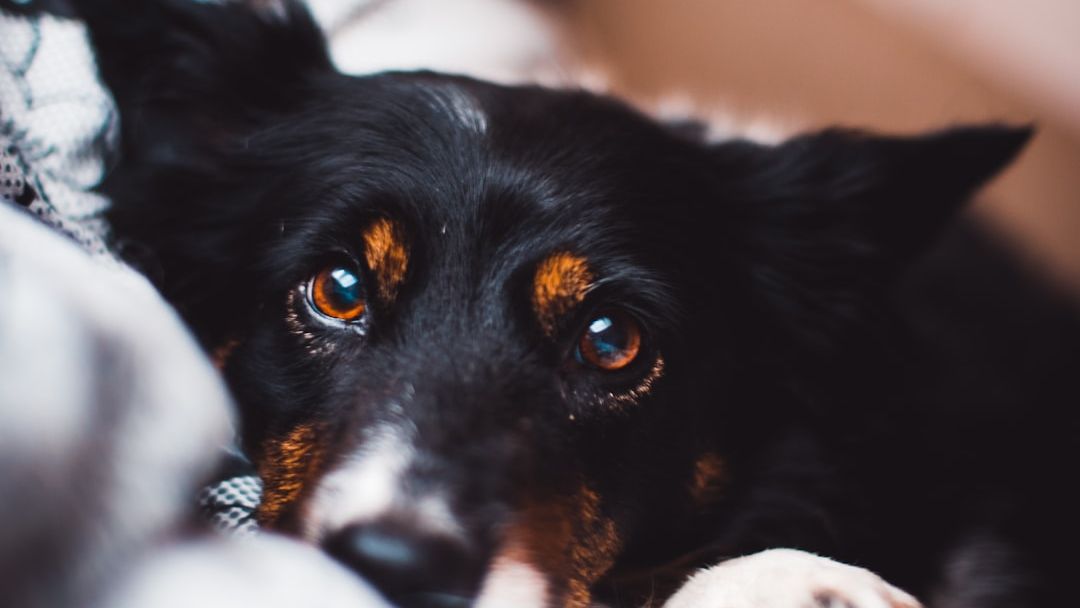
Your dog is talking to you right now. Seriously. Every single moment you spend together, they are sending out a stream of messages – through their posture, their eyes, their tail, even the way they hold their mouth. The wild part? Most of us are barely listening.
Because dogs don’t speak human language, the only way to truly comprehend and communicate with them is for us to learn what they’re telling us through their body and vocal language. Dogs communicate using a complex language of body signals that reflect what they’re thinking and feeling. Honestly, once you start learning this silent language, you’ll never look at your dog the same way again. Let’s dive in.
The Tail: Nature’s Most Misread Signal
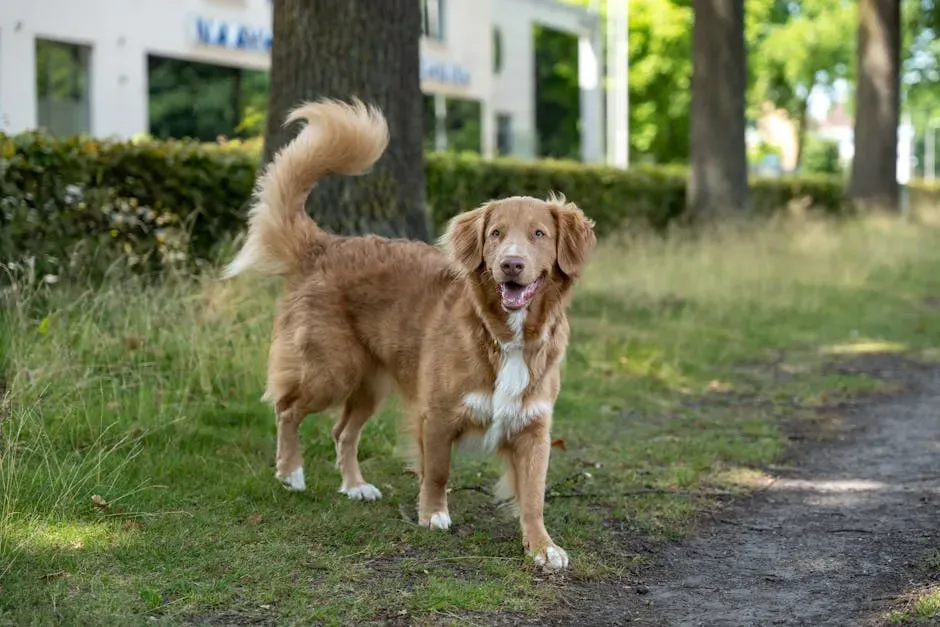
Most people assume a wagging tail equals a happy dog. It seems obvious, right? Well, here’s the thing – that assumption has actually gotten a lot of well-meaning dog lovers into trouble.
Misinterpreting a wagging tail has gotten countless well-intentioned dog-lovers bitten, sometimes quite badly. A wagging tail does not necessarily mean a happy dog. Think of it less like a green light and more like a mood ring. It tells you something is happening emotionally, but you need the full picture.
A high, stiff wag can mean “I am agitated or aroused.” If the dog’s body is stiff with their body positioned forward, and their ears are up or forward, proceed with caution. On the other end of the spectrum, a loose wag – not really high or really low – can mean “I am comfortable and friendly.”
Studies show that dogs wag their tails to the right when they are happy or confident, and to the left when they are frightened. That’s a surprisingly subtle detail, but once you start watching for it, it becomes almost impossible to unsee. It’s like your dog has an emotional compass built right into their backside.
Ear Position: The Emotional Antenna
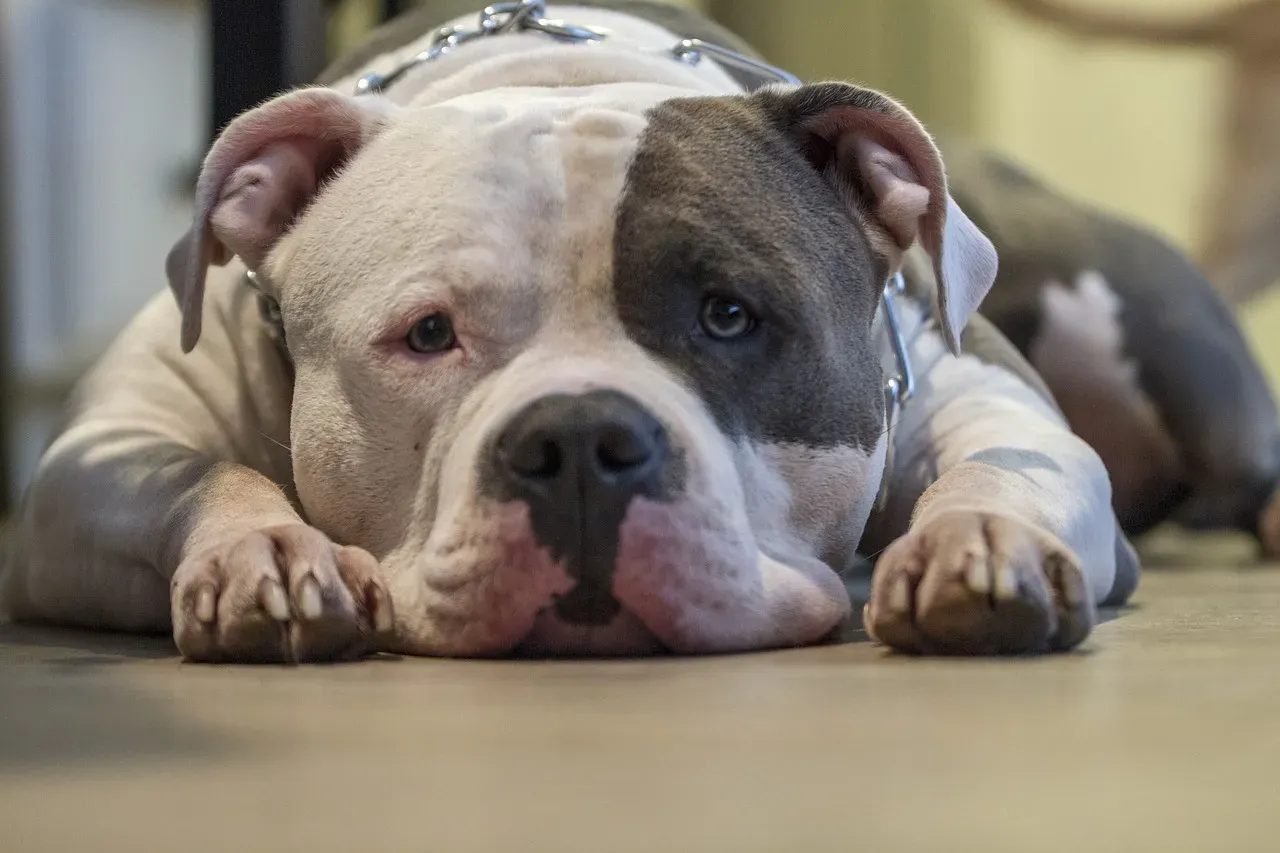
If a dog’s tail is the mood ring, their ears are the emotional antenna – always scanning, always responding, always telling you something important. Something as simple as the position of your dog’s ears or head can tell you if your pup is feeling excited, scared, or stressed.
When a dog’s ears are forward, the dog is alert and interested in something. You’ll often see this when your dog hears an unfamiliar sound or spots something in the distance. It’s a moment of pure focus – almost like a satellite dish locking onto a signal.
Ears that are flat against the head could be a sign of anxiety or a fearful dog. If their ears are tightly pinned back, giving them some space might be a good idea as it could indicate discomfort or even potential aggression.
It can be trickier to interpret the signals in certain breeds, like those with floppy ears. Still, with a bit of practice, you should be able to read their ear language in no time. It just takes a bit of patience and a willingness to really observe your specific dog.
Eye Contact and Facial Expressions: Look Into Their Eyes

I think the eyes are one of the most emotionally powerful and overlooked parts of dog communication. There is so much going on in a dog’s gaze that people routinely miss entirely.
A dog might turn their head away from a stressor but angle their eyes toward it, causing the whites of their eyes to show – referred to as “whale eyes.” If you see this, take note. It’s a strong signal that your dog is uncomfortable and feeling a level of threat.
A happy dog often has a relaxed face with soft eyes, while a dog that is feeling tense or anxious might furrow their brow and have hard, staring eyes. Think of it as the difference between a warm, relaxed look from a friend versus the stiff, locked gaze of someone who’s about to pick a fight.
A direct stare during play has a different meaning than a direct stare during a resource guarding situation. Context is everything here. You can’t read the eyes in isolation – they always need to be weighed alongside the rest of the body’s signals.
Body Posture and Overall Stance: The Whole Story
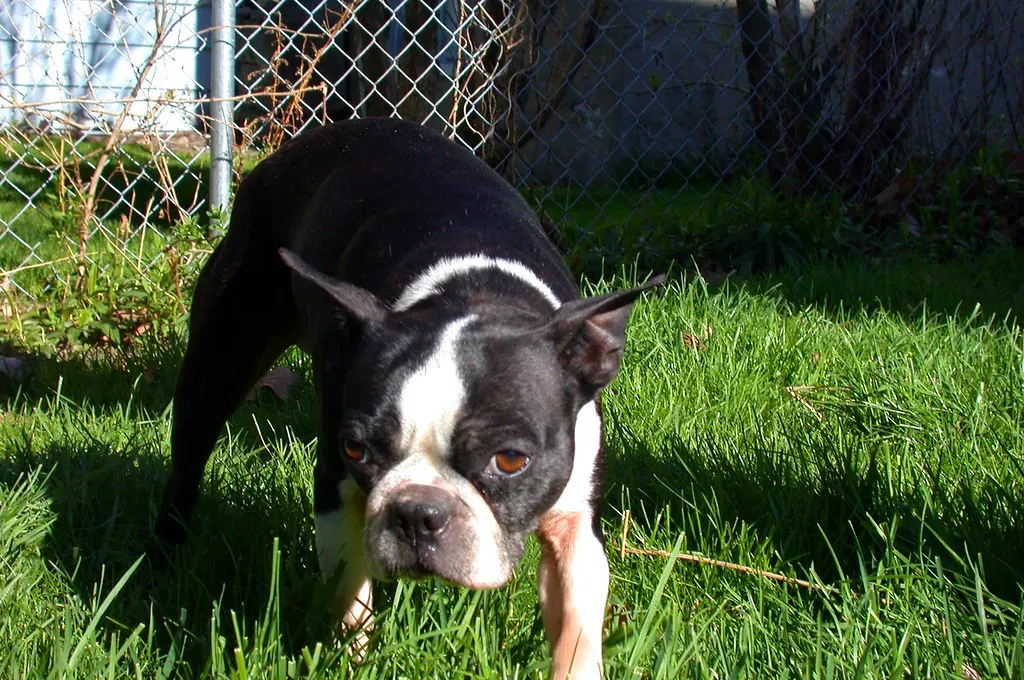
Here’s where things get really interesting. Dogs don’t just communicate with one body part – they use their entire body as a communication system. A wagging tail combined with stiff body posture sends a completely different message than the same tail wag with loose, bouncy movement.
A relaxed, happy dog is unmistakable when you know what to look for. The body is fluid and relaxed, the mouth is slightly open with the tongue hanging to the side and all the signals a dog gives off communicate joy, confidence, and a desire to invite play and attention. It’s a full-body expression of ease.
A fearful dog will have stiff body language and might hunch over so their back is curved and their head is close to the ground. Contrast that with an alert dog whose posture leans slightly forward, muscles tensed and engaged, ready to respond to whatever caught their attention.
If each body movement – a wagging tail or a raised hackle – is a word, it’s the combination of behaviors that complete the sentence. Only by looking at all the signals a dog is giving can you tell the difference between aggressive or insecure dog body language, stressed or submissive dog body language, or even playful or dominant dog body language.
The Play Bow and Displacement Behaviors: The Subtle Ones
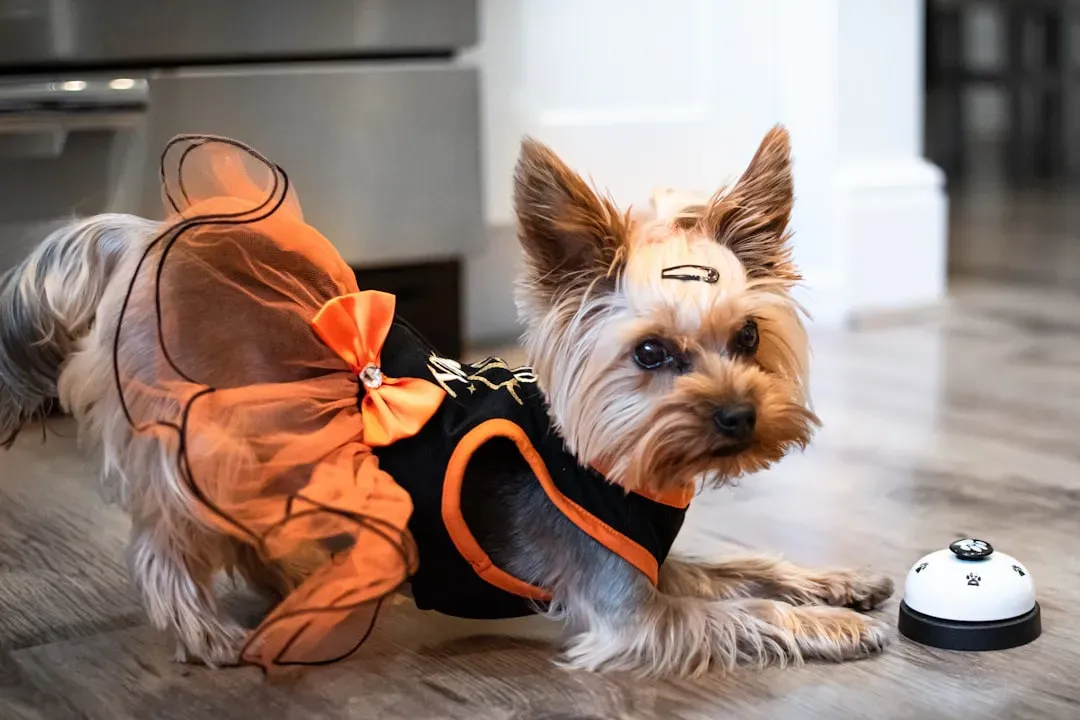
Some signals are genuinely delightful once you know them. The play bow is probably the clearest and most joyful communication a dog can offer. An easy-to-read aspect of dog body language is the play bow. This is when dogs place their chest on the ground with their rump in the air. As the name implies, it’s used to initiate play with other dogs and even with people.
Think of it like a dog saying “Let’s be real, I just want to have fun and I promise I mean no harm.” It’s an open invitation, pure and simple.
On the other side of the coin sit displacement behaviors, which are much sneakier. When a dog is stressed, they might show displacement behaviors, also known as calming signals. These can be a variety of activities that might seem inappropriate in the situation.
A distressed dog might perform exaggerated yawns, sneeze, or lick their lips frequently. They might also shake their bodies as if their coat is wet, focus on self-grooming, or scratch themselves excessively. If you’ve ever seen your dog suddenly start sniffing the ground or licking their paw during something tense, that wasn’t random. That was them trying to self-regulate.
Stress and Fear Signals: When Your Dog Is Asking for Help
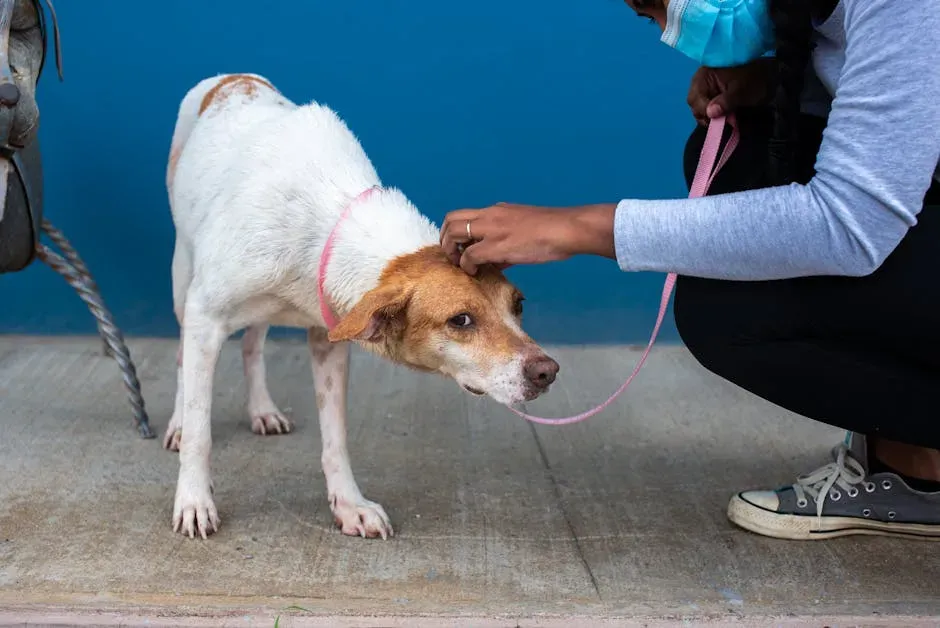
This is arguably the most important section of this entire article – and the one most owners struggle with. Fear and anxiety signals in dogs can be incredibly subtle, especially in the early stages, and missing them can lead to bigger problems down the line.
When a dog is frightened, he most likely will react to the fearful stimulus with his whole body. The body language may show up as a combination of several signals and/or may appear as a progression through these signals as the dog’s response intensifies.
A fearful dog may cower or lower its body, lower or tuck its tail, or put their ears back. They may also tremble or shake, look away to avoid eye contact, or lean back to avoid the stimulus that is perceived as frightening. Each of these is a quiet request for help. Ignoring them doesn’t make the fear go away – it often makes things worse.
Stage one is called ‘appeasement and displacement behaviour’, which means your dog is trying to avoid conflict. The signals (sometimes called ‘whispers’) are subtle and often shown in response to a perceived threat. These early whispers are your chance to step in, remove the stressor, and let your dog breathe. Don’t wait for the shout.
Facial Cues: Yawning, Lip-Licking, and the “Guilty” Look
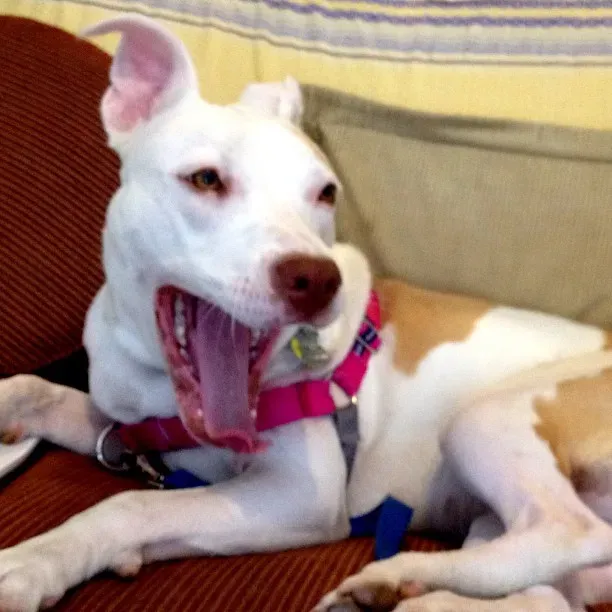
Dogs’ facial expressions are fascinating, mostly because they look so familiar – and yet they mean something completely different from what we’d expect. This is where so many owners get genuinely confused.
People yawn when they’re tired or bored, but dogs yawn when they’re stressed. So the next time your dog lets out a big yawn during a vet visit or when you’re raising your voice nearby, it’s not because they’re sleepy. It’s because they’re overwhelmed.
Lip-licking is another bit of dog body language that people often misinterpret. Just like people, dogs will lick their lips after a delicious meal, but they’ll also do it when they feel anxious. That quick little tongue flick you see when a child runs toward your dog? That’s anxiety, plain and simple.
Often, submissive or appeasement signals are misinterpreted by owners to be indicative of “guilt” following an undesirable behavior. In truth, dogs that display submissive postures towards their owners are likely responding to discernible human body language or past association with punishment. The infamous “guilty look” is not guilt at all – it’s your dog reading your energy and responding to it. I know it sounds crazy, but your dog isn’t confessing. They’re bracing.
Conclusion: Listening With Your Eyes
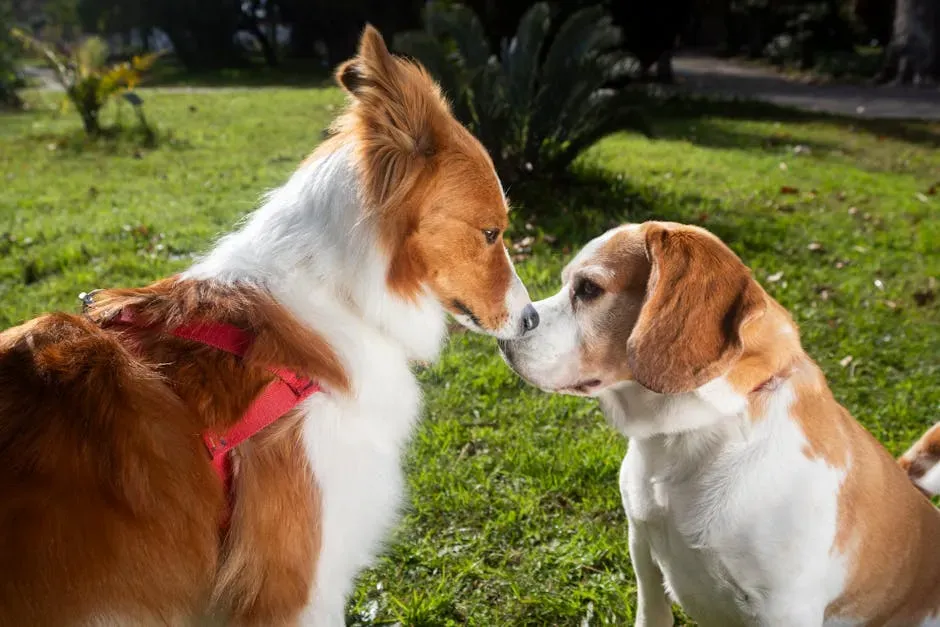
Learning to read your dog’s body language is one of the most genuinely rewarding things you can do as a pet owner. It’s like being handed a key to a whole hidden conversation that’s been happening around you for years.
Your dog is “talking” to you all the time. If you learn what your dog is saying, you will develop a deeper bond of trust and respect. Plus, your newfound understanding of your dog’s emotional state can help you predict their behavior and prevent problems before they arise.
Reading, understanding and responding to your dog’s body language is a key part of the companion-to-owner relationship. By understanding their cues and appropriately advocating for your dog, owners can continue to ensure their dogs remain happy, comfortable and safe.
The relationship between a human and a dog is extraordinary. They’ve been our companions for thousands of years, and yet so many of us are still only halfway paying attention to what they’re trying to say. Start watching. Really watching. You might be amazed at how much you’ve been missing.
What signal surprised you most? Drop your thoughts in the comments – we’d love to know what your dog has been telling you all along.

- 8 Ways Glaciers Carved New York's Finger Lakes - August 10, 2026
- 8 Ways Bobcats Move Through Suburbs Without Being Seen - August 9, 2026
- 7 Reasons Black Bears Return to the Same Food Source - August 9, 2026