

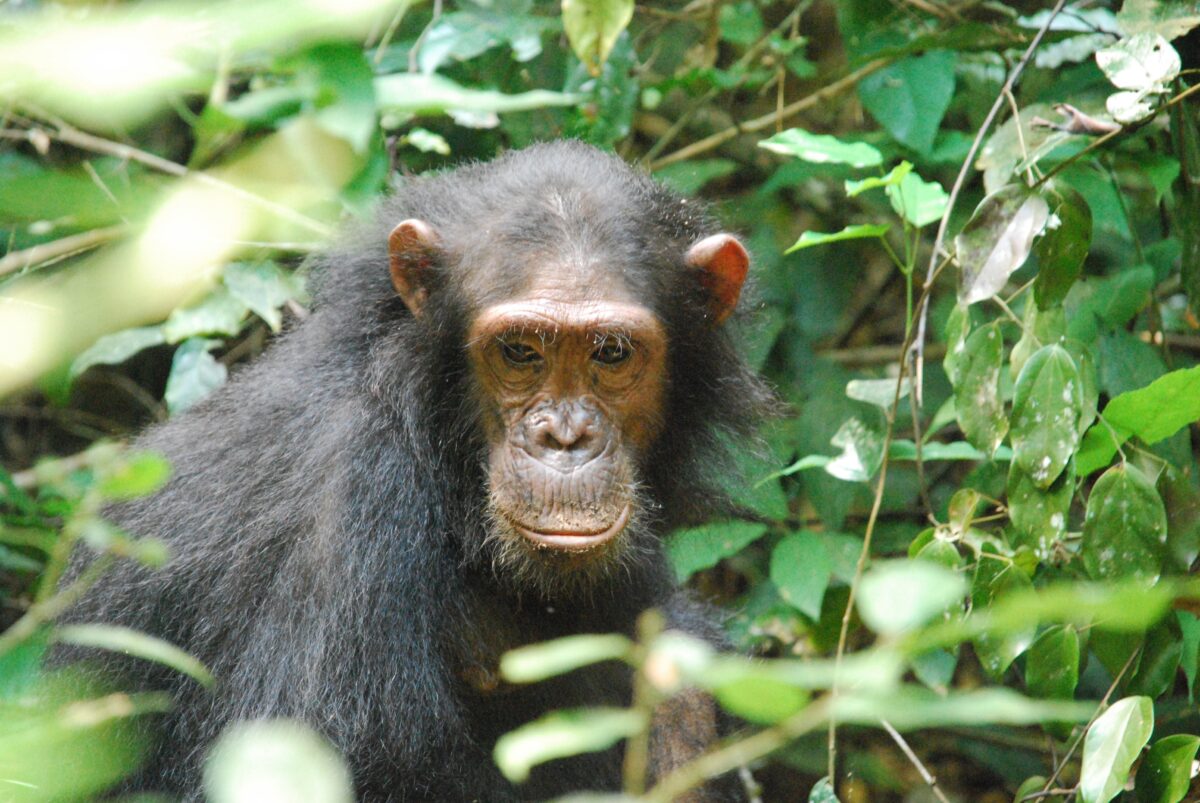
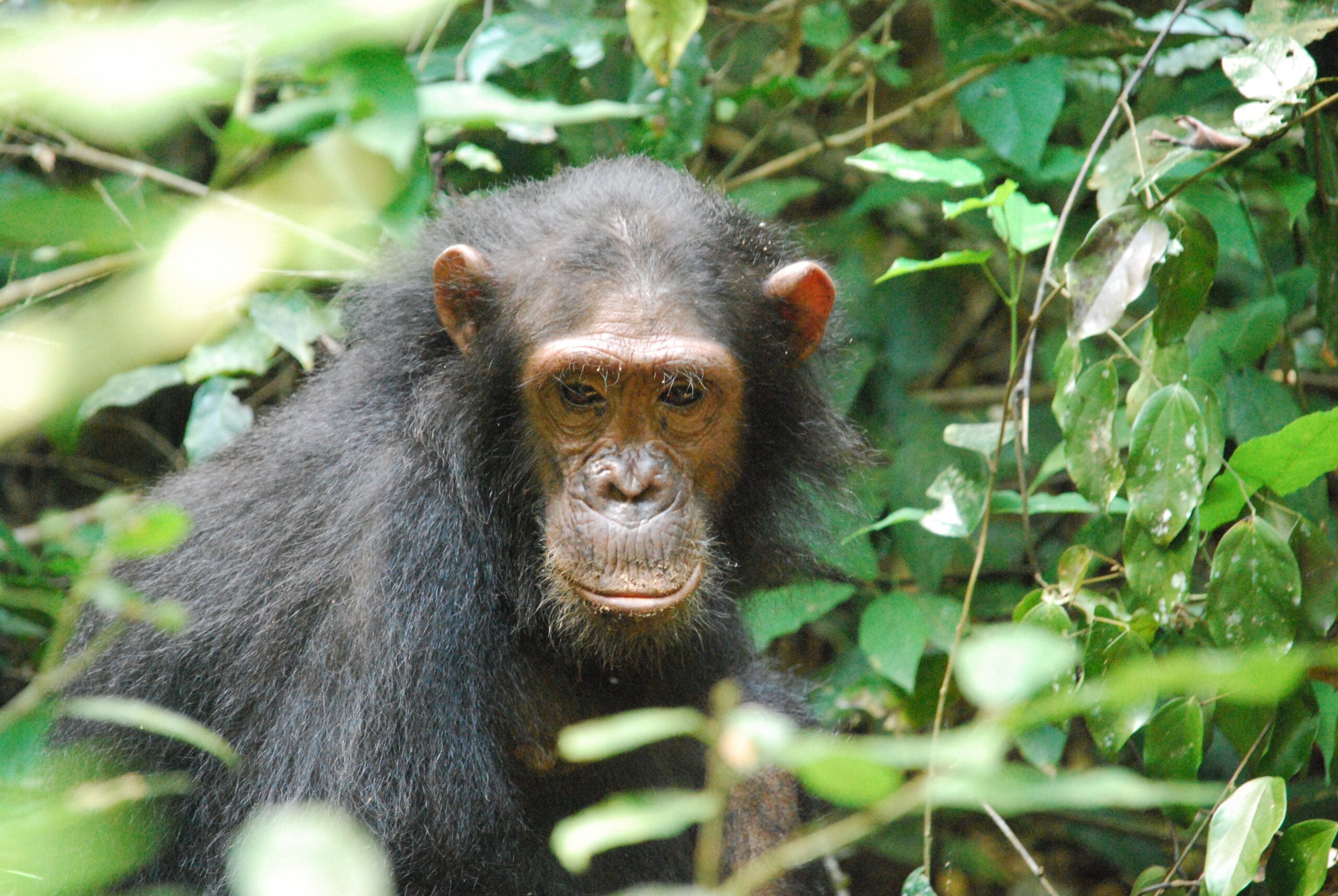
A Massive Community Tears Apart (Image Credits: Upload.wikimedia.org)
Kibale National Park, Uganda — Researchers monitoring one of the world’s largest wild chimpanzee communities witnessed a shocking fracture that ignited sustained violence among former companions. The Ngogo group, long studied for its complex social structure, split permanently in 2015, transforming peaceful neighborhoods into warring territories.[1][2] What began as increasing separation escalated into hostile encounters, including lethal coalitionary attacks, marking the first well-observed civil war within a chimpanzee community.
A Massive Community Tears Apart
The Ngogo chimpanzees stood out even before the split. Observers tracked this exceptionally large group since 1995 in Kibale National Park, noting how females and many males lived in distinct neighborhoods while cooperating to defend shared ranges.[1] Tensions built over years, with subgroups drifting further apart in ranging patterns and interactions.
By 2015, one neighborhood broke away completely. The resulting factions claimed separate territories and viewed each other as outsiders. This fission differed from typical inter-community raids, as the combatants shared recent bonds as allies and even kin.[1] Scientists documented the shift through behavioral changes, from reduced grooming to outright aggression.
Lethal Clashes Mark New Realities
Hostility erupted soon after the divide. Patrols revealed coalitionary attacks where groups ambushed lone individuals from the rival faction, leading to injuries and deaths. One study detailed lethal aggression tied directly to the fission, with attackers coordinating much like in territorial wars.[1]
These encounters echoed violence seen elsewhere but carried a tragic twist. Former friends who once foraged together now inflicted fatal wounds. The sustained nature of the conflict puzzled observers, as the groups maintained clear boundaries patrolled aggressively.
Unraveling the Social Fracture
Chimpanzee societies rely on tight-knit male coalitions and female networks. At Ngogo, the split disrupted these ties profoundly. Neighborhoods that cooperated against external threats turned inward, with shifting alliances fracturing old loyalties.
Researchers like David Watts and Aaron Sandel chronicled how proximity bred enmity. Daily ranging overlapped less, but chance meetings sparked fury. This internal war highlighted how fragile social bonds can ignite prolonged strife without external pressures like resource scarcity.[2]
- Males from one faction ambushed rivals during patrols.
- Females and offspring faced risks in border zones.
- Territories stabilized post-split, fueling ongoing patrols.
- No reunification attempts observed years later.
- Violence mirrored patterns in Gombe’s 1970s war but within one original community.
Why Did It Happen? The Lingering Puzzle
Experts remain stumped on the root cause. Unlike resource-driven raids, no clear trigger like food shortages or alpha male disputes emerged. The split stemmed from gradual social drift, yet the leap to deadliness defies easy explanation.[3]
Comparisons to Tanzania’s Gombe Chimpanzee War offer clues. There, a 1974 split led to four years of annihilation, reshaping views on primate violence.[4] Ngogo’s case, featured in documentaries like Netflix’s Chimp Empire, underscores similar dynamics but adds intra-group novelty. For more details, see the original reporting from Live Science.
| Aspect | Ngogo Split (Uganda) | Gombe War (Tanzania) |
|---|---|---|
| Year Started | 2015 | 1974 |
| Trigger | Social drift in neighborhoods | Community splintering |
| Outcome | Ongoing hostility, lethal attacks | One side eradicated |
| Observation | First well-observed civil war | Iconic internecine conflict |
Key Takeaways
- The Ngogo fission reveals how internal divisions can spark warlike violence in chimps.
- No obvious resource cause; social ties alone sufficed for fracture.
- Insights challenge assumptions about primate peace, mirroring human group dynamics.
This chimpanzee civil war challenges long-held notions of primate harmony, showing even tight communities can descend into brutality over subtle shifts. As monitoring continues, answers may emerge on preventing such divides. What lessons do these events hold for understanding conflict in our own species? Share your thoughts in the comments.

- Urban Coyotes Show Remarkable Adaptability, Learning to Thrive in City Environments - July 22, 2026
- Beavers Are Nature’s Engineers, Creating Vital Habitats for Other Wildlife Species - July 21, 2026
- The Recovery of the California Condor Offers Hope for Other Critically Endangered Birds - July 21, 2026