

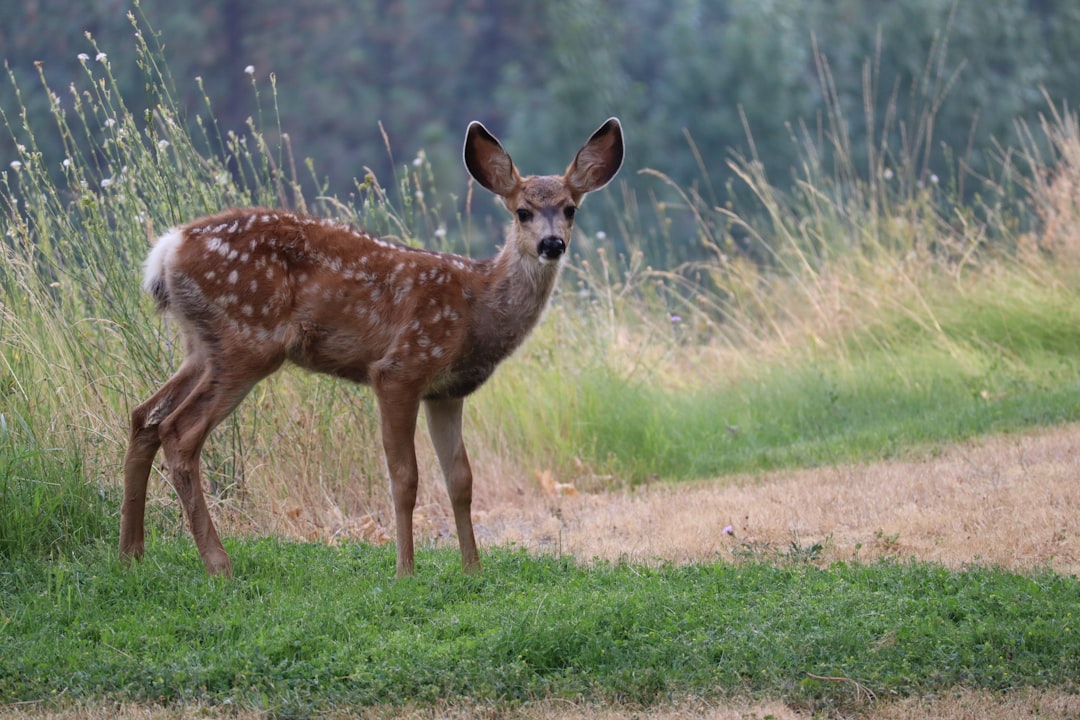
A Deadly Parasite Makes a Comeback (Image Credits: Unsplash)
Texas – Wildlife managers across the state are intensifying surveillance as the New World screwworm, a parasitic fly long eradicated from the U.S., advances northward from Mexico. This resurgence evokes grim memories of past outbreaks that ravaged livestock and wildlife. Officials emphasize early detection to shield vulnerable species like white-tailed deer from potentially catastrophic losses.[1][2]
A Deadly Parasite Makes a Comeback
The New World screwworm, or Cochliomyia hominivorax, lays eggs in open wounds or body openings of warm-blooded animals. Larvae hatch and burrow into living flesh, consuming tissue with sharp mouth hooks until the host succumbs to infection if untreated. Eradicated from the U.S. in the 1960s through sterile insect releases, the fly persisted in parts of South and Central America.[1]
Recent detections trace its path: first in Costa Rica in 2024, then Guatemala, Honduras, and now northern Mexico, placing it within striking distance of Texas. A single case surfaced in a Florida quarantine facility in early 2026, involving an imported horse, though no wild spread occurred. Federal and state agencies formed response teams last year to counter this migration.[3][4]
Lessons from the Florida Keys Outbreak
In 2016, screwworm larvae infested endangered Key deer across more than 20 islands in the Florida Keys. Responders documented 135 deaths, representing 9 to 20 percent of the population, with many animals euthanized to curb suffering and spread. Adult males suffered the highest mortality during rutting season.[2]
Swift action, including sterile fly deployments and treatments like doramectin, contained the epidemic by early 2017. The episode highlighted the parasite’s lethality to isolated wildlife groups. Texas experts now reference this event as a stark warning for broader deer herds.[1]
Why Deer Face Heightened Risk
White-tailed deer prove particularly susceptible due to common injuries. Fresh antler pedicles after shedding attract egg-laying females, as vital organs lie nearby. Fawns risk infestation at umbilical stumps, with historical fawn mortality reaching 40 to 80 percent or higher during outbreaks. Smaller wounds from fights, fences, ticks, or scrapes suffice for entry.[2]
“The raw pedicle left after antler shedding is very attractive to New World screwworms,” noted Terry Hensley of the Texas A&M Veterinary Medical Diagnostic Lab. “It can be devastating.” In past Texas epidemics, screwworms contributed to statewide deer population stagnation until eradication allowed recovery to over 5 million animals.[2]
| Historical Event | Deer Impact |
|---|---|
| Pre-1966 Texas Outbreaks | Up to 80% fawn losses annually; suppressed populations |
| 2016 Florida Keys | 135 Key deer deaths (9-20% of population) |
Texas Ramps Up Defenses
A Texas New World Screwworm Response Team activated in June 2025 coordinates with USDA efforts, including an $8.5 million sterile fly facility in South Texas. Agencies urge hunters, landowners, and breeders to monitor animals closely. The deer industry, generating $9.6 billion annually including $4.3 billion from hunting, hangs in the balance.[2][1]
Breeding facilities received specific guidelines: daily pen checks, fly controls like traps and misters, and carcass handling protocols to kill larvae. Movement restrictions would apply in detection zones. A January 2026 webinar outlined strategies for wildlife health.[5]
Recognizing and Reporting Infestations
Spot infestations through open wounds teeming with maggots, head shaking, foul odors, or herd isolation. Rabbits, turkeys, and other mammals also suffer, potentially spreading the parasite.[1]
- Inspect newborns for navel issues.
- Check mucous membranes: eyes, nose, mouth, genitalia.
- Treat wounds promptly with veterinary-approved methods.
- Avoid transporting suspect animals.
- Report to TPWD biologists or TAHC at 800-550-8242.
Collect larvae samples in alcohol for confirmation. Early vigilance remains the strongest shield against establishment.[5]
Key Takeaways
- New World screwworm larvae devour living tissue, targeting wounds in deer like antler sites and fawns’ navels.
- Historical losses in Texas exceeded 80% of fawns; Florida’s 2016 outbreak killed 135 Key deer.
- Report suspicions immediately to TPWD or TAHC to enable rapid response.
As the screwworm edges closer, Texas stands ready to deploy proven tactics that once banished it. Proactive reporting from the public could avert widespread harm to iconic deer herds and the economy they sustain. What steps will you take to help monitor wildlife? Share in the comments.

- Urban Coyotes Show Remarkable Adaptability, Learning to Thrive in City Environments - July 22, 2026
- Beavers Are Nature’s Engineers, Creating Vital Habitats for Other Wildlife Species - July 21, 2026
- The Recovery of the California Condor Offers Hope for Other Critically Endangered Birds - July 21, 2026