

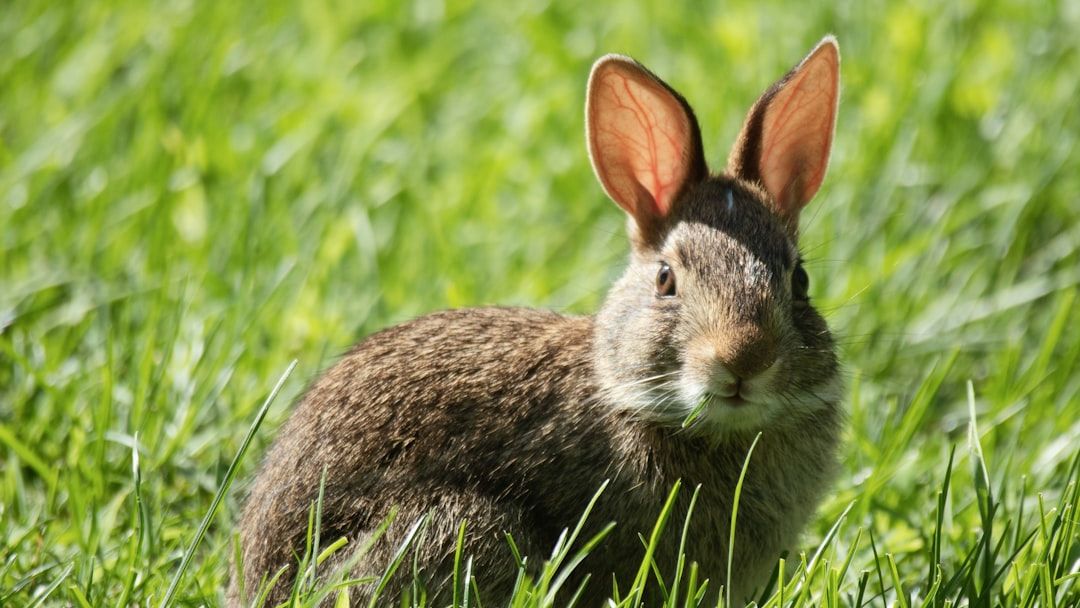
A silent killer is moving through Pennsylvania, and most people have no idea it’s happening. Wild rabbits and hares are dying, and the threat is closer to home than many pet owners realize.
This isn’t some distant wildlife story you scroll past without a second thought. If you have a pet rabbit, live near a wooded area, or simply care about local ecosystems, this development is genuinely alarming. Let’s dive in.
A Virus With a Deadly Track Record Is Now in Pennsylvania
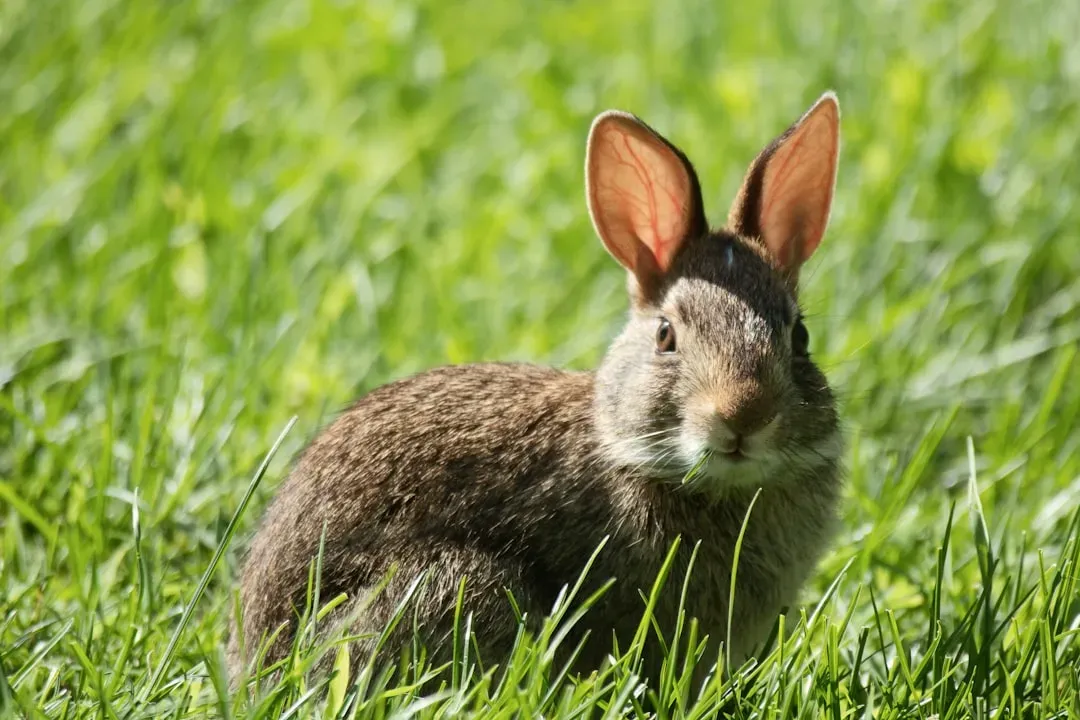
Rabbit Hemorrhagic Disease Virus Type 2, commonly called RHDV2, has been confirmed in Pennsylvania’s wild rabbit and hare populations. This is not a new virus globally, but its presence in Pennsylvania marks a serious escalation in its spread across the United States. First detected in North America around 2018, RHDV2 has been responsible for devastating die-offs across the American Southwest and parts of Europe.
Honestly, the mortality rate alone should make anyone stop scrolling. The virus can kill infected rabbits in as little as 24 to 72 hours, and death rates in affected populations can be staggeringly high. There is often little warning. An apparently healthy rabbit can be dead within a day of showing the first signs.
How the Virus Works and Why It’s So Dangerous
RHDV2 is a calicivirus that attacks the internal organs of rabbits and hares, causing massive hemorrhaging – hence the name. The virus is extraordinarily resilient. It can survive in the environment for weeks or even months, withstanding freezing temperatures and resisting many common disinfectants.
What makes it even more unsettling is how easily it spreads. The virus can be transmitted through direct contact between animals, through contaminated soil, water, food, or even clothing and shoes that have passed through infected areas. Think of it like an invisible contamination zone that travels wherever people and animals move. That’s a difficult thing to contain.
Wild Rabbits Are the First to Fall
Wildlife officials confirmed the RHDV2 detections in Pennsylvania in early April 2026, with wild cottontail rabbits and hares among the first confirmed casualties. These animals play a significant role in the local food chain, serving as prey for foxes, hawks, owls, and other predators. Losing large numbers of them ripples outward in ways that are hard to fully predict.
Here’s the thing about wildlife disease outbreaks: we often don’t see the full picture until significant damage has already been done. By the time dead rabbits are collected and tested, the virus has typically already moved on. Pennsylvania wildlife officials are urging residents to report any unusual numbers of dead rabbits to state authorities as soon as possible.
Domestic Rabbits Are Equally at Risk
This is the part that pet rabbit owners need to sit with for a moment. RHDV2 does not distinguish between wild and domestic rabbits. Pet rabbits are just as susceptible, and because they are often kept in outdoor hutches or in homes where owners may unknowingly carry the virus in on their shoes or clothing, the exposure risk is very real.
The disease has no cure. Treatment is purely supportive, meaning veterinary care can attempt to manage symptoms but cannot eliminate the virus once an animal is infected. Vaccination is available in some countries, and there is a licensed vaccine in the United States that vets can administer, though availability has been limited. If you own a pet rabbit in Pennsylvania, calling your vet now rather than waiting is genuinely the smartest move you can make.
Symptoms to Watch For in Rabbits
Recognizing RHDV2 is difficult because infected animals often show few external signs before collapsing. Some rabbits display fever, lethargy, and loss of appetite in the very short window before the disease progresses. Others simply die suddenly, with no obvious preceding symptoms, which is part of what makes this virus so deeply troubling.
In some cases, owners or wildlife observers may notice bloody discharge from the nose or mouth, seizures, or difficulty breathing. If you find a dead wild rabbit or notice your pet rabbit behaving unusually, do not handle the animal with bare hands. Protective gloves and careful disposal are essential steps, both to protect yourself and to prevent further spread of the pathogen.
What Authorities Are Doing and What You Can Do
Pennsylvania wildlife and agriculture officials are actively monitoring the situation as of April 2026. Residents are being advised to avoid touching dead wild rabbits and to keep pet rabbits away from areas where wild rabbits are known to be present. Cleaning and disinfecting rabbit enclosures regularly with appropriate solutions is also strongly recommended by veterinary health authorities.
On a broader level, state agencies are working to track the geographic spread and understand how far the virus has already traveled within Pennsylvania borders. The concern isn’t just for rabbits in isolation. It’s about the health of an entire ecological network that depends on stable rabbit populations. I think a lot of people underestimate how much one species quietly props up everything around it.
The Bigger Picture of RHDV2 in the United States
RHDV2 was first confirmed in the United States in domestic rabbits in Washington State in 2018. Since then, it has spread to dozens of states, carving a slow but relentless path eastward. Pennsylvania’s confirmation puts it squarely in the densely populated northeastern corridor of the country, where both wild rabbit populations and domestic pet ownership are substantial.
Wildlife disease specialists have been warning for years that RHDV2’s expansion across North America was a matter of when, not if. It’s hard to say for sure how far this current outbreak will reach within Pennsylvania, but the pattern seen in other states suggests the virus rarely stays contained once it establishes a foothold. The confirmation in Pennsylvania is a wake-up call – not just for rabbit owners, but for anyone paying attention to the health of wildlife in their region.
Conclusion: Don’t Wait Until It Reaches Your Backyard
RHDV2 is not a distant threat anymore. It is in Pennsylvania, it is in the wild, and it is fully capable of crossing the threshold into your home if you have a pet rabbit. The speed at which this virus kills, combined with its environmental resilience, makes early action absolutely essential.
If there’s one thing worth taking away from all of this, it’s that complacency costs lives – even the small, fluffy ones. Talk to your vet, be cautious around wild rabbit populations, and report unusual wildlife deaths to Pennsylvania authorities. The animals in your yard and your home are depending on that kind of awareness. What do you think – is enough being done to protect both wild and domestic rabbits from this kind of threat? Share your thoughts in the comments.

- Urban Coyotes Show Remarkable Adaptability, Learning to Thrive in City Environments - July 22, 2026
- Beavers Are Nature’s Engineers, Creating Vital Habitats for Other Wildlife Species - July 21, 2026
- The Recovery of the California Condor Offers Hope for Other Critically Endangered Birds - July 21, 2026