
Most of us live our lives within a fairly narrow band of comfort. Mild temperatures, breathable air, access to water. Step too far outside that zone and survival becomes a serious challenge within hours. Yet scattered across the planet are animals that have spent millions of years doing exactly that, thriving in environments that would kill most other life forms almost instantly.
Scientists recognize a fascinating group of organisms known as extremophiles: creatures uniquely equipped not just to survive, but to thrive in Earth’s most daunting environments, enduring extreme temperatures, intense radiation, high salinity, and extreme pH levels. While much research has historically focused on extremophilic microorganisms, animals and insects also possess remarkable adaptations to such hostile surroundings. Their stories are genuinely hard to believe, and yet the biology behind them is well documented.
The Tardigrade: Earth’s Most Indestructible Animal
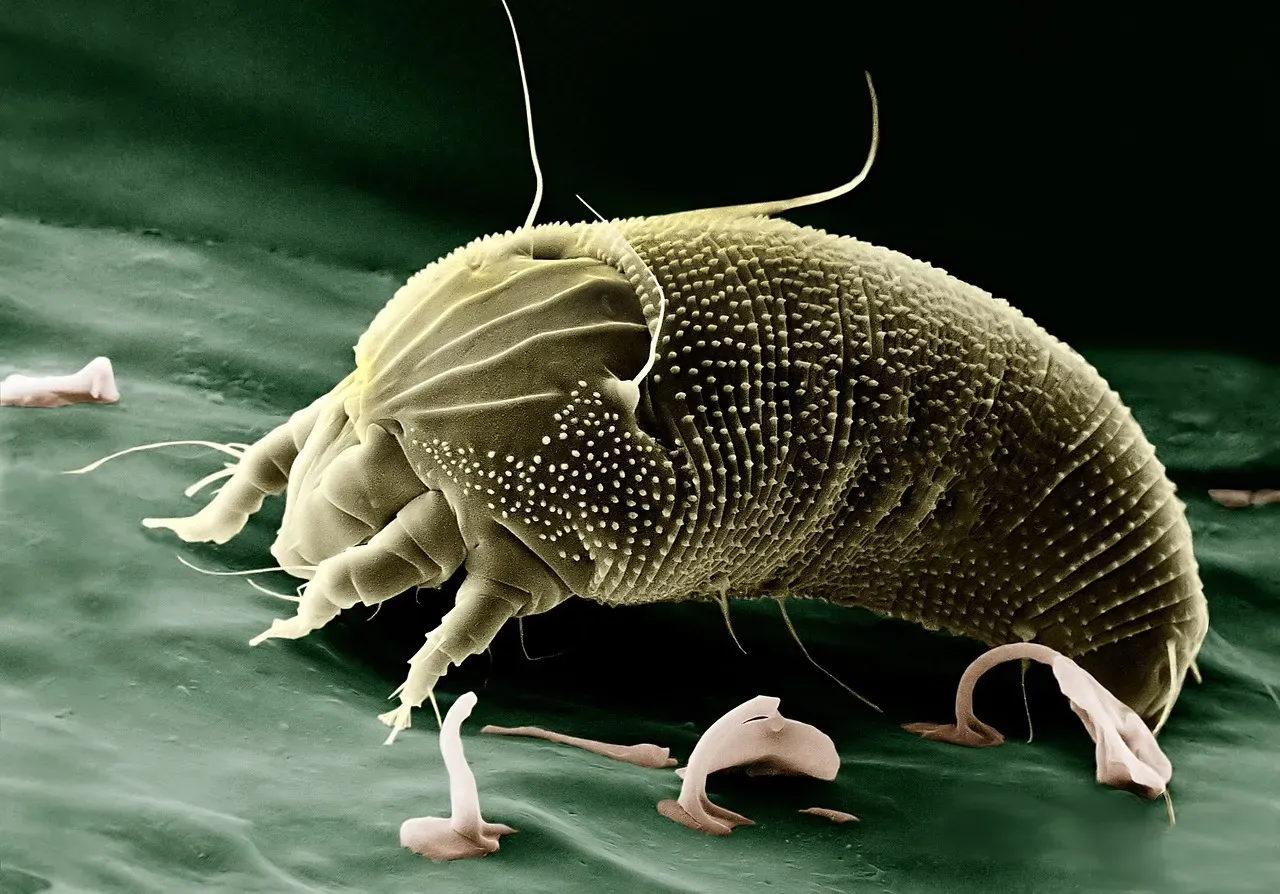
Of all the creatures science has studied, none commands more fascination than the tardigrade. Also known as the water bear, the tardigrade is widely considered the most resilient animal on Earth. These microscopic invertebrates can survive extreme temperatures, radiation, pressure, dehydration, and even the vacuum of space.
These microscopic animals can endure radiation doses roughly a thousand times what would kill a human, temperatures from near absolute zero to 150°C, the vacuum of space, and pressures six times greater than the deepest ocean trench. Those numbers read like science fiction. They are not.
The key to tardigrade survival is cryptobiosis, a state of suspended animation so deep that metabolism drops to 0.01% of normal levels or becomes entirely undetectable. To enter cryptobiosis, a tardigrade squeezes out more than 95% of the water from its body, retracts its head and legs, and curls into a dried-out tun. During this state, it slows its metabolism to a tiny fraction of normal levels. Unique proteins protect its cells from damage. When the tardigrade expels its body’s water, these proteins form a tough, glass-like cocoon around the tardigrade’s cells.
Part of this remarkable radiation resistance comes from a unique protein called Dsup, or Damage suppressor, which physically associates with DNA and shields it from radiation-induced damage. When researchers introduced this protein into human cells in the lab, those cells became significantly more radiation-resistant too. The implications for medicine are only beginning to be explored.
These robust little creatures have been on Earth for about 600 million years, preceding the dinosaurs by roughly 400 million years. Tardigrades have survived all five mass extinction events, and it is thought they could be around long after humanity has died out.
Antarctica’s Frozen Champions: Penguins, Icefish, and the Art of Cold
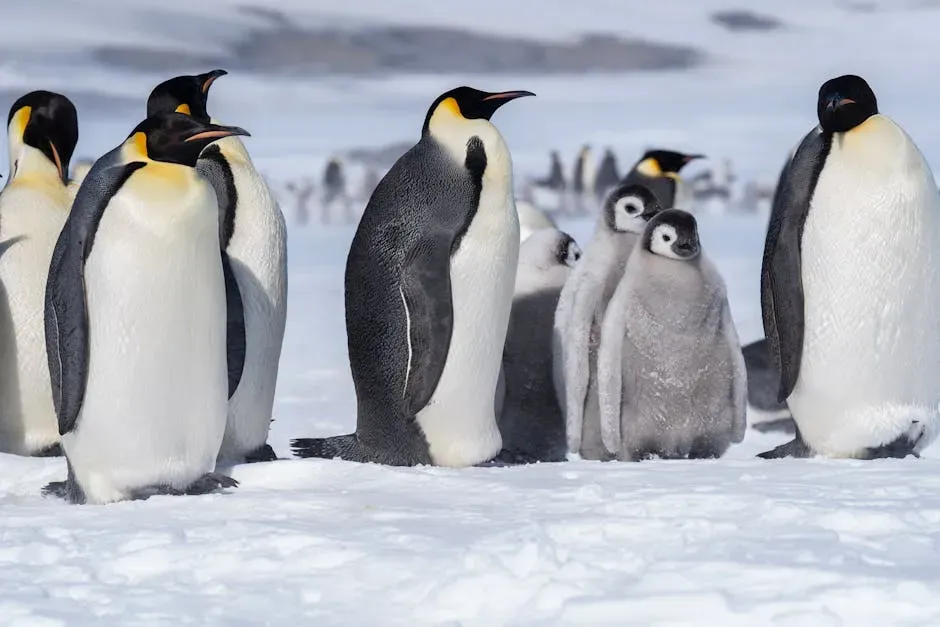
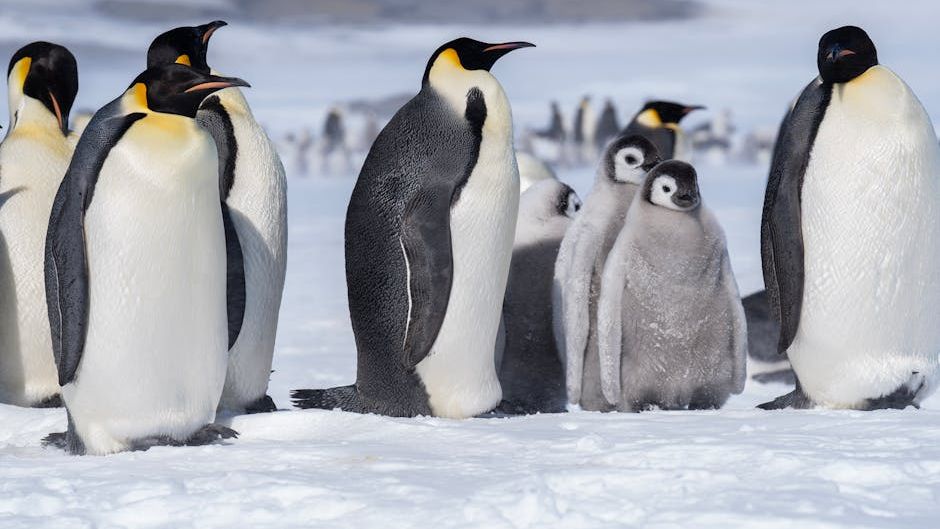
In the heart of Antarctica, emperor penguins endure temperatures plummeting to minus 40 degrees Celsius by huddling in massive, tightly packed colonies. This social thermoregulation allows each bird a turn at the warm center, minimizing exposure to lethal winds. It’s one of the most cooperative survival strategies found anywhere in the animal kingdom.
During winter, emperor penguins can survive in extremely low temperatures of up to minus 60 degrees Celsius, tolerate winds of 200 kilometers per hour, and deal with blizzards, ice storms, and other harsh cold conditions. They possess amazing adaptations that help them survive. A thick layer of feathers insulates their bodies by trapping a layer of warm air next to the skin, and blubber under the skin enables them to stay warm in ice-cold Antarctic waters.
Found in the freezing waters of the Southern Ocean and Antarctica, icefish have remarkable adaptations that allow them to thrive in some of the coldest environments on Earth. They are the only known vertebrates that don’t have haemoglobin, the protein responsible for transporting oxygen throughout the body and giving blood its red colour. Instead of red blood, icefish have transparent or white blood.
Icefish also carry another crucial adaptation: antifreeze proteins, which bind to tiny ice crystals, stopping ice from forming and keeping the fish’s blood liquid, even in temperatures as low as minus 2 degrees Celsius. The very concept of blood that cannot freeze is remarkable by any standard.
Life Under Crushing Pressure: Deep-Sea Survivors
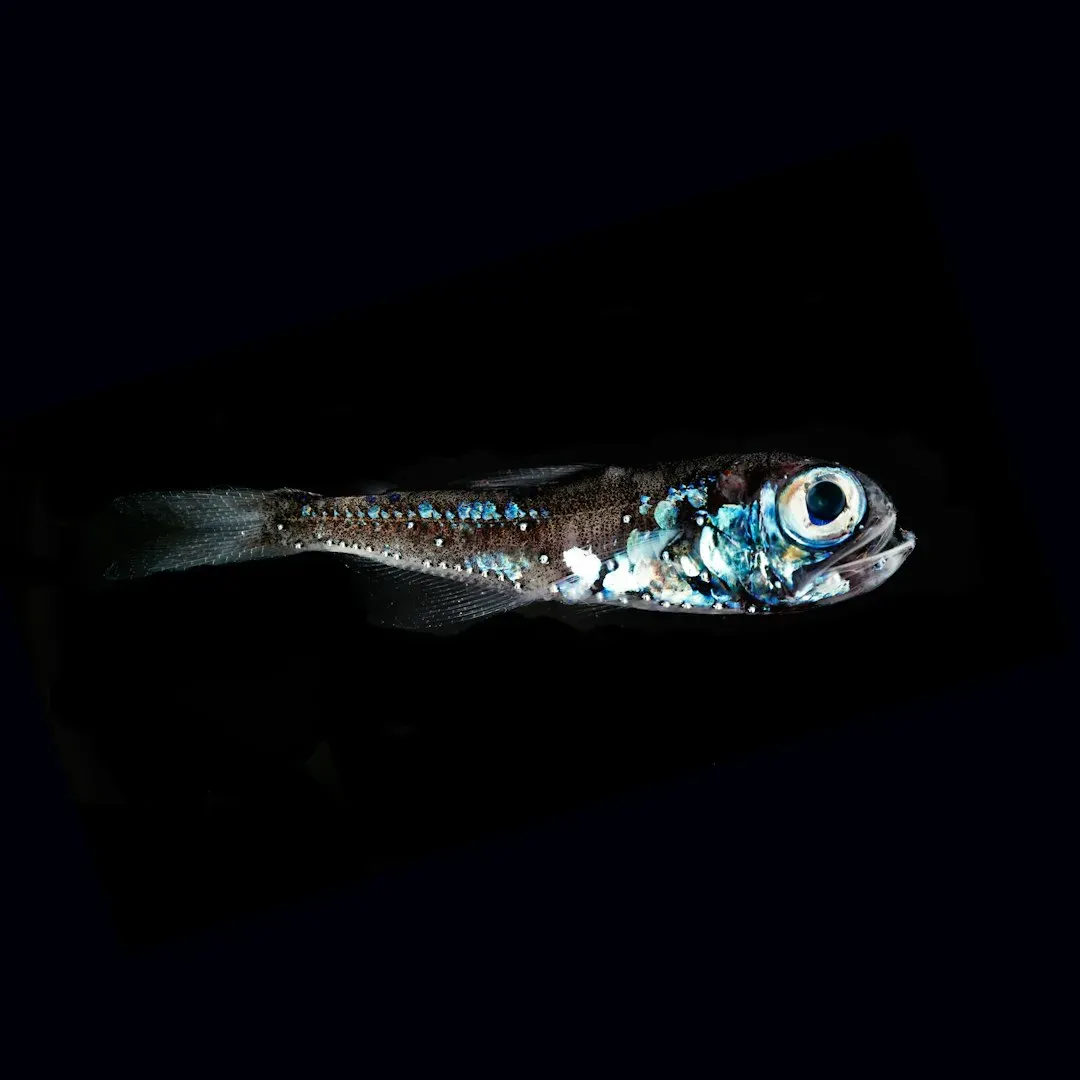
Earth’s oceans are vast, mysterious, and full of environments that test the limits of biological survival. Among the most extreme are polar regions, deep-sea abyssal plains, and hydrothermal vent systems, where temperatures plunge below freezing in polar waters, hydrostatic pressures in the deep sea crush unprotected structures, and hydrothermal vents spew fluids exceeding 350 degrees Celsius loaded with toxic chemicals.
Far below the surface of the ocean, away from the life-giving reach of the sun, unique ecosystems have developed around extremely hot mineral-rich hydrothermal vents that form near undersea volcanoes. Researchers have found a virtual menagerie around the vents, including the Pompeii worm, which can survive temperatures as high as 175 degrees Fahrenheit. The Pompeii worm tolerates these extremes by hosting heat-resistant bacteria on its back, creating a living thermal shield.
The worm’s ability to survive such extreme conditions is attributed to the unique structure of its body, in which its head stays at a cooler temperature than its tail, allowing it to regulate its body temperature and preventing overheating. The worm’s body is also covered with a layer of chitin, a complex biopolymer that protects it from the corrosive chemicals exuding from hydrothermal vents. Scientists have discovered chemosynthetic bacteria in the specialized gill structures of the Pompeii worm, suggesting a symbiotic relationship in which the bacteria supply constant food and the worm supports bacterial growth.
The most common vertebrate species in the hadal zone are fish called snailfishes, and hadal snailfishes can survive down to depths of about 8,100 metres. Snailfish have the widest depth range of any marine fish species. They are capable of withstanding pressures over a thousand times that at sea level, owing to their soft bodies and unique cellular structures.
The complete absence of light in the hadal zone appears to have had a profound effect on the hadal snailfish. Researchers observed a substantial loss of many genes related to vision, suggesting that the ability to see was no longer important for survival due to the lack of light. In addition, many genes related to circadian rhythms were absent, although some essential clock control genes were still present, suggesting the snailfish’s rhythmic cycle has been maintained but is no longer based on the movement of the sun.
Desert Survivors: Life With Almost No Water
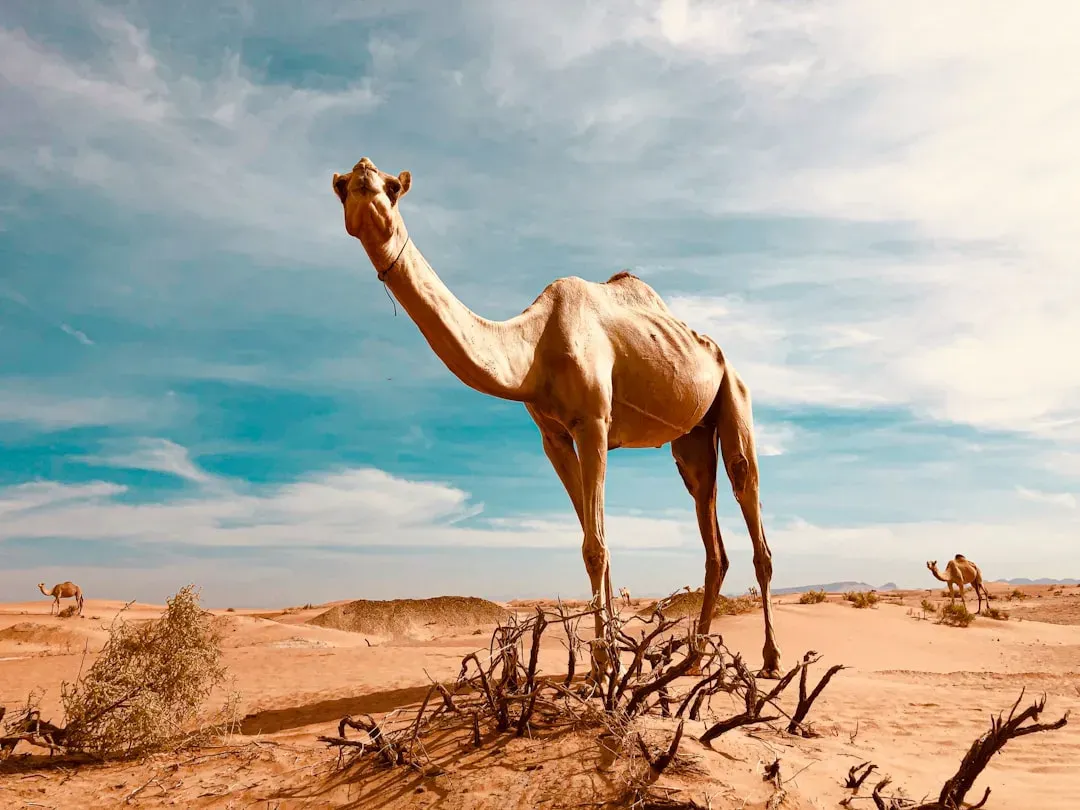
Deserts are not simply hot. They are arenas of combined punishment: intense heat, near-zero humidity, brutal temperature swings between day and night, and almost nothing to drink. The animals that call them home have had to solve each of these problems simultaneously.
Camels store up to 36 kilograms of fat in their humps, producing around 10 liters of water through metabolic breakdown. The Arabian camel can withstand blistering heat near 49 degrees Celsius and survive a week or more without water. That ability comes down to a suite of physiological tools built up over millions of years of desert life.
The Sahara desert ant scurries across 60 degree Celsius sands using long legs that lift its body above the heat, allowing lightning-fast movements to find food in minutes before retreating to its cool burrow. The jerboa, a desert rodent, masters the art of avoidance: it shelters underground during scorching days and forages by night, escaping both predators and punishing heat.
Many desert animals possess specialized kidneys that efficiently conserve water. Some, like the kangaroo rat, can obtain all their moisture from the seeds they eat through metabolic processes. Going without a single drop of liquid water for a lifetime is not a crisis for this small rodent. It’s simply Tuesday.
Freezing Solid and Coming Back: The Wood Frog and Siberian Salamander
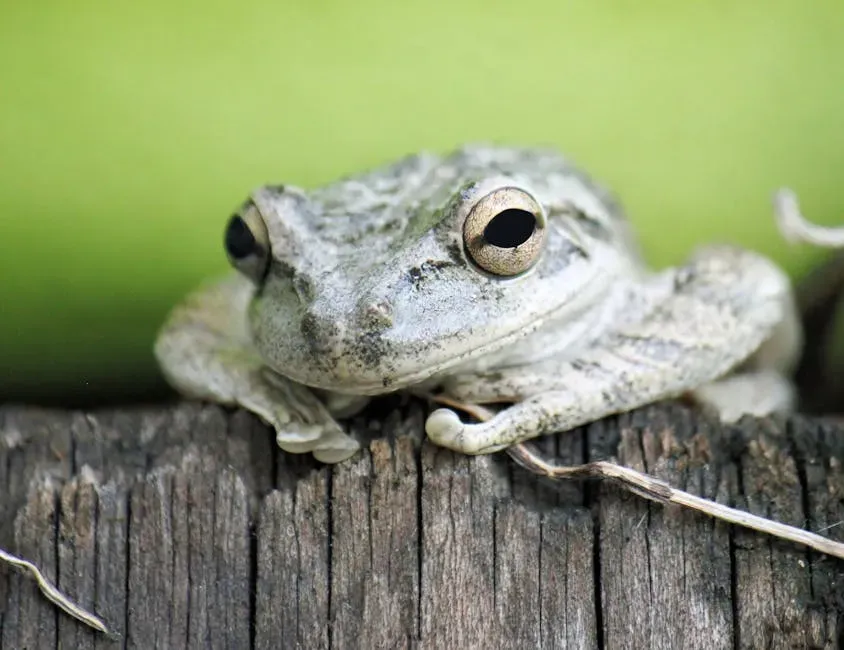
There is a category of survival that seems almost impossible to accept on first reading: animals that freeze completely solid during winter and then thaw out, alive, in spring. The wood frog does exactly this.
When temperatures grow chilly, the wood frog adapts by letting itself freeze, remaining in a unique form of suspended animation until the spring thaw. It can survive being frozen by accumulating glucose, a natural cryoprotectant, in its tissues. The glucose essentially acts as biological antifreeze, preventing ice crystals from destroying cells at the molecular level.
The Siberian salamander is among the creatures that can freeze solid and thaw out, ready to breed again in spring. These animals have pushed the very boundary of what most biologists once considered possible for vertebrate life. Like the wood frog, the flat bark beetle generates special chemicals to survive brutal winter cold.
The key to survival in extreme environments lies in adaptation. Animals that thrive in these conditions have evolved specialized traits and mechanisms that allow them to cope with the specific challenges they face. These adaptations can be physiological, behavioral, or anatomical. In the case of freeze-tolerant species, all three converge at once.
What These Animals Teach Us
The science of extreme survival is not just a collection of remarkable facts. It carries real implications for how we understand biology, resilience, and even the potential for life beyond Earth. Studying extreme environments on Earth can help researchers understand the limits of habitability on other worlds.
Some animals that thrive in extreme climates produce beneficial proteins or substances that can help humans in research along with environmental and medicinal advancements. Animals that live in extreme climates have fascinated scientists and researchers because they are key to understanding complex interactions and adaptability mechanisms.
As Earth’s climate grows more volatile, these extremophiles offer vital clues for science. Whether it’s antifreeze proteins that could inform cold storage medicine, or the tardigrade’s Dsup protein being studied for radiation protection, nature’s most extreme survivors are quietly offering the rest of us a blueprint.
The natural world doesn’t always place life in pleasant conditions. Sometimes it drops it into a frozen tundra, a lightless abyss, a scorching sand, or a volcanic vent and the results, after millions of years of evolution, are creatures far tougher than anything we’ve managed to engineer. That, in itself, is worth pausing to consider.
