
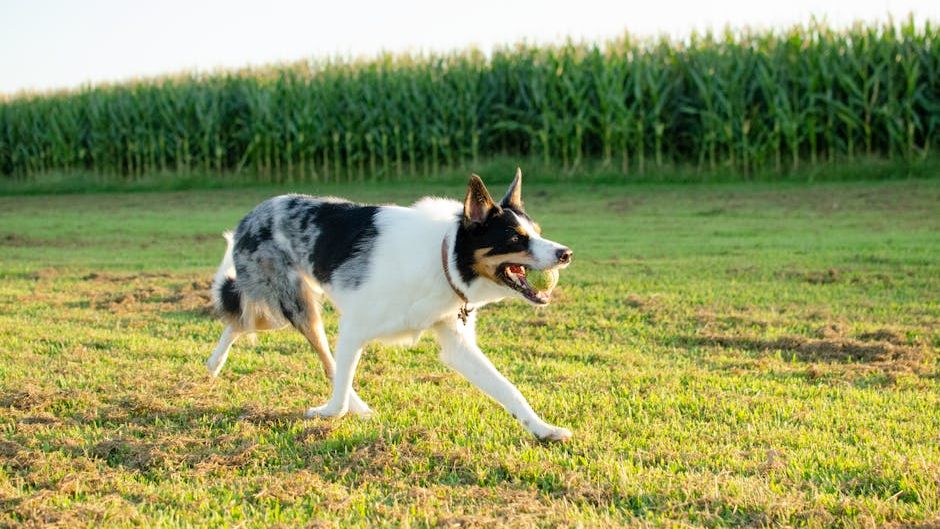
Picture your dog perking up at the jingle of keys, not just bounding toward the door on cue. Owners often notice these subtle responses that go beyond simple training. Science backs up those moments, revealing layers of comprehension in canine minds.
Researchers have uncovered how dogs process human speech, gestures, and emotions in ways that surprise even experts. These insights come from brain scans, behavioral tests, and long-term studies with exceptional pups. What follows explores five key areas where dogs show remarkable understanding.
The Everyday Dog’s Word Power
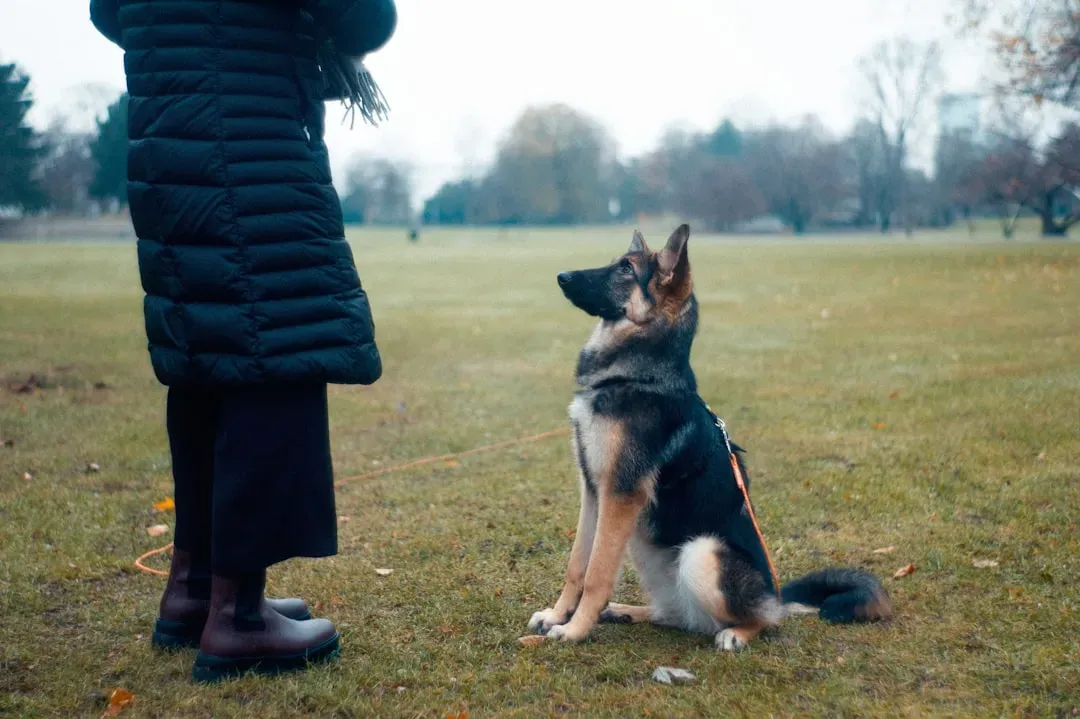
Most dogs grasp around 89 words, according to surveys of thousands of owners. These include commands like “sit” but also names of family members, toys, or places. Owners report their pets responding reliably to about half from standard lists, plus a few personal ones.[1][2]
Breeds vary, yet the average pet rivals a young child’s vocabulary in scope. Training reinforces this, but casual repetition builds it naturally. Such capacity explains why your dog might fetch a specific ball without prompting.
Superstar Dogs and Vast Vocabularies
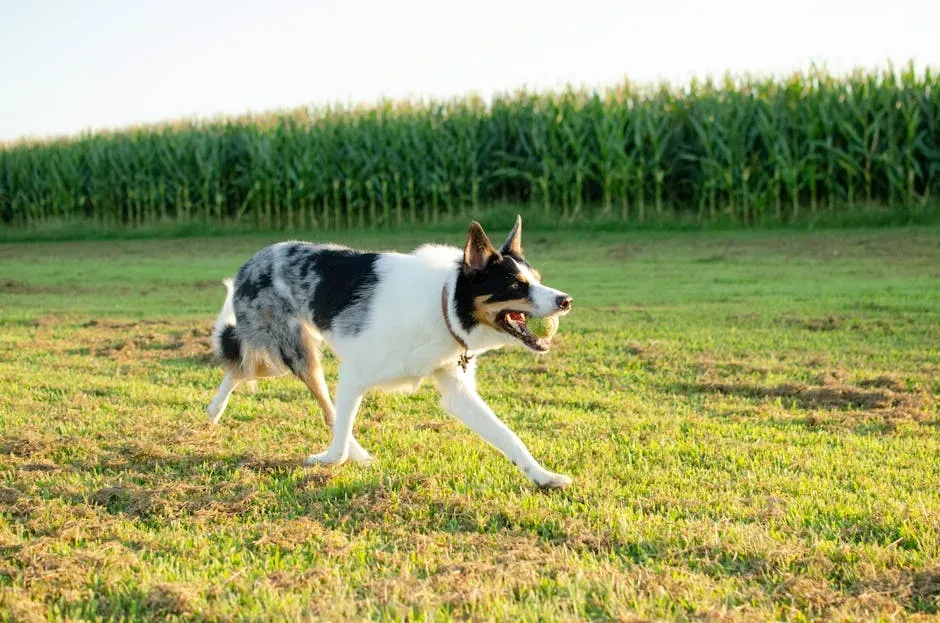
Border collie Chaser learned the names of over 1,000 toys through dedicated training. She could fetch any by name and even infer new ones via exclusion, much like toddlers. This feat, documented in studies, sets a benchmark for canine potential.[3][4]
Other gifted dogs reach hundreds of words, handling categories beyond objects. Recent work shows some extend labels to similar items based on function. These outliers highlight untapped abilities in selective breeding and motivation.
Owners of such dogs often start with play, turning learning into reward. Progress builds gradually, testing memory and discrimination daily.
Brain Scans Reveal Word Processing

MRI studies place dogs in scanners to watch their brains react to speech. They distinguish meaningful words from nonsense, activating similar regions as in humans. Praise words light up reward centers, while scolding does not.[5][6]
Dogs separate word meaning from tone, using left and right brain hemispheres respectively. This mirrors human language handling. Electroencephalography confirms semantic expectations when words match objects.[7]
Findings hold across breeds, suggesting an innate adaptation from domestication. Even untrained dogs show basic neural signatures for familiar terms.
Gestures, Pointing, and Gaze Following
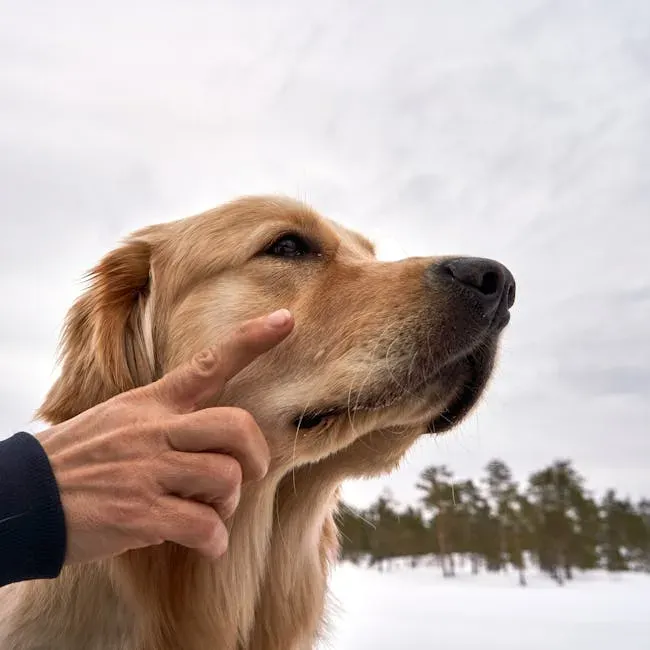
Dogs excel at human pointing, outperforming wolves and chimps in tests. They follow a finger or glance to locate hidden food reliably. This social skill evolved alongside living with people.[8]
Beyond points, they read body posture and eye direction for intent. Puppies as young as weeks old pick up these cues. Such attunement aids cooperation in hunts or herding.
Studies vary cues from subtle nods to full arms, yet success rates stay high. This flexibility underscores deep human-dog bonds.
Emotions, Tone, and Eavesdropping Skills

Dogs detect joy, anger, or fear in voices, faces, and even scents. Brain scans show shared emotional processing areas with humans. They comfort upset owners proactively, showing empathy.[9]
A January 2026 study found gifted word-learners pick up new toy names by overhearing conversations. Like toddlers, they eavesdrop effectively without direct address. This passive learning expands vocabularies effortlessly.[10][11]
Tone conveys nuance beyond words, guiding responses in context. Combined with visuals, it forms a rich communication web.
Conclusion
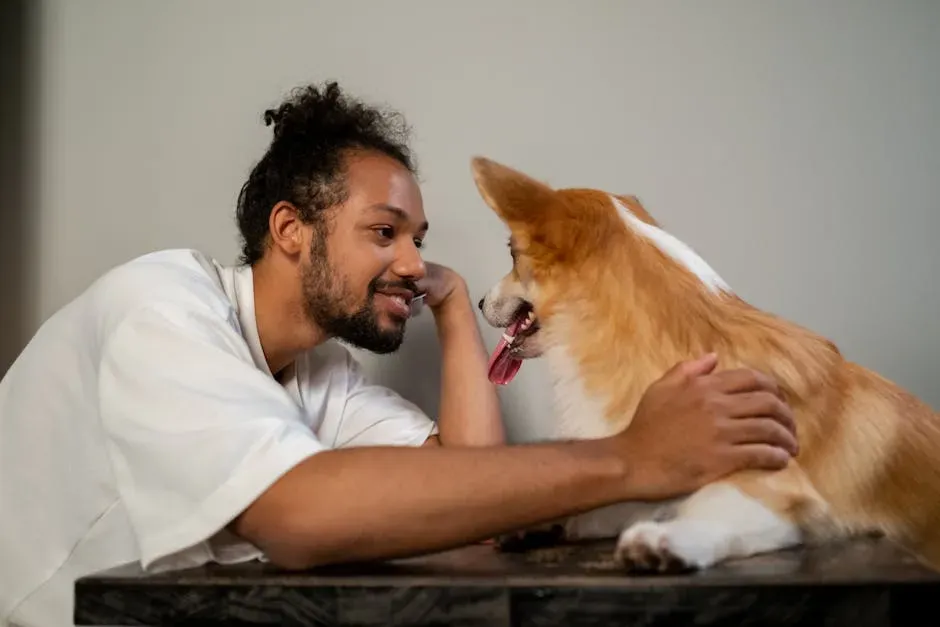
Dogs weave together words, tones, gestures, and emotions into genuine understanding. Far from rote obedience, their cognition rivals early human development in key ways. Next time your pup reacts unexpectedly, recognize the quiet intelligence at work.
These truths invite deeper connection, rewarding patience with mutual insight. Domestication gifted us partners who truly listen.

- 13 Reasons Goldfinches Stopped Coming to Your Yard – And the Simple Fix Most Gardeners Miss - June 13, 2026
- 14 Bizarre Hummingbird Behaviours in Your Garden That Mean Something Completely Different to What You Think - June 13, 2026
- How the Navajo Nation Built One of the Most Enduring Cultures in North America - June 13, 2026