

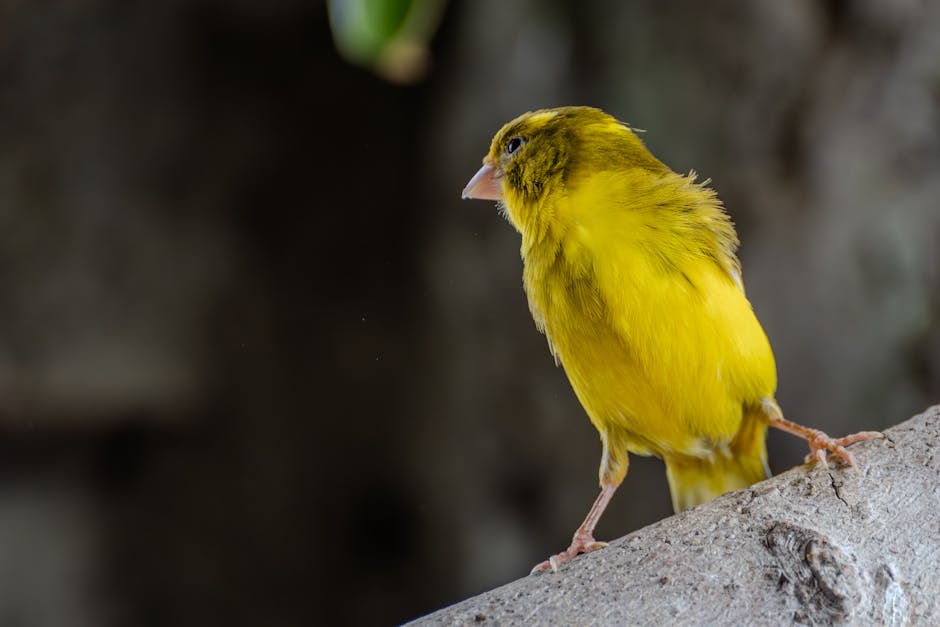
Hong Kong and Singapore – prominent hubs for wildlife trade in Asia – imported more than 708,000 live wild birds from Africa between 2006 and 2020, according to a detailed analysis of United Nations customs data. Researchers revealed that these shipments, primarily songbirds not regulated under CITES, represented 65% of all such bird imports to the two territories during that period.[1][2] The study highlighted how this largely invisible commerce shifted from Western markets to Asia amid changing regulations and rising demand for exotic pets.
A Staggering Volume Emerges from Customs Records
Overall, Hong Kong and Singapore recorded imports of 1,085,326 individual non-CITES birds over the 15 years, excluding parrots, birds of prey, poultry, and trade between China and Hong Kong.[1] Africa supplied the majority, with 708,861 birds making up 65.3% of the total. Singapore handled nearly three-quarters of these African imports, while Hong Kong provided species-level details that painted a clearer picture of the trade’s composition.
The numbers underscored a trade often overlooked because most species fell outside CITES protections. Only 14% of bird species worldwide are listed under the convention, leaving thousands traded without international oversight. Researchers noted that wild capture dominated, as no evidence pointed to large-scale breeding operations in exporting countries.[2]
Dominant Species and Key Exporting Nations
Canaries from the genus Crithagra led the imports, particularly to Hong Kong. Between 2015 and 2020, the yellow-fronted canary (Crithagra mozambica) accounted for around 66,000 individuals, while the white-rumped seedeater (Crithagra leucopygia) added 46,000 to 57,000 more. Together, these two species comprised 84% of African birds entering Hong Kong during those years.[1]
Four African countries drove 86.3% of the shipments:
- Mali: 28.2% of African imports, rising to 45.9% after 2011
- Guinea
- Mozambique
- Tanzania
Mali and Guinea often lacked robust export regulations, facilitating large aggregations of birds in holding facilities before shipment.[2] Other species included the cut-throat finch (Amadina fasciata) and black-throated canary (Crithagra atrogularis).
Shifting Patterns and Regulatory Influences
Trade volumes grew after 2006, fueled by Asia’s expanding middle class, social media promotion of exotic pets, and better air links. Africa’s share climbed to 80.2% of imports from 2010 onward. Peaks occurred around 2018, followed by declines linked to Tanzania’s 2016 export ban on wild animals and Singapore’s restrictions on shipments from avian flu-affected nations.[1]
Earlier, Europe and the U.S. dominated demand, but EU import bans by 2005 and CITES Appendix III deletions – such as Ghana’s removal of 114 species in 2007 – redirected flows eastward. Post-deletion, U.S. imports of African birds surged 14-fold, from near zero in 2006 to 40,000 in 2007. The study captured a dynamic market where exporters adapted quickly to bans and opportunities.[2]
Risks to Populations, Ecosystems, and Health
Four canary species showed declining wild populations, raising sustainability concerns despite their IUCN Least Concern status. Crowded export facilities posed biosecurity threats, enabling pathogen spread like avian influenza, psittacosis, and circovirus. Experts warned of zoonotic risks to humans and potential invasive establishments, citing examples like the pin-tailed whydah in the U.S. and ring-necked parakeets in Europe.[2]
Rowan Martin, director of bird trade at the World Parrot Trust, stated, “The biosecurity risks are pretty terrifying,” highlighting horizontal pathogen transfer in mixed-species holdings. Simon Bruslund of Copenhagen Zoo added that high volumes made population trouble “very plausible” without field data from West Africa.[2]
Pathways Forward Amid Growing Awareness
Authors recommended that importers restrict live birds from nations unable to verify legal sourcing or maintain strong quarantines. They urged refining customs codes for species-level tracking and combining data sources for better monitoring. Positive lists – approving only low-risk, captive-bred species – already guided policies in places like South Korea and parts of the EU.
Registration of captive wild animals could turn trade toward conservation benefits, Bruslund suggested. Martin emphasized awareness: “If people are not aware that this is even happening, then how are we going to be able to mitigate the risks?”[2]
Key Takeaways
- 708,861 African birds imported to Hong Kong/Singapore (2006-2020), mostly unregulated songbirds.
- Yellow-fronted canary and white-rumped seedeater dominated recent Hong Kong shipments.
- Trade risks wild populations, disease outbreaks, and invasive species.
This study spotlights the need for global vigilance on non-CITES trade to protect biodiversity and public health. What do you think about regulating this hidden bird trade? Tell us in the comments.

- Urban Coyotes Show Remarkable Adaptability, Learning to Thrive in City Environments - July 22, 2026
- Beavers Are Nature’s Engineers, Creating Vital Habitats for Other Wildlife Species - July 21, 2026
- The Recovery of the California Condor Offers Hope for Other Critically Endangered Birds - July 21, 2026