
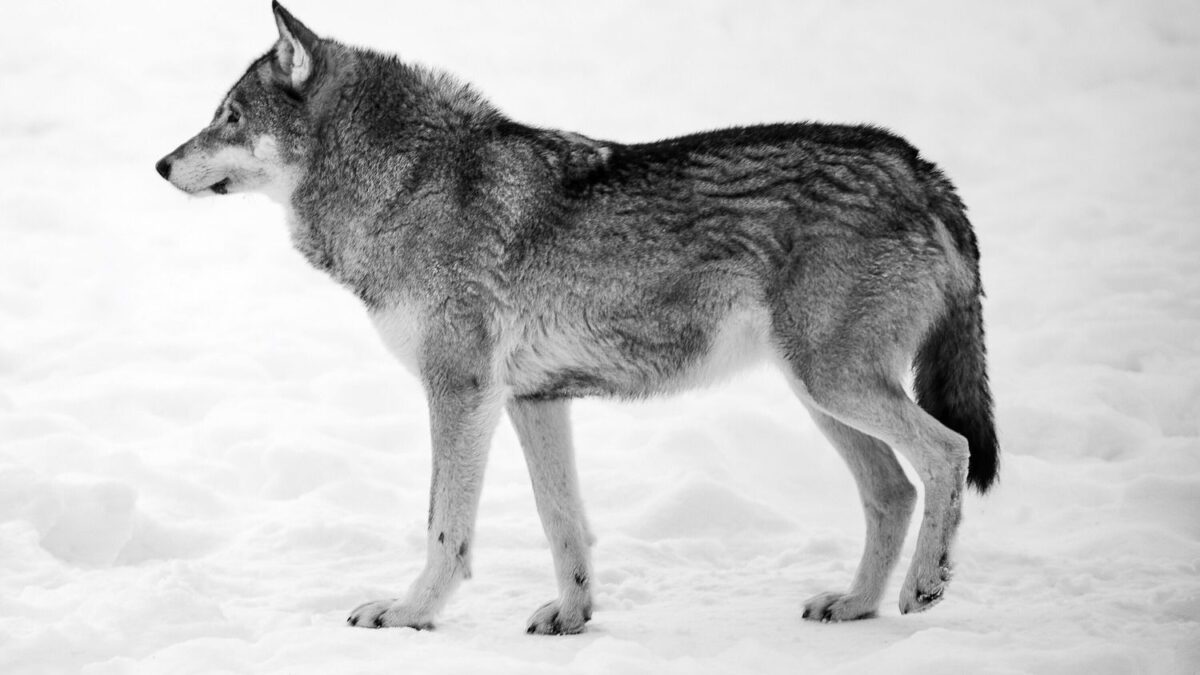
In December 2011, a wolf from Oregon crossed into California and changed the story of the state’s wild places. Known as OR-7, he became the first confirmed wild wolf in California since 1924, when wolves were considered extirpated from the state. For nearly a century, California had been a landscape without one of its apex predators. That absence shaped everything from forest floors to river banks in ways that took decades to fully understand.
Now wolves are back, on their own terms. They are returning to California by dispersal of individuals from populations in other states, according to the California Department of Fish and Wildlife. Their comeback is unfolding in real time, and it’s stirring genuine debate about wildness, coexistence, and what kind of landscape Californians want to share.
A Century of Absence, a Decade of Return
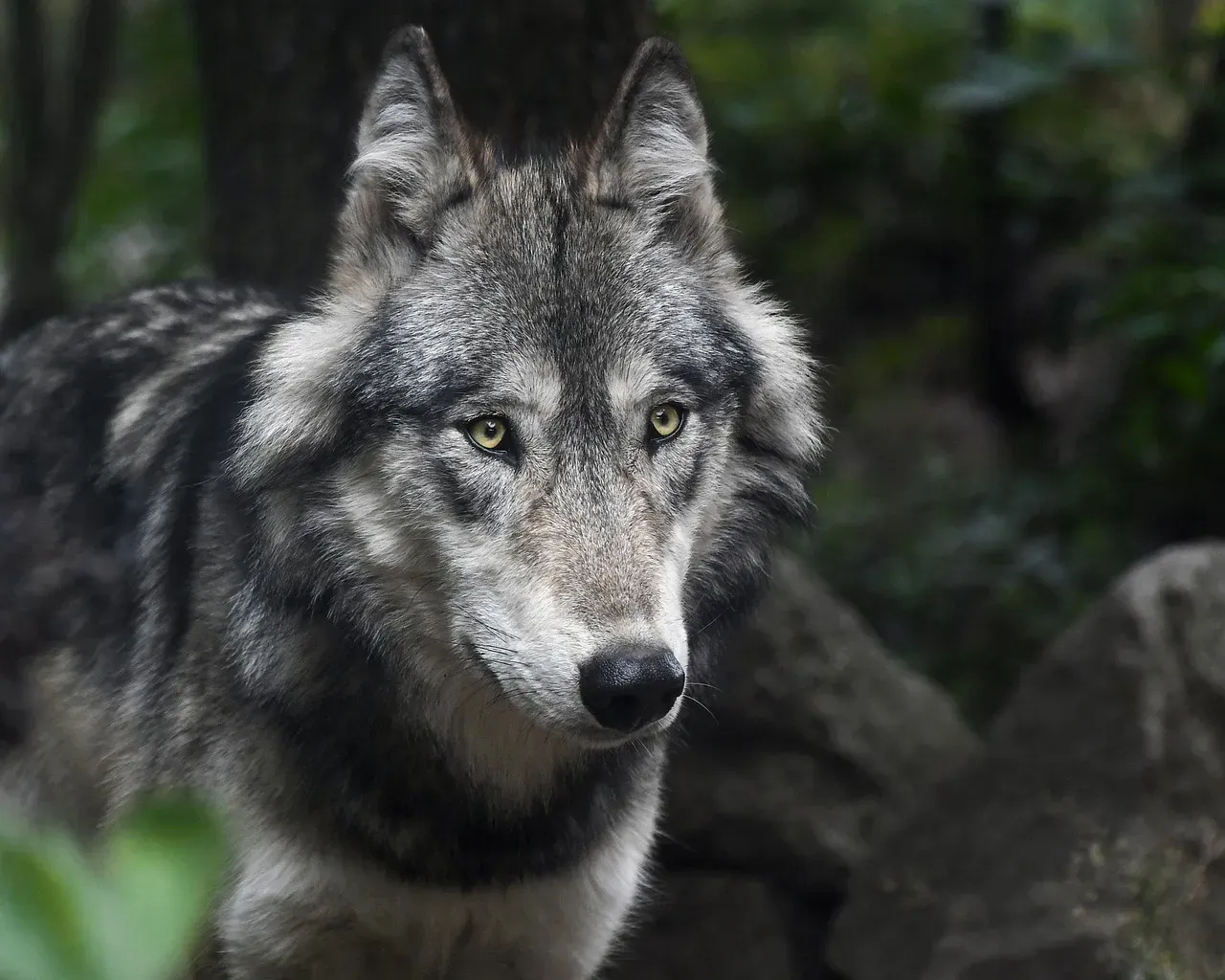
The gray wolf is native to California but was driven to extinction in the state by the mid-1920s. Hunting, trapping, and government-run predator eradication campaigns eliminated what had been a naturally occurring apex predator across much of the American West.
Gray wolves once numbered between 250,000 and two million across the contiguous United States but were nearly eliminated by the mid-20th century due to trapping, habitat loss, and hunting. Recovery came slowly. Populations have since rebounded in recent decades, supported by protections under the Endangered Species Act of 1973 and the reintroduction of wolves to Yellowstone National Park in the 1990s.
The arrival of a wolf known as OR-7 from Oregon in 2011 was cause for celebration among conservationists, and the animals became near-celebrities, with trail cameras capturing their wanderings and media reports detailing the formation of new packs and the birth of pups. From that single wandering wolf, a population quietly took root. The first resident wolf pack was confirmed in 2015, after two adults migrated from Oregon and had five pups.
How Many Wolves Are Actually Out There
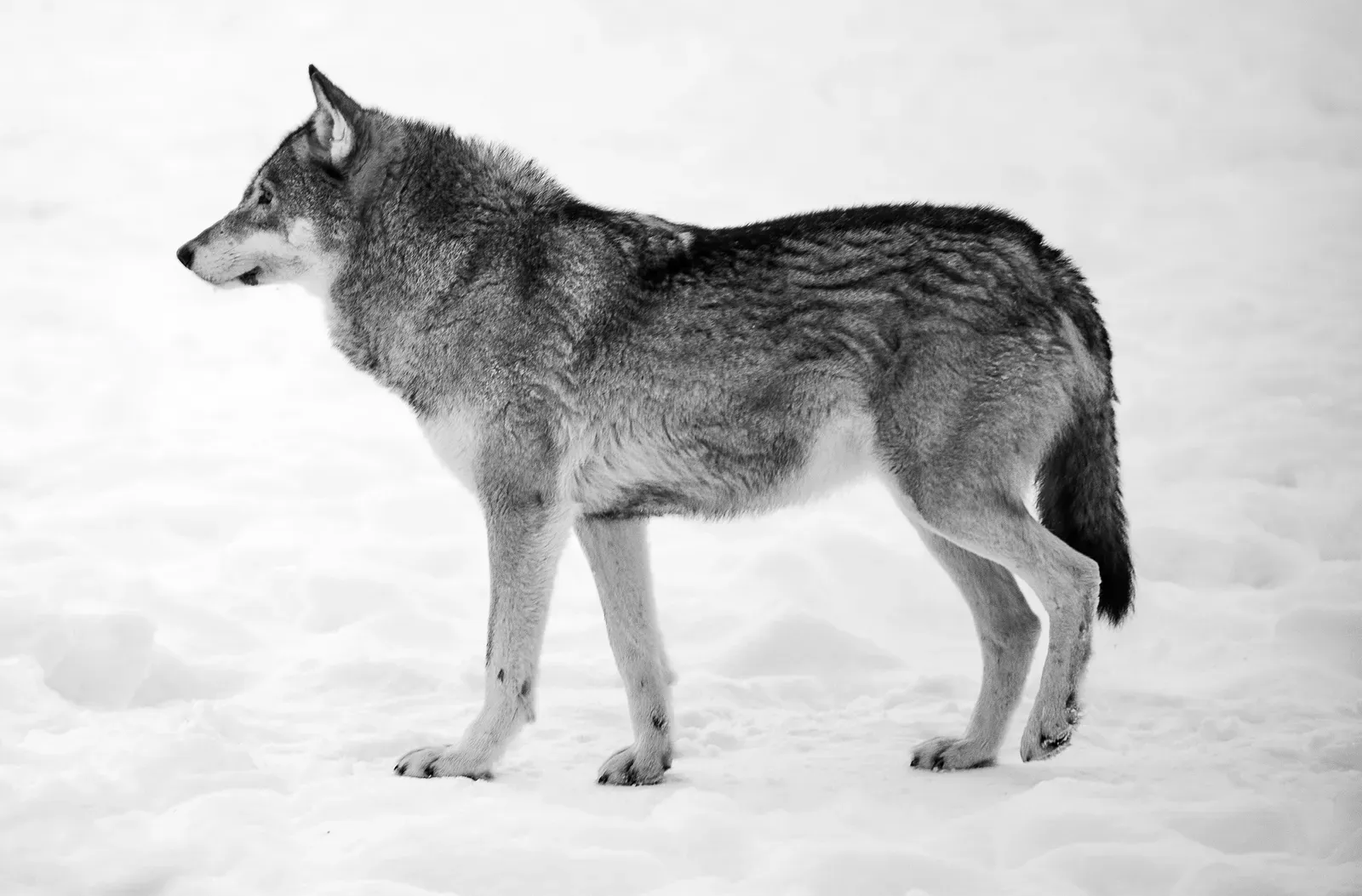
The numbers are still modest, but they’re growing with notable speed. Today, about 6,000 gray wolves live in the contiguous United States, including at least 70 in California, where there are nine confirmed packs. That figure represents a remarkable shift from the state’s wolf count of zero for most of the 20th century.
The California wolf population is now between 50 to 60 wolves, and three new wolf packs were documented in 2025 alone. While a conservative estimate puts the total population around 70, the CDFW notes that there may be an unknown number of individual wolves that have dispersed from packs or adjacent states.
The wolves’ geographic reach is also expanding in striking ways. Most of the wolf presence is concentrated in northeastern California, north of Lake Tahoe and east of Interstate 5. Another pack, the Yowlumni Pack, named by the Tule River Tribe, settled in the southern Sierra Nevada, roaming more than 200 miles from the nearest known northern California pack – a testament to how far wolves can disperse in the landscape.
The northern part of the state has about 23,200 square miles of ideal wolf habitat that could support anywhere from 400 to 500 wolves – roughly ten times the current number. That potential scale puts the present moment firmly in an early chapter, not a final one.
What Wolves Do to a Landscape
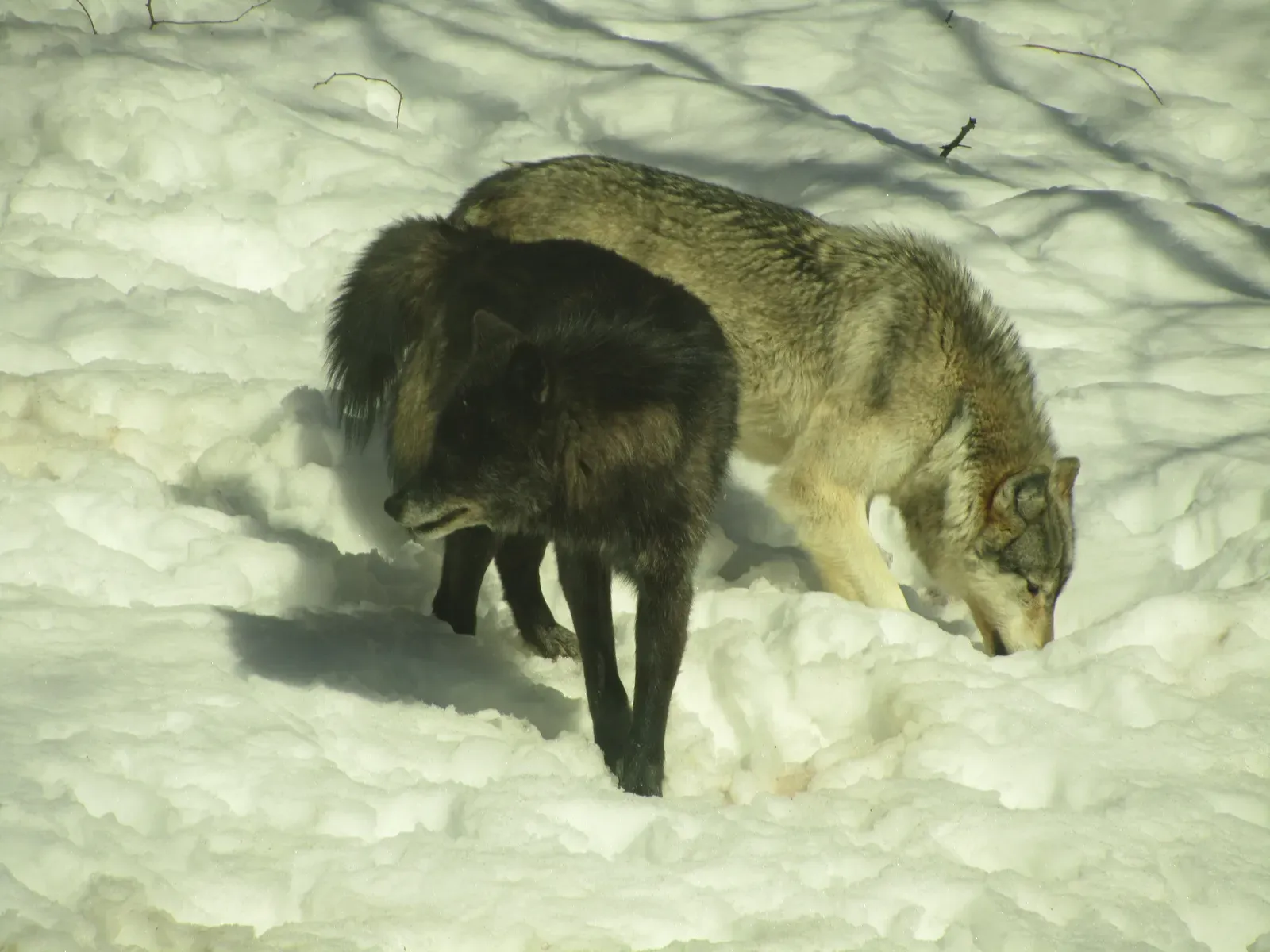
The ecological effects of apex predators returning to a landscape are well-documented elsewhere, even if California’s story is still developing. Studies show that wolf presence can trigger trophic cascades, a series of effects that ripple through the food web, shaping plant communities, wildlife populations, and even landscapes.
The most referenced comparison comes from Yellowstone. Prior to wolf reintroduction there, elk populations had exploded, leading to overgrazing of riparian vegetation such as willows and aspen, causing a decline in plant diversity and habitat quality. With the return of wolves, the elk population was brought under control and their behavior changed.
In California, the presence of wolves affects other flora and fauna, including management of deer populations that in turn protects vegetation for songbirds and beavers. Scientists are still in the early stages of understanding how wolves shape ecosystems specifically in a state like California, with ongoing research studying wolf diet, interactions with mountain lions and black bears, and how drought and wildfire affect them.
California’s landscape is considerably more complex than Yellowstone’s. As researchers note, this landscape is fragmented and human-dominated, so the outcomes might look very different. What ripples outward ecologically may take years to fully observe and understand.
The Ranching Conflict That Can’t Be Ignored
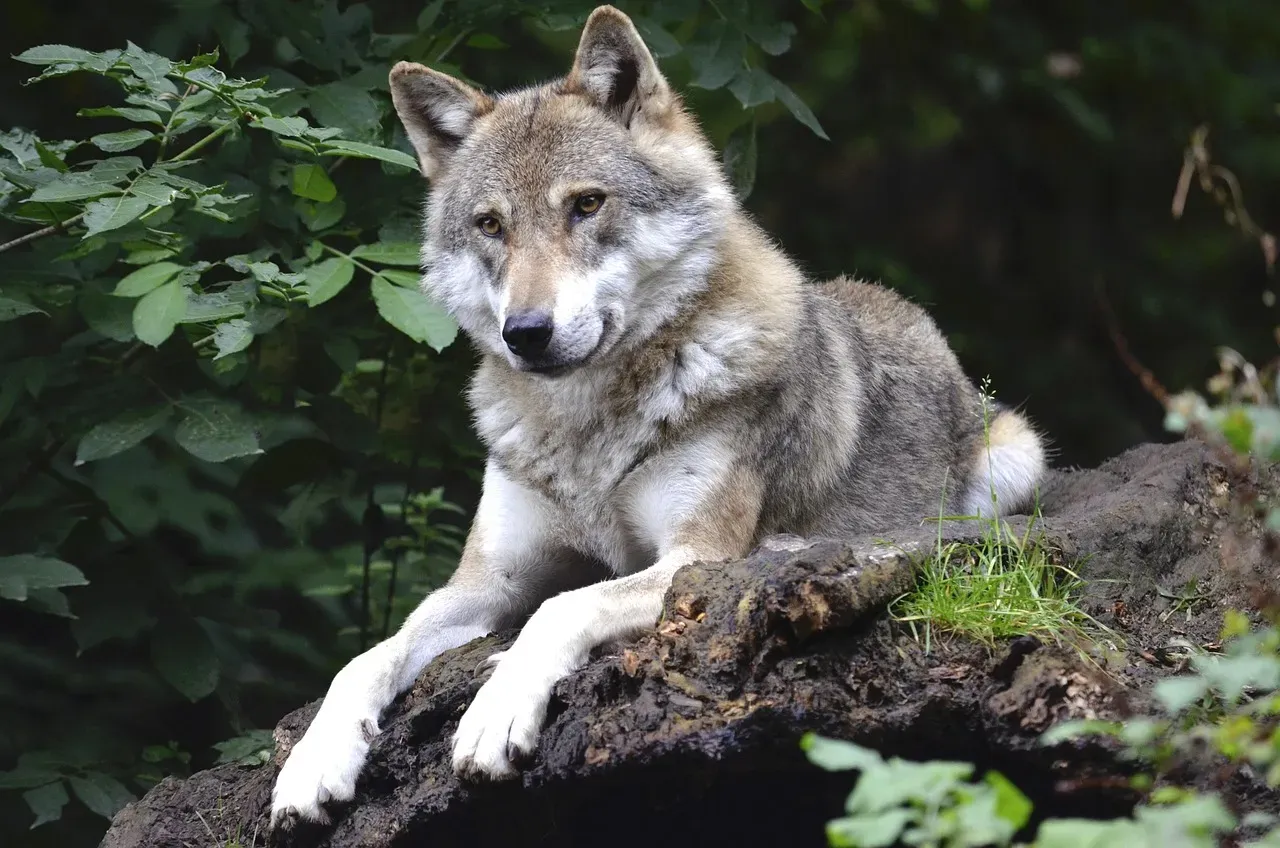
The return of wolves has not been uniformly welcomed. Along with the environmental success came trepidation among farmers and ranchers who had established lives and businesses in areas that the wolves were now repopulating.
Livestock losses have grown each year, up from 18 in 2022 when the state had only 18 wolves, to 32 in 2023 and 52 in 2024. The summer of 2025 brought things to a head. The most exceptional case of wolf-livestock conflict in modern American history unfolded in the summer of 2025 in Sierra Valley, about 50 miles north of Lake Tahoe, where a single pack of gray wolves killed at least 88 cattle.
Three adult wolves and one juvenile from the Beyem Seyo pack were euthanized by state game wardens in October, the first time in a century that California sanctioned killing the protected animals. Officials had attempted rubber bullets, drone harassment, and other nonlethal deterrents before reaching that decision. In May 2025, five counties in northern California declared an unprecedented state of emergency – not over a natural disaster or civil unrest, but because of a thriving group of wolves.
California is home to about 7 million cattle on some 14,000 cattle ranches, most of which are family-owned. The tension between protecting an endangered species and protecting the livelihoods of rural communities is not abstract. It’s playing out on real land, affecting real families.
What Comes Next: Coexistence or Continued Conflict
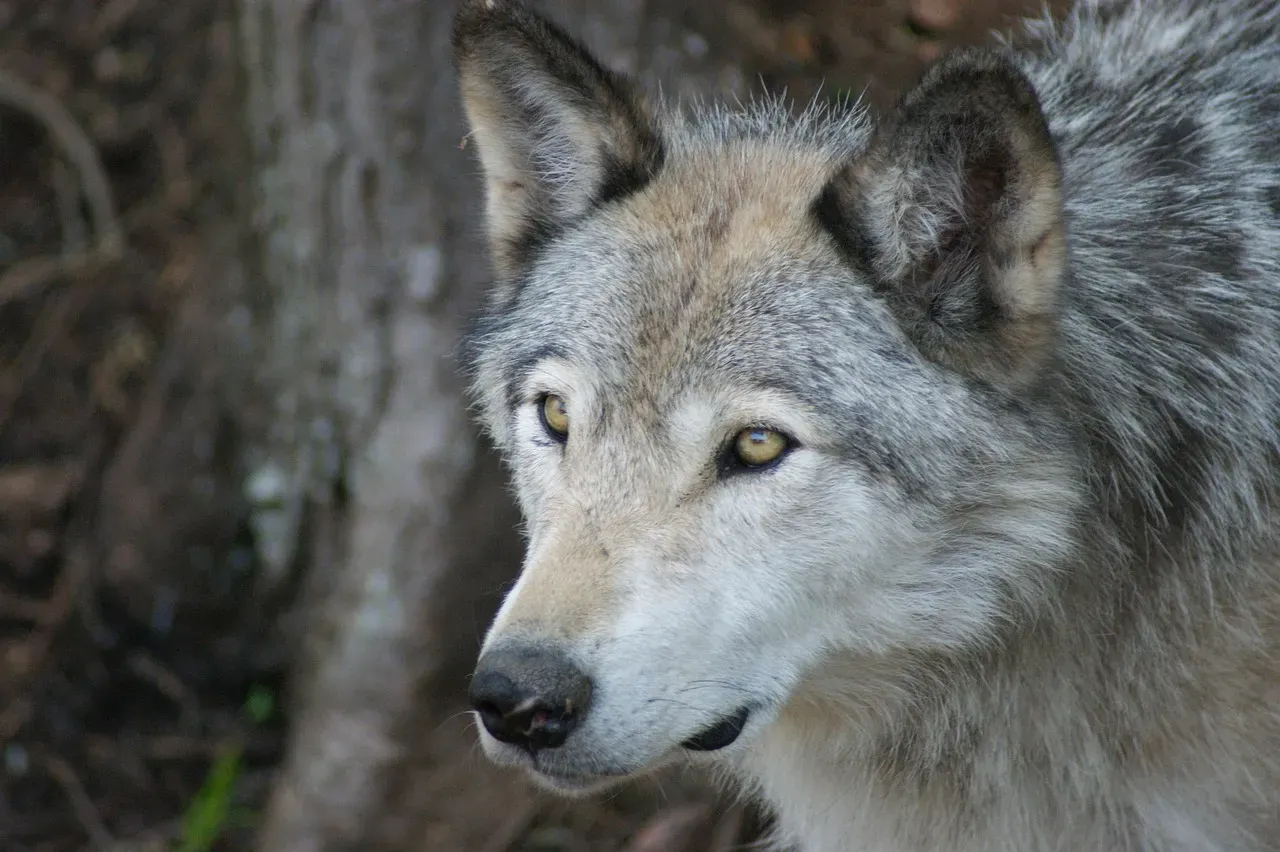
The question that defines this chapter of California’s wolf story isn’t whether wolves belong here. They’re already here. The question is whether the state, its ranchers, its scientists, and its policymakers can build a workable coexistence framework fast enough to stay ahead of a growing population.
Top predators keep ecosystems healthy by controlling prey species such as deer and elk, which would otherwise overgraze riparian habitats. Fewer deer also means lower deer-vehicle collisions – a 2021 study in Wisconsin found that wolf presence lowered these collisions by roughly a quarter, an economic benefit many times larger than the costs of livestock predation.
The state has formulated a management plan for wolves, including a compensation program for ranchers who lose livestock to wolves and efforts to mitigate conflicts. In California’s 2025 state budget, $2 million was allocated for the compensation program, though ranching advocates consider that far short of what is actually needed.
The path of wolf recovery in California has the potential to shape national, and even global, perspectives on wildlife restoration and large-scale conservation. A collaborative research project between UC Berkeley and the CDFW uses interdisciplinary methods to gather data on wolf spatial ecology, diet, and predator-prey dynamics, while contributing to conflict reduction strategies for rural communities and livestock producers.
In early 2026, a three-year-old female gray wolf made headlines when she was detected in Los Angeles County, marking the first known presence of the species there in roughly 100 years. She had traveled hundreds of miles south through the Sierra Nevada in just a matter of days, as if quietly demonstrating just how much of California still belongs to the wild.
Conclusion
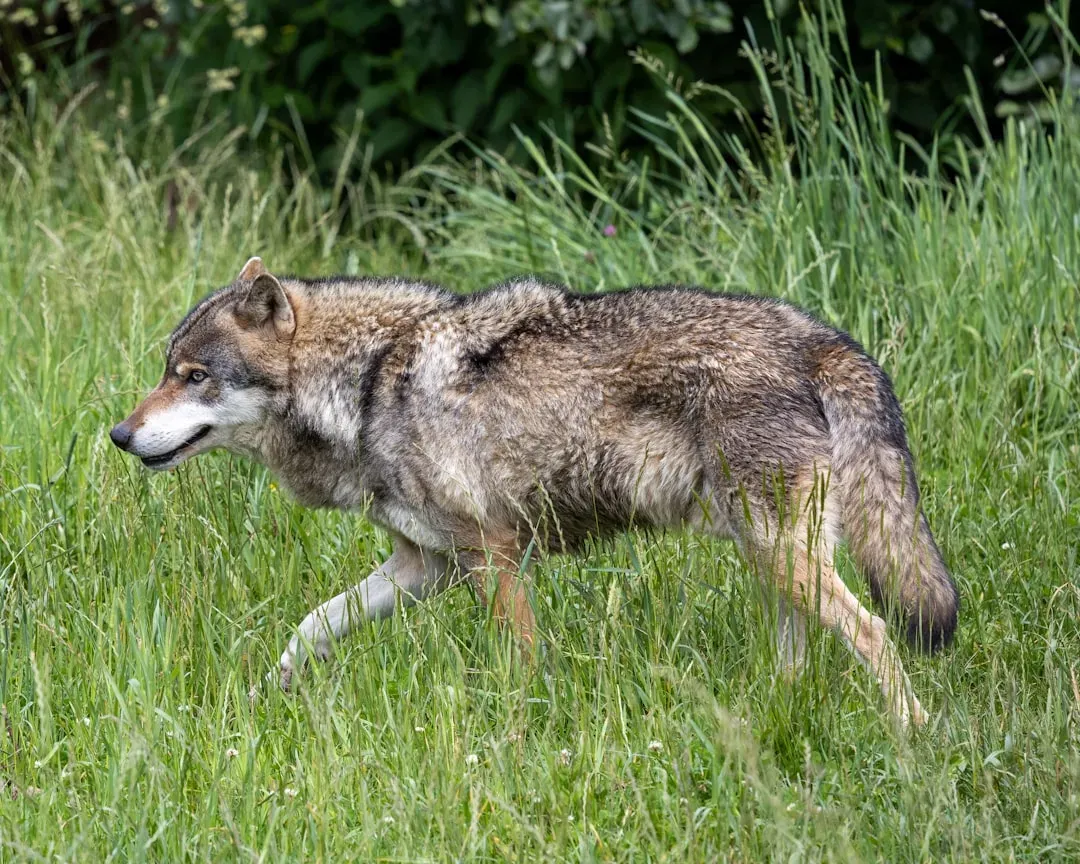
The return of wolves to California isn’t a neat conservation success story, and it isn’t a crisis either. It’s something more complicated and more honest than either framing allows. California has changed since the last time wolves and humans shared the landscape, and adjusting to the coexistence that was once natural will require patience, resources, and a genuine willingness to listen to people on different sides of this debate.
The wolves aren’t waiting for that conversation to conclude. They’re already ranging across Sierra meadows, through Central Valley corridors, and into mountain ranges near some of the most populated regions in the country. What that ultimately means for the land, for wildlife, and for the communities that depend on it will take years to fully know. Some of the most important changes a landscape undergoes are the slow ones – the ones you almost miss until you look back and realize nothing looks quite the same.
