

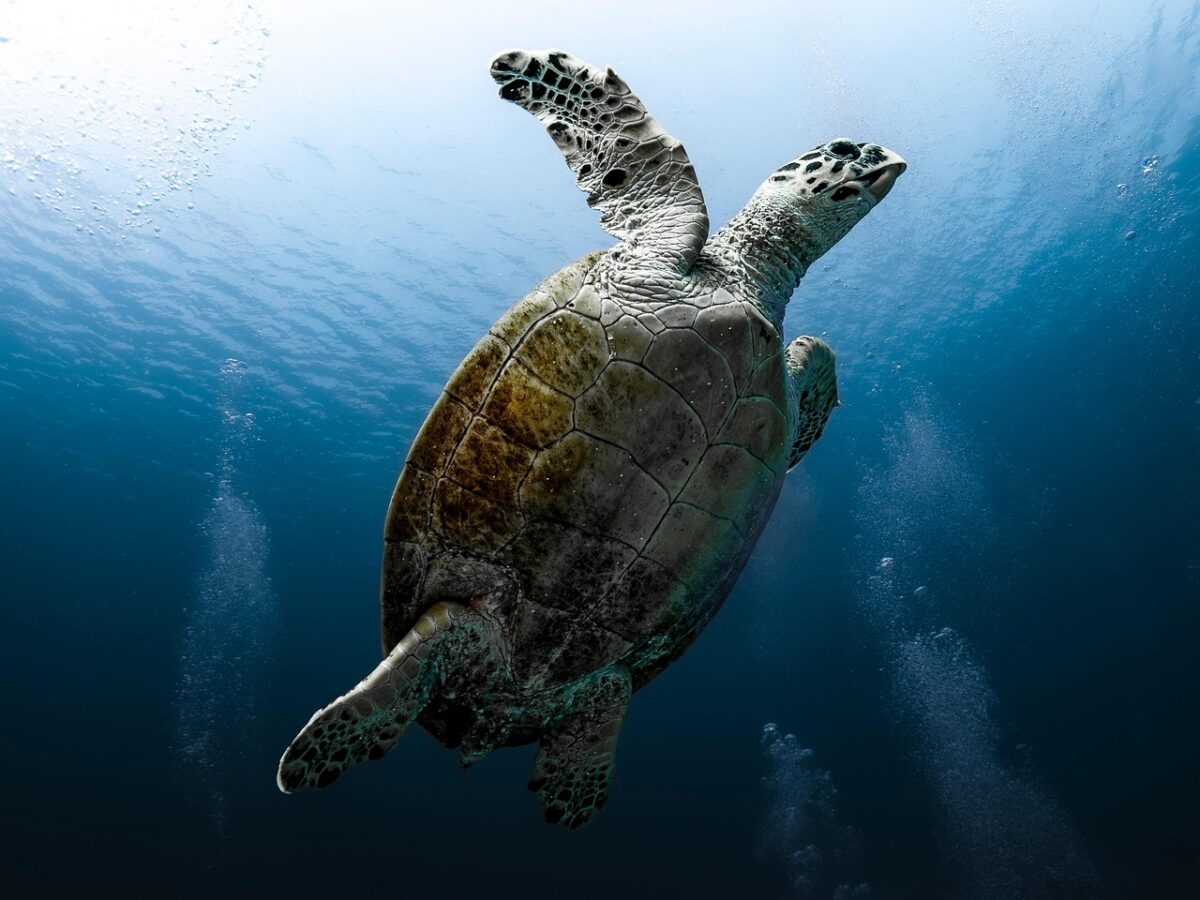
A new global study uncovered that nearly half of the world’s largest freshwater animals have been deliberately relocated to ecosystems beyond their original habitats. Researchers examined 216 species weighing at least 30 kilograms each, from massive fish to turtles, crocodilians, and even hippos. These introductions spanned 142 countries and regions, often driven by economic ambitions but frequently leading to unforeseen ecological and human challenges.[1][2]
A Startling Extent of Human-Mediated Dispersal
Scientists identified 93 species – 43% of all known large freshwater megafauna – that now inhabit rivers, lakes, and wetlands outside their native ranges. This marked the first comprehensive global assessment of these introductions and their socio-economic ripple effects. The team drew on extensive distribution data to map this phenomenon, revealing deliberate human actions as the sole driver for such large animals.[3]
All relocations occurred intentionally, unlike smaller species that sometimes hitchhike accidentally. Common carp spread to more than 100 countries, while African catfish established in over 30 nations for aquaculture. Nile perch arrived in Lake Victoria to bolster fisheries, and spectacled caimans entered the pet trade in places like the United States.[1]
Primary Motivations Behind the Moves
Introductions primarily sought to enhance fisheries and aquaculture, accounting for 57% of documented benefits. Recreational pursuits like sport fishing and ecotourism followed at 20%, with materials, companionship, and pets making up 12%. Environmental management efforts rounded out the rest, such as deploying silver carp and bighead carp to curb phytoplankton blooms or grass carp to clear aquatic weeds.[2]
Other incentives included leather production from crocodilians in China and tourism boosts from hippos in Colombia. Siamese and Nile crocodiles joined these efforts for farming. Pet enthusiasts imported turtles, river stingrays, and more, prioritizing economic or aesthetic gains over long-term risks.[1]
Balancing Gains Against Growing Harms
Of 59 species with recorded positive contributions, 26 also inflicted negative effects on local populations – nearly every second one assessed. Benefits appeared straightforward, like improved yields in aquaculture or tourism revenue. Yet harms proved subtler and often indirect, including health risks from aggressive species, property damage, and eroded food security as native fish stocks plummeted.[2]
The Nile perch case exemplified this trade-off: it expanded fisheries in Lake Victoria but triggered collapses in small native fish, sparking economic distress and malnutrition among communities. Hippos in Colombia drew visitors yet endangered nearby residents. “Such detrimental effects – especially on vulnerable or marginalised local communities – are often complex and require long-term monitoring,” noted Fengzhi He, a co-author from the Chinese Academy of Sciences.[2]
- Nile perch in Lake Victoria: Fishery boost versus native species loss and livelihood crises.
- Common carp worldwide: Aquaculture gains amid habitat disruptions.
- Spectacled caimans: Pet trade appeal with safety and ecological threats.
- Carp species for biocontrol: Algae/weed reduction but biodiversity costs.
- Hippos in non-native areas: Tourism value offset by human-wildlife conflicts.
Where Introductions Proliferate Most
The United States led with 52 introduced megafauna species, followed closely by others in a clear pattern of high activity.
| Country | Number of Introduced Species |
|---|---|
| United States | 52 |
| China | 28 |
| Canada | 23 |
| Russia | 19 |
| Belgium | 18 |
Germany recorded 17 species. These hotspots reflected strong aquaculture, pet markets, and recreational fishing sectors. No continent escaped except Antarctica, underscoring the worldwide scope.[2]
Xing Chen, the lead author, highlighted surprises like caimans as U.S. pets or Chinese leather farms. Sonja Jähnig emphasized balancing development with conservation through better risk evaluation.[2]
Charting a Cautious Path Forward
The study, published in One Earth in March 2026, urged rigorous pre-introduction assessments and transparent impact reporting. Benefits drew quick documentation via economic metrics, but harms demanded prolonged observation. As demand for aquaculture and recreation persists, policymakers must weigh short-term wins against enduring threats to ecosystems and communities.[3]
Key Takeaways
- 43% of 216 megafauna species introduced deliberately across 142 regions.
- Benefits in fisheries (57%) clash with harms to 26 of 59 beneficial species.
- U.S. tops list at 52 introductions; global action needed for monitoring.
Unchecked relocations risk amplifying biodiversity loss and human hardships in vital freshwater systems. Stronger safeguards could preserve these watery realms for future generations. What steps should nations take next? Share your thoughts in the comments.

- Urban Coyotes Show Remarkable Adaptability, Learning to Thrive in City Environments - July 22, 2026
- Beavers Are Nature’s Engineers, Creating Vital Habitats for Other Wildlife Species - July 21, 2026
- The Recovery of the California Condor Offers Hope for Other Critically Endangered Birds - July 21, 2026