
Worried about unexpected vet bills?
Pet insurance can cover thousands in unexpected vet costs. Get a free quote from Lemonade in under 2 minutes.
Get My Free Quote →Sponsored · Opens Lemonade.com
Fifty years ago, gray wolves had nearly vanished from the contiguous United States. About half a century ago, wolves in the lower 48 states numbered roughly 750 and were found only in northern Minnesota and on Isle Royale, Michigan. Today, more than 6,000 wolves occupy much of the suitable habitat across 11 different states. That quiet rebuilding of a species once hunted to the edge of extinction is now one of the most closely watched natural experiments in modern ecology.
Wolves are seen by wildlife experts as essential to the native balance of species, species interactions, and ecosystem health. Their return to landscapes from which they were erased has triggered changes that scientists are still working to fully understand. From riverbanks growing taller willows to beaver populations climbing back from zero, the wolves are doing something more than surviving. They are reshaping the land itself.
Wyoming: Ground Zero for the Great Experiment
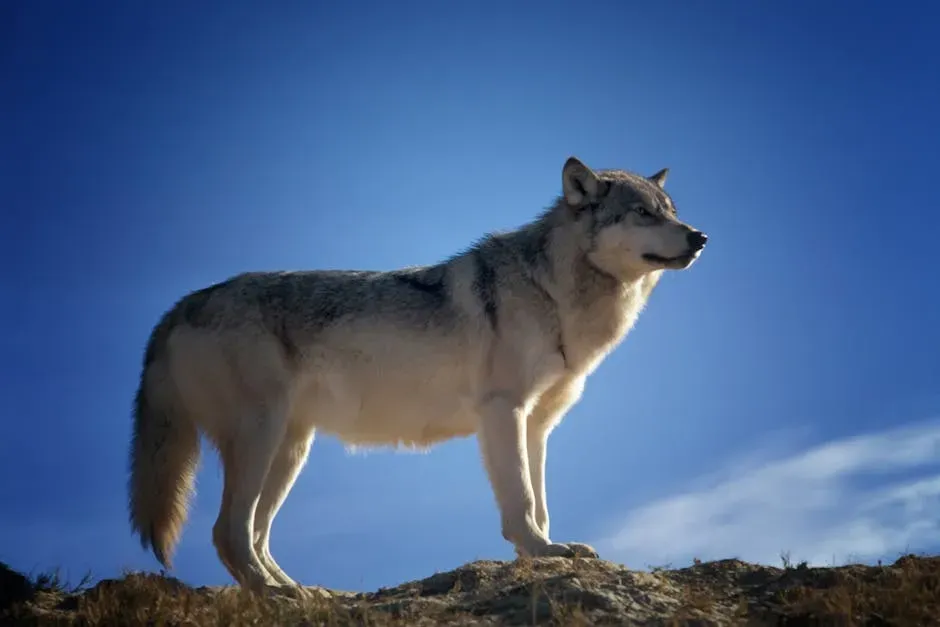
Gray wolf packs were reintroduced to Yellowstone National Park and Idaho starting in 1995. It was a decision that had been contested for decades, and the ecological consequences turned out to be far more dramatic than even many supporters had anticipated.
When the gray wolf was reintroduced into the Greater Yellowstone Ecosystem in 1995, there was only one beaver colony in the park. Today, the park is home to nine beaver colonies, with the promise of more to come, as the reintroduction of wolves continues to astonish biologists with a ripple of direct and indirect consequences throughout the ecosystem.
Reduced herbivory pressure from Rocky Mountain elk followed wolf reintroduction, leading to increased growth in willows. Wyoming’s wolf population stood at around 330 as of December 2024, and the state remains one of the central proving grounds for understanding what happens when an apex predator is given room to thrive.
Idaho: Where Recovery Met Controversy
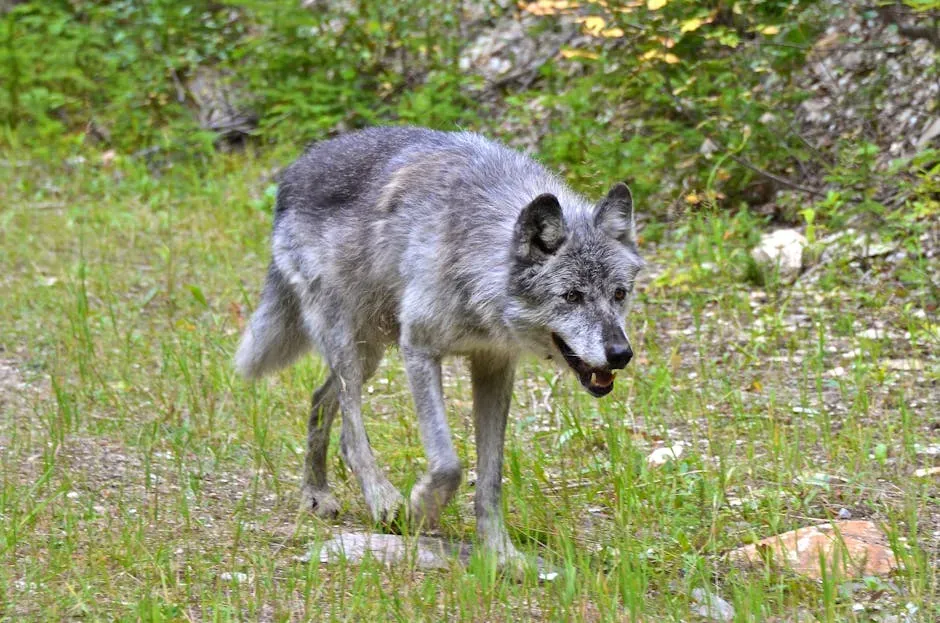
The Northern Rockies reintroductions used wild-caught individuals translocated in large numbers: 31 individuals to Yellowstone and 35 to central Idaho in 1995 and 1996. Idaho became both a success story and a flashpoint for disagreement over how recovered wolves should be managed.
The Wood River Wolf Project in Idaho has shown that non-lethal management is successful at reducing livestock losses while maintaining wolf populations. That finding matters a great deal, because it suggests coexistence is achievable with the right tools in place rather than requiring a permanent standoff between ranchers and conservationists.
Wolf dispersal has been documented between and among populations in the Northern Rocky Mountains, including those in Montana, Idaho, and Wyoming. Idaho’s wolves haven’t just stayed put. They’ve seeded new populations across the region, making them a source population for much of the broader recovery.
Montana: Natural Recovery Before the Rest
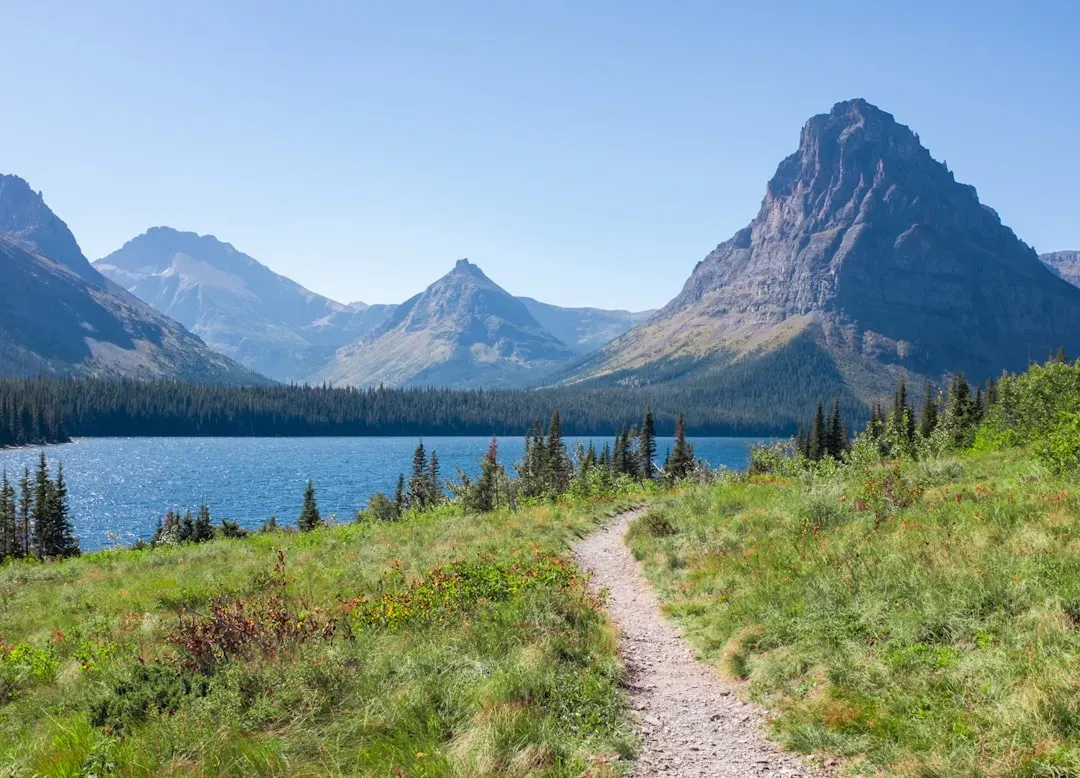
Wolf recovery in Montana began in the early 1980s via natural immigration from Canada. In 1995 and 1996, wolves were reintroduced into central Idaho and Yellowstone National Park by the U.S. Fish and Wildlife Service. Montana is distinctive in that it didn’t require the same kind of active reintroduction that Wyoming did. Wolves simply walked back in.
Wolf populations in Yellowstone National Park and central Idaho grew rapidly and soon became a source of dispersers to Montana via natural emigration. New packs formed outside the earliest core wolf areas and overall wolf distribution expanded. Montana’s Fish, Wildlife, and Parks Department says that controlled hunting has helped stabilize its wolf population for over a decade, with about 800 wolves throughout the state during these ten years.
Minnesota: The Anchor of the Great Lakes Recovery
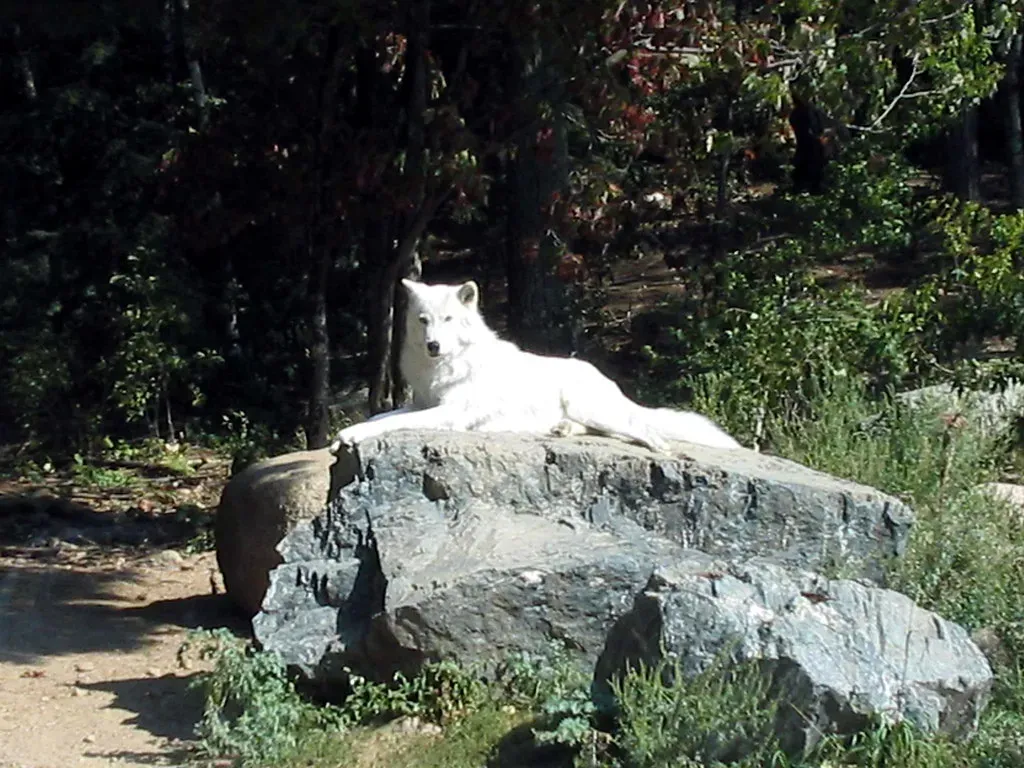
Besides Alaska, Minnesota is the only other state that held a viable gray wolf population through the darkest years. Minnesota has made it a priority to protect wolves for many years. That commitment gave the entire Great Lakes region a lifeline when populations elsewhere had collapsed entirely.
By the early 1960s, gray wolves were nearly eradicated from Michigan and Wisconsin, and only a small number existed in northeastern Minnesota along the Ontario border. The Minnesota wolves have since repopulated extensive portions of the state, and they spread across northern Wisconsin and Upper Michigan after they were federally listed as endangered in 1974. Today, there are about 2,700 wolves in Minnesota, making it by far the most wolf-dense state in the lower 48.
Wisconsin: A Forest Recovery Story
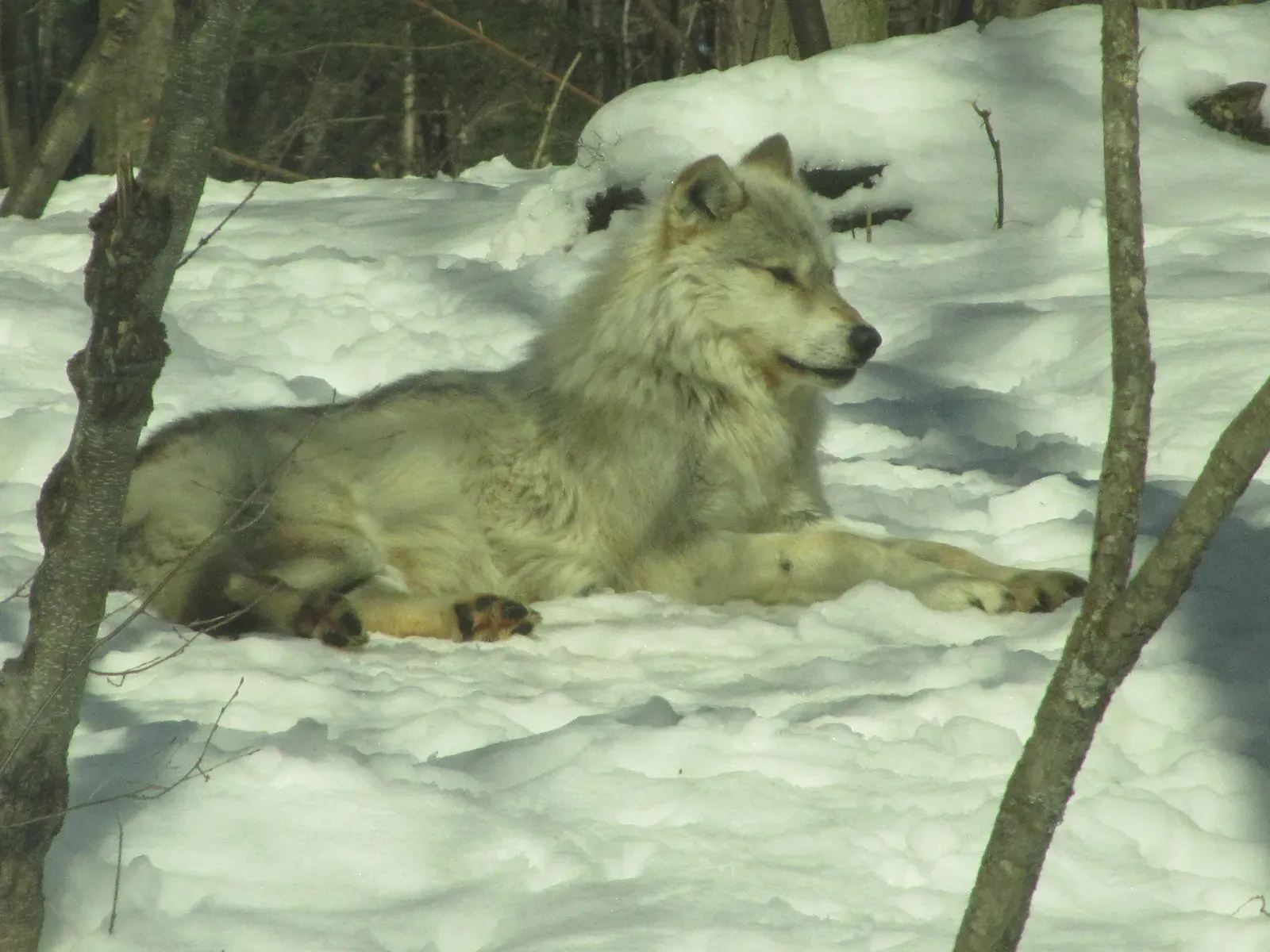
Wolves likely from Minnesota returned on their own to Wisconsin in the 1970s. Both Wisconsin and Michigan host wolf populations today. The natural recolonization of Wisconsin required no translocation effort. The connected forest corridors simply allowed wolves to follow their instincts north to south.
Wisconsin’s wolf population reached approximately 1,200 individuals in the 2024 to 2025 period. Their presence has quietly reorganized deer behavior across large swaths of northern forest, reducing overgrazing pressure in areas where deer had been browsing woodlands down to little more than stubble. It is illegal in Wisconsin to hunt wolves, and non-lethal methods must be used to control them.
Michigan: Island Wolves and Mainland Recovery
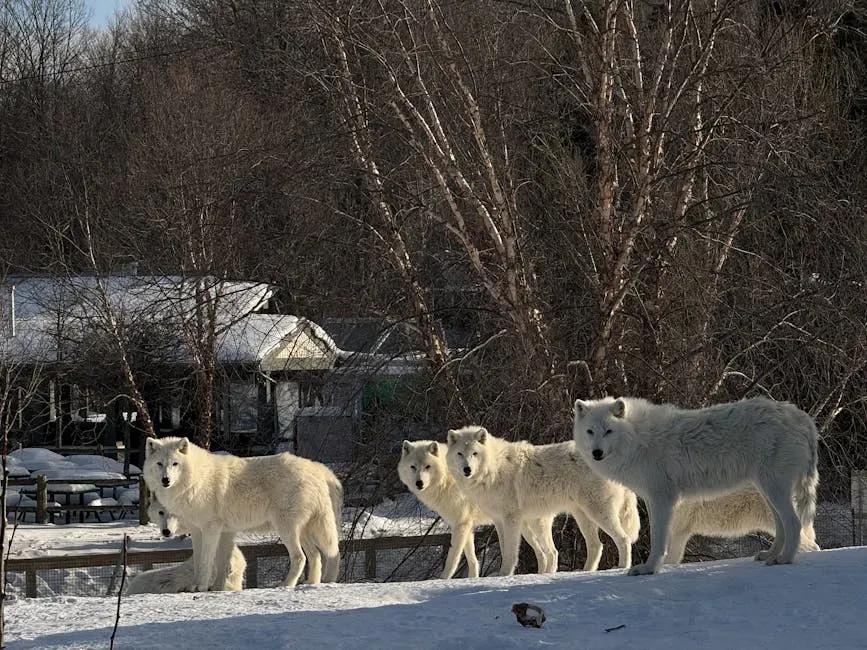
Michigan’s wolf population stood at 762 individuals as of the 2023 survey. The state has an unusual wolf history, partly tied to Isle Royale National Park in Lake Superior, which hosted one of the most closely studied predator-prey relationships on earth, the long-running dynamic between wolves and moose on that isolated island.
A keystone predator controls the density of a primary consumer that is capable of excluding other species from the community. Wolves are a keystone predator because they control the densities and behavior of an ecologically significant prey species, elk. In Michigan’s forests, that same principle plays out with deer and moose populations, reshaping what grows and where it grows across the Upper Peninsula.
Oregon: A Cautious Comeback
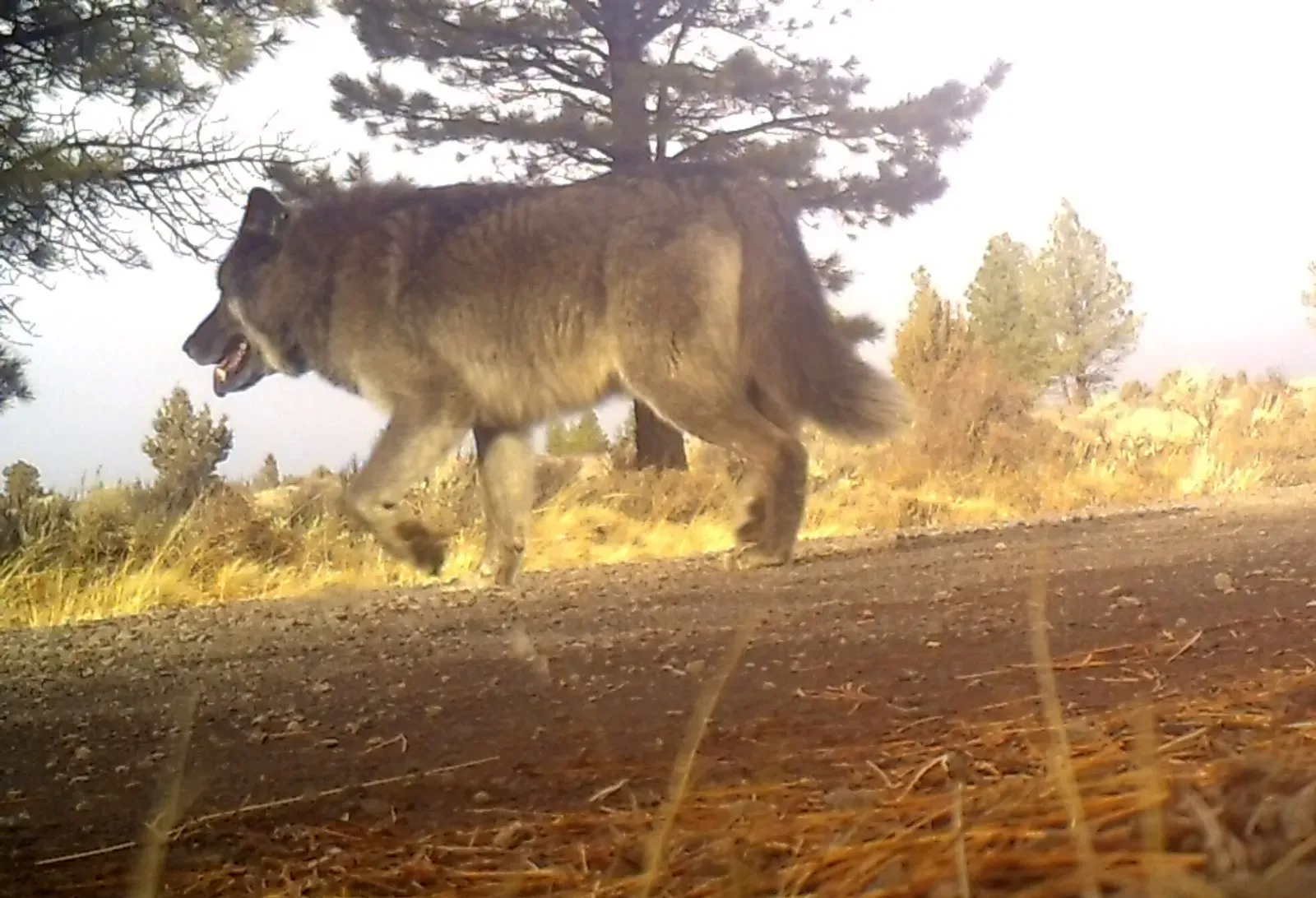
After several years of stagnation, Oregon’s wolves appear to be bouncing back. The Oregon Department of Fish and Wildlife’s 2024 Annual Wolf Report shows the state’s known wolf population has finally grown, reaching 204 individuals. That number might sound modest, but the trend behind it is what’s encouraging.
Oregon’s gray wolf population had flatlined after a recorded 178 wolves in both the 2022 and 2023 annual counts. In 2024, a total of 25 packs were documented, an increase from 22 in 2023, and 17 of those packs met the state’s criteria as breeding pairs. In Oregon, more wolves appear to be breeding west of the Cascades, where the species has struggled with population rebound partly due to the number of roads and denser cities.
Washington: Pack Expansion Across the Cascades
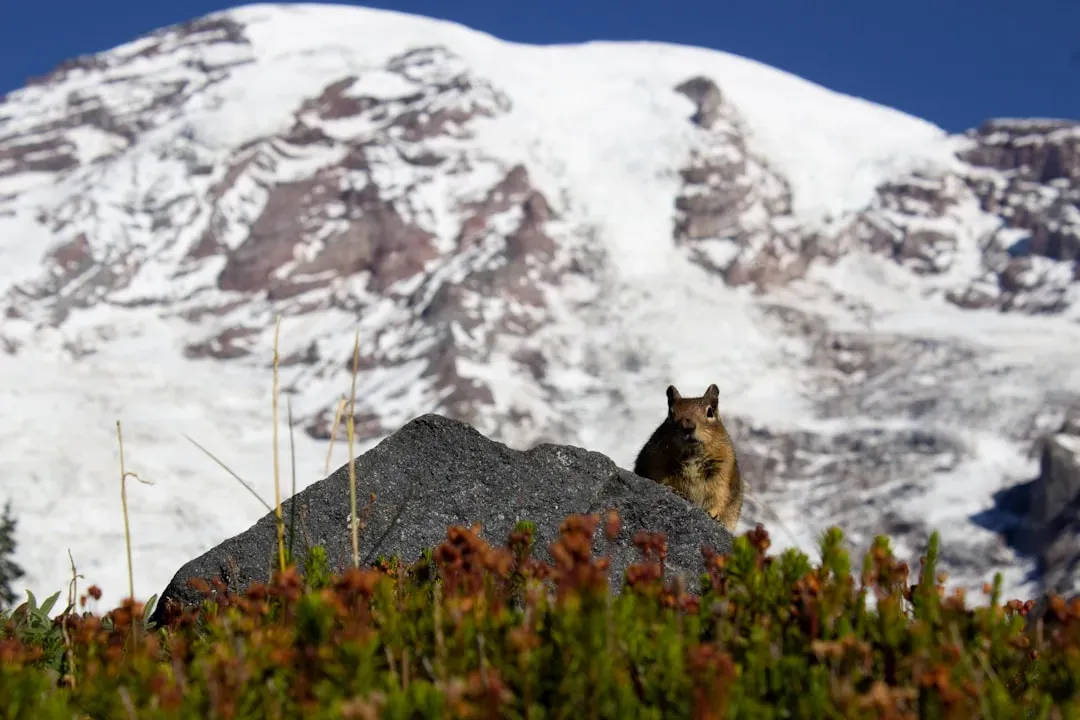
Washington counted 230 individual wolves in 43 family groups and packs as of April 2025. The state’s recovery has been gradual but consistent, with wolves pressing westward from the Selkirk and Okanogan Highlands toward habitat that hadn’t heard a howl in generations.
Wolves have been reestablished in large landscapes where only decades ago they had been effectively exterminated, and have recently expanded their range into the Pacific Northwest and northern California. Washington’s experience underscores how wolves move on their own schedule, not ours. Given enough protection and connected habitat, they find their way.
New Mexico: The Lobo’s Long Road Back
![New Mexico: The Lobo's Long Road Back (Transferred from en.wikipedia to Commons by Innotata using CommonsHelper.(Original text: [1]. Edit to reduce noise, improve contrast and adjust levels by Yummifruitbat.), Public domain)](https://nvmwebsites-budwg5g9avh3epea.z03.azurefd.net/aatg/7dcff4fbc5fd02911a5af395a2758ad8.webp)
(Original text: [1]. Edit to reduce noise, improve contrast and adjust levels by Yummifruitbat.), Public domain)
The Mexican gray wolf, or lobo, is the rarest subspecies of gray wolf in America, but thanks to decades of conservation work, their small population is growing. The lobo’s story is one of the most precarious recoveries in American conservation history, beginning with a captive population so small it barely had room to survive.
As of March 2026, there were at least 319 wild Mexican wolves in the United States: 176 in New Mexico and 143 in Arizona. This represents 10 years of consecutive population growth. That sustained growth is significant. Wolves are a keystone species, keeping prey populations like nest predators and rodents in check, and maintaining ecological balance that benefits a whole host of plants and animals.
Arizona: Desert Wolves Defying the Odds
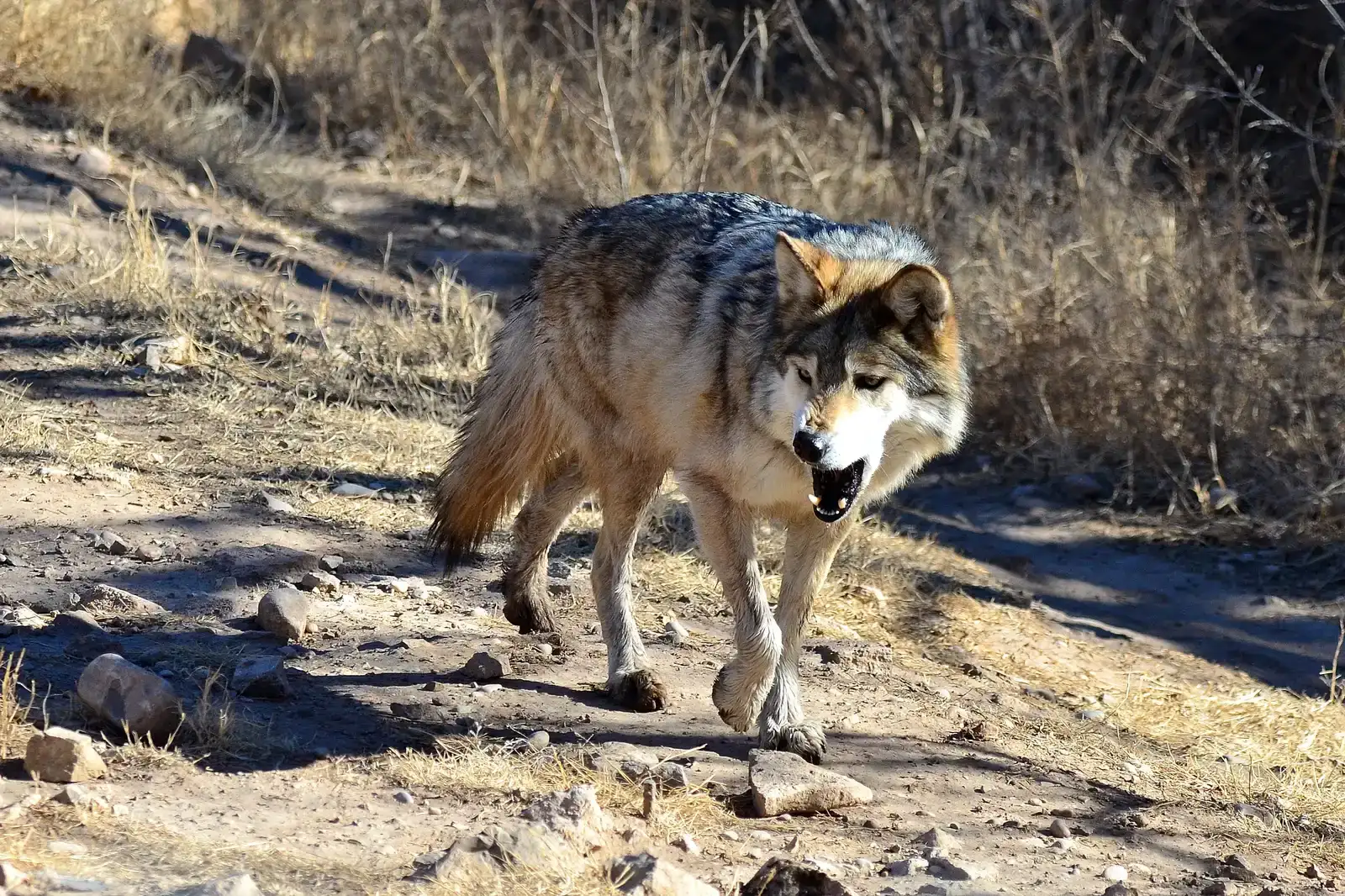
The United States population of Mexican wolves has surpassed interim abundance and release targets, as well as predictions for gene diversity and population growth. Arizona’s portion of that success reflects years of careful management, captive breeding, and translocation work carried out across the rugged terrain of the Southwest.
The population of lobos is starting to outgrow its recovery area, or the specific area of habitat defined by the U.S. Fish and Wildlife Service beyond which the wolves aren’t meant to roam. That’s a problem most conservationists would have considered impossible to imagine two decades ago. Wolves searching for new territory because their recovery area is getting crowded is, in the clearest sense, a success.
Colorado: The Newest Chapter
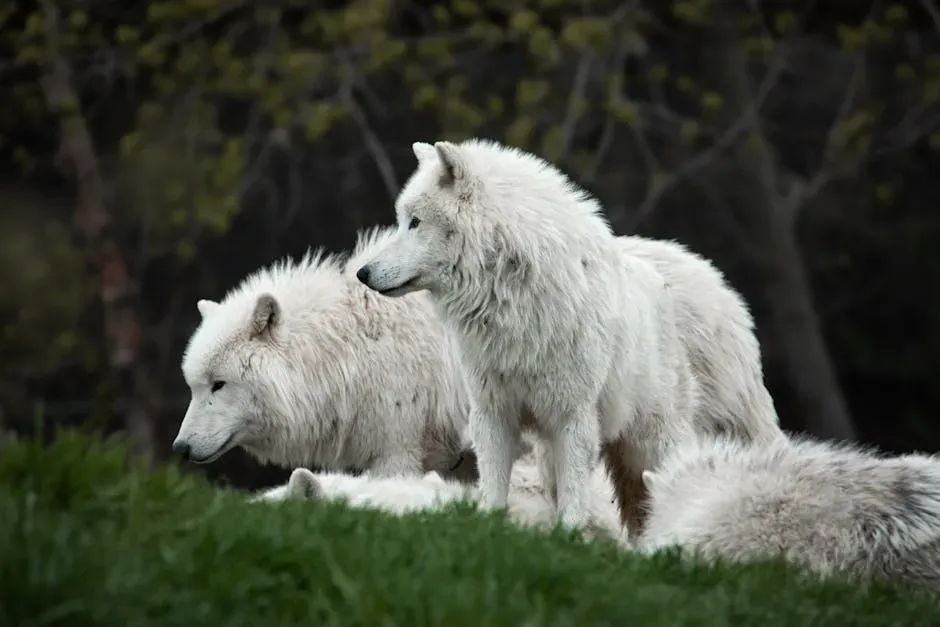
Proposition 114, a ballot initiative to introduce wolves on the Western Slope by 2023, was narrowly approved by voters in November 2020. Colorado’s reintroduction effort was unusual precisely because it was driven by a public vote, making it the first state-level wolf reintroduction decided directly by citizens rather than wildlife agencies alone.
In late December 2023, the first wolves were released onto public land in Summit and Grand counties. The 10 wolves were translocated from Oregon. Because of subsequent losses, Colorado Parks and Wildlife translocated another fifteen wolves from British Columbia, Canada, in 2025. The road hasn’t been smooth, but the commitment to re-establishing wolves in the southern Rockies remains intact.
North Carolina: The Red Wolf’s Fragile Hold
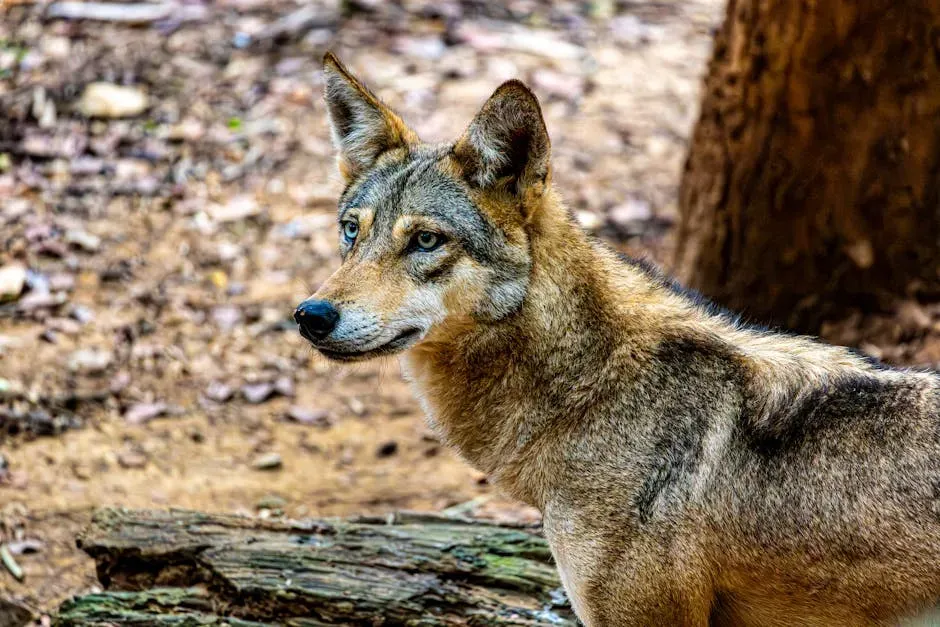
In 1980, red wolves were declared extinct in the wild. A captive breeding program established by the U.S. Fish and Wildlife Service reintroduced red wolves to North Carolina in 1987, marking the first time a large carnivore had ever been reintroduced to the wild. That singular event set the template for every large carnivore recovery effort that followed.
Each loss of a red wolf not only diminishes genetic diversity but also destabilizes the delicate ecological balance these predators help maintain. Their role in controlling prey populations and maintaining the health of their environment highlights the broader implications of their decline, not just for biodiversity but for the health of entire ecosystems. As of July 2025, only 18 known red wolves remain in the wild in North Carolina. That number is sobering, but the captive breeding program continues, and the commitment to wild recovery has not been abandoned.
Conclusion: A Return Still in Progress
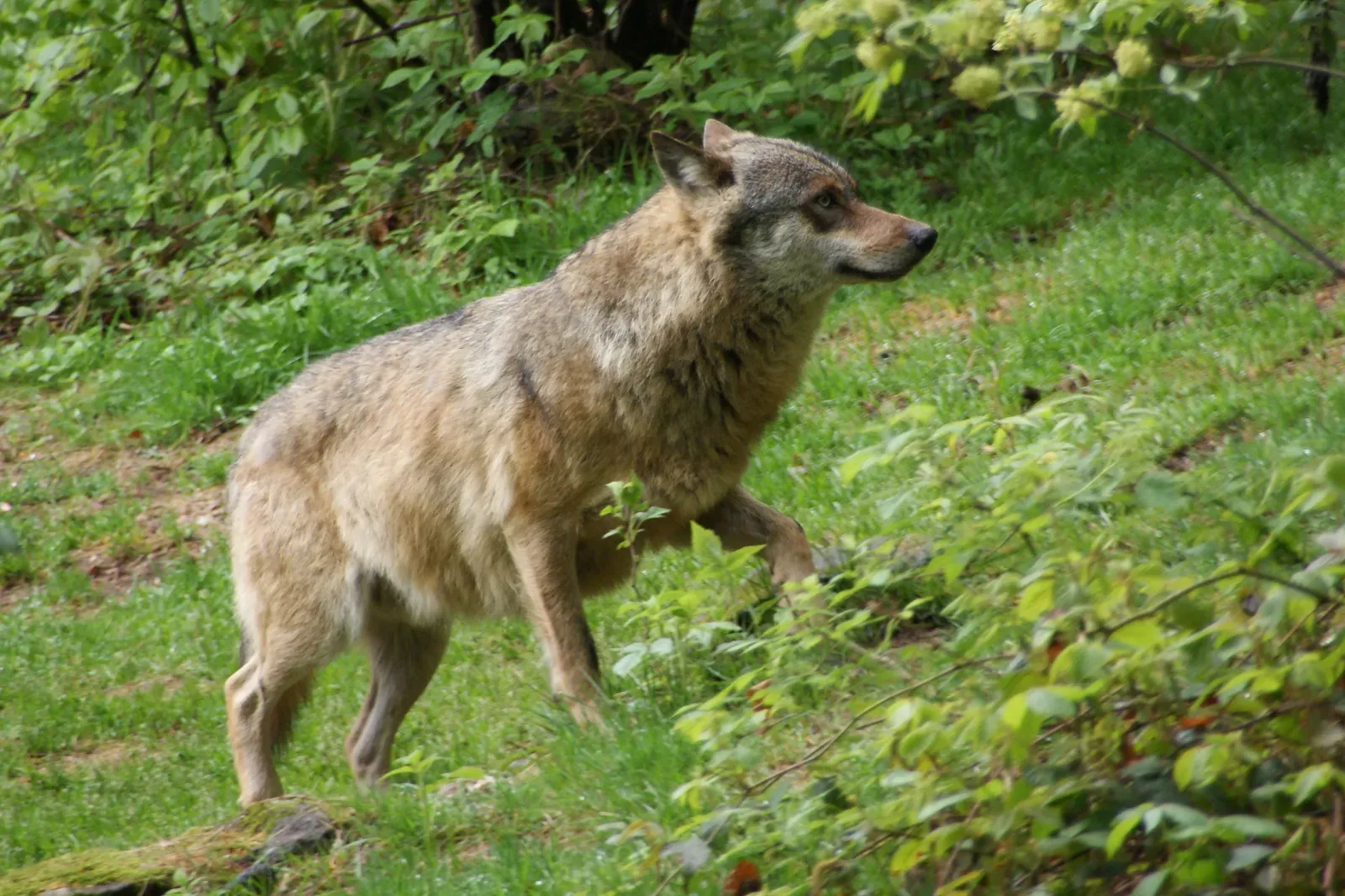
It is critical to recognize that wolf populations are integral to the health of fragile ecosystems and hold significant cultural importance in our shared heritage. The stories unfolding across these twelve states are not identical, and the evidence for ecological recovery varies in strength from one region to the next. Some landscapes have transformed measurably. Others are still early in the process.
The reintroduction of wolves into Yellowstone reveals how recovering ecosystems may diverge from their original states. Recovery is rarely a clean reversal of what was lost. Ecosystems shift, species adapt, and the land responds in ways that surprise even experienced biologists. That complexity is part of what makes wolf recovery one of the most compelling natural stories of our time.
What these twelve states share is the early evidence that removing a top predator leaves a mark that extends far beyond the animal itself, and that bringing one back can begin to set things right. Whether that process unfolds smoothly or with difficulty depends enormously on how well humans choose to coexist with the wildness they once drove away.
Worried about unexpected vet bills?
Pet insurance can cover thousands in unexpected vet costs. Get a free quote from Lemonade in under 2 minutes.
Get My Free Quote →Sponsored · Opens Lemonade.com
