

Worried about unexpected vet bills?
Pet insurance can cover thousands in unexpected vet costs. Get a free quote from Lemonade in under 2 minutes.
Get My Free Quote →Sponsored · Opens Lemonade.com
Something significant is shifting in the Ozarks. Trail cameras are catching images that many Missourians never expected to see again – a large, dark shape moving through the oak-hickory forest at dusk, unmistakably a black bear. For most of the twentieth century, this was essentially impossible. The black bear, once a fixture of the Ozarks, came so close to disappearing from the state that wildlife officials in the early twentieth century essentially wrote them off.
The return didn’t happen through a dramatic rescue. Following successful restoration efforts in nearby Arkansas, black bears began to naturally immigrate back into the Ozarks of southern Missouri. Nobody had to haul bears into Missouri. The population simply rebuilt itself, animal by animal, pushing northward as the forest recovered and pressure eased. What’s unfolding now is one of the quieter but more remarkable wildlife stories in the American Midwest.
The Population Numbers Tell a Clear Story
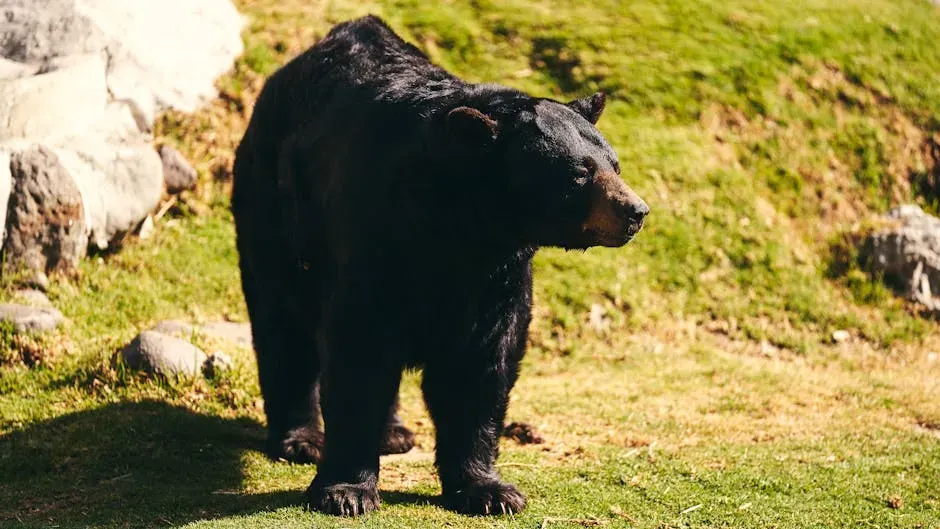
Raw numbers are often the most honest signal. Missouri now has a population of roughly 900 to 1,000 black bears, up from about 300 in 2010. That kind of growth, more than tripling in roughly fifteen years, is not something wildlife managers take for granted.
Research shows Missouri’s bear population is growing at a rate of about 9 percent per year, which means it could double in a decade. At that pace, the state’s bear landscape will look considerably different by the mid-2030s than it does today.
As of 2025, it is estimated that 1,000 bears currently reside in the state. That figure would have seemed almost fictional to naturalists just a few generations ago. The trajectory is steady, and there’s little indication it’s slowing.
Sighting Reports Are Spreading Across Dozens of Counties
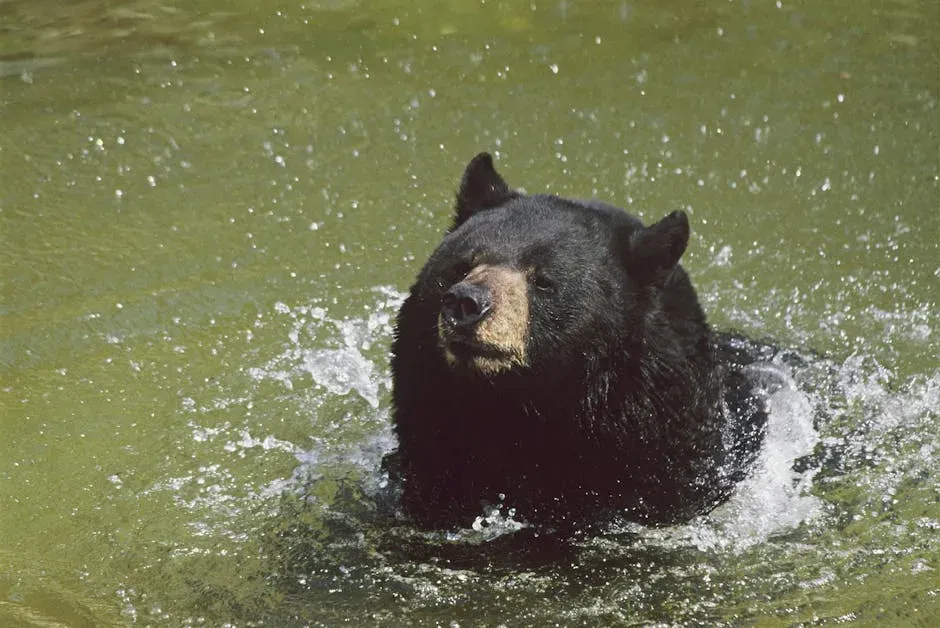
One of the clearest signs that bears are reestablishing themselves is the sheer geographic spread of confirmed sightings. In 2024 alone, the Missouri Department of Conservation received 372 bear reports in 70 counties. Overall, black bears have been reported in 107 counties, and the distribution and number of bear reports is steadily increasing.
Most bears are concentrated in the Ozark Mountains, south of Interstate 44, but they’ve been sighted in over 90 percent of Missouri’s 115 counties, including as far north as Albany. That geographic reach says something important about where this population is headed.
Along with scientific data, there’s also plenty of citizen science information about Missouri’s bear population in the form of bear sightings, a number that has steadily increased in the past decade. These sightings include accounts of bears being seen in both rural and urban areas.
Bears Are Moving Well Beyond Their Traditional Core Range
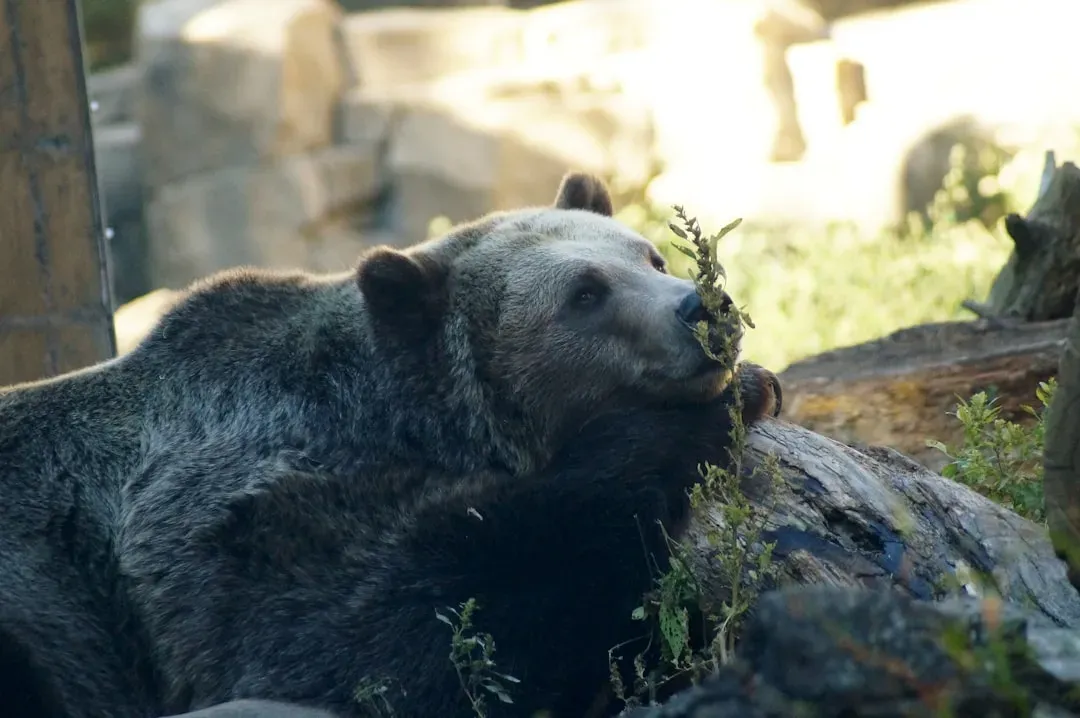
Missouri’s core bear territory has historically sat south of Interstate 44, anchored in the dense Ozark forest. That boundary is now blurring. Over the past several decades, bear numbers have been gradually increasing in Missouri as bears from Arkansas have been dispersing northward. More recently, bears have been observed regularly north of the Missouri River, which further suggests that black bear populations are expanding their range.
In 2016, a bear that had been tagged in Christian County two years earlier was seen in Warren County, meaning it had crossed the Missouri River. This bear then traveled back to southern Missouri and was tracked to Cape Girardeau County in southeast Missouri, a true testament to a bear’s wandering abilities.
Some bears are covering remarkable distances as they expand their range. One tracked black bear traveled 27 miles in just two days. That kind of mobility means a bear spotted in a suburban yard near St. Louis may have started its journey deep in the Ozarks.
Trail Cameras Are Capturing What Was Once Unimaginable
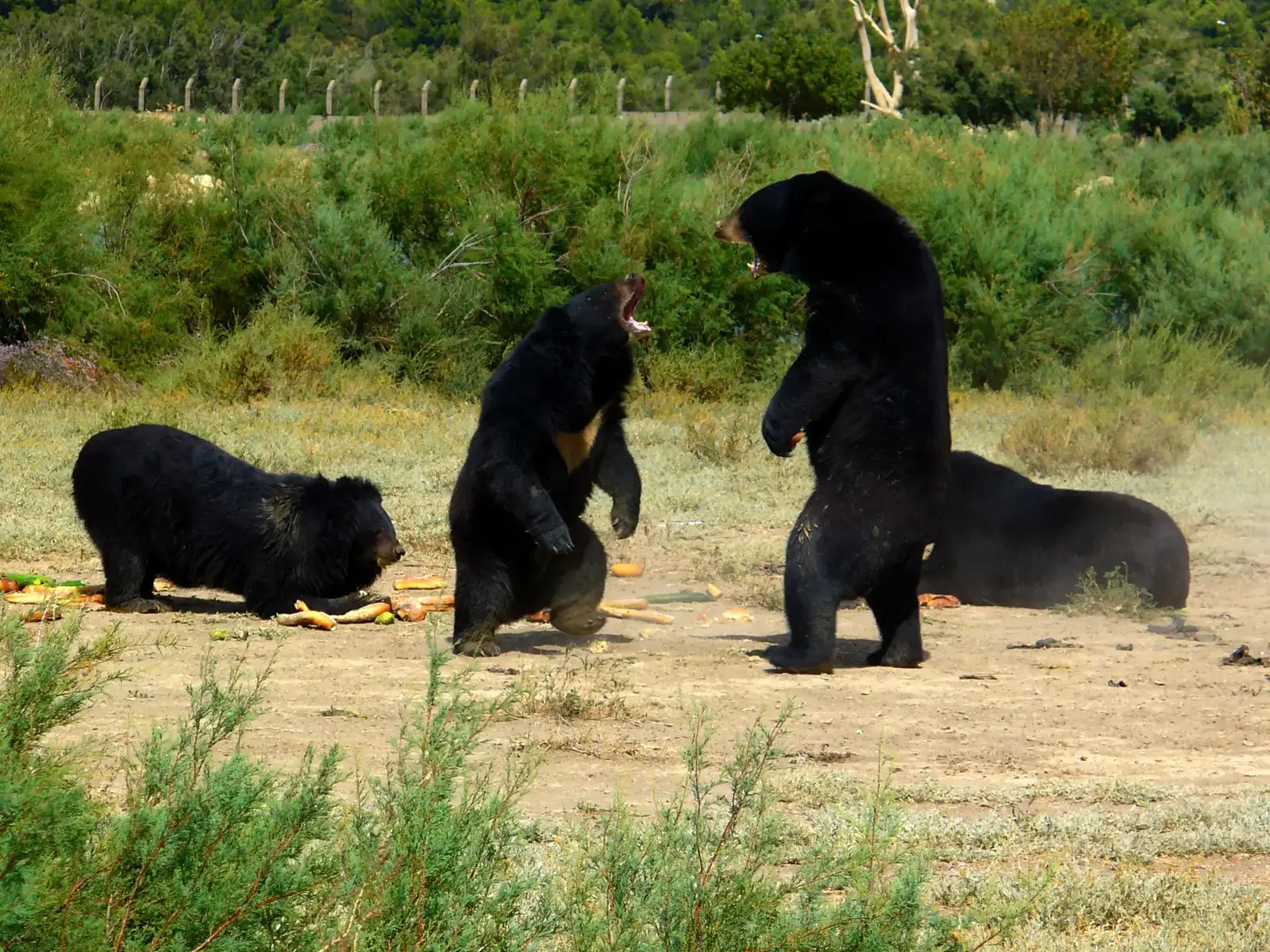
Trail cameras, scattered across the Ozark forest by hunters, researchers, and curious landowners, are now one of the most reliable indicators of bear presence. That success is now showing up on Missouri’s trail cameras, and increasingly, in suburban neighborhoods far from the Ozarks.
Photos and video recently shared by the Missouri Department of Conservation show staff conducting a winter den check on a radio-collared female black bear in the Ozarks. The bear was found inside a large brush pile alongside three female cubs, highlighting both the growth of Missouri’s bear population and ongoing research efforts to monitor it.
Biologists typically conduct these checks while bears are in a state of winter dormancy, allowing researchers to safely gather data on adult bears and cubs. As part of the research, MDC staff places game cameras at the site of the dens to record activity. Each image collected is a small piece of evidence in a much larger story of recovery.
The Mark Twain National Forest Is Serving as a Critical Stronghold
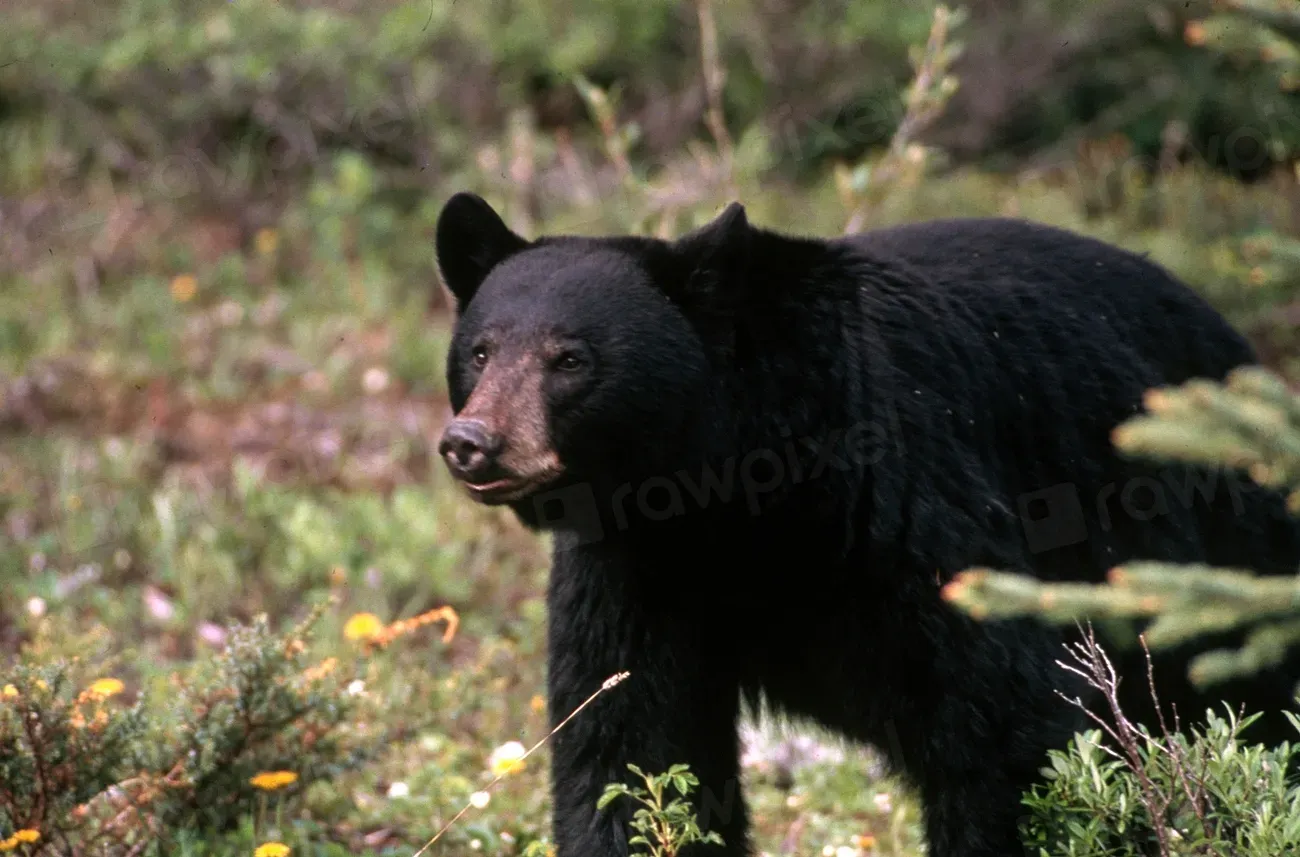
Not all forest is equal for black bears. They need space, food, cover, and reliable denning sites. Southern Missouri delivers on all counts. Missouri’s black bears are predominantly found in the oak-hickory forests of the Ozark region. This rugged, heavily forested landscape in the southern part of the state provides exactly what bears need: food, cover, water, and denning sites.
The Mark Twain National Forest, which covers large portions of southern Missouri, is one of the most reliable areas for bear presence. The sheer size and continuity of that forest matters. Bears don’t thrive in fragmented patches; they need connected corridors.
There is a lot of prime habitat for bears to use, which has facilitated population recovery. It doesn’t always require perfect habitat conditions for a bear to appear. Bears can adapt, and as the population grows, bears may be more likely to use marginal habitats, such as forests fragmented by agriculture or residential areas.
Bears Are Reshaping Their Ecological Role in the Forest
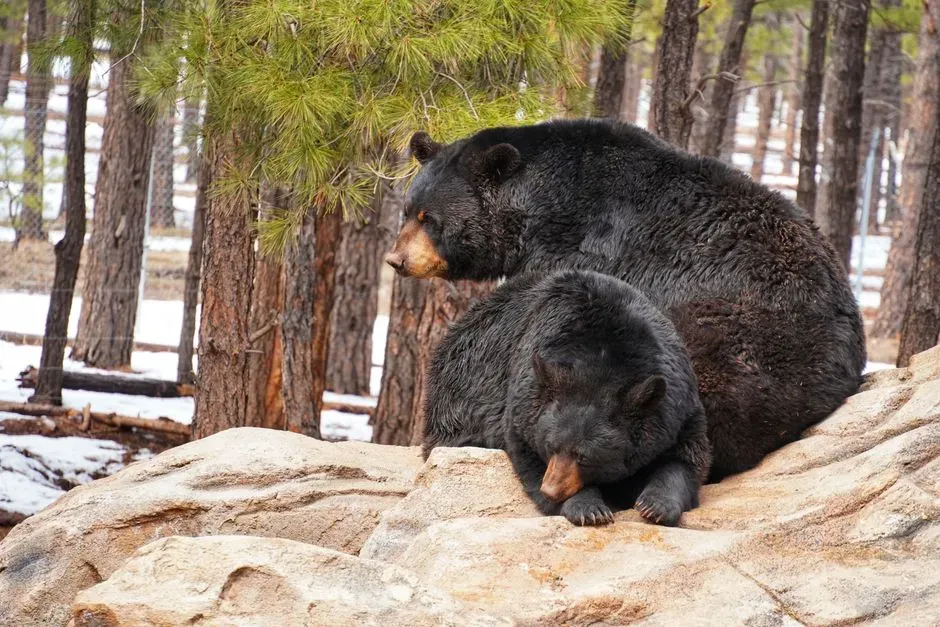
Their presence isn’t just a wildlife curiosity. Bears do meaningful ecological work. Black bears are roving omnivores, and as they eat plants and berries, they help disperse seeds over long distances. In the summer months when insects are abundant, they will go through and rip apart decomposing logs in search of insects.
Conservationists also point to the role black bears play in Missouri’s ecosystem. They’re a great indicator species of forest health, they help with nutrient recycling and they’re really good seed dispersers. From spreading seeds to cleaning up the forest floor, bears help keep ecosystems balanced.
As spring changes to summer, bears switch to a mix of foods that includes insects, mushrooms, and fruiting plants such as raspberries and blackberries. When autumn arrives, hard mast such as oak acorns and hickory nuts become important as these foods are high in fat and protein, which bears need to put on weight as they prepare for hibernation. Each of these feeding behaviors leaves a physical mark on the landscape that ecologists can read.
Human-Bear Encounters Are Becoming a New Normal
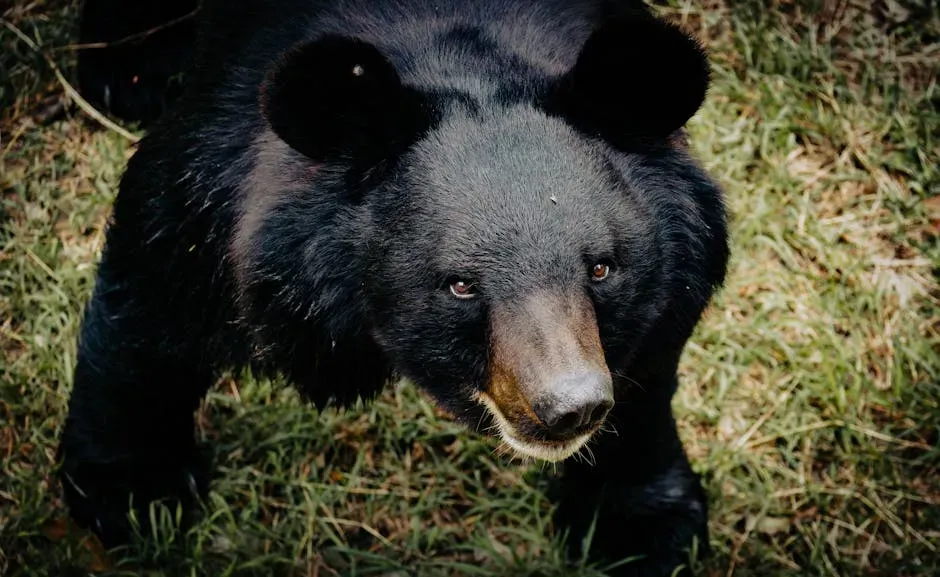
As bears spread, people are adjusting. Suburban sightings that once made local news as oddities are now almost routine in parts of southern Missouri. Recent black bear sightings have been reported in the St. Louis area, signaling an increasing bear population in the region. Many reports were made of a black bear traveling through O’Fallon, Missouri, Lake St. Louis, and other areas in St. Charles County.
In Missouri, bears don’t always fully hibernate. Warmer winters and available food can keep them moving year-round. With the state’s bear population now estimated at more than 1,000, sightings are becoming more common, but that is not a cause for concern.
Conservation officials say sightings are becoming more common in expansion areas, including regions near the Lake of the Ozarks, south and west of St. Louis, and around Poplar Bluff. Most reports in those areas involve male bears, though officials say some females and evidence of breeding have also been documented. That last detail matters. Breeding females establishing new ground is the clearest sign that a population isn’t just wandering but settling.
A Regulated Hunting Season Reflects How Far the Recovery Has Come
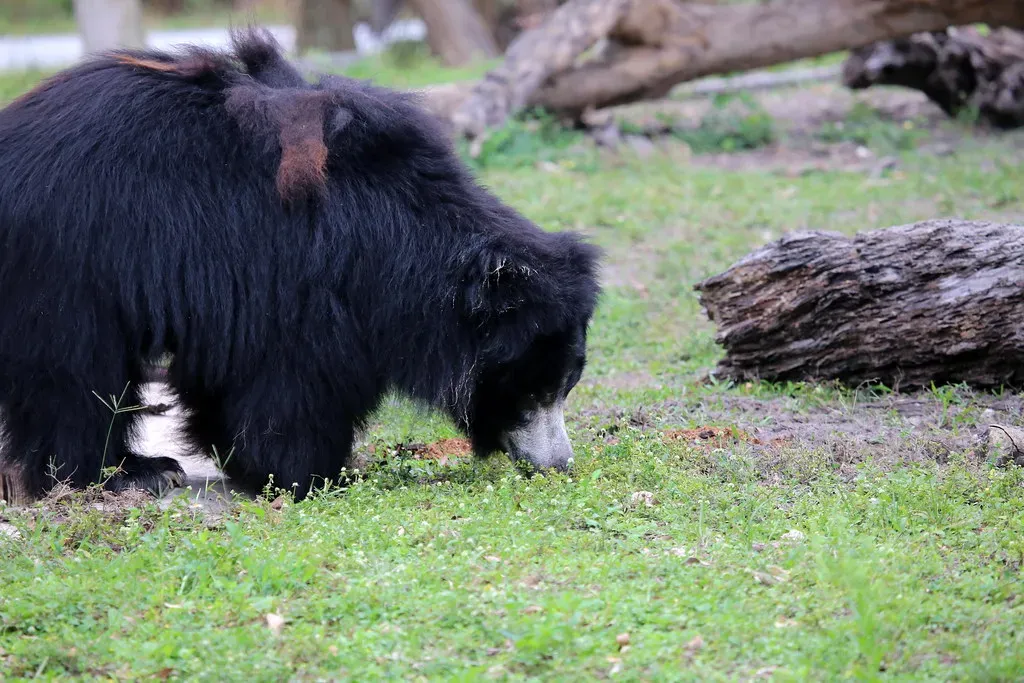
Perhaps nothing signals a wildlife population’s stability quite like a regulated hunting season. Missouri introduced one in 2021, after years of careful study. Missouri hunters harvested 15 black bears during the state’s fourth bear hunting season in October 2024. More than 5,969 hunters applied during May for just 400 permits for the season.
The demand far outstrips the available slots, a reflection of how culturally significant the bear’s return has become in the state. That kind of public interest represents a genuine shift in how Missourians relate to their own wild spaces.
The Missouri Department of Conservation will likely adjust the current harvest quota limit as the black bear population continues to grow in the state. The growth of Missouri’s bear population should be considered a significant conservation success story. Now that a sustainable population is in place, a highly regulated hunting season has been established in certain areas of the state.
Conclusion
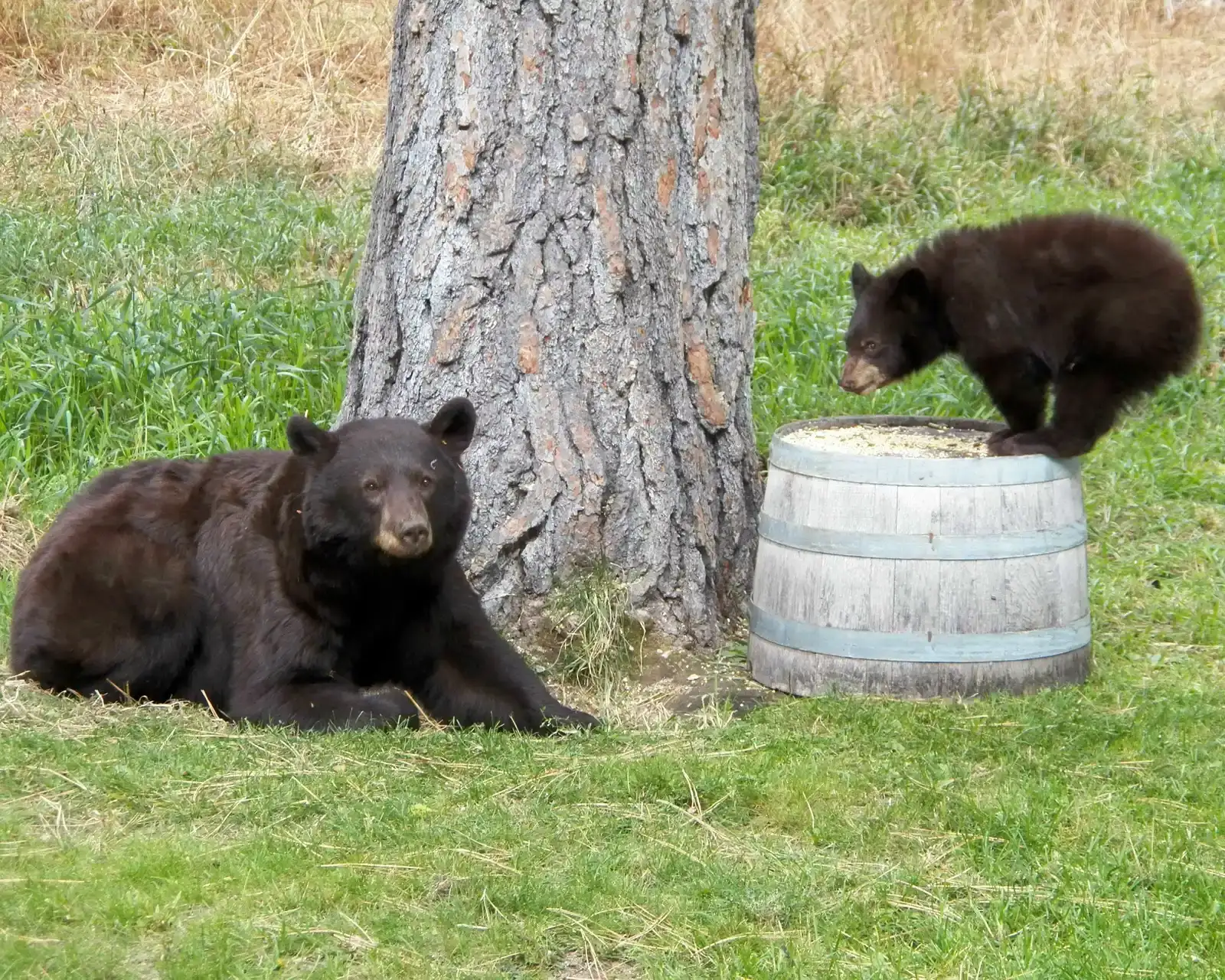
Missouri’s bear comeback isn’t loud or sudden. It’s measured in paw prints on trail cameras, in reports filed across 70 counties in a single year, in a mother bear nursing three cubs deep in an Ozark brush pile through January. Evidence shows black bear numbers are growing and range is expanding in the state, which provides proof that the black bear is becoming firmly established in Missouri.
The history here is worth sitting with for a moment. By the late 1800s, logging and hunting had nearly wiped bears from the state. High bag numbers combined with logging and homestead clearing in the Ozarks stressed black bears to their limit. Recovery from that kind of pressure, without any direct reintroduction effort inside Missouri’s own borders, is genuinely uncommon.
What’s happening in these forests is a reminder that landscapes and the animals within them can recover when given space and time. The bears didn’t wait for a formal invitation back to Missouri. They simply followed the forest north, one ridge at a time, until the Ozarks felt like home again.
Worried about unexpected vet bills?
Pet insurance can cover thousands in unexpected vet costs. Get a free quote from Lemonade in under 2 minutes.
Get My Free Quote →Sponsored · Opens Lemonade.com

- 14 Quiet Signs Your Dog Is Getting Ready to Say Goodbye – Most Owners Miss Them Completely - June 9, 2026
- 15 Dog Breeds Known for Their Exceptional Loyalty and Devotion - June 9, 2026
- 14 Garden Mistakes That Drive Hummingbirds Away for Good – Most Gardeners Don’t Realize Until It’s Too Late - June 9, 2026