
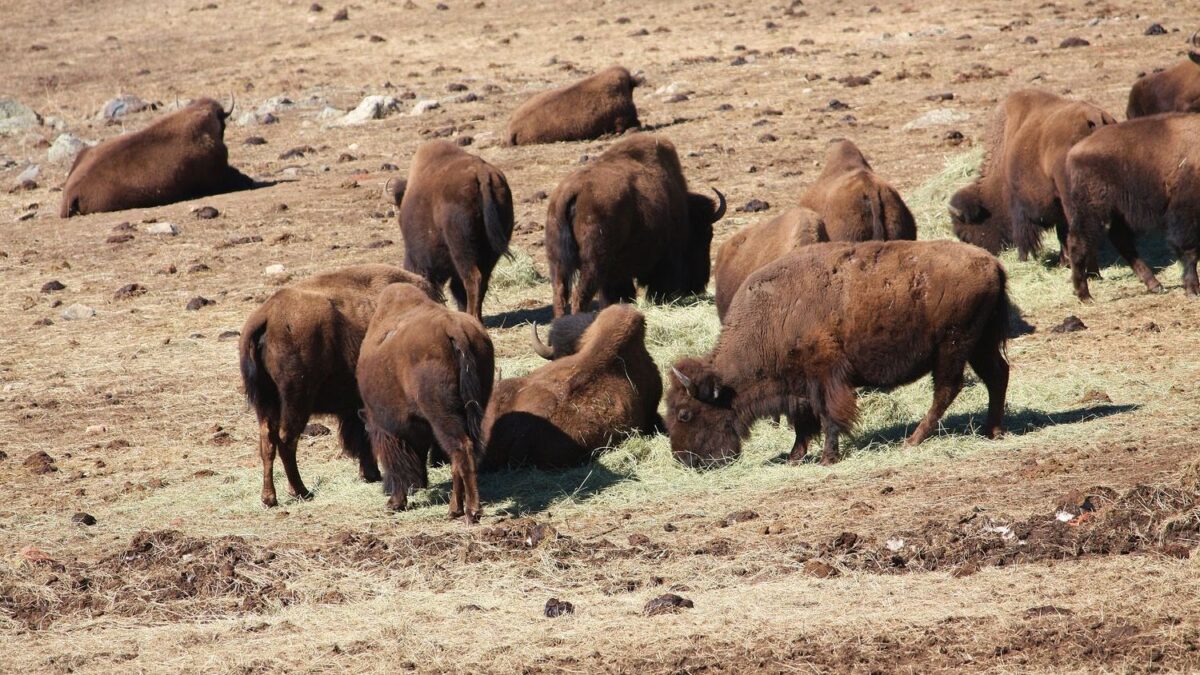
Few wildlife stories in North American history match the sheer scale of the bison’s collapse, or the determination it took to pull the animal back from the edge. The American bison once thrived across the largest original distribution of any native large herbivore in North America, and after European settlement, populations were reduced from an estimated 60 to 80 million animals to a mere 1,000. That is not a gradual decline. It is an almost total erasure.
The near extinction of the species during the 19th century unraveled fundamental ties between bison, grassland ecosystems, and Indigenous peoples’ cultures and livelihoods. What makes the story worth telling today, in 2026, is not simply that the bison survived. It’s that the recovery involved ordinary citizens, government agencies, Indigenous nations, and scientists all working, often imperfectly, toward the same goal. The result is one of conservation’s most instructive chapters.
How a Species Reached the Brink
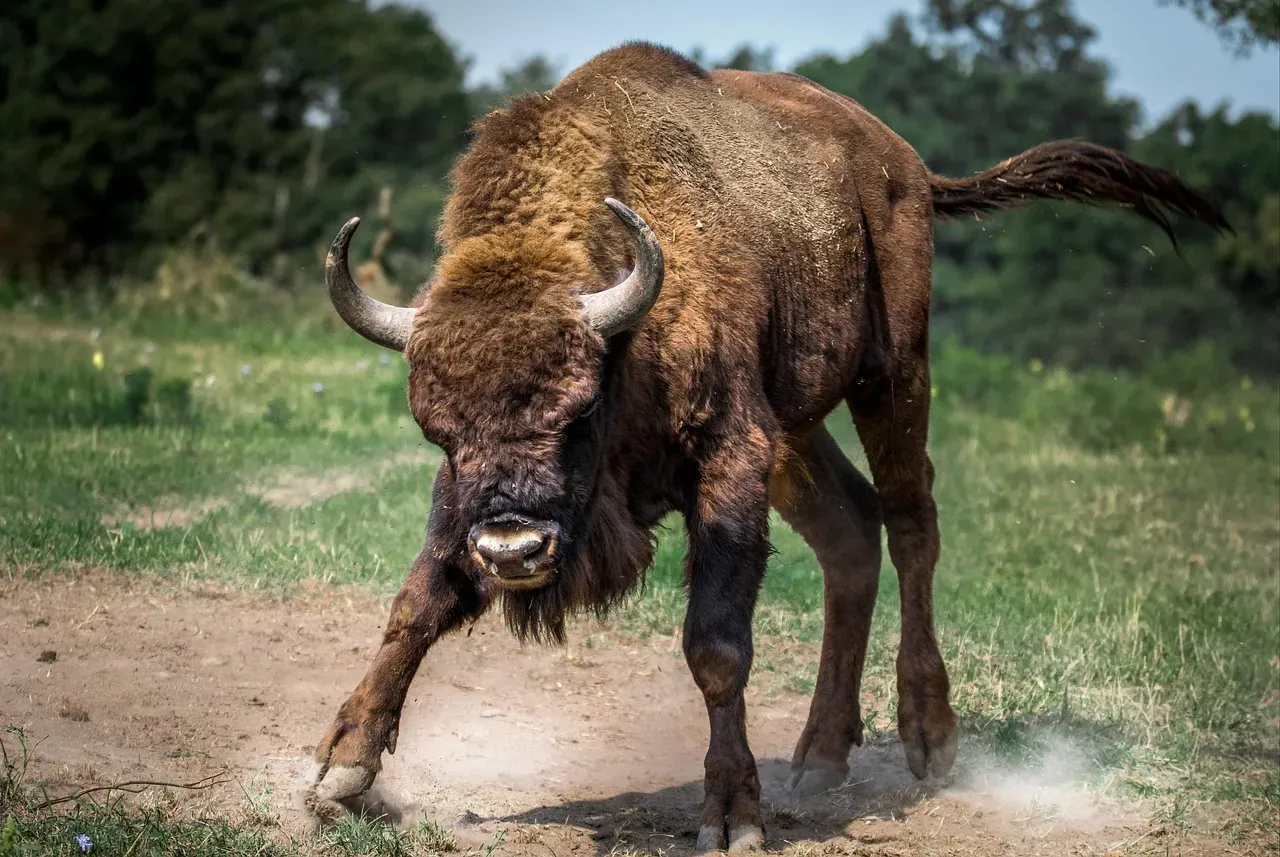
The speed of the bison’s destruction still startles. Railways, rifles, and an international market for buffalo hides led to what became known as the Great Slaughter, roughly from 1820 to 1880, when the bison population plummeted from an estimated 30 to 60 million animals to fewer than 1,000 by the 1890s.
Hunting pressure alone does not fully explain what happened. Other contributing factors included the military’s directive to destroy buffalo as a way to control American Indians, the introduction of diseases from cattle, drought, and competition from domestic livestock such as horses, cattle, and sheep.
Although some settlers shot bison for their pelts and meat, their eventual extirpation was a deliberate American government strategy. The intention was to starve Indigenous peoples in the west and eliminate the foundation of many Indigenous nations’ economies, since buffalo provided housing, clothing, fuel, tools, and material for trade.
At their lowest point, some estimates suggest that only 300 bison survived the slaughter, bringing the species to the very brink of extinction. The animal that had shaped the continent’s grasslands for millennia was reduced to a handful of scattered individuals.
The Early Rescuers Who Changed Everything
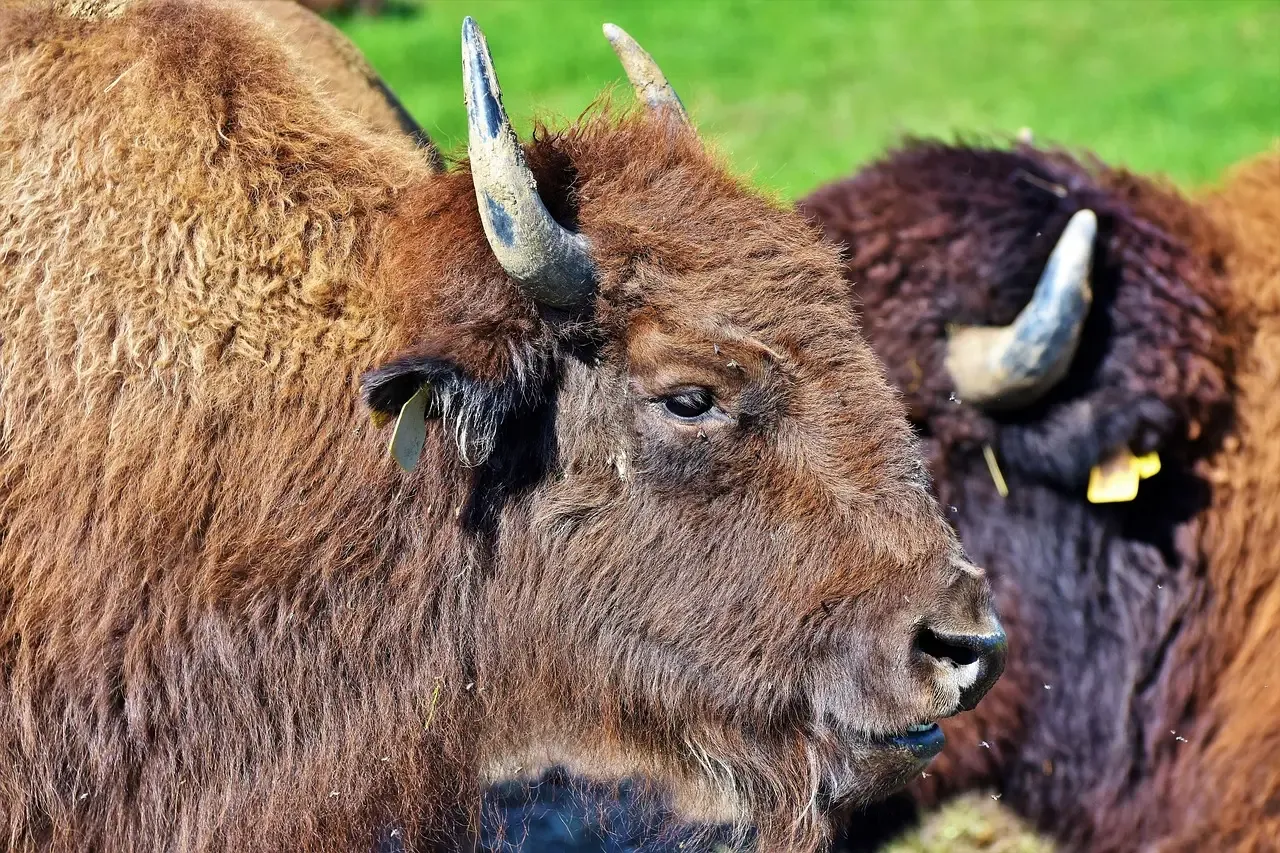
The earliest efforts to rescue bison began in the late 1860s, when a handful of private citizens independently began to capture and shelter bison, saving the species from extinction. These bison served as the foundation stock for most modern public and private bison herds today.
Taxidermist William Temple Hornaday was originally sent out to collect bison specimens for the Smithsonian Museum in 1886. When he saw that bison were on the verge of extinction, his mission changed from hunting them for display to preserving them in the wild. The American Bison Society was formed in 1905 with Hornaday as its president to support bison recovery efforts.
Theodore Roosevelt, named honorary president of the society, used his position as U.S. President to help the New York Zoological Society and the American Bison Society secure land, procure buffalo from ranchers, and promote bison reintroduction projects.
Early efforts by tribes, private ranchers, and governments to restore bison between 1905 and 1935 increased numbers to an estimated 20,000. This was one of the first-ever attempts to rescue a species from the brink of extinction. It was imperfect, improvised, and largely successful against overwhelming odds.
The Numbers Today and What They Really Mean
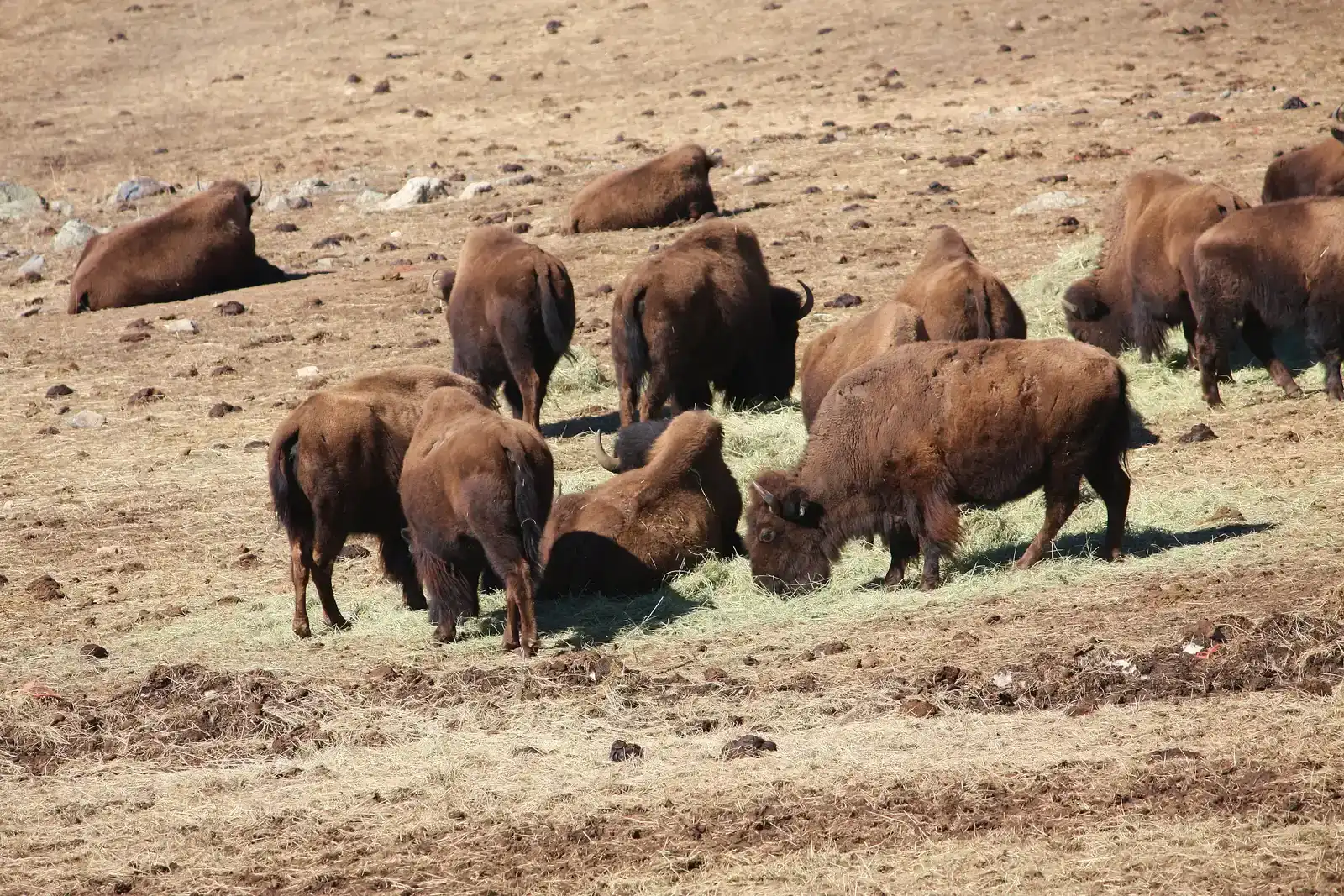
From the late 19th century onward, the bison population gradually rose from 325 in 1884 to around 500,000 in 2017, as a result of careful preservation and a general population boom. That trajectory, slow at first and then steadily upward, represents more than a century of sustained effort.
The full picture is more complicated than a single headline number suggests. While most bison in North America, numbering around 360,000, are raised as livestock for meat, leather, and other commercial uses, only about eleven percent, or roughly 31,000, are managed for ecological and conservation goals.
Today, the Department of the Interior supports 19 bison herds in 12 states, for a total of approximately 11,000 bison over 4.6 million acres of DOI and adjacent lands. Those conservation herds are the ones ecologists watch most carefully.
Today, bison remain absent from nearly 99 percent of their historic range. Most of the bison in North America live in herds constrained by fences, isolated from each other, and numbering fewer than 1,000 individuals, raising concerns about genetic integrity, wildness, and the long-term viability of the species. The recovery is real. The work is far from finished.
Bison as Ecological Engineers of the Prairie
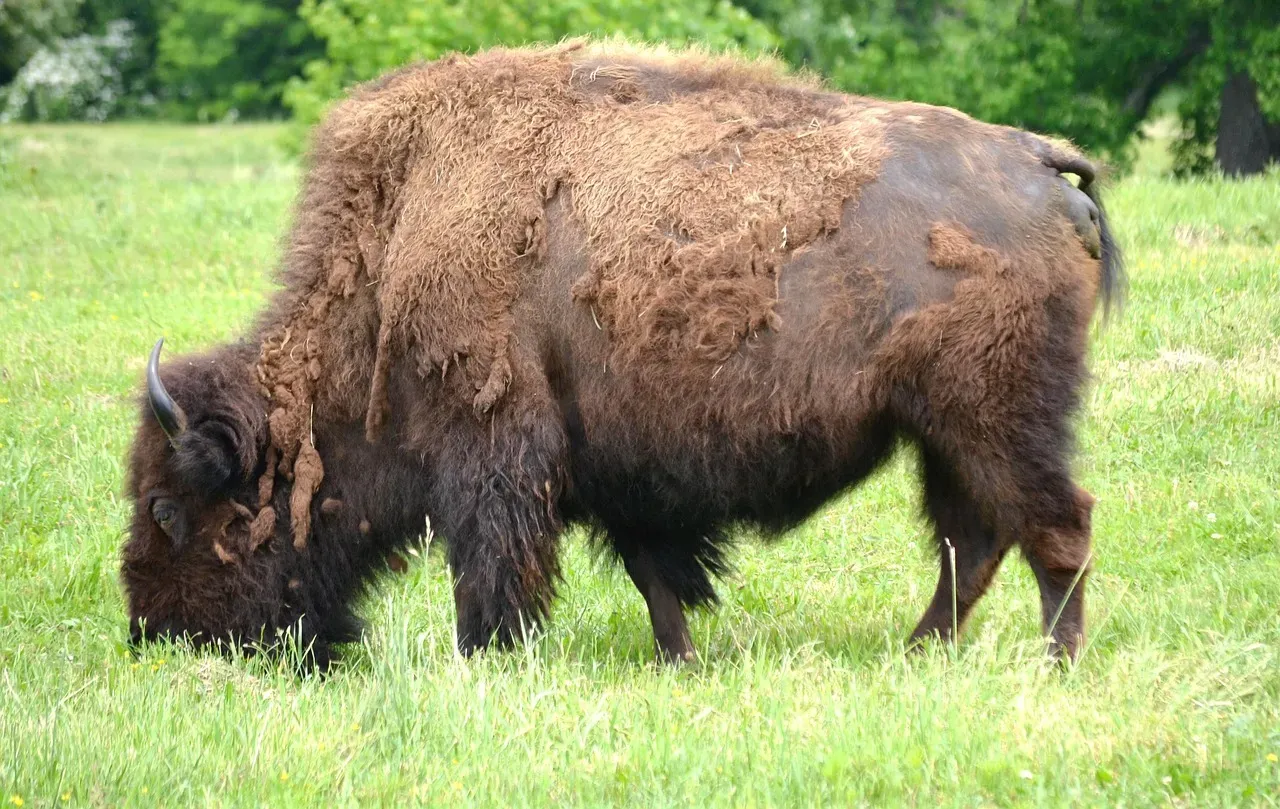
For millennia, bison were a driving ecological force in North American grasslands. Their grazing patterns created successional vegetation, influenced natural fire regimes, and provided habitat for grassland insects, birds, and small mammals. Bison served as a keystone species that engineered prairie ecosystems for over 10,000 years.
Moving across the prairie, bison supply nutrients to the soil through their dung and urine, which are rich in nitrogen, a vital component for plant growth, and they disperse seeds that continue to populate the ecosystem. Their movements across the grasslands have been referred to as a “green wave,” because they stimulate remarkable plant growth across the landscape.
When bison are restored to the landscape, plant species diversity increases, more pollinators are present, and grassland bird numbers increase. Conversely, all of these experienced declines with the decimation of the bison.
New research reveals that rewilding just 20 large mammal species, including the American bison, can restore over 8.5 million square kilometers of land globally. This approach supports global biodiversity objectives and can be a central pillar of area-based conservation efforts, emphasizing the important link between biodiversity and climate resilience. The bison’s return, in other words, is not just a wildlife story. It’s a climate story too.
Indigenous Nations and the New Chapter in Bison Restoration
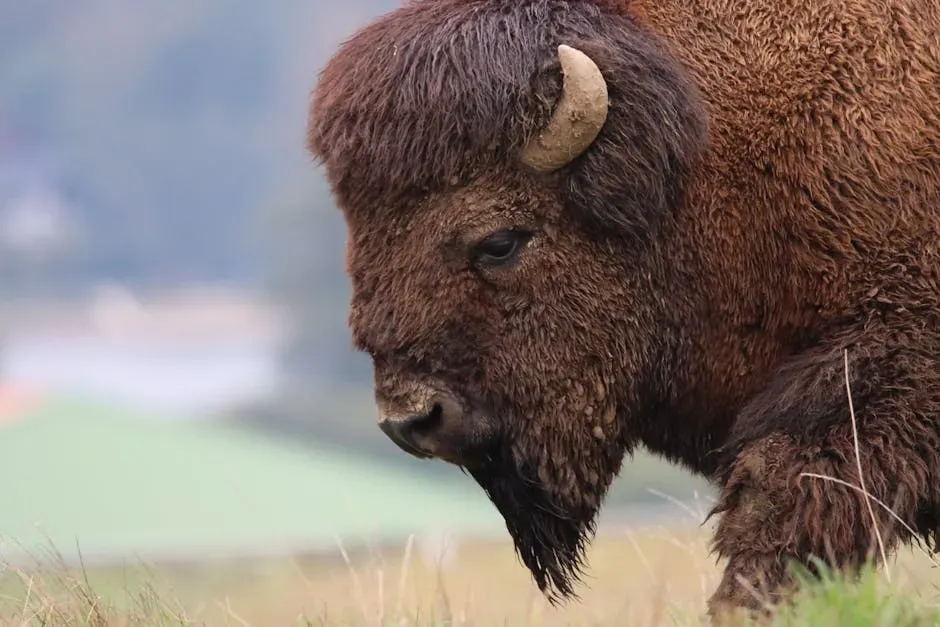
The Bison Conservation Transfer Program has been overwhelmingly successful, transferring the largest number of Yellowstone bison to Tribes in history. Since its inception, a total of 625 Yellowstone bison have been transferred to the Assiniboine and Sioux Tribes at Fort Peck. Nearly all of those bison and their offspring have then been further distributed to 29 Tribes across 13 states and Canada in partnership with the InterTribal Buffalo Council.
More than a dozen Indigenous communities welcomed more than 540 buffalo back to ancestral grazing lands across the nation in 2024 as part of a multi-state, Indigenous-led initiative by the InterTribal Buffalo Council, Tanka Fund, and partner The Nature Conservancy. The initiative’s goal is to restore this keystone species, which plays a crucial role in spiritual and cultural revitalization, ecological restoration, food sovereignty, health, and economic development for Indigenous Peoples.
A major milestone came in July 2024 when 74 bison were relocated from Ohio to the Cheyenne River Sioux Reservation in South Dakota. This effort was carried out in partnership with the InterTribal Buffalo Council, the Wildlife Restoration Foundation, and the Cheyenne River Sioux Tribe. Transfers like this one are happening with increasing frequency.
116 bison were transferred to Fort Peck in early February 2024 and those animals were distributed to tribes across North America and Canada in February 2025. In early 2026, the program completed its largest transfer yet, approximately 220 animals. Each transfer marks both a logistical achievement and a cultural homecoming that carries deep meaning for the communities receiving them.
Conclusion: A Recovery Worth Protecting
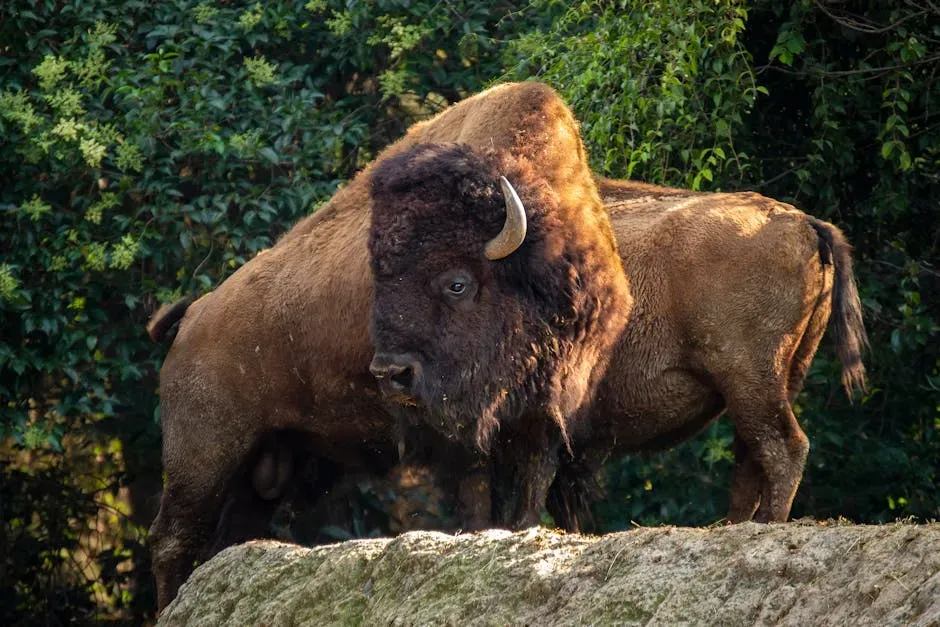
The American bison stands as one of the most compelling wildlife recoveries in modern history. A species that numbered in the hundreds at its lowest point now counts its population in the hundreds of thousands, with tens of thousands managed specifically for wild and ecological purposes across the continent.
While the security of the species is a conservation success worth celebration, bison remain functionally extinct to both grassland systems and the human cultures with which they coevolved. That distinction matters. Population survival is not the same as ecological restoration.
This has inspired federal and state agencies, Native American tribes, and nongovernmental conservation organizations to collaboratively work toward the second recovery of bison, where shared stewardship efforts are aimed at restoring wild bison at ecologically relevant scales, while also generating a value-added economy, improving human and environmental health, and supporting Tribal historical and cultural values associated with wild bison.
The bison’s story carries a lesson that extends well beyond grasslands and wildlife management. Recovery is possible, but it requires persistence over generations, not just across funding cycles. The herds that roam today exist because a handful of people in the 1870s refused to accept the inevitable. That choice still echoes in every animal grazing the plains in 2026.

- 10 Dog Breeds That Are Surprisingly Good Apartment Dwellers - June 17, 2026
- The World’s Rainforests Teem With Undiscovered Species Waiting to Be Found - June 17, 2026
- 7 Surprising Benefits of Having a Cat in Your Home - June 17, 2026