
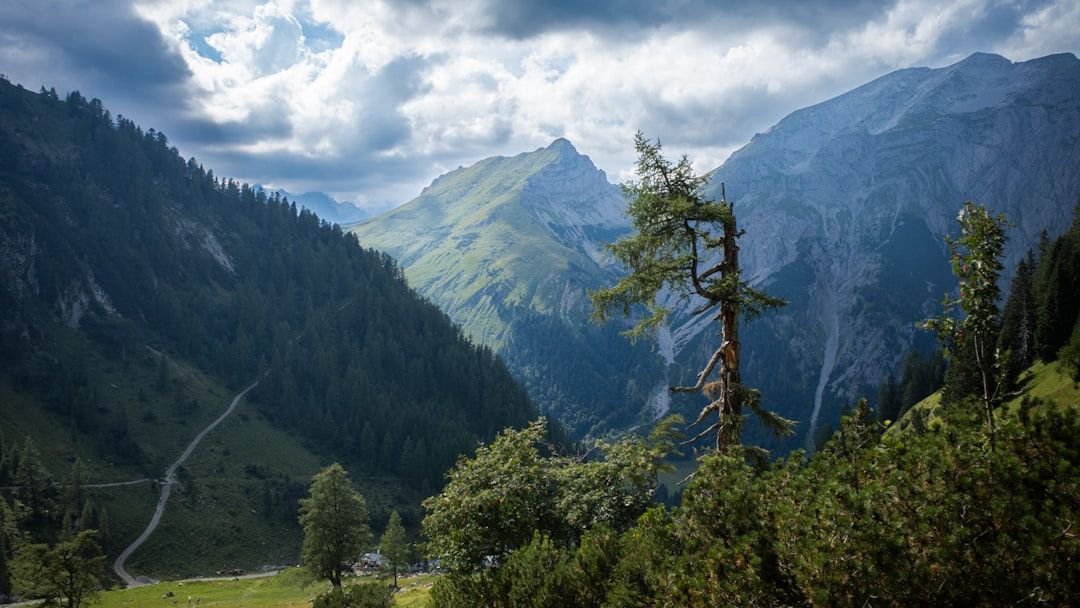
The Appalachian Mountains stretch over a thousand miles along the eastern edge of North America, their rounded peaks and gentle ridges a quiet contrast to the jagged drama of younger ranges like the Rockies. Formed in ancient times, these hills whisper stories of immense geological forces long since faded. Travelers often marvel at their subdued profile, worn smooth by relentless natural processes over hundreds of millions of years.[1]
Yet beneath that serene surface lies a history of cataclysmic uplift followed by slow decay. Erosion has sculpted them into the oldest mountain chain on the continent, while human hands have added layers of recent scars. Understanding this dual story reveals why they look so distinctly aged today.
Ancient Beginnings in Deep Time
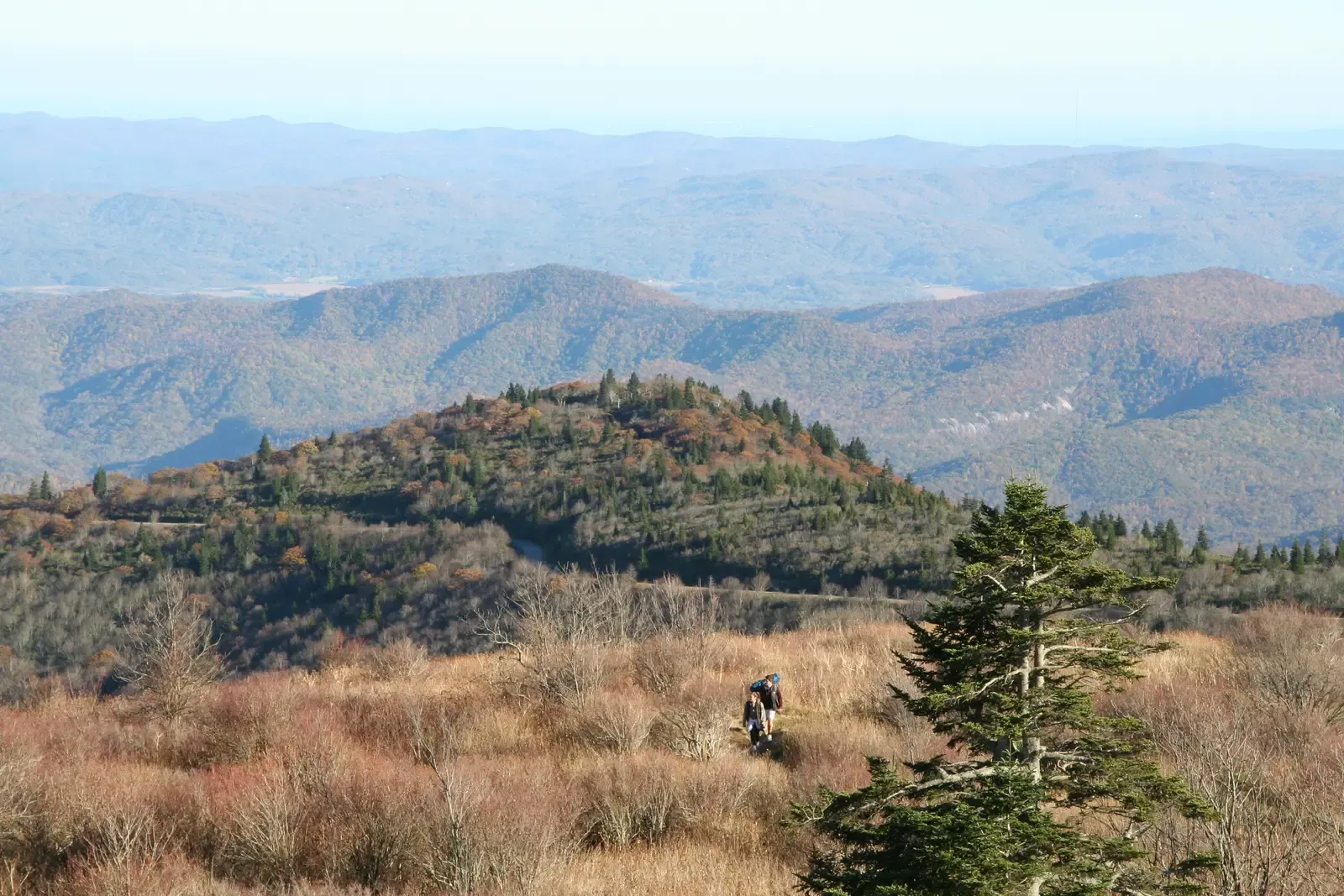
The Appalachians trace their roots back about 480 million years, during the Ordovician period when ancient continents collided. This smash-up crumpled the earth’s crust into towering peaks rivaling today’s Himalayas. Sedimentary rocks from an old ocean floor got thrust upward in a process called orogeny.[2][3]
Over time, multiple such collisions built layer upon layer. The final major event around 300 million years ago sealed their dramatic rise as part of the supercontinent Pangaea. These mountains stood as some of the highest on Earth back then, dominating the landscape.
The Power of Continental Collision
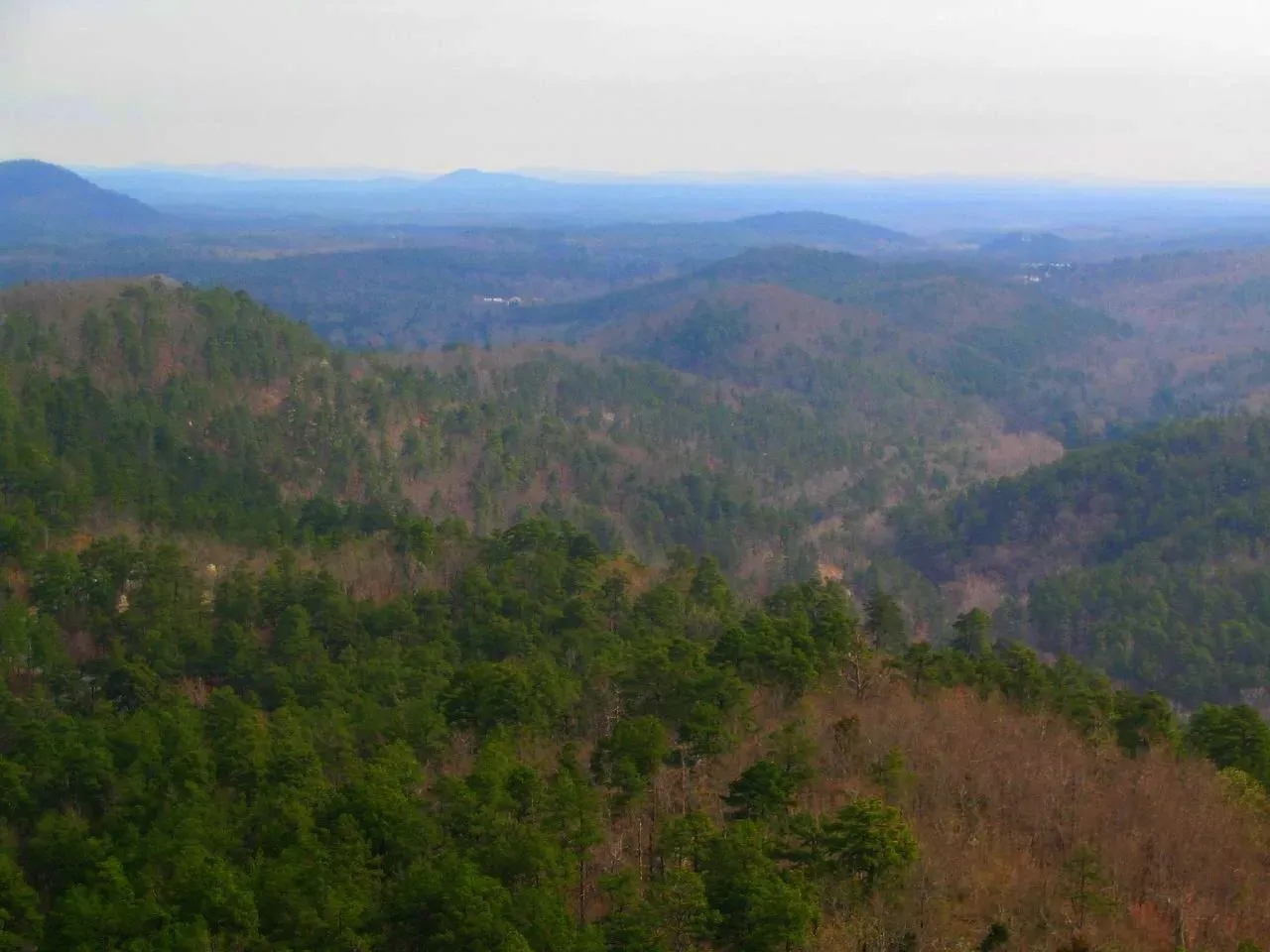
Uploaded by Gary Dee, CC BY-SA 2.0)
Plate tectonics drove the key events, with North America slamming into what is now Europe and Africa. Thrust faults warped and uplifted vast sheets of rock, creating fold mountains. Streams carved deep valleys as the range grew.[4]
This assembly lasted tens of millions of years. Volcanic activity added to the mix in places like the Smokies. The result was a formidable barrier that shaped early weather patterns and life across the continent.
Once Pangaea broke apart, the Appalachians entered a quieter phase. No new uplift pushed them higher.
Eons of Relentless Erosion
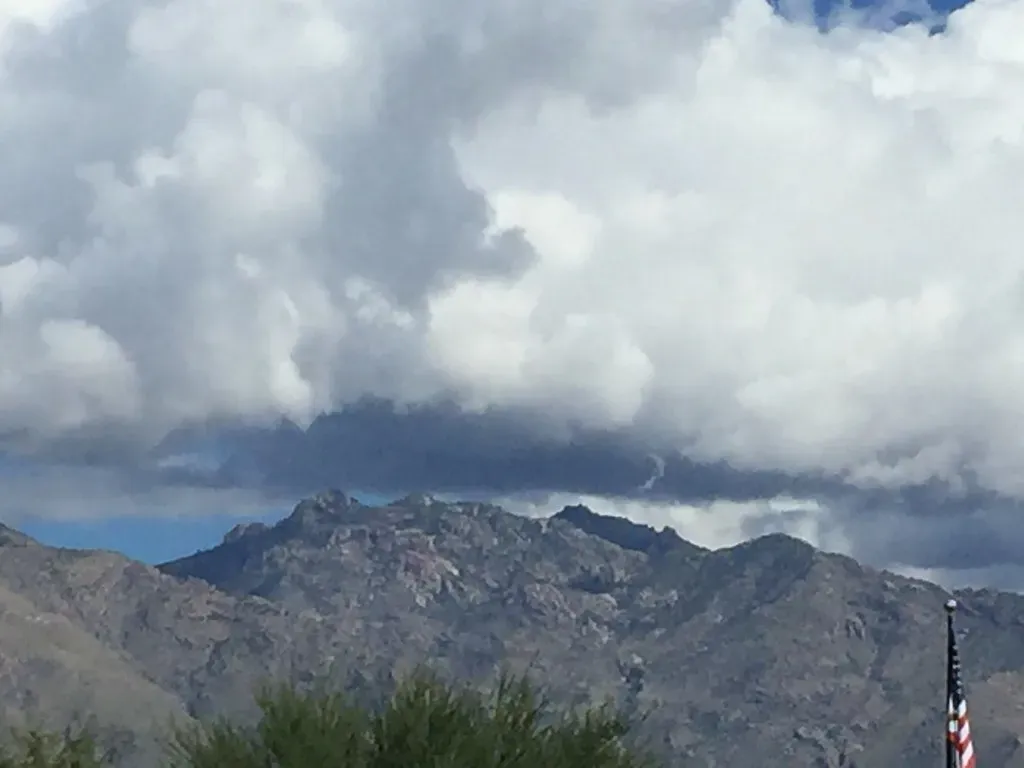
Water, wind, and ice took over, grinding down the peaks over 200 million years. Rain dissolved minerals, rivers hauled away sediment, and glaciers during ice ages scoured the surfaces. Softer rocks eroded faster, leaving harder caps in place.[5][6]
Today, they rise only about 3,000 to 6,000 feet, far shorter than their original height. This slow wearing created the rolling hills and broad valleys we hike through now. Periodic minor uplifts from isostatic rebound helped, but erosion always won out.
The process continues subtly, with rivers like the New cutting ancient paths.
Human Impacts and Ecosystem Disruption
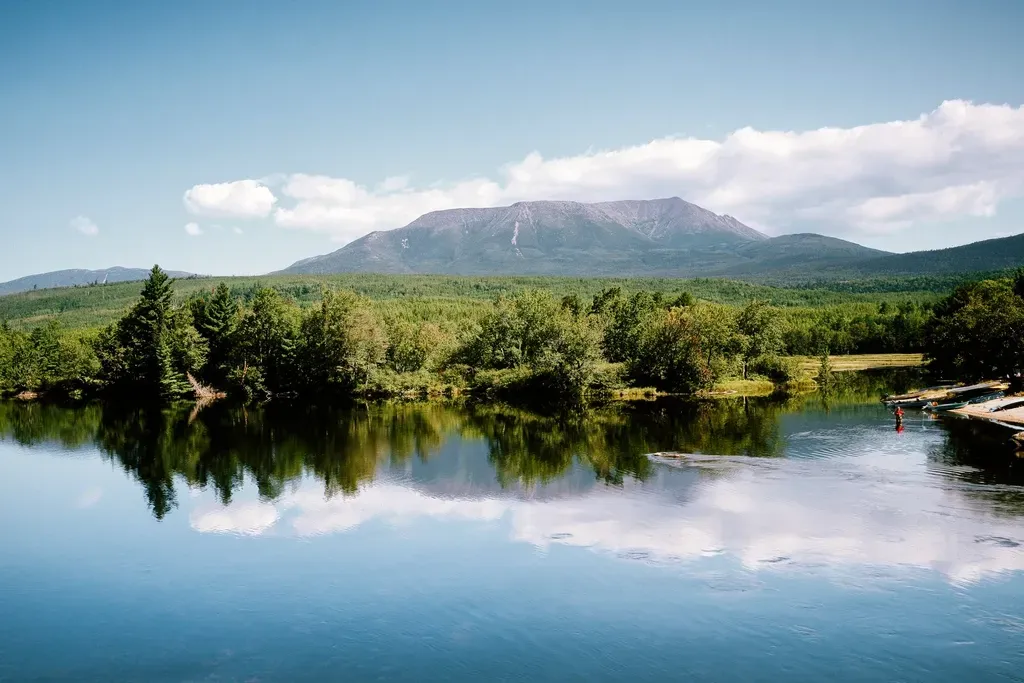
Centuries of logging stripped vast forests, especially in the 19th and 20th centuries, leaving soil exposed and prone to landslides. Coal mining, particularly mountaintop removal, has flattened ridges and buried streams across parts of West Virginia and Kentucky. These activities released toxins into waterways, harming fish and wildlife.[7][8]
Acid rain from industrial pollution further stressed spruce and fir at high elevations. Biodiversity suffered, with species like the red spruce declining sharply. Habitats fragmented, isolating populations of salamanders and birds.
Signs of Widespread Destruction
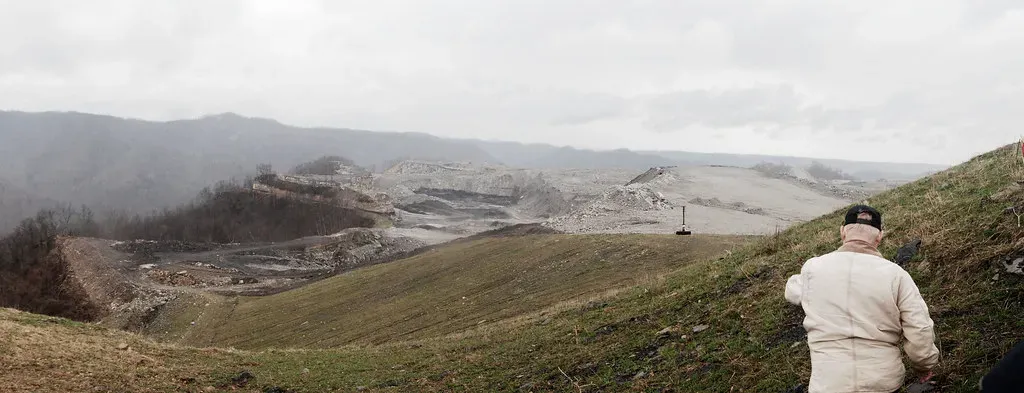
Mountaintop mining alone has altered over 500 mountains, filling valleys with spoil and cutting stream lengths by miles. Aquatic life dropped by nearly half in affected areas, with sensitive insects and fish vanishing. Forests regrow slowly on scarred lands, often invaded by non-native plants.[9]
Legacy pollutants linger in soils, complicating recovery. Eroded hillsides wash sediment into rivers, clouding waters vital for trout. These changes echo the natural erosion but at an accelerated, human-driven pace.
Communities bear the costs too, from polluted wells to lost tourism.
Restoration Efforts Taking Root
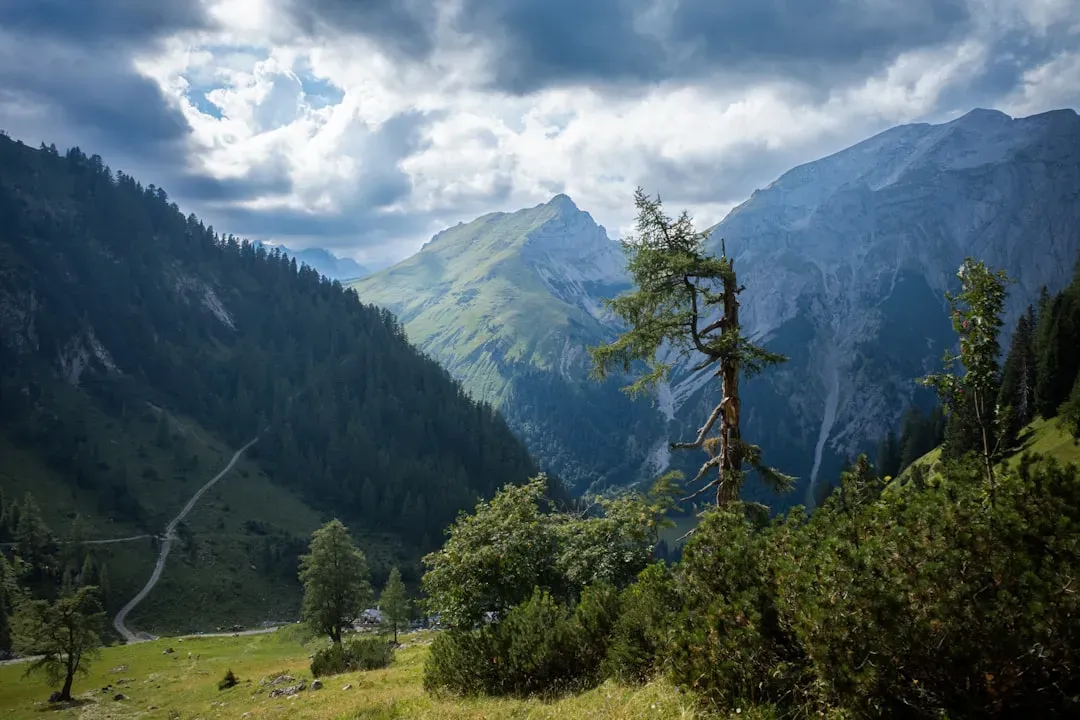
Groups now replant native trees like red spruce on high ridges, using seeds from healthy stands. Prescribed burns mimic natural fires to clear invasives and boost soil health. Efforts reintroduce brook trout to cleaned streams and monitor water quality.[10][11]
Revegetation on mine sites has stored tons of carbon while reconnecting habitats. Elk returned to the Smokies, grazing meadows and aiding seed dispersal. Partnerships with landowners expand protected areas, fostering resilience against climate shifts.
A Timeless Landscape Endures
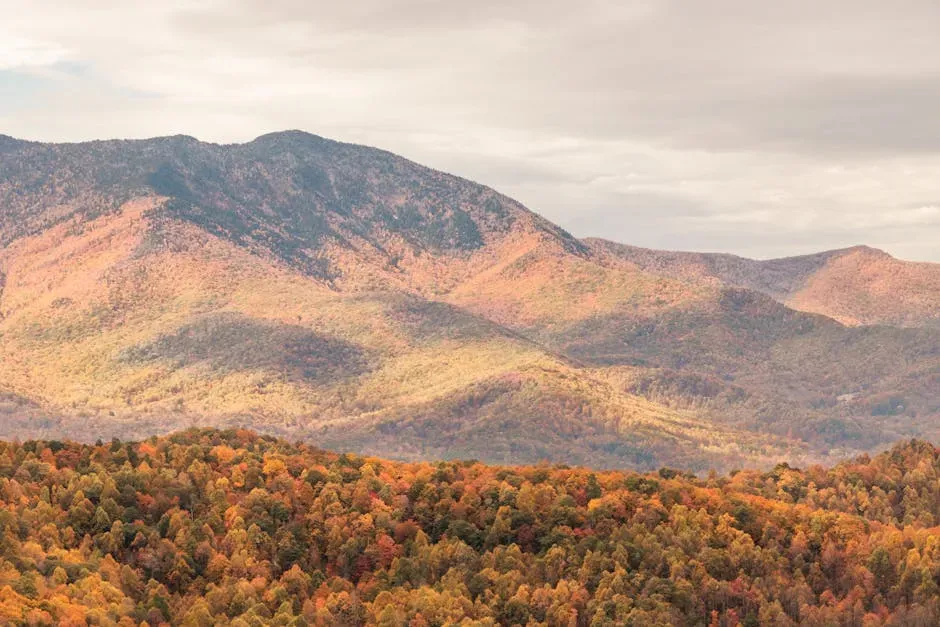
The Appalachians teach patience, their worn form a testament to endurance against erosion’s grind and human pressures. Ongoing work mends recent wounds, blending science with the land’s own rhythms. Healthy forests and clear streams signal progress, though full recovery demands sustained care.
These mountains remind us that renewal follows ruin, given time and effort. Their quiet strength invites us to protect what remains.[12]

- 10 Remarkable Facts About the African Cheetah: The Lightning of the Grasslands - July 29, 2026
- 10 Most Heroic Horses in History - July 29, 2026
- Why You Should Never Play Dead When Attacked by a Black Bear - July 29, 2026