
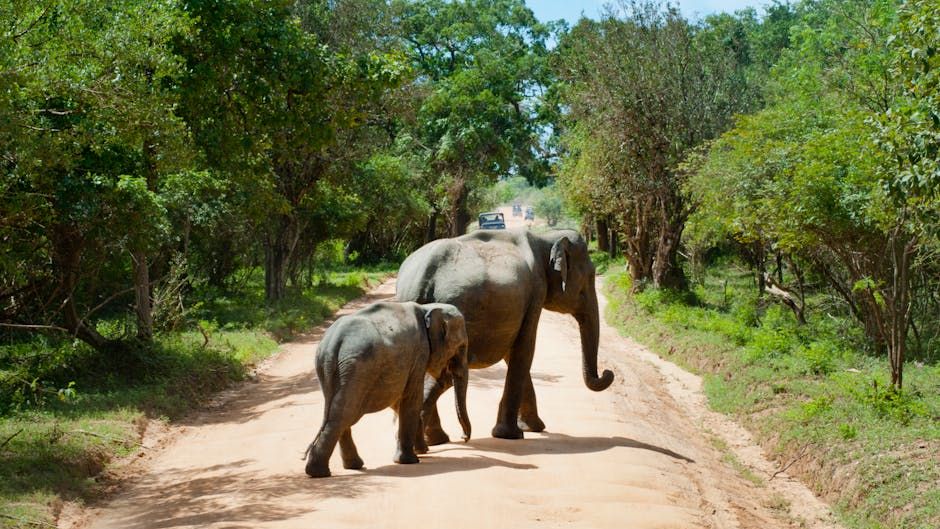
There’s something quietly remarkable happening inside your state’s park boundaries right now. While most of us visit for a hike or a weekend camping trip, teams of wildlife biologists, park rangers, and conservation planners are working methodically to ensure the animals sharing those landscapes don’t simply survive today but thrive for decades to come.
The pressure on wild animal populations is real and mounting. There are more than 6,500 invasive species across the country competing with native wildlife and disrupting their natural habitats. Combined with challenges like land development, pollution, and climate change, these pressures make effective conservation efforts essential. State parks sit on the front line of the response, deploying tools and strategies that most visitors never see.
1. Crafting Long-Term Wildlife Action Plans
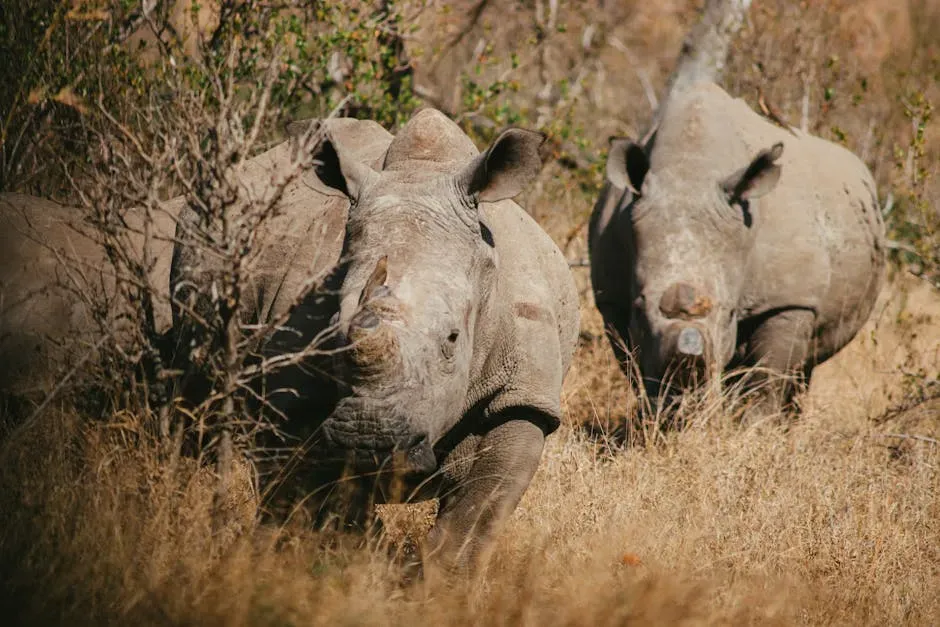
The foundation of modern state park conservation is the Wildlife Action Plan, a detailed roadmap that determines which species receive attention, how money is spent, and how agencies coordinate. Colorado’s latest State Wildlife Action Plan from Colorado Parks and Wildlife received federal approval in early 2026, setting the conservation agenda through 2035. States must regularly update these plans to remain eligible for federal wildlife grant programs.
Conservation dollars are not spread evenly. Species are ranked into tiers based on how vulnerable they are, whether the state holds a high responsibility for their survival, and whether threats are likely to worsen in the next decade. This triage-style approach allows states to concentrate resources where they’re needed most.
These plans also steer money toward habitat-based projects, like restoring rivers, wetlands, grasslands, and sagebrush, because those investments can benefit multiple species at once. A single restored wetland can shelter amphibians, waterfowl, fish, and mammals simultaneously. That kind of broad return on investment is exactly what state conservation budgets require.
2. Establishing and Protecting Wildlife Corridors
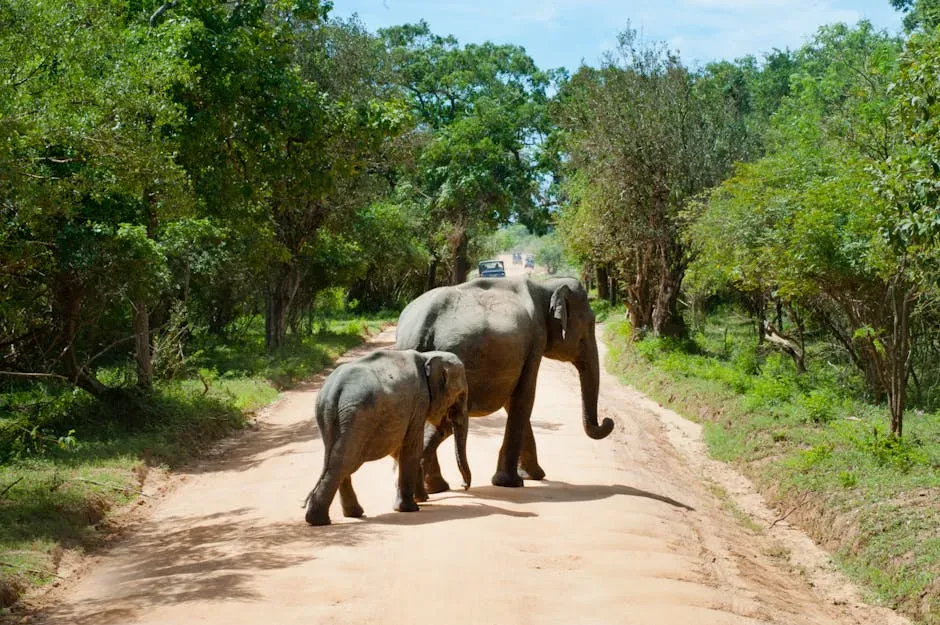
Wildlife corridors are pathways of land, water, and air that serve as natural highways for animals. They vary in size and can span thousands of miles. Without them, populations become isolated in disconnected patches of habitat, unable to breed with animals from other areas or move in response to changing conditions.
State land designated for parks and wildlife serves a critical connectivity function. Wildlife corridors support the flow of wildlife and the natural processes upon which they rely, contributing to the resilience of a landscape by allowing species to adapt and complete their life cycles with the resources they require for survival.
Humans have disrupted many of these age-old natural highways with roads, agriculture, and development. This fragmentation undermines ecosystem integrity and prevents animal migration in response to climate stress. State parks help hold these corridors open, acting as anchors in broader connectivity networks that keep populations genetically diverse and resilient.
3. Using Prescribed Burns to Restore Habitat
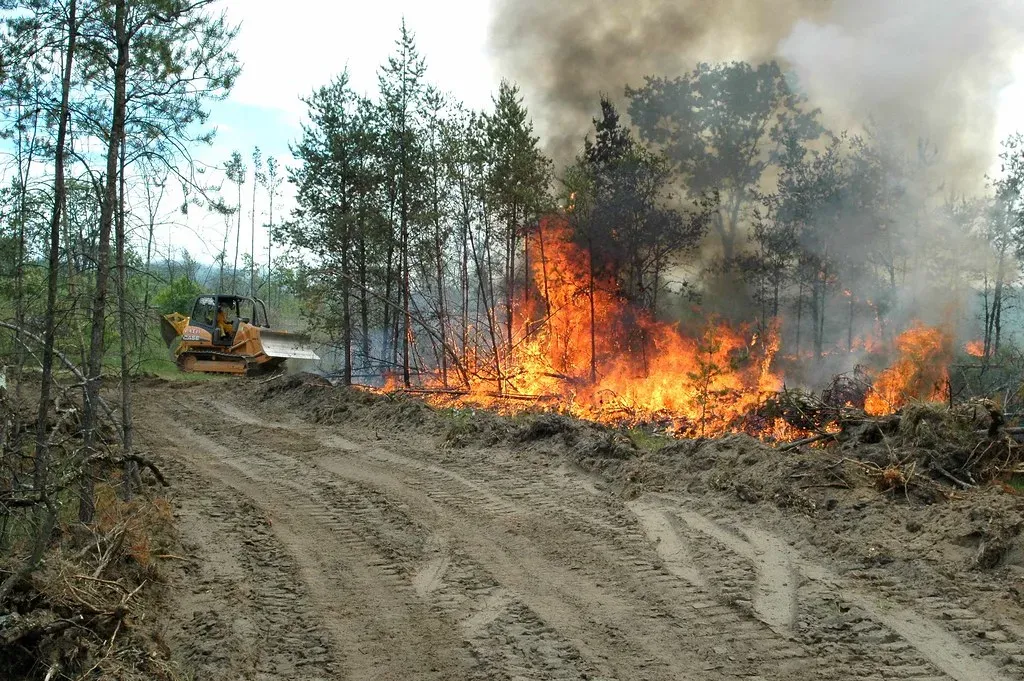
Fire was once a natural and regular part of most American landscapes. Decades of suppression changed that, and state parks are now using controlled burns to restore what was lost. Firefighters from state DNR resource management teams use prescribed burns as a land management tool to support rare species habitat, help control invasive species, and reduce hazardous fuels.
Prairie and riparian ecosystems that support diverse wildlife benefit from the natural effects of fire, which releases nutrients into the soil, invigorates native grasses and forbs, potentially decreases invasive plant cover, and aerates topsoil by removing layers of plant matter. These effects ripple through entire food webs, benefiting species from insects to large mammals.
Prescribed burns return nutrients to the soil, stimulate plant growth and germination, and help sustain the complex mosaic of plant communities that support biodiversity. They can also remove fuel from the landscape, making it safer for people and helping State Parks conduct targeted stewardship of vegetation, including the management of invasive species. California State Parks, for instance, has maintained a prescribed fire program for more than 50 years, guided by science at every step.
4. Creating Wildlife Crossings to Reduce Road Mortality
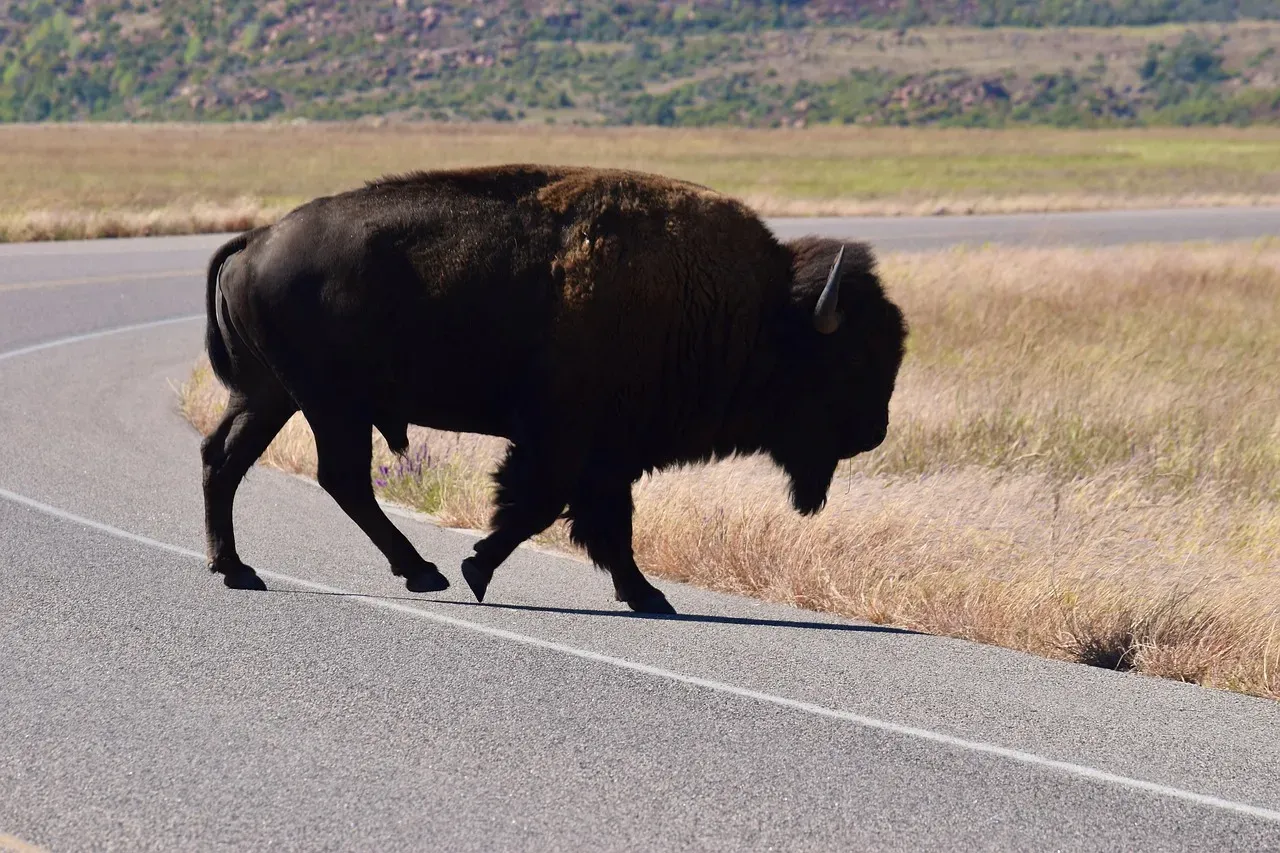
Roads kill an enormous number of wild animals every year, and many more are harmed by the barrier effect that prevents migration across highways. States are now investing seriously in solutions. Multiple states have adopted Wildlife Corridor Action Plans that allow state transportation agencies and wildlife agencies to collaborate in prioritizing areas where wildlife and infrastructure are disproportionately in conflict, with an overall goal of reducing wildlife-vehicle collisions.
Pennsylvania’s Department of Transportation has already constructed 35 wildlife crossings across the commonwealth, while the Pennsylvania Fish and Boat Commission retrofits dozens of existing culverts to better serve fish and other aquatic animals. These are practical, infrastructure-level solutions that save lives on both sides of the road.
Reducing animal-vehicle collisions means not only providing safe crossings but also preventing animals from entering the roadway by deploying fencing and other barriers. When fencing was utilized along the Trans-Canada Highway, it resulted in an 80 to 97 percent reduction in collisions between vehicles and herd animals like deer and elk. That kind of measurable outcome is driving similar investments at the state level across the country.
5. Protecting and Acquiring Critical Habitat Through Conservation Easements
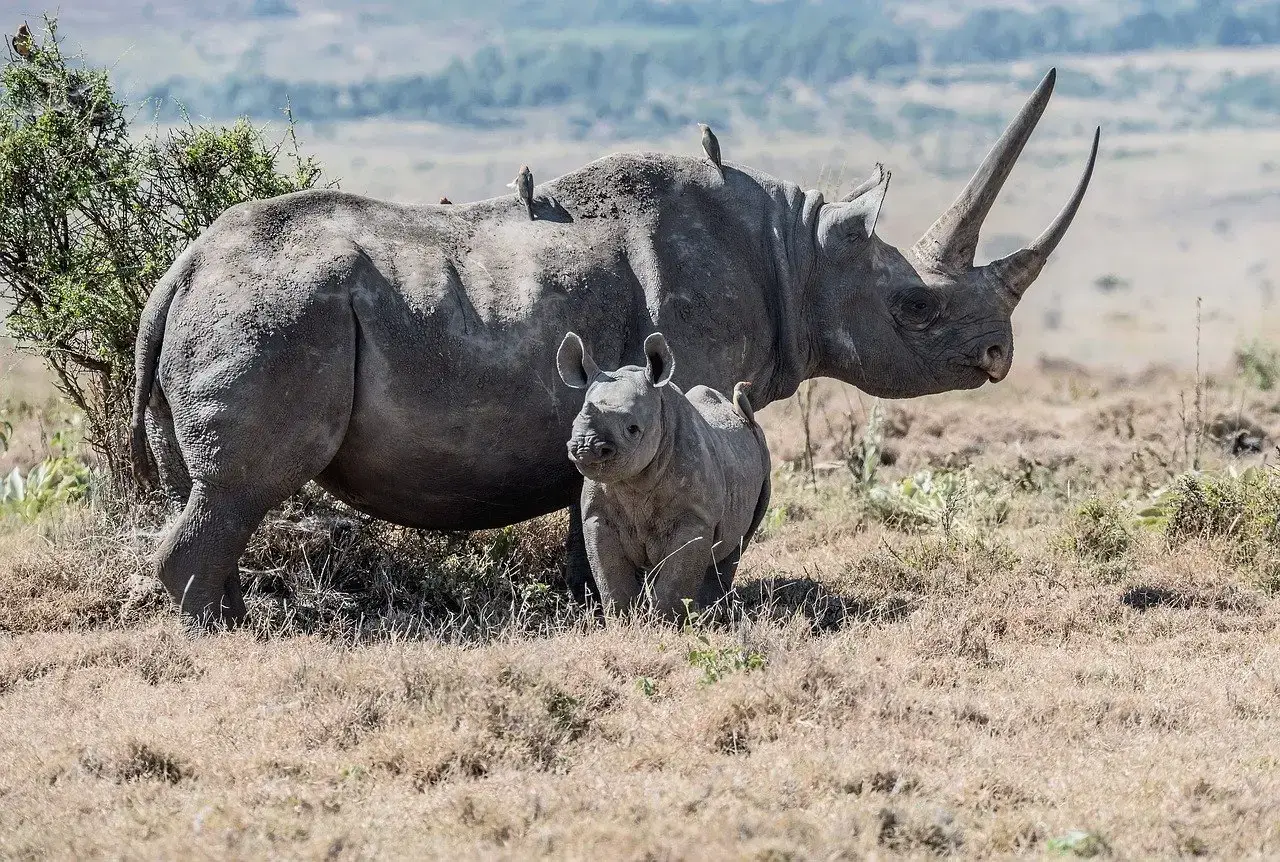
Some of the most important wildlife habitat in the country sits on private land. State parks and wildlife agencies address this through voluntary programs that protect key areas without requiring full public ownership. Colorado’s Wildlife Habitat Program is a statewide initiative focused on habitat protection and public access, supporting conservation through acquisitions of conservation easements, public access easements, and occasional fee title acquisitions.
Conservation easements are agreements between a landowner and a land trust or government that permanently limit the use of the land in order to protect conservation values. Landowners often receive tax benefits for entering into easements. This voluntary approach makes it possible to expand protected habitat far beyond official park boundaries.
Priority is typically given to protecting big game winter range and migration corridors, as well as habitat for species of concern. The 2025 Colorado Wildlife Habitat Program budget reached up to eleven million dollars, reflecting how seriously states are investing in this approach. Connecting private and public lands into a seamless habitat network is one of the most effective long-term strategies available.
6. Restoring Wetlands, Rivers, and Aquatic Habitats
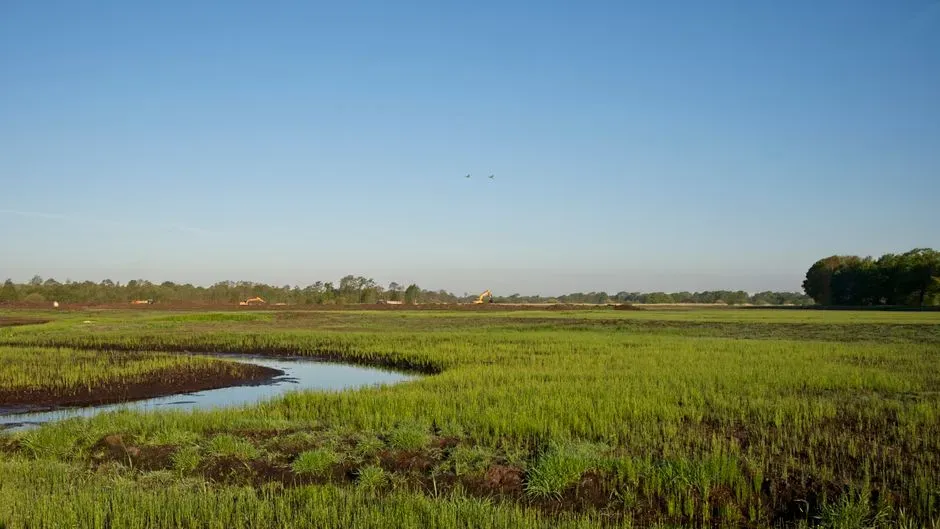
Aquatic habitats are among the most degraded in the country, and state parks play a direct role in their recovery. Fish barriers such as old dams and deteriorated culverts have cut off migration routes for generations. Over recent years, conservation agencies and their partners have reopened nearly 4,500 stream miles and more than 15,000 acres of wetland habitat to fish passage.
State parks are far more than scenic landscapes. They are vital ecosystems supporting a rich tapestry of plant and animal life, acting as crucial wildlife corridors that connect fragmented habitats and allow for the movement of species, while contributing significantly to air and water quality and buffering against the impacts of climate change.
The downstream effects of wetland and river restoration are wide-ranging. Healthy aquatic systems support populations of fish, amphibians, waterfowl, and the many mammals and birds that depend on water. By protecting watersheds, state parks ensure clean water sources for both humans and wildlife. When water flows well, ecosystems tend to follow.
7. Managing and Controlling Invasive Species
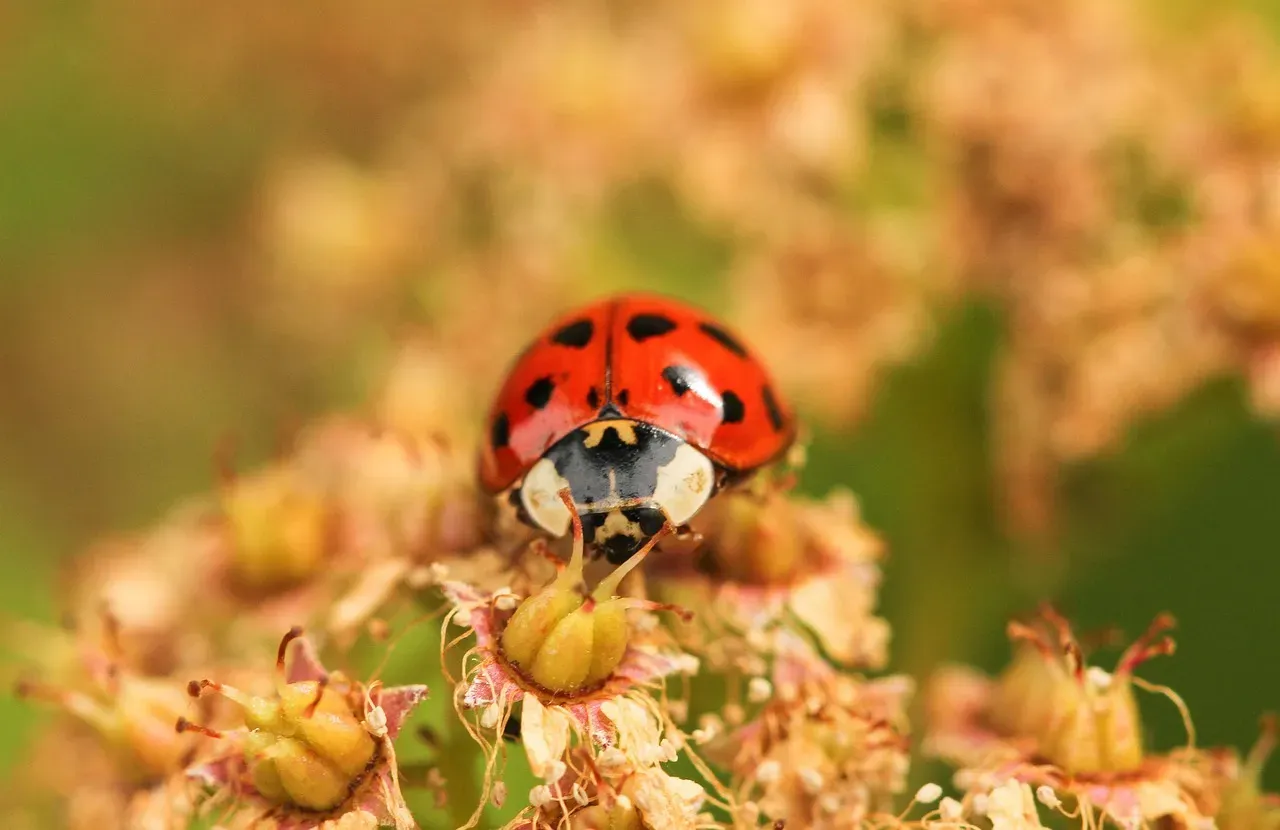
Invasive species represent one of the most persistent threats to native wildlife populations, and state parks dedicate significant resources to controlling them. Washington State’s Department of Fish and Wildlife and its partners use prescribed fire in Eastern Washington to reduce wildfire fuel and severity, and statewide, they use prescribed fire to improve habitat, control invasive plants, and promote native species.
By removing invasive plants and restoring native ones, land managers hope to improve habitat for rare species like Taylor’s checkerspot butterflies, whose historical range has decreased dramatically from 45 documented locations in Washington to just eight known populations in the state. These small victories matter more than they might appear.
Prescribed fire helps keep aggressive invasive species in check, including buckthorn, multiflora rose, and honeysuckle, while encouraging growth of native plants and supporting the regeneration of dominant native trees. State parks across the Midwest, South, and Pacific Northwest use this layered approach, combining fire, mechanical removal, and biological controls to give native species a fighting chance.
8. Supporting Citizen Science and Community Wildlife Monitoring
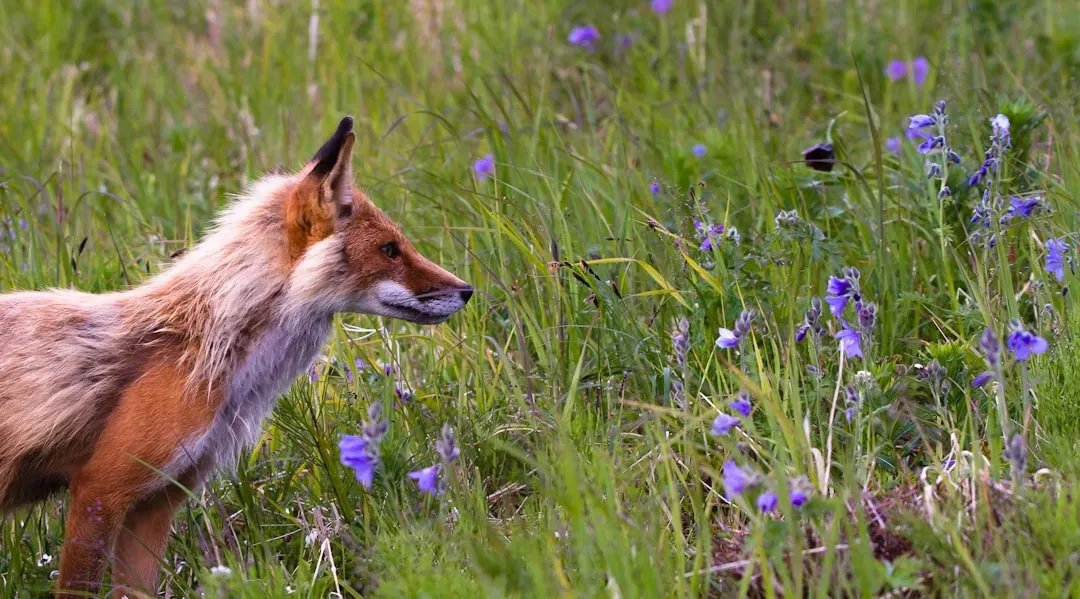
State parks increasingly recognize that their conservation mission can’t succeed with staff alone. Engaging the public as active contributors to wildlife monitoring has become a mainstream strategy. New York’s Department of Environmental Conservation launched Snapshot NY, a citizen science program developed in collaboration with the New York Cooperative Fish and Wildlife Research Unit at Cornell University. The high-quality data collected through this program helps DEC make informed decisions, improve the effectiveness of conservation strategies, and track changes in wildlife populations over time.
Citizen science is a smart, collaborative strategy that enhances agencies’ ability to conserve fish and wildlife species and their habitats. Volunteers can assist with research and management efforts through biological sampling and monitoring. Florida’s Fish and Wildlife Conservation Commission has built a broad volunteer network on this principle.
State and local parks frequently host citizen science events to learn more about specific questions or challenges their ecosystem faces. By participating in citizen science at a local park, volunteers help highlight the natural marvels of their community. The data gathered through these programs fills gaps that professional surveys alone could never address, especially across the vast territories that state parks encompass.
9. Implementing Tiered Species Recovery and Population Monitoring
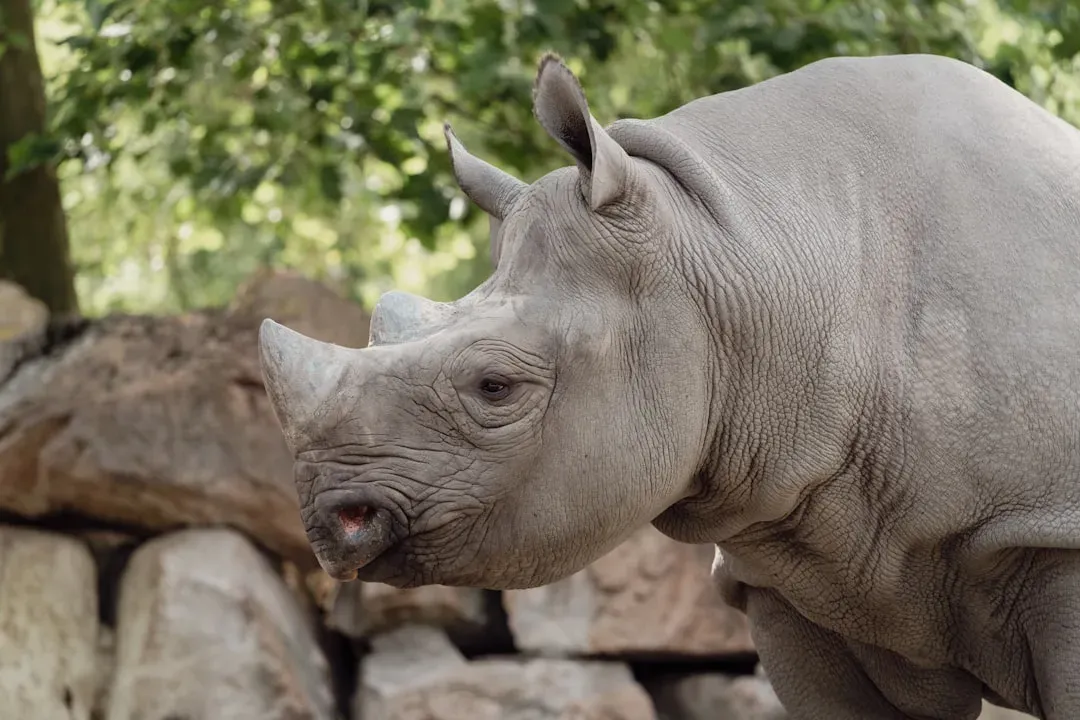
Protecting animals for the future requires knowing what’s actually happening to their populations right now. State parks and wildlife agencies use structured monitoring systems to track species health and guide recovery decisions. Funding from federal and state programs is aimed at preventing species from becoming endangered while supporting recovery and habitat protection statewide, with plans helping determine which species and habitats will receive attention and how conservation dollars are coordinated.
The results of these investments can be dramatic. Black bears were nearly eradicated due to habitat loss and hunting. By 1934, when Great Smoky Mountains National Park was designated, there were only an estimated 100 bears left in the region. Under the park’s protection, the population rebounded to an estimated 1,900 bears in and around the park by 2025. Structured protection and careful monitoring made that recovery possible.
Utah’s third Wildlife Action Plan was revised with the help of more than 35 conservation partners and submitted to the U.S. Fish and Wildlife Service in 2025. That kind of multi-stakeholder effort reflects how modern wildlife recovery works: no single agency or park can do it alone, but coordinated action across boundaries produces real results.
10. Building Wildlife Connectivity Into the Future Through Legislation and Funding
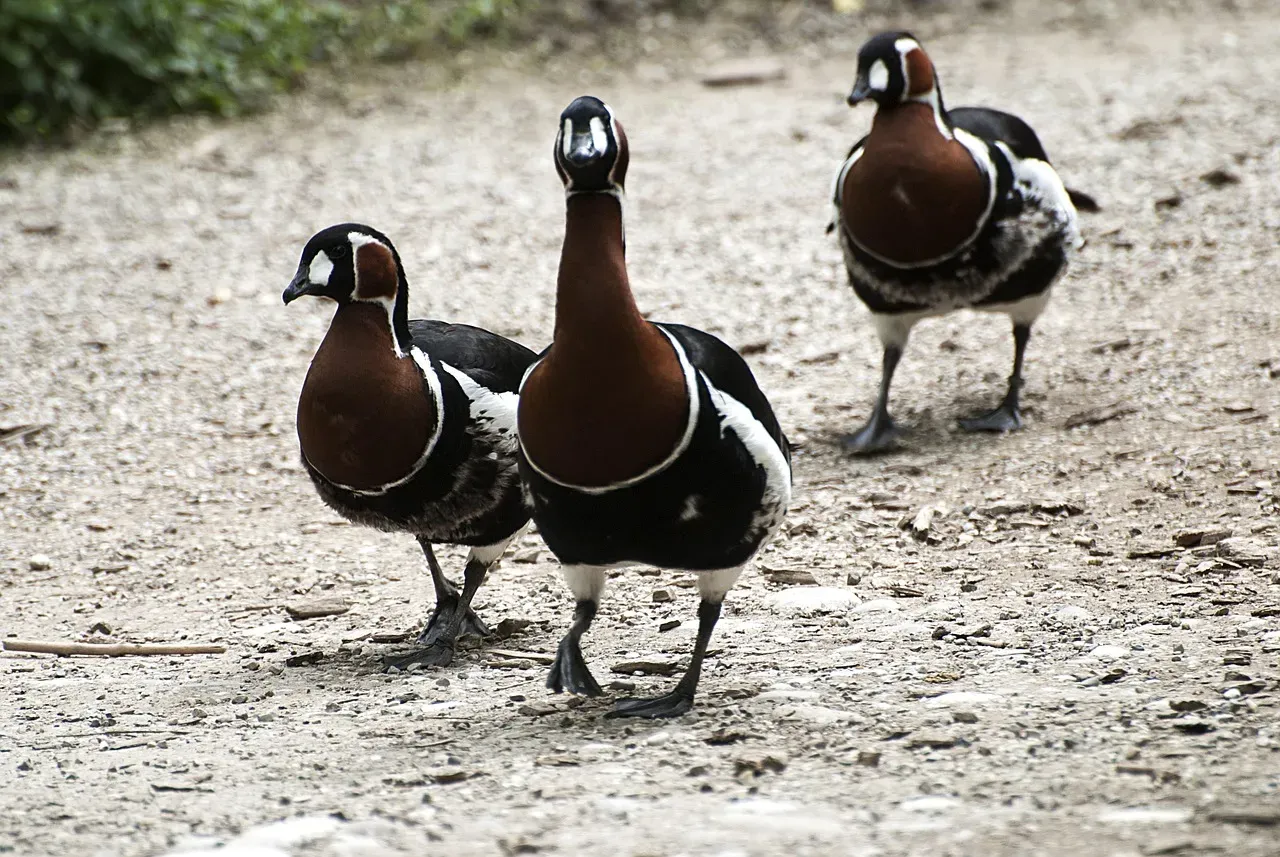
Conservation on the ground is only as durable as the policy and funding behind it. Across the country, states are working to enshrine wildlife protection into law and secure long-term financial commitments. Virginia Conservation Network has advocated for policy that supports native species, wildlife habitat protection, and outdoor recreation. Legislative gains at the state level translate directly into protected acres, restored habitats, and safer migration routes.
Nationwide, roughly 104 million Americans participate in wildlife-related recreation such as hunting, fishing, and wildlife viewing annually, activities that generate nearly 157 billion dollars per year. That enormous economic stake gives state legislators a compelling reason to invest in the wildlife populations that sustain it.
Colorado’s Outdoors Strategy, one of the first of its kind in the United States, serves as the state’s conservation, outdoor recreation, and climate resilience strategy. It advances coordination, tools, and funding to align, prioritize, and implement strategic actions on the landscape. Other states are following similar paths, recognizing that wildlife conservation and economic vitality are not competing interests. They are deeply intertwined.
Conclusion: A Living Promise to the Future
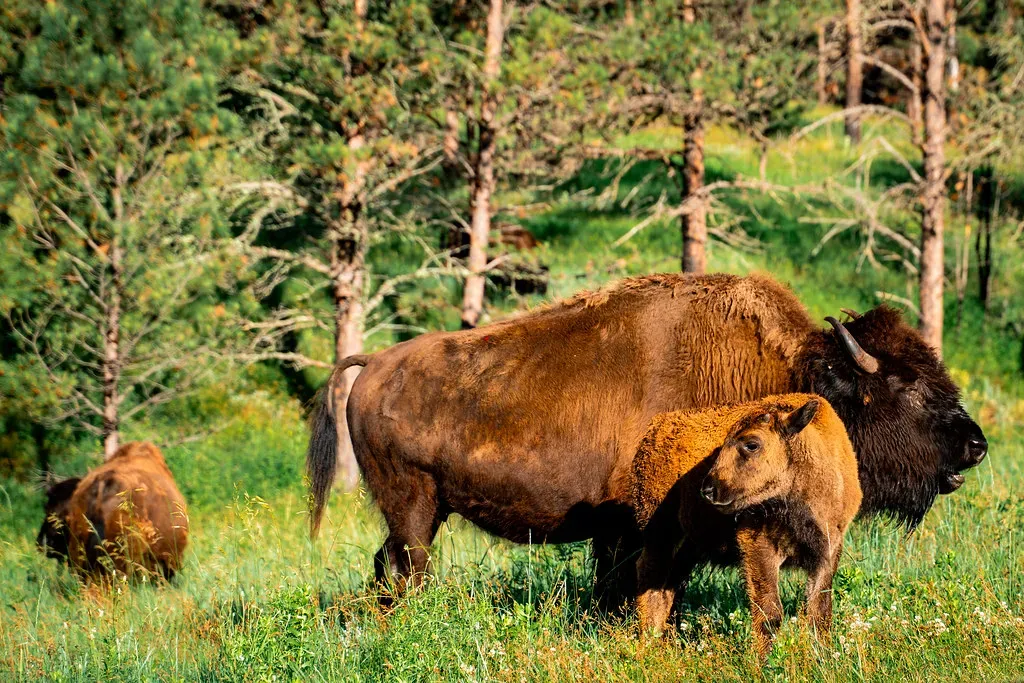
State parks are doing far more than preserving scenery. They are operating as active, science-driven conservation systems that work across boundaries, engage communities, restore ecosystems, and build legal and financial frameworks to protect wild animals for generations that don’t yet exist.
The work is imperfect, underfunded in many places, and always racing against the pace of development and climate change. Yet the evidence of progress is real: rivers reconnected, populations rebounding, corridors being stitched back together one easement and one wildlife crossing at a time.
What happens in your state’s parks doesn’t stay in the parks. It shapes the health of entire ecosystems, the availability of clean water, the quality of the air, and the richness of the natural world that future generations will inherit. The animals living there now are, in a very real sense, being held in trust.
