
Worried about unexpected vet bills?
Pet insurance can cover thousands in unexpected vet costs. Get a free quote from Lemonade in under 2 minutes.
Get My Free Quote →Sponsored · Opens Lemonade.com
Las Vegas summers are unlike almost anywhere else in the country. Temperatures regularly pass 100 degrees Fahrenheit during the hottest months, accompanied by very low air humidity and a blazing, relentless sun. For residents, it’s a familiar rhythm. For dogs, it’s a serious and ongoing physical challenge that their bodies weren’t designed to simply power through.
Unlike humans, dogs only have sweat glands on their paws and must rely on panting to cool down. That’s a fairly limited cooling system when you’re standing on scorching asphalt under a desert sky. Understanding the specific risks of the Vegas climate, and knowing what to do about them, can genuinely make the difference between a safe summer and a dangerous one.
Time Your Walks Carefully Around Peak Heat
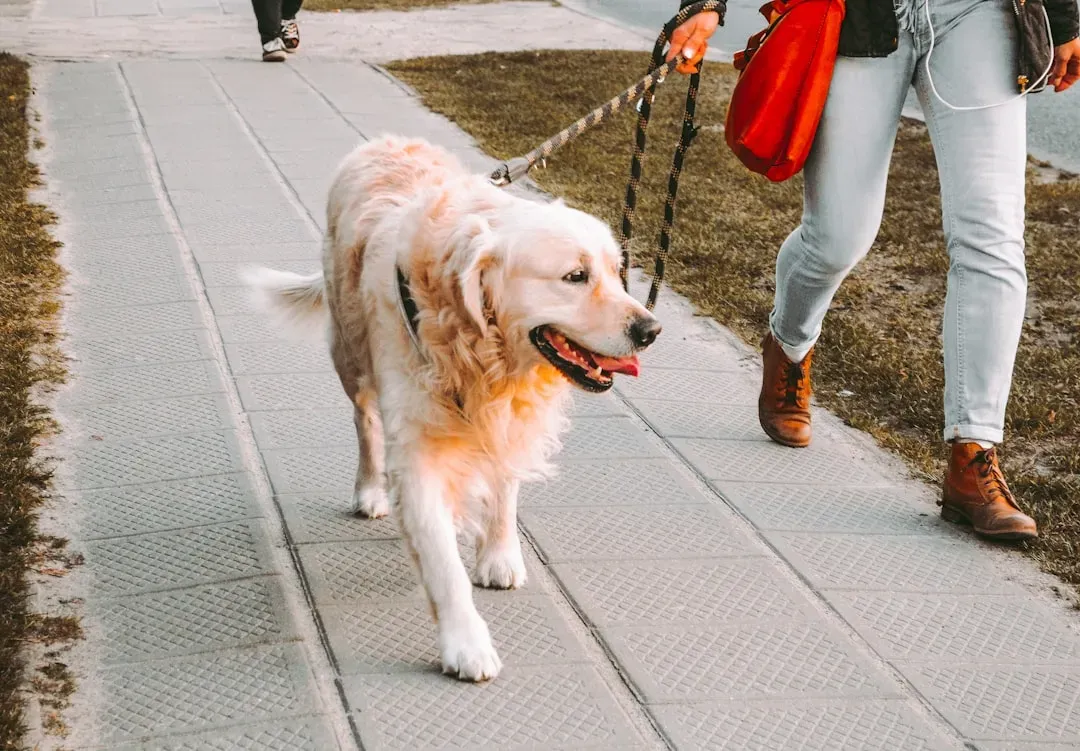
The timing of your dog’s outdoor activities matters far more in Las Vegas than in most cities. Peak heat in Vegas typically occurs between 10 AM and 5 PM, with temperatures often exceeding 100 degrees Fahrenheit.
Walking early in the morning or later in the evening, when temperatures are lower and sidewalks aren’t scorching hot, is the safest approach. Midday walks can be dangerous, so shifting your dog’s routine to cooler times of day is important.
Walk before 8 a.m. or after sunset, carry water and offer it every 15 to 20 minutes, and watch for excessive panting, drooling, stumbling, or a dog that suddenly wants to stop and lie down. That last point is worth sitting with for a moment.
Those aren’t rest breaks. Those are warnings. A dog that suddenly refuses to move mid-walk is telling you something urgent. Trust it.
Protect Those Paws From the Ground Up
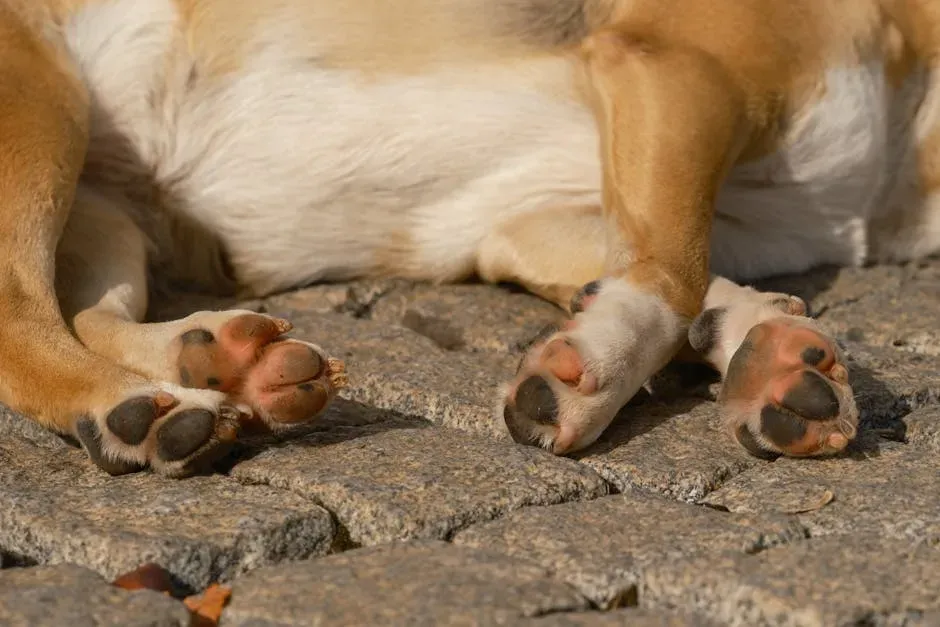
One of the most overlooked dangers in the Vegas heat isn’t the air temperature. It’s what’s directly beneath your dog’s feet. Asphalt in direct Las Vegas sun can hit 160 degrees Fahrenheit when air temperature reaches 100 degrees. The test is simple: press your palm flat to the pavement for seven seconds. If you can’t hold it, your dog can’t walk on it.
Dogs’ paws can easily be irritated during summer, leading to burns on the pads of the paws. Avoid letting them walk on asphalt, pavement, or any sort of concrete-based material.
When outside, avoid hot pavement and sand, which can burn your pet’s paw pads. If you need to take your dog for a walk during the day, consider using protective booties. Grass, wherever you can find it in Vegas, is genuinely the better choice.
Hydration Is Non-Negotiable
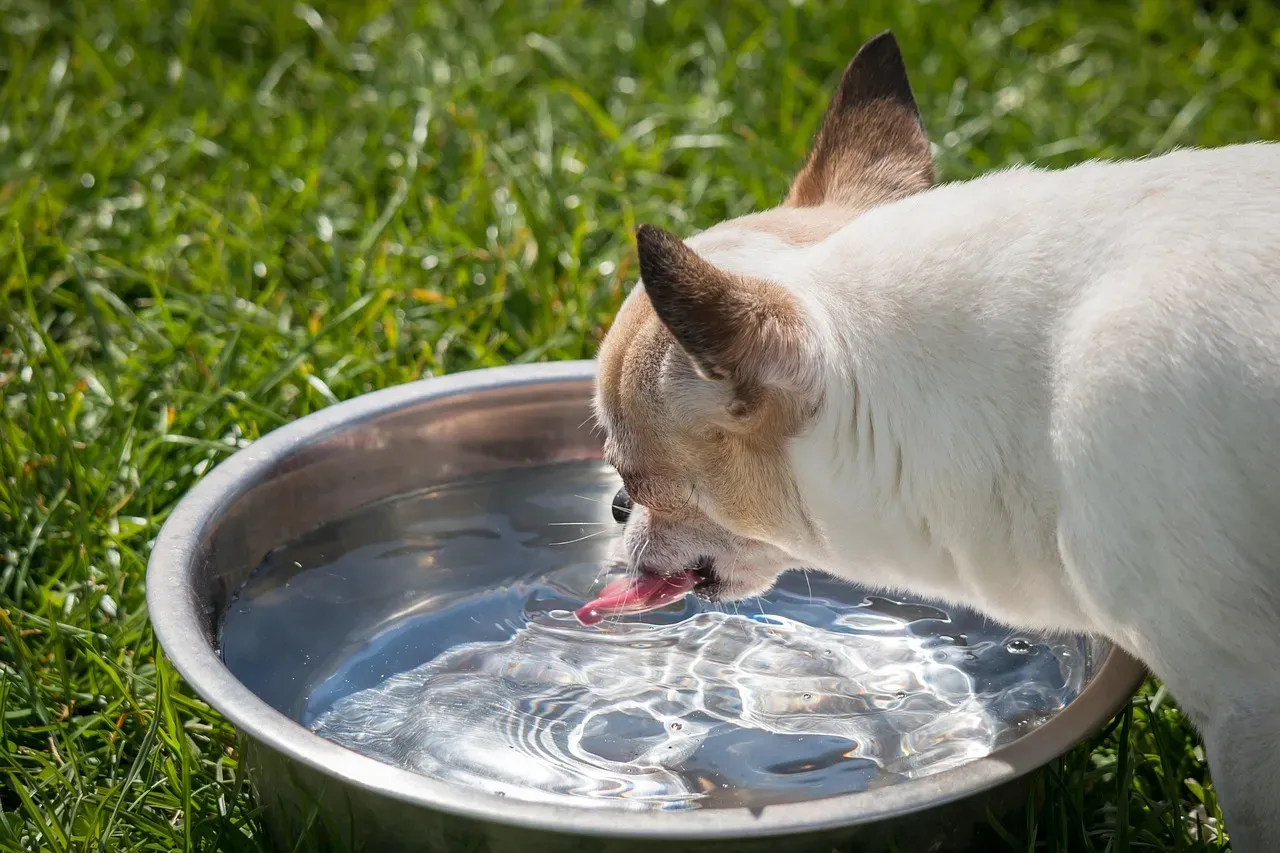
Always carry water for hydration, especially during outings in the heat. In the hot desert climate, dehydration can set in quickly, so ensuring your dog has access to plenty of fresh water throughout the day is essential. Even if your dog is indoors, the dry air can lead to rapid dehydration.
Placing water bowls in several locations around your home and yard is a practical habit worth building. Adding ice cubes to their water bowls can also keep the water cooler for longer periods. Small adjustments like these add up.
Treating your pets to hydrating snacks can also help keep them cool. Frozen treats made from pet-safe ingredients like water, broth, or pureed fruits and vegetables can be a refreshing way to beat the heat.
Create a Cool Retreat and Know the Risks of Hot Cars
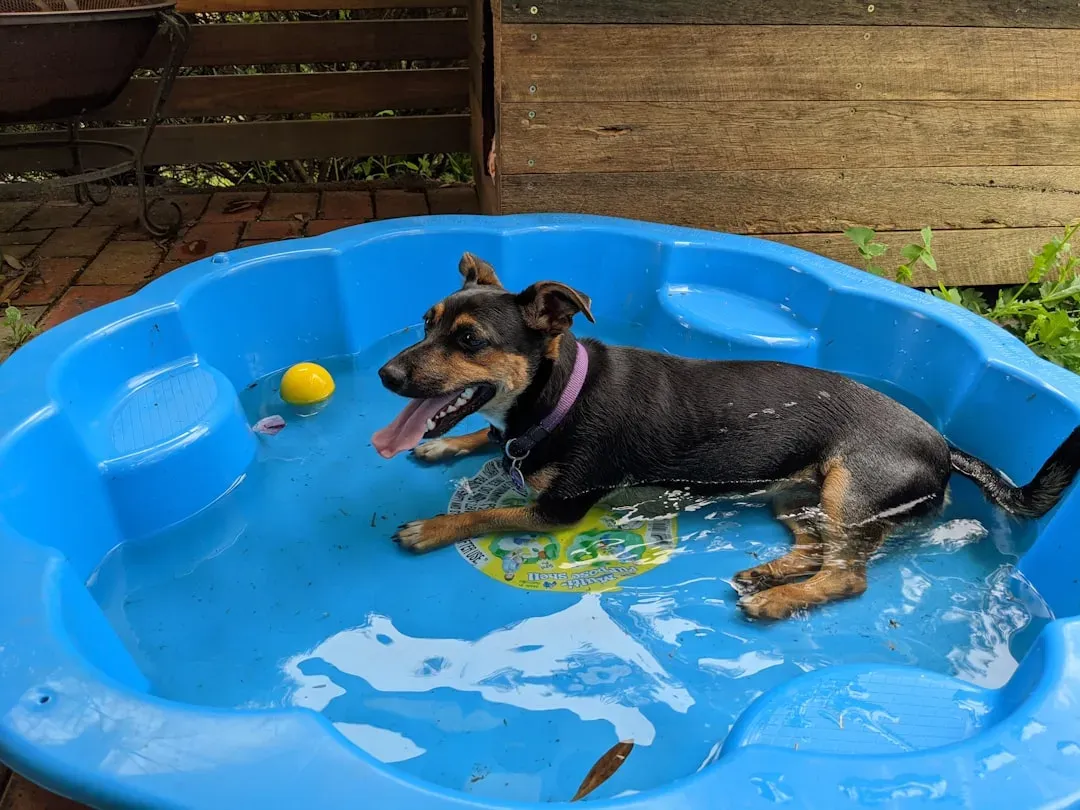
Creating a cool environment for your pets can significantly reduce the risk of heat-related issues. Ensuring your home is well-ventilated and keeping the air conditioning on during the hottest parts of the day is essential.
Utilizing cooling products can further aid in maintaining your dog’s comfort during the sweltering summer months. Various options are available, including cooling mats, vests, and even specially designed dog pools to help maintain a safe body temperature. Engaging in indoor games can also provide exercise without the risks associated with outdoor play in extreme heat.
On the topic of cars, the risk cannot be overstated. The temperature inside a car can rise by 20 degrees in just 10 minutes, even with the windows cracked. That spike is enough to put your dog in danger fast.
Leaving a dog in a hot car is extremely dangerous and can lead to death within minutes. Even if you’re just running a quick errand, it’s best to leave your dog at home where they can stay cool and safe.
Recognize Heatstroke and Know What to Do
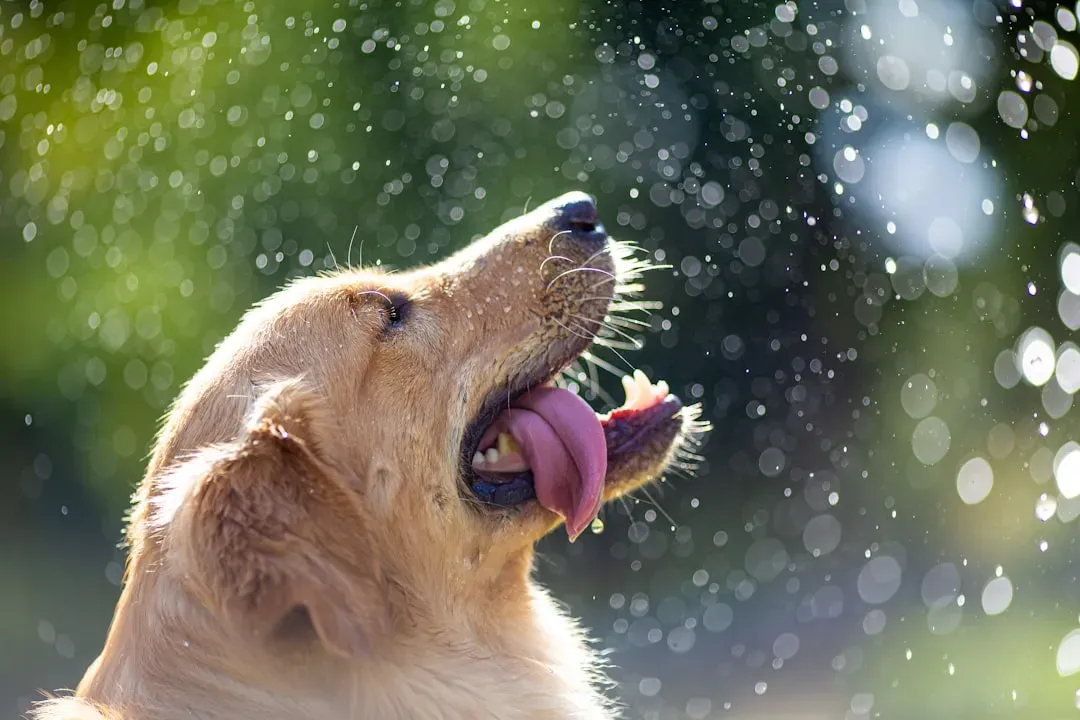
Even with the best precautions, heat can catch you off guard. Early signs of heatstroke include heavy panting and rapid breathing, excessive drooling, dry mucous membranes, bright red gums and tongue, skin that’s hot to the touch, and a higher heart rate.
Signs of heat stroke in dogs include excessive drooling, bright red or purple gums, vomiting, diarrhea, disorientation, and collapse. Severe cases may progress to seizing, unconsciousness, or coma. These are not symptoms to wait out at home.
If you suspect heatstroke, immediately move your dog to a shaded, cool area. Offer them fresh water and wet their body with cool, not cold, water to lower their temperature. If symptoms persist, take your dog to a veterinarian immediately.
Cooling your pet prior to arrival at the hospital has been shown to increase their chances of survival from 50% to 80%. Acting fast, and acting correctly, genuinely matters here. Also worth knowing: certain breeds such as brachycephalic dogs like Bulldogs and Pugs are more susceptible to heat due to their restricted airways, and pets with underlying health conditions or older pets are also at higher risk. Extra precautions with these animals are strongly advised.
A Final Thought
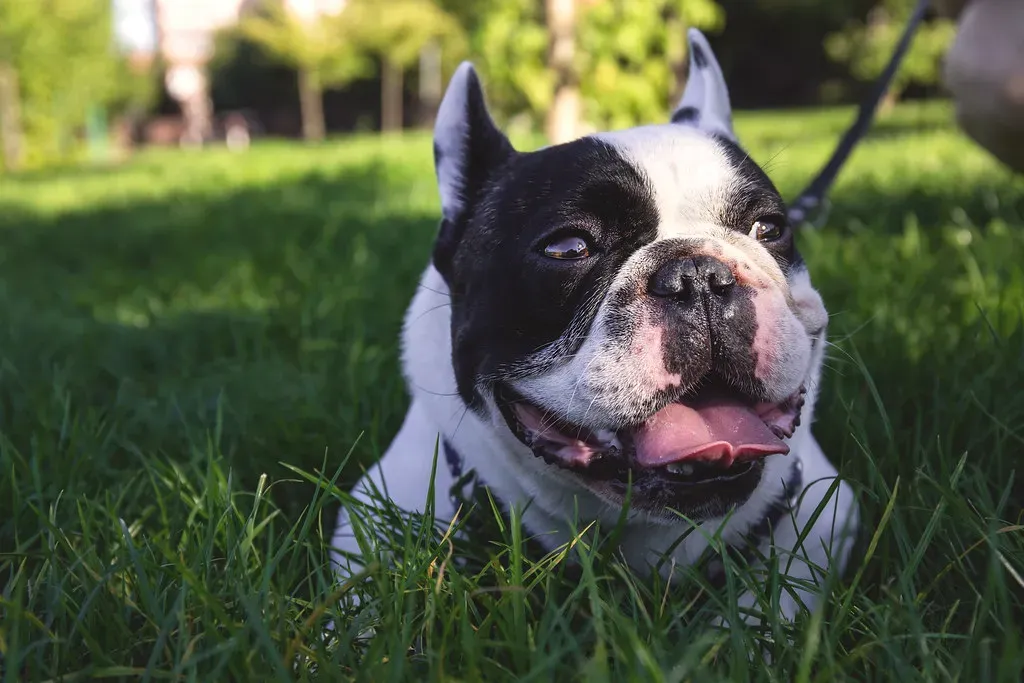
Vegas summers demand respect, and your dog is counting on you to give that respect on their behalf. As the summer heat intensifies in an environment as arid and demanding as Las Vegas, ensuring the well-being of dogs becomes crucial. Dogs are susceptible to heat-related issues just like humans, making it imperative for pet owners to adopt specific strategies to keep their furry companions cool and comfortable.
The good news is that none of this requires dramatic changes to daily life. Adjusted walk times, a few extra water bowls, some paw checks before heading out, and a basic awareness of the warning signs puts you well ahead of most heat-related risks.
A dog can’t tell you when they’re struggling. They’ll keep going if you keep going. In a city where summers routinely hit extremes, the simple habit of paying closer attention to your dog’s comfort could prove to be one of the most important things you do this year.
Worried about unexpected vet bills?
Pet insurance can cover thousands in unexpected vet costs. Get a free quote from Lemonade in under 2 minutes.
Get My Free Quote →Sponsored · Opens Lemonade.com
