

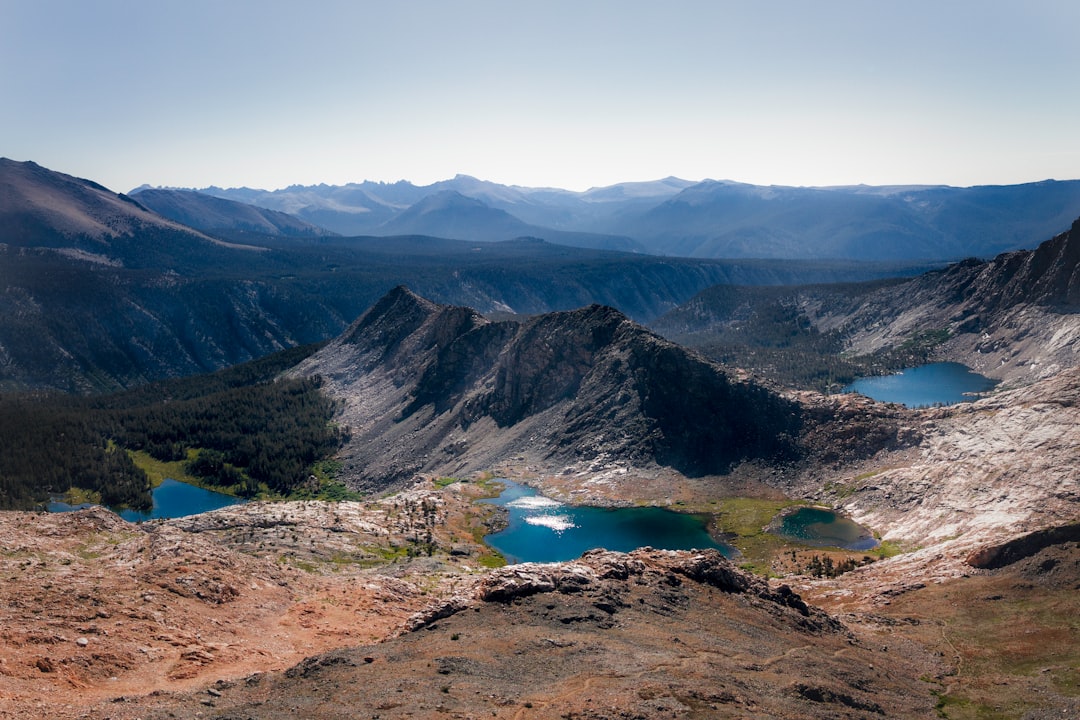
While most travelers consider Yellowstone the “crown jewel” of the National Park System, the reality on the ground is often far from a peaceful wilderness experience. In 2023 alone, Yellowstone saw nearly 4.5 million visitors, resulting in three-hour traffic jams and “bison bottlenecks” that ruin the serenity of nature. Most people believe Yellowstone offers the best geothermal features and wildlife viewing in America, but seasoned backcountry experts know better. There are tucked-away corners of the U.S. that offer more dramatic peaks, clearer water, and deeper silence than the crowded boardwalks of Old Faithful. Here’s what the veteran park rangers and professional landscape photographers actually say.
#18 — Lassen Volcanic National Park, California

Most California travelers head straight for Yosemite, leaving this northern gem completely overlooked and blissfully quiet.
If you want the “Yellowstone experience” without the shoulder-to-shoulder crowds, Lassen is arguably the better choice for geothermal enthusiasts. It contains features like Bumpass Hell, which actually boasts boiling mud pots and steaming vents that are every bit as impressive as Yellowstone’s Midway Geyser Basin. The big difference is that you can often enjoy these sights with only a handful of other hikers nearby, rather than hundreds.
The park is home to all four types of volcanoes found in the world, a geological rarity that most visitors never realize. Many tourists mistake this as just “another forest,” but the high-altitude lakes and charred lava beds offer a starker, more dramatic contrast than the rolling hills of Wyoming.
But that’s nothing compared to what we found about #17…
#17 — Isle Royale National Park, Michigan

This is the least-visited National Park in the lower 48 states, and it offers a level of isolation Yellowstone hasn’t seen since the 1800s.
Isle Royale is an island wilderness in Lake Superior that is only accessible by boat or seaplane, which naturally filters out the “windshield tourists” who clog up Yellowstone’s roads. Studies show that visitors stay here an average of 3.5 days, the longest stay in the entire park system, because once you arrive, you are fully immersed in a predator-prey ecosystem of wolves and moose.
While Yellowstone’s wolves are often viewed through spotting scopes from a mile away, on Isle Royale, you are walking through their territory. The rugged, rocky coastline and the haunting calls of loons at night create a prehistoric atmosphere that feels truly “untouched” by modern civilization.
But if you think an island is secluded, wait until you see the scale of #16…
#15 — Wrangell-St. Elias National Park, Alaska

Most Americans don’t realize that this single park is the size of six Yellowstones put together, yet it sees a tiny fraction of the visitors.
Wrangell-St. Elias is the true definition of “wild,” containing nine of the 16 highest peaks in the United States. While Yellowstone is famous for its mid-sized mountains, this park contains the Malaspina Glacier, which is larger than the entire state of Rhode Island. The scale here is so massive that it actually makes the Grand Canyon look manageable in comparison.
Most travelers are intimidated by the lack of paved roads, but those who venture into the interior find abandoned copper mines and massive ice fields. It is one of the few places left on Earth where you can hike for three days and never see another human footprint.
But the mountain views get even more “alpine” when we head down to #15…
#15 — North Cascades National Park, Washington
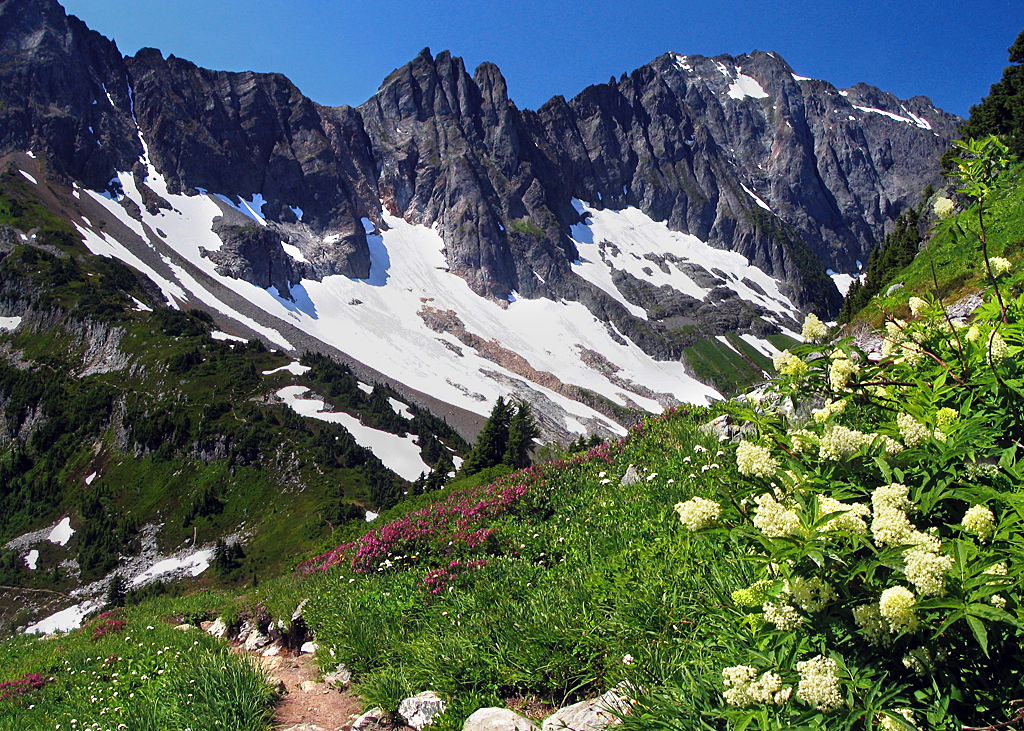
Often called the “American Alps,” this park is a jagged masterpiece of ice and granite that puts Yellowstone’s terrain to shame.
Despite being located just a few hours from Seattle, North Cascades is one of the least-visited parks in the country. It contains over 300 glaciers, more than any other U.S. park outside of Alaska, creating a landscape of turquoise meltwater lakes and razor-sharp peaks. While Yellowstone is relatively flat, the North Cascades offer verticality that is dizzying to behold.
Critics often argue that Yellowstone is a “drive-through” park, but North Cascades demands you get out of the car. The lack of cell service and the abundance of steep, challenging trails ensure that only the most dedicated nature lovers reach the best viewpoints.
But if you prefer red rocks to white ice, you need to see #14…
#14 — Capitol Reef National Park, Utah

While everyone is fighting for parking spots at Zion and Arches, Capitol Reef sits quietly in the middle of Utah with better views and zero lines.
The park’s centerpiece is the Waterpocket Fold, a 100-mile long “wrinkle” in the Earth’s crust that reveals colorful layers of geological history. Unlike the crowded boardwalks of Yellowstone, Capitol Reef allows you to explore ancient petroglyphs and massive sandstone domes at your own pace. Many veterans believe this is the most underrated landscape in the entire Southwest.
A unique feature here is the Fruita Orchards, where you can actually pick fresh fruit inside the National Park—a relic of Mormon pioneer history. It’s a bizarre and beautiful contrast to the harsh desert surroundings that you won’t find in the more famous “Mighty 5” parks.
But the real water wonders are found at #13…
#13 — Black Canyon of the Gunnison, Colorado
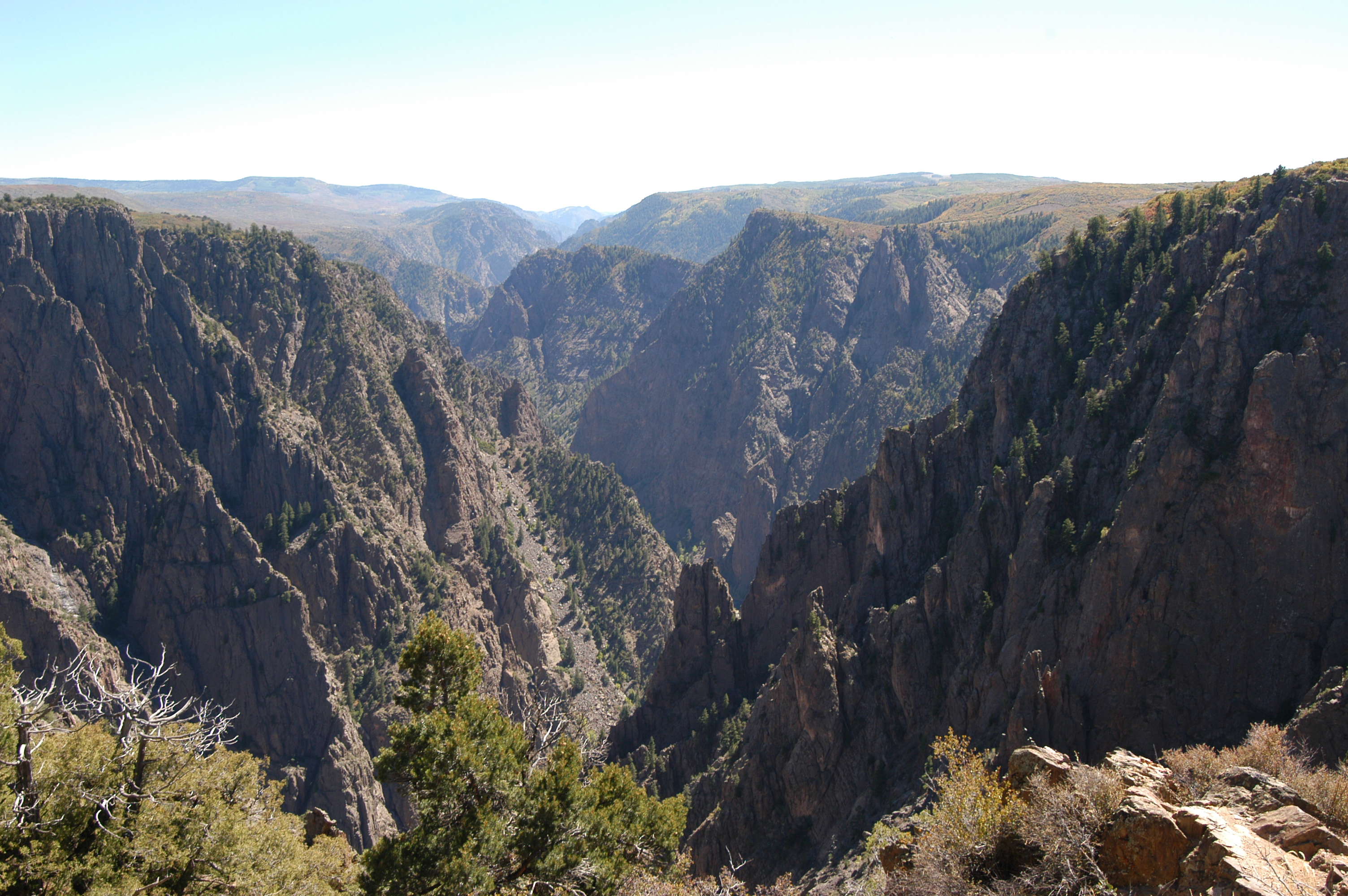
This canyon is so narrow and deep that some parts of the canyon floor only receive 33 minutes of sunlight per day.
Yellowstone has its “Grand Canyon of the Yellowstone,” but the Black Canyon is significantly more dramatic and intimidating. The sheer cliff walls drop 2,000 feet straight down to the river, creating a vertical landscape that feels like it was sliced into the earth with a knife. The Painted Wall is particularly famous for its pink Precambrian pegmatite dikes that look like giant lightning bolts frozen in stone.
Because the park is so steep, it doesn’t attract the casual crowds that fill Yellowstone’s gift shops. It is a place for quiet contemplation and observing some of the oldest exposed rock on the planet.
But for a completely different kind of beauty, look at #12…
#12 — Great Sand Dunes National Park, Colorado
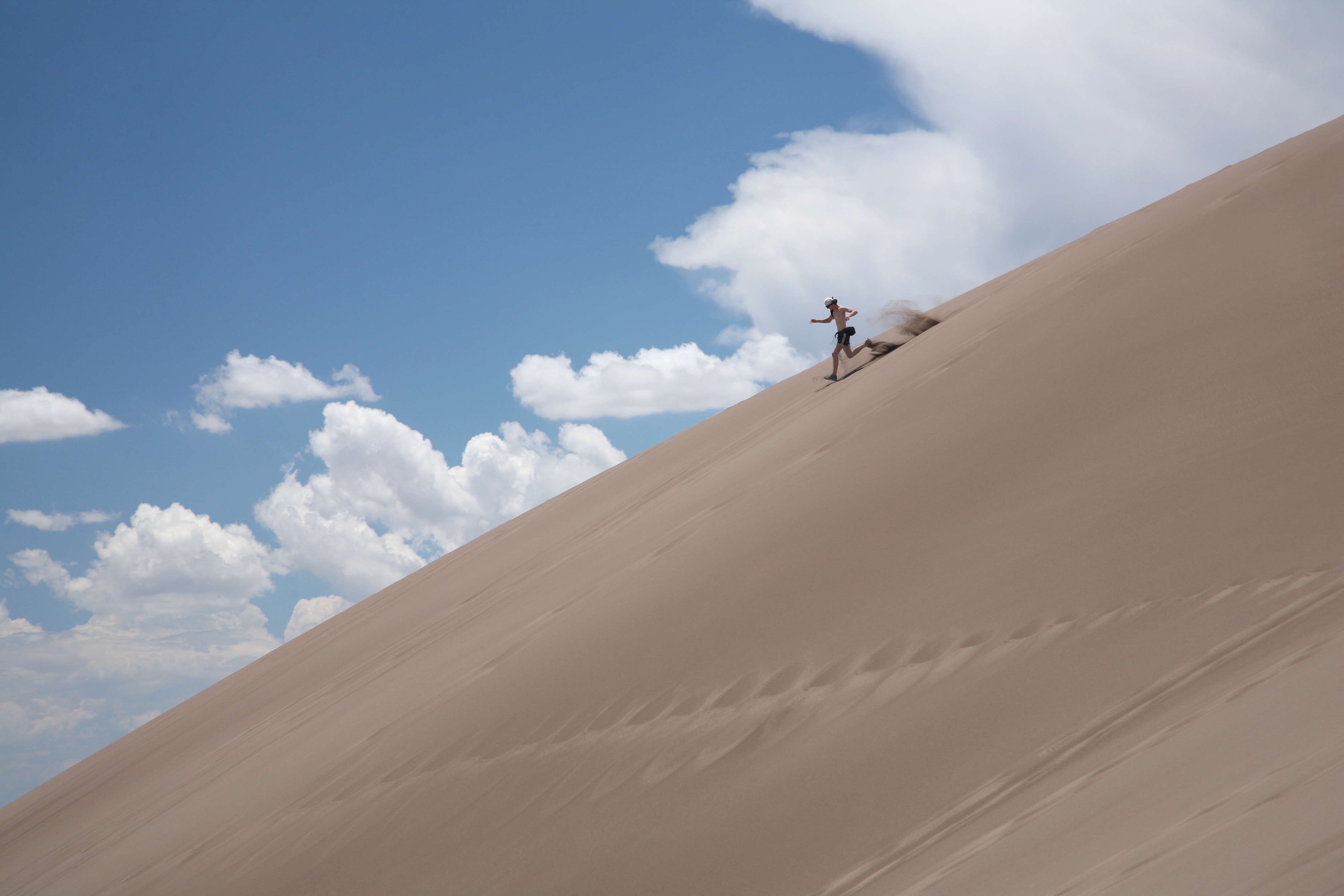
Imagine the Sahara Desert dropped squarely in the middle of the snowy Rocky Mountains, and you have Great Sand Dunes.
This park contains the tallest sand dunes in North America, some rising over 750 feet from the valley floor. Yellowstone’s landscape is fixed in place, but these dunes are constantly shifting and “singing” as wind passes over the sand grains. It is a surreal, alien landscape that provides a much better photo opportunity than a crowded geyser basin.
The seasonal Medano Creek creates a “surge flow” phenomenon where waves roll across the sand like a desert beach. It’s a sensory experience that feels more like a dream than a domestic park visit.
But wait until you see the underwater brilliance of #11…
#11 — Dry Tortugas National Park, Florida

Located 70 miles west of Key West, this park is 99% underwater and features a massive, unfinished 19th-century fort.
Dry Tortugas is the ultimate escape for those who find the pine forests of Yellowstone boring. The shallows are filled with some of the most vibrant coral reefs in the Atlantic, and the lack of human traffic means the marine life is incredibly bold. You can snorkel right off the beach and see sea turtles, nurse sharks, and massive grouper.
Fort Jefferson, the central structure, consists of over 16 million bricks and remains one of the largest masonry structures in the Western Hemisphere. It is a haunting, beautiful juxtaposition of man-made history and raw tropical nature.
But for a truly “out of this world” forest, you have to see #10…
#10 — Olympic National Park, Washington

Yellowstone has trees, but Olympic has an ancient temperate rainforest that looks like it belongs in a fantasy movie.
The Hoh Rainforest receives over 12 feet of rain a year, resulting in towering Sitka spruces and Western hemlocks draped in thick blankets of club moss. It is one of the quietest places on Earth, literally—sound scientists use it as a benchmark for natural silence. Aside from the forest, you also get rugged Pacific coastlines and glaciated mountain peaks in a single park.
Many people skip the coastal section, but the “Graveyard of the Giants” offshore rock formations provide a dramatic scale that Yellowstone’s inland scenery simply cannot match.
But the mountain drama hits a peak at #9…
#9 — Grand Teton National Park, Wyoming

Just a few miles south of Yellowstone lies its more attractive, more rugged, and often overlooked neighbor.
While Yellowstone is a high plateau, the Tetons are a vertical wall of granite that rises abruptly from the valley floor without any foothills. Geologists consider the Tetons one of the youngest mountain ranges in the world, which is why they look so sharp and jagged compared to the rounded hills of Yellowstone. The reflection of Mount Moran in the Snake River is widely considered the most iconic view in the American West.
The hiking here is far superior to Yellowstone, offering high-altitude loops that take you into the heart of the “Cathedral Group” of peaks. Most people drive through the Tetons to get to Yellowstone, which is a massive tactical mistake.
But for a landscape that feels like another planet, check out #8…
#8 — Badlands National Park, South Dakota

Yellowstone has mud pots, but the Badlands has a “lunar” landscape of eroded spires and pinnacles that are hauntingly beautiful.
The stripes of color in the rock layers represent millions of years of climate change and volcanic ash. The Badlands contain one of the world’s richest fossil beds, where rangers are constantly finding the remains of ancient sabertooth cats and rhinos. Walking through the Notch Trail feels like navigating a maze on a different planet.
Sunsets here are legendary, as the low light catches the red and yellow sediment, making the entire park appear to glow from within. It’s a stark, brutalist beauty that Yellowstone’s lush valleys can’t replicate.
But if you want ancient history, #7 is the place…
#7 — Mesa Verde National Park, Colorado

While Yellowstone protects geysers, Mesa Verde protects the incredible architectural legacy of the Ancestral Puebloan people.
The park contains over 5,000 archaeological sites, including the famous Cliff Palace, which is a massive stone village built directly into the side of a sandstone cliff. Seeing these dwellings in person provides a profound sense of human history that Yellowstone’s natural features lack. It is a masterclass in ancient engineering and survival.
Visiting the “Balcony House” requires climbing ladders and crawling through tunnels, making it an interactive adventure that beats sitting in a car waiting for a bison to move.
But the most vibrant water in America is actually at #6…
#6 — Crater Lake National Park, Oregon

Yellowstone has many lakes, but none can match the deep, impossible blue of Crater Lake.
Formed by the collapse of Mount Mazama 7,700 years ago, this is the deepest lake in the United States. The water is so pure because it is fed entirely by rain and snowmelt, with no inlets from rivers. This lack of sediment allows light to penetrate hundreds of feet down, creating a blue color so intense it looks like it was photoshopped.
The “Old Man of the Lake,” a 30-foot hemlock log that has been floating vertically in the lake for over 100 years, is a local legend that adds to the park’s mystical atmosphere.
But for a forest of giants, we look to #5…
#5 — Sequoia National Park, California
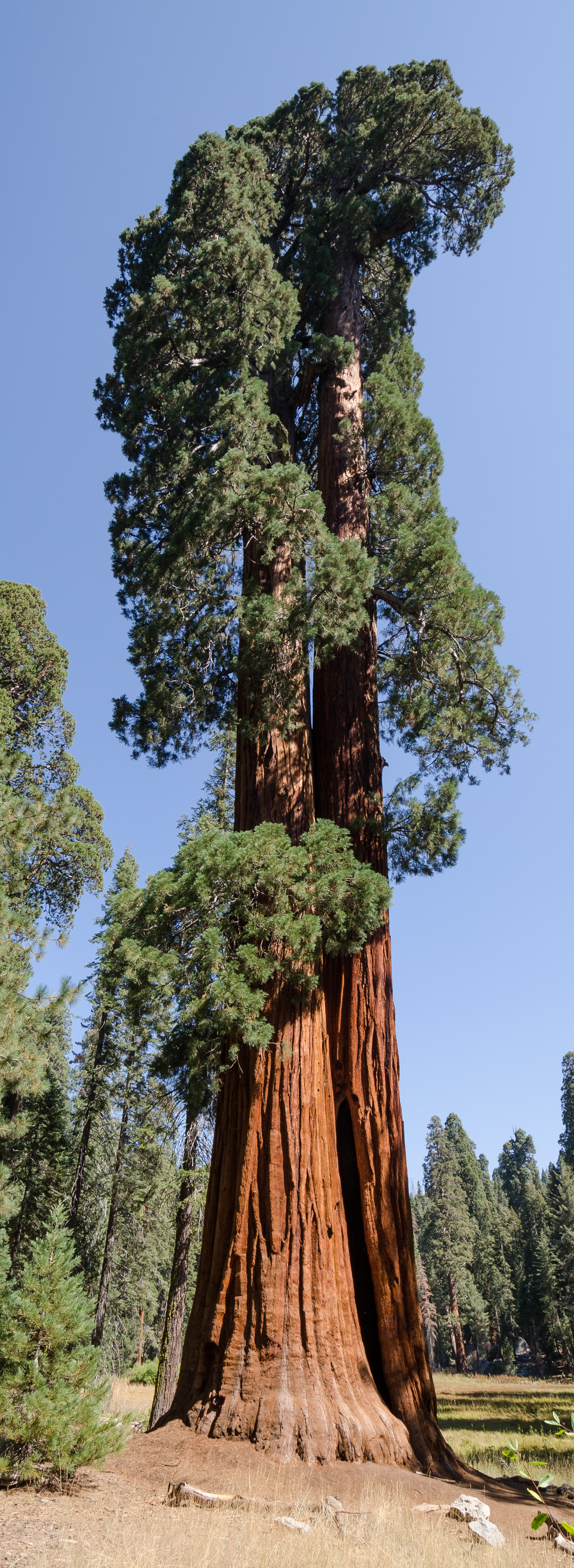
Yellowstone has big bears, but Sequoia has the largest living things on the entire planet.
Walking through the Giant Forest is a humbling experience that makes even the grandest geyser feel small. The General Sherman tree contains enough wood to build 120 average-sized houses, and standing at its base is a bucket-list experience that surpasses any Yellowstone wildlife sighting. The scale of these trees is simply impossible to capture in a photograph.
Beyond the trees, the park also contains Moro Rock, a granite dome that offers 360-degree views of the Great Western Divide. It’s a high-alpine paradise that remains far less crowded than the valley of nearby Yosemite.
But for a desert oasis like no other, you need #4…
#4 — Big Bend National Park, Texas

Located at the “90-degree turn” of the Rio Grande, this park is one of the last true frontiers in the lower 48.
Big Bend is famous for its “three parks in one” diversity: the Chihuahuan Desert, the Chisos Mountains, and the Rio Grande canyons. The park has the darkest night skies of any National Park in the lower 48, making it the premier destination for stargazing. On a clear night, you can see the Andromeda Galaxy with the naked eye.
The Santa Elena Canyon, with its 1,500-foot limestone walls, provides a river experience that rivals the Grand Canyon but with a fraction of the tourists. It is a place of total silence and immense scale.
But the mountain scenery gets even more “pristine” at #3…
#3 — Glacier National Park, Montana

If Yellowstone is the “American Serengeti,” Glacier is the “Crown of the Continent.”
While Yellowstone’s beauty is spread out, Glacier’s is concentrated into a terrifyingly beautiful display of vertical rock and turquoise water. The Going-to-the-Sun Road is widely considered the most scenic drive in America, clinging to the side of mountains as it crosses the Continental Divide. The sheer density of grizzly bears and mountain goats makes for wildlife viewing that is often more intimate than the roadside circuses of Yellowstone.
Many experts warn that the park’s eponymous glaciers are disappearing rapidly, adding a sense of urgency to a visit here that Yellowstone lacks. It is a fleeting, epic landscape.
But the hidden gem of the desert is #2…
#2 — Guadalupe Mountains National Park, Texas

Strictly for the enthusiasts, this park protects the world’s most extensive Permian fossil reef.
The park is home to the four highest peaks in Texas, but it’s the “Sky Island” ecosystem that makes it special. McKittrick Canyon is often called the most beautiful spot in Texas, particularly in the fall when the maple trees turn brilliant shades of red and orange against the desert backdrop.
It is a hiker’s park with virtually no roads leading into the interior. This ensures that the wilderness remains pristine and the crowds remain non-existent. It is the polar opposite of the “concession stand” atmosphere of Yellowstone.
But the #1 park that beats Yellowstone is a total surprise…
#1 — Great Basin National Park, Nevada

This is the “Loneliest Park” in the lower 48, and it offers a combination of features that Yellowstone cannot match.
Great Basin contains 13,000-foot Wheeler Peak, the only glacier in Nevada, and some of the oldest living organisms on Earth. The Bristlecone Pines here have been alive for over 4,900 years, meaning they were saplings when the Great Pyramids were being built. Standing next to a tree that has survived five millennia is a spiritual experience that a geyser eruption simply cannot provide.
Beneath the mountains lie the Lehman Caves, a subterranean wonderland of “shield” formations that are incredibly rare. Between the ancient trees, the marble caves, and the lack of crowds, Great Basin is the ultimate “anti-Yellowstone.”
The Bottom Line
Yellowstone will always be a household name, but it is no longer the “undiscovered wilderness” it once was. For travelers who value silence, scale, and soul-stirring views without the traffic jams, the parks on this list offer a superior experience. From the 5,000-year-old trees of Great Basin to the turquoise glaciers of the North Cascades, the American West is full of secrets that the average tourist ignores. While most people are fighting for a photo of a bison, you could be standing alone on a fossilized reef or in a silent rainforest.
Did we miss one? Drop your favorite “Yellowstone killer” in the comments!

- 25 Hummingbird-Friendly Garden Tips That Will Bring These Tiny Birds Back Again and Again - July 30, 2026
- 10 Most Powerful Native American Spirit Animals and What They Mean. - July 30, 2026
- 12 Signs of Stomach Ache in Dogs - July 30, 2026